

P0442 on 2010-2017 Volvo XC60: EVAP Small Leak Causes and Fixes
On a 2010-2017 Volvo XC60, the P0442 code is most often caused by a loose or faulty gas cap. If a new genuine Volvo gas cap doesn't fix it, the next most likely culprits are a failed leak detection pump (LDP) or a cracked EVAP hose near the rear wheel.
- Always start with the simplest fix: ensure the gas cap is tight. If it's old, replace it with a genuine Volvo cap.
- A P0442 code will not affect how your car drives, but it will cause an automatic failure on an emissions test.
- If a new gas cap doesn't solve the problem, the next most likely causes are a cracked hose or a failed Leak Detection Pump (LDP).
- A smoke test is the most reliable and efficient method to find the exact source of a small EVAP leak, potentially saving you from replacing incorrect parts.
What's Unique About the 2010-2017 Volvo XC60
The first-generation XC60 (P3 platform) shares its EVAP system design with other Volvos of the era, making some issues common across models. While the gas cap is a universal starting point, these vehicles are known for failures in the Leak Detection Pump (LDP) located near the charcoal canister by the rear subframe. Additionally, owners have reported specific issues like corrosion on the aluminum fuel filler vent pipe, leading to hard-to-find pinhole leaks that a simple visual inspection might miss. For later models without a traditional gas cap, debris on the filler neck's seal is a common cause.
Symptoms You May Notice
- Check Engine Light is on
- A 'Loose Fuel Cap' message may appear on the dashboard
- A faint fuel odor near the vehicle (less common)
- For capless fuel filler systems, a 'Check Engine' light may appear shortly after refueling if the sealing flap was not cleaned or did not close properly.
- Replacing the oxygen (O2) sensors. This code is strictly related to the EVAP (emissions) system and has no connection to the O2 sensors.
- Replacing the catalytic converter. This is an expensive part that is unrelated to the P0442 code.
Most Likely Causes
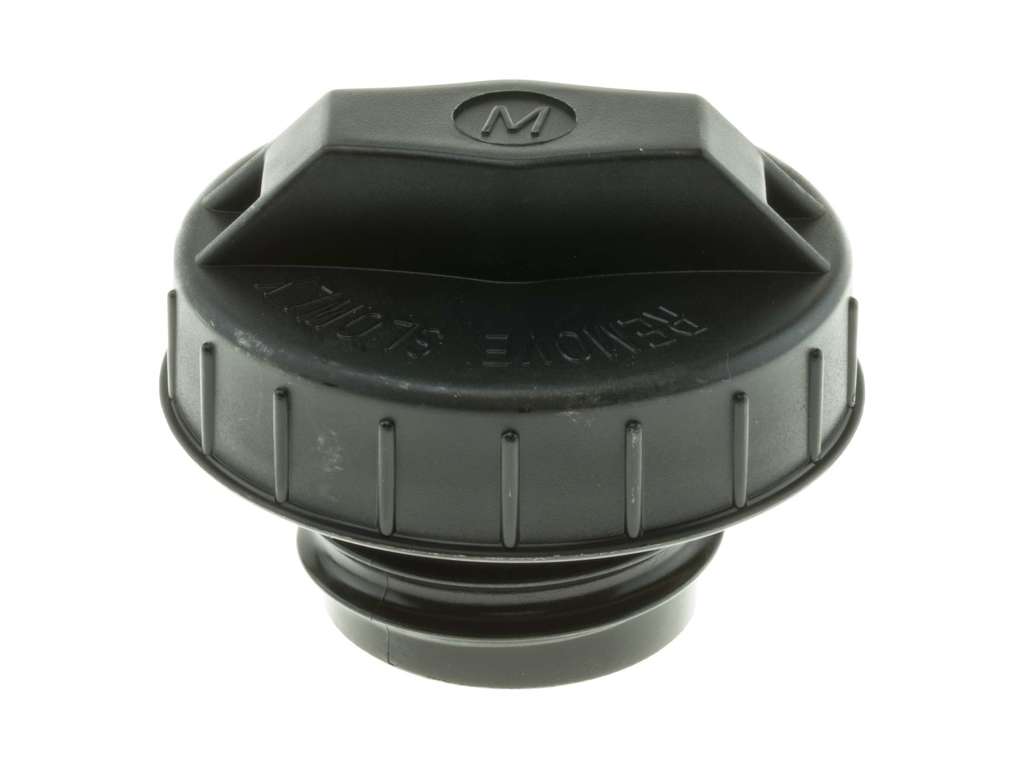
- Loose or Faulty Gas Cap 🔴 High Probability → Shop Fuel Tank Cap The gas cap seal is a rubber component that degrades over time. Aftermarket caps often do not seal as well as the original equipment manufacturer (OEM) part. On later models with capless systems, debris on the sealing flap can cause a leak.
How to confirm: Ensure the cap is tightened until it clicks several times. Inspect the rubber O-ring on the cap for cracks, stiffness, or damage. For capless systems, inspect the spring-loaded filler door for debris and ensure it seals tightly.
Typical fix: Replace the gas cap with a new, genuine Volvo part. For capless systems, clean the filler neck sealing surface with a clean cloth.
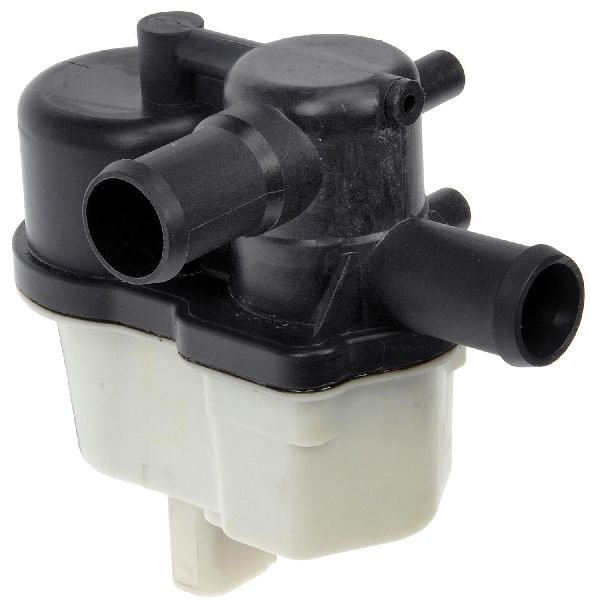
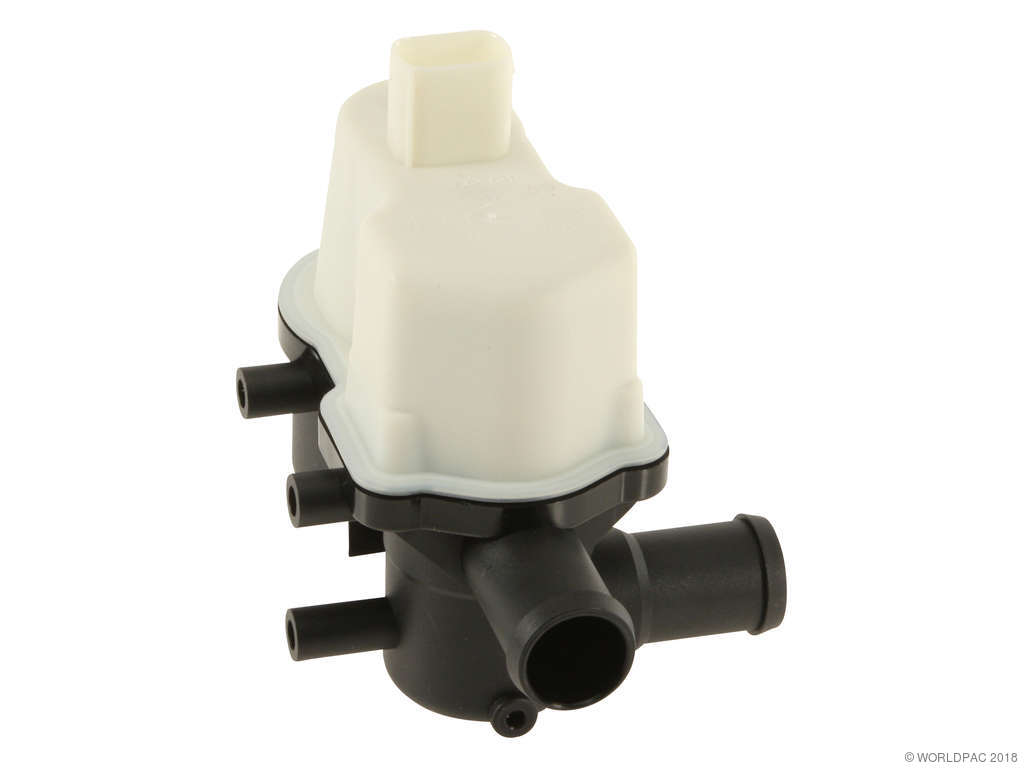
Est. part cost: $30-$50 - Failed Leak Detection Pump (LDP) 🟡 Medium Probability → Shop Evaporative Emissions System Leak Detection Pump The LDP is a known failure point on many P3 platform Volvo models. It's a complex component with internal diaphragms, a heating element, and valves that can fail over time, leading to a weak pump or a stuck valve.
How to confirm: Diagnosis often requires a Volvo-specific scan tool (VIDA) to command the LDP to run its test cycle. A mechanic can also test the pump directly. It is often replaced after ruling out the gas cap and obvious hose leaks.
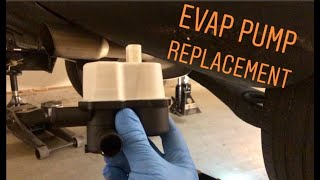
Typical fix: Replace the Leak Detection Pump. 🎬 Watch: Step-by-step guide to replacing the XC60 leak detection pump. It is typically located near the charcoal canister in the rear of the vehicle, often behind the rear wheel well liner.
Est. part cost: $90-$340 - Cracked or Disconnected EVAP Hoses 🟡 Medium Probability Rubber and plastic hoses become brittle with age and exposure to the elements, leading to cracks. The 'J-hose' near the charcoal canister is a common failure point on other Volvo platforms and can be an issue on the XC60 as well.
How to confirm: A visual inspection may reveal obvious cracks, especially on small rubber elbows and connectors. A smoke test is the most effective method to find small, hard-to-see leaks in the hose network.
Typical fix: Replace the specific cracked hose or connector. In some cases, a small section can be cut out and repaired.
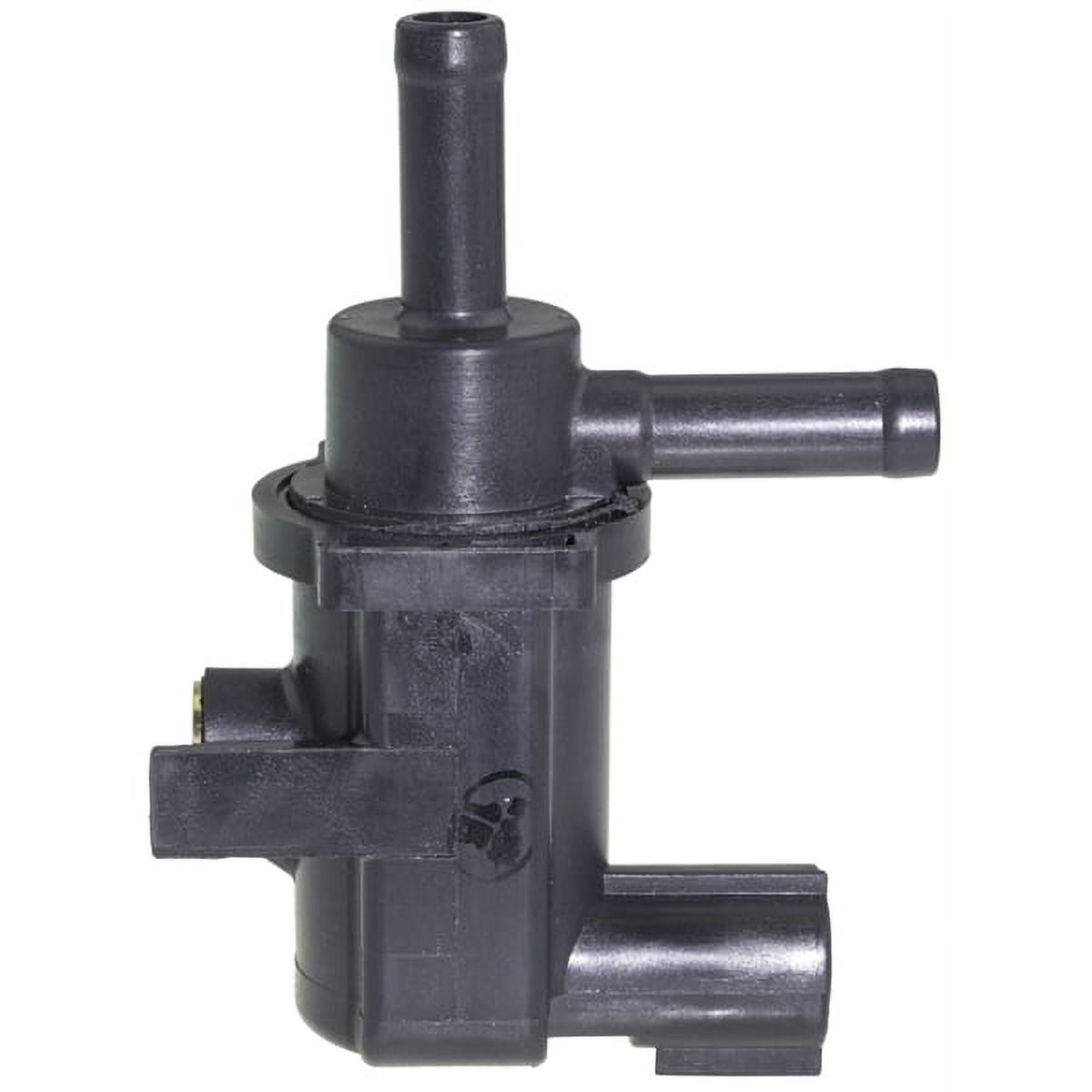
Est. part cost: $10-$50 for hoses, more for pre-formed assemblies. - Faulty Canister Purge Valve ⚪ Low Probability → Shop Vapor Canister The purge valve (or purge solenoid) can get stuck open or closed, creating a leak in the system.
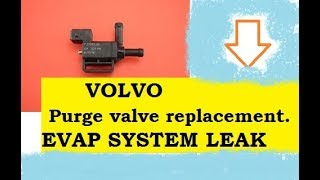
How to confirm: A key symptom can be difficulty starting the car immediately after refueling. The valve, typically in the engine bay, can be tested by applying 12V to see if it clicks open and closed. When de-energized, it should be closed and not allow air to pass through. A resistance check across the two pins should yield a reading between 15 and 30 Ohms. 🎬 See how to test and replace a faulty purge solenoid.
Typical fix: Replace the canister purge valve.
Est. part cost: $50-$150
Rare But Worth Checking
- Corroded Fuel Filler Vent Pipe: A user on a Volvo forum with a P3 platform vehicle (same as the XC60) found a pinhole leak in the aluminum fuel vent pipe near the filler neck. The corrosion was hidden by the pipe's coating and was only found after two smoke tests and replacing other parts.
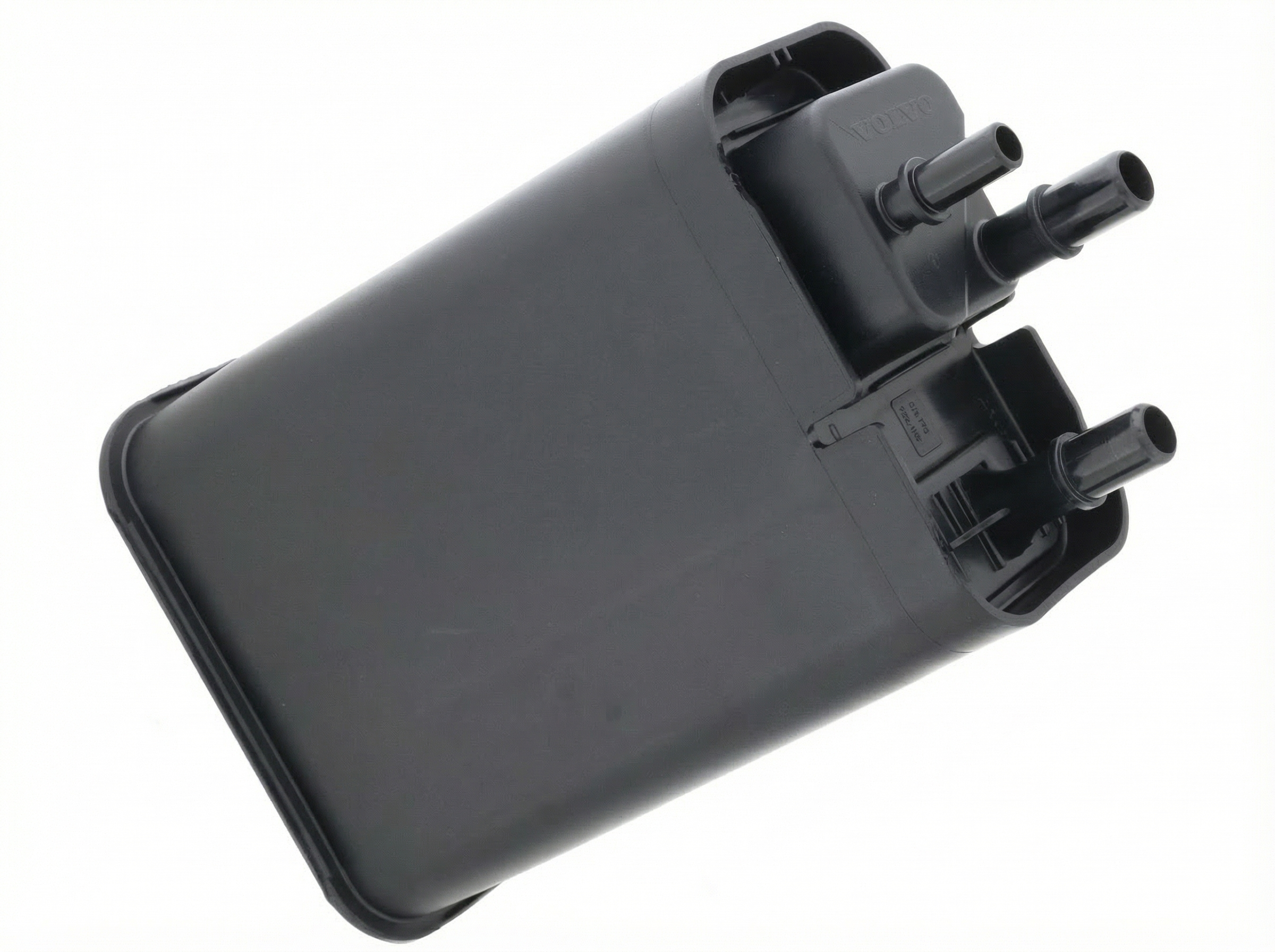
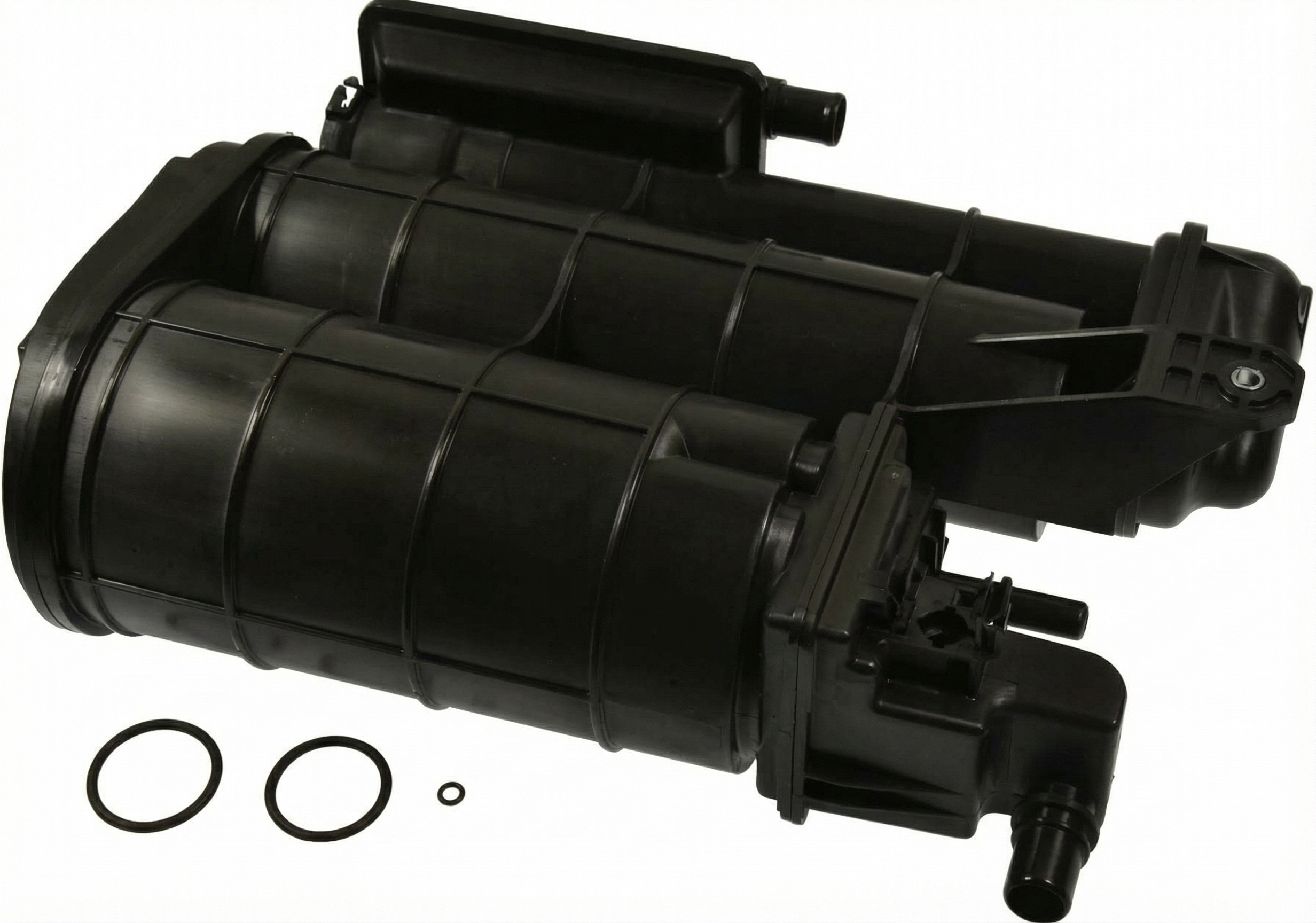
- Cracked Charcoal Canister: → Shop Vapor Canister While less common, the plastic body of the charcoal canister can develop cracks from road debris impact or age, creating a leak.
Diagnosis Steps
- Read the code with an OBD-II scanner to confirm P0442 is the primary code present.
- Inspect the gas cap or capless filler neck. Ensure the cap is tight and clicks when closed. Remove it and check the rubber seal for cracks or damage. For capless systems, clean the sealing flap with a cloth. If the cap is old or worn, replacing it with a genuine Volvo part is the cheapest and easiest first step.
- Clear the code with the scanner and drive for a few days to see if the light returns. The EVAP monitor only runs under specific conditions (fuel level between 15-85%, certain temperatures, etc.).
- If the light returns, perform a visual inspection of all accessible EVAP hoses in the engine bay and around the rear axle/charcoal canister for obvious cracks or disconnections.
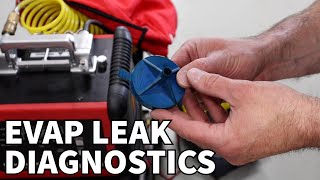
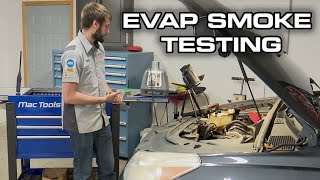
- If no obvious leaks are found, the most effective next step is a professional smoke test. 🎬 Watch: How to use a smoke machine to find leaks. This involves injecting low-pressure smoke into the EVAP system to see where it escapes. This is the best way to find hairline cracks in hoses or leaks in the filler neck.
- Based on the smoke test results, replace the leaking component, which could be a hose, the leak detection pump, the purge valve, or the canister itself.
- If a smoke machine is not available, you can proceed by replacing the most likely parts after the gas cap: the Leak Detection Pump (LDP) or the purge valve. The LDP is a more common failure point on this platform.
Parts You'll Likely Need
- Fuel Cap
(OEM #31392044)— This is the most common cause of a P0442 code due to a worn or damaged seal. Using a genuine Volvo part is highly recommended for proper sealing.
Trusted brands: Genuine Volvo
OEM price range: $30-$50
Aftermarket price range: $15-$30 - EVAP Leak Detection Pump
(OEM #31392490 (replaces 31321575))— This is a common failure point on Volvos of this generation and is often the culprit if a new gas cap does not solve the issue.
Trusted brands: Genuine Volvo, Bosch
OEM price range: $330-$450
Aftermarket price range: $90-$150 - Canister Purge Valve
(OEM #31370779 (Bosch 0280142494))— Can get stuck open, causing a persistent small leak. May also cause hard starting after refueling.
Trusted brands: Bosch, Genuine Volvo
OEM price range: $80-$120
Aftermarket price range: $40-$70
Related Codes That Often Appear With This One
- P0456 — P0456 indicates a 'very small leak'. The same components cause both codes, but P0456 is triggered by a smaller leak threshold. You might see this code first as a component begins to fail.
- P0455 — P0455 indicates a 'gross leak'. This can happen if the component that was causing a small leak (like a hose or seal) fails completely.
Platform-Specific Known Issues
- A known, though rare, issue is corrosion causing a pinhole leak on the aluminum fuel filler vent pipe, which can be very difficult to diagnose without a smoke test.
- On models with a capless fuel filler, debris accumulating on the spring-loaded seal is a frequent cause for this code, which can be resolved by cleaning the seal.
Mechanic-Grade Diagnostic Values
- EVAP Canister Purge Valve Solenoid Resistance — expected: 15 - 30 Ohms. Failure: A reading that is excessively high (open circuit) or very low (short circuit).
Hidden / Shadow Codes Worth Checking
- ECM-430D: This is the Volvo-specific Diagnostic Trouble Code (DTC) that directly corresponds to the generic OBD-II code P0442. It is found in the Engine Control Module (ECM) memory. (see via A Volvo-specific scan tool like VIDA is the most reliable way to read this code, though some advanced generic scanners may also display it.)
- ECM-400B: This is another Volvo-specific DTC reported for P0442 on similar P2 platforms, indicating a small leak. (see via Volvo VIDA or an advanced compatible scanner.)
Scan Tool Commands That Help
- Volvo VIDA (or advanced bidirectional scanner): EVAP System Leak Test Activation / Quick test of fuel tank system — This function commands the EVAP system's components (purge valve, vent valve, LDP) to seal the system and perform a pressure test. It is used to confirm the presence of a leak without a smoke machine and can help determine if a component is failing to seal internally. The VIDA interface will display the test status and results, such as 'System fine' or 'Major leak'.
Wiring & Ground Locations
- EVAP System Wiring Diagrams — Comprehensive wiring diagrams for the P3 platform (which includes the 2010-2017 XC60) are available online in PDF format.. These diagrams are essential for tracing wires to and from the canister purge valve (engine bay), Leak Detection Pump (rear of vehicle), and fuel tank pressure sensor to check for continuity, shorts, or bad ground connections. The documents contain specific sections for ground point locations and harness routing.
Real Owner Repair Stories
- Reddit user on r/Volvo (2015 Volvo V60 CC (P3 Platform)) — Persistent P0442 Check Engine Light.
❌ Tried (didn't work) Smoke check showed no obvious leaks, Replaced gas cap with new factory part, Replaced purge valve assembly
✅ What actually fixed it A pinhole leak was found on the aluminum fuel vent pipe that joins the fuel filler pipe. The leak was caused by corrosion that was hidden by the pipe's coating. The owner repaired it by cutting the pipe free, sliding heat shrink tubing over the hole, and painting the assembly. - volvoXC.com forum user (Volvo XC (model not specified, but P2/P3 platform context)) — Recurring P0442 code over a long period, sometimes with a 'loose fuel cap' message.
❌ Tried (didn't work) Chasing the P0442 code intermittently for 18 months.
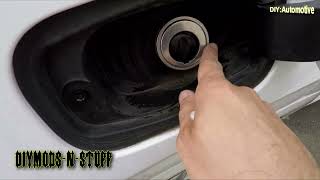
✅ What actually fixed it The issue was only resolved after the car finally threw a specific code for the Leak Detection Pump (LDP). Replacing the LDP fixed the long-standing P0442 issue. - YouTube video by DIYMODS NSTUFF (Later model Volvo with capless fuel filler (51,000 miles)) — P0442 code appeared after refueling.
❌ Tried (didn't work) Initial research suggested more complex part replacements.
✅ What actually fixed it The fix was cleaning a significant amount of dirt and debris from the white rubber seal on the capless fuel filler flap using a rag with degreaser. After cleaning, the Check Engine Light went off after a few drive cycles.
"I Checked Everything" — The Actual Cause
- A P3 platform owner performed a smoke test that came back clean, but the P0442 code persisted. The actual cause was a pinhole leak from corrosion hidden under the coating of the aluminum fuel filler vent pipe, which was not initially visible.
- In some cases, a smoke test may not reveal any external leaks, but the canister purge valve can be intermittently failing to seal against engine vacuum. This can be diagnosed using a scan tool's bidirectional control to command the system to seal while monitoring fuel tank pressure with the engine running; a drop in pressure indicates the purge valve is leaking vacuum from the intake.
When the Usual Fixes Don't Work
- While the gas cap and Leak Detection Pump are the most common culprits, multiple owner reports confirm that these fixes do not always resolve the P0442 code. In one documented case on a similar platform, after replacing the gas cap and purge valve, the true cause was a corroded fuel filler vent pipe that was missed by an initial smoke test. This highlights the need for thorough inspection of the entire system, including hard lines, if common fixes fail.
OEM Part Supersession History
31321575→31392490— Updated design for the Leak Detection Pump (LDP).31338272→31392490— Part number consolidation for the Leak Detection Pump (LDP).
Model Year Variations Within This Range
- Later years in the 2010-2017 range (approx. 2014+): These models may be equipped with a capless fuel filler system instead of a traditional screw-on gas cap. For these vehicles, the primary cause of a P0442 after refueling is often debris on the spring-loaded sealing flap, not a faulty cap. The diagnostic focus shifts from replacing the cap to cleaning the seal.
Diagnostic Flowchart
Other Known Issues on This Vehicle
Issues unrelated to this code that are worth knowing about as an owner of this generation:
- Excessive Oil Consumption (Certain Engines) 🔴 High — Affects some 2011-2016 4-cylinder, 5-cylinder, and 6-cylinder engines. Often becomes noticeable after 50,000 miles. Caused by issues with piston rings. (Ref: Volvo issued technical journals and extended warranties for certain VIN ranges, but these programs may now be expired.)
- PCV System / Oil Trap Failure 🟠 Medium — Common across many P3 models. The diaphragm inside the PCV housing can tear, causing a loud whistling or humming noise from the engine.
- Worn Rear Trailing Arm Bushings 🟠 Medium — Common on higher mileage P3 vehicles. Causes a squeaking or groaning noise from the rear suspension, especially over bumps.
- Leaking Windshield Seal 🟠 Medium — A known manufacturing defect on some P3 models where the windshield was not properly bonded, leading to water leaks into the cabin, potentially damaging electronics.
- Stuck or Failed Electric Parking Brake 🟡 Low — Owners report occasional issues with the electric parking brake module failing, causing the brake to get stuck on or not engage.
Used vs. New Parts: Buying Guide for This Vehicle
When a used part is the smart pick: For this repair, obtaining a used charcoal canister or fuel filler neck assembly from a low-mileage, non-corroded (i.e., not from a salt-belt region) donor vehicle can be a cost-effective option. EVAP hoses and lines can also be sourced used if they are pliable and show no signs of cracking.
Donor-vehicle mileage cap: roughly under 80000 miles for the part to have meaningful remaining life.
What to inspect on the donor part:
- For filler necks, inspect for any signs of rust or corrosion, especially on metal pipes and flanges.
- For charcoal canisters, ensure the plastic housing has no cracks and all hose ports are intact.
- For hoses, bend them to check for brittleness or surface cracks.
OEM-only on this vehicle (don't cheap out):
- Fuel Cap: It is strongly recommended to use a Genuine Volvo fuel cap. Forum and mechanic consensus is that many aftermarket caps do not provide a reliable seal, leading to a quick return of the P0442 code.
Aftermarket brands forum-validated for this vehicle:
- Bosch: Bosch is a known OEM supplier for Volvo and is a trusted brand for both the Leak Detection Pump and the Canister Purge Valve.
Brands owners have reported issues with on this vehicle:
- Unbranded/generic fuel caps: While no specific brand is universally cited as 'bad,' the general advice is to avoid cheap, no-name gas caps as they are a frequent cause of failed repairs.
Real Owner Stories
Aggregated from forums and TSBs cited above. Mileages and costs reflect what owners reported in those sources.
2015 Volvo V60
Symptoms: A hard-to-find EVAP leak that triggered the check engine light.
What fixed it: Replacing the aluminum fuel filler vent pipe which had developed a pinhole leak due to corrosion.
Source hint: reddit.com/r/Volvo post about a P3 platform V60 detailed a hard-to-find leak on the fuel filler vent pipe
2012 Volvo XC60
Symptoms: Warning message 'loose fuel cap' and a pending P0442 code; the owner noted the gas cap seal had visible cracks.
What fixed it: Replacing the gas cap with a new unit and addressing a slow failure of the Leak Detection Pump.
Source hint: volvoXC.com thread titled 'Warning message "loose fuel cap" and pending P0442'
Related OBD-II Codes
Frequently Asked Questions
My 2015 XC60 has a capless fuel system and the 'Check Engine' light came on after refueling. What should I check first?
Is there a specific hose on the XC60 known for causing this small EVAP leak?
I'm getting a 'Loose Fuel Cap' message on my dashboard. Does this mean I definitely need a new cap?
Where is the Leak Detection Pump (LDP) located on the 2010-2017 XC60?
How can I test if the canister purge valve is the reason for my P0442 code?
Can I use a standard OBD-II scanner to diagnose the Leak Detection Pump?
Helpful Videos
Used OEM Parts in Stock
New Aftermarket Parts Available


The information in this article is provided for general reference and educational purposes only. Vehicle specifications, procedures, and part compatibility can vary by production date, trim level, and region. Always consult your vehicle's factory service manual and verify part numbers before purchasing or performing repairs. Safety-critical components such as airbags, seat belts, and braking systems should be installed by a qualified professional.
- Volvo XC60:
- 🧭 Diagnostic Flowchart
- 🎬 Helpful Videos
- 🛍️ Shop This Part
- What's Unique About the 2010-2017 Volvo XC60
- Symptoms You May Notice
- Most Likely Causes
- Rare But Worth Checking
- Diagnosis Steps
- Parts You'll Likely Need
- Related Codes That Often Appear With This One
- Platform-Specific Known Issues
- Mechanic-Grade Diagnostic Values
- Hidden / Shadow Codes Worth Checking
- Scan Tool Commands That Help
- Wiring & Ground Locations
- Real Owner Repair Stories
- "I Checked Everything" — The Actual Cause
- When the Usual Fixes Don't Work
- OEM Part Supersession History
- Model Year Variations Within This Range
- Other Known Issues on This Vehicle
- Used vs. New Parts: Buying Guide for This Vehicle
- Real Owner Stories
- 2015 Volvo V60
- 2012 Volvo XC60
- Related OBD-II Codes
- Frequently Asked Questions
- 🎟️ Get 5% Off