

P0443 on 2001-2008 BMW 7-Series: Purge Valve Circuit Malfunction Causes and Fixes
On a 2001-2008 BMW 7-Series, code P0443 almost always points to a faulty EVAP purge valve. The engine's computer has detected an electrical problem in the valve's control circuit. A replacement valve is typically under $100 and is a straightforward DIY fix.
- P0443 on your 7-Series is an electrical circuit code, not a leak code.
- The most likely cause is a failed EVAP purge valve, which is a common and relatively inexpensive part to replace.
- Diagnosis is straightforward with a multimeter to check the valve's resistance and power at the connector.
- This is a DIY-friendly repair that can be completed in under an hour with basic tools.
- Clearing this code is necessary to pass an emissions test.
What's Unique About the 2001-2008 BMW 7-Series
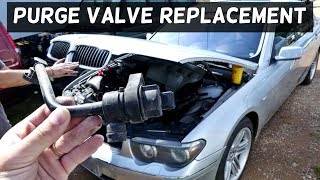
The 2001-2008 7-Series (E65/E66 generation), particularly models with the N62 V8 engine, has a well-documented history with this code. The issue is almost always the purge valve solenoid itself, which is relatively accessible in the engine bay. Unlike some vehicles where wiring is the primary suspect, on this platform, the valve is the most common point of failure. Several video guides are available showing the exact replacement procedure for the E65/E66 chassis, making it a very diagnosable 🎬 Watch: Step-by-step purge valve removal and replacement guide. and solvable problem for owners.
Symptoms You May Notice
- The Check Engine Light is illuminated on the dashboard.
- A fuel odor near the vehicle is possible if the valve is stuck open.
- In rare cases, a rough idle may be noticed if the valve fails in the open position, creating a vacuum leak.
- Slight decrease in fuel economy as unburned vapors are not being utilized by the engine.
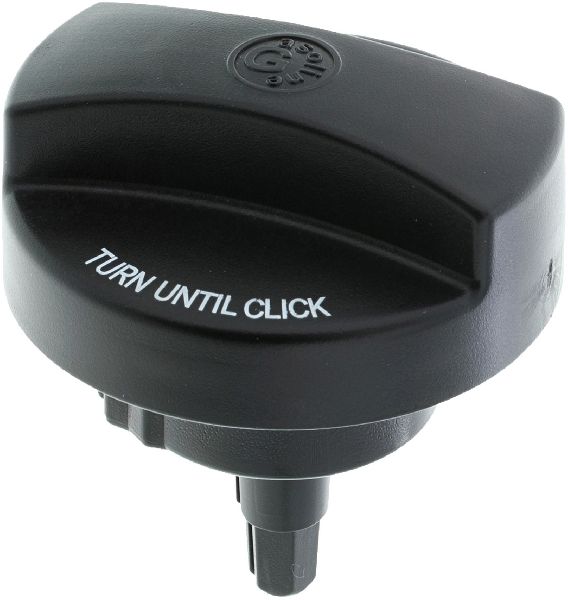
- Replacing the gas cap. While a faulty gas cap can cause other EVAP codes (like P0455 for a large leak), it does not cause a P0443 circuit code. However, checking its seal is always good practice.
- Replacing the charcoal canister. The canister is a passive component in this context; a P0443 code points to an electrical issue with the valve's circuit, not the canister itself.
Most Likely Causes
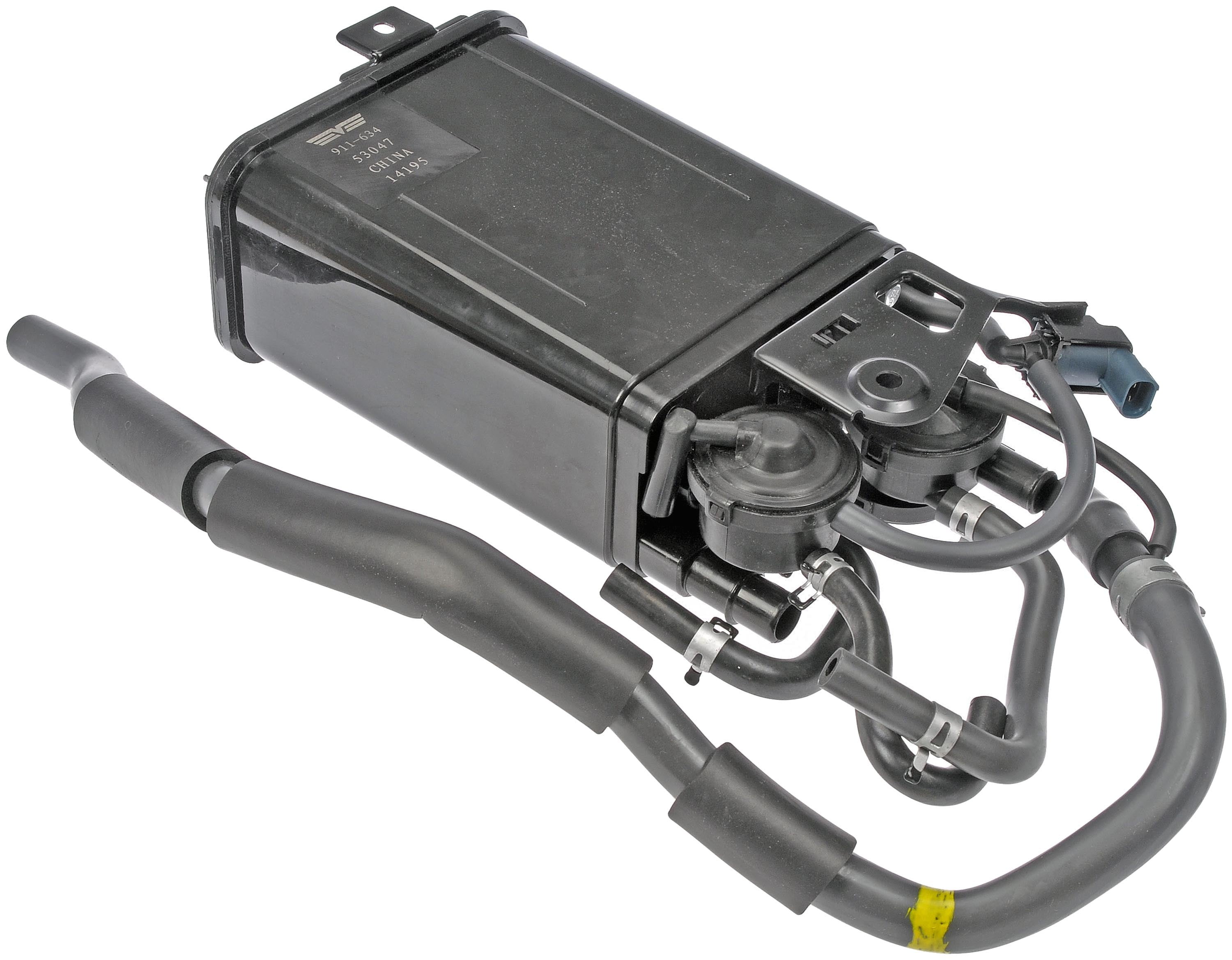
- Faulty EVAP Purge Valve (Solenoid) 🔴 High Probability → Shop Vapor Canister The internal coil of the solenoid can fail over time due to heat and vibration, creating an open or short circuit that the DME detects. It can also become mechanically stuck internally, even if it still clicks when tested.
How to confirm: Disconnect the electrical connector and measure the resistance across the two pins on the valve with a multimeter. A healthy valve should have a specific resistance (typically 20-30 ohms, but check specifications for your exact part). An infinite reading means an open circuit, and a zero reading means a short. You can also apply 12V directly to the pins to listen for a distinct 'click' indicating the solenoid is actuating. However, a click does not guarantee it isn't stuck internally; a flow test (blowing through it with power applied/removed) is more definitive.
Typical fix: Replace the EVAP purge valve.
Est. part cost: $40-$120 - Damaged Wiring or Connector 🟡 Medium Probability Engine heat and vibration can cause the wiring leading to the purge valve to become brittle and crack, or the connector pins can corrode. This is less common than valve failure but should always be checked.
How to confirm: Visually inspect the wiring harness and the electrical connector for any signs of cracking, fraying, or corrosion. With the ignition on, use a multimeter to check for 12V power at one pin of the connector. The other wire is the ground signal from the DME.
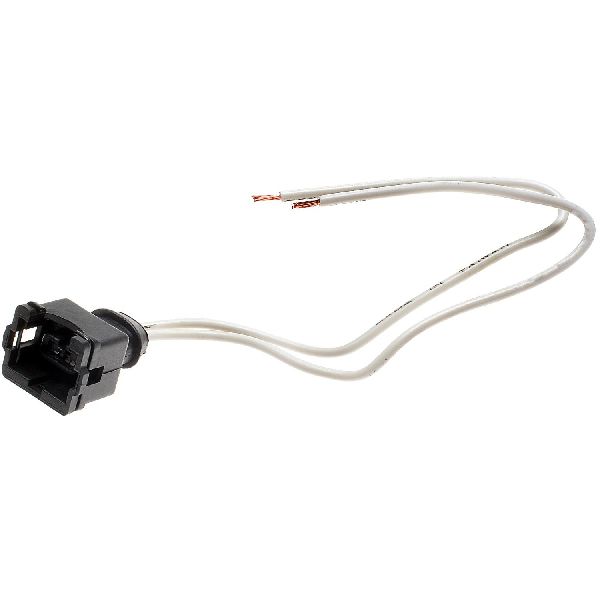
Typical fix: Repair the damaged section of wire or replace the connector pigtail.
Est. part cost: $10-$30 - Blown Fuse ⚪ Low Probability
How to confirm: Consult your owner's manual or a fuse diagram for the fuse that protects the emissions control components. Visually inspect the fuse or test for continuity with a multimeter.
Typical fix: Replace the blown fuse. If it blows again, a short circuit is present in the valve or wiring that must be diagnosed.
Est. part cost: $1-$5
Rare But Worth Checking
- Faulty Engine Control Module (DME): → Shop Engine Control Module (ECM) This is extremely rare. The DME contains a driver circuit that controls the purge valve. If the valve and wiring are confirmed to be good, the DME driver could be at fault. This should be the absolute last consideration after all other possibilities are exhausted.
Diagnosis Steps
- Read the code with an OBD-II scanner to confirm P0443 is present.
- Locate the EVAP purge valve in the engine compartment. On the E65/E66 7-Series with the N62 V8, it is typically mounted on the driver's side of the engine, near the intake manifold, sometimes under a plastic cover.
- Visually inspect the electrical connector and wiring going to the valve for any obvious damage, corrosion, or loose connections.
- Check the fuse for the emissions system. Refer to the vehicle's fuse diagram.
- Disconnect the valve's electrical connector. Use a multimeter to test for 12-volt power at one of the pins in the connector with the ignition on.
- Test the valve itself. Measure the resistance between the two pins on the valve. An out-of-spec reading or an open circuit (infinite resistance) indicates a failed valve.
- (Definitive Test) Apply 12 volts and a ground directly to the valve's pins using jumper wires. A healthy valve will produce an audible click. While applying power, try to blow through the valve; it should be open. With no power, it should be closed and you should not be able to blow through it.
- If the wiring has power and the valve tests good, the problem may be in the ground signal wire leading back to the DME, or in a rare case, the DME itself.
Parts You'll Likely Need
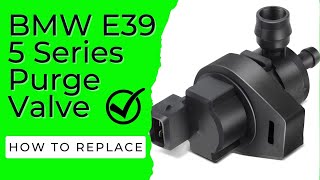
- EVAP Purge Valve / Fuel Tank Breather Valve
(OEM #13907515794)— This is the most common component to fail and trigger the P0443 code. The internal solenoid winding breaks or shorts out. Note: This part number is for the N73 V12 engine. The N62 V8 uses a different valve, often a Bosch part. Always verify with your VIN.
Trusted brands: Bosch, Genuine BMW
OEM price range: $90-$150
Aftermarket price range: $40-$80
Related Codes That Often Appear With This One
- P0444 — P0444 indicates 'Purge Control Valve Circuit Open'. This is a very similar fault and often points to the same root causes: a failed valve solenoid or a broken wire. You may see one or the other, or both, depending on the exact nature of the electrical failure.
Mechanic-Grade Diagnostic Values
- EVAP Purge Valve (TEV) Solenoid Resistance — expected: Approximately 25 Ohms. Some sources state a range of 20-30 Ohms is acceptable.. Failure: An infinite reading (O.L.) indicates an open circuit. A reading near zero Ohms indicates a short circuit. Both necessitate valve replacement.
- Voltage at Purge Valve Connector (Pin 1 to Chassis Ground) — expected: Battery Voltage (approx. 12V) with ignition on, engine off.. Failure: No voltage indicates a wiring problem or a blown fuse upstream from the connector.
Hidden / Shadow Codes Worth Checking
- 2A17: DMTL; System fault. While P0443 points to the purge valve circuit, a 2A17 code points to a fault with the DMTL (Diagnostic Module for Tank Leakage) pump itself, which pressurizes the system for leak testing. A failure in the EVAP system can sometimes trigger related, but distinct, manufacturer-specific codes. (see via BMW-specific scan tools like ISTA, or advanced aftermarket scanners with BMW software packages.)
Scan Tool Commands That Help
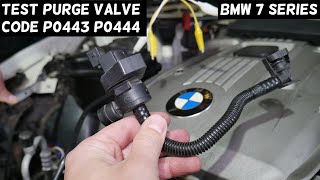
- ISTA (Integrated Service Technical Application): Component Activation for 'solenoid valve tank ventilation' or 'TEV' — This function allows a technician to command the purge valve to open and close while the engine is off. You should hear an audible clicking from the valve. 🎬 Watch: Testing the purge control valve on a 7-Series. This confirms the DME can send the signal and the valve's solenoid is actuating, helping to isolate a wiring issue from a mechanical valve failure.
Wiring & Ground Locations
- Engine to Chassis Ground Strap — Typically located on the driver's side of the engine, running from the engine mount area to the chassis rail. It is a braided copper strap.. A corroded or broken main engine ground can cause a host of bizarre electrical issues and codes, including circuit faults for various sensors and solenoids. The DME and its components rely on a solid ground reference. While not a direct cause, it's a crucial check if multiple, seemingly unrelated electrical codes are present.
Real Owner Repair Stories
- XBimmers.com user post (BMW X-series (shares components with 7-series)) — Persistent P0443 code.
❌ Tried (didn't work) Replacing the purge control valve.
✅ What actually fixed it The user was still diagnosing, but the next step suggested by the forum was to meticulously check the wiring harness and connector for breaks or corrosion, as replacing the valve (the most common fix) did not solve the problem, indicating a deeper electrical issue.
OEM Part Supersession History
Bosch 0280142346→Bosch 0280142345— Part number consolidation and revision by the manufacturer.
Heads up: The parts are generally interchangeable, but it's critical to verify fitment for your specific vehicle's model year and engine (N62 vs N73) as there are variations.BMW 13907506739→N/A— This is a known part number for the N62 engine's purge valve.
Heads up: This part is specific to certain engine applications. For example, the N73 V12 engine uses a different valve (e.g., 13907515794). Always confirm the part number with a VIN.
Diagnostic Flowchart
Other Known Issues on This Vehicle
Issues unrelated to this code that are worth knowing about as an owner of this generation:
- Valve Stem Seal Failure 🔴 High — Extremely common, often after 60,000-80,000 miles. Symptoms include blue/gray smoke from the exhaust after idling (e.g., at a stop light) and high oil consumption.
- Coolant Transfer Pipe Leak 🔴 High — Very common, can occur as early as 40,000 miles. A seal inside the engine degrades, causing a coolant leak from a weep hole on the front timing cover. A very expensive repair if done by the dealer; aftermarket solutions exist.
- Alternator Bracket Oil Leak 🟠 Medium — Common failure where a gasket behind the alternator bracket degrades, causing a significant oil leak. The repair is labor-intensive.
- Transmission Mechatronic Sleeve Leak 🟠 Medium — The plastic sleeve and seals that connect the transmission's wiring harness to the mechatronic unit become brittle and leak transmission fluid, which can lead to shifting problems. (Ref: A recall (22V070) was issued for a small number of vehicles for a related mechatronics assembly issue, but the sleeve leak is a more widespread wear-and-tear item.)
- Valve Cover Gasket Leaks 🟡 Low — Common oil leak point on most BMW engines of this era, including the N62. Gaskets become hard and brittle with heat and age, allowing oil to seep out.
Used vs. New Parts: Buying Guide for This Vehicle
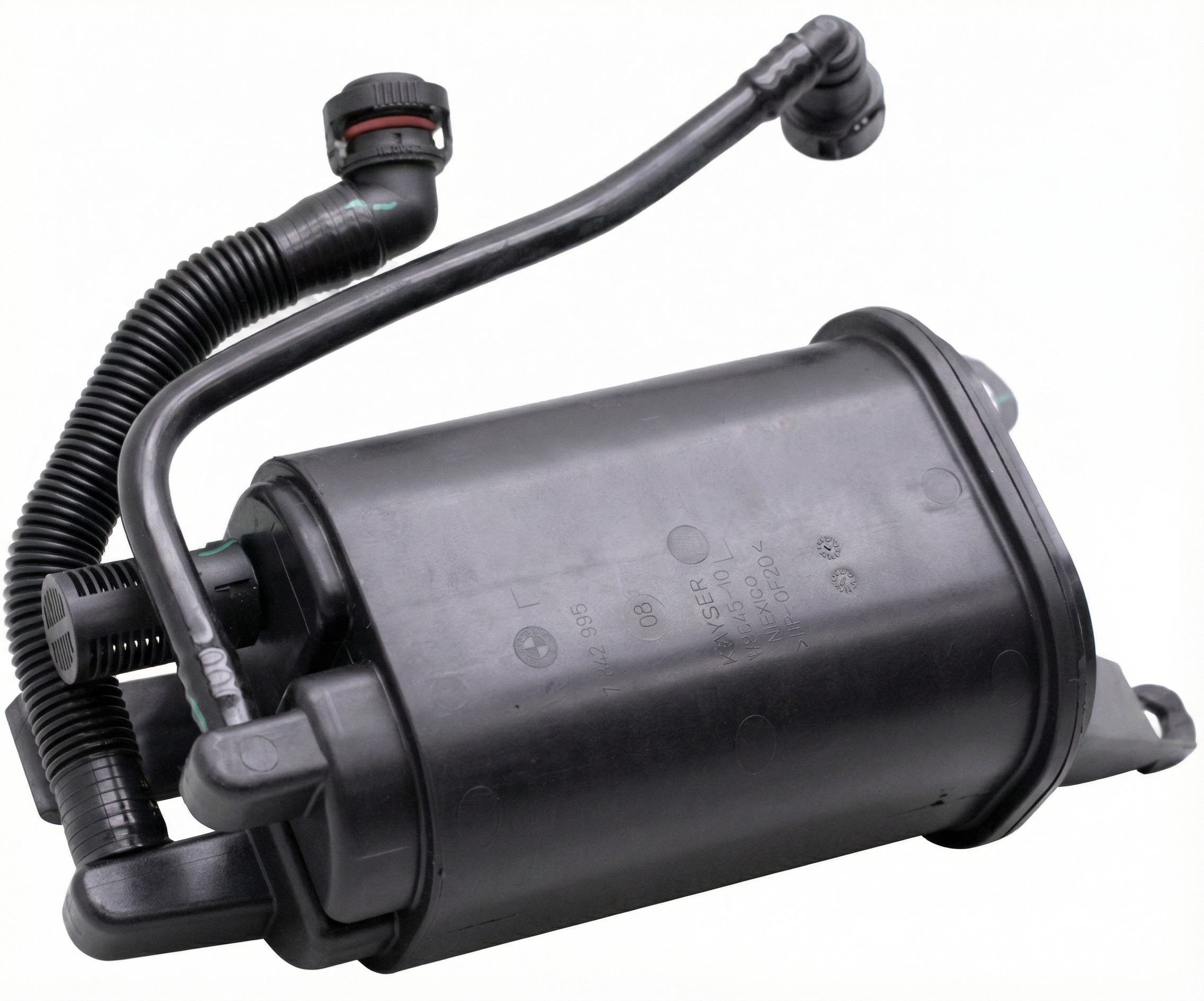
When a used part is the smart pick: A used purge valve can be a cost-effective option if sourced from a reputable seller who guarantees it is tested and functional. Given the low cost of a new aftermarket part, however, most DIYers opt for a new part with a warranty.
Donor-vehicle mileage cap: roughly under 80000 miles for the part to have meaningful remaining life.
What to inspect on the donor part:
- Check for cracks in the plastic housing or connector.
- Ensure the electrical pins are clean, straight, and free of corrosion.
- If possible, test the valve with a 9V or 12V power source to confirm it clicks before purchasing.
- Ask the seller if the part has been tested for functionality (holding vacuum when closed, flowing air when open).
Aftermarket brands forum-validated for this vehicle:
- Bosch (often the Original Equipment Manufacturer)
Brands owners have reported issues with on this vehicle:
- No-name, unbranded parts from online marketplaces can have high failure rates and may not meet OEM specifications for flow and resistance.
Real Owner Stories
Aggregated from forums and TSBs cited above. Mileages and costs reflect what owners reported in those sources.
2001-2008 BMW 7-Series
Symptoms: The owner experienced a 'pesky' P0443 code that persisted even after the purge control valve was replaced.
What fixed it: The issue was identified as being caused by wiring or other electrical issues rather than the valve itself.
Source hint: XBimmers.com - 'Pesky P0443 code'
2001-2008 BMW 7-Series
Symptoms: Owners reported the Check Engine Light appearing with codes P0443 and P0444.
What fixed it: Replacing the purge valve with either an OEM or Bosch-branded part.
Source hint: Bimmerfest - Multiple threads discuss P0443 and P0444
Related OBD-II Codes
Frequently Asked Questions
Where is the EVAP purge valve located on my E65/E66 7-Series with the N62 V8 engine?
Can I use a Bosch-branded part instead of the BMW OEM purge valve for code P0443?
Is there a recall for the transmission issues I'm noticing alongside my emissions light?
What resistance should I look for when testing the purge valve on my 750i or 745i?
I replaced the valve but P0443 returned; what else should I check on this specific platform?
Are there any other common N62 engine issues I should watch for while fixing this code?
Helpful Videos

Used OEM Parts in Stock
New Aftermarket Parts Available


The information in this article is provided for general reference and educational purposes only. Vehicle specifications, procedures, and part compatibility can vary by production date, trim level, and region. Always consult your vehicle's factory service manual and verify part numbers before purchasing or performing repairs. Safety-critical components such as airbags, seat belts, and braking systems should be installed by a qualified professional.
- BMW 7-Series:
- 🧭 Diagnostic Flowchart
- 🎬 Helpful Videos
- 🛍️ Shop This Part
- What's Unique About the 2001-2008 BMW 7-Series
- Symptoms You May Notice
- Most Likely Causes
- Rare But Worth Checking
- Diagnosis Steps
- Parts You'll Likely Need
- Related Codes That Often Appear With This One
- Mechanic-Grade Diagnostic Values
- Hidden / Shadow Codes Worth Checking
- Scan Tool Commands That Help
- Wiring & Ground Locations
- Real Owner Repair Stories
- OEM Part Supersession History
- Other Known Issues on This Vehicle
- Used vs. New Parts: Buying Guide for This Vehicle
- Real Owner Stories
- 2001-2008 BMW 7-Series
- 2001-2008 BMW 7-Series
- Related OBD-II Codes
- Frequently Asked Questions
- 🎟️ Get 5% Off