

P0443 on 2004-2011 Chevrolet Aveo: Purge Valve Circuit Malfunction Causes and Fixes
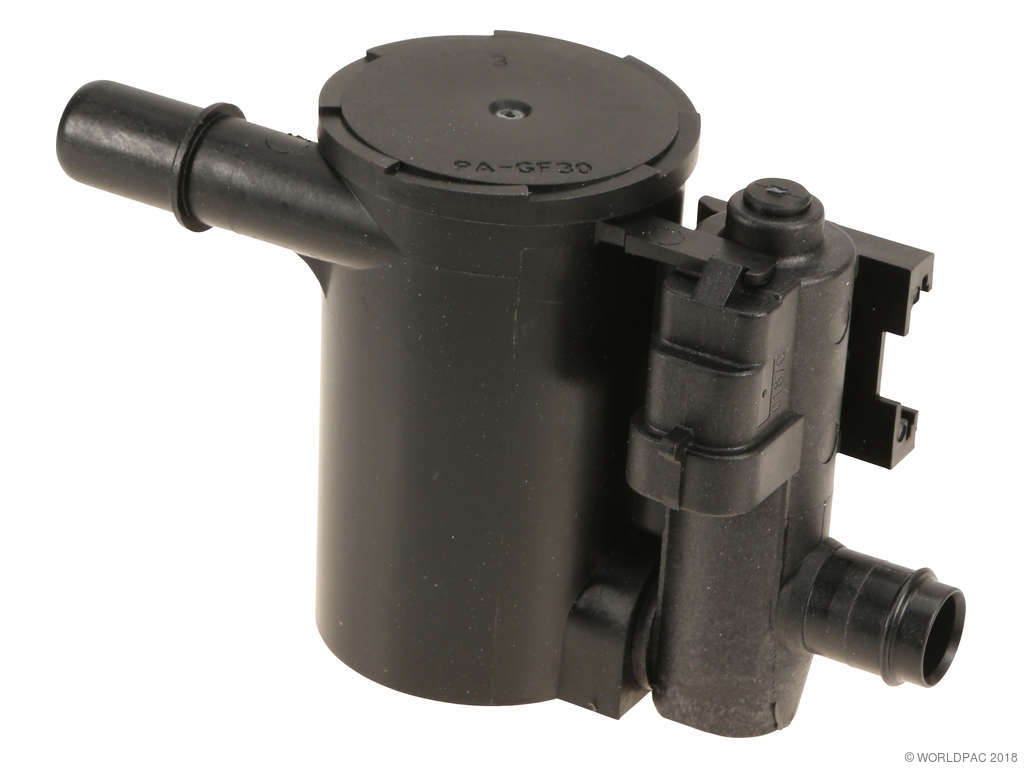
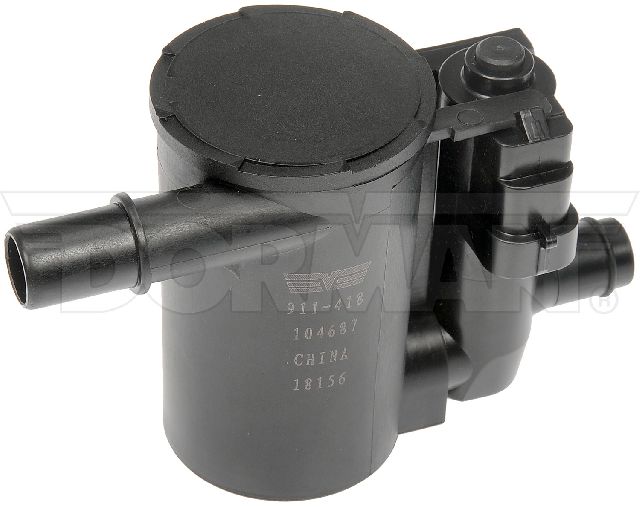
On a 2004-2011 Chevy Aveo, code P0443 almost always points to a faulty EVAP canister purge valve (solenoid) or its wiring. It's an affordable and common DIY fix, typically costing $25-$60 for the part. The code indicates an electrical circuit problem, not a system leak.
- P0443 on your Aveo is an electrical circuit code for the purge valve, not a gas cap or leak issue.
- The most likely fix is replacing the canister purge valve solenoid, which is located behind the engine's intake manifold.
- Before replacing the valve, perform a quick visual inspection of the wiring and connector for any obvious damage.
- The Aveo had a generation change during this period; double-check that you are buying the correct part number for your vehicle's specific year.
What's Unique About the 2004-2011 Chevrolet Aveo
For the Chevrolet Aveo, the P0443 code is a very common issue, often appearing alongside P0496 (EVAP Flow During a Non-Purge Condition). The primary cause is typically the failure of the purge valve solenoid itself, which is located behind the intake manifold. While the part is generally reliable, some owners have reported premature failure of replacement parts, suggesting that checking the wiring for damage is crucial before simply swapping the valve. There are different part numbers for the two generations (T200/T250) covered in this year range, so verifying the correct part for your specific year is essential.
Generation note: The 2004-2011 range covers two generations of the Aveo: the T200 (2004-2008 hatchbacks, 2004-2006 sedans) and the T250 (2007-2011 sedans, 2009-2011 hatchbacks). While the cause and symptoms of P0443 are similar across both, the specific part number for the purge valve may differ. For example, T200 models (approx. 2004-2008) often use part number 96553403, while later T250 models may use 96800400. It is critical to verify the correct part for your vehicle's specific year and VIN before purchasing.
Symptoms You May Notice
- Check Engine Light is on.
- Rough or unstable idle.
- Difficulty starting the engine, especially after refueling.
- Slight decrease in fuel economy.
- A faint fuel odor (less common than with leak codes, but can happen if the valve is stuck).
- Replacing the gas cap. A loose or faulty gas cap will cause an EVAP leak code (like P0455 or P0457), not a circuit code like P0443. 🎬 Watch: Understanding P0443 EVAP circuit diagnostics
- Replacing the EVAP canister or vent solenoid. While these are part of the same system, P0443 specifically points to the purge valve circuit, which is located on or near the engine, not the components usually found at the rear of the vehicle.
Most Likely Causes
- Faulty Canister Purge Valve Solenoid 🔴 High Probability → Shop Vapor Canister The purge valve is a known high-failure item on this platform due to heat and vibration from its location behind the intake manifold. The internal solenoid coil can fail, causing an open or shorted circuit.
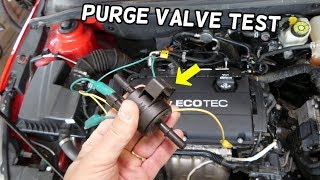
How to confirm: With the engine off, disconnect the electrical connector. Use a multimeter to check the resistance between the two pins on the valve. A healthy valve should have a resistance between 15 and 35 Ohms. An infinite reading (OL) indicates an open circuit, and near-zero Ohms indicates a shorted coil; both mean the valve is bad. You can also briefly apply 12V power to the pins; a healthy valve will make an audible click. 🎬 Watch: How to test a Chevrolet purge valve
Typical fix: Replace the canister purge valve solenoid.
Est. part cost: $25 - $75 - Damaged Wiring or Connector 🟡 Medium Probability On many GM vehicles, the wiring harness can be subject to chafing or damage from engine heat and vibration, leading to a short or open circuit. The connector itself can also suffer from corrosion or pushed-out pins.
How to confirm: Visually inspect the wiring harness leading to the purge valve for any signs of cracking, fraying, melting, or corrosion. Check the connector for bent or corroded pins. Use a multimeter to test for battery voltage (~12V) on the power pin of the harness-side connector with the ignition on. Then, check for continuity on the ground-side wire from the valve connector back to the ECM connector.
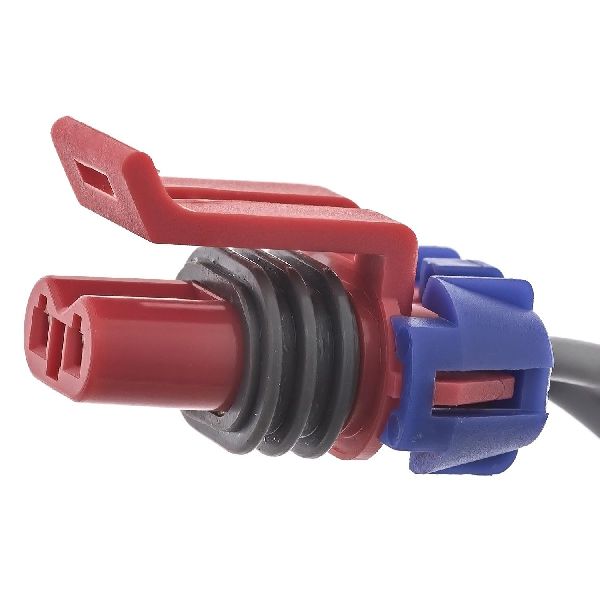
Typical fix: Repair the damaged section of wire or replace the connector pigtail.
Est. part cost: $5 - $25 - Blown Fuse ⚪ Low Probability
How to confirm: Check the vehicle's fuse box for the fuse that supplies power to the EVAP system components. Consult the owner's manual or a wiring diagram for the correct fuse location (it may be labeled 'EMIS' or similar, often the 'EMIS 2' 15A fuse in the underhood block). If the fuse is blown, it indicates a short circuit in the system that must be found before replacing the fuse.
Typical fix: Replace the blown fuse after diagnosing and fixing the underlying short circuit.
Est. part cost: $1 - $5
Rare But Worth Checking
- Faulty Engine Control Module (ECM): → Shop Engine Control Module (ECM) This is extremely rare. The ECM should only be considered after all other possibilities (valve, wiring, fuses) have been exhaustively tested and ruled out. A faulty ECM driver circuit can cause this code, but it is much more likely the issue is with the component or wiring.
Diagnosis Steps
- Use an OBD-II scanner to confirm P0443 is the active code. Note any other pending or stored codes.
- Clear the codes and test drive the vehicle to see if the code returns immediately. If it does, the fault is constant.
- Locate the canister purge valve. On the Aveo, it is typically mounted on a bracket behind the intake manifold.
- Inspect the electrical connector and wiring harness going to the purge valve. Look for any obvious damage, corrosion, or loose connections.
- Disconnect the electrical connector. With the ignition in the 'On' position (engine off), use a multimeter to check for battery voltage (~12V) on one of the pins in the harness-side connector.
- With the connector still disconnected, set your multimeter to Ohms (Ω) and measure the resistance across the two pins on the purge valve itself. A normal reading is typically between 15-35 Ohms. An infinite reading (OL) or a near-zero reading indicates a faulty valve.
- If the valve's resistance is good, test the wiring. Check for continuity on the control wire (ground side) from the valve connector back to the ECM connector. Wiggle the harness while testing to check for intermittent breaks.
- If wiring and the valve test good, the issue could be an intermittent connection or, rarely, a problem with the ECM's driver circuit.
Parts You'll Likely Need
- Canister Purge Valve / Solenoid
(OEM #96553403 (T200, approx. 2004-2008), 96800400 (T250, approx. 2009-2011))🎬 Watch: 2009 Aveo purge valve replacement walkthrough — This is the most common failure point for code P0443. The internal solenoid coil fails, causing an electrical fault.
Trusted brands: ACDelco, Standard Motor Products, Dorman, GM Genuine Parts
OEM price range: $50-$95
Aftermarket price range: $25-$50
Related Codes That Often Appear With This One
- P0496 — P0496 (EVAP Flow During a Non-Purge Condition) is often caused by a purge valve that is physically stuck open. It's common to see both P0496 and P0443 if the valve has failed both mechanically and electrically.
- P0444 — P0444 indicates the purge control valve circuit is open. This is a more specific version of P0443 and points directly to a broken wire, unplugged connector, or a burned-out solenoid coil.
- P0445 — P0445 indicates the purge control valve circuit is shorted. This points to wires touching each other or a shorted solenoid coil.
Platform-Specific Known Issues
- The location of the purge valve behind the intake manifold can make access slightly tight, but it is still a very manageable DIY repair.
- There are multiple GM part numbers associated with this valve for the Aveo platform. It is crucial to verify the correct part for your vehicle's year and VIN before ordering. Part number 96553403 is confirmed for 2004-2008 models. Later models like the 2009-2011 Aveo often use part number 96800400.
- Some owners have reported needing to apply RTV silicone to the corners of the cam seals when replacing the valve cover gasket, a common maintenance item on these engines. While unrelated to P0443, it's a good practice to be aware of if working in that area.
Mechanic-Grade Diagnostic Values
- Purge Valve Connector - Power Pin Voltage — expected: ~12V (Battery Voltage). Failure: 0V indicates a blown fuse or a break in the power wire from the fuse block.
- Purge Valve Connector - Control Pin Voltage (Commanded ON) — expected: Near 0V (Grounded by ECM). Failure: Voltage remaining high when commanded ON by a scan tool indicates a break in the control wire or a faulty ECM driver.
- Purge Valve Solenoid Coil Resistance — expected: 15 - 35 Ohms. Failure: An infinite (OL) reading indicates an open coil; a near-zero reading indicates a shorted coil. Both require valve replacement.
Scan Tool Commands That Help
- Tech2 / GDS2 (or equivalent bidirectional scanner): EVAP Purge Solenoid Output Control / Active Test — Use this command to manually cycle the purge valve open and closed. While commanding it open (e.g., 50%), you should hear the valve click and see a corresponding change in short-term fuel trim and engine RPM. This definitively tests the entire circuit, from the ECM driver to the valve's mechanical function.
Wiring & Ground Locations
- Purge Valve Connector Pin A (Power) — On the harness-side connector for the EVAP purge valve.. This pin supplies 12V power to the solenoid. A lack of voltage here points the diagnosis toward the fuse or the wiring from the fuse block, not the ECM.
- Purge Valve Connector Pin B (Control) — On the harness-side connector for the EVAP purge valve.. This pin is the ground-side control wire leading back to the ECM. The ECM pulses the ground to operate the valve. A break in this wire is a common cause of P0443.
- EMIS 2 Fuse (15A) — Located in the underhood fuse block.. This fuse is often the power source for the EVAP purge valve circuit. A blown fuse indicates a short circuit that must be found before replacing the fuse.
- G105 — A primary engine ground, typically located on the engine block or cylinder head, sometimes near the starter or behind the cooling fan relays.. A corroded or loose G105 ground can cause a variety of intermittent electrical issues, including erratic behavior of sensors and solenoids controlled by the ECM. While not a direct cause of a P0443 circuit code, a poor main ground can lead to incorrect voltage readings and faulty diagnostics.
Real Owner Repair Stories
- Chevrolet Forum User (2009 Chevrolet Aveo) — Check Engine Light with code P0443.
❌ Tried (didn't work) Replaced the EVAP purge solenoid valve.
✅ What actually fixed it The code returned after replacing the part. Further inspection revealed an internal break in one of the wires right at the connector pigtail. The wire looked fine externally but was broken inside the insulation. Repairing the pigtail resolved the code permanently. - AveoForum.com User (2007 Chevrolet Aveo) — P0443 appeared after the vehicle was serviced by a third party.
❌ Tried (didn't work) Initial visual inspection showed nothing wrong.
✅ What actually fixed it The electrical connector to the purge valve was not fully seated. Although it seemed to be connected, it had not been pushed on far enough to 'click' and make a secure electrical connection. Pushing the connector on firmly until it clicked into place fixed the issue.
OEM Part Supersession History
96553403→ACDelco 214-2093— Aftermarket equivalent for OEM part.
Heads up: Primarily for T200 generation (approx. 2004-2008).96800400→ACDelco 214-2149— Aftermarket equivalent for OEM part.
Heads up: Primarily for T250 generation (approx. 2009-2011).
Model Year Variations Within This Range
- 2004-2008 (T200) vs 2009-2011 (T250): The primary difference is the purge valve part number and potentially its mounting bracket. Early models typically use GM P/N 96553403, while later models use 96800400. The electrical connector and function are the same, but the physical fitment may differ.
Diagnostic Flowchart
Other Known Issues on This Vehicle
Issues unrelated to this code that are worth knowing about as an owner of this generation:
- Premature Timing Belt and/or Idler Pulley Failure 🔴 High — Very common. The 1.6L E-TEC II is an interference engine, and belt failure before the recommended 60,000-mile interval is widely reported. Failure of the plastic idler pulley is also a known cause. A broken belt will cause catastrophic engine damage. (Ref: No official recall, but widespread owner complaints and dealer awareness exist.)
- Leaking Valve Cover Gasket 🟠 Medium — Extremely common. The gasket becomes brittle from heat, causing oil to leak onto the engine and often into the spark plug wells, which can lead to misfires.
- Automatic Transmission Problems 🔴 High — Frequently reported, especially on 2009+ models, sometimes at low mileage (under 65,000 miles). Symptoms include harsh/erratic shifting, slipping, and failure to shift, often leading to a P0700 code. Some cases are caused by the transmission cooler failing internally within the radiator, contaminating the transmission fluid with coolant.
- Faulty Turn Signal / Daytime Running Light (DRL) Module 🟡 Low — Common on 2004-2008 models. The DRL module, located in the dash, can overheat and melt, causing the turn signals to malfunction or fail completely. (Ref: Recall issued for 2004-2008 models for the DRL module overheating.)
- Failing Ignition Coils 🟠 Medium — A notable issue, particularly on 2009 models, causing stalling, power loss, and misfires, often around 42,000 miles.
Used vs. New Parts: Buying Guide for This Vehicle
When a used part is the smart pick: For this specific repair, a used part is not recommended. The purge valve is a known high-failure item and is relatively inexpensive to buy new.
What to inspect on the donor part:
- Not applicable as a used part is not advised.
Aftermarket brands forum-validated for this vehicle:
- ACDelco (OEM supplier)
- Standard Motor Products (SMP)
- Dorman
Brands owners have reported issues with on this vehicle:
- Unbranded, low-cost parts from online marketplaces have been reported by some owners to fail prematurely.
Real Owner Stories
Aggregated from forums and TSBs cited above. Mileages and costs reflect what owners reported in those sources.
2009 Chevrolet Aveo — ~42000 miles
Symptoms: The owner experienced stalling, power loss, and misfires, which are noted issues for this specific model year alongside potential EVAP faults.
What fixed it: While P0443 specifically requires purge valve or wiring repair, owners of this year often deal with failing ignition coils and transmission issues simultaneously.
Source hint: known_issues section citing
2004-2008 Chevrolet Aveo — ~60000 miles
Symptoms: Check engine light and recurring issues after replacement; turn signals also malfunctioned due to a melting module.
What fixed it: Replacement of the purge valve (Part 96553403) and a recall repair for the DRL module.
Source hint: forum_citations (aveoforum.com) and known_issues
Related OBD-II Codes
Frequently Asked Questions
Where is the purge valve located on my Chevrolet Aveo?
Which part number should I buy for my 2007 Aveo?
My Aveo is hard to start after I fill up the gas tank; is this related to P0443?
Is there a specific fuse I should check for the EVAP system on the Aveo?
What should the resistance be when testing the purge valve with a multimeter?
Does the Pontiac G3 have the same P0443 issues as the Aveo?
Helpful Videos

We Have This Part in Stock


The information in this article is provided for general reference and educational purposes only. Vehicle specifications, procedures, and part compatibility can vary by production date, trim level, and region. Always consult your vehicle's factory service manual and verify part numbers before purchasing or performing repairs. Safety-critical components such as airbags, seat belts, and braking systems should be installed by a qualified professional.
- Chevrolet Aveo:
- 🧭 Diagnostic Flowchart
- 🎬 Helpful Videos
- 🛍️ Shop This Part
- What's Unique About the 2004-2011 Chevrolet Aveo
- Symptoms You May Notice
- Most Likely Causes
- Rare But Worth Checking
- Diagnosis Steps
- Parts You'll Likely Need
- Related Codes That Often Appear With This One
- Platform-Specific Known Issues
- Mechanic-Grade Diagnostic Values
- Scan Tool Commands That Help
- Wiring & Ground Locations
- Real Owner Repair Stories
- OEM Part Supersession History
- Model Year Variations Within This Range
- Other Known Issues on This Vehicle
- Used vs. New Parts: Buying Guide for This Vehicle
- Real Owner Stories
- 2009 Chevrolet Aveo — ~42000 miles
- 2004-2008 Chevrolet Aveo — ~60000 miles
- Related OBD-II Codes
- Frequently Asked Questions
- 🎟️ Get 5% Off