

P0443 on 2014-2020 Chevrolet Impala: EVAP Purge Valve Circuit Causes and Fixes
For the 2014-2020 Impala, code P0443 almost always indicates a failed EVAP Purge Solenoid Valve. This is an inexpensive part, typically costing $25-$70, and is very easy to replace for most DIY mechanics. The valve is located on top of the engine and secured by a single 10mm bolt.
- P0443 on a 2014-2020 Impala is an electrical circuit code for the EVAP purge valve.
- The most common cause is a failed purge valve solenoid (P/N 12690512), which is an easy and inexpensive DIY fix.
- Symptoms can include a rough idle and difficulty starting after refueling, often accompanied by code P0496.
- Always check the wiring and connector for damage before replacing the valve.
- For 2014-2016 models, check for oil contamination near the valve, which may indicate the need to also replace the cam cover gasket per TSB 17-NA-409.
What's Unique About the 2014-2020 Chevrolet Impala
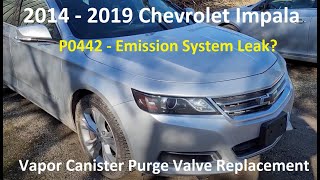
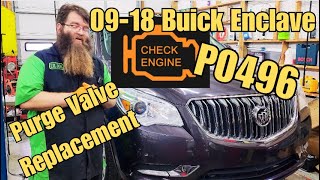
On the 10th generation Impala (2014-2020), P0443 is a common and straightforward code. The purge valve is a frequent failure item, but it is conveniently located on the top of the 3.6L V6 engine and easy to access for testing and replacement. 🎬 Watch: A quick walkthrough of the 10th gen Impala purge valve replacement. For 2014-2016 models with the 3.6L LFX V6 engine and aluminum camshaft covers, GM issued a technical service bulletin (17-NA-409) noting that oil contamination from the cam cover gasket could cause the purge valve to become stuck. While the TSB primarily lists leak and flow codes (P0442, P0455, P0496), a valve contaminated with oil can also lead to an electrical circuit fault (P0443). In these specific cases, replacing just the valve might not be a permanent fix without also replacing the updated cam cover gasket (P/N 12688703). Additionally, manufacturer service bulletin #PIP5552 indicates that engineering has investigated conditions where P0443 sets alongside P0459 on similar GM platforms.
Symptoms You May Notice
- Check Engine Light is on
- Slightly rough idle or stalling if the purge valve is stuck open
- Difficulty starting the engine after refueling
- Slight decrease in fuel economy
- Audible clicking noise from the engine bay (from a malfunctioning valve)
- Presence of related EVAP codes like P0496
- "Reduced Propulsion" or "Engine Offline" messages on the driver information center (reported in some GM hybrid/electric configurations)
- Replacing the gas cap. A faulty gas cap typically causes EVAP leak codes (like P0442 or P0455), not a circuit code like P0443.
- Replacing the EVAP vent solenoid. The vent solenoid is a different part located near the fuel tank and charcoal canister and has its own set of diagnostic codes (e.g., P0446, P0449). P0443 specifically points to the purge valve circuit in the engine bay.
Most Likely Causes
- Defective EVAP Purge Solenoid Valve 🔴 High Probability → Shop Vapor Canister This is a common failure part across many GM vehicles of this era using the 3.6L engine. The internal solenoid coil can fail electrically (open or short), or the valve can become mechanically stuck open or closed. For 2014-2016 3.6L LFX models, oil contamination from a faulty cam cover gasket can also cause the valve to fail, as noted in TSB 17-NA-409.
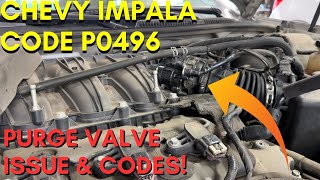
How to confirm: With the engine running, disconnect the EVAP line from the purge valve. There should be no suction from the valve's port at idle. If you feel a vacuum (e.g., it sucks on your glove), the valve is stuck open 🎬 See how to diagnose GM EVAP problems and test for vacuum leaks. and needs to be replaced. You can also test the valve's coil resistance with a multimeter; a typical GM spec is 15-30 Ohms. An open circuit (infinite resistance) or short circuit (zero resistance) indicates a failed coil.
Typical fix: Replace the EVAP purge solenoid valve. 🎬 Watch: Step-by-step guide to replacing the purge valve on a 3.6L V6.
Est. part cost: $25 - $75 - Wiring or Connector Issue 🟡 Medium Probability Engine vibration and heat can cause wires to become brittle and break over time, especially near the connector. Manufacturer bulletin #PIT5336 notes that technicians may find the Emission 1 fuse open due to damaged wires on the engine harness that require inspection and repair.
How to confirm: Visually inspect the wiring harness and connector for any signs of damage, corrosion, or loose pins. Use a multimeter to check for 12V power at the connector with the key on. The ECM provides the ground signal to activate the valve.
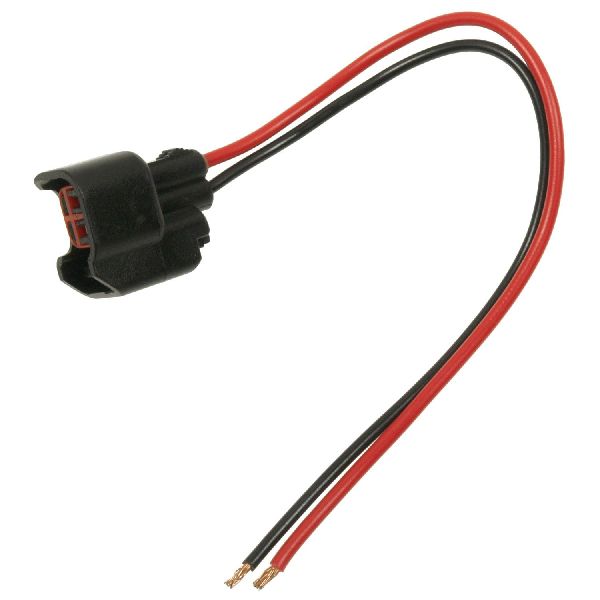
Typical fix: Repair the damaged section of wire or replace the connector pigtail.
Est. part cost: $5 - $25 - Blown Fuse ⚪ Low Probability A short circuit in the purge valve or its wiring can cause the associated fuse to blow. NHTSA ODI #11632222 describes a scenario where a blown fuse (F03) was linked to an emissions component failure, causing multiple circuit codes including P0443.
How to confirm: Check the fuse box for a blown fuse related to the emissions system. The specific fuse may be labeled 'EMISSIONS' or similar. Consult the owner's manual for the correct fuse location as it can vary by model year.
Typical fix: Replace the blown fuse. If the new fuse blows immediately, it indicates a short circuit that must be found and repaired.
Est. part cost: $1 - $5
Rare But Worth Checking
- Faulty Engine Control Module (ECM): → Shop Engine Control Module (ECM) This is very rare. The internal driver circuit that controls the purge valve can fail. This should only be considered after the valve, wiring, and fuses have all been thoroughly checked and confirmed to be good.
Diagnosis Steps
- Read the code: Use an OBD-II scanner to confirm P0443 is present and check for any other related codes like P0496 or P0300.
- Visual Inspection: Locate the purge valve on the top of the engine. It's held by one 10mm bolt. Inspect the valve, its electrical connector, and the surrounding wiring for any obvious signs of damage, corrosion, or loose connections.
- Check the Fuse: Consult your owner's manual to locate the fuse for the emissions system (often labeled 'EMIS') and check if it is blown.
- Test the Valve (Mechanical): The simplest test is to check for vacuum with the engine running. Disconnect the vapor line from the valve. If you feel suction from the valve's port at idle, the valve is stuck open and is faulty.
- Test for Power: Disconnect the electrical connector from the purge valve. With the ignition key in the 'On' position, use a multimeter to check for 12-volt power at one of the pins in the connector (usually the pink wire).
- Check Resistance: With the valve disconnected, use a multimeter set to Ohms to measure the resistance across the two pins on the valve itself. A reading between 15 and 30 Ohms is typically considered good for GM valves. A reading of OL (open) or near zero (short) indicates a bad valve.
- Command with Scan Tool: If you have an advanced scan tool, you can command the purge valve to open and close while listening for an audible click from the valve and watching for a change in vacuum.
- If the valve and wiring test good, the issue may be with the ECM, but this is extremely unlikely and should be the last consideration.
Parts You'll Likely Need
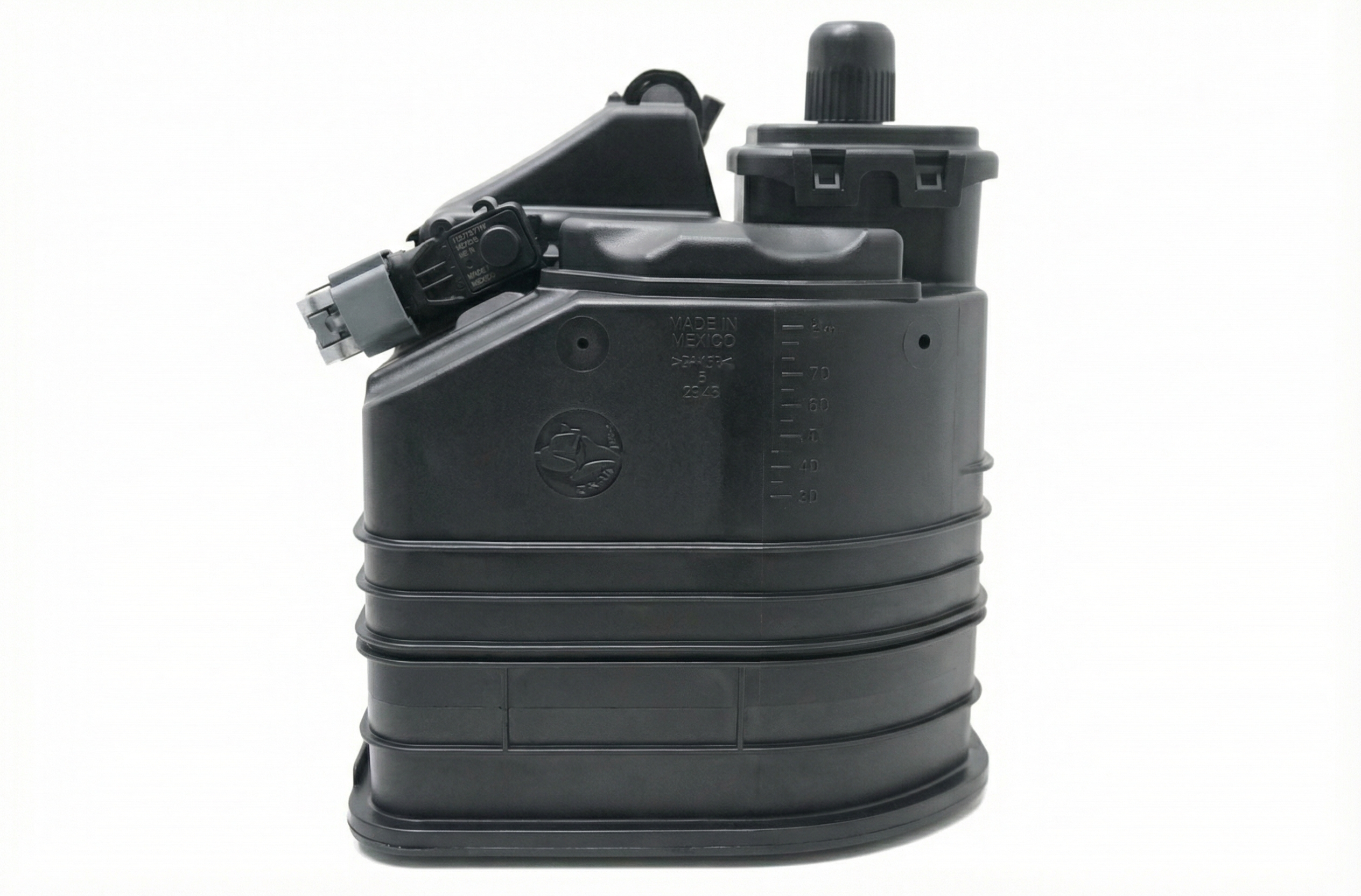
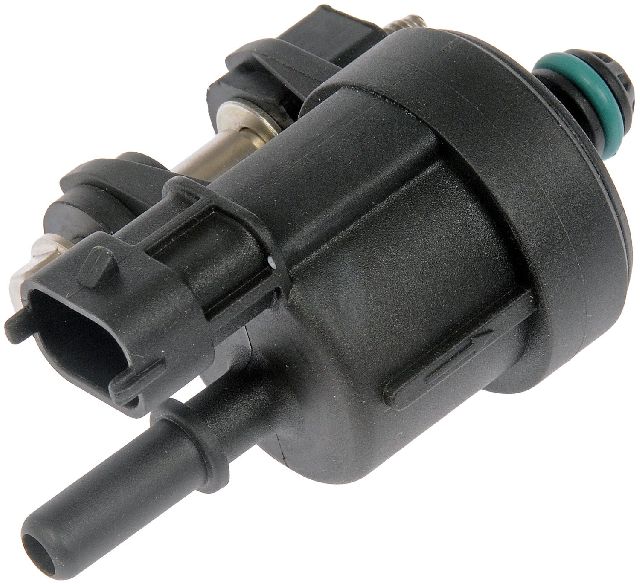
- Vapor Canister Purge Valve
(OEM #12690512)— This is the most common cause for code P0443 on this vehicle. The internal solenoid fails electrically or the valve gets stuck.
Trusted brands: ACDelco (GM Genuine), Delphi, Dorman (e.g., 911-082), Standard Motor Products
OEM price range: $40-$75
Aftermarket price range: $25-$50
Related Codes That Often Appear With This One
- P0496 — P0496 indicates 'EVAP Flow During a Non-Purge Condition,' which is often caused by a purge valve that is stuck open. It's common to see both P0496 and P0443 when the valve is both mechanically stuck and electrically faulty.
- P0444 — This code indicates 'EVAP Purge Control Valve Circuit Open.' It is a more specific version of P0443 and points directly to a broken wire, disconnected connector, or an open circuit inside the valve's coil.
- P0445 — This code indicates 'EVAP Purge Control Valve Circuit Shorted.' It points to a short in the wiring or the valve's coil, which will often blow the corresponding fuse.
- P0300 — A P0300 'Random Misfire' code can sometimes accompany P0443/P0496. A stuck-open purge valve creates a vacuum leak, introducing unmetered air/fuel vapor into the intake manifold, which can disrupt the air/fuel ratio enough to cause misfires.
Technical Service Bulletins (TSBs) & Recalls
- 17-NA-409: Malfunction Indicator Lamp (MIL) Illuminated - DTC P0442, P0496 and/or P0455 Set.
- Bulletin #PIP5552: Preliminary information regarding engineering investigations into MIL illumination with P0443 or P0459.
- Bulletin #PIT5336: Electrical system diagnostic notes regarding open emission fuses and damaged engine harness wiring causing P0443.
Platform-Specific Known Issues
- TSB 17-NA-409: For 2014-2016 Impala models with the 3.6L LFX engine and aluminum camshaft covers, a faulty cam cover gasket can allow oil to contaminate and damage the purge valve. The bulletin recommends replacing both the purge valve and the updated cam cover gasket (P/N 12688703) to prevent a repeat failure.
Mechanic-Grade Diagnostic Values
- EVAP Purge Solenoid Coil Resistance — expected: 15 - 30 Ohms. Failure: A reading of OL (Open Loop/infinite resistance) or near 0 Ohms (short circuit) indicates a failed coil. Readings significantly outside the expected range, like 10 Ohms, may indicate an imminent failure even if the valve still clicks.
- Voltage at Purge Valve Connector (Key On, Engine Off) — expected: Pin 1 (Pink wire on many GM models): Battery Voltage (12V+). Pin 2 (often Green/White wire): 0V.. Failure: No voltage on the power pin indicates a blown fuse or a break in the power supply wire. Voltage present on the ground pin indicates a short to power.
- Ground Circuit Check (Engine Running) — expected: Using a test light connected to battery positive, the light should pulse on the ground pin (Pin 2) when the ECM commands the purge valve to open (can be forced with a scan tool).. Failure: No pulse indicates a break in the ground wire back to the ECM or a failed ECM driver.
Hidden / Shadow Codes Worth Checking
- N/A for this DTC: Unlike some other vehicle systems, a P0443 on this GM platform does not typically have hidden or manufacturer-specific sub-codes. The ECM will set the more specific P0444 (Open Circuit) or P0445 (Shorted Circuit) if it can distinguish the exact fault type. The primary value of a dealer-level scanner (GDS2) is not in reading hidden codes, but in accessing advanced bidirectional controls and detailed live data lists. (see via N/A)
Scan Tool Commands That Help
- GDS2 / Professional Scan Tool: EVAP Purge/Seal or 'Activate the VSV for Evap Control' — This bidirectional control is used to command the purge solenoid on and off manually. A technician can listen for an audible click from the valve to confirm mechanical operation. It's also used while monitoring Fuel Tank Pressure (FTP) sensor data; commanding the valve closed should seal the system, and any drop in pressure would indicate a valve stuck open.
Wiring & Ground Locations
- Purge Valve Connector (X121 on some schematics) — On the EVAP Purge Solenoid itself, top of the engine.. This is the primary point for electrical testing. Pin 1 is typically the 12V+ supply from the 'EMIS' fuse in the underhood fuse block. Pin 2 is the control wire that the ECM provides a path to ground to activate the solenoid. A fault at this connector or in its two wires is a common cause of P0443.
- ECM Ground (e.g., G101/G105) — Typically bolted to the engine block, cylinder head, or chassis near the front of the engine compartment.. While rarely the cause, the ECM itself must have a clean, solid ground connection to accurately control the purge valve's ground-side driver. If all other wiring and components test good, a corroded or loose main ECM ground could theoretically cause intermittent circuit issues. This is an advanced, last-resort check.
Real Owner Repair Stories
- Walmart.com product review (2015 GMC Acadia (uses same 3.6L engine and purge valve)) — Check Engine Light with code P0496 (often appears with P0443).
❌ Tried (didn't work) N/A, went straight to the common fix.
✅ What actually fixed it Replaced the ACDelco purge valve (P/N 12690512). The fix took 5-10 minutes using only a 10mm socket. The Check Engine Light was cleared and did not return. - NHTSA ODI #11448862 — An owner reported a "engine offline" message on the console with P0443 found among several other circuit codes, occurring on a vehicle with low gas mileage usage.
- NHTSA ODI #11681144 — A report detailed a failure to circulate coolant properly accompanied by a Check Engine Light and a list of codes including P0443, P0458, and P0489.
"I Checked Everything" — The Actual Cause
- This diagnostic pattern is not applicable to P0443. A smoke test is used to find physical leaks in the EVAP system, which set codes like P0442 (small leak) or P0455 (gross leak). P0443 is an electrical circuit code, indicating a problem with the wiring, the solenoid's coil, or the ECM's control circuit. The equivalent scenario for P0443 would be 'All electrical tests pass, but the code returns.' In this rare situation, the cause is almost certainly an intermittent open or short in the wiring harness that is difficult to detect with static tests, or a failing (but not yet completely dead) ECM driver.
OEM Part Supersession History
12610560→12690512— Standard part revision and consolidation across multiple GM platforms.12690512→12737252— Latest revision of the part from GM.
Heads up: 12737252 is the current direct replacement for 12690512 and is fully compatible.
Model Year Variations Within This Range
- 2014-2020: The 10th Gen Impala offered three primary engines. The base was a 2.5L LKW I4. The V6 option was the 3.6L LFX from 2014-2015, which was replaced by the redesigned 3.6L LGX V6 from 2016-2020. For 2020, only the 3.6L LGX V6 was available. The TSB regarding oil contamination from the cam cover specifically applies to the LFX engine. While the purge valve part number is often the same, knowing the specific engine is crucial for accurate diagnosis.
Diagnostic Flowchart
Other Known Issues on This Vehicle
Issues unrelated to this code that are worth knowing about as an owner of this generation:
- Water Leak Into Trunk 🟠 Medium — Common issue, particularly on earlier 2014-2016 models. Water collects in the spare tire well. (Ref: GM Bulletin 14047 describes replacing the original tail light gaskets with thicker, updated versions (P/N 23211647 & 23211648) to fix the leak.)
- Transmission Shudder (6-speed Automatic) 🟠 Medium — Some owners report a noticeable shudder or vibration during light acceleration or between shifts, particularly around 35-45 MPH. (Ref: TSB 18-NA-358 addresses a severe launch shudder and other shift quality issues, often caused by debris or scoring within the valve body. Other TSBs address different fluid-related fixes.)
- CUE Infotainment System Screen Delamination/Failure 🟡 Low — The touch screen can become unresponsive or appear 'spider-webbed' due to the gel layer delaminating. This is a very common issue across many GM vehicles of this era with the CUE system. (Ref: No recall, but it is a widely documented failure. Repair involves replacing the screen/digitizer, not the entire unit.)
- Premature Timing Chain Wear (Early 3.6L Engines) 🔴 High — While more prevalent on the older LY7 and early LLT variants of the 3.6L V6, the LFX engine in the Impala is an improved design. However, neglecting oil changes (not using Dexos-spec oil or extending intervals) can still lead to timing chain issues. (Ref: Multiple TSBs exist for older 3.6L engines, but the LFX is less prone. Proper oil maintenance is key.)
- Shift Cable Adjuster Failure 🔴 High — Affects a small number of early 2014 models. The vehicle may not be in the gear indicated by the shifter. (Ref: Recall #14048 was issued for this issue on some 2014 Impalas.)
Used vs. New Parts: Buying Guide for This Vehicle
When a used part is the smart pick: For this specific repair, a used part is NOT recommended. The EVAP purge valve is an inexpensive, high-failure-rate electronic and mechanical part. The cost savings of a used part are minimal and do not justify the high risk of premature failure.
What to inspect on the donor part:
- Not applicable as used purchase is not advised.
OEM-only on this vehicle (don't cheap out):
- While not strictly 'OEM-only', using a GM Genuine or ACDelco part is highly recommended for fit and longevity. The cost difference is often less than $20 compared to aftermarket alternatives.
Aftermarket brands forum-validated for this vehicle:
- ACDelco (GM Genuine OE or Professional line)
- Delphi (Often an OEM supplier)
- Standard Motor Products (SMP)
Brands owners have reported issues with on this vehicle:
- Unbranded, 'white box' parts from online marketplaces should be avoided. While they may work initially, their internal coil and seal quality is often inferior, leading to repeat failures.
Real Owner Stories
Aggregated from forums and TSBs cited above. Mileages and costs reflect what owners reported in those sources.
2014-2020 Chevrolet Impala
Symptoms: Check engine light on with P0443 and P0496 codes present; owners noted the repair is simple and takes less than 15 minutes.
What fixed it: Replacement of the EVAP purge solenoid valve.
Source hint: impalaforums.com
2014-2016 Chevrolet Impala 3.6L LFX
Symptoms: Malfunction Indicator Lamp (MIL) illuminated with codes P0442, P0496, and/or P0455.
What fixed it: Replacing the purge valve and installing an updated cam cover gasket (P/N 12688703) to stop oil contamination.
Source hint: TSB 17-NA-409
Chevrolet Silverado (General Motors Platform)
Symptoms: Code P0443; diagnostic process involved checking for 12V power and verifying that the ECM provides the ground signal to activate the valve.
What fixed it: Confirmed the ECM ground signal and replaced the faulty valve.
Source hint: chevy-forum.com
Documented NHTSA Reports
General Motors Platform Circuit Faults
Symptoms: Multiple fault codes including P0443, P0030, and P0403; some owners reported a "Reduced Propulsion" message and found a blown fuse (F03) likely caused by a sticking EGR valve.
What fixed it: Diagnostic inspection of the emissions circuit fuses and related solenoids.
Source hint: NHTSA ODI #11632222
Related OBD-II Codes
Frequently Asked Questions
Does TSB 17-NA-409 apply to my 2015 Impala with the 3.6L engine?
What specific part should I replace if oil contamination is found in the purge valve?
Is there a simple way to test if my Impala's purge valve is stuck open without a scan tool?
What is the correct electrical resistance for a new purge valve on a 2014-2020 Impala?
Could a blown fuse cause the P0443 code on my Chevy Impala?
I'm hearing a clicking noise from the engine bay of my 3.6L Impala; is this related to P0443?
Helpful Videos
Used OEM Parts in Stock

New Aftermarket Parts Available


The information in this article is provided for general reference and educational purposes only. Vehicle specifications, procedures, and part compatibility can vary by production date, trim level, and region. Always consult your vehicle's factory service manual and verify part numbers before purchasing or performing repairs. Safety-critical components such as airbags, seat belts, and braking systems should be installed by a qualified professional.
- Chevrolet Impala:
- 🧭 Diagnostic Flowchart
- 🎬 Helpful Videos
- 🛍️ Shop This Part
- What's Unique About the 2014-2020 Chevrolet Impala
- Symptoms You May Notice
- Most Likely Causes
- Rare But Worth Checking
- Diagnosis Steps
- Parts You'll Likely Need
- Related Codes That Often Appear With This One
- Technical Service Bulletins (TSBs) & Recalls
- Platform-Specific Known Issues
- Mechanic-Grade Diagnostic Values
- Hidden / Shadow Codes Worth Checking
- Scan Tool Commands That Help
- Wiring & Ground Locations
- Real Owner Repair Stories
- "I Checked Everything" — The Actual Cause
- OEM Part Supersession History
- Model Year Variations Within This Range
- Other Known Issues on This Vehicle
- Used vs. New Parts: Buying Guide for This Vehicle
- Real Owner Stories
- 2014-2020 Chevrolet Impala
- 2014-2016 Chevrolet Impala 3.6L LFX
- Chevrolet Silverado (General Motors Platform)
- Documented NHTSA Reports
- General Motors Platform Circuit Faults
- Related OBD-II Codes
- Frequently Asked Questions
- 🎟️ Get 5% Off