

P0443 on 2014-2018 Chevrolet Silverado 1500: EVAP Purge Valve Circuit Fixes
For a 2014-2018 Silverado, code P0443 almost always means the EVAP Purge Solenoid Valve has failed. It's a simple, 10-minute DIY fix with a part that costs between $25 and $50. The valve is located on the driver's side of the intake manifold.
- P0443 is an electrical circuit code, not an EVAP leak code.
- The most likely cause on a 2014-2018 Silverado is a bad EVAP purge solenoid valve.
- The repair is very simple, located on top of the engine, and can be done in under 15 minutes with a 10mm socket and a screwdriver.
- Before buying the part, check that it's not stuck open by trying to blow through it; if air passes through, it's bad.
What's Unique About the 2014-2018 Chevrolet Silverado 1500
On the third-generation (K2XX) Silverado, the P0443 code is a very common and straightforward issue. The EVAP purge solenoid is conveniently located on the driver's side of the intake manifold, making it one of the easiest repairs on this truck. 🎬 Watch: A quick walkthrough on replacing the purge solenoid valve. Unlike some vehicles where wiring is a common culprit, on this specific Silverado model, the valve itself is the most frequent point of failure due to internal coil failure from heat and vibration. Manufacturer Bulletin #PIP5552 notes that engineering has investigated conditions where the MIL illuminates specifically for code P0443.
Symptoms You May Notice
- Check Engine Light is on.
- Slightly rough idle, especially after refueling if the valve is stuck open.
- Slight decrease in fuel economy.
- Vehicle will not pass an emissions test.
- Potential for the engine to stall or have a hard start if the valve is stuck open (less common).
- A "Reduced Propulsion" message may appear on the dash in some GM configurations (NHTSA ODI #11632222).
- Replacing the gas cap. A loose or faulty gas cap will typically cause a P0455 (Large Leak) or P0457 (Loose Cap) code, not a P0443 circuit code.
- Replacing the EVAP vent solenoid. The vent solenoid is located near the fuel tank and has its own set of codes (like P0449). P0443 specifically refers to the purge solenoid on the engine.
Most Likely Causes
- Faulty EVAP Purge Solenoid Valve 🔴 High Probability → Shop Vapor Canister The solenoid is a common failure item on many GM vehicles of this era due to internal coil failure from heat and vibration. The coil can develop an open or short circuit.
How to confirm: With the engine off, disconnect the EVAP line from the solenoid. If you can blow through the solenoid, it is stuck open and bad. Alternatively, use a multimeter to check for resistance across the two pins of the solenoid; a reading between 20-30 ohms is typical for a good valve. 🎬 See how to test your EVAP purge valve using a multimeter. An open circuit (infinite resistance) or a short (near-zero resistance) indicates a failed coil. A scan tool can also command the valve to open and close to verify operation.
Typical fix: Replace the EVAP purge solenoid valve.
Est. part cost: $25-$60 - Damaged Wiring or Connector ⚪ Low Probability While less common than the valve itself failing, the wiring harness over the engine can become brittle from heat cycles, leading to breaks. The connector pins can also corrode, causing a poor connection. Manufacturer Bulletin #PIT5336 suggests that technicians may need to inspect and repair damaged wires on the engine harness to resolve P0443.
How to confirm: Visually inspect the wiring harness and connector going to the purge solenoid for any signs of cracks, breaks, or corrosion. With the key on, engine off, check for 12V power at the pink wire on the connector. Check the ground signal wire (typically green/white) for continuity back to the PCM.
Typical fix: Repair the broken section of wire using butt connectors or solder and protect with heat shrink tubing. If the connector is damaged, replace the pigtail. A user on GM-Trucks.com fixed a persistent P0443 by replacing a brittle and corroded connector pigtail.
Est. part cost: $5-$25
Rare But Worth Checking
- Blown Fuse: The purge solenoid is powered by a fuse, often shared with other emissions components. Check the underhood fuse box for fuses labeled 'EMISSIONS' or 'PCM 1'. Bulletin #PIT5336 notes that technicians may find the Emission 1 Fuse is open when P0443 is present. Additionally, NHTSA ODI #11632222 describes a scenario where a blown fuse was caused by a sticking EGR valve, which subsequently triggered multiple codes including P0443.
- Faulty Powertrain Control Module (PCM): → Shop Engine Control Module (ECM) This is extremely rare. The PCM's internal driver for the purge solenoid circuit can fail, but all other possibilities should be exhaustively ruled out before considering PCM replacement.
Diagnosis Steps
- Confirm the P0443 code is present using an OBD-II scanner.
- Locate the EVAP purge solenoid on the driver's side of the intake manifold, just behind the alternator.
- Visually inspect the electrical connector and wiring harness for any obvious damage, corrosion, or loose connections.
- Disconnect the EVAP line from the solenoid. With the engine off, try to blow through the valve. If air passes through, the valve is stuck open and must be replaced.
- If the valve is not stuck open, disconnect the electrical connector. Use a multimeter to test the resistance between the two pins on the solenoid. A reading of approximately 20-30 ohms is typical. An infinite reading (OL) means the coil is open, and a near-zero reading means it's shorted. In either case, replace the solenoid.
- If the solenoid tests good, check the connector for power. With the ignition key in the 'ON' position (engine off), use a multimeter to check for 12 volts at the pink wire terminal.
- If power and the solenoid are good, the final step is to check the ground control wire from the PCM. This is best done with a scan tool that can command the purge valve to activate while monitoring the circuit voltage. When commanded ON, the ground-side wire should read near 0V.
- If all tests pass and the code persists, the issue may be an intermittent connection or, very rarely, a faulty PCM.
Parts You'll Likely Need
- EVAP Vapor Canister Purge Solenoid Valve
(OEM #12690512)— This is the most common failure point for code P0443 on this vehicle. The internal solenoid coil fails electrically or the valve becomes stuck.
Trusted brands: ACDelco (GM Genuine), Delphi, Dorman
OEM price range: $40-$60
Aftermarket price range: $25-$45
Related Codes That Often Appear With This One
- P0496 — P0496 (EVAP Flow During Non-Purge Condition) often appears with P0443 if the purge valve is stuck open, allowing fuel vapors to flow when the computer has not commanded it.
- P0444 — P0444 (EVAP Purge Control Valve Circuit Open) is a more specific version of P0443 and points directly to an open circuit, 🎬 Watch: Understanding the causes and fixes for the P0443 circuit code. such as a broken wire or a failed open solenoid coil.
- P0458 — This code for EVAP System Purge Control Valve Circuit Low is frequently seen alongside P0443 in multi-fault scenarios (NHTSA ODI #11681144).
Platform-Specific Known Issues
- Owner Experience: Intermittent Code from Bad Connector: A user on GM-Trucks.com with an '05 Sierra (similar EVAP system design) chased a P0443 code, even after replacing the valve. The problem was ultimately a brittle and corroded ground wire in the connector pigtail that eventually snapped. Splicing in a new pigtail resolved the issue, highlighting the need to inspect the wiring carefully.
- Owner Experience: Multiple Replacements Needed: On Chevroletforum.com, a user with a 2003 Silverado reported a recurring P0443 code even after replacing the purge solenoid. This indicates that while the solenoid is the most common failure, it's crucial to test the circuit (power and ground) to avoid replacing a good part.
Mechanic-Grade Diagnostic Values
- EVAP Purge Solenoid Coil Resistance — expected: 20 - 30 Ohms. Failure: Infinite resistance (OL) indicates an open coil; near-zero resistance indicates a shorted coil.
- Voltage at Purge Solenoid Connector (Power Pin) — expected: ~12V (Battery Voltage) with Key On, Engine Off. Failure: 0V indicates a blown fuse or a break in the power supply wire.
- Torque Specification for Purge Solenoid Bolt — expected: 89 in-lbs. Failure: N/A - This is an installation specification.
Scan Tool Commands That Help
- GDS2 / Professional Scan Tool: EVAP Purge/Seal Test — This function allows a technician to command the purge solenoid ON and OFF to verify its operation. The technician can monitor the fuel tank pressure (FTP) sensor to see if the valve opens and closes correctly. When commanded OFF (sealed), the FTP should hold steady vacuum.
- GDS2 / Professional Scan Tool: EVAP Purge Solenoid Control — This is a direct bidirectional control that allows you to command the purge solenoid open by a specific percentage (e.g., 0% to 100%). While commanding it open, you can check for a change in engine RPM or short-term fuel trim to confirm vapor is flowing, or check for voltage drop on the control wire to confirm electrical activation.
Wiring & Ground Locations
- EVAP Purge Solenoid Connector — On the EVAP purge solenoid, driver's side of the intake manifold.. This is the primary connection point to test. Pin A (Pink wire) should have 12V+ with the key on. Pin B (Dark Green/White wire) is the ground control wire that is pulsed by the PCM.
- Underhood Fuse Block — Driver's side of the engine bay.. This fuse block contains the fuse that supplies power to the purge solenoid. On similar generation trucks, this is often labeled as 'ECM B' or an 'EMISSIONS' fuse. A blown fuse here will cause P0443.
- G103 Ground — On the left front (driver's side) of the engine block, often near the thermostat housing.. This is a major engine ground. While not the direct ground for the solenoid (which is PCM-controlled), a poor connection here can cause a host of intermittent electrical issues and erratic behavior from the PCM, potentially leading to a false P0443.
OEM Part Supersession History
12690512→12737252— Standard part revision and consolidation by GM.
Heads up: The new part number 12737252 also replaces older part numbers 12610560 and 12661763, indicating it is a widely used and backward-compatible component for many GM vehicles from 2009-2021.
Diagnostic Flowchart
Other Known Issues on This Vehicle
Issues unrelated to this code that are worth knowing about as an owner of this generation:
- Active Fuel Management (AFM) Lifter Failure 🔴 High — Common issue, particularly on the 5.3L and 6.2L V8s, often occurring between 80,000 and 150,000 miles. Can lead to misfires, engine noise, and eventually camshaft damage.
- 8-Speed (8L90) Transmission Shudder / Hard Shifting 🟠 Medium — Widespread problem on 2015-2018 models with the 8-speed transmission, often described as driving over rumble strips between 40-70 mph. (Ref: TSB 18-NA-355 (recommends a fluid flush with updated Mobil 1 Blue Label ATF).)
- A/C Condenser Failure 🟠 Medium — Very common for the A/C condenser to crack and leak refrigerant, causing the A/C to blow warm air. Affects 2014-2017 models most frequently. (Ref: GM offered a special coverage adjustment for some vehicles, but it was not a formal recall.)
- Electrical Grounding Issues (G218 Ground) 🔴 High — Poor ground connections, particularly at the G218 ground point under the driver's side dash, can cause a wide array of bizarre electrical problems including stalling, loss of power steering, and blank instrument clusters. (Ref: TSB 18-NA-161 (addresses diagnosing poor battery cable and ground connections).)
- Brake Booster Vacuum Pump Failure 🔴 High — The mechanical vacuum pump can fail, leading to a hard brake pedal and significantly reduced braking power. This is a critical safety issue.
- Cracked or Peeling Paint 🟡 Low — Numerous owner complaints exist regarding paint, especially white and red, peeling or flaking off in large sections, particularly on the roof and hood.
Used vs. New Parts: Buying Guide for This Vehicle
When a used part is the smart pick: Never. The EVAP purge solenoid is an inexpensive, high-failure-rate electronic and mechanical part. The cost savings of a used part (typically $10-$15) are negligible compared to the risk of installing a part that has already endured significant heat cycles and may fail shortly after installation. A new part with a warranty is the only logical choice.
What to inspect on the donor part:
- Not applicable as a used part is not recommended.
OEM-only on this vehicle (don't cheap out):
- While not strictly 'OEM-only', using a GM Genuine (ACDelco) or reputable OEM supplier like Delphi is highly recommended for this part to ensure longevity and correct electrical specifications.
Aftermarket brands forum-validated for this vehicle:
- ACDelco (GM Genuine)
- Delphi
Brands owners have reported issues with on this vehicle:
- Unnamed, no-brand parts from online marketplaces should be avoided. While brands like Dorman are widely available, owner feedback is mixed, with some reporting premature failures compared to OEM/OES parts.
Real Owner Stories
Aggregated from forums and TSBs cited above. Mileages and costs reflect what owners reported in those sources.
2019 Chevrolet Silverado 1500 LTZ 6.2L — 20300 miles
Symptoms: The vehicle had a brief rough idle and threw a code.
What fixed it: The context mentions this as a starting report for P0443 symptoms on the 6.2L platform.
Source hint: GM-Trucks.com owner report
2005 GMC Sierra (Platform Mate)
Symptoms: Chased a persistent P0443 code even after replacing the purge valve.
What fixed it: Splicing in a new connector pigtail to replace a brittle and corroded ground wire that had snapped.
Source hint: GM-Trucks.com: "Code P0443"
2003 Chevrolet Silverado (Platform Mate)
Symptoms: Recurring P0443 code despite replacing the purge solenoid.
What fixed it: Thoroughly testing the circuit (power and ground) and PCM signals rather than just replacing the valve.
Source hint: Chevroletforum.com: "P0443 Troubleshooting"
Documented NHTSA Reports
NHTSA ODI #11448862
Symptoms: An owner reported a console message stating "engine offline" accompanied by a long list of error codes including P0443, P0031, and P0403.
Source: NHTSA ODI #11448862
NHTSA ODI #11681144
Symptoms: A report describes a failure to circulate coolant properly along with a Check Engine Light pulling codes P0443, P0458, and P06DB among others.
Source: NHTSA ODI #11681144
Related OBD-II Codes
Frequently Asked Questions
Where is the EVAP purge solenoid located on my 2014-2018 Silverado?
Can I test the purge valve myself before buying a new one?
I replaced the valve but the P0443 code is still there. What else should I check on my Silverado?
Does my truck have any known transmission issues I should watch for while fixing this code?
Could a bad ground cause this electrical code on my Chevy?
Why does my Silverado idle roughly only after I fill up the gas tank?
Helpful Videos
Used OEM Parts in Stock
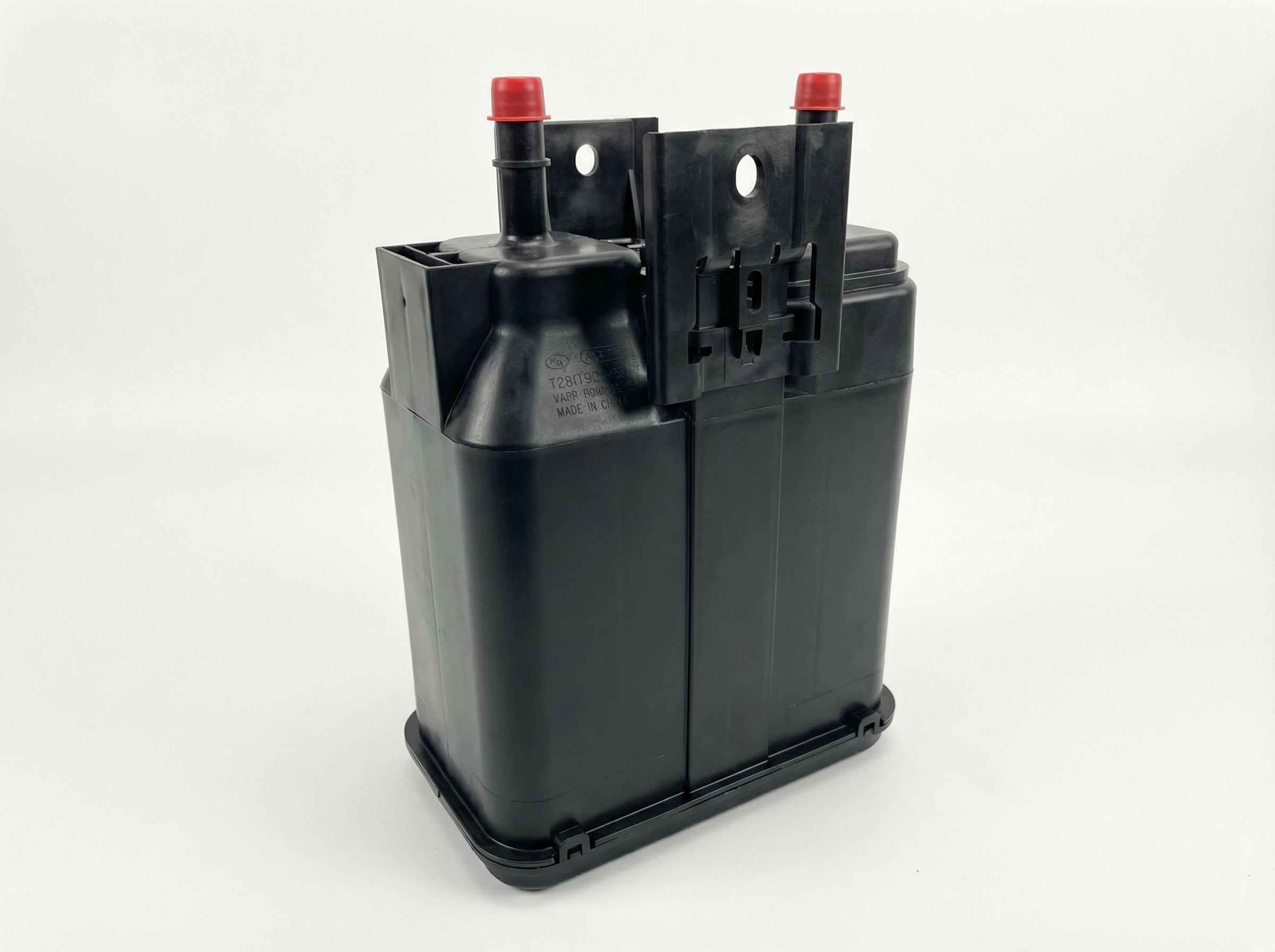

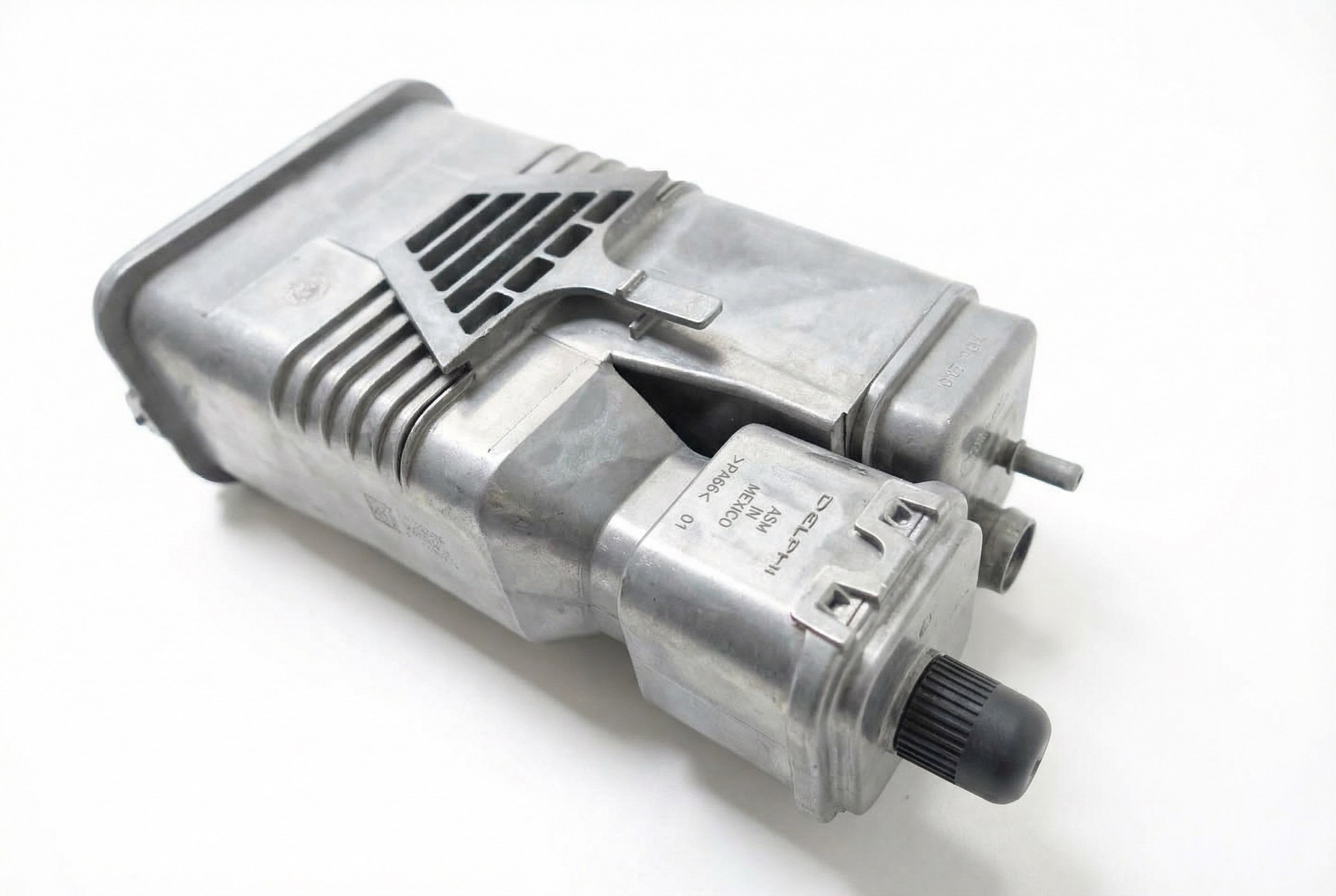
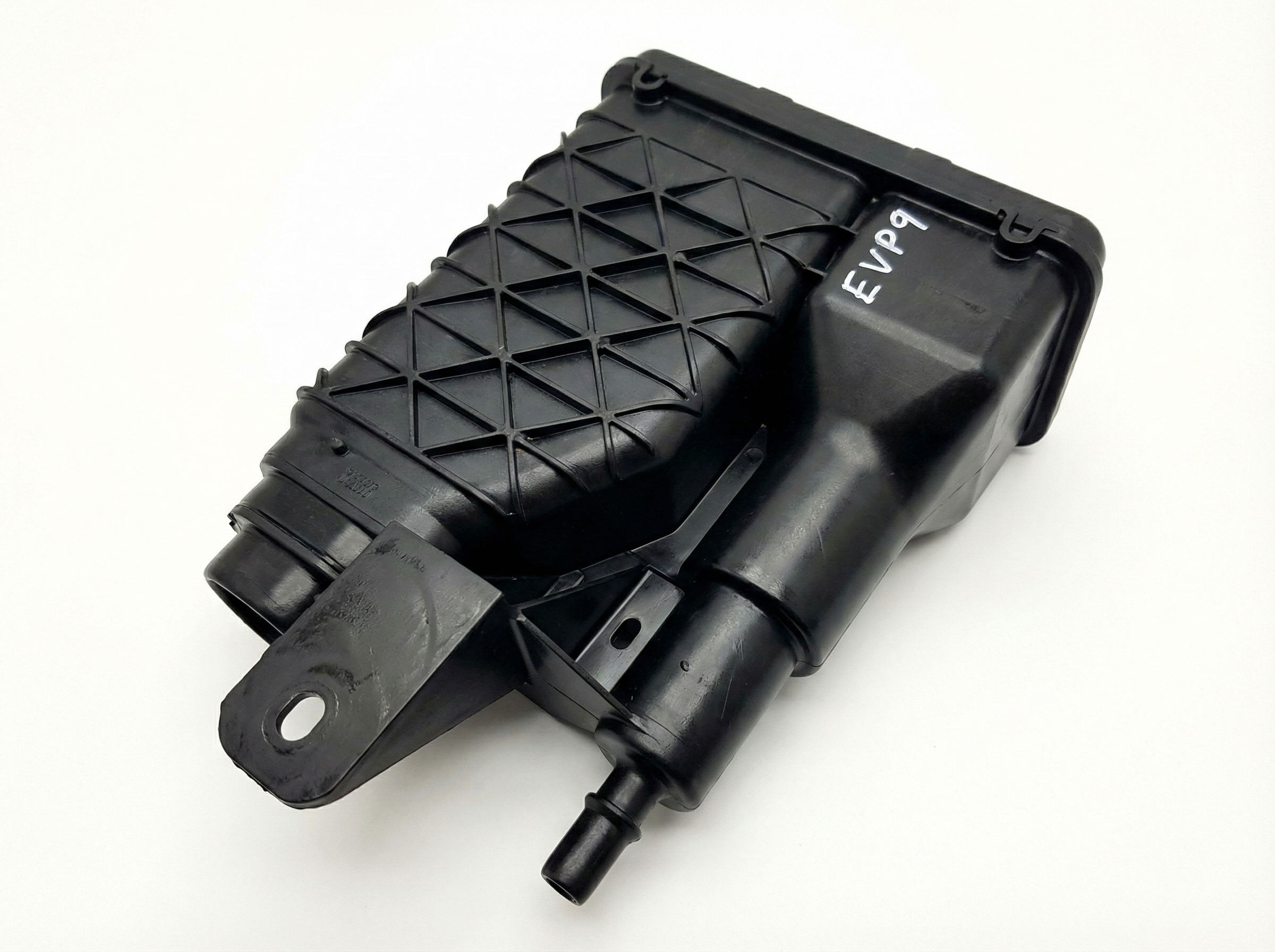
New Aftermarket Parts Available

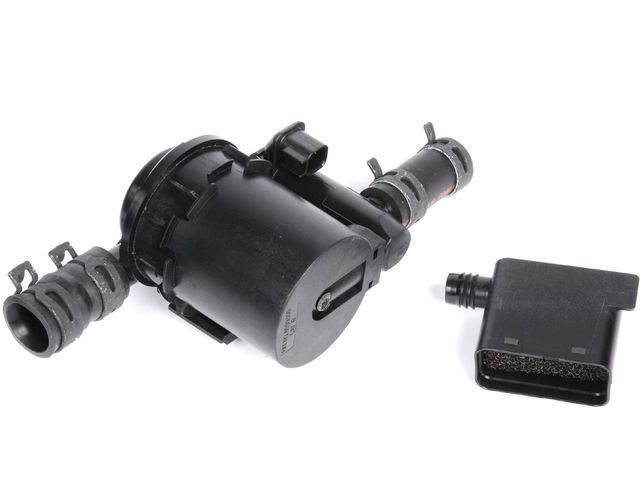

The information in this article is provided for general reference and educational purposes only. Vehicle specifications, procedures, and part compatibility can vary by production date, trim level, and region. Always consult your vehicle's factory service manual and verify part numbers before purchasing or performing repairs. Safety-critical components such as airbags, seat belts, and braking systems should be installed by a qualified professional.
- Chevrolet Silverado 1500:
- 🧭 Diagnostic Flowchart
- 🎬 Helpful Videos
- 🛍️ Shop This Part
- What's Unique About the 2014-2018 Chevrolet Silverado 1500
- Symptoms You May Notice
- Most Likely Causes
- Rare But Worth Checking
- Diagnosis Steps
- Parts You'll Likely Need
- Related Codes That Often Appear With This One
- Platform-Specific Known Issues
- Mechanic-Grade Diagnostic Values
- Scan Tool Commands That Help
- Wiring & Ground Locations
- OEM Part Supersession History
- Other Known Issues on This Vehicle
- Used vs. New Parts: Buying Guide for This Vehicle
- Real Owner Stories
- 2019 Chevrolet Silverado 1500 LTZ 6.2L — 20300 miles
- 2005 GMC Sierra (Platform Mate)
- 2003 Chevrolet Silverado (Platform Mate)
- Documented NHTSA Reports
- NHTSA ODI #11448862
- NHTSA ODI #11681144
- Related OBD-II Codes
- Frequently Asked Questions
- 🎟️ Get 5% Off