

P0443 on 2011-2014 Chrysler 200: EVAP Purge Valve Circuit Causes and Fixes
For a 2011-2014 Chrysler 200, code P0443 almost always means the EVAP purge valve (solenoid) has failed. This is a common, inexpensive part ($25-$70) and a straightforward DIY replacement for both the 2.4L and 3.6L engines. Expect a DIY difficulty of 2/5. A key symptom is that the remote start will be disabled.
- P0443 on your Chrysler 200 is an electrical circuit code, not a gas cap issue.
- The most likely fix is to replace the EVAP purge valve, a common failure item.
- The part is relatively inexpensive ($25-$70) and a straightforward DIY job, especially on the 3.6L V6.
- A primary symptom, besides the
What's Unique About the 2011-2014 Chrysler 200
On this generation of Chrysler 200 and its platform-mate, the Dodge Avenger, the EVAP purge valve is a known high-failure item. A unique and frequently reported symptom on this platform is that the remote start feature is disabled by the computer whenever this specific check engine light code is active. Unlike many complex EVAP issues, the P0443 code points with very high probability to the valve itself having failed electrically.
Symptoms You May Notice
- Check Engine Light is on
- Remote start feature is disabled
- Slightly rough or unstable idle
- Minor decrease in fuel economy
- Possible difficulty starting the engine, especially right after refueling
- Replacing the gas cap. P0443 is an electrical circuit code, not a system leak code. A bad or loose gas cap will cause different codes (like P0456 or P0457) and will not fix P0443.
Most Likely Causes
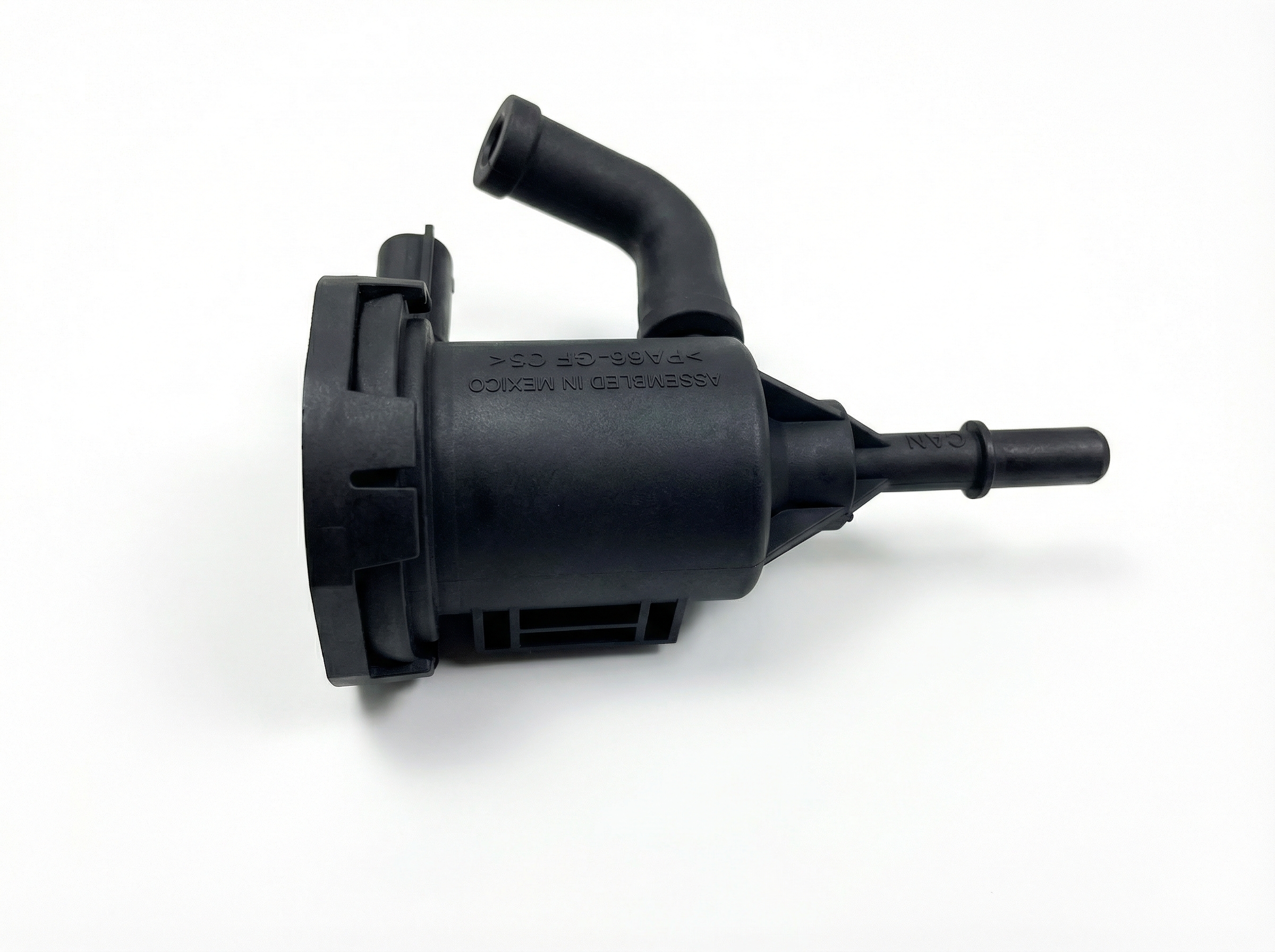
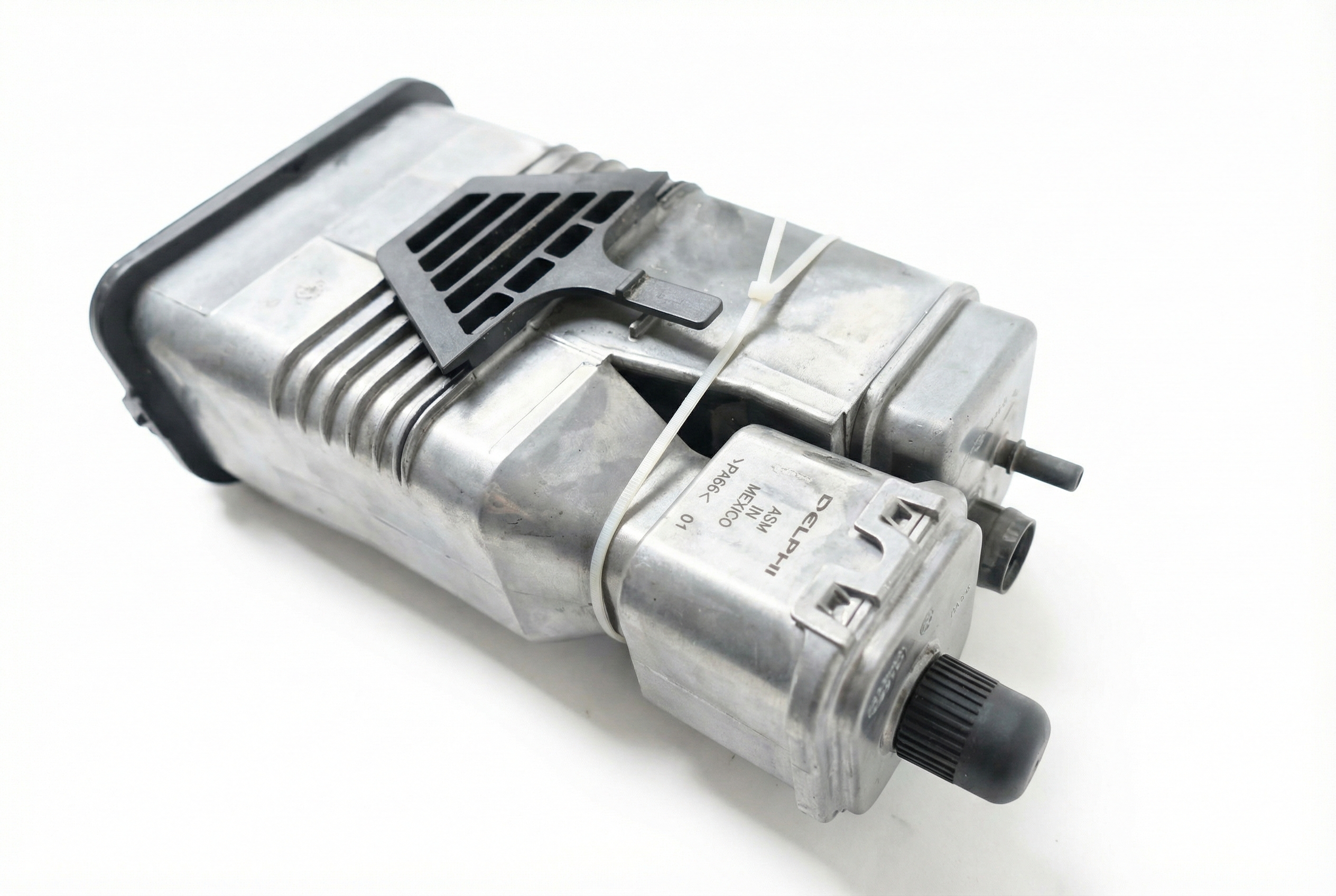
- Failed EVAP Purge Valve / Solenoid 🔴 High Probability → Shop Vapor Canister This component is a well-documented common failure item on Chrysler/Dodge vehicles of this era, including the 2.4L and 3.6L engines, and their platform mates like the Dodge Avenger and Grand Caravan.
How to confirm: Locate the valve. With the engine off, disconnect the electrical connector and measure the resistance between the two pins with a multimeter; a good valve should read around 14-30 ohms. You can also try to blow through the valve; it is a normally-closed valve, so no air should pass. If you can blow through it, it's stuck open and is bad.
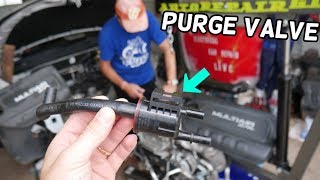
Typical fix: Replace the EVAP purge valve. The location differs by engine. On the 3.6L V6, it's easily accessible on the driver's side of the engine bay near the firewall. On the 2.4L I4, it is mounted to the back of the intake manifold and requires removing the air intake resonator for access, making it slightly more difficult. 🎬 Watch: Step-by-step purge valve replacement on the 2.4L engine.
Est. part cost: $25-$70 - Damaged Wiring or Connector ⚪ Low Probability
How to confirm: Visually inspect the wiring harness and connector leading to the purge valve for any signs of cracks, corrosion, chafing, or loose pins. With the key on and engine off, use a multimeter or test light to confirm that one pin of the connector has battery voltage.
Typical fix: Repair the damaged section of the wiring harness or clean the connector terminals. If the connector itself is broken, it will need to be replaced.
Est. part cost: $5-$50 - Blown Fuse ⚪ Low Probability
How to confirm: Check the Power Distribution Center (fuse box) under the hood. Inspect the 20A M13 fuse, which often provides power to the PCM and related emissions components. If it's blown, it will cause P0443.
Typical fix: Replace the blown fuse with a new one of the same amperage. If the fuse blows again immediately, it indicates a short circuit in the system that needs to be diagnosed further.
Est. part cost: $1-$5
Rare But Worth Checking
- Powertrain Control Module (PCM) Software Issue: → Shop Engine Control Module (ECM) Chrysler has released numerous Technical Service Bulletins (TSBs) to fix various powertrain and drivability issues via a PCM software update. While none specifically name P0443 for this model, it's possible a reflash could resolve an erroneous code if the valve and wiring are confirmed good.
- Faulty Powertrain Control Module (PCM): → Shop Engine Control Module (ECM) This is extremely rare. The PCM is only a likely cause if all other possibilities, including the valve, wiring, and fuses, have been thoroughly tested and ruled out.
Diagnosis Steps
- Read the trouble codes with an OBD-II scanner to confirm P0443 is present.
- Visually inspect the EVAP purge valve's electrical connector and wiring for any obvious damage, corrosion, or loose connections.
- Check the M13 fuse in the under-hood fuse box.
- Disconnect the purge valve connector. With the ignition on (engine off), use a multimeter to verify that one of the pins in the connector has battery voltage.
- Test the purge valve itself. Measure the resistance across the two pins on the valve. A good valve should read approximately 14-30 ohms. An open circuit (OL) or short (near 0 ohms) indicates a failed valve.
- With the valve removed, attempt to blow air through it. No air should pass. If it does, the valve is stuck open and has failed.
- If the valve's resistance is good, you can test its mechanical function by applying 12V and ground directly to its pins. You should hear an audible click. If it doesn't click, it's mechanically stuck and needs replacement.
- If the valve and wiring test good, the issue could be a PCM software glitch. Check with a dealer for any applicable Technical Service Bulletins (TSBs).
Parts You'll Likely Need
- EVAP Vapor Canister Purge Valve / Solenoid
(OEM #4627694AB (superseded by 4627694AC, 4627694AD))— This is the most common failure point for code P0443 on this vehicle. The internal solenoid coil fails electrically, creating an open or short circuit detected by the PCM.
Trusted brands: Mopar, Dorman (P/N: 911-403), Standard Motor Products, Bosch
OEM price range: $60-$90
Aftermarket price range: $25-$60
Related Codes That Often Appear With This One
- P0444 — This code means 'Purge Control Valve Circuit Open' and points to the same set of electrical failures, such as a broken wire or a completely failed internal solenoid coil.
- P0441 — This code for 'Incorrect Purge Flow' can appear if the electrical fault of P0443 causes the valve to be physically stuck open or closed, leading the PCM to detect an improper flow rate.
Technical Service Bulletins (TSBs) & Recalls
- TSB #18-102-16 (for related 3.6L models): Addresses P0441 but mentions related codes and recommends a PCM software update, which could be relevant if the valve and wiring are good.
- TSB #18-033-14: Example of a PCM flash update for other Chrysler models to resolve powertrain issues, indicating that software updates are a common fix for various problems.
Platform-Specific Known Issues
- Owner Repair Story (3.6L): An owner on a forum for Chrysler 200s reported getting code P0443 and that their remote start stopped working. They were able to purchase the Mopar purge valve (part #4627694AB) from the dealer for around $65. They described the replacement on their 3.6L V6 as 'incredibly easy,' taking less than 10 minutes. The valve was located on the firewall, held by two bolts. After replacing the part and clearing the code, the check engine light was gone and the remote start function was restored.
- Owner Repair Story (2.4L): A 2012 Chrysler 200 owner with the 2.4L engine posted on 200forums.com about their P0443 code. They confirmed the part was located on the back of the intake manifold, under the an air intake tube. The repair was more involved than on the V6, requiring removal of the airbox and resonator to gain access. Despite the tighter space, they completed the replacement in about 45 minutes, which resolved the code.
Mechanic-Grade Diagnostic Values
- EVAP Purge Solenoid Coil Resistance — expected: 14 to 30 Ohms. Failure: An infinite reading (open circuit) or near-zero reading (short circuit).
- Purge Solenoid Connector Power Pin Voltage (Key On, Engine Off) — expected: Battery Voltage (~12 Volts). Failure: Voltage significantly below 10V indicates a problem in the power supply circuit (fuse, TIPM, or wiring).
- Purge Solenoid Control Pin Voltage (Commanded ON with Scan Tool) — expected: Near 0 Volts. Failure: Voltage stays high, indicating the PCM is not grounding the circuit or there's a break in the wire.
Scan Tool Commands That Help
- Witech (Chrysler OEM) or advanced bidirectional scanner: EVAP Purge Solenoid Actuator Test / Component Test — This command manually cycles the purge solenoid on and off. It's used to confirm if the PCM can control the valve and if the valve responds with an audible click. It also allows for testing the control circuit voltage under load.
Wiring & Ground Locations
- K52 Circuit — Dark Blue/White wire running from Pin 2 of the EVAP Purge Solenoid connector to the PCM.. This is the specific control wire the PCM grounds to activate the solenoid. A break or short-to-ground on this wire will directly cause a P0443 code.
- G304 — Near the decklid latch area.. This is a major ground point for various rear-body components, including parts of the EVAP system on some configurations. While not the primary ground for the purge solenoid itself, poor grounding here can cause intermittent electrical issues in the EVAP system.
- TIPM Fuse M13 (20A) — In the underhood fuse box (Totally Integrated Power Module).. This fuse provides power to multiple emissions components, including the power feed for the purge solenoid circuit. A failure here will cut power and trigger P0443.
Real Owner Repair Stories
- YouTube - LYNX RIDER XP (Toyota Wigo (similar principle)) — Check Engine Light with P0443.
❌ Tried (didn't work) Initial thought was to replace the purge solenoid part.
✅ What actually fixed it The root cause was a cut wire in the harness leading to the ECU. The wire had chafed against a plastic harness cover over time, breaking the ground connection for the solenoid. Repairing the broken wire resolved the P0443 code without replacing any parts. - YouTube - Chrysler 200 No Start Fix (2013 Chrysler 200) — Intermittent no-start, no-crank condition.
✅ What actually fixed it While not directly for P0443, a common issue on this platform is poor grounding due to corrosion on the main ground wire. The owner added a supplementary 4-gauge ground wire from the battery negative terminal to a bolt on the transmission case. This is a known fix for various electrical gremlins on the Chrysler 200 and could resolve intermittent circuit codes if the primary ground is compromised.
OEM Part Supersession History
4627694AB→4627694AC, then 4627694AD— Standard part revision and improvement by the manufacturer.
Heads up: All versions (AB, AC, AD) are interchangeable for the 2011-2014 Chrysler 200. The latest revision, 4627694AD, is the current service part.
Diagnostic Flowchart
Other Known Issues on This Vehicle
Issues unrelated to this code that are worth knowing about as an owner of this generation:
- Cracked Oil Filter Housing (3.6L V6) 🔴 High — Extremely common, often occurs between 60,000 and 120,000 miles. The plastic housing is prone to cracking from heat cycles, causing significant oil and/or coolant leaks into the engine valley.
- 62TE Automatic Transmission Problems 🔴 High — Common issue. Symptoms include harsh shifting, delayed engagement, shuddering, or entering 'limp mode'. Often caused by a failing solenoid pack or valve body issues. (Ref: Multiple software-update TSBs exist, but hardware failure is also common.)
- Clogged Heater Core 🟠 Medium — A frequent complaint is a lack of heat from the vents, particularly on the driver's side. This is almost always caused by a clogged heater core due to casting sand from the engine block or coolant breakdown.
- Totally Integrated Power Module (TIPM) Failure 🟠 Medium → Shop Fuse Box — Less common than on other Chrysler models of the era, but can still occur. A faulty TIPM can cause a wide range of bizarre electrical issues, including the fuel pump not running, horn going off randomly, or starter problems.
- Engine Stalls While Driving 🔴 High — An NHTSA investigation was opened for stalling during low-speed deceleration on 2011-2013 models. This was linked to a defective powertrain control module (PCM) logic causing an overly rich condition. (Ref: NHTSA Investigation PE12028)
Used vs. New Parts: Buying Guide for This Vehicle
When a used part is the smart pick: For this specific repair, buying a used EVAP purge solenoid is NOT recommended. It is an inexpensive, high-failure electromechanical part. The risk of the used part failing soon after installation is high, negating any cost savings.
What to inspect on the donor part:
- Not applicable as a used part is not advised.
OEM-only on this vehicle (don't cheap out):
- While not strictly 'OEM-only', using a Mopar-branded part is often recommended for fit and longevity, though reputable aftermarket brands are generally successful for this component.
Aftermarket brands forum-validated for this vehicle:
- Dorman (specifically part 911-403)
- Standard Motor Products (SMP)
- Bosch
Brands owners have reported issues with on this vehicle:
- Avoid unbranded, 'white-box' parts from online marketplaces, as their internal coil and valve materials are often of poor quality and prone to premature failure.
Real Owner Stories
Aggregated from forums and TSBs cited above. Mileages and costs reflect what owners reported in those sources.
2012 Chrysler 200 2.4L
Symptoms: Check engine light with code P0443; part was located on the back of the intake manifold under an air intake tube.
What fixed it: Replaced the purge valve after removing the airbox and resonator to gain access; repair took about 45 minutes.
Source hint: 200forums.com post regarding 2.4L engine P0443 code
2011-2014 Chrysler 200 3.6L V6
Symptoms: Check engine light (P0443) and the remote start feature stopped working.
What fixed it: Installed a new Mopar purge valve (part #4627694AB). The replacement took less than 10 minutes as the valve was located on the firewall.
Cost: $65-$65
Source hint: Owner Repair Story (3.6L) from Chrysler 200 forum
2011-2014 Dodge Avenger 2.4L/3.6L
Symptoms: Exact same P0443 issue and symptoms as the Chrysler 200 platform mate.
What fixed it: Replacement of the purge solenoid.
Source hint: avengerforumz.com
Related OBD-II Codes
Frequently Asked Questions
Why did my remote start stop working on my Chrysler 200 after the check engine light came on?
Where is the EVAP purge valve located on the 3.6L V6 Chrysler 200?
Is the purge valve in the same spot on the 2.4L 4-cylinder model?
Which fuse should I check for a P0443 code on my Chrysler 200?
What is the correct resistance for a new Mopar purge valve?
Does TSB #18-102-16 apply to my P0443 issue?
Helpful Videos
Used OEM Parts in Stock
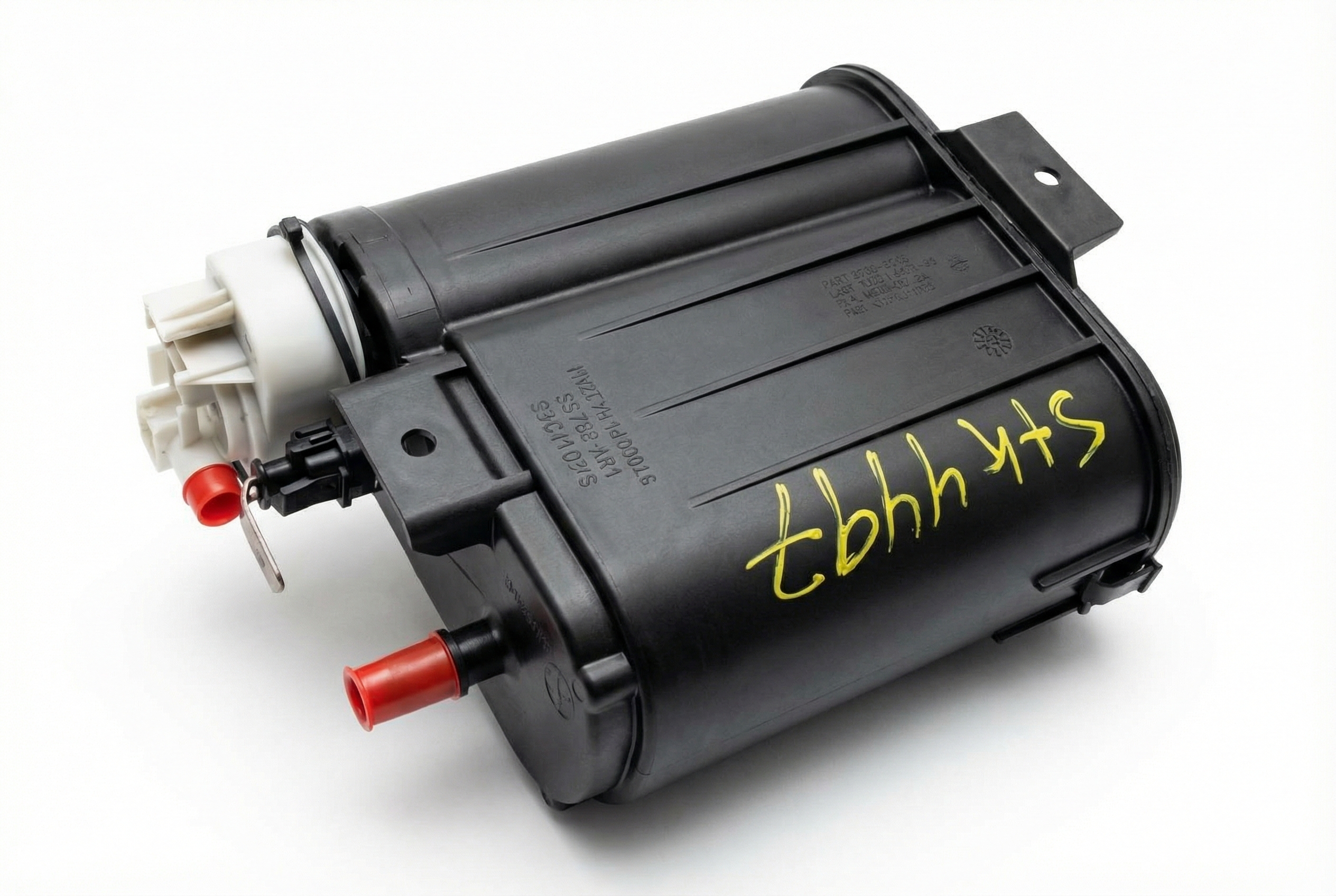
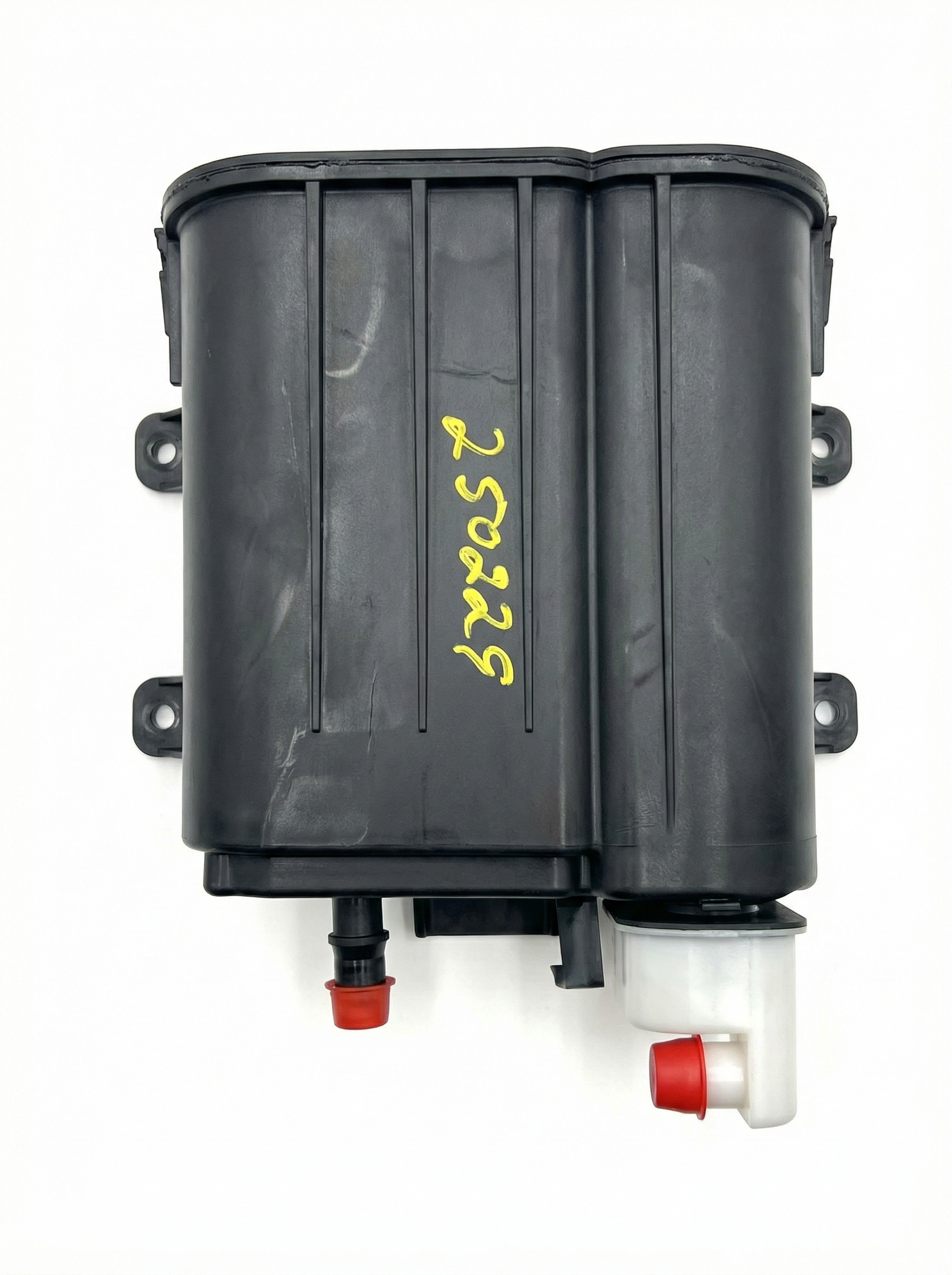
New Aftermarket Parts Available

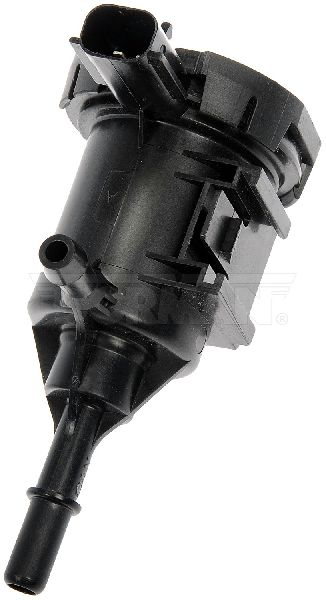
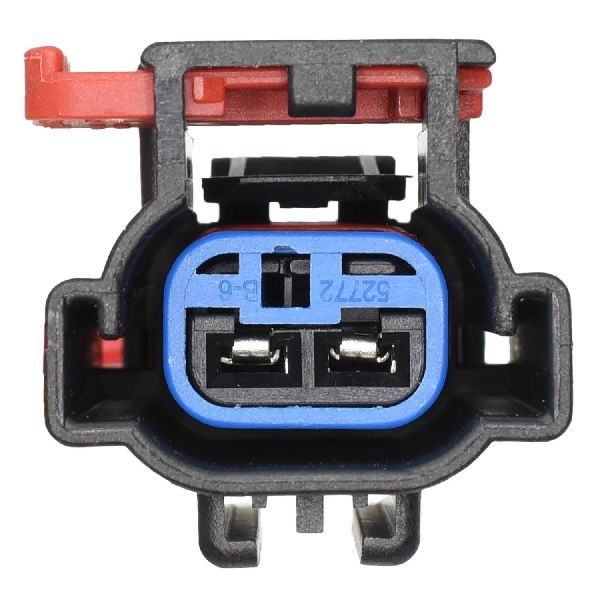

The information in this article is provided for general reference and educational purposes only. Vehicle specifications, procedures, and part compatibility can vary by production date, trim level, and region. Always consult your vehicle's factory service manual and verify part numbers before purchasing or performing repairs. Safety-critical components such as airbags, seat belts, and braking systems should be installed by a qualified professional.
- Chrysler 200:
- 🧭 Diagnostic Flowchart
- 🎬 Helpful Videos
- 🛍️ Shop This Part
- What's Unique About the 2011-2014 Chrysler 200
- Symptoms You May Notice
- Most Likely Causes
- Rare But Worth Checking
- Diagnosis Steps
- Parts You'll Likely Need
- Related Codes That Often Appear With This One
- Technical Service Bulletins (TSBs) & Recalls
- Platform-Specific Known Issues
- Mechanic-Grade Diagnostic Values
- Scan Tool Commands That Help
- Wiring & Ground Locations
- Real Owner Repair Stories
- OEM Part Supersession History
- Other Known Issues on This Vehicle
- Used vs. New Parts: Buying Guide for This Vehicle
- Real Owner Stories
- 2012 Chrysler 200 2.4L
- 2011-2014 Chrysler 200 3.6L V6
- 2011-2014 Dodge Avenger 2.4L/3.6L
- Related OBD-II Codes
- Frequently Asked Questions
- 🎟️ Get 5% Off