

P0443 on 2015-2024 Ford Edge: EVAP Purge Valve Circuit Causes and Fixes
This code indicates an electrical fault in the EVAP canister purge valve circuit. The most common fix is replacing the canister purge valve assembly itself. Expect to pay between $40 for an aftermarket part and $200+ for an OEM assembly.
- P0443 on a 2015-2024 Ford Edge almost always points to an electrical problem with the canister purge valve.
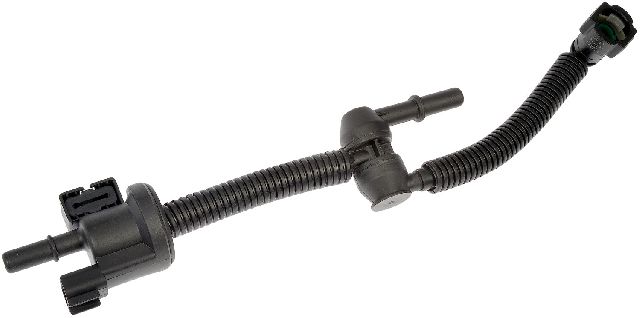
- The most likely solution is to replace the purge valve. On many models, especially with the 2.0L engine, this part is integrated into a larger hose assembly.
- This is a DIY-friendly repair that typically takes less than an hour with basic hand tools.
- Before buying parts, check the electrical connector and wiring for damage, as this can also trigger the code.
- Driving with this code is safe, but it will cause an automatic failure on an emissions test.
What's Unique About the 2015-2024 Ford Edge
For the 2015-2024 Ford Edge, particularly later models with the 2.0L EcoBoost engine, the purge valve is often integrated into a larger hose assembly. This means that instead of replacing just the small valve, you may need to purchase and install the entire tube assembly that runs from the engine intake to the EVAP system. While other Ford models like the Focus have had recalls and customer satisfaction programs for faulty purge valves causing fuel tank deformation, no such large-scale programs appear to specifically cover the 2015-2024 Edge for this exact issue. However, the underlying part and its failure mode are extremely common across the Ford lineup, including the Fusion, Escape, and Mustang.
Symptoms You May Notice
- Check Engine Light is on
- Rough idle
- Slight decrease in fuel economy
- Difficulty starting the engine, especially after refueling
- A "farting" or buzzing noise from the rear of the car near the fuel tank (often associated 🎬 See how to test and replace the solenoid for code P1450. with a stuck open purge valve causing code P1450).
- Replacing the gas cap. A loose or faulty gas cap typically causes a P0455 (large leak) or P0457 (loose cap) code, not a P0443 circuit code.
- Replacing the charcoal canister. The canister is a storage component and is not part of the electrical circuit that this code monitors. However, a faulty purge valve can sometimes lead to canister damage over time.
- Assuming an aftermarket part is good. Some owners have reported replacing the purge valve with a cheap aftermarket part, only for the code to return, and then fixing it permanently with a genuine OEM Motorcraft part.
Most Likely Causes
- Failed Canister Purge Valve/Solenoid 🔴 High Probability → Shop Vapor Canister The internal electronic solenoid coil can fail over time, creating an open or short in the circuit that the PCM detects. This is the most frequent point of failure for this code, with some owners reporting an over 80% chance of this being the root cause.
How to confirm: Disconnect the valve's electrical connector and test the resistance across the two pins with a multimeter. Compare the reading to the manufacturer's specification (typically between 20-30 ohms for Ford). You can also apply 12V and ground to the pins to listen for an audible 'click', indicating the solenoid is activating. A simpler test is to disconnect the electrical connector, start the engine, and feel the inlet port of the valve for suction; if you feel vacuum, the valve is stuck open and has failed.
Typical fix: Replace the canister purge valve. On some Edge models, this requires replacing the entire hose assembly the valve is attached to. Using a genuine Motorcraft part is highly recommended, as some owners report aftermarket parts failing quickly.
Est. part cost: $40-$210 - Damaged Wiring or Connector 🟡 Medium Probability The wiring harness leading to the purge valve can be exposed to engine heat and vibration, potentially causing wires to break, chafe, or the connector pins to corrode. This is a known issue on other Fords sharing this part design.
How to confirm: Visually inspect the wiring harness and the electrical connector for any signs of damage, melting, or corrosion. Check for a secure connection; one owner found their issue was simply a plug not fully seated. Use a multimeter to check for 12V power and a proper ground signal at the connector with the key on.
Typical fix: Repair the damaged section of wire or replace the connector pigtail.
Est. part cost: $10-$30 - Blown Fuse ⚪ Low Probability
How to confirm: Locate the fuse for the EVAP system or emissions components in your owner's manual and visually inspect it to see if it has blown.
Typical fix: Replace the blown fuse. If the fuse blows again, it indicates a short circuit in the system that needs to be diagnosed.
Est. part cost: $1-$5
Rare But Worth Checking
- Faulty Powertrain Control Module (PCM): → Shop Engine Control Module (ECM) This is very rare. The PCM's internal driver for the purge valve circuit can fail. This should only be considered after all other possibilities, including the valve and wiring, have been thoroughly tested and ruled out.
Diagnosis Steps
- Scan the vehicle for any other trouble codes to see if P0443 is present alone or with others.
- Visually inspect the canister purge valve, its electrical connector, and the surrounding wiring for any obvious signs of damage, corrosion, or loose connections. A chafed wire or loose plug can cause this code.
- Check the fuse related to the emissions system in the vehicle's fuse box.
- With the ignition on and engine off, use a multimeter to verify that one pin on the purge valve connector has battery voltage (around 12V).
- Check the other pin for a ground signal from the PCM. The PCM provides a duty-cycled ground to operate the valve, so you may need a graphing multimeter or oscilloscope to see the signal accurately when the engine is running.
- If power and ground are present, test the purge valve itself. Disconnect it and measure the resistance between its two electrical pins. An out-of-spec or infinite resistance reading indicates a failed solenoid. A reading between 20-30 ohms is typical for this part.
- Perform a functional test: with the engine running, disconnect the electrical plug from the purge valve and feel the port for vacuum. A normally closed valve should have no vacuum present. If you feel suction, the valve is mechanically stuck open and must be replaced.
- If the valve tests good and the wiring is intact, the fault may lie within the PCM, but this is uncommon.
Parts You'll Likely Need
- Canister Purge Valve / Solenoid Assembly
(OEM #F2GZ-9D289-A, F2GZ-9D289-B)— This is the most common failure point for a P0443 code. The internal solenoid fails electrically or gets stuck open. For many 2.0L EcoBoost models, it is sold as part of a complete hose assembly. Part number F2GZ-9D289-B is a superseded, newer version of F2GZ-9D289-A. For the 3.5L V6, the part is often a standalone valve, Motorcraft part number CX-2470. 🎬 Watch this walkthrough for replacing the purge valve on an Edge SEL.
Trusted brands: Motorcraft, Dorman, Standard Motor Products
OEM price range: $75-$210
Aftermarket price range: $40-$120
Related Codes That Often Appear With This One
- P0444 — P0444 indicates 'Purge Control Valve Circuit Open,' which is a more specific version of the general circuit fault P0443. They often appear together as they both point to an electrical issue with the valve or its wiring.
- P1450 — This code indicates 'Unable to Bleed Up Fuel Tank Vacuum.' A stuck-open purge valve (which can be caused by an electrical fault) can create excessive vacuum in the tank, triggering this code. It's very common to see P1450 alongside or instead of P0443, and the fix is almost always the same: replace the purge valve.
- P0456 — Indicates a 'very small leak' in the EVAP system. A purge valve that isn't sealing perfectly but hasn't completely failed electrically can sometimes cause this code to appear alongside P0443.
Technical Service Bulletins (TSBs) & Recalls
- SSM 47963: This Special Service Message applies to some 2019 Ford Edge and other models. It notes that if a P0443 is present with P1450, and the purge valve is found to be electrically good, technicians should check for a physically stuck open valve by testing for vacuum at the valve with the engine running. This confirms that a mechanically failed (stuck) valve is a common issue even if the circuit tests okay initially.
Platform-Specific Known Issues
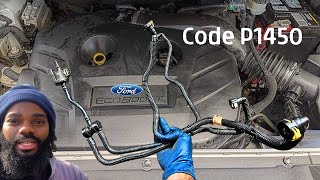
- 2.0L EcoBoost Hose Assembly: On many 2015-2024 Edge models with the 2.0L EcoBoost engine, the purge valve is integrated into a larger, more complex hose assembly. This makes the part more expensive and the replacement slightly more involved than a simple bolt-on valve. A YouTube video by 'Ford Tech Makuloco' details this specific replacement. 🎬 Watch: Ford Tech Makuloco explains the 2.0L EcoBoost hose assembly replacement. One owner noted a dealer price of $366 for the part, but found it online for around $209.
- 3.5L V6 Standalone Valve: On models equipped with the naturally aspirated 3.5L V6 engine, the purge valve is typically a separate component mounted on the intake manifold, making for a simpler and less expensive replacement. The part is often referred to by its Motorcraft service number, CX-2470.
- Repeat Failures with Aftermarket Parts: Multiple owner accounts across forums and repair databases mention that using non-OEM (aftermarket) purge valves can lead to the P0443 or related P1450 code returning within a short period. It is strongly recommended to use a genuine Ford or Motorcraft replacement part to ensure a long-term fix.
Mechanic-Grade Diagnostic Values
- Canister Purge Valve Solenoid Resistance — expected: 20-30 Ohms. Failure: An open circuit (infinite resistance) or a short (near zero ohms) indicates a failed solenoid coil.
- Purge Valve Connector Power Wire Voltage (Key On, Engine Off) — expected: Battery Voltage (approx. 11-14V). Failure: No voltage or significantly low voltage points to a blown fuse or an open in the power supply circuit (VPWR).
- Scan Tool PID: EVAPCP (EVAP Canister Purge Commanded Duty Cycle) — expected: 0% when closed (at idle), up to 100% when commanded fully open.. Failure: The PCM will set P0443 if the monitored circuit voltage does not match the expected voltage for the commanded state.
- Scan Tool PID: EVMV (EVAP Purge Valve Current) — expected: 0 mA when closed, up to 1,000 mA when commanded fully open.. Failure: A mismatch between the commanded state and the measured current/voltage feedback will trigger the code.
- Control Wire Voltage (Back-probed at connector, valve commanded OFF) — expected: Approximately battery voltage.. Failure: Voltage less than ~5.8V when OFF can indicate a short to ground in the control wire or a faulty PCM driver.
- Control Wire Voltage (Back-probed at connector, valve commanded ON) — expected: Voltage drop of at least 3 volts from battery voltage. Near 0V when fully commanded on.. Failure: Voltage remaining high (above ~11.5V in some cases) when commanded ON indicates an open control circuit or failed valve.
Scan Tool Commands That Help
- FORScan, Ford IDS, or other professional scan tools: EVAP System Test or Purge Valve Active Test — This bidirectional control allows the technician to command the purge valve solenoid ON and OFF manually. You should hear an audible click from the valve each time it's commanded. This is used to verify if the solenoid is mechanically functional and if the PCM is capable of controlling it, helping to isolate the fault between the wiring, the valve itself, or the PCM driver.
Wiring & Ground Locations
- G100 / G103 — On the first generation Edge, these were on the left rear/side of the engine compartment. For the second generation, primary engine and chassis grounds are located on the shock towers and near the battery tray.. The purge valve circuit, like many engine sensors and actuators, relies on a clean and solid ground connection to the chassis and battery. A corroded or loose main engine ground can cause intermittent and difficult-to-diagnose electrical issues, including circuit codes like P0443.
- Purge Valve Connector (C158) — On the 2.0L EcoBoost, the connector is attached directly to the purge valve, which is part of a hose assembly located under the air duct assembly, between the battery and the engine.. This is the primary point for electrical testing. Pin 1 (VT-RD wire) should have battery voltage with key on. Pin 2 (YE-VT wire on some diagrams) is the control wire that is duty-cycled (grounded) by the PCM. Checking for power, ground, and signal integrity at this connector is the core of diagnosing P0443.
- PCM Connector — The Powertrain Control Module is typically located in the engine bay, often near the firewall or battery.. In rare cases where the valve and wiring test good, a continuity check from the purge valve connector's control pin back to the corresponding pin at the PCM connector is necessary to rule out a break in the wire. A damaged pin or poor connection at the PCM itself could also be the cause.
Real Owner Repair Stories
- YouTube Commenter on 'Ford Tech Makuloco' video (2019 Ford Edge 2.0L EcoBoost) — Check Engine Light with P0443 code, leaking (stuck open) purge valve.
❌ Tried (didn't work) Attempted to use a purge valve from a 2017 model, but the inlet connection and electrical plug did not fit the 2019 model.
✅ What actually fixed it The owner performed a temporary fix by cleaning the original valve with WD-40 and cycling it with a 9V battery, which made it seal better and turned the light off temporarily. They then ordered the correct OEM hose assembly (part number from the video, likely F2GZ-9D289-B) from an online Ford dealer for $209 to perform the permanent repair.
OEM Part Supersession History
F2GZ-9D289-A→F2GZ-9D289-B— Standard part revision by the manufacturer, likely for improved durability or minor design changes.
Heads up: F2GZ-9D289-B is the correct replacement for F2GZ-9D289-A. They are interchangeable.
Model Year Variations Within This Range
- 2019-2024: The 2019 model year was a mid-cycle refresh. For the engine, the standard 2.0L twin-scroll EcoBoost was paired with a new 8-speed automatic transmission, replacing the previous 6-speed. The 3.5L V6 was discontinued. While the P0443 fault is common across the generation, parts for a 2019+ may not be compatible with a 2015-2018 model, as seen in a real repair story where a 2017 valve did not fit a 2019 Edge.
Diagnostic Flowchart
Other Known Issues on This Vehicle
Issues unrelated to this code that are worth knowing about as an owner of this generation:
- 2.0L EcoBoost Coolant Intrusion 🔴 High — A known issue on 2015-2018 Edge models with the 2.0L EcoBoost. A flaw in the engine block design can allow coolant to leak into the cylinders, leading to misfires, white smoke, and eventual engine failure. (Ref: TSB 19-2346 (supersedes 19-2208, later superseded by 22-2229))
- Power Transfer Unit (PTU) Failure 🔴 High — Common in AWD models across all years. The PTU fluid is considered 'lifetime' by Ford, but it often overheats, breaks down, and leads to catastrophic failure of the unit, costing thousands to repair. Failures can occur under 100,000 miles.
- Accessory Protocol Interface Module (APIM) Failure 🟠 Medium — Affects the SYNC infotainment system, causing black screens, unresponsiveness, or loss of features like the backup camera. Failures are common across many Ford models and years. A recall was issued for 2021-2024 models for an overheating issue that could cause a temporary shutdown. (Ref: Recall 22S14 for 2021-2022 models (distorted image). Recall for overheating on 2021-2024 models.)
- Cracked Flexplate 🔴 High — On 2015-2018 Edge models with the 2.0L EcoBoost, the flexplate can develop cracks, causing a rattling noise. If it fails completely, the vehicle will lose all power to the wheels. (Ref: Ford offered a one-time, no-cost repair program for this issue (Customer Satisfaction Program 19B37).)
- Brake Booster Failure 🟠 Medium — Prevalent in earlier models (up to 2015), the brake booster diaphragm could tear, leading to a hard brake pedal and increased stopping effort. (Ref: Ford extended the warranty coverage for this repair (Customer Satisfaction Program 13N02).)
Used vs. New Parts: Buying Guide for This Vehicle
When a used part is the smart pick: A used part is generally not recommended for this specific repair. The purge valve is a known high-failure item. A used part from a salvage yard carries a high risk of having the same internal failure or a very short remaining lifespan. The cost of a new aftermarket part is low enough that it's a smarter investment than a used part.
Donor-vehicle mileage cap: roughly under 50000 miles for the part to have meaningful remaining life.
What to inspect on the donor part:
- If forced to use a donor part, inspect for any cracks in the plastic housing or connectors.
- Check that the electrical pins are clean, straight, and free of corrosion.
- Test the resistance with a multimeter before purchase; it should be within the 20-30 ohm range.
OEM-only on this vehicle (don't cheap out):
- Canister Purge Valve / Hose Assembly
Aftermarket brands forum-validated for this vehicle:
- Standard Motor Products (Often considered a higher-quality aftermarket option)
Brands owners have reported issues with on this vehicle:
- Dorman: Reviews are mixed. While some Dorman kits offer a cost-effective repair, multiple forum and reviewer comments across the Ford line-up mention issues with fitment (especially connectors) and premature failure compared to the OEM Motorcraft part.
- Unbranded/"White Box" parts: These carry the highest risk of failure and should be avoided for electronic components like solenoids.
Real Owner Stories
Aggregated from forums and TSBs cited above. Mileages and costs reflect what owners reported in those sources.
2020 Ford Edge ST-Line
Symptoms: The P0443 code returned only two weeks after the purge valve had already been replaced.
What fixed it: The owner was advised to check for a chafed wire or an improperly seated electrical plug, as a loose connection can trigger the circuit code.
Source hint: Reddit r/FordEdge
2015 Ford Edge 2.0L EcoBoost
Symptoms: Check engine light with code P0443 and related code P1450.
What fixed it: Replacement of the purge valve hose assembly (Part # F2GZ-9D289-A).
Cost: $209-$366
Source hint: Ford Edge Forum
Related OBD-II Codes
Frequently Asked Questions
Does SSM 47963 apply to my 2019 Ford Edge if I have a P0443 code?
I have a 2015 Edge with the 2.0L EcoBoost; why is the purge valve so expensive?
Can I use an aftermarket purge valve for my Ford Edge to save money?
Why does my Edge make a 'farting' noise near the fuel tank when this code is present?
Is the purge valve replacement different on the 3.5L V6 compared to the EcoBoost?
Helpful Videos

Used OEM Parts in Stock
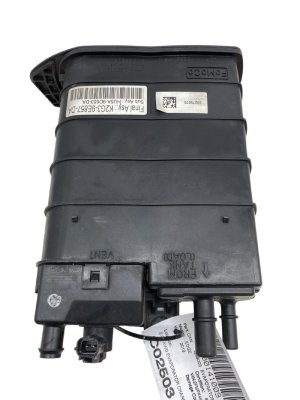

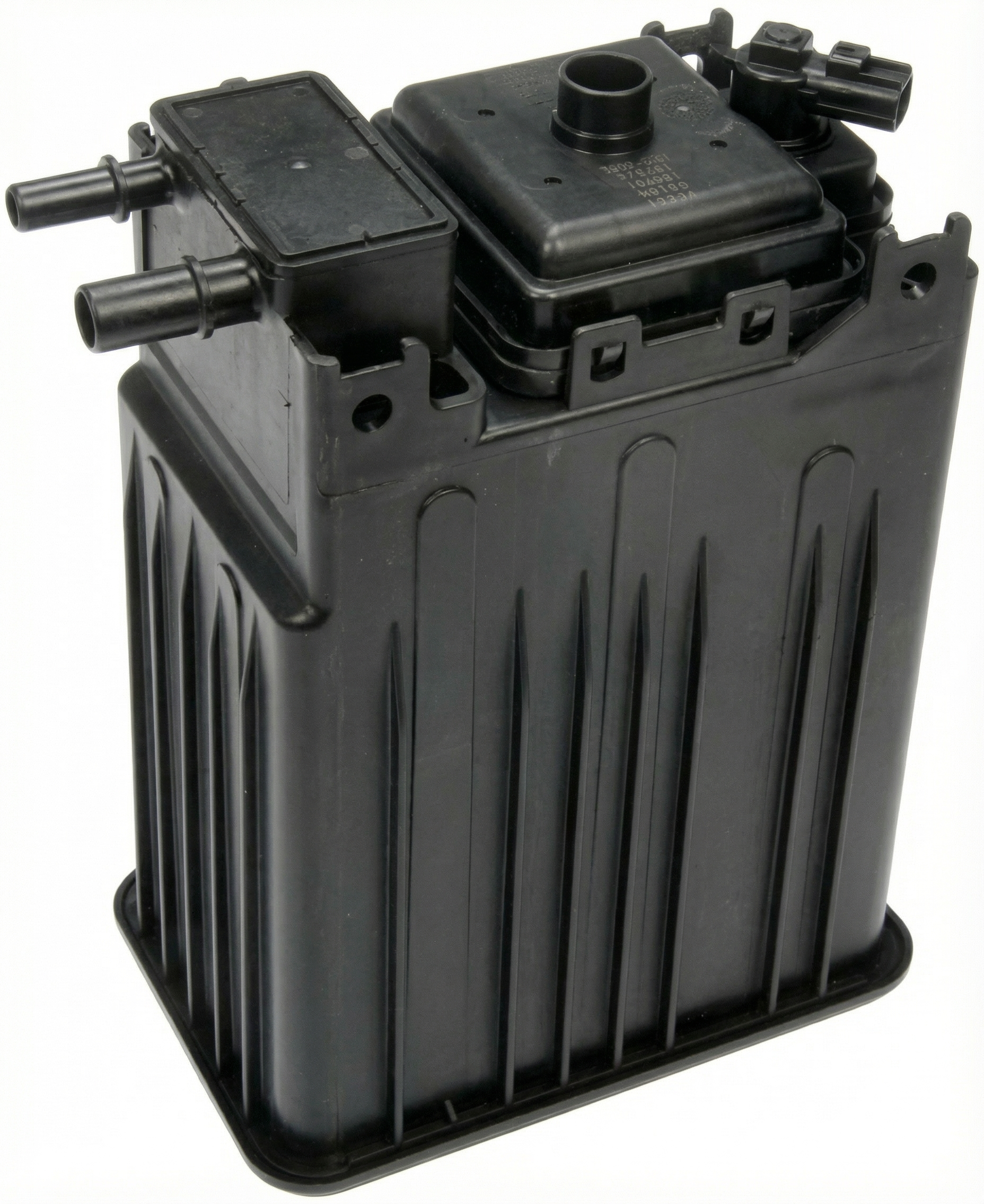
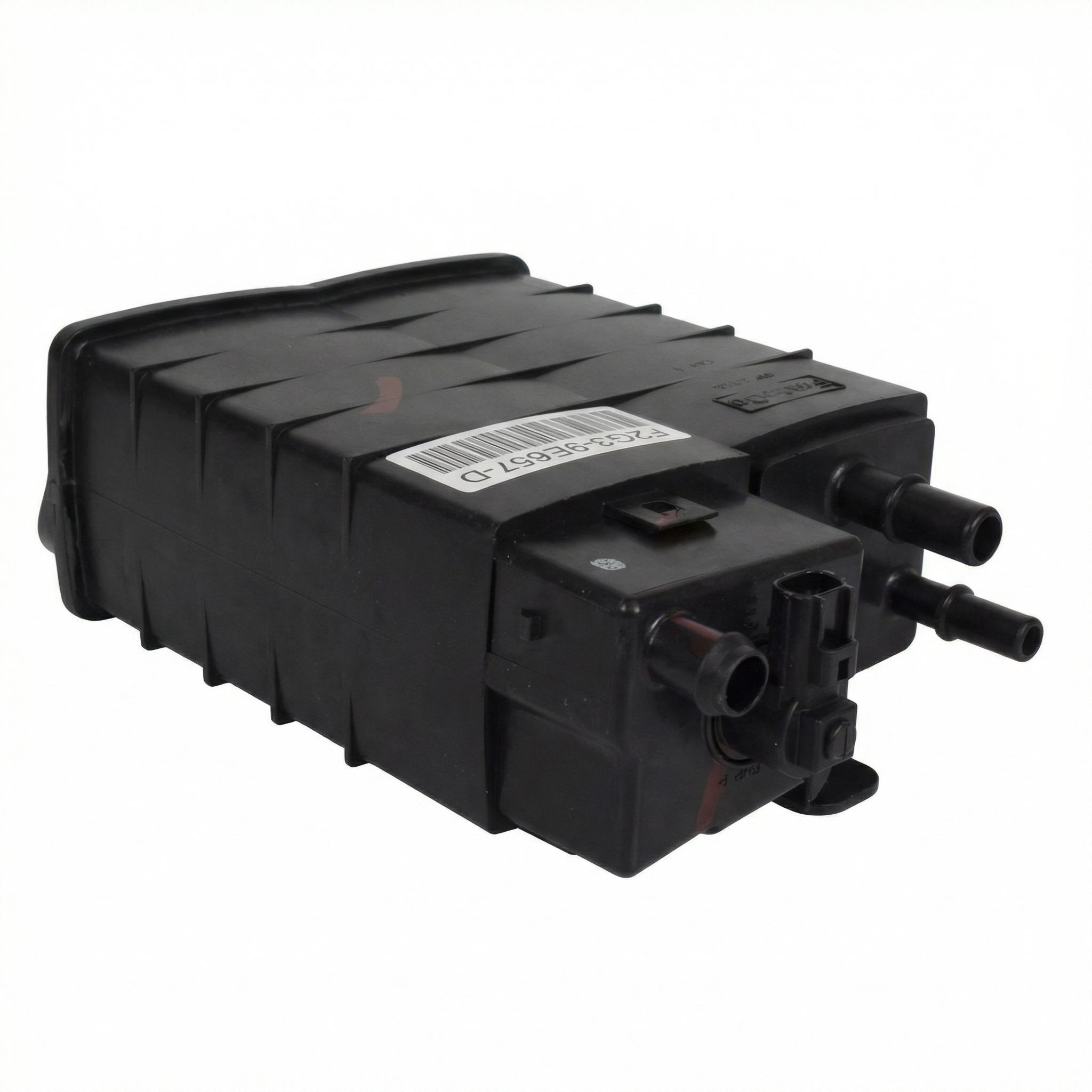
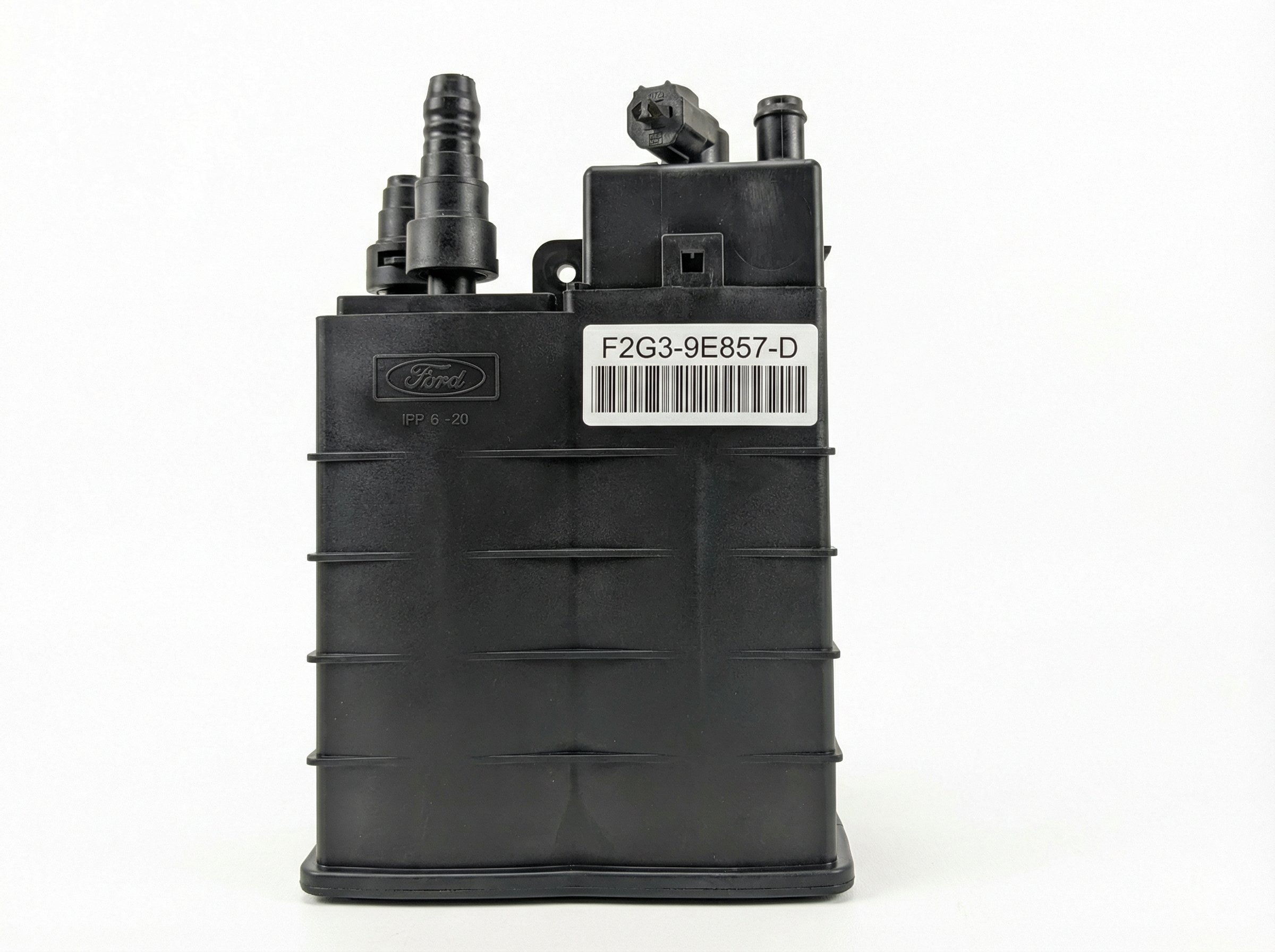
New Aftermarket Parts Available

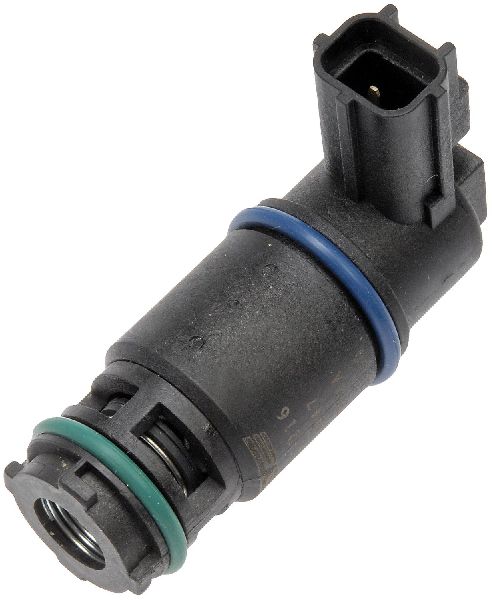

The information in this article is provided for general reference and educational purposes only. Vehicle specifications, procedures, and part compatibility can vary by production date, trim level, and region. Always consult your vehicle's factory service manual and verify part numbers before purchasing or performing repairs. Safety-critical components such as airbags, seat belts, and braking systems should be installed by a qualified professional.
- Ford Edge:
- 🧭 Diagnostic Flowchart
- 🎬 Helpful Videos
- 🛍️ Shop This Part
- What's Unique About the 2015-2024 Ford Edge
- Symptoms You May Notice
- Most Likely Causes
- Rare But Worth Checking
- Diagnosis Steps
- Parts You'll Likely Need
- Related Codes That Often Appear With This One
- Technical Service Bulletins (TSBs) & Recalls
- Platform-Specific Known Issues
- Mechanic-Grade Diagnostic Values
- Scan Tool Commands That Help
- Wiring & Ground Locations
- Real Owner Repair Stories
- OEM Part Supersession History
- Model Year Variations Within This Range
- Other Known Issues on This Vehicle
- Used vs. New Parts: Buying Guide for This Vehicle
- Real Owner Stories
- 2020 Ford Edge ST-Line
- 2015 Ford Edge 2.0L EcoBoost
- Related OBD-II Codes
- Frequently Asked Questions
- 🎟️ Get 5% Off