

P0443 on 2006-2010 Ford Explorer 4.6L V8: EVAP Purge Valve Circuit Causes and Fixes
This code points to an electrical problem with the EVAP Purge Valve, not a system leak. The most common fix is replacing the Vapor Canister Purge Valve in the engine bay, which costs about $30-$90 for the part. Before replacing, check its electrical connector for corrosion. If other circuit codes are present (like for O2 sensors or EGR), suspect a blown fuse or a failed PCM driver, a known issue on this platform.
- P0443 is an electrical circuit code, not a gas cap or EVAP leak code.
- The most likely fix is replacing the Vapor Canister Purge Valve located in the engine bay.
- Always inspect the valve's wiring and connector for damage before buying parts.
- If other circuit codes are present (like for O2 sensors), check for a blown fuse before suspecting a larger PCM issue.
- A faulty PCM is a known, though less common, cause for this code on this specific vehicle.
What's Unique About the 2006-2010 Ford Explorer
While a faulty purge valve is common on many cars, this generation of Ford Explorer and its platform mates can be prone to failures within the Powertrain Control Module (PCM) itself. The internal driver (transistor) that controls the purge valve circuit can burn out, causing a persistent P0443 code even with a good valve and wiring. This issue is so characteristic that eBay sellers offer PCM repair services specifically for this group of codes. The problem often appears alongside other circuit-related codes for components like O2 sensors (P0135, P0155), the EGR valve (P0403), or A/C clutch (P0645), pointing towards a central PCM problem rather than multiple separate part failures.
Symptoms You May Notice
- Check Engine Light is on.
- Rough idle or engine hesitation, particularly if the purge valve is stuck open.
- Slightly reduced fuel economy.
- Difficulty starting the engine immediately after refueling (if the valve is stuck open).
- No noticeable drivability issues in many cases.
- Inaccurate or erratic fuel gauge indication or distance to empty (DTE) readings, as noted in some Ford vehicle reports like NHTSA ODI #11443669.
- Replacing the gas cap. A loose or faulty gas cap typically causes a large or small leak code (like P0455 or P0456), not a circuit code like P0443.
- Replacing the EVAP Canister Vent Solenoid. This is a different part located near the fuel tank under the vehicle, responsible for venting the canister. P0443 specifically refers to the purge valve circuit in the engine bay.
Most Likely Causes
- Faulty Vapor Canister Purge Valve 🔴 High Probability → Shop Vapor Canister The internal solenoid coil can fail over time due to heat and vibration in the engine bay, creating an open or short in the circuit.
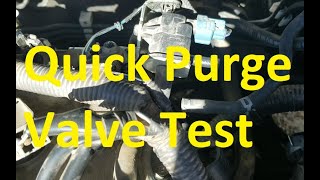
How to confirm: Disconnect the valve's electrical connector. Measure the resistance across the two pins on the valve with a multimeter. A healthy valve should read between 30 and 38 ohms according to forum discussions. Other sources suggest a general range for Ford valves is 20-30 ohms. A reading of infinity (OL) or near zero indicates a bad valve. You can also try to blow through the valve; it is normally closed, so no air should pass. 🎬 See how to test your purge valve without any tools
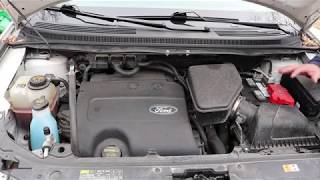
Typical fix: Replace the vapor canister purge valve. It is located in the engine bay, often on the firewall, and is identifiable by a green test cap 🎬 Watch: Step-by-step Ford canister purge valve replacement guide on one of its lines.
Est. part cost: $30-$90 - Damaged Wiring or Corroded Connector 🟡 Medium Probability Engine bay heat can make wiring brittle, and moisture can lead to corrosion in the electrical connector, disrupting the signal between the PCM and the valve.
How to confirm: Visually inspect the wiring harness leading to the purge valve for any signs of cracking, chafing, or melting. Disconnect the connector and check the pins for green or white corrosion or looseness. With the key on, use a multimeter to verify one wire has battery voltage (~12V).
Typical fix: Clean the connector terminals with electrical contact cleaner or repair the damaged section of the wiring harness.
Est. part cost: $5-$50 - Blown Fuse ⚪ Low Probability
How to confirm: On the 2006-2010 Explorer, the purge valve (P0443) shares a fuse with the O2 sensor heaters (P0135, P0155, etc.) and the EGR valve (P0403). If you have multiple of these circuit codes simultaneously, check fuse #42 (a 15 amp fuse) in the under-hood fuse box.
Typical fix: Replace the blown fuse and investigate the underlying short circuit that caused it to blow. A short in any one of the connected components can blow the shared fuse.
Est. part cost: $1-$5
Rare But Worth Checking
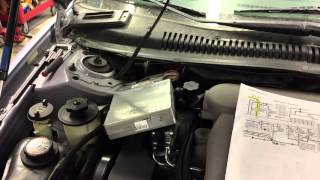
- Faulty Powertrain Control Module (PCM): → Shop Engine Control Module (ECM) This is a known and well-documented failure point on this platform. If the purge valve, wiring, and fuse are all good, but the code persists (often with other circuit codes), the driver circuit inside the PCM has likely failed. 🎬 Watch: Diagnostic walkthrough for a faulty PCM driver Owners have reported sending their PCM for repair only to be told the processor has a 'hard code' and is unrepairable, requiring a replacement unit.
Diagnosis Steps
- Scan for Codes: Use an OBD-II scanner to confirm P0443 is present. Note any other codes, especially P0403, P0135, P0155, as this is critical for diagnosis on this vehicle.
- Inspect Fuse #42: If multiple circuit codes are present, check fuse #42 (15A) in the engine compartment fuse box first. If it's blown, you have found the immediate issue, but must investigate the short.
- Inspect the Purge Valve and Connector: Locate the vapor canister purge valve in the engine bay. Disconnect the electrical connector. Inspect it for corrosion, bent pins, or damage. Examine the wires leading to it for any signs of chafing or breaks.
- Test for Power: Turn the ignition to the 'ON' position (engine off). Use a multimeter to check for battery voltage (~12V) at one of the pins in the connector harness.
- Test the Valve's Resistance: With the connector still unplugged, switch your multimeter to Ohms (Ω) and measure the resistance between the two pins on the purge valve itself. A reading between 30-38 Ohms is ideal. If it's open (OL) or shorted (near 0), the valve is bad.
- Test the Ground Signal (Advanced): If power is present and the valve's resistance is good, the fault lies in the ground control wire from the PCM or the PCM itself. Reconnect the connector. With the engine running, a scan tool with output controls can command the purge valve on and off. While doing so, check for a pulsing ground signal on the control wire. A failure here points towards a wiring issue or, most likely on this platform, a faulty PCM driver.
- Check for Mechanical Failure: Remove the valve. Try to blow through it. It should be closed and block airflow. If air passes through, the valve is stuck open mechanically and must be replaced.
Parts You'll Likely Need
- Vapor Canister Purge Valve / Solenoid
(OEM #4U5Z-9J451-BA)— This is the component whose electrical circuit is monitored by the P0443 code. The internal coil is the most common failure point.
Trusted brands: Motorcraft, Dorman, Standard Motor Products
OEM price range: $60-$90
Aftermarket price range: $30-$55
Related Codes That Often Appear With This One
- P0135, P0141, P0155, P0161, P0403 — These are all circuit codes for other components (O2 sensor heaters, EGR). On this specific vehicle, they often share the same power supply from fuse #42. If they appear together with P0443, it strongly suggests either a blown fuse #42 or a more serious problem with the PCM's internal drivers. Manufacturer Bulletin #TSB 16-0163 also notes that P0443 can appear alongside a wide array of codes including P0103, P0131, P0400, and P0403, requiring specific service procedure steps to correct.
Technical Service Bulletins (TSBs) & Recalls
- TSB 07-23-2014: Addresses a 'bump' feeling from the 6R60 transmission while braking to a stop below 10 MPH. The fix involves reprogramming the TCM and PCM. While not directly related to P0443, it's a key software-related TSB for this vehicle's powertrain.
- Bulletin #TSB 16-0163: While issued for the Transit Connect, this bulletin highlights a condition where P0443 appears with numerous other circuit codes like P0135 and P0403, reinforcing the pattern of shared circuit failures in Ford engine management systems.
Platform-Specific Known Issues
- On the 2006-2010 Explorer platform (and similar Fords of the era), the PCM is a known failure point that can cause a P0443 code, often accompanied by other circuit codes. The internal driver for the purge solenoid fails, requiring PCM replacement and programming. A real-world owner on Reddit with a 2010 Explorer reported this exact failure, where a PCM repair facility deemed the unit 'non-repairable' due to a hard fault in the processor.
- Cross-manufacturer data from NHTSA ODI #11633558 shows that on other Ford platforms like the Escape, P0443 frequently appears in a cluster of codes (including P0456 and P1450) related to Evap system line issues.
Mechanic-Grade Diagnostic Values
- Purge Valve Control Circuit Voltage (at PCM control wire) — expected: Approximately battery voltage when valve is commanded OFF (0% duty cycle). Should drop by at least 3 volts when commanded ON (100% duty cycle).. Failure: Voltage does not change when commanded, or is stuck low/high, indicating a wiring or PCM driver fault.
- Purge Valve Scan Tool PID (EVAPPDC or EVAPCP) — expected: 0% when closed, 100% when commanded fully open.. Failure: The PCM logs P0443 when the commanded state doesn't match the circuit's feedback voltage.
- Purge Valve Scan Tool PID (EVMV - current) — expected: 0 mA when closed, ~1000 mA (1A) when commanded fully open.. Failure: Current reading is out of spec for the commanded state.
- Fuel Tank Pressure (FTP) Sensor Voltage (Key On, Engine Off) — expected: Static reading between 2.4V and 2.8V after a cold soak.. Failure: A significantly different voltage may indicate a sensor issue, but is not a direct indicator of a P0443 fault.
Scan Tool Commands That Help
- Ford IDS (or equivalent professional scanner): EVAP System Test — To run a comprehensive, automated test of the entire EVAP system, including the purge valve circuit. This is a good starting point if available.
- Ford IDS (or equivalent professional scanner): Output Test Mode / Active Command for EVAP Canister Purge Valve — To manually toggle the purge valve on and off (or control its duty cycle) while monitoring circuit voltage or engine parameters like fuel trims. This is the definitive test to isolate a faulty valve from a wiring or PCM issue.
Wiring & Ground Locations
- Purge Valve Connector Pin 1 — On the purge valve connector in the engine bay.. This pin should have battery voltage (VPWR) with the key on. Lack of voltage points to a blown fuse (Fuse #42) or a break in the power supply wire.
- Purge Valve Connector Pin 2 — On the purge valve connector in the engine bay.. This is the control circuit wire that the PCM pulses to ground. Testing this wire for a ground signal while commanding the valve ON confirms the PCM is attempting to control the valve.
- G102 — Rear of the engine compartment on the 4.6L V8 model.. This is a primary engine ground. A poor connection here can cause a host of electrical issues, including erratic behavior or damage to the PCM and its driver circuits.
- G104 / G105 / G106 — Various points in the engine compartment (right front corner, left side, right side).. These are other major grounds for engine bay components. Verifying they are clean and tight is a crucial step when diagnosing any electrical fault, especially a persistent one that suggests a PCM problem.
Real Owner Repair Stories
- 2CarPros Forum user 'MEMERSON56585353' (2006 Ford Explorer 4.0L (symptoms and cause are identical for 4.6L)) — Persistent P0443 code that would not stay off, later joined by codes for the EGR and all oxygen sensors.
❌ Tried (didn't work) Replacing the purge solenoid, Replacing the canister vent valve, Replacing the EGR valve
✅ What actually fixed it The responding expert diagnosed this classic combination of multiple circuit failures as a faulty Powertrain Control Module (PCM). The final fix is replacing the PCM.
Documented NHTSA Reports
- NHTSA ODI #11725076: An owner reported that the check engine light comes on often due to the P0443 evap purge control valve "a" circuit, particularly after getting fuel.
- NHTSA ODI #11427851: A report describes a vehicle exhibiting an illuminated malfunction indicator lamp (MIL) with diagnostic trouble codes including P0443, P0420, P1450, and P0456.
OEM Part Supersession History
4U5Z-9J451-BA→4U5Z9J451BB— Standard part revision by the manufacturer.
Heads up: None found. The -BB revision is a direct, backward-compatible replacement for the -BA part.
Diagnostic Flowchart
Other Known Issues on This Vehicle
Issues unrelated to this code that are worth knowing about as an owner of this generation:
- Cracked Rear Liftgate Appliqué 🟠 Medium — Extremely common. The plastic panel below the rear window develops stress cracks over time due to design and material flaws. It is a cosmetic issue that can lead to water intrusion. (Ref: No official TSB or recall for the 2006-2010 models, though earlier generations had multiple TSBs for a similar problem.)
- 6R60 Automatic Transmission Faults 🔴 High — Commonly reported. Issues include a harsh 'bump' when braking to a stop, delayed engagements, and intermittent shifting problems. Can be caused by software issues or internal component failure. (Ref: TSB 07-23-2014 was issued to address a 'bump while braking' symptom via a PCM/TCM reprogram.)
- 4.6L 3V Timing Chain System Wear 🔴 High — A known long-term wear issue, typically after 100,000 miles. Plastic timing chain tensioner seals can fail, leading to low oil pressure at the tensioner, chain rattle (especially on startup), and eventual guide failure.
- HVAC Blend Door Actuator Failure 🟡 Low — Very common. Owners report a repetitive clicking or ticking sound from the dashboard, and an inability to change air temperature or direction. Caused by failed plastic gears inside the actuator.
Used vs. New Parts: Buying Guide for This Vehicle
When a used part is the smart pick: For this repair, sourcing a used electrical connector pigtail from a junkyard is a smart choice if the original is damaged or corroded. A used Powertrain Control Module (PCM) can also be a cost-effective option, but only if purchased from a reputable source that can program it to your vehicle's VIN.
Donor-vehicle mileage cap: roughly under 80000 miles for the part to have meaningful remaining life.
What to inspect on the donor part:
- For a PCM: Ensure the donor vehicle did not have extensive electrical or water damage.
- For a connector pigtail: Inspect for brittle plastic, corrosion on pins, and ensure there is enough wire length for splicing.
OEM-only on this vehicle (don't cheap out):
- Powertrain Control Module (PCM): While used/remanufactured is an option, it's critical to use either a genuine Ford part or a unit from a highly reputable rebuilder like Flagship One that offers programming and a warranty. Avoid generic, unprogrammed modules.
Aftermarket brands forum-validated for this vehicle:
- Vapor Canister Purge Valve: Dorman (p/n 911-673) and Standard Motor Products (p/n CP596) are widely available and considered reliable aftermarket alternatives to the OEM Motorcraft part.
Brands owners have reported issues with on this vehicle:
- No specific brands were consistently reported as problematic for this part, but caution is advised with no-name, deeply discounted electronic parts from online marketplaces.
Real Owner Stories
Aggregated from forums and TSBs cited above. Mileages and costs reflect what owners reported in those sources.
2010 Ford Explorer 4.6L V8
Symptoms: Persistent P0443 code that remained after replacing the purge valve.
What fixed it: Replacement of the PCM; the original unit was sent to a repair facility and deemed 'non-repairable' due to a hard fault in the processor.
Source hint: Reddit (r/FordExplorer) thread titled 'PCM question'
2006 Ford Explorer 4.6L V8
Symptoms: P0443 code that will not stay off, accompanied by codes for the EGR and all oxygen sensors.
What fixed it: Diagnosis identified this combination of circuit codes as a classic symptom of PCM failure.
Source hint: 2CarPros.com post '2006 Ford Explorer Code P0443'
2008 Ford Explorer 4.6L V8
Symptoms: P0443 EVAP Emission Purge Control Valve circuit malfunction.
What fixed it: Tested the purge valve on the firewall and found resistance was outside the 30-38 ohm specification, requiring valve replacement.
Source hint: Ford Truck Enthusiasts Forums (ford-trucks.com) thread 'p0443-evap-emiss-purge-control-valve'
Related OBD-II Codes
Frequently Asked Questions
Where is the purge valve located on my 2006-2010 Ford Explorer 4.6L V8?
My Explorer has P0443 along with P0135 and P0403. Is there a shared component I should check?
What resistance should I see when testing the purge valve on my 4.6L V8?
Does TSB 07-23-2014 relate to my P0443 engine code?
I replaced the purge valve but the P0443 code won't go away. Could it be the computer?
Why does my Explorer struggle to start only after I fill up the gas tank?
Helpful Videos

Used OEM Parts in Stock
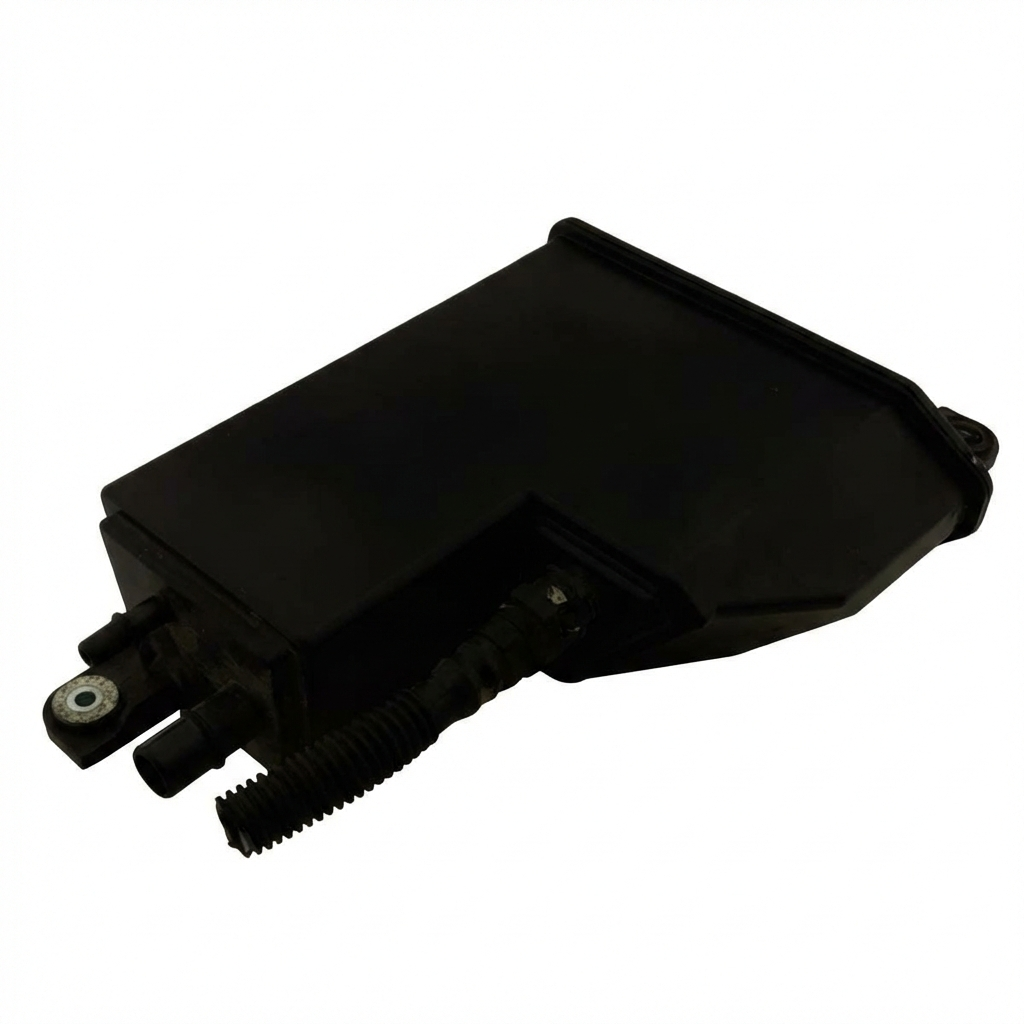
New Aftermarket Parts Available


The information in this article is provided for general reference and educational purposes only. Vehicle specifications, procedures, and part compatibility can vary by production date, trim level, and region. Always consult your vehicle's factory service manual and verify part numbers before purchasing or performing repairs. Safety-critical components such as airbags, seat belts, and braking systems should be installed by a qualified professional.
- Ford Explorer:
- 🧭 Diagnostic Flowchart
- 🎬 Helpful Videos
- 🛍️ Shop This Part
- What's Unique About the 2006-2010 Ford Explorer
- Symptoms You May Notice
- Most Likely Causes
- Rare But Worth Checking
- Diagnosis Steps
- Parts You'll Likely Need
- Related Codes That Often Appear With This One
- Technical Service Bulletins (TSBs) & Recalls
- Platform-Specific Known Issues
- Mechanic-Grade Diagnostic Values
- Scan Tool Commands That Help
- Wiring & Ground Locations
- Real Owner Repair Stories
- Documented NHTSA Reports
- OEM Part Supersession History
- Other Known Issues on This Vehicle
- Used vs. New Parts: Buying Guide for This Vehicle
- Real Owner Stories
- 2010 Ford Explorer 4.6L V8
- 2006 Ford Explorer 4.6L V8
- 2008 Ford Explorer 4.6L V8
- Related OBD-II Codes
- Frequently Asked Questions
- 🎟️ Get 5% Off