

P0443 on 1996 Ford F-150: EVAP Purge Valve Circuit Malfunction Causes and Fixes
For a 1996 Ford F-150, code P0443 almost always indicates a failed EVAP purge solenoid, which Ford calls the Vapor Management Valve (VMV). This is an electrical circuit code, not a system leak. The most likely fix is replacing the valve itself, an inexpensive part that is typically easy to access in the engine bay.
- P0443 on a 1996 F-150 is an electrical circuit code, not a leak code.
- The most common cause is a failed Vapor Management Valve (the purge solenoid).
- You can diagnose the valve easily with a multimeter; look for a resistance of 30-38 ohms.
- The correct OEM part number is F5TZ-9C915-A (Motorcraft CX1549).
- This is a very DIY-friendly repair that requires basic hand tools and about 30 minutes.
What's Unique About the 1996-1996 Ford F-150
The 1996 F-150 was a transitional year, marking the mandatory switch to the OBD-II diagnostic system. However, some heavier F-250/350 models from this year might still have OBD-I systems, but all F-150s are OBD-II. For this code, the key is knowing that Ford calls the purge valve the 'Vapor Management Valve' (VMV). Owners are sometimes confused looking for a part labeled 'purge valve' when they should be looking for the VMV, which is typically mounted in the engine bay, often on the passenger-side firewall.
Symptoms You May Notice
- Check Engine Light is on
- Potential for a slightly rough idle, especially when stopping after the engine is warm.
- Possible fuel odor.
- Vehicle will fail an emissions test
- Inaccurate or erratic fuel gauge indication or inaccurate distance to empty (DTE) readings, as noted in reports like NHTSA ODI #11443669.
- Replacing the gas cap. A faulty gas cap typically causes a large leak code like P0455 or P0457, not a P0443 circuit code.
- Replacing the charcoal canister. The canister itself is a passive component and does not have an electrical circuit that would trigger P0443.
- Replacing the EVAP canister vent solenoid. This is a different component in the EVAP system, usually located near the charcoal canister, and a fault with it would set a different trouble code.
Most Likely Causes
- Failed EVAP Purge Valve / Vapor Management Valve (VMV) 🔴 High Probability → Shop Vapor Canister The solenoid coil inside the valve is a common failure point due to age and heat cycles in the engine bay.
How to confirm: Unplug the valve's electrical connector. Using a multimeter, measure the resistance between the two pins on the valve itself. A healthy valve for this truck should read between 30 and 38 ohms. A reading of 0 ohms indicates a short, and an infinite reading (OL) indicates an open circuit; both confirm the valve is bad. One owner on F150Forum.com measured a reading of 31 ohms on a part that appeared functional but was still triggering the code, highlighting that the part can fail intermittently. You can also test the valve by applying 9V or 12V directly to its terminals; a healthy valve will make an audible click.
Typical fix: Replace the Vapor Management Valve (VMV).
Est. part cost: $30-$70 - Damaged Wiring or Connector 🟡 Medium Probability Engine bay wiring from this era can become brittle and cracked from heat and age, leading to breaks or shorts.
How to confirm: Visually inspect the wiring harness and connector going to the purge valve for any signs of cracking, melting, or corrosion on the pins. With the key on and engine off, check for battery voltage (around 12V) at the red wire in the connector. The other wire, typically light green with a black stripe, is the ground wire controlled by the PCM. If voltage is missing, trace the circuit back to find the open or check the associated fuse.
Typical fix: Repair the damaged section of wire or replace the connector pigtail.
Est. part cost: $5-$25 - Cracked or Disconnected Vacuum Hoses ⚪ Low Probability → Shop Vacuum Hose The vacuum lines connected to the purge valve can become brittle and crack over time. While this more commonly causes a vacuum leak code, a severe break right at the valve could be misdiagnosed.
How to confirm: Visually inspect the small vacuum hoses attached to the purge valve for cracks, splits, or loose connections. Listen for a hissing sound near the valve with the engine running. A P0443 is an electrical code, so this is an unlikely cause, but it's good to check while inspecting the area.
Typical fix: Replace the damaged vacuum hose.
Est. part cost: $5-$15
Rare But Worth Checking
- Faulty Powertrain Control Module (PCM): → Shop Engine Control Module (ECM) This is extremely rare. The PCM's internal driver for the purge valve circuit can fail. This should only be considered after the valve and wiring have been definitively ruled out as the cause. One user on a forum ultimately suspected a bad PCM after replacing nearly every other component in the EVAP system without success.
Diagnosis Steps
- Read the code with an OBD-II scanner to confirm P0443 is the only code present.
- Locate the Vapor Management Valve (VMV) in the engine bay, typically on the passenger-side firewall. It will have an electrical connector and two vacuum ports.
- Visually inspect the electrical connector and wiring going to the valve for any obvious damage, such as cracks, corrosion, or melted plastic.
- Inspect the vacuum hoses connected to the valve for cracks, kinks, or loose fittings.
- Disconnect the electrical connector. With a multimeter, measure the resistance across the two pins on the valve itself. A good valve should read between 30-38 ohms. If the reading is near zero or infinite (OL), the valve is faulty and needs to be replaced.
- If the valve's resistance is good, test the electrical circuit. Turn the ignition to the 'ON' position (engine off). Use a multimeter to check for battery voltage (approx. 12V) on the power wire of the connector (typically red).
- If voltage is present and the valve tested good, the issue is likely an intermittent wiring problem or, in very rare cases, the PCM driver circuit. You can test the ground circuit by checking for continuity between the light green/black wire at the connector and pin #56 at the PCM connector.
Parts You'll Likely Need
- Vapor Canister Purge Solenoid / Vapor Management Valve
(OEM #F5TZ-9C915-A)— This is the component whose electrical circuit is monitored by the PCM. An internal short or open in its solenoid coil is the most frequent cause of code P0443.
Trusted brands: Motorcraft (CX1549), Standard Motor Products (CP415), Dorman (911-202)
OEM price range: $60-$95
Aftermarket price range: $30-$50
Platform-Specific Known Issues
- Owner Experience with Rough Idle: An owner of a '96 F-150 with 79k miles on the F150online Forums described a specific symptom where the truck would begin to idle roughly after warming up and coming to a stop, sometimes stalling. This rough running condition coincided directly with the P0443 code appearing as a 'pending' code on their scanner, confirming the link between the faulty valve circuit and the drivability issue.
- Manufacturer Service Guidance: While not specific to the F-150, manufacturer service bulletin #TSB 16-0163 highlights that P0443 can appear alongside a wide array of other circuit codes, requiring specific service procedure steps to correct the underlying electrical condition.
Mechanic-Grade Diagnostic Values
- EVAP Purge Valve (VMV) Solenoid Resistance — expected: 30 to 38 Ohms. Failure: 0 Ohms (shorted) or infinite/OL (open). A reading within spec can still indicate an intermittent failure.
- Voltage at VMV Connector (Red Wire) — expected: ~12V (Battery Voltage) with Key On, Engine Off. Failure: 0V indicates an open in the power feed circuit or a blown fuse.
- PCM Control Wire (LG/BK) Signal — expected: This is a duty-cycled ground signal from the PCM. When the valve is commanded OFF, voltage should be near battery voltage. When commanded ON, a multimeter will show a fluctuating voltage or a logic probe will show pulsing as the PCM rapidly grounds and un-grounds the circuit.. Failure: Stuck at 0V (short to ground) or stuck at battery voltage (open circuit or failed PCM driver).
Scan Tool Commands That Help
- Ford IDS (Integrated Diagnostic System) or equivalent professional scanner: Vapor Management Valve (VMV) or Canister Purge Valve (CANP) Duty Cycle Command — This bidirectional control allows a technician to manually command the purge valve open (e.g., 75% duty cycle) and closed (0% duty cycle) to verify its operation. While commanding it on and off, a technician can listen for the valve clicking, feel for vacuum at the port, or watch for a change in short-term fuel trims, definitively confirming if the valve is physically working.
- Ford IDS (Integrated Diagnostic System): EVAP System Test (Cold Soak Bypass) — This is a guided functional test that forces the EVAP monitor to run without waiting for a natural cold soak. While not a direct test for P0443, running this after a repair can quickly verify the entire system is functioning correctly and will set the EVAP monitor to 'Ready' status for an emissions test.
Wiring & Ground Locations
- PCM Pin 56 — On the 104-pin connector for the Powertrain Control Module, which is located on the driver's side firewall in the engine bay.. This is the specific pin that the PCM uses to provide the ground signal to control the EVAP Purge Valve (VMV). Checking for continuity between this pin and the Light Green/Black wire at the valve connector confirms the control wire is intact.
- G101 — Located on the RH (passenger side) front of the engine compartment, on the front of the fender apron.. This is a primary ground point for the Powertrain Control Module. A corroded or loose G101 ground can cause a variety of erratic electrical issues and codes, including P0443, due to an unstable ground reference for the PCM drivers.
- G200 — Located behind the bottom of the RH (passenger side) cowl panel, inside the cabin.. This is another ground point for the Powertrain Control Module. While less exposed to the elements than engine bay grounds, it can still be a source of electrical problems if compromised.
Real Owner Repair Stories
- Ford Truck Enthusiasts Forums user '427mike' (1996 Ford F-150 5.8L) — Check Engine Light with code P0443 and a flashing Overdrive (O/D) light with transmission code P0713 (Trans Fluid Temp Sensor Circuit High). The O/D light would stop flashing immediately if the purge valve was unplugged.
❌ Tried (didn't work) Replacing the purge valve with a new Motorcraft part., Having the transmission flushed., Plugging in a new transmission solenoid pack., Replacing the PCM with a rebuilt unit.
✅ What actually fixed it The user did not post the final resolution, but the key diagnostic takeaway is the direct interaction between the P0443 circuit and the transmission control system. Unplugging the purge valve stopped the O/D light from flashing, indicating a likely electrical short or interference between the two circuits within the main wiring harness, causing the PCM to receive erroneous signals. - NHTSA Reported Experience: An owner reported that their check engine light would come on often due to the P0443 EVAP purge control valve "A" circuit, and noted that mechanics would simply plug the component back in (NHTSA ODI #11725076). Another report (NHTSA ODI #11633558) mentioned that upon inspection for a P0443 code, a dealership found an EVAP system related disconnect on the line.
OEM Part Supersession History
F5TZ-9C915-A→No direct supersession found. This part number remains valid.— N/A
Heads up: The Motorcraft service part number is CX1549, which corresponds to the OEM part F5TZ-9C915-A.
Diagnostic Flowchart
Other Known Issues on This Vehicle
Issues unrelated to this code that are worth knowing about as an owner of this generation:
- E4OD Automatic Transmission Failures 🔴 High — Common, especially with delayed maintenance. Issues include harsh shifting, delayed gear engagement, and loss of reverse.
- Dual Fuel Tank Pump/Sending Unit Failure 🟠 Medium → Shop Fuel Tank — Very common. Often one tank is used exclusively, causing the fuel in the other to go bad and ruin the pump.
- Rear Leaf Spring Shackle and Mount Rust 🔴 High — Widespread in rust-prone areas. The shackle or the frame mount can rust through, causing the rear of the truck bed to drop onto the axle.
- Mazda M5OD Manual Transmission Top Cover Plugs Leak 🟡 Low — Common on 4.9L and 5.0L trucks with the 5-speed manual. Rubber plugs on top of the transmission dry out and leak fluid, potentially leading to transmission damage if not caught.
- Ignition Coil Failure 🟠 Medium — A frequent cause of crank-no-start conditions on these trucks.
Used vs. New Parts: Buying Guide for This Vehicle
When a used part is the smart pick: A used Vapor Management Valve from a junkyard is a reasonable choice for this repair. It is a simple electromagnetic solenoid that does not have complex wear parts. Given the low cost of a new aftermarket part ($30-$50), a used part should be significantly cheaper to be worthwhile.
Donor-vehicle mileage cap: roughly under 150000 miles for the part to have meaningful remaining life.
What to inspect on the donor part:
- Bring a multimeter or a 9V battery to the junkyard.
- Test the resistance across the two pins; it must be between 30-38 ohms.
- Briefly touch the terminals with a 9V battery; you should hear a distinct 'click'.
- Inspect the plastic housing for cracks or heat damage.
- Ensure the electrical connector pins are clean and not corroded or bent.
OEM-only on this vehicle (don't cheap out):
- For this specific P0443 repair, an OEM-only part is not critical. However, for other issues on this truck, Powertrain Control Modules (PCM) and complex sensors are often best sourced from Ford (Motorcraft) to avoid compatibility issues.
Aftermarket brands forum-validated for this vehicle:
- Motorcraft (OEM)
- Standard Motor Products (SMP)
- Dorman
Brands owners have reported issues with on this vehicle:
- No specific brands are consistently reported as problematic in forums, but ultra-low-cost, unbranded parts from online marketplaces carry a higher risk of premature failure.
Real Owner Stories
Aggregated from forums and TSBs cited above. Mileages and costs reflect what owners reported in those sources.
1996 Ford F-150 4.9L I6 — 79000 miles
Symptoms: The truck developed a rough idle after warming up (driving 5-10 miles) and coming to a stop, eventually getting worse until it would stall. The Check Engine Light was on with P0443 appearing as a pending code.
What fixed it: The owner replaced the solenoid valve (Vapor Management Valve) and performed troubleshooting on the electrical circuit.
Source hint: F150online Forums: '96 F150 4.9L code 0443 and rough run'
1996 Ford F-150 4.9L I6
Symptoms: The vehicle triggered a P0443 code. Upon testing the purge valve, it measured 31 ohms, which is within the normal 30-38 ohm range, yet the code persisted.
What fixed it: The owner identified it as an intermittent failure of the valve despite the acceptable resistance reading.
Source hint: F150Forum.com: 'P0443 Code - What next?'
Ford Owner Report — NHTSA ODI #11427851
Symptoms: The vehicle exhibited an illuminated malfunction indicator lamp (MIL) with diagnostic trouble code P0443, often appearing alongside other codes such as P0420, P1450, and P0456.
What fixed it: Diagnostic reports for similar Ford EVAP issues often point to the purge control valve circuit as the primary fault point.
Source hint: NHTSA ODI #11427851
Related OBD-II Codes
Frequently Asked Questions
Where is the Vapor Management Valve (VMV) located on my 1996 Ford F-150?
What is the correct resistance reading for a healthy purge valve on this truck?
Can a P0443 code cause my F-150 to stall at stoplights?
Which wire in the VMV connector should have battery voltage?
Is it possible for the purge valve to test within the 30-38 ohm range and still be bad?
What specific part number is used for the Vapor Management Valve on the 1996 F-150?
Helpful Videos
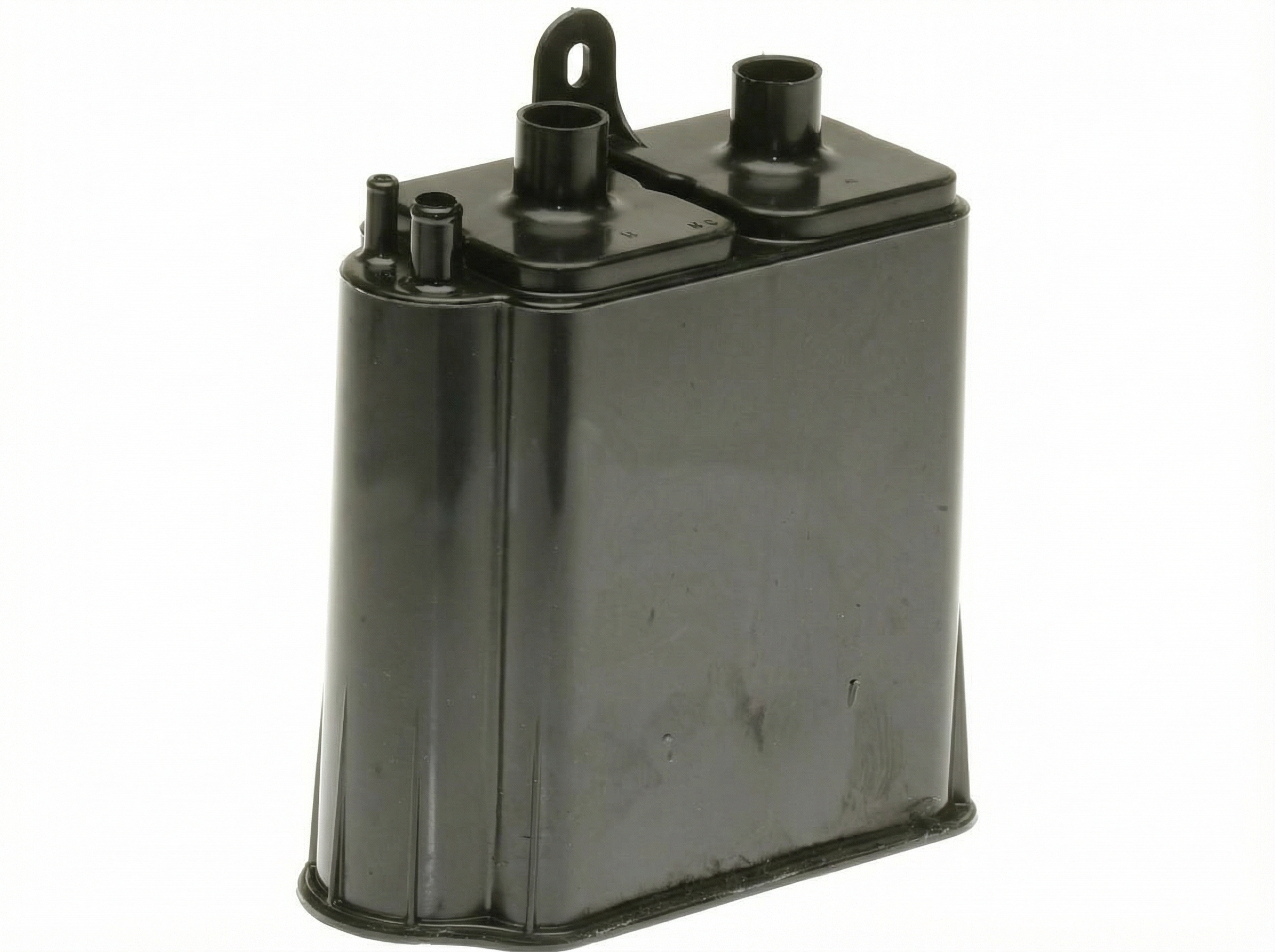
Used OEM Parts in Stock
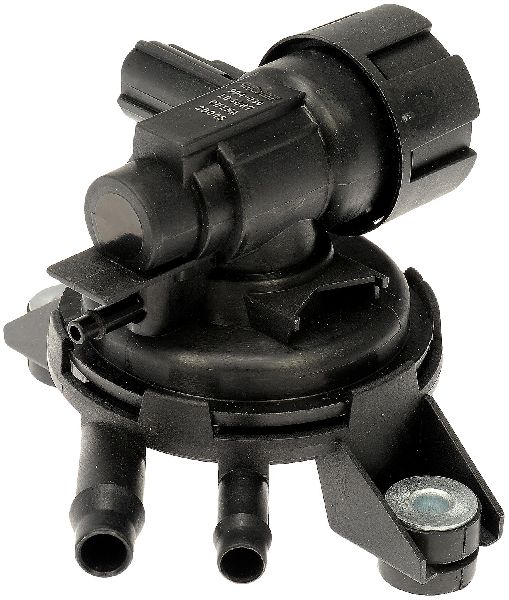
New Aftermarket Parts Available


The information in this article is provided for general reference and educational purposes only. Vehicle specifications, procedures, and part compatibility can vary by production date, trim level, and region. Always consult your vehicle's factory service manual and verify part numbers before purchasing or performing repairs. Safety-critical components such as airbags, seat belts, and braking systems should be installed by a qualified professional.
- Ford F-150:
- 🧭 Diagnostic Flowchart
- 🎬 Helpful Videos
- 🛍️ Shop This Part
- What's Unique About the 1996-1996 Ford F-150
- Symptoms You May Notice
- Most Likely Causes
- Rare But Worth Checking
- Diagnosis Steps
- Parts You'll Likely Need
- Platform-Specific Known Issues
- Mechanic-Grade Diagnostic Values
- Scan Tool Commands That Help
- Wiring & Ground Locations
- Real Owner Repair Stories
- OEM Part Supersession History
- Other Known Issues on This Vehicle
- Used vs. New Parts: Buying Guide for This Vehicle
- Real Owner Stories
- 1996 Ford F-150 4.9L I6 — 79000 miles
- 1996 Ford F-150 4.9L I6
- Ford Owner Report — NHTSA ODI #11427851
- Related OBD-II Codes
- Frequently Asked Questions
- 🎟️ Get 5% Off