

P0443 on 2009-2019 Ford Flex: EVAP Purge Valve Circuit Malfunction Causes and Fixes
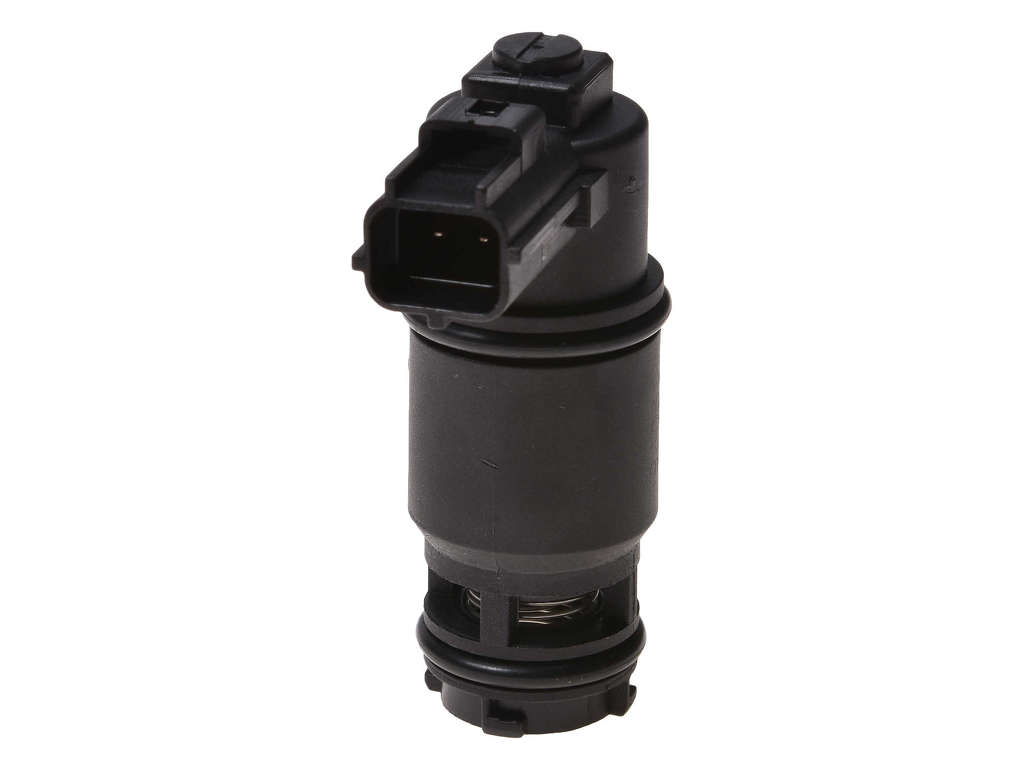
On a 2009-2019 Ford Flex, code P0443 almost always points to a failed EVAP canister purge valve. This is a common failure item that is relatively inexpensive and easy to replace. The valve's internal solenoid fails, causing an electrical circuit fault. Expect to pay between $30 and $80 for the part, with OEM part numbers including 9U5Z-9C915-H and CX2407.
- P0443 on a Ford Flex is an electrical circuit code, not a leak code.
- The most probable cause by a wide margin is a failed canister purge valve, located on top of the engine.
- Symptoms often include a rough idle or trouble starting right after you fill up with gas.
- This is a simple and affordable DIY repair that requires basic hand tools and can be completed in under 30 minutes.
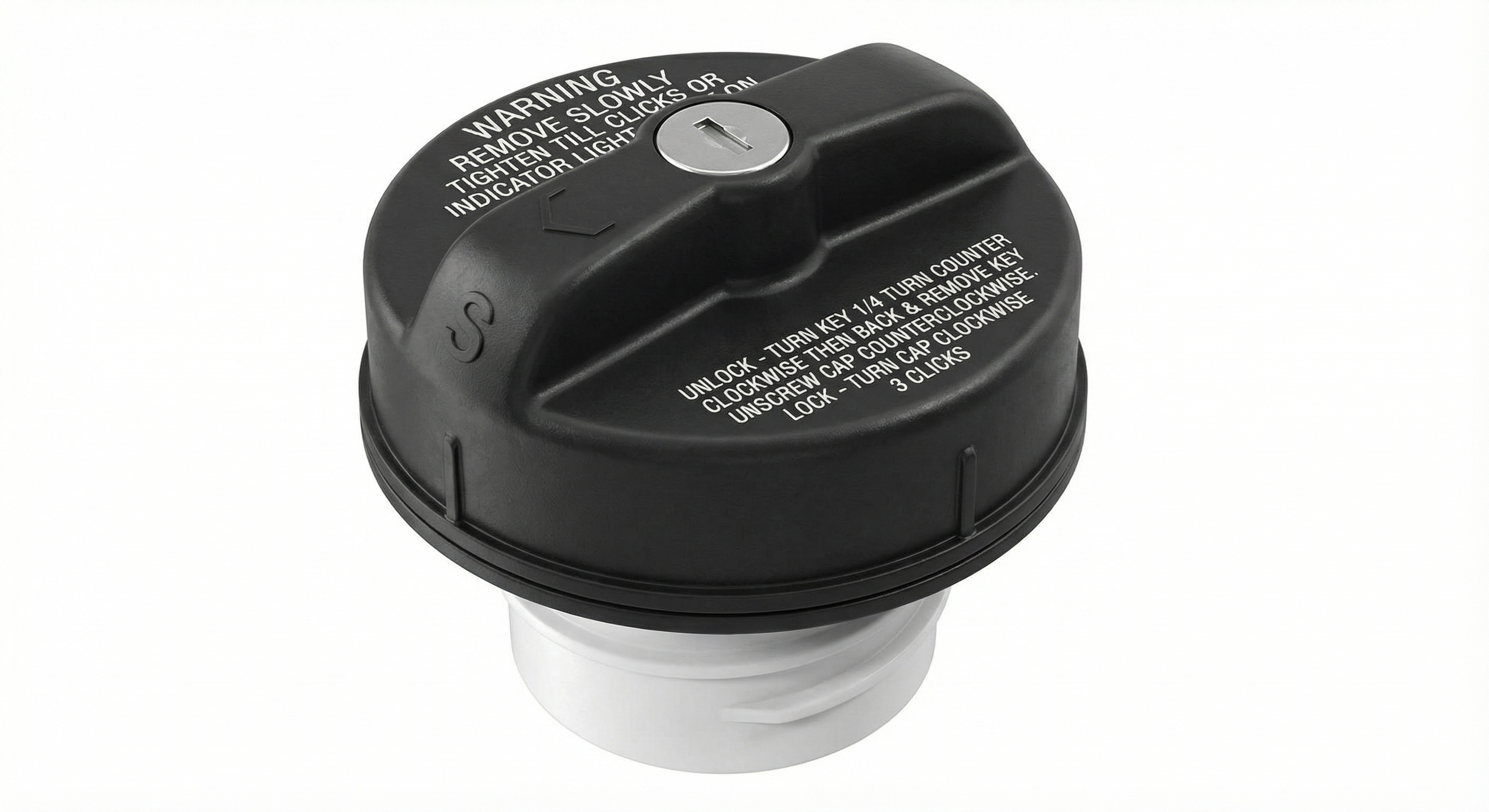
- Do not replace the gas cap for this code; it will not solve the problem.
What's Unique About the 2009-2019 Ford Flex
The Ford Flex, which spans a single generation from 2009-2019, shares its 3.5L engines and D4 platform with vehicles like the Explorer, Taurus, and Lincoln MKT. The canister purge valve is a known common failure point across all these models. While the code indicates a circuit issue, it is most often the internal solenoid of the valve itself that fails electrically. A stuck-open purge valve on these platforms can also lead to more serious issues like a deformed fuel tank and stalling, which prompted Ford to issue recall 18S32 for some models to update PCM software for better detection of this failure mode. The P0443 code was explicitly listed as one of the DTCs associated with this condition.
Symptoms You May Notice
- Check Engine Light is on
- Rough idle, especially when the engine is warm or after refueling
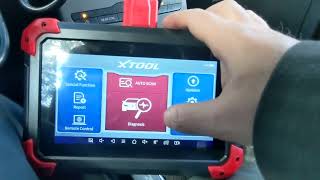
- Difficulty starting the engine immediately after getting gas 🎬 Watch: How a bad purge valve causes stalling after refueling
- Slightly reduced fuel economy
- Possible fuel odor
- Engine hesitation or performance problems
- Replacing the gas cap. P0443 is an electrical circuit code, not a system leak code like P0455 or P0457. A bad gas cap will not cause P0443.
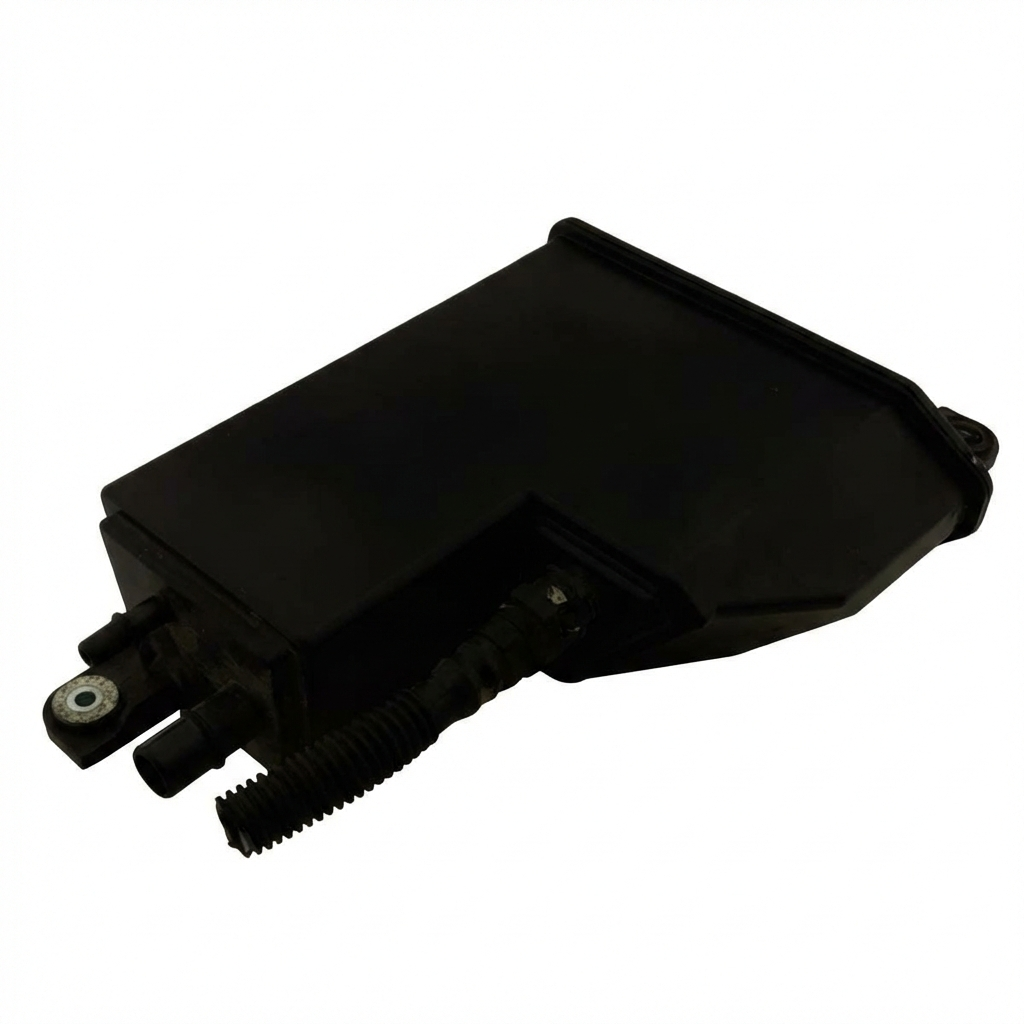
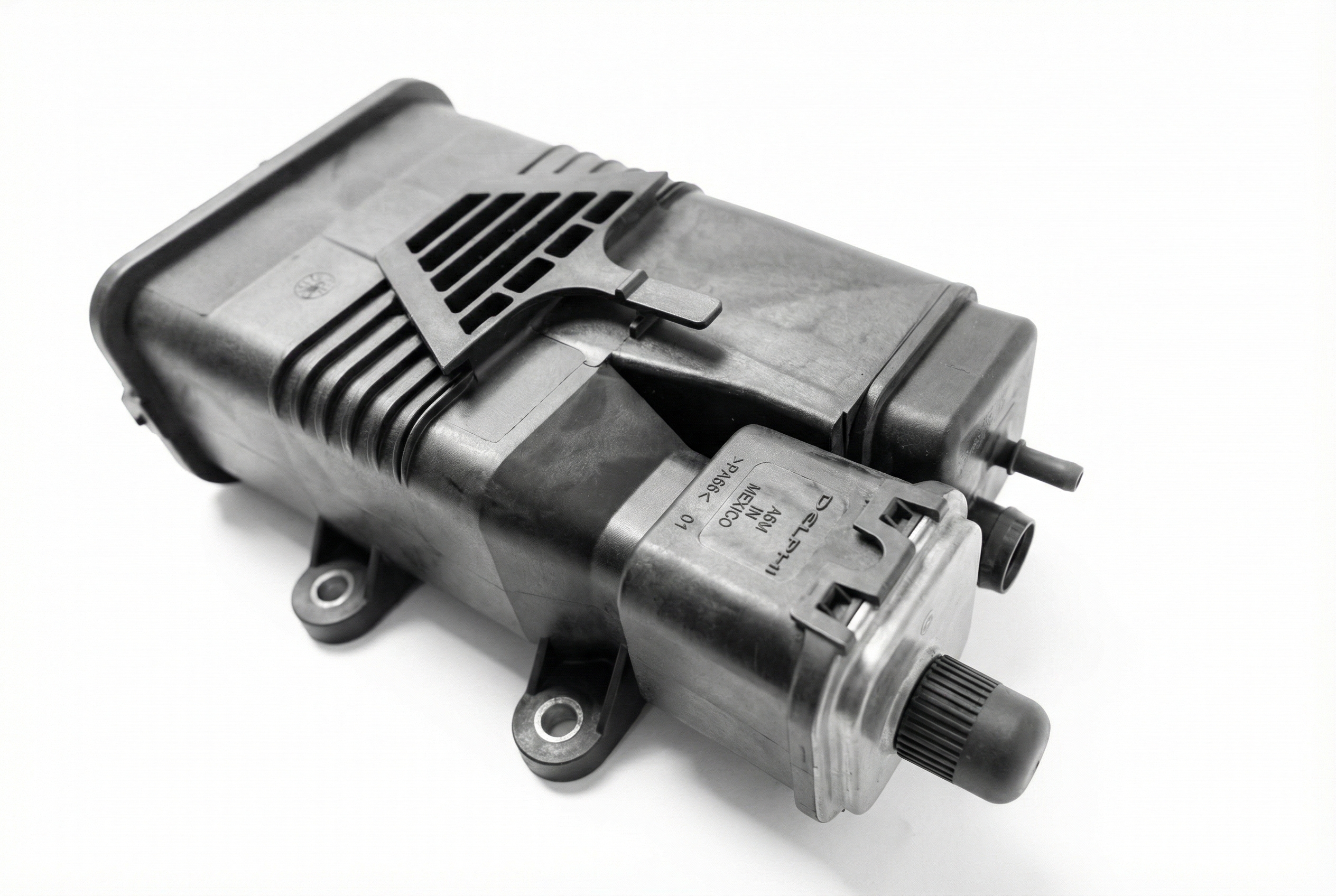
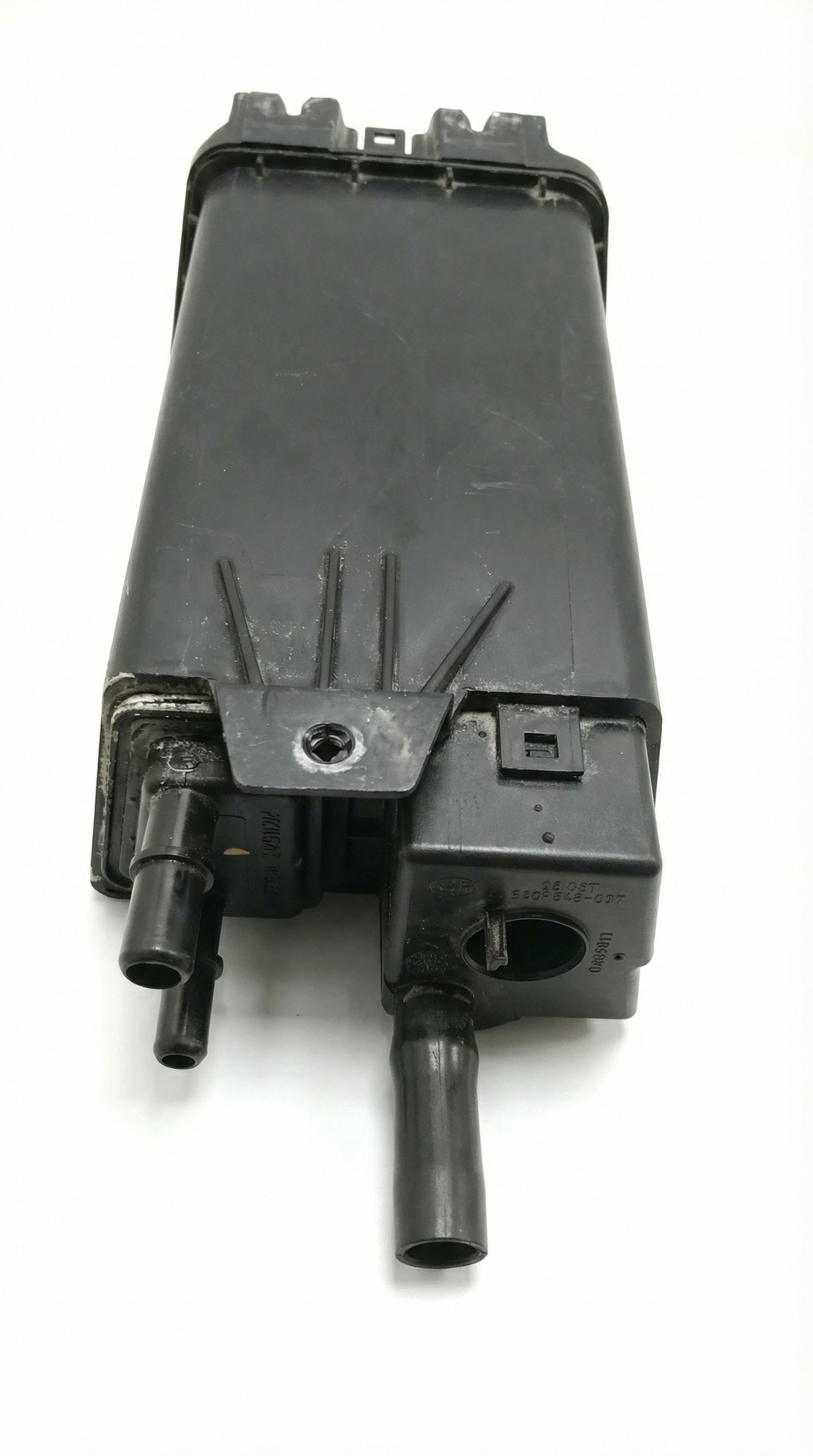
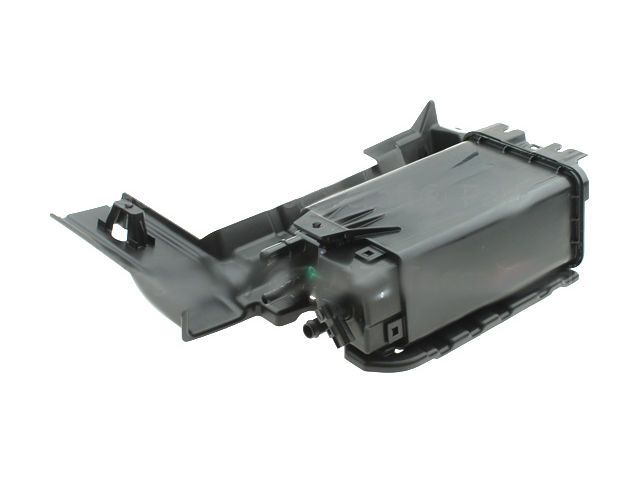
- Replacing the charcoal canister. The canister is a passive component in this specific electrical circuit and its failure will not cause a P0443 code. It may be replaced if it becomes saturated with fuel due to a stuck-open purge valve, but it is not the root cause of the P0443 code itself.
Most Likely Causes
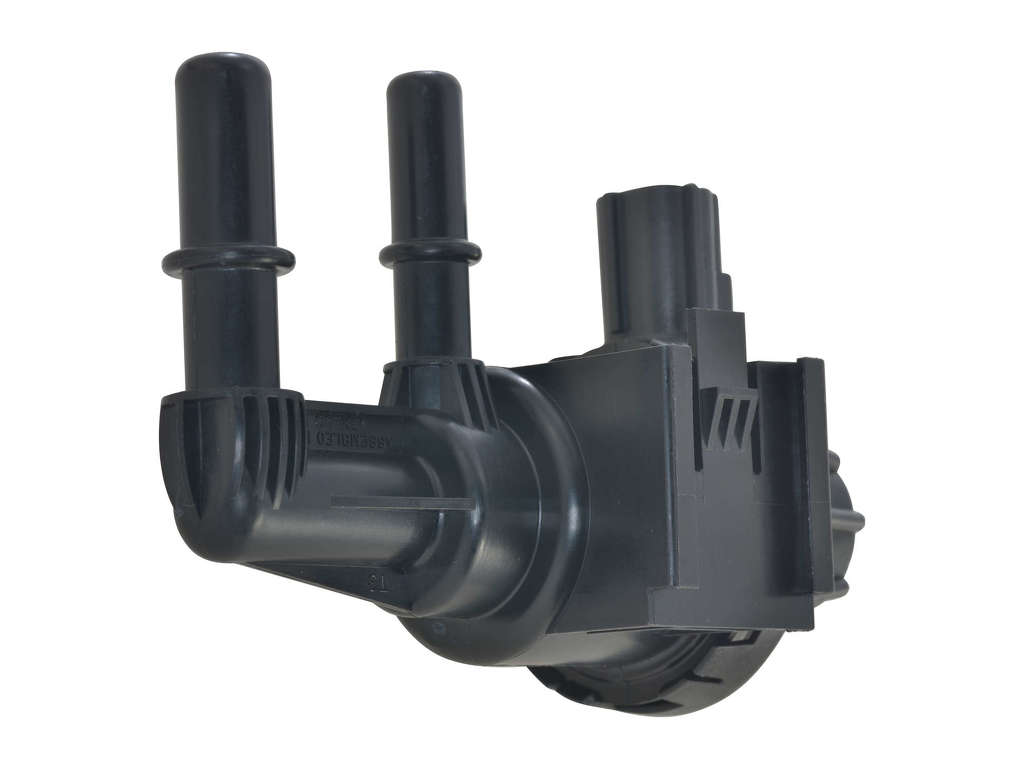
- Failed Canister Purge Valve (Solenoid) 🔴 High Probability → Shop Vapor Canister The purge valve is a very common failure item on many Ford models sharing the 3.5L engine, often due to the internal solenoid coil failing electrically (open or short circuit) or the valve mechanism sticking internally.
How to confirm: Locate the valve on the intake manifold. With the engine off, disconnect the electrical connector and measure the resistance across the two pins with a multimeter. A reading outside the typical 22-38 ohm range indicates a failed coil. An infinite reading (OL) means an open circuit, while a near-zero reading means a short. You can also use a scan tool to command the valve to open and close while listening for an audible click.
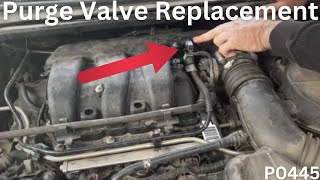
Typical fix: Replace the canister purge valve assembly. This is a straightforward repair, typically taking less than 30 minutes. 🎬 See this walkthrough for replacing the valve on the D4 platform
Est. part cost: $30-$80 - Damaged Wiring or Connector 🟡 Medium Probability The wiring harness in the engine bay is exposed to heat and vibration, which can cause wires to fray, break, or the connector to become brittle and fail over time. One owner reported the original wiring was pulled too tight, causing strain and eventual failure.
How to confirm: Visually inspect the wiring harness and connector leading to the purge valve for any signs of cracking, melting, or corrosion on the pins. Use a multimeter to check for battery voltage (approx. 12V) on one wire of the connector with the key on. Check the other wire for continuity back to the PCM.
Typical fix: Repair the damaged section of wiring or replace the pigtail connector. The Motorcraft pigtail connector is part number WPT-1274. Aftermarket options like Duralast CONB11107 are also available.
Est. part cost: $15-$40 - Blown Fuse ⚪ Low Probability A short circuit in the purge valve solenoid or its wiring can cause the associated fuse to blow, cutting power to the circuit.
How to confirm: Consult the owner's manual to identify the fuse that protects the EVAP system components (often shared with other emissions components). Visually inspect the fuse to see if it has blown. Test for power on both sides of the fuse with a test light or multimeter.
Typical fix: Replace the blown fuse. If the fuse blows again immediately, it indicates a persistent short circuit in the wiring or the purge valve itself that must be diagnosed and repaired.
Est. part cost: $1-$5
Rare But Worth Checking
- Faulty Powertrain Control Module (PCM): → Shop Engine Control Module (ECM) This is extremely rare. The PCM's internal driver for the purge valve circuit can fail, but all other possibilities (valve, wiring, fuse) should be exhaustively ruled out before considering PCM replacement.
Diagnosis Steps
- Read the code with an OBD-II scanner and confirm P0443 is present. Note any other codes, especially P1450 or P0496.
- Visually inspect the canister purge valve, which is located on the engine's intake manifold. Check its electrical connector and wiring for any obvious damage, looseness, or corrosion.
- Check the fuse for the EVAP system in the vehicle's fuse box (refer to owner's manual for location). Replace if blown.
- Disconnect the electrical connector from the purge valve. With the ignition on (engine off), use a multimeter to verify that one pin has battery voltage (approx. 12V).
- If power is present, test the valve itself. Measure the resistance between the two pins on the valve. A normal reading is typically between 22 and 38 ohms. An infinite reading (open) or near-zero reading (short) means the valve is bad and needs replacement.
- If the valve's resistance is good, check the control circuit. Reconnect the valve. Use a scan tool to command the purge valve to cycle on and off. You should hear an audible clicking sound from the valve. If it doesn't click, the problem is likely in the control wire to the PCM or the PCM itself.
- If you suspect the valve is stuck open mechanically (a common failure that causes symptoms like hard starting after fueling), remove it from the vehicle. A normally-closed valve should not allow air to pass through it when unpowered. Try blowing through it; if air passes, 🎬 Watch: A quick bench test to see if your valve is stuck it's stuck open and must be replaced.
- If wiring is suspected, check for continuity on the ground/control wire from the valve connector back to the PCM connector. A reading of more than 5 ohms suggests a problem in the harness.
Parts You'll Likely Need
- Vapor Canister Purge Valve
(OEM #9U5Z-9C915-H / AU5Z-9C915-B / CX2407)— This is the most common failure point for code P0443 on the Ford Flex. The internal solenoid coil fails, creating an electrical fault (open or short) detected by the PCM.
Trusted brands: Motorcraft, Bosch, Delphi, Standard Motor Products
OEM price range: $50-$80
Aftermarket price range: $30-$60 - Purge Valve Connector Pigtail
(OEM #WPT-1274)— If the wiring or connector itself is damaged from heat or stress, replacing the pigtail is the standard repair.
Trusted brands: Motorcraft, Duralast (CONB11107), Connector Experts
OEM price range: $25-$40
Aftermarket price range: $15-$30
Related Codes That Often Appear With This One
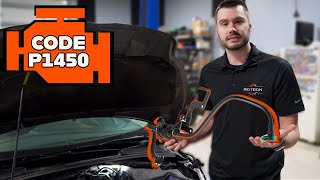
- P1450 — This code for 'Unable to Bleed Up Fuel Tank Vacuum' often appears when the purge valve is stuck open, a common mechanical failure mode that can accompany the P0443 electrical fault. This code was specifically mentioned in Ford's recall documentation for this issue.
- P0496 — Indicates 'EVAP Flow During a Non-Purge Condition,' which also points directly to a purge valve that is stuck open, allowing vacuum to be pulled on the tank when it shouldn't be.
- P0456 — This code for a 'Very Small Leak' can sometimes be triggered alongside P0443 if the PCM software logic is confused by the electrical fault, as noted in recall documents.
Platform-Specific Known Issues
- A related recall (18S32 / NHTSA 18V735) was issued for some Ford vehicles for PCM software that failed to adequately detect a stuck-open canister purge valve, which could lead to fuel tank deformation and stalling. The Flex was not explicitly named in the recall, which focused on Focus models, but the documentation lists P0443 as a key trouble code and describes the exact failure mode common to the Flex and its platform mates. Owners were advised to keep fuel tanks over half full until the repair was made.
Mechanic-Grade Diagnostic Values
- Vapor Canister Purge Valve Solenoid Resistance — expected: 22 to 38 Ohms. Failure: Infinite resistance (Open circuit) or near-zero resistance (Short circuit).
- Voltage at Purge Valve Connector (Power Pin, KOEO) — expected: 9 to 14 Volts (Battery Voltage). Failure: 0 volts indicates an open in the power supply circuit (VPWR) or a blown fuse.
- Ford IDS Scan Tool - Fuel Tank Pressure (FTP) Sensor Voltage (KOEO) — expected: Approximately 2.6 Volts. Failure: This is a static baseline. A value that immediately drops upon starting the engine suggests a purge valve stuck open. During a bidirectional test, this voltage should drop as the valve is commanded open.
- Voltage Drop Across Ground Circuit — expected: < 0.5 Volts. Failure: Voltage greater than 0.5V between the valve's ground wire and the chassis ground indicates high resistance or a poor ground connection.
Scan Tool Commands That Help
- Ford IDS (Integrated Diagnostic System): Powertrain -> DataLogger -> EVAP PIDs (EVAPCV, FTP_V) — This allows a technician to manually command the purge valve (EVAPCV) open by a certain percentage or amperage and watch the Fuel Tank Pressure (FTP_V) voltage in real-time. Commanding the valve open should cause the FTP voltage to drop from its static ~2.6V, confirming the valve is responding. If the voltage drops with the valve commanded off, it's stuck open.
- Ford IDS (Integrated Diagnostic System): Evaporative Emissions CPV Check — This is an automated test routine within the Ford diagnostic software specifically designed to check for a stuck open EVAP purge valve, often used when diagnosing P1450 which frequently accompanies P0443.
Wiring & Ground Locations
- Purge Valve Connector — On the EVAP purge valve itself, located on the driver's side of the intake manifold, next to the throttle body.. This 2-pin connector is the primary interface for testing. One pin is the power supply (VPWR) and the other is the control (ground-side switched) from the PCM. Corrosion or damage here is a common cause of the P0443 circuit code.
- Power Pin (VPWR) — One of the two pins on the purge valve connector. Wire color can vary by year but is often Yellow/Green or similar.. This pin must have battery voltage with the key on. No voltage here points to a blown fuse or a break in the power supply wire from the fuse box.
- Control Pin (EVAPCP) — The other of the two pins on the purge valve connector. Wire color can vary but is often Violet/Brown or similar.. This wire runs directly to the PCM. The PCM pulses a ground signal on this wire to open the valve. A break in this wire (open circuit) or a short to ground will set P0443.
Real Owner Repair Stories
- AutoZone.com Customer Review (2012 Ford Flex) — Check Engine Light with code P0443.
❌ Tried (didn't work) The owner likely suspected the purge valve itself first, as is common.
✅ What actually fixed it The wiring to the purge valve connector was found to be strained and damaged. Replacing the connector with a pigtail (Duralast CONB11107) resolved the P0443 code. - fordflex.net forum user (2013 Ford Flex Limited) — Check Engine Light with codes P0443 and P1450, rough idle, and stalling after refueling.
✅ What actually fixed it Replacing the EVAP purge valve solenoid (Motorcraft part 9U5Z-9C915-H) fixed all codes and drivability symptoms. The user noted the repair took only 15 minutes.
OEM Part Supersession History
9U5Z-9C915-H→9U5Z-9C915-J— Standard part revision by Ford. The parts are functionally identical and fully interchangeable.9U5Z-9C915-D→9U5Z-9C915-H, then 9U5Z-9C915-J— Earlier revision of the same part.
Diagnostic Flowchart
Other Known Issues on This Vehicle
Issues unrelated to this code that are worth knowing about as an owner of this generation:
- Internal Water Pump Failure (3.5L Duratec/Cyclone) 🔴 High — Common after 80,000-120,000 miles. Failure can cause coolant to leak into the engine oil, leading to catastrophic engine damage if not caught early.
- Power Transfer Unit (PTU) Failure (AWD Models) 🔴 High — Can occur as early as 60,000 miles. The unit is located near the hot catalytic converter, causing the 'lifetime' fluid to break down, leading to gear and bearing failure. Regular fluid changes (every 30k miles) are recommended as a preventative measure.
- Timing Chain Stretch (3.5L EcoBoost - early models) 🟠 Medium — More common on 2010-2015 models. Causes a distinct rattle on cold startups. If ignored, can lead to loss of power or jumped timing. Ford issued TSBs (e.g., 14-0194, 15-0131) for other models with this engine. (Ref: TSB 15-0131)
- Electric Power Steering (EPAS) Failure 🔴 High — Numerous complaints of sudden loss of power steering assist while driving, making the vehicle very difficult to steer. Onset mileage varies widely.
- Door Ajar Light Stays On 🟡 Low — Very common across many Ford models of this era. Caused by a faulty switch inside the door latch assembly, which can lead to an unexpected interior dome light and battery drain.
- Cracked Rear Toe Link 🔴 High — Affected 2013-2018 models, leading to a recall. A fractured toe link can cause a sudden loss of vehicle control. (Ref: Ford Recall)
Used vs. New Parts: Buying Guide for This Vehicle
When a used part is the smart pick: A used OEM purge valve from a low-mileage donor vehicle is a reasonable choice for this repair. The part is not a high-wear item in the mechanical sense (failure is usually electrical), and it is easily accessible in a junkyard. Given the low cost of a new aftermarket part ($30-$60), the savings may be minimal, but it can be a viable option if a new part is unavailable.
Donor-vehicle mileage cap: roughly under 80000 miles for the part to have meaningful remaining life.
What to inspect on the donor part:
- Check for a clean, corrosion-free electrical connector.
- Ensure the plastic housing is not cracked or showing signs of extreme heat stress.
- Verify the donor vehicle is from a similar model year to ensure compatibility.
- If possible, test the resistance with a multimeter before purchase; it should be within the 22-38 ohm range.
Aftermarket brands forum-validated for this vehicle:
- Bosch
- Delphi
- Standard Motor Products (SMP)
Brands owners have reported issues with on this vehicle:
- No-name, unbranded parts from online marketplaces have a higher reported failure rate. It is better to stick with recognized brands.
Real Owner Stories
Aggregated from forums and TSBs cited above. Mileages and costs reflect what owners reported in those sources.
2012 Ford Flex
Symptoms: P0443 code present; found the original wiring was pulled too tight, causing strain and eventual failure of the connection.
What fixed it: Replaced the connector with a Duralast CONB11107 pigtail.
Source hint: autozone.com review for Duralast connector pigtail (CONB11107)
2012 Ford Flex
Symptoms: Check engine light with code P0443.
What fixed it: Replaced the purge valve solenoid; noted the part is easily accessible on top of the engine.
Source hint: fordforums.com
Ford Flex (3.5L)
Symptoms: Rough idle and hard starting specifically after refueling; codes P0443 and P1450 were present.
What fixed it: Replacement of the canister purge valve (part 9U5Z-9C915-H).
Source hint: fordflex.net
Related OBD-II Codes
Frequently Asked Questions
Is there a recall for the P0443 code on my Ford Flex?
What is the specific part number for the purge valve on a Ford Flex?
My 2012 Flex has damaged wiring at the purge valve; is there a specific repair kit?
Why does my Flex struggle to start only after I fill up the gas tank?
Can I test the purge valve on my 3.5L engine with a multimeter?
Is the P0443 code related to the internal water pump issues on the 3.5L Duratec?
Helpful Videos

Used OEM Parts in Stock
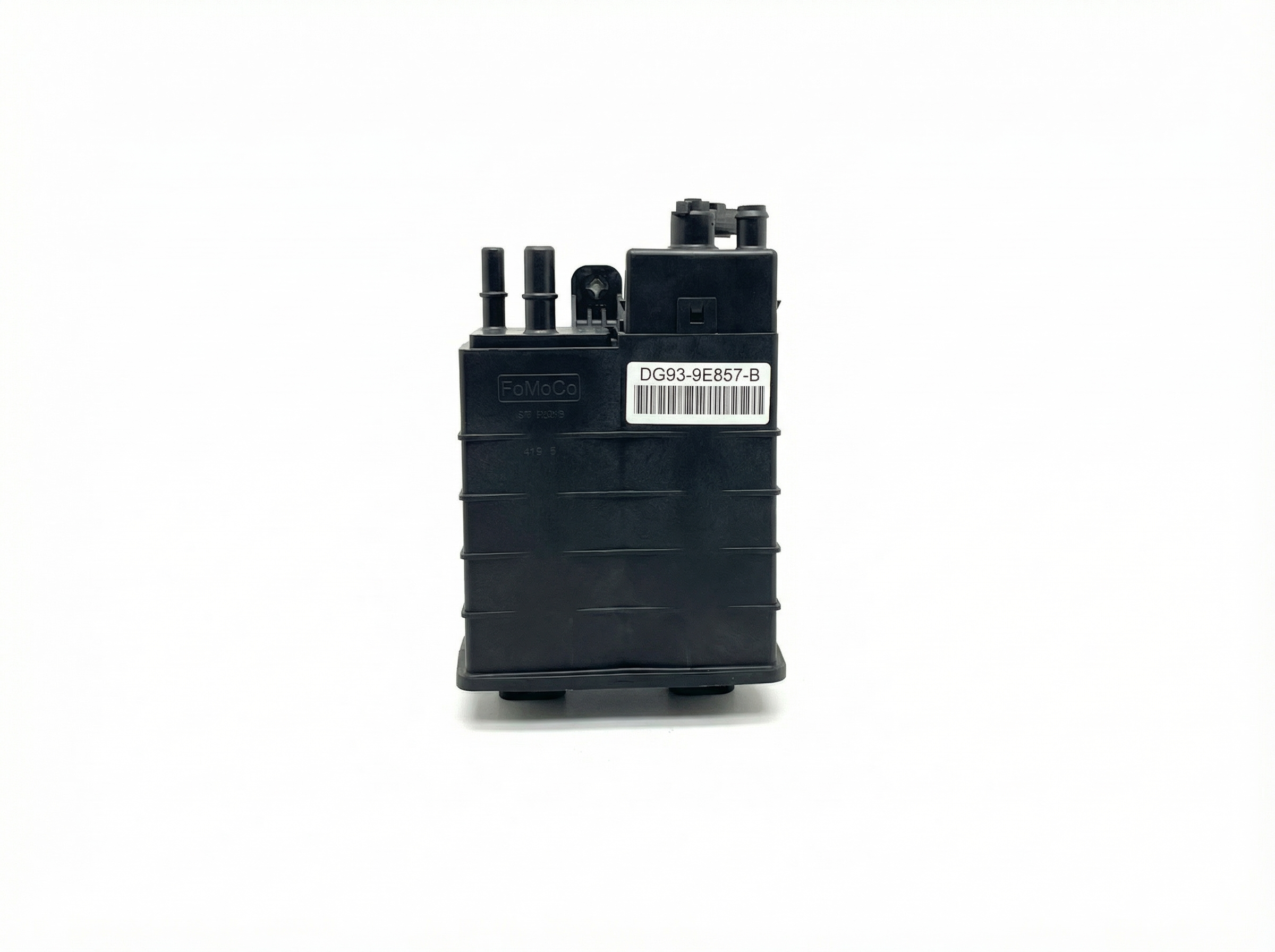
New Aftermarket Parts Available


The information in this article is provided for general reference and educational purposes only. Vehicle specifications, procedures, and part compatibility can vary by production date, trim level, and region. Always consult your vehicle's factory service manual and verify part numbers before purchasing or performing repairs. Safety-critical components such as airbags, seat belts, and braking systems should be installed by a qualified professional.
- Ford Flex:
- 🧭 Diagnostic Flowchart
- 🎬 Helpful Videos
- 🛍️ Shop This Part
- What's Unique About the 2009-2019 Ford Flex
- Symptoms You May Notice
- Most Likely Causes
- Rare But Worth Checking
- Diagnosis Steps
- Parts You'll Likely Need
- Related Codes That Often Appear With This One
- Platform-Specific Known Issues
- Mechanic-Grade Diagnostic Values
- Scan Tool Commands That Help
- Wiring & Ground Locations
- Real Owner Repair Stories
- OEM Part Supersession History
- Other Known Issues on This Vehicle
- Used vs. New Parts: Buying Guide for This Vehicle
- Real Owner Stories
- 2012 Ford Flex
- 2012 Ford Flex
- Ford Flex (3.5L)
- Related OBD-II Codes
- Frequently Asked Questions
- 🎟️ Get 5% Off