

P0443 on 2017-2022 Honda CR-V: EVAP Purge Valve Circuit Malfunction Causes and Fixes
This code almost always points to a faulty EVAP canister purge valve solenoid. It's a common and relatively easy DIY fix, with an OEM replacement part costing around $50-$80. The failure is typically the internal electrical coil of the valve.
- P0443 on a 2017-2022 CR-V points to an electrical fault with the EVAP purge valve, not a system leak.
- The most likely cause is a failed purge valve solenoid, which is a common and relatively inexpensive part.
- Diagnosis is straightforward: check the valve's resistance (22-26 ohms) and check for power at its connector.
What's Unique About the 2017-2022 Honda CR-V
For the 5th generation Honda CR-V (2017-2022) with the 1.5L Turbo engine, the P0443 code is a very common and straightforward electrical fault. There are no widespread design flaws or complex issues unique to this platform that complicate the diagnosis. The problem is almost always a failed purge valve solenoid, a common wear-and-tear item on many modern vehicles, or a simple wiring issue. The valve is located in the engine bay and is relatively easy to access after removing the air filter housing.
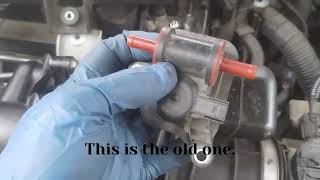
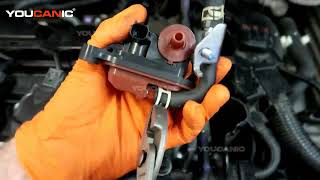
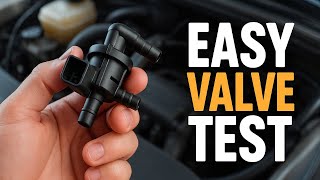
🎬 Watch: Step-by-step guide to replacing the CR-V purge valve.Symptoms You May Notice
- Check Engine Light is on.
- Slightly rough or erratic idle.
- Minor decrease in fuel economy.
- Potential for a faint fuel odor.
- Difficulty starting the engine, especially after refueling (less common).
- Intermittent jerking or sputtering at low RPMs.
- Replacing the gas cap. A loose or faulty gas cap typically causes a large leak code (like P0455) or a small leak code (P0456), not a circuit malfunction code like P0443.
Most Likely Causes
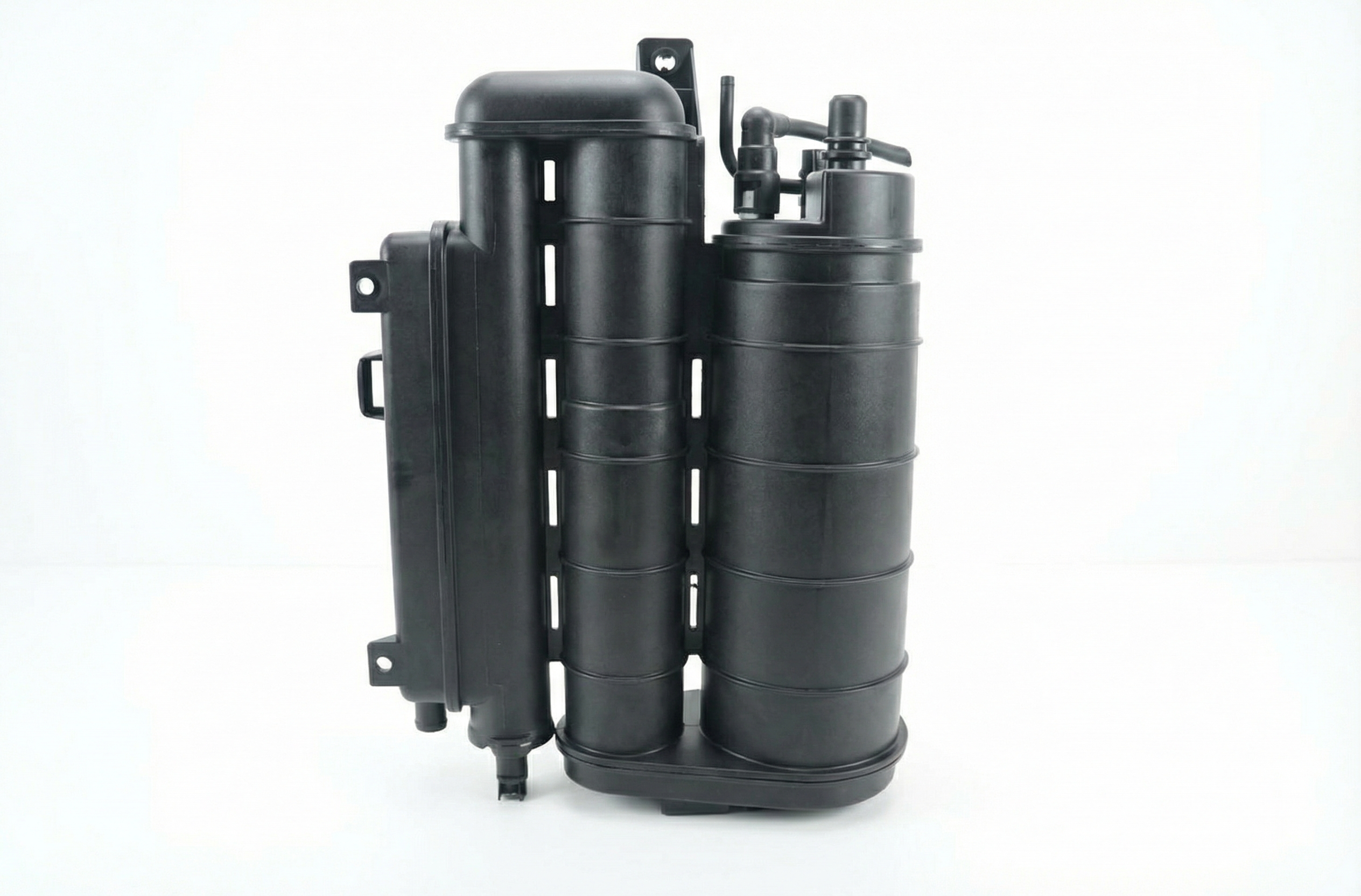
- Faulty EVAP Canister Purge Valve Solenoid 🔴 High Probability → Shop Vapor Canister The solenoid is an electromechanical part that cycles frequently and its internal coil can fail electrically over time, creating an open or short circuit. This is a common failure item on many modern Hondas, and is noted in TSBs for related EVAP codes.
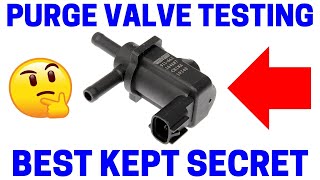
How to confirm: Disconnect the electrical connector and measure the resistance across the two pins on the valve. For this Honda, it should be between 22 and 26 ohms at room temperature. A reading that is open (infinite resistance) or shorted (zero resistance) confirms a bad valve. You can also apply 12V power and ground to the pins to listen for an audible 'click', though an electrical test is more definitive.
Typical fix: Replace the EVAP canister purge valve assembly.
Est. part cost: $40-$80 - Damaged Wiring or Connector 🟡 Medium Probability Wiring in the engine bay is exposed to heat and vibration. The connector or wires can be damaged during other maintenance, such as an air filter change, as the purge valve is located nearby.
How to confirm: Visually inspect the wiring harness and connector going to the purge valve for any signs of damage, corrosion, or loose pins. Use a multimeter to check for battery voltage on one wire (Pin 2) and a ground signal from the PCM on the other (Pin 1) when the valve is commanded on by a scan tool.
Typical fix: Repair the damaged section of the wire or clean/replace the connector.
Est. part cost: $5-$25 - Blown Fuse ⚪ Low Probability
How to confirm: Check the vehicle's fuse box diagrams for any fuse related to the emissions or EVAP system and verify it has continuity. A fuse blowing repeatedly indicates a short circuit in the wiring or the valve itself.
Typical fix: Replace the blown fuse. If the fuse blows again immediately, it indicates a short circuit in the system that must be found.
Est. part cost: $1-$5
Rare But Worth Checking
- Faulty Powertrain Control Module (PCM): → Shop Engine Control Module (ECM) This is very rare. The PCM should only be suspected after all other possibilities, including the valve and its entire circuit, have been thoroughly tested and ruled out.
Diagnosis Steps
- Confirm the P0443 code is present using an OBD-II scanner.
- Locate the EVAP canister purge valve. On the 1.5L engine, it is located in the engine bay, mounted near the intake manifold, partially under the air intake snorkel.
- Inspect the electrical connector and wiring harness leading to the purge valve for any obvious signs of damage, corrosion, or loose connections.
- Disconnect the connector. Test the valve's internal resistance with a multimeter. A reading between 22-26 ohms is expected per Honda's service data. If it's significantly outside this range (e.g., OL for open or near 0 for short), the valve is faulty and needs replacement.
- With the key on (engine off), check the electrical connector for power. Pin 2 should have battery voltage.
- If power and wiring are good, and the valve's resistance is correct, the valve may be mechanically stuck. You can test this by applying power and ground to the valve's pins to see if it clicks open and closed. A vacuum pump can also be used to check if it holds a vacuum when closed and releases it when energized.
- If the valve and wiring are confirmed to be good, the final step would be to check the control signal from the PCM, which typically requires a more advanced scan tool or oscilloscope to monitor the ground signal on Pin 1.
- Clear the code and perform a drive cycle after the repair to confirm the fix. A PCM Idle Learn Procedure may be required.
Parts You'll Likely Need
- Vapor Canister Purge Valve Solenoid
(OEM #36162-5AA-A01)— This is the most common failure point for a P0443 circuit code. The internal solenoid coil fails electrically over time.
Trusted brands: Honda (Genuine OEM), Dorman, Standard Motor Products, Duralast
OEM price range: $50-$80
Aftermarket price range: $30-$60
Technical Service Bulletins (TSBs) & Recalls
- While no TSB directly addresses P0443, Honda has issued TSB A21-081 for related EVAP codes P0441 or P04F1 on 2017-2021 CR-Vs, identifying a faulty purge valve as the likely cause, which corroborates the high failure rate of this part.
Mechanic-Grade Diagnostic Values
- EVAP Canister Purge Valve internal resistance — expected: 22 - 26 Ω at room temperature. Failure: A reading of OL (Open Loop/infinite resistance) or near 0 Ω (short circuit) indicates a faulty valve.
- Voltage at Purge Valve Connector Pin 2 (harness side) — expected: Battery voltage (~12V) with Key On, Engine Off. Failure: No voltage indicates an open in the power supply wire from the fuse box.
- Voltage at Purge Valve Connector Pin 1 (harness side) — expected: A pulsing ground signal from the PCM when the valve is commanded on (duty cycled). Can be observed with an oscilloscope or graphing multimeter.. Failure: No signal or a constant ground/open indicates a wiring issue or a faulty PCM driver.
Hidden / Shadow Codes Worth Checking
- 92-4: This is a Honda-specific DTC that translates to 'EVAP Canister Purge Valve Circuit Malfunction,' which is the same fault as P0443. (see via This code may be displayed on Honda's proprietary HDS (Honda Diagnostic System) scanner or some advanced professional scanners.) 🎬 See how to fix the Honda-specific P92-4 circuit code.
Scan Tool Commands That Help
- Honda HDS (or equivalent professional scanner): EVAP System Test / Purge Flow Test — This bidirectional command allows the technician to manually activate the purge valve solenoid to verify its operation audibly (listening for a click) and to check for the control signal from the PCM.
- Honda HDS: PCM Idle Learn Procedure — After replacing the purge valve or performing other repairs that affect engine management, this procedure should be performed to allow the PCM to relearn idle characteristics and fuel trim adjustments.
- Honda HDS: Clear Permanent DTCs (PDTCs) — If a Permanent DTC is stored, it cannot be cleared by a simple 'Clear Codes' command. The vehicle must be driven through a specific drive cycle to allow the EVAP monitor to run and pass. Once the PCM confirms the fault is gone, it will clear the PDTC.
Wiring & Ground Locations
- EVAP Canister Purge Valve 2P Connector — On the EVAP purge valve itself, located in the engine bay near the intake manifold.. This is the primary test point. Pin 2 should have battery voltage with the key on. Pin 1 is the control line that the PCM pulses to ground to activate the valve.
OEM Part Supersession History
36162-5AA-A01→No known supersession.— This part has remained consistent for the 1.5L Turbo engine across the specified model years.
Heads up: This part is widely used on other Honda models with the 1.5L Turbo engine, such as the Civic and Accord, but is not compatible with the 2.4L or 2.0L Hybrid engines.
Model Year Variations Within This Range
- 2017-2022: The standard 1.5L Turbo engine uses the EVAP system and purge valve (36162-5AA-A01) discussed in this article. The Honda CR-V Hybrid model, which has a 2.0L engine, uses a different EVAP system with different components and part numbers.
Diagnostic Flowchart
Other Known Issues on This Vehicle
Issues unrelated to this code that are worth knowing about as an owner of this generation:
- Fuel Dilution of Engine Oil 🔴 High — Common in 2017-2018 models, especially in cold climates with short-trip driving. Less frequent in later years after software updates. (Ref: Honda issued product updates and extended warranties to address the issue, involving software changes and sometimes new parts.)
- Premature Battery Failure / Parasitic Drain 🟠 Medium — Widespread on 2017-2019 models. The small factory battery combined with software glitches can cause it to drain unexpectedly. (Ref: TSB A17-032 was issued for a parasitic draw from the Vehicle Stability Assist (VSA) modulator.)
- 'Sticky' or 'Notchy' Steering Feel 🔴 High — Affects 2022 and newer models primarily, but some earlier models have reported similar feel. It is most noticeable at highway speeds. (Ref: Recall 24V-744 (NHTSA) and TSB A22-011 address a manufacturing defect in the electronic power steering gearbox.)
- CVT Transmission Judder or Hesitation 🟡 Low — Reported occasionally, particularly in early-generation models (2017-2018) during stop-and-go traffic. (Ref: Software updates were released by Honda to improve CVT behavior and reduce vibration.)
Used vs. New Parts: Buying Guide for This Vehicle
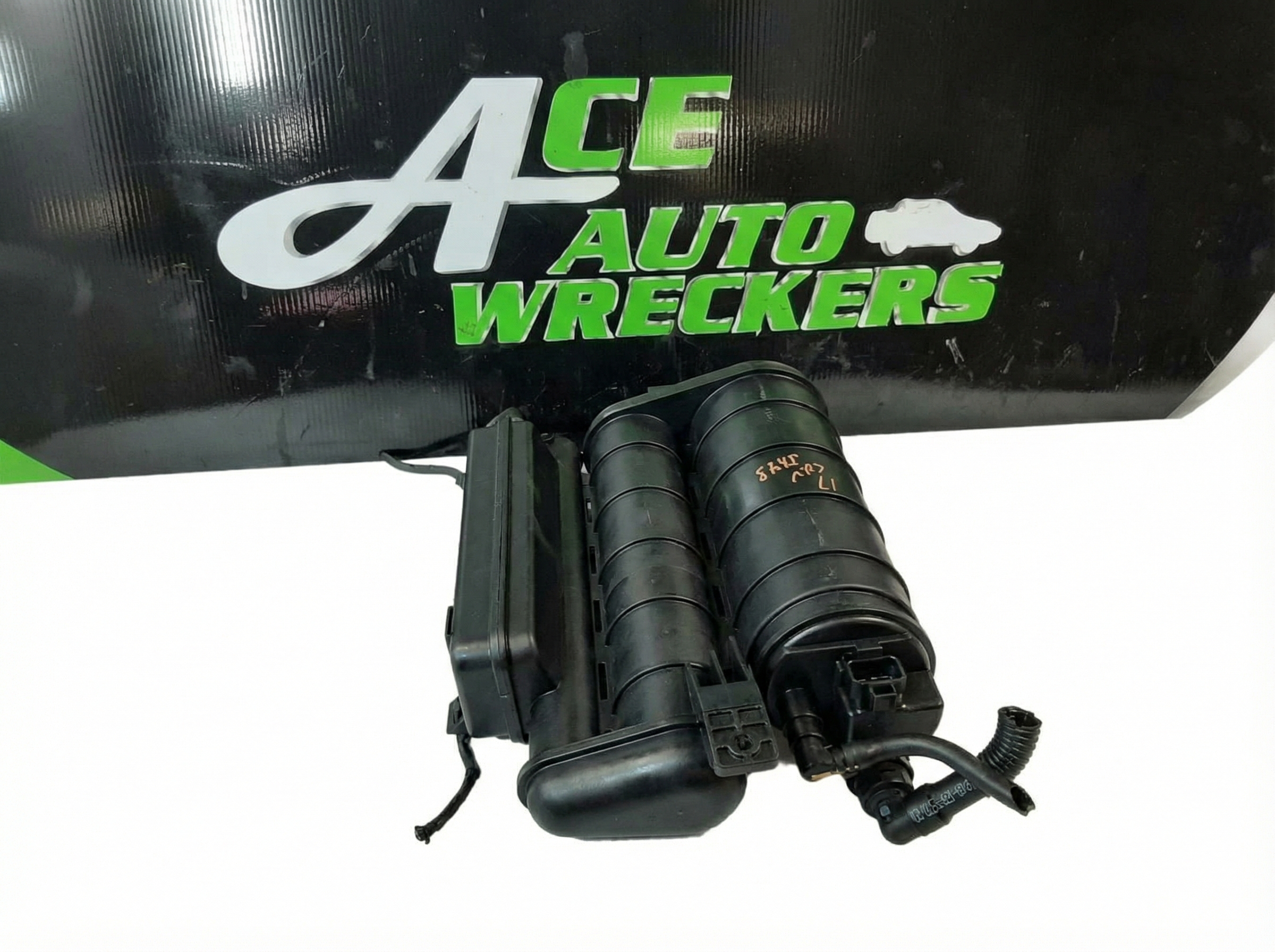
When a used part is the smart pick: For the EVAP purge valve, a used part from a reputable salvage yard is a reasonable choice. It is an external, easily accessible electromechanical component, making inspection and replacement straightforward. It can offer significant cost savings over a new OEM part.
Donor-vehicle mileage cap: roughly under 60000 miles for the part to have meaningful remaining life.
What to inspect on the donor part:
- Check for cracks or damage to the black plastic housing.
- Inspect the electrical connector pins for any signs of green or white corrosion.
- Ensure the hose connection ports are not brittle, cracked, or broken.
- If possible, ask for the donor vehicle's mileage to ensure it's a low-mileage part.
OEM-only on this vehicle (don't cheap out):
- For a P0443 repair, no parts are considered strictly 'OEM-only'. The purge valve is a simple component.
Aftermarket brands forum-validated for this vehicle:
- Dorman
- Standard Motor Products (SMP)
- Duralast
Brands owners have reported issues with on this vehicle:
- No specific brands are widely reported as problematic for this part on this vehicle, but ultra-low-cost, unbranded parts from online marketplaces may have questionable quality control.
Real Owner Stories
Aggregated from forums and TSBs cited above. Mileages and costs reflect what owners reported in those sources.
2012 Honda CR-V
Symptoms: Rough acceleration and multiple EVAP codes appearing immediately after an air filter change.
What fixed it: Inspection of the purge valve wiring for damage caused during the air filter service.
Source hint: Reddit r/AskMechanics - 'Check Engine Light - P0443'
Related OBD-II Codes
Frequently Asked Questions
Does Honda TSB A21-081 apply to my 2017-2021 CR-V if I have EVAP issues?
Where is the EVAP canister purge valve located on the 1.5L Turbo engine?
What is the correct resistance for the purge valve solenoid on a Honda CR-V?
Can an air filter change on my CR-V cause a P0443 code?
Are there any aftermarket brands recommended for replacing the purge valve?
Does the 1.5L Turbo Civic or Accord share this same P0443 issue?
Helpful Videos
Used OEM Parts in Stock
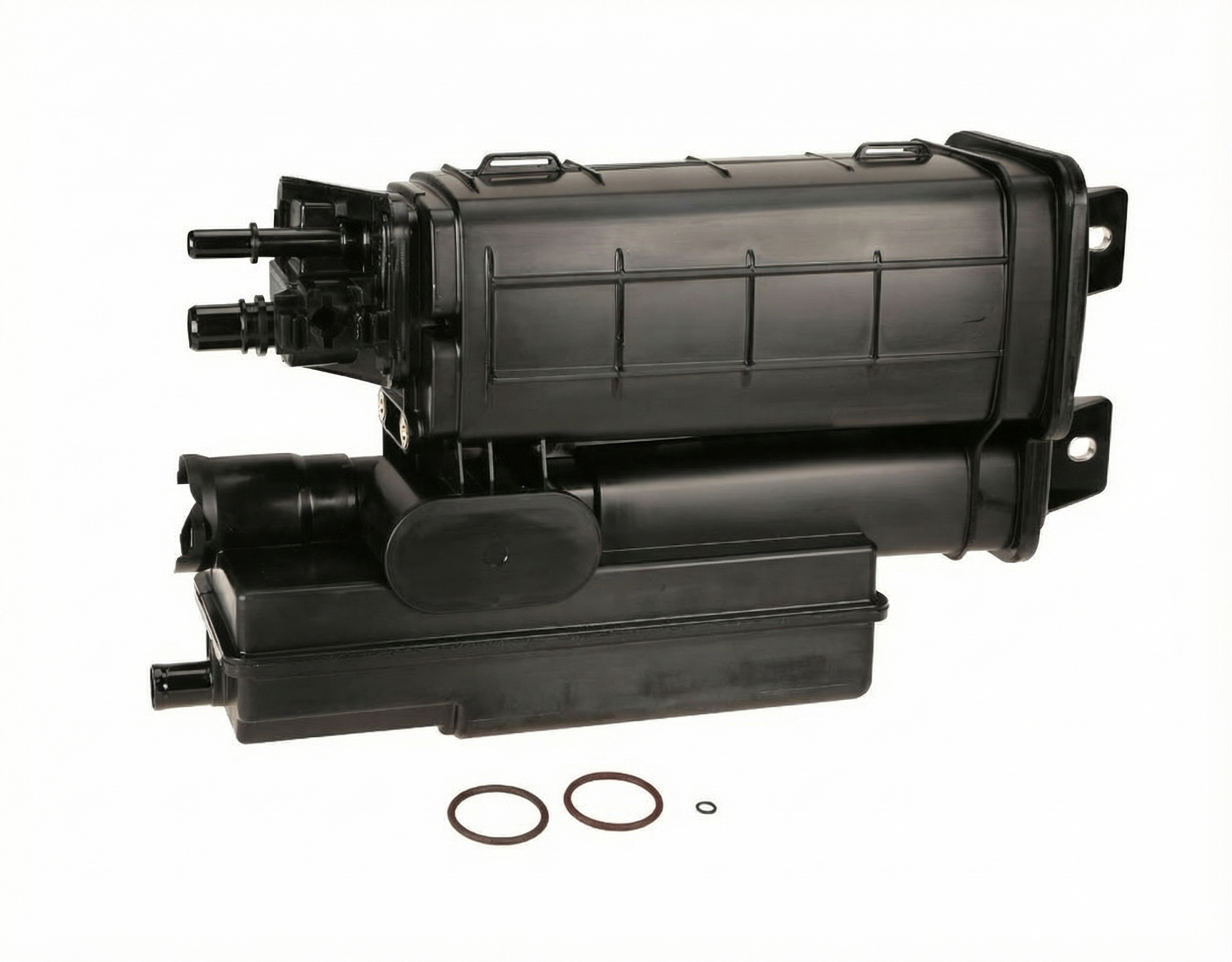
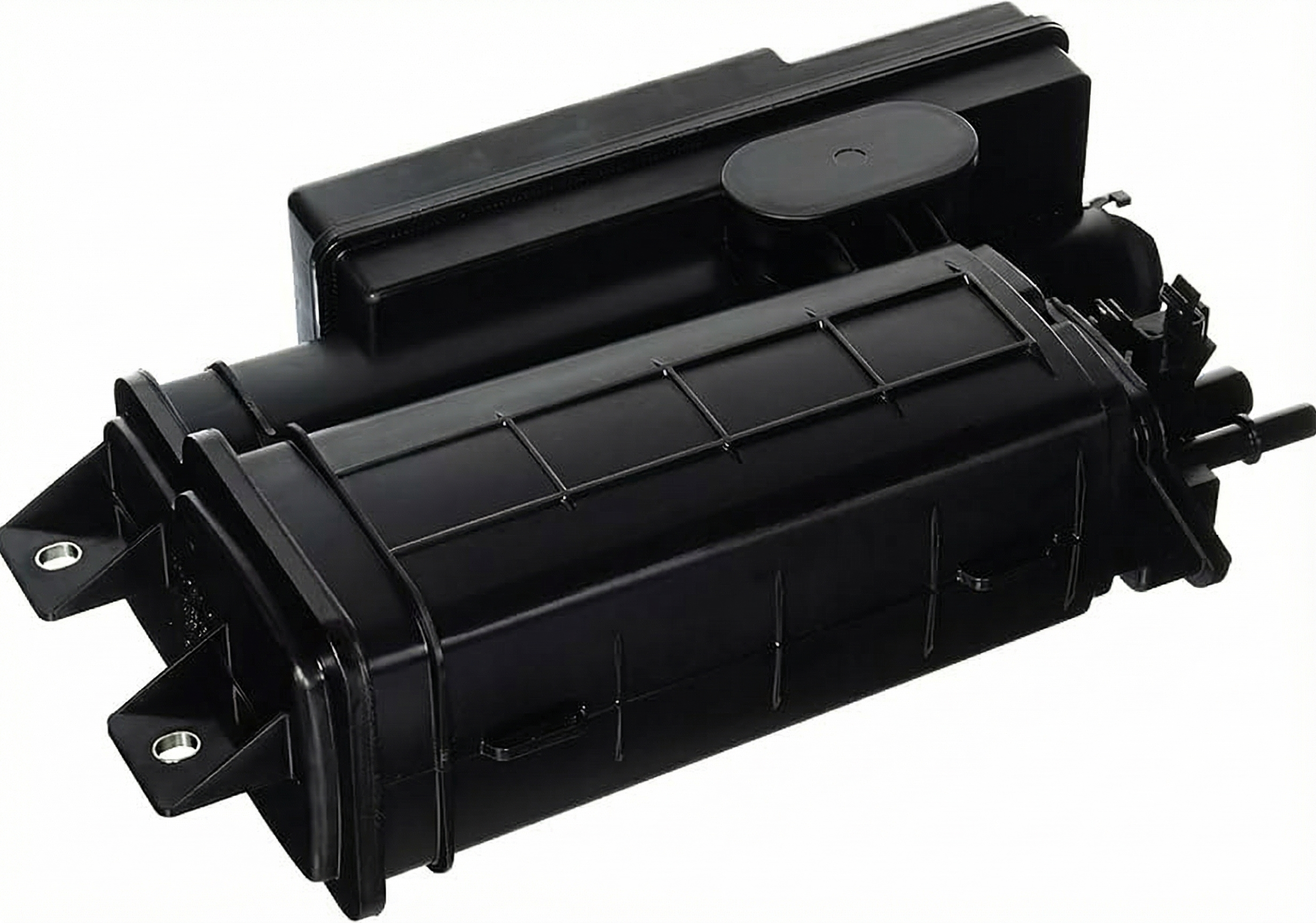
New Aftermarket Parts Available


The information in this article is provided for general reference and educational purposes only. Vehicle specifications, procedures, and part compatibility can vary by production date, trim level, and region. Always consult your vehicle's factory service manual and verify part numbers before purchasing or performing repairs. Safety-critical components such as airbags, seat belts, and braking systems should be installed by a qualified professional.
- Honda CR-V:
- 🧭 Diagnostic Flowchart
- 🎬 Helpful Videos
- 🛍️ Shop This Part
- What's Unique About the 2017-2022 Honda CR-V
- Symptoms You May Notice
- Most Likely Causes
- Rare But Worth Checking
- Diagnosis Steps
- Parts You'll Likely Need
- Technical Service Bulletins (TSBs) & Recalls
- Mechanic-Grade Diagnostic Values
- Hidden / Shadow Codes Worth Checking
- Scan Tool Commands That Help
- Wiring & Ground Locations
- OEM Part Supersession History
- Model Year Variations Within This Range
- Other Known Issues on This Vehicle
- Used vs. New Parts: Buying Guide for This Vehicle
- Real Owner Stories
- 2012 Honda CR-V
- Related OBD-II Codes
- Frequently Asked Questions
- 🎟️ Get 5% Off