

P0443 on 2012-2017 Hyundai Azera: EVAP Purge Valve Circuit Malfunction Causes and Fixes
This code indicates an electrical fault in the EVAP purge control valve circuit. The most common fix is replacing the purge control valve itself, a simple DIY task costing between $25 and $90 for the part. The valve is located in the engine bay near the intake manifold and is easily accessible.
- P0443 is an electrical circuit code, not a leak code. Do not start by replacing the gas cap.
- The most likely cause by a wide margin is a failed purge control valve solenoid, a known common failure item.
- This is a simple and inexpensive DIY repair for most home mechanics, requiring basic hand tools and taking less than 30 minutes.
- Always inspect the wiring and connector for damage before replacing the part, as a broken wire can cause the same code.
- The correct part is the purge valve
What's Unique About the 2012-2017 Hyundai Azera
The 2012-2017 Hyundai Azera (generation HG) uses the 3.3L Lambda II GDI V6 engine, which is shared with many other Hyundai and Kia models. For this platform, the P0443 code is a very common and straightforward electrical circuit fault. It is overwhelmingly caused by the purge control valve failing internally. The valve is conveniently located on top of the engine near the intake manifold, making it exceptionally easy to access and replace compared to other vehicles where it might be buried.
Symptoms You May Notice
- Check Engine Light is on
- Slightly rough idle
- Reduced fuel economy
- Difficulty starting the engine, especially after refueling
- A faint fuel odor
- A 'whooshing' sound from the gas tank when removing the cap
- Replacing the gas cap. A faulty gas cap will typically cause an EVAP leak code (like P0455 or P0456), not a circuit code like P0443.
- Replacing the canister vent valve. The vent valve (or vent solenoid) is located near the fuel tank and charcoal canister and has its own set of trouble codes (e.g., P0446, P0447). P0443 specifically refers to the purge valve 🎬 See this quick walkthrough on how to fix the P0443 code. in the engine bay.
Most Likely Causes
- Faulty EVAP Purge Control Valve (Solenoid) 🔴 High Probability The internal coil of the solenoid can fail over time due to heat and vibration, creating an open or short circuit. This is a very common failure point for this part across many Hyundai and Kia vehicles sharing this engine.
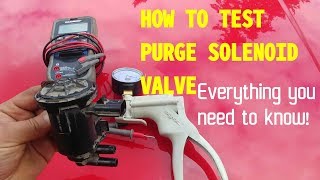
How to confirm: With the engine off, disconnect the electrical connector and measure the resistance across the two pins 🎬 Watch: A mechanic's guide to testing the purge valve solenoid. on the valve with a multimeter. The reading should be within the manufacturer's specification, which for similar Hyundai engines is typically between 15-30 ohms (a specific value of 26 ohms at 68°F has been cited). A reading of infinity (OL) indicates an open circuit, and a near-zero reading indicates a short circuit; either means the valve is bad. You can also try to blow through the valve; if air passes when it's disconnected, it's stuck open and faulty.
Typical fix: Replace the purge control valve. It is located on the intake manifold, secured with one or two bolts, and has two hose connections and one electrical connector.
Est. part cost: $25-$90 - Damaged Wiring or Connector 🟡 Medium Probability Engine bay heat and vibration can cause wires to become brittle, chafe, and break, or the connector can become corroded or loose. This can create an open or short in the circuit, triggering the P0443 code.
How to confirm: Visually inspect the wiring harness leading to the purge valve for any signs of cracking, melting, or chafing. Check the connector for corrosion, bent/broken pins, or a loose fit. Use a multimeter to check for battery voltage (approx. 12V) at the power pin on the connector with the key on.
Typical fix: Repair the damaged section of wire or replace the connector pigtail.
Est. part cost: $5-$25 - Blown Fuse ⚪ Low Probability A short circuit in the purge valve or its wiring can cause the corresponding fuse to blow as a protective measure.
How to confirm: Consult the owner's manual or the fuse box diagram to locate the fuse for the emissions or EVAP system (it may be labeled 'EMIS' or similar). Visually inspect the fuse to see if the internal filament is broken. Test for continuity with a multimeter.
Typical fix: Replace the blown fuse. If the new fuse blows immediately, a persistent short circuit is present in the wiring or the purge valve itself and must be diagnosed further.
Est. part cost: $1-$5
Rare But Worth Checking
- Faulty Powertrain Control Module (PCM): → Shop Engine Control Module (ECM) This is extremely rare. The internal driver circuit in the PCM that controls the purge valve can fail. All other possibilities (valve, wiring, fuse) should be exhaustively tested and ruled out before considering PCM replacement, as it is expensive and requires programming to the vehicle.
Diagnosis Steps
- Scan the vehicle for trouble codes to confirm P0443 is present and check for any other related codes.
- Visually inspect the purge control valve, which is located in the engine bay on or near the intake manifold. Check for any obvious damage to the valve, hoses, and electrical connector.
- Inspect the wiring harness for breaks, chafing, or corrosion. Ensure the electrical connector is securely fastened and the pins are clean and straight.
- Disconnect the connector. With the ignition on (engine off), use a multimeter to verify that one pin has battery voltage (approx. 12V).
- With the connector still off, measure the resistance across the two pins on the purge valve itself. A typical reading should be between 15 and 30 ohms. A reading of 0 ohms indicates a short, and an infinite reading (OL) indicates an open circuit. In either case, the valve is bad and needs replacement.
- If the wiring and valve resistance check out, you can use a scan tool with bidirectional controls to command the purge valve to open and close. You should hear an audible click from the valve as it operates.
- As a manual test, you can apply 12V directly to the valve's pins; it should click open. With the valve disconnected from power, try blowing through it. Air should not pass. If it does, the valve is stuck open.
- Check the relevant fuse in the fuse box to ensure it is not blown.
- If the valve, wiring, and fuse are all confirmed to be good, the issue may be with the PCM, but this is highly unlikely and should be the last consideration.
Parts You'll Likely Need
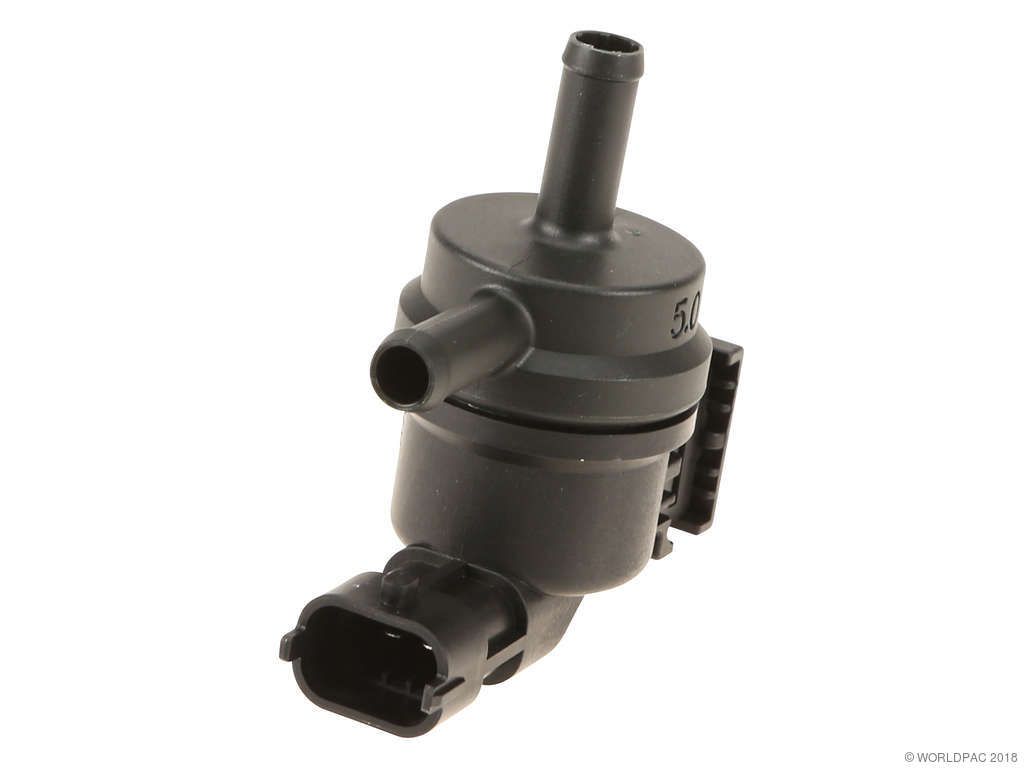
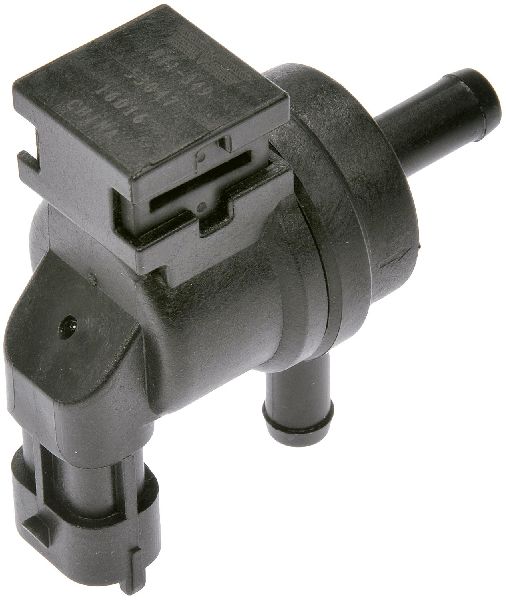
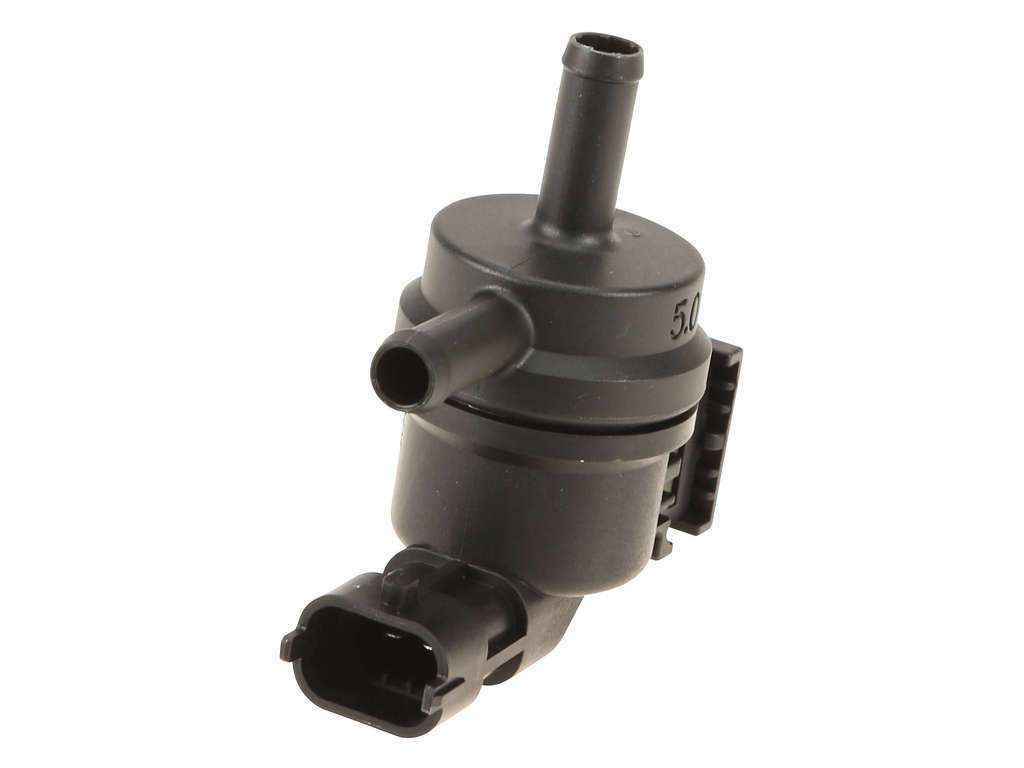
- Vapor Canister Purge Valve
(OEM #28910-3C200)— This is the component that fails electrically in the vast majority of P0443 cases on this platform.
Trusted brands: Genuine Hyundai, Dorman (e.g., 911-800), Standard Motor Products (e.g., CP554), Bosch
OEM price range: $60-$90
Aftermarket price range: $25-$50
Related Codes That Often Appear With This One
- P0444 — This code indicates an 'Open Circuit' and can appear with P0443 if the wiring is broken or the solenoid coil has failed in an open state.
- P0445 — This code indicates a 'Shorted Circuit' and can appear with P0443 if the wiring is shorted to ground or the solenoid coil has shorted internally.
- P0171 — If the purge valve is mechanically stuck open (in addition to its electrical fault), it can create a vacuum leak by allowing unmetered air and fuel vapor into the intake, causing a 'System Too Lean' code.
- P0441 — This code for 'Incorrect Purge Flow' can be triggered if the valve is mechanically stuck open or closed, which can happen alongside the electrical fault that triggers P0443.
Mechanic-Grade Diagnostic Values
- EVAP Canister Purge Valve Coil Resistance — expected: Approx. 26 Ω at 68°F (20°C). A general acceptable range is 15-35 Ω.. Failure: A reading of infinity (OL) indicates an open coil; a reading near 0 Ω indicates a shorted coil.
- Voltage at Purge Valve Connector Power Pin — expected: Battery voltage (approx. 12V) with Ignition ON, Engine OFF.. Failure: No voltage or significantly low voltage points to a blown fuse or an open in the power supply wire from the main relay.
- Voltage at Purge Valve Connector Control Pin (Ground Side) — expected: This is a duty-cycled ground from the PCM. When back-probed with the engine running and purge commanded ON by a scan tool, you will see the voltage rapidly pulse. When OFF, it should be near battery voltage.. Failure: Voltage stuck at 12V when commanded ON suggests an open in the control wire to the PCM or a bad PCM driver. Voltage stuck at 0V suggests a short to ground in the control wire.
Scan Tool Commands That Help
- Hyundai GDS (Global Diagnostic System): Actuation Test -> EVAP System -> Purge Control Solenoid Valve — This command allows a technician to manually cycle the purge valve on and off while the engine is running. It is used to verify that the PCM can control the valve and that the valve responds with an audible click. It also allows for monitoring changes in fuel trims or fuel tank pressure to confirm the valve is opening and closing mechanically.
- Hyundai GDS (Global Diagnostic System): EVAP Leakage Test — While P0443 is a circuit code, if other EVAP leak codes are present, this service function will automatically run a system test by closing the vent valve and monitoring the fuel tank pressure sensor to check for leaks. This is more for codes like P0442/P0455 but can be useful for a comprehensive system check.
Wiring & Ground Locations
- Purge Valve Connector (B26 on some Kia/Hyundai schematics) — On the purge valve itself, located on the intake manifold.. This is the primary connection point to test. Pin 1 is typically the 12V power supply from the main relay/fuse, and Pin 2 is the ground-side control wire from the PCM. Verifying power on Pin 1 and checking the control signal on Pin 2 is the core of diagnosing P0443.
- Engine Ground — There are multiple ground points on the engine block and chassis. A common main ground strap connects the engine to the chassis near the driver's side strut tower or firewall.. While not a direct cause of a P0443 circuit-specific code, a poor engine or PCM ground can cause a host of intermittent electrical issues and incorrect sensor readings across the system. It should be inspected if multiple, seemingly unrelated electrical codes are present.
Real Owner Repair Stories
- Reddit user in r/Hyundai (2017 Hyundai Elantra (different model, but same part failure pattern)) — Struggled to crank immediately after refueling, a classic symptom of a stuck-open purge valve.
❌ Tried (didn't work) Replacing the gas cap.
✅ What actually fixed it Initially replaced the purge valve with a cheap, generic part which did not solve the issue. The problem was only resolved after installing a genuine OEM purge valve.
"I Checked Everything" — The Actual Cause
- A smoke test is not a relevant diagnostic step for a P0443 code. P0443 is an electrical circuit malfunction code, indicating a problem with the solenoid's coil or its wiring (open, short, high resistance). A smoke test is used to find physical leaks in the EVAP system, which would trigger codes like P0455 (gross leak) or P0456 (small leak), not P0443.
OEM Part Supersession History
28910-3C200→No supersession found. This part number appears to be stable and still in use for the specified vehicle range.— N/A
Heads up: The part 28910-3C200 is used across a very wide range of Hyundai and Kia vehicles from 2008 to 2023, indicating broad compatibility within the brand for vehicles it is specified for.
Diagnostic Flowchart
Other Known Issues on This Vehicle
Issues unrelated to this code that are worth knowing about as an owner of this generation:
- Catastrophic Engine Failure (Lambda II 3.3L GDI) 🔴 High — A known issue subject to class-action lawsuits. Failures can occur under 100,000 miles, often due to internal bearing wear from manufacturing debris leading to connecting rod failure. (Ref: Hyundai extended the warranty for some affected models (primarily Santa Fe) to 15 years/150,000 miles, but Azera owner experiences may vary.)
- ABS Module Electrical Short / Fire Risk 🔴 High — Affects a wide range of Hyundai models from this era, including the 2012-2015 Azera. An electrical short can develop in the ABS module, creating a fire risk even when the car is parked. (Ref: Safety Recall 251 (NHTSA Campaign Number 23V651000) was issued to address this by replacing a fuse in the ABS system.)
- No Sound from Speakers 🟡 Low — A widely reported electrical issue where the factory amplifier fails, causing a complete loss of audio from all speakers. This is one of the most common complaints for the Azera.
- Internal Trunk Latch Failure 🟠 Medium — The trunk latch mechanism can be damaged, preventing the internal emergency release from working. (Ref: Safety Recall 208 (NHTSA Campaign Number 21V706000) was issued for 2016-2017 Azera models to replace the trunk latch base.)
- Occupant Detection System (ODS) Failure 🔴 High — The front passenger seat's ODS may fail to correctly classify the occupant, potentially disabling the airbag for an adult passenger. (Ref: A recall was issued for 2012-2013 Azera models to address this issue.)
Used vs. New Parts: Buying Guide for This Vehicle
When a used part is the smart pick: For a simple, inexpensive, and high-failure-rate part like an EVAP purge valve, buying a used part is generally not recommended. The cost savings are minimal compared to a new aftermarket part, and the risk of receiving a part that is already near the end of its service life is high.
Donor-vehicle mileage cap: roughly under 40000 miles for the part to have meaningful remaining life.
What to inspect on the donor part:
- Ensure the plastic housing is not cracked or brittle.
- Check that the electrical connector pins are clean, straight, and free of corrosion.
- If possible, perform a resistance check on the spot with a multimeter (should be ~26 ohms).
- Try to blow through the valve; no air should pass, indicating it is not stuck open.
Aftermarket brands forum-validated for this vehicle:
- Dorman
- Standard Motor Products (SMP)
- Bosch
Brands owners have reported issues with on this vehicle:
- Unbranded, 'white-box' parts from online marketplaces should be treated with caution. Some owners report that ultra-cheap generic parts fail to resolve the issue or fail prematurely.
Real Owner Stories
Aggregated from forums and TSBs cited above. Mileages and costs reflect what owners reported in those sources.
2012 Hyundai Azera 3.3L V6
Symptoms: Owner reported a P0443 trouble code appearing on their vehicle.
What fixed it: The community confirmed the likely culprit is the purge valve, which is a common failure point on this platform.
Source hint: https://www.hyundai-forums.com/threads/p0443-code-on-my-2012-azera.673415/
2017 Kia Sorento 3.3L V6
Symptoms: Vehicle exhibited EVAP system codes P0447 and P0448.
What fixed it: Discussion regarding the commonality of valve failures on the Hyundai/Kia 3.3L platform.
Source hint: https://www.reddit.com/r/kia/comments/13fplfn/sorento_2017_24l_p0447_y_p0448/
Related OBD-II Codes
Frequently Asked Questions
Is there a recall for the EVAP system on my 2012-2017 Hyundai Azera?
Why does my Azera have trouble starting only after I fill up the gas tank?
Where is the purge valve located on the 3.3L V6 engine?
What resistance should I see when testing the Azera's purge solenoid?
Can a blown fuse cause the P0443 code on my Hyundai?
Is the P0443 code related to the Lambda II engine failure issues?
Helpful Videos
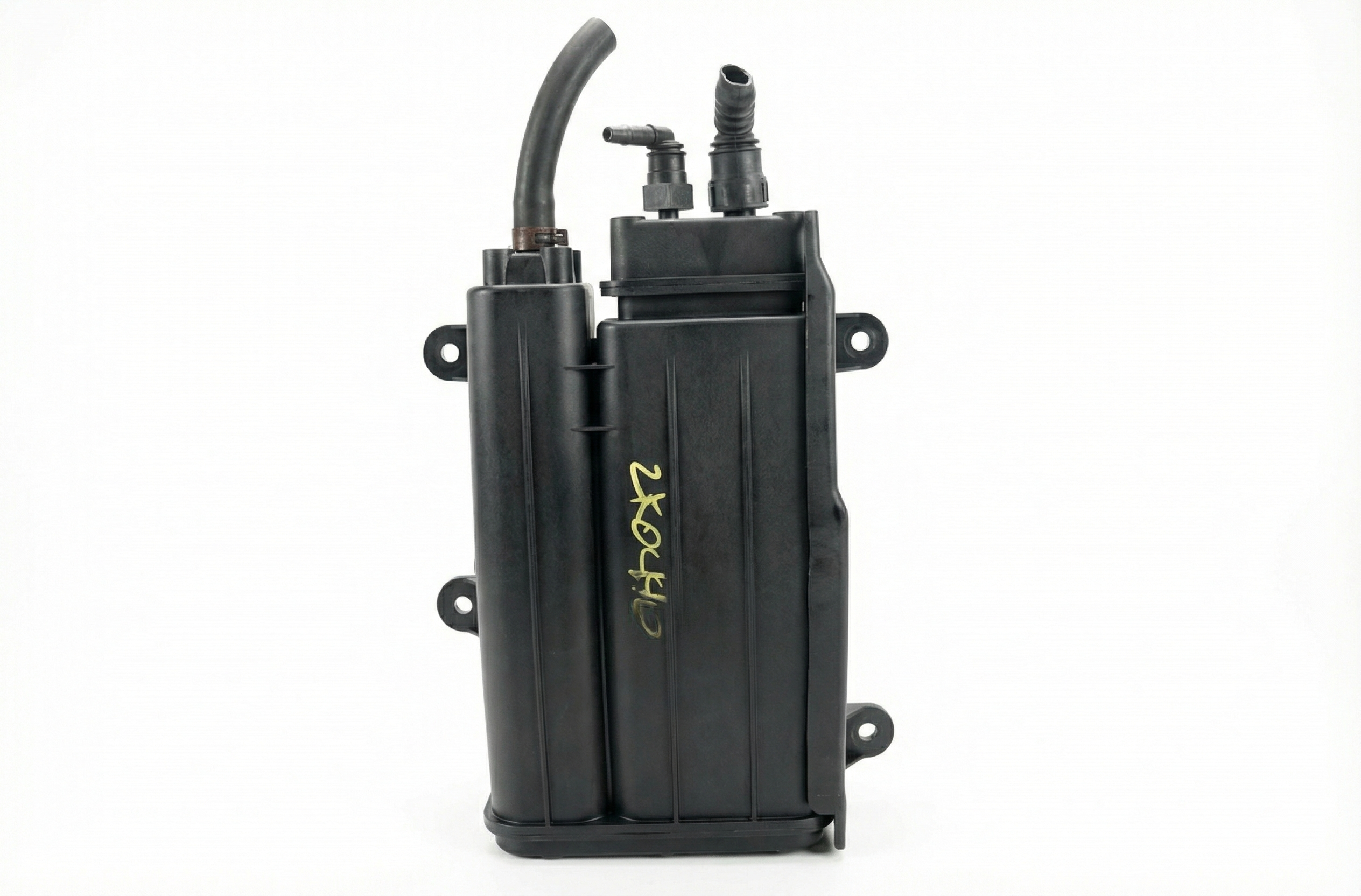
Used OEM Parts in Stock
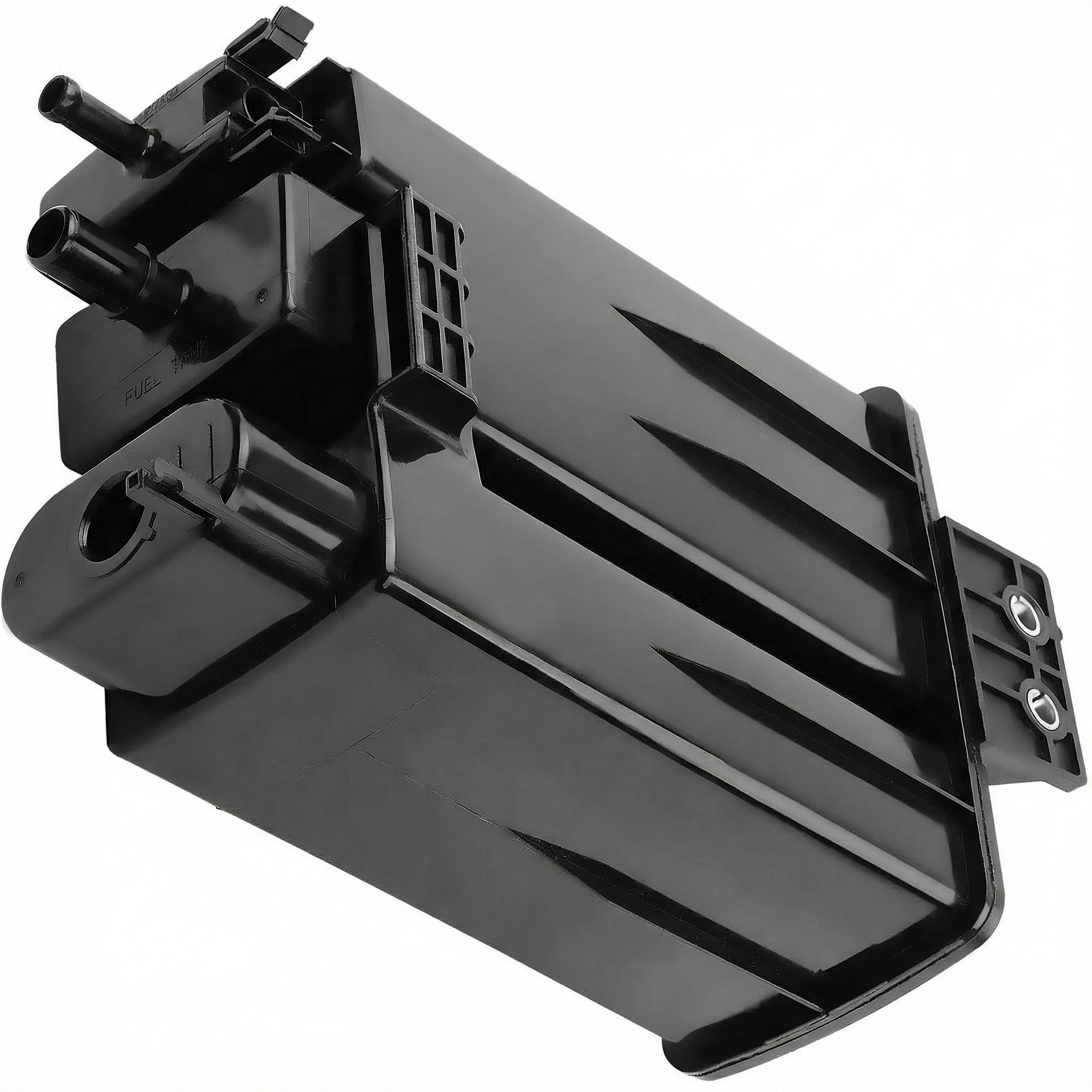
New Aftermarket Parts Available


The information in this article is provided for general reference and educational purposes only. Vehicle specifications, procedures, and part compatibility can vary by production date, trim level, and region. Always consult your vehicle's factory service manual and verify part numbers before purchasing or performing repairs. Safety-critical components such as airbags, seat belts, and braking systems should be installed by a qualified professional.
- Hyundai Azera:
- 🧭 Diagnostic Flowchart
- 🎬 Helpful Videos
- 🛍️ Shop This Part
- What's Unique About the 2012-2017 Hyundai Azera
- Symptoms You May Notice
- Most Likely Causes
- Rare But Worth Checking
- Diagnosis Steps
- Parts You'll Likely Need
- Related Codes That Often Appear With This One
- Mechanic-Grade Diagnostic Values
- Scan Tool Commands That Help
- Wiring & Ground Locations
- Real Owner Repair Stories
- "I Checked Everything" — The Actual Cause
- OEM Part Supersession History
- Other Known Issues on This Vehicle
- Used vs. New Parts: Buying Guide for This Vehicle
- Real Owner Stories
- 2012 Hyundai Azera 3.3L V6
- 2017 Kia Sorento 3.3L V6
- Related OBD-II Codes
- Frequently Asked Questions
- 🎟️ Get 5% Off