

P0443 on 2011-2015 Kia Optima: Purge Valve Circuit Malfunction Causes and Fixes
For a 2011-2015 Kia Optima, code P0443 almost always means the canister purge control valve has failed. This is a very common, inexpensive, and easy-to-replace part located on the engine. Expect to pay $25-$60 for an aftermarket part and solve the problem in under 30 minutes. A key symptom is difficulty starting the car after refueling.
- P0443 on a 2011-2015 Optima is an electrical circuit code, not a system leak.
- The most likely culprit by a wide margin is a failed canister purge control valve.
- A classic symptom is difficulty starting the car immediately after refueling.
- This is a beginner-friendly DIY repair that requires basic tools and can be completed in under 30 minutes.
- Before buying any parts, perform a quick visual inspection of the wiring and check the 'SENSORS 2' fuse.
- Verify the correct part number for your specific engine (2.0L Turbo or 2.4L) before purchasing a replacement valve; they are different.
What's Unique About the 2011-2015 Kia Optima
On this generation of Kia Optima and its platform-mate, the Hyundai Sonata, the canister purge control valve is a known high-failure item. While wiring issues can occur, the valve's internal solenoid is the most frequent point of failure, making diagnosis relatively straightforward. Unlike EVAP leak codes (like P0455 or P0456) which can be time-consuming to diagnose, P0443 points directly to a specific component and its electrical circuit.
Symptoms You May Notice
- Check Engine Light is on
- Slightly rough engine idle
- Minor decrease in fuel economy
- Hard starting, especially immediately after refueling
- A clicking noise from the engine bay as the solenoid attempts to actuate 🎬 Watch: A breakdown of common bad purge valve symptoms
- Replacing the gas cap. A bad gas cap typically causes a large leak code (like P0455), not a circuit code like P0443.
- Replacing the charcoal canister or vent valve. These components are part of the EVAP system but are not related to the specific electrical circuit of the purge valve mentioned in this code.
Most Likely Causes
- Failed Canister Purge Control Valve (Solenoid) 🔴 High Probability → Shop Vapor Canister The internal coil of the solenoid is a very common failure point on many Kia/Hyundai vehicles of this era, including the Optima, Sonata, and Soul.
How to confirm: Disconnect the valve and measure the resistance across its two electrical pins with a multimeter. A good valve should read approximately 26 Ohms at room temperature. An open circuit (infinite resistance) or a short (near zero resistance) confirms a bad valve. 🎬 See how to test the 2.4L valve with a multimeter Alternatively, with the valve removed, it should be closed (you cannot blow through it). Applying 12V and ground to the pins should make it click open.
Typical fix: Replace the canister purge control valve. It is located on top of the engine near the intake manifold, with two hoses and one electrical connector attached.
Est. part cost: $25-$70 - Damaged Wiring or Connector 🟡 Medium Probability Wires in the engine bay can become brittle from heat cycles or be damaged by rodents. The connector itself can become loose or corroded.
How to confirm: Visually inspect the wiring harness leading to the purge valve for any signs of cracking, melting, or chewing. Check that the connector is securely plugged in and that the pins inside are not corroded or bent.
Typical fix: Repair the damaged section of wire or clean/replace the connector pigtail.
Est. part cost: $5-$25 - Blown Fuse ⚪ Low Probability
How to confirm: Locate the fuse box in the engine compartment. Check the fuse that protects the emissions system or sensors circuit. On many Kia models, this fuse is labeled 'SENSORS 2'. A visual inspection or a continuity test with a multimeter will confirm if the fuse is blown.
Typical fix: Replace the blown fuse. If the new fuse blows immediately, it indicates a short circuit in the wiring that must be found and repaired.
Est. part cost: $1-$5
Rare But Worth Checking
- Faulty Powertrain Control Module (PCM): → Shop Engine Control Module (ECM) This is extremely rare and should be considered a last resort. The PCM's internal driver for the purge valve circuit can fail, but this should only be suspected after the valve, wiring, and fuse have been definitively ruled out.
Diagnosis Steps
- Scan for Codes: Confirm P0443 is the primary code. Note any other codes present, especially P0444 or P0445.
- Visual Inspection: Locate the purge control valve on the engine. Inspect its electrical connector for a secure fit and look for any obvious damage to the wiring harness, such as cracks, burns, or rodent damage.
- Check the Fuse: Open the engine compartment fuse box and inspect the fuse for the emissions sensors, often labeled 'SENSORS 2'. If it's blown, replace it and see if the code returns.
- Test the Valve: Disconnect the electrical connector from the purge valve. Use a multimeter to measure the resistance between the two pins on the valve itself. A reading of approximately 26 ohms is expected. A reading of infinite resistance (open) or near-zero resistance (short) confirms the valve is bad.
- Test the Circuit: With the key on and engine off, use a multimeter to check for 12V power at one of the pins on the wiring harness connector. The other pin is the ground side, which is controlled by the PCM. If power is missing, trace the circuit back from the fuse. If power is present, the wiring is likely okay.
- Replace the Part: If the valve fails the resistance test, replace it. This is the most common resolution.
- Clear Codes and Test Drive: After replacing the part, clear the trouble codes with a scanner and perform a test drive to ensure the Check Engine Light does not return.
Parts You'll Likely Need
- Canister Purge Control Valve
(OEM #28910-2E000 (for 2.0L Turbo) or 28910-25100 (for 2.4L))— This is the most common failure point for code P0443 on this vehicle. The internal solenoid coil fails, creating an open or shorted circuit. It is critical to verify the correct part for your specific engine.
Trusted brands: Kia (OEM), Hyundai (OEM), Bosch, Standard Motor Products (SMP), Dorman
OEM price range: $60-$120
Aftermarket price range: $25-$60
Related Codes That Often Appear With This One
- P0444 — Indicates the purge control valve circuit is open. This is often caused by the same failure inside the valve (a broken coil winding) or a broken wire.
- P0445 — Indicates the purge control valve circuit is shorted. This can be caused by a shorted coil inside the valve or wires melting together.
- P0441 — Indicates incorrect purge flow. This can sometimes accompany P0443 if the valve is electrically faulty and also mechanically stuck open or closed.
Technical Service Bulletins (TSBs) & Recalls
- T-SB-CHA060 / CS1604 - Motor Driven Power Steering (MDPS) Coupler Replacement: While not related to P0443, this is a critical service bulletin for the platform, addressing the common steering knock by extending the warranty on the faulty coupler.
Platform-Specific Known Issues
- Part Number Differentiation: The 2011-2015 Optima came with two main engines, the 2.4L GDI and the 2.0L Turbo GDI. They use different purge valves. Part number 28910-25100 is commonly associated with the 2.4L engine, while 28910-2E000 is often listed for the 2.0L Turbo and other Kia/Hyundai models. Always verify with your VIN before purchasing.
- Ease of Access: The purge valve is located directly on top of the engine, making it one of the easiest components to access for diagnosis and replacement, often requiring no more than removing the plastic engine cover. 🎬 Watch: Step-by-step Kia Optima purge valve removal and replacement
Mechanic-Grade Diagnostic Values
- Purge Control Solenoid Valve (PCSV) coil resistance — expected: ~26 Ω at 68°F (20°C). Failure: A reading of infinite resistance (Open Loop) or near 0 Ω (short circuit). A range of 15-35 Ω is generally acceptable.
- Voltage at PCSV connector power-side pin — expected: Approximately 12V (Battery Voltage) with Key On, Engine Off (KOEO).. Failure: 0V or significantly low voltage indicates a blown fuse or an open in the power supply wire from the main relay.
- Scan Tool Commanded State vs. Fuel Tank Pressure (FTP) — expected: With the engine running, when the purge valve is commanded closed (0% duty cycle) and the vent valve is commanded open, the FTP sensor reading should remain stable. When the purge valve is commanded open, the FTP sensor should show a decrease in pressure (increase in vacuum).. Failure: If the FTP shows a vacuum being pulled while the purge valve is commanded closed, the valve is mechanically stuck open.
Scan Tool Commands That Help
- Kia GDS (or advanced generic scanner): EVAP System Test / Purge Valve Actuation — This bidirectional control allows a technician to command the purge valve solenoid to open and close while the engine is running. You should hear an audible click from the valve each time it's commanded. If no click is heard, but voltage and ground are confirmed at the connector, the valve itself is faulty. This is a definitive way to test the valve's mechanical function without removing it.
Wiring & Ground Locations
- PCSV Power Supply Fuse — Engine compartment fuse/relay box.. On 2011-2015 Optimas, the power for the Purge Control Solenoid Valve often comes from a fuse labeled 'SENSOR 1' (10A) or is tied into the 'ECU 1' (30A) circuit which feeds the main engine control relay. A failure of this fuse will cut power to the valve, causing a P0443.
- PCSV Connector Pin 1 (Power) — The 2-pin electrical connector on the purge valve itself.. This pin should have battery voltage (~12V) whenever the ignition is on. Testing this pin confirms the integrity of the power supply wire and the fuse.
- PCSV Connector Pin 2 (Control) — The 2-pin electrical connector on the purge valve itself.. This pin is the ground-side control wire that runs to the Powertrain Control Module (PCM). The PCM pulses the ground to open and close the valve. Checking for continuity between this pin and the corresponding pin at the PCM connector can identify a broken wire.
Real Owner Repair Stories
- Go-Parts Forum Synthesis (2013 Kia Sportage 2.4L (platform-mate with shared engine/EVAP parts)) — Check Engine Light with code P0443. No other symptoms.
❌ Tried (didn't work) Replaced the EVAP Purge Control Valve with a new aftermarket part.
✅ What actually fixed it The Check Engine Light returned after two drive cycles. A closer inspection of the wiring harness connector for the purge valve revealed one of the female pins had backed out slightly and was not making a secure connection. Pushing the pin back into the connector until it clicked and re-seating the connector solved the problem permanently.
OEM Part Supersession History
28910-25100→N/A— This part number remains active for the 2.4L engine in the 2011-2015 Optima and other Kia/Hyundai models.
Heads up: This part is for the 2.4L engine. It is physically different and not interchangeable with the 2.0L Turbo engine's purge valve (28910-2E000).28910-2E000→N/A— This part number remains active for the 2.0L Turbo engine and is used across a wide variety of Hyundai/Kia vehicles.
Heads up: This part is for the 2.0L Turbo engine. It is not interchangeable with the 2.4L engine's purge valve (28910-25100).28910-3E100→N/A— This part number is listed for the Optima Hybrid model from late 2011 onwards.
Heads up: This part is specific to the Optima Hybrid and should not be used on the standard 2.4L or 2.0T gasoline models.
Model Year Variations Within This Range
- 2014-2015: For the 2014 model year facelift, the 2.4L engine was updated with Gasoline Direct Injection (GDI). However, the EVAP system design and the purge control valve part numbers remained the same. The P0443 failure pattern and diagnosis are identical for both the earlier MPI (2011-2013) and later GDI (2014-2015) versions of the 2.4L engine.
Diagnostic Flowchart
Other Known Issues on This Vehicle
Issues unrelated to this code that are worth knowing about as an owner of this generation:
- Catastrophic Engine Failure (Theta II Engine) 🔴 High — Widespread across 2011-2015 models with 2.0L and 2.4L GDI engines. Manufacturing debris can lead to premature bearing wear, rod knocking, and eventual engine seizure, often before 100,000 miles. (Ref: Multiple recalls (e.g., SC147) and a large-scale class-action lawsuit settlement have been issued, extending warranty coverage for the engine's short block assembly.)
- Degrading Steering Coupler 🟠 Medium — Very common. The flexible rubber coupler in the electronic power steering column wears out, causing a distinct clicking or knocking sound when turning the steering wheel. (Ref: Kia issued a Customer Satisfaction Program (CSP) / Warranty Extension (T-SB-CHA060 / CS1604) to replace the part, extending the warranty to 10 years/unlimited miles for this specific component.)
- Excessive Oil Consumption 🟠 Medium — Commonly reported on the Theta II engines, often as a precursor to more serious engine failure. Owners report needing to add oil between changes. (Ref: Often addressed as part of the broader engine recall and warranty extension diagnostics.)
- Weak Alternator / Charging System Issues 🟡 Low — A number of owners across 2011-2015 models report premature alternator failure, leading to battery drain and starting problems.
Used vs. New Parts: Buying Guide for This Vehicle
When a used part is the smart pick: Given the low cost of a new aftermarket part ($25-$60) and the high failure rate of this specific solenoid, buying a used part from a junkyard is generally not recommended. The risk of getting a part that has already failed or is near the end of its life is high.
Donor-vehicle mileage cap: roughly under 50000 miles for the part to have meaningful remaining life.
What to inspect on the donor part:
- Check for any cracks or damage to the plastic housing or hose nipples.
- Ensure the electrical connector pins are straight and free of corrosion.
- If possible, test the resistance with a multimeter before purchase; it should be around 26-29 ohms.
- Avoid parts from vehicles that show signs of engine bay fire or flood damage.
OEM-only on this vehicle (don't cheap out):
- For this specific P0443 repair, an OEM-only approach is not necessary. Reputable aftermarket brands offer reliable and cost-effective alternatives.
Aftermarket brands forum-validated for this vehicle:
- Standard Motor Products (SMP)
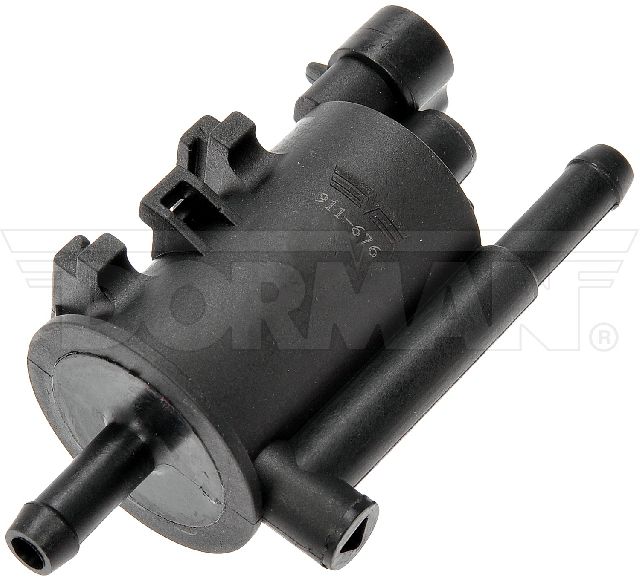
- Dorman (e.g., P/N 911-676)
- Bosch
Brands owners have reported issues with on this vehicle:
- Unbranded, ultra-low-cost parts from online marketplaces may have inconsistent quality control and are best avoided.
Real Owner Stories
Aggregated from forums and TSBs cited above. Mileages and costs reflect what owners reported in those sources.
2013 Kia Optima EX 2.4L
Symptoms: Check engine light on with code P0443.
What fixed it: Replaced the purge valve (part #28910-25100). The repair took approximately 10 minutes.
Source hint: Kia Forums - 'P0443 code'
2012 Kia Optima
Symptoms: Distinct clicking or knocking sound when turning the steering wheel.
What fixed it: Replacement of the flexible rubber coupler in the electronic power steering column as per the warranty extension.
Source hint: Reddit r/kia - '2012 Kia Optima - Steering Wheel Coupler?'
Related OBD-II Codes
Frequently Asked Questions
Which part number do I need for my 2011-2015 Kia Optima purge valve?
Is there a TSB for the P0443 code on my Optima?
Where is the purge control valve located on the 2.4L or 2.0T engine?
Can a blown fuse cause the P0443 code in a Kia?
What should the resistance be when testing the Optima's purge solenoid?
Why does my Optima have trouble starting only after I fill up the gas tank?
Helpful Videos

Used OEM Parts in Stock
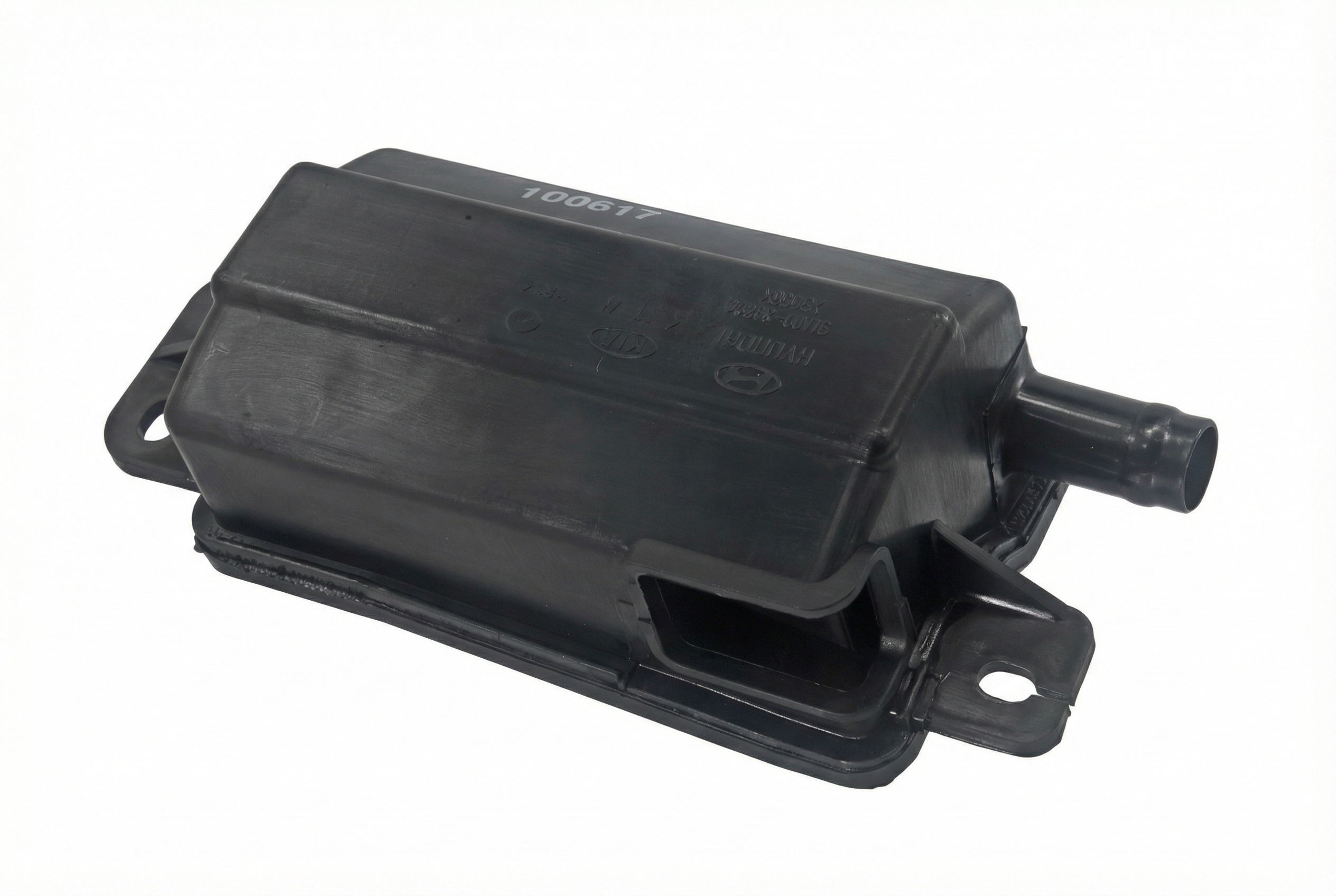
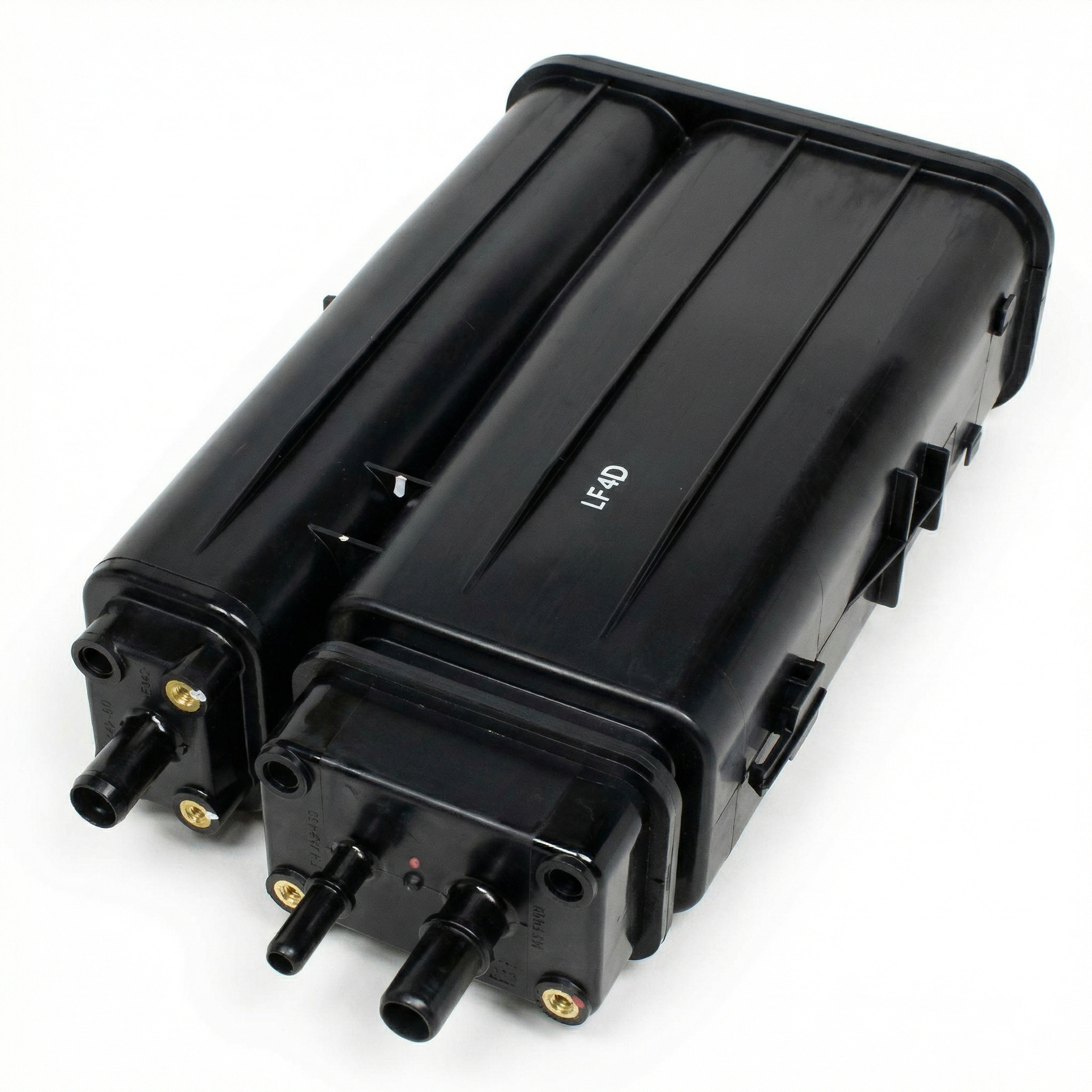
New Aftermarket Parts Available

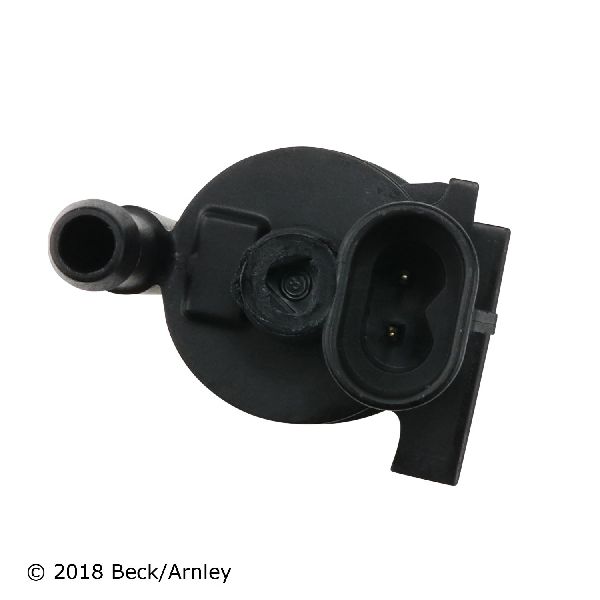
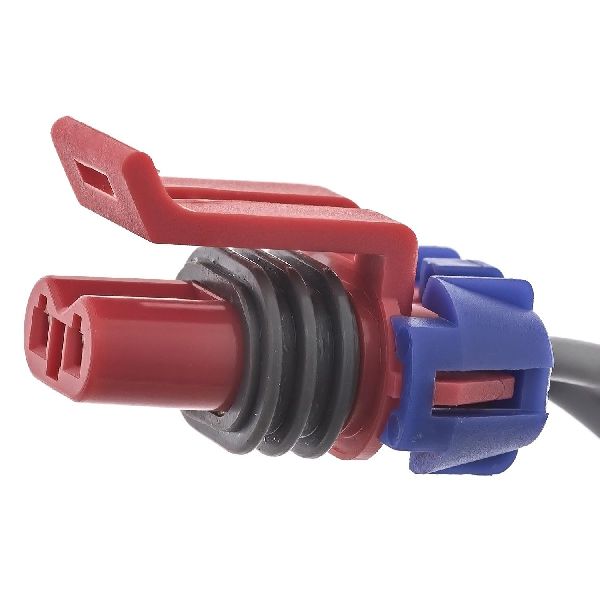

The information in this article is provided for general reference and educational purposes only. Vehicle specifications, procedures, and part compatibility can vary by production date, trim level, and region. Always consult your vehicle's factory service manual and verify part numbers before purchasing or performing repairs. Safety-critical components such as airbags, seat belts, and braking systems should be installed by a qualified professional.
- Kia Optima:
- 🧭 Diagnostic Flowchart
- 🎬 Helpful Videos
- 🛍️ Shop This Part
- What's Unique About the 2011-2015 Kia Optima
- Symptoms You May Notice
- Most Likely Causes
- Rare But Worth Checking
- Diagnosis Steps
- Parts You'll Likely Need
- Related Codes That Often Appear With This One
- Technical Service Bulletins (TSBs) & Recalls
- Platform-Specific Known Issues
- Mechanic-Grade Diagnostic Values
- Scan Tool Commands That Help
- Wiring & Ground Locations
- Real Owner Repair Stories
- OEM Part Supersession History
- Model Year Variations Within This Range
- Other Known Issues on This Vehicle
- Used vs. New Parts: Buying Guide for This Vehicle
- Real Owner Stories
- 2013 Kia Optima EX 2.4L
- 2012 Kia Optima
- Related OBD-II Codes
- Frequently Asked Questions
- 🎟️ Get 5% Off