

P0443 on 2016-2020 Kia Sorento: Purge Valve Circuit Malfunction Causes and Fixes
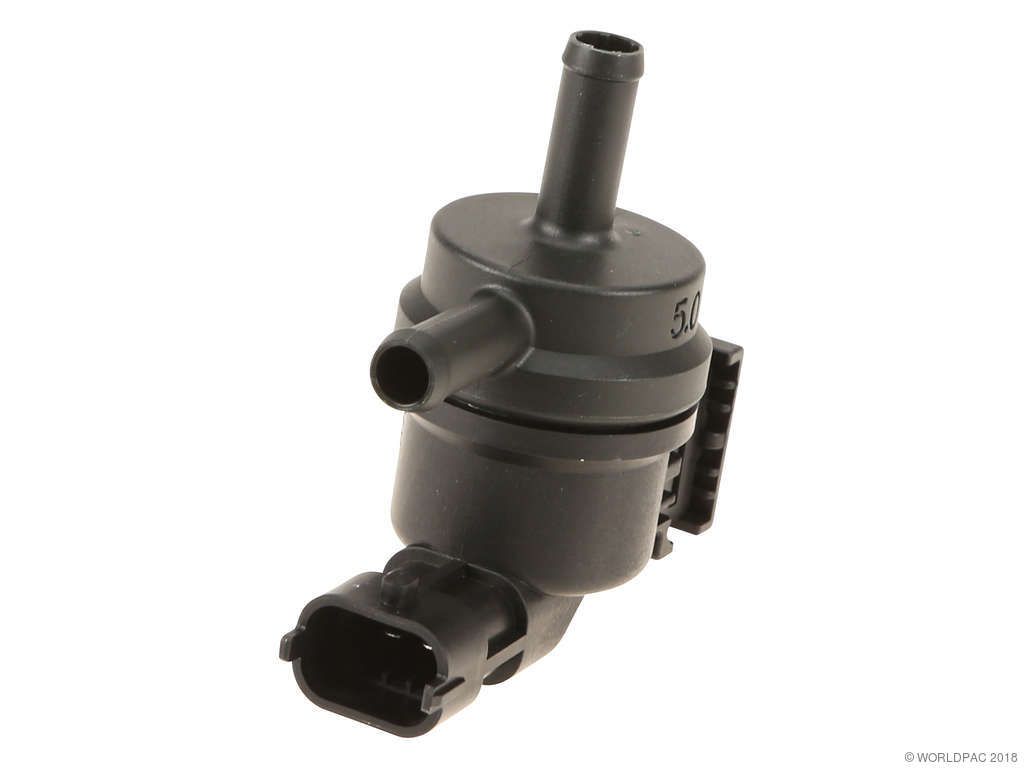
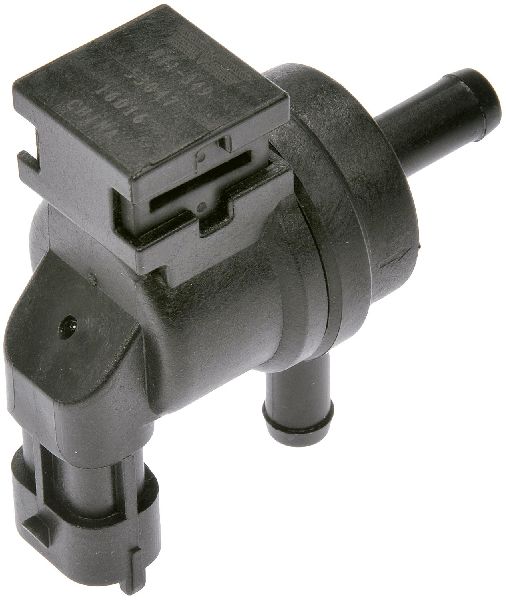
On a 2016-2020 Kia Sorento, code P0443 almost always points to a failed canister purge valve (solenoid). This is a common, inexpensive, and easy DIY fix. Expect to pay $25-$60 for the part, which can be replaced in under 30 minutes. The part number differs by engine: 28910-2S000 for the 2.4L I4 and 28910-3C200 for the 3.3L V6.
- P0443 on your Sorento is an electrical circuit code, not a leak code.
- The most likely cause by far is a bad canister purge valve, which is a cheap and easy part to replace yourself.
- Symptoms often include a check engine light and difficulty starting the car immediately after filling the gas tank.
- Before buying any parts, perform a quick visual inspection of the valve's wiring and connector for obvious damage.
- Do not replace the gas cap for this specific code; it is not the cause.
- Ensure you purchase the correct purge valve for your engine, as the 2.4L and 3.3L V6 use different parts.
What's Unique About the 2016-2020 Kia Sorento
The 2016-2020 Sorento (third generation) uses a canister purge valve that is a known high-failure item across many Kia and Hyundai models. The issue is typically the valve's internal solenoid coil failing electrically (either opening or shorting out) rather than a complex system leak. This makes diagnosis relatively straightforward, as the problem is rarely the vehicle's computer or a complicated wiring issue. It's important to note that the purge valve is engine-specific, with different part numbers for the 2.4L and 3.3L V6 engines.
Symptoms You May Notice
- Check Engine Light is on 🎬 Watch: Understanding the causes and fixes for code P0443
- Difficulty starting the engine, especially right after getting gasoline
- Rough or unstable idle
- Slight decrease in fuel economy
- A faint fuel odor near the vehicle
- Engine hesitation or misfire
- Replacing the gas cap. While a bad gas cap can cause other EVAP codes (like P0455 for a large leak), it will not cause a P0443 circuit code.
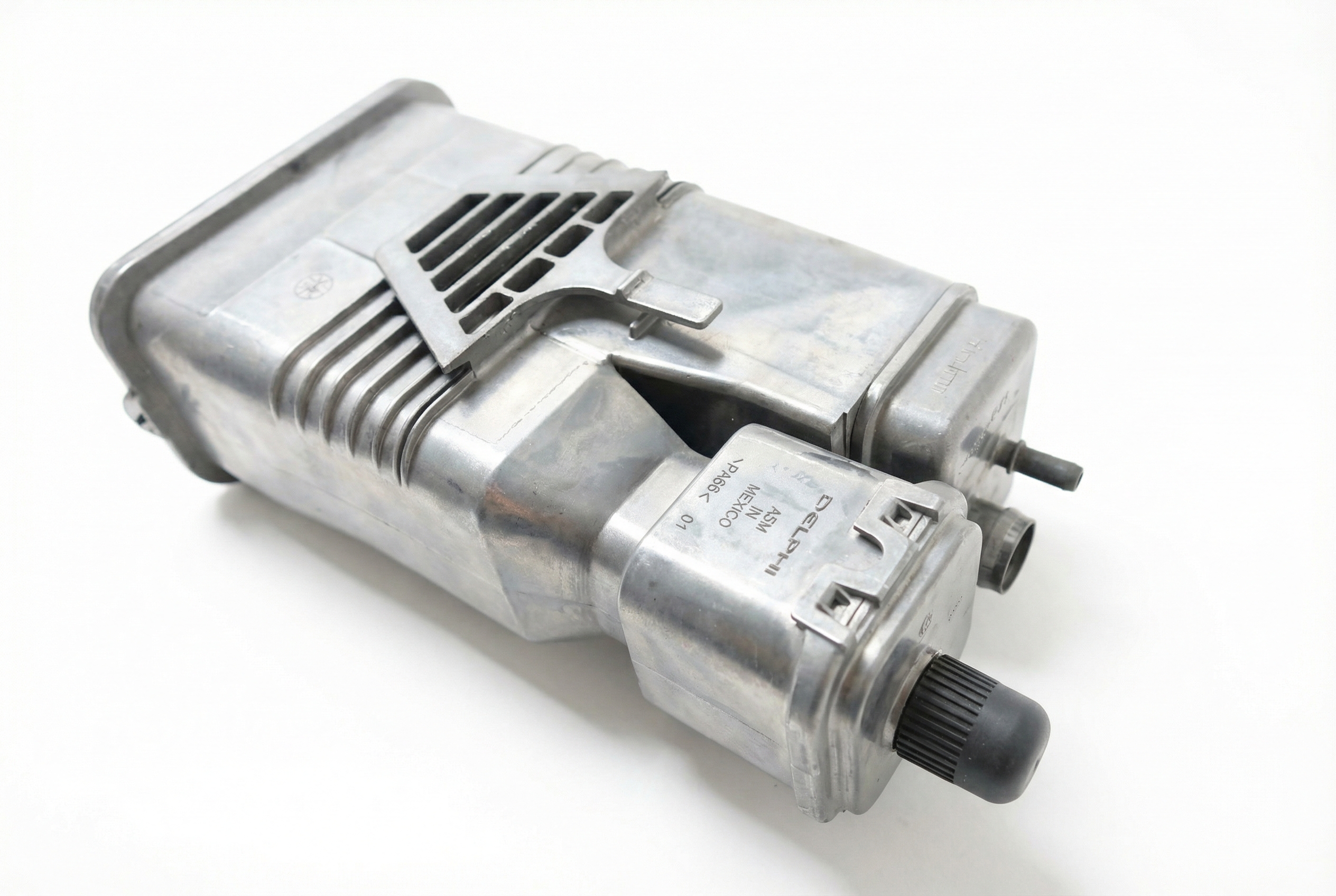
- Replacing the charcoal canister. The canister itself is a passive component for storing vapors and is not part of the electrical circuit that triggers P0443.
Most Likely Causes
- Failed Canister Purge Valve (Solenoid) 🔴 High Probability → Shop Vapor Canister This specific part has a high rate of failure on many Kia/Hyundai platforms due to normal wear and tear of the internal electrical coil. The solenoid can burn out, get stuck, or develop an internal short/open circuit.
How to confirm: Locate the valve on or near the intake manifold in the engine bay. With the engine off, disconnect the electrical connector and measure the resistance across the two pins with a multimeter. A healthy valve should have a specific resistance (often 20-30 ohms, but check specifications). An infinite reading (open circuit) or zero reading (short circuit) confirms failure. Alternatively, if you can blow air through the valve when it's disconnected and unpowered, it's stuck open and faulty.
Typical fix: Replace the canister purge valve. This is a simple repair involving disconnecting a wiring harness and two hoses. 🎬 Watch this walkthrough for removing and replacing the valve
Est. part cost: $25-$60 - Damaged Wiring or Connector 🟡 Medium Probability The wiring harness in the engine bay is exposed to heat and vibration, which can lead to chafing, breaks, or corrosion on the connector pins over time.
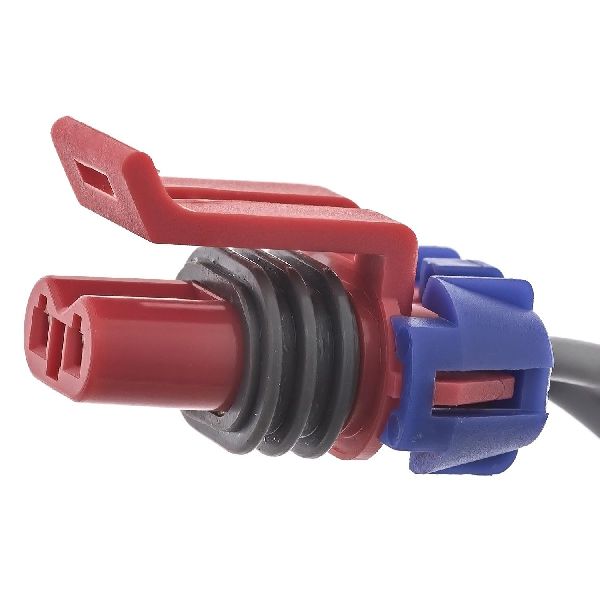
How to confirm: Visually inspect the wiring harness and connector leading to the purge valve. Look for any signs of cracked insulation, corrosion on the pins, or loose connections. Use a multimeter to check for 12V power at the connector with the key on. The connector is a 2-pin, 14-gauge wire connector.
Typical fix: Repair the damaged section of wire or clean/replace the connector.
Est. part cost: $5-$20 - Blown Fuse ⚪ Low Probability
How to confirm: Check the fuse box in the engine compartment for a fuse related to the emissions system or sensors. On some Kia models, this fuse may be labeled 'SENSORS 2'. A wiring diagram for your specific model year can help identify the correct fuse.
Typical fix: Replace the blown fuse. If the fuse blows again immediately, it indicates a short circuit in the wiring or the purge valve itself.
Est. part cost: $1-$5
Rare But Worth Checking
- Faulty Powertrain Control Module (PCM): → Shop Engine Control Module (ECM) This is extremely rare. The PCM should only be considered after all other possibilities, including the valve and its entire circuit, have been thoroughly tested and ruled out.
Diagnosis Steps
- Scan the vehicle for trouble codes to confirm P0443 is the primary code.
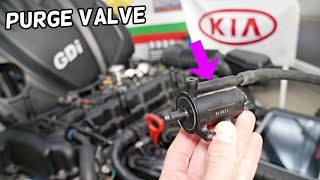
- Locate the canister purge valve in the engine bay. It's a small black solenoid with two hoses and an electrical connector, usually mounted on or near the intake manifold.
- Inspect the electrical connector and wiring harness for any visible damage, corrosion, or loose connections.
- If the wiring looks good, disconnect the connector. Turn the ignition to 'On' (engine off) and use a multimeter to check for battery voltage (typically 12V) at one of the pins in the connector.
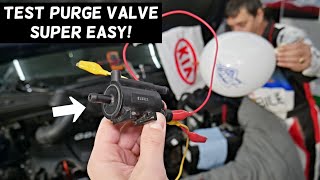
- If power is present, test the purge valve itself. Disconnect the hoses and connector. Measure the electrical resistance between the two pins on the valve. Compare this reading to the manufacturer's specification (typically 20-30 Ohms). A reading of 'OL' (over-limit/open) or near zero ohms indicates a bad valve.
- Perform a functional test. With the valve disconnected, try to blow through it. No air should pass. If it does, the valve is stuck open and is faulty.
- If the valve tests good but the code persists, check for continuity on the ground wire from the valve's connector back to the PCM. The PCM provides the ground signal to activate the valve.
- Check for a blown fuse, which may be labeled for sensors or emissions components in the engine bay fuse box.
- If all wiring and the valve itself are confirmed to be good, the issue may be with the PCM driver, but this is highly unlikely.
Parts You'll Likely Need
- Vapor Canister Purge Valve / Solenoid
(OEM #28910-3C200 (for 3.3L V6), 28910-2S000 (for 2.4L I4))— This is the component that fails most frequently, causing the P0443 circuit code. It is critical to use the correct part for your specific engine.
Trusted brands: Kia/Hyundai (OEM), Standard Motor Products (SMP), Bosch, Delphi
OEM price range: $45-$75
Aftermarket price range: $25-$50
Related Codes That Often Appear With This One
- P0444 — Indicates the purge control valve circuit is open, often caused by the same faulty valve or a broken wire.
- P0445 — Indicates the purge control valve circuit is shorted, which can also be caused by a failed valve solenoid.
- P0441 — Indicates incorrect purge flow. This can be triggered if the purge valve is mechanically stuck open or closed, which can happen alongside the electrical fault that sets P0443.
Mechanic-Grade Diagnostic Values
- Canister Purge Solenoid Valve (PCSV) internal coil resistance — expected: Approximately 26 Ω at 68°F (20°C). A general acceptable range is 15-35 Ω.. Failure: A reading of 0 Ω (short circuit) or infinite/OL (open circuit) indicates a failed valve.
- Voltage at PCSV connector (power side pin) — expected: Approximately 12V (Battery Voltage) with Ignition ON, Engine OFF.. Failure: No voltage or significantly low voltage suggests a blown fuse (e.g., 'SENSORS 2'), a bad relay, or an open in the power supply wire.
- Voltage at PCSV connector (control side pin, back-probed) — expected: Near battery voltage when valve is commanded OFF. Near 0V when valve is commanded ON by the PCM (or a bidirectional scan tool).. Failure: Voltage does not change when the valve is commanded, which points to a break in the control wire to the PCM or a faulty PCM driver.
Scan Tool Commands That Help
- Kia GDS (Global Diagnostic System) or equivalent bidirectional scanner: Actuation Test for EVAP Purge Solenoid — This command allows a technician to manually cycle the purge valve open and closed. It is used to verify if the solenoid clicks audibly and if the control circuit is functioning correctly by observing voltage changes with a multimeter. This definitively isolates the problem to the valve itself or the wiring/PCM.
Wiring & Ground Locations
- ECM Connector Pin 72 — At the main Engine Control Module (ECM) connector.. This is the specific control output pin from the ECM for the Purge Control Solenoid Valve. If the valve and wiring from the connector test good, a technician can test for a signal directly at this pin to confirm or rule out a faulty PCM driver, which is the last step in diagnosis.
- Purge Valve Connector (PCSV) — In the engine bay, connected to the purge valve, typically mounted on or near the intake manifold.. This 2-pin connector provides power and ground control to the valve. Inspecting for corrosion, spread pins, or damage is a primary diagnostic step. The power pin should have battery voltage with the key on.
Diagnostic Flowchart
Other Known Issues on This Vehicle
Issues unrelated to this code that are worth knowing about as an owner of this generation:
- Theta II GDI Engine Failure (2.0L & 2.4L) 🔴 High — Widespread, typically between 60,000-120,000 miles. Caused by manufacturing debris leading to connecting rod bearing failure. (Ref: Subject of multiple recalls (e.g., NHTSA 23V-877 for earlier models) and class-action lawsuits leading to lifetime warranty extensions for the engine short block on affected vehicles that received a Knock Sensor Detection System (KSDS) update.)
- Peeling White Paint ('Snow White Pearl') 🟡 Low — Common issue where paint, particularly white pearl, bubbles and peels in large sheets from the hood, roof, and fenders. (Ref: No official recall, but Kia has issued warranty extensions (e.g., TSB 22-BD-010H for related Hyundai models) and handled some repairs on a case-by-case basis. Subject of multiple class-action lawsuits.)
- Transmission Shifting Issues 🟠 Medium — Complaints include hard shifting, delayed engagement, or getting stuck in gear. Sometimes resolved with a software update or fluid change, but can indicate internal wear. (Ref: Various TSBs may apply depending on the specific symptom and model year. No single recall covers all issues for this generation.)
- Premature Headlight Bulb Failure 🟡 Low — Frequent owner complaints of low-beam headlight bulbs burning out multiple times per year. (Ref: No TSB or recall, but it is a widely discussed owner complaint. Some suggest the wiring harness may be the root cause.)
- Timing Chain Tensioner Rattle (2.4L) 🟠 Medium — A metallic rattle from the engine, especially on cold starts, can indicate a failing timing chain tensioner, typically between 30,000-60,000 miles. If ignored, it can lead to engine failure. (Ref: Kia released an updated tensioner part to address the issue.)
Used vs. New Parts: Buying Guide for This Vehicle
When a used part is the smart pick: For this specific repair, a used part is NOT recommended. The canister purge valve is a known high-failure component with a finite lifespan. Given the low cost of a new aftermarket part (often $25-$50), the savings from a used part do not justify the risk of premature failure.
What to inspect on the donor part:
- Not applicable as used parts are not advised for this component.
OEM-only on this vehicle (don't cheap out):
- No parts for this specific P0443 repair are strictly OEM-only. Quality aftermarket purge valves are widely available and effective.
Aftermarket brands forum-validated for this vehicle:
- Standard Motor Products (SMP)
- Bosch
- Delphi
- Dorman
Brands owners have reported issues with on this vehicle:
- No-name, unbranded parts from online marketplaces may have poor quality control and should be avoided despite their low price.
Real Owner Stories
Aggregated from forums and TSBs cited above. Mileages and costs reflect what owners reported in those sources.
2016-2020 Kia Sorento
Symptoms: Owners reported the Check Engine Light was on and confirmed it was a simple DIY replacement that could be done in under 30 minutes.
What fixed it: Replacing the purge solenoid valve.
Source hint: sorentonation.com: Discussions mirror those on other forums, with members sharing success stories of resolving the P0443 code by replacing the purge solenoid valve themselves in under 30 minutes.
2016-2020 Kia Sorento
Symptoms: High failure rate of the purge valve leading to the P0443 code; often recommended as the first part to replace.
What fixed it: Replacing the purge valve.
Source hint: reddit.com/r/kia: Posts in this subreddit confirm the high failure rate of the purge valve for the P0443 code and often recommend it as the first and most likely part to replace.
Related OBD-II Codes
Frequently Asked Questions
Is there a specific fuse I should check for the P0443 code on my Kia Sorento?
My 2016-2020 Sorento is hard to start specifically after I fill up with gas. Is this related to P0443?
Can I use a used purge valve from a salvage yard to save money on this repair?
Which specific part number is often associated with this failure in Kia vehicles sharing this platform?
What should the electrical resistance be for a healthy purge valve on my Sorento?
Is the P0443 code related to the Theta II engine recalls or the KSDS update?
Helpful Videos
Used OEM Parts in Stock
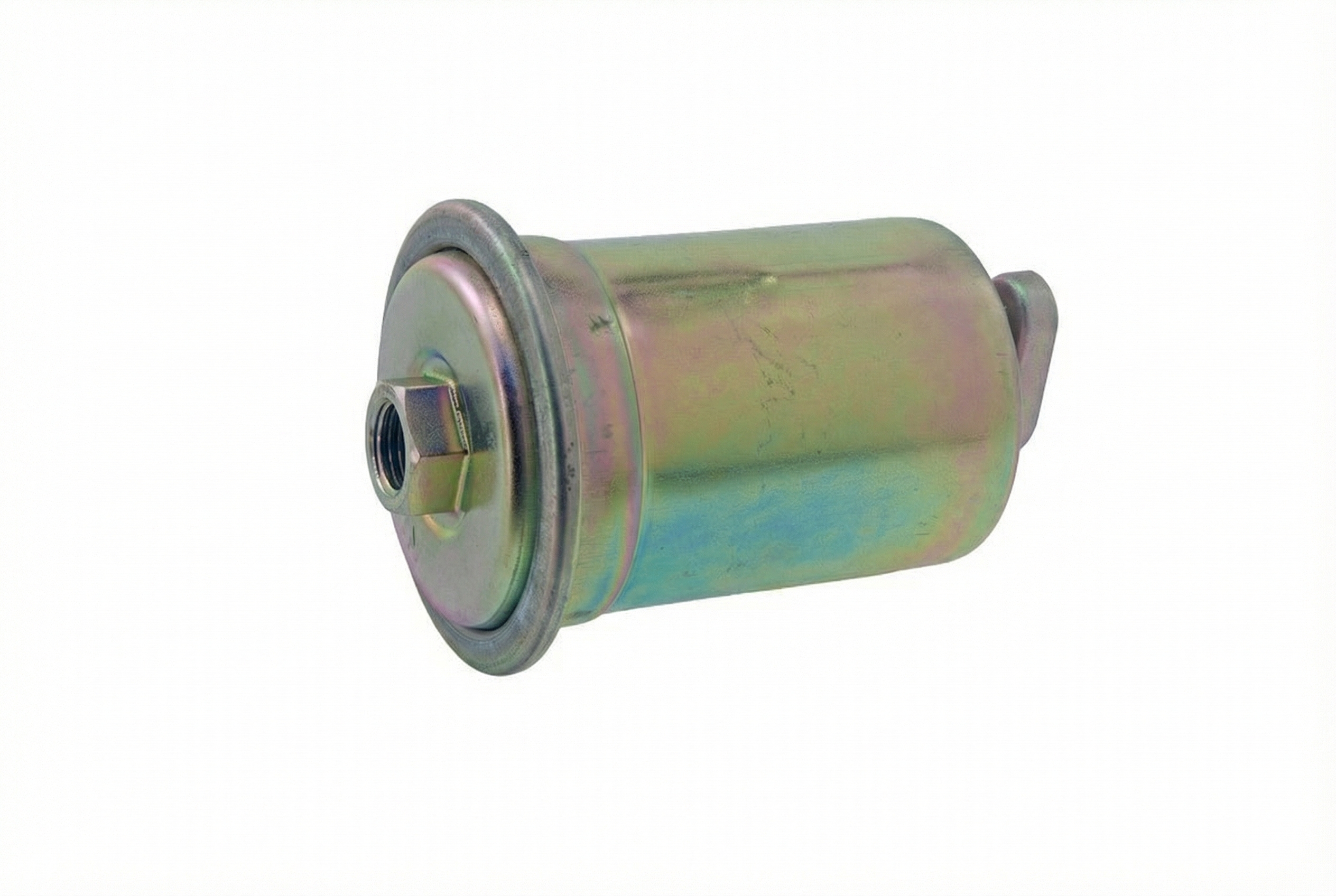
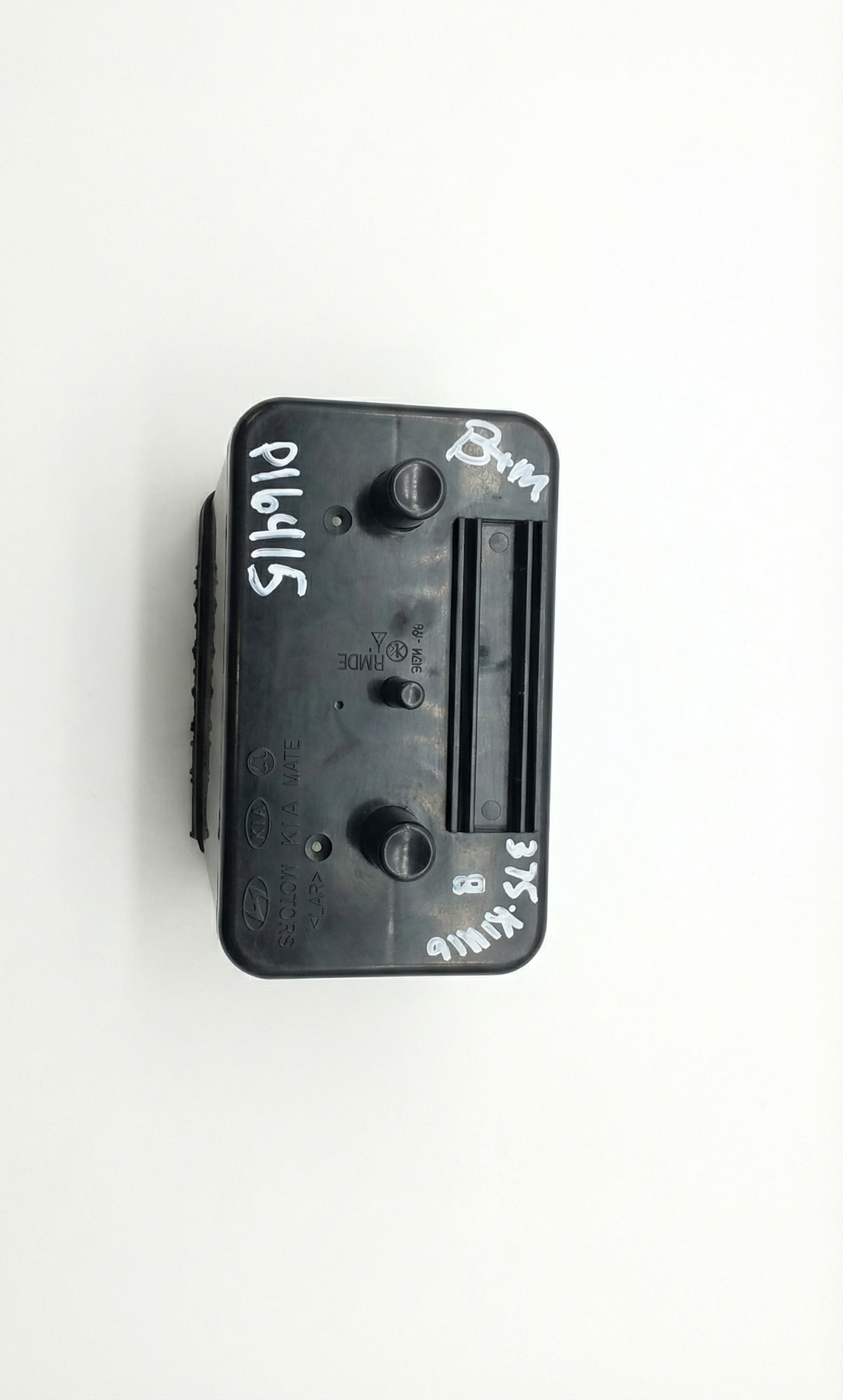
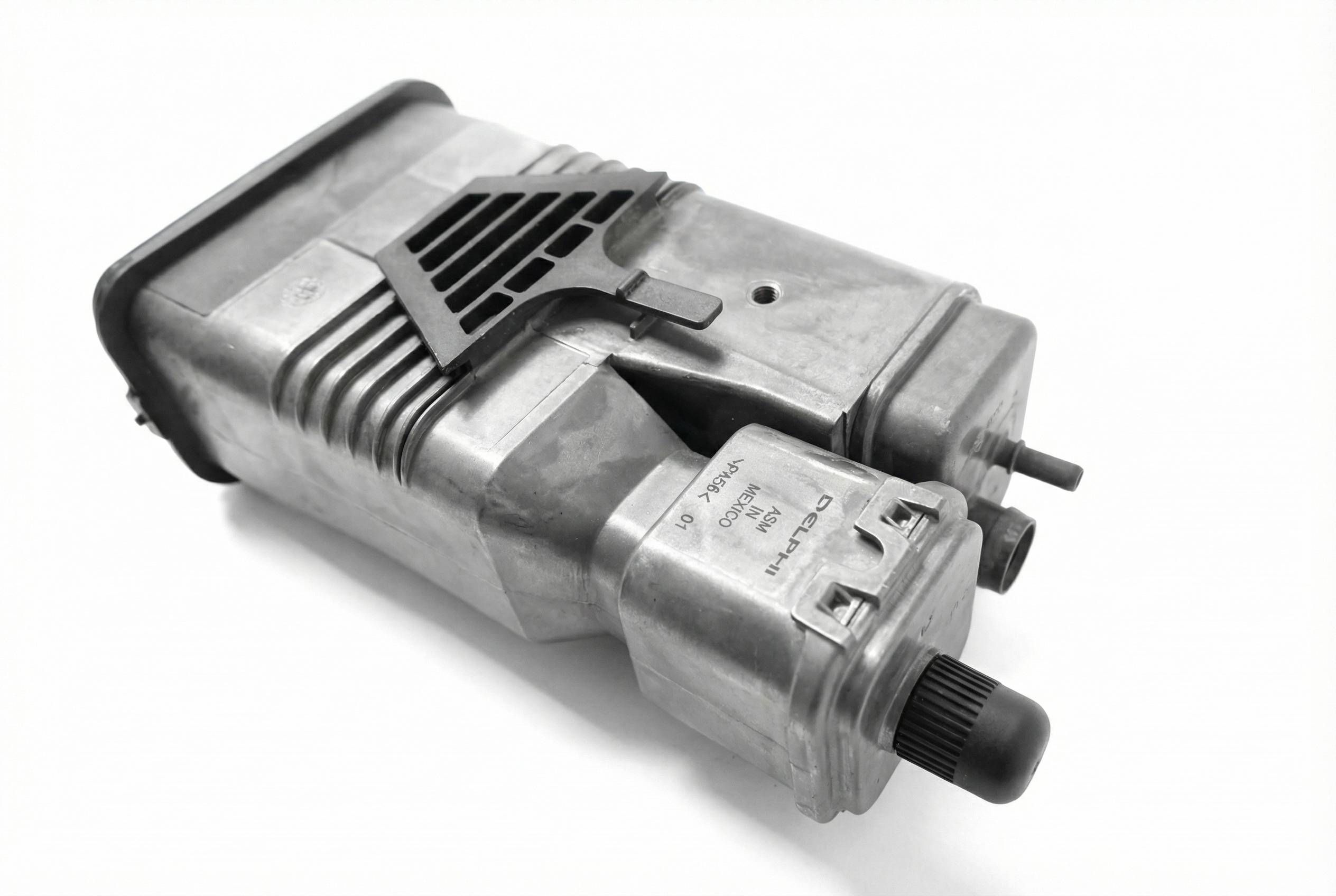
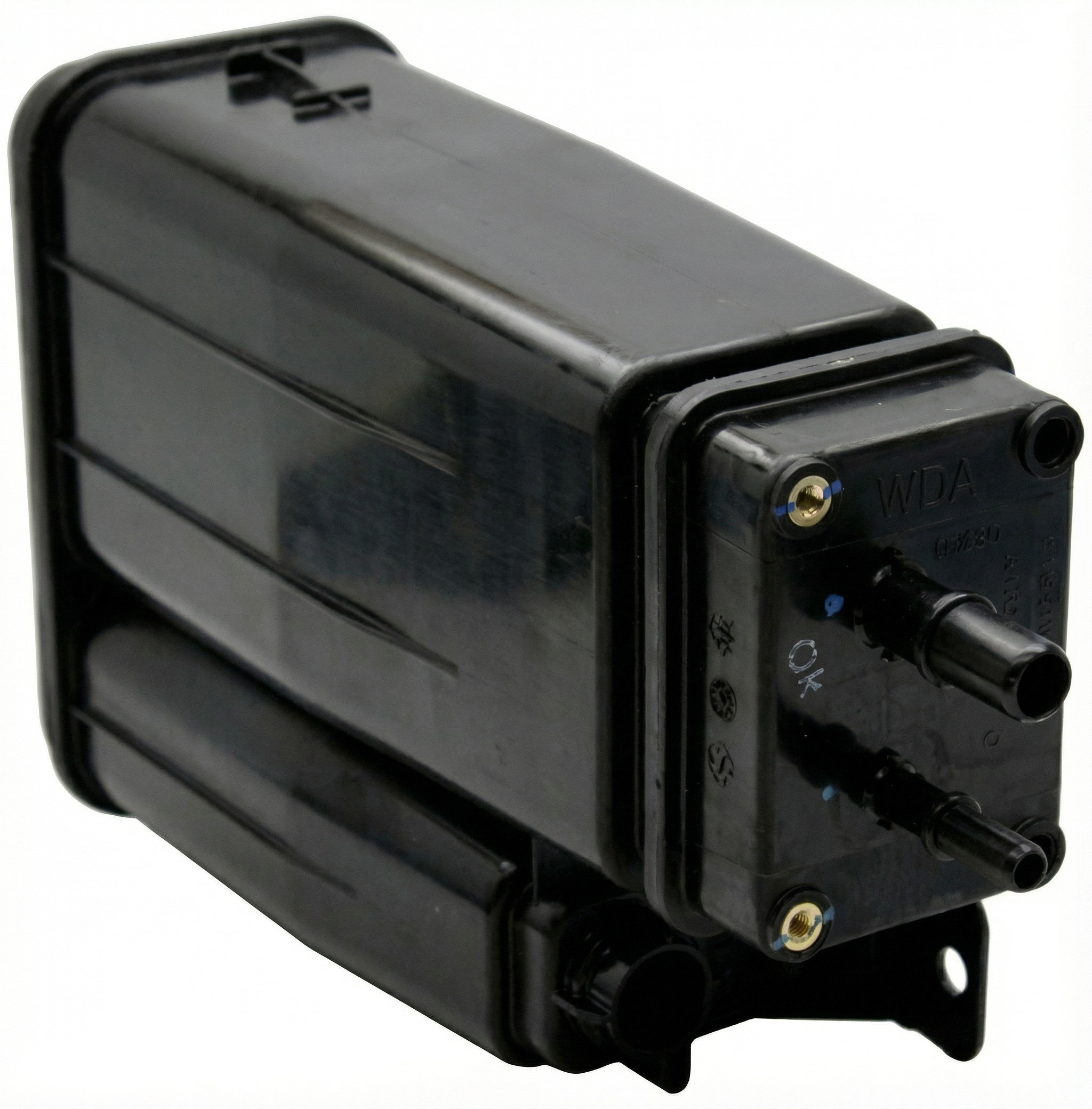
New Aftermarket Parts Available


The information in this article is provided for general reference and educational purposes only. Vehicle specifications, procedures, and part compatibility can vary by production date, trim level, and region. Always consult your vehicle's factory service manual and verify part numbers before purchasing or performing repairs. Safety-critical components such as airbags, seat belts, and braking systems should be installed by a qualified professional.
- Kia Sorento:
- 🧭 Diagnostic Flowchart
- 🎬 Helpful Videos
- 🛍️ Shop This Part
- What's Unique About the 2016-2020 Kia Sorento
- Symptoms You May Notice
- Most Likely Causes
- Rare But Worth Checking
- Diagnosis Steps
- Parts You'll Likely Need
- Related Codes That Often Appear With This One
- Mechanic-Grade Diagnostic Values
- Scan Tool Commands That Help
- Wiring & Ground Locations
- Other Known Issues on This Vehicle
- Used vs. New Parts: Buying Guide for This Vehicle
- Real Owner Stories
- 2016-2020 Kia Sorento
- 2016-2020 Kia Sorento
- Related OBD-II Codes
- Frequently Asked Questions
- 🎟️ Get 5% Off