

P0443 on 2018-2023 Kia Stinger: EVAP Purge Valve Circuit Causes and Fixes
For the 2018-2023 Kia Stinger, code P0443 almost always points to a failed EVAP canister purge control valve. It's an electrical circuit fault, not a gas cap leak. Expect to pay $60-$130 for a new OEM valve, and it's a relatively simple DIY replacement for most owners. Verifying the correct part number for your specific engine (2.0T/2.5T vs. 3.3T) is crucial.
- P0443 on a Kia Stinger is an electrical fault with the purge valve circuit, not a gas cap or vacuum leak issue.
- The most likely fix is replacing the canister purge control valve, which is a simple DIY job for most owners.
- It is critical to verify the correct OEM part number for your Stinger's specific engine (3.3T vs 2.0T/2.5T) before purchasing.
- Always check the fuse and wiring connector for simple issues before replacing the valve itself.
What's Unique About the 2018-2023 Kia Stinger
The Kia Stinger, across its 2.0T, 2.5T, and 3.3T engines, does not have a widely documented, chronic failure pattern for the P0443 code, unlike some other Hyundai/Kia models. The issue appears to be a standard part failure rather than a systemic design flaw. The most critical platform-specific detail is that the OEM part number for the purge valve changes depending on the engine and model year, so verifying the correct part before purchase is essential. Owner reports suggest that simply checking if the valve's electrical connector has come loose is a worthwhile first step.
Symptoms You May Notice
- Check Engine Light is on
- Slightly rough idle or engine hesitation
- A faint fuel odor near the vehicle
- Difficulty starting the engine immediately after refueling
- Slight decrease in fuel efficiency
- Automatic failure of an emissions test
- Replacing the gas cap. P0443 is an electrical circuit code, not a system leak code. A bad gas cap would trigger codes like P0455 (gross leak), P0456 (very small leak), or P0457 (loose cap).
Most Likely Causes
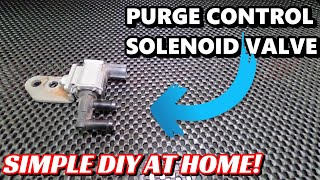
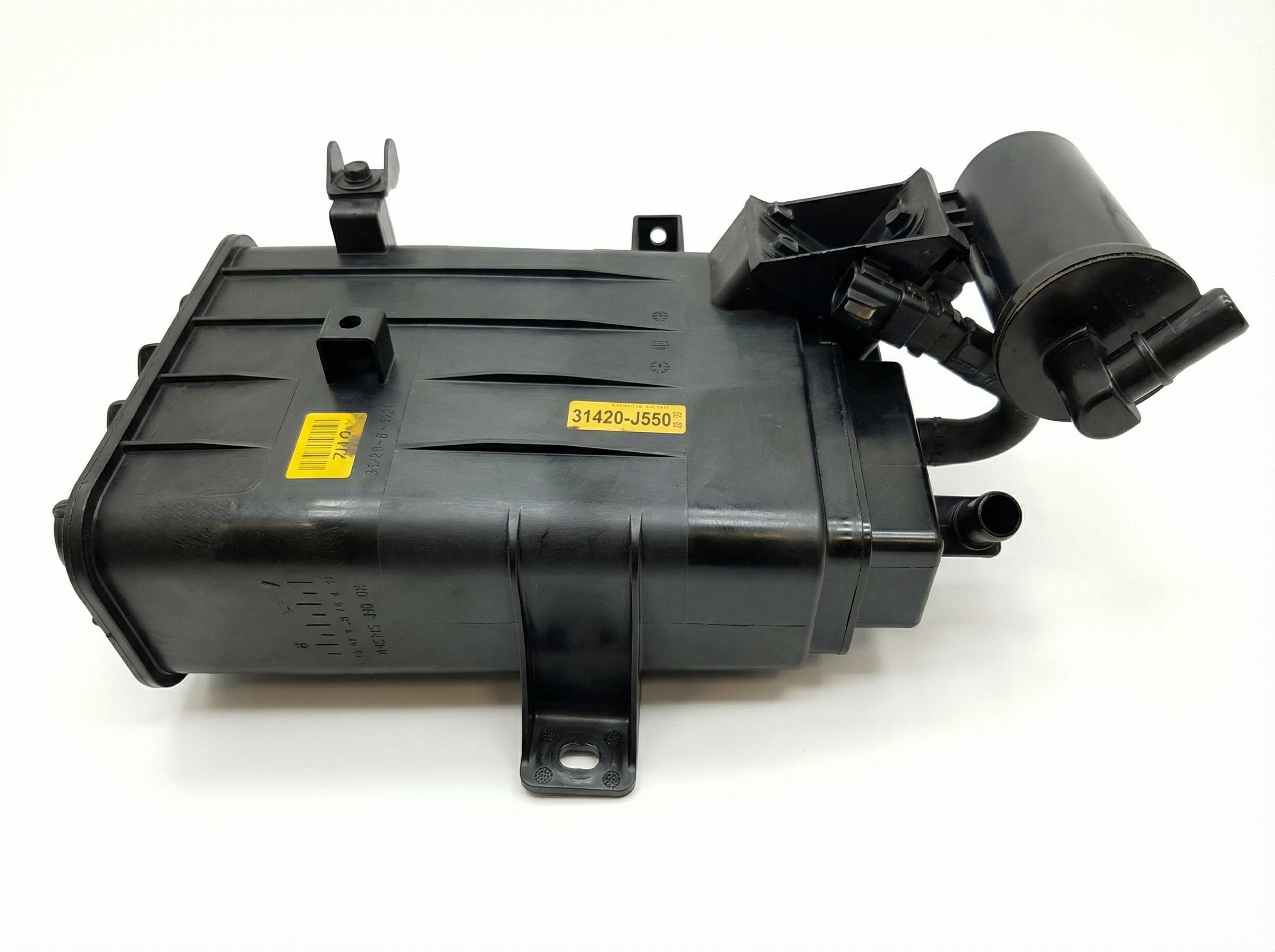
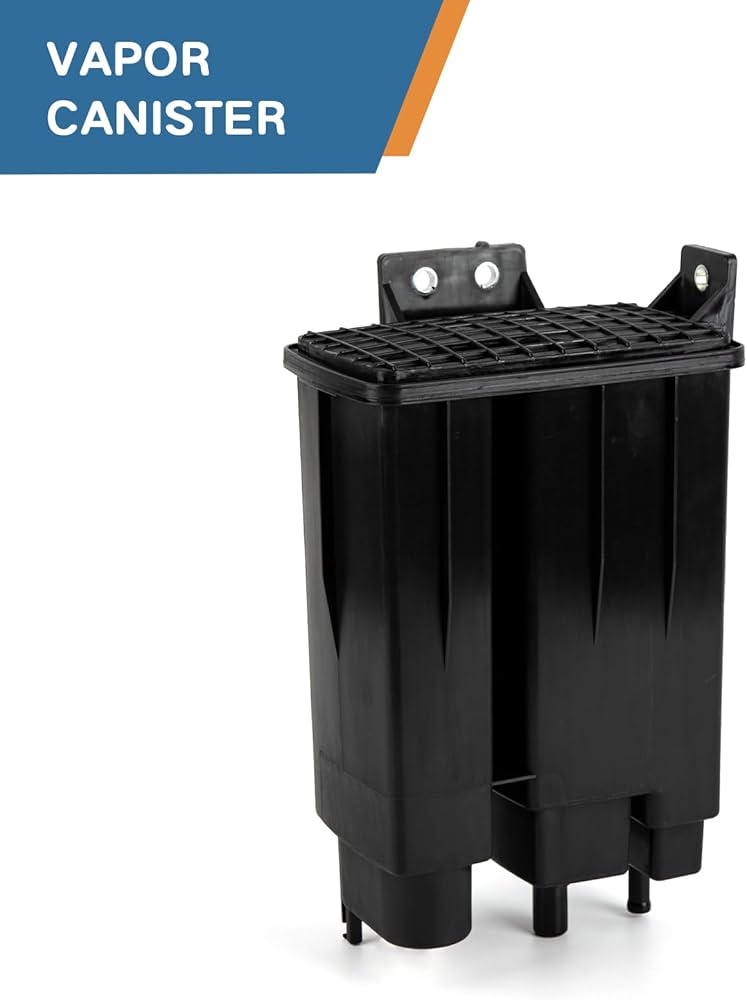
- Failed Canister Purge Control Valve (Solenoid) 🔴 High Probability → Shop Vapor Canister This is the most common failure point for this code on most modern vehicles, including Kia models. The solenoid's internal coil can fail electrically over time due to heat and vibration, leading to an open or short circuit.
How to confirm: After confirming the wiring and fuse are good, the valve is the prime suspect. A multimeter can be used to check for resistance across the valve's two pins. According to Kia's service manual, the specified resistance is 18.5 - 22.5 Ω at 68°F (20°C). Some general Kia sources cite a broader acceptable range of 15-30 ohms. A reading of infinite resistance (open circuit) or near-zero resistance (short circuit) confirms a failed valve. The valve is normally closed, so you should not be able to blow air through it when it's disconnected.
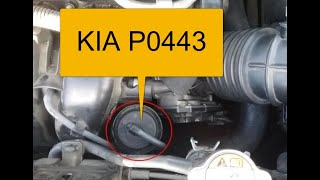
Typical fix: Replace the canister purge control valve. It is typically located on or near the intake manifold in the engine bay.
Est. part cost: $60-$130 - Wiring Harness or Connector Issue 🟡 Medium Probability The wiring harness in the engine bay is exposed to heat and vibration, which can cause wires to break or chafe over time. The connector itself can become loose, corroded, or damaged. A Stinger owner with a related code found the connector had simply become unplugged. 🎬 Watch: Step-by-step Kia P0443 diagnostic and repair guide
How to confirm: Visually inspect the entire wiring harness leading to the purge valve for any signs of damage, melting, or corrosion. Ensure the electrical connector is securely plugged into the valve and that the pins inside are clean and not bent. Use a test light or multimeter to confirm 12V power at one pin of the connector with the ignition on.
Typical fix: Repair the damaged section of wiring or clean/replace the connector.
Est. part cost: $5-$25 - Blown Fuse ⚪ Low Probability An electrical short in the circuit can cause the fuse that powers the purge valve to blow.
How to confirm: Check the fuse box in the engine compartment. On many Kia models, the purge valve is powered by a 10A fuse labeled 'SENSOR 2' in the engine bay fuse panel. Consult your owner's manual or the fuse box diagram for the exact fuse location.
Typical fix: Replace the blown fuse. If the new fuse blows immediately, it indicates a short circuit in the wiring or the valve itself that must be diagnosed and repaired.
Est. part cost: $1-$5
Rare But Worth Checking
- Faulty Powertrain Control Module (PCM): → Shop Engine Control Module (ECM) This is extremely rare. The PCM's internal driver for the purge valve circuit can fail, but all other possibilities should be exhaustively ruled out before considering PCM replacement.
Diagnosis Steps
- Scan for Codes: Confirm P0443 is the primary code. Note any other codes present, such as P0444 or P0445.
- Visual Inspection: Locate the purge control valve in the engine bay (on the 3.3T, it's near the driver's side of the intake manifold). Check that the electrical connector is firmly attached. Inspect the visible wiring for any signs of cracking, melting, or physical damage.
- Check the Fuse: Locate the fuse box in the engine compartment and check the fuse for the emissions sensors (often a 10A fuse labeled 'SENSOR 2'). Replace if blown.
- Test the Circuit at the Connector: Disconnect the purge valve. With the ignition on, use a multimeter to verify that one pin has battery voltage (approx. 12V). The other pin is the ground, which is pulse-width modulated by the PCM.
- Test the Valve: With the valve disconnected, measure the electrical resistance between its two pins using a multimeter. A good valve should read between 18.5 and 22.5 ohms. If it reads as an open loop (infinite resistance) or a short (near zero resistance), the valve has failed and needs to be replaced.
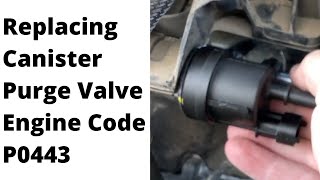
- Replace the Purge Valve: If the fuse and wiring are good, but the valve's resistance is out of spec, replace the purge control valve. Ensure you have the correct part number for your engine. 🎬 See this walkthrough on replacing a P0443 purge valve
- Clear Codes and Test Drive: After the repair, clear the trouble codes with a scanner and perform a test drive to ensure the code does not return.
Parts You'll Likely Need
- Canister Purge Control Valve (3.3T V6)
(OEM #28910-3L270 (supersedes 28910-3L000))— This solenoid is the most common failure point for a P0443 code on the 3.3L twin-turbo engine. Part number 28910-3L270 is the current OEM part.
Trusted brands: Kia (Genuine OEM), Hyundai (Genuine OEM), Bosch
OEM price range: $55-$85
Aftermarket price range: $40-$70 - Canister Purge Control Valve (2.0T / 2.5T)
(OEM #28910-2S000)— This is the corresponding purge valve for the 4-cylinder turbo engines. While less common than the V6, these engines can also experience this failure. Always verify with VIN.
Trusted brands: Kia (Genuine OEM), Hyundai (Genuine OEM)
OEM price range: $80-$130
Aftermarket price range: $50-$90
Related Codes That Often Appear With This One
- P0444 — Indicates 'Purge Control Valve Circuit Open'. This is a more specific version of P0443 and often points directly to a disconnected plug, broken wire, or a failed-open coil inside the valve.
- P0445 — Indicates 'Purge Control Valve Circuit Shorted'. This is another specific version of P0443 and points to a short circuit in the wiring or the valve's coil.
Technical Service Bulletins (TSBs) & Recalls
- While no TSBs directly address the P0443 code specifically, several exist for related vehicle systems. For example, TSB SC279 involves an ECM software update for the 2.0T engine, and various TSBs address interior rattles (BOD317) and infotainment issues (ELE264), which are common owner complaints.
Mechanic-Grade Diagnostic Values
- Purge Control Valve Coil Resistance — expected: 18.5 - 22.5 Ω (official spec) or 15-30 Ω (general Kia spec). Failure: A reading of infinite resistance (OL) indicates an open coil; near-zero resistance indicates a shorted coil.
- Voltage at Purge Valve Connector (Power Pin) — expected: Battery Voltage (~12V) with Key On, Engine Off.. Failure: 0V or significantly low voltage points to a blown fuse or a break in the power supply wire.
- Voltage at Purge Valve Connector (Control Pin, back-probed) — expected: Near battery voltage when valve is commanded OFF. Drops toward 0V when commanded ON by the PCM/scan tool.. Failure: Voltage does not change when the valve is activated with a scan tool, indicating a wiring problem to the PCM or a faulty PCM driver.
- Scan Tool PID (Ford Example, for reference) — expected: EVAPCP at 0% duty cycle should show voltage near battery voltage. At 100% duty cycle, a voltage drop of at least 3V is normal.. Failure: Signal is outside the minimum or maximum limit for the commanded state.
Scan Tool Commands That Help
- Kia GDS (Global Diagnostic System) or equivalent bidirectional scanner: EVAP Purge Test / Actuation Test — This command manually cycles the purge valve solenoid on and off. It's used to audibly confirm the valve is 'clicking' and to verify the control circuit is working by watching for voltage changes at the connector. This test definitively separates a failed valve from a wiring/PCM issue.
Wiring & Ground Locations
- Purge Valve Connector — On the purge valve itself, typically mounted on or near the intake manifold. On the 3.3T, it's near the driver's side of the intake manifold.. This is the primary connection point to test for power, ground signal, and to disconnect for resistance testing of the valve. Corrosion or a loose connection here is a common cause of P0443.
- Engine Bay Fuse Box ('SENSOR 2' Fuse) — In the main fuse and relay box in the engine compartment.. This 10A fuse often provides the 12V power supply to the purge control valve. A short in the circuit will cause this fuse to blow, resulting in a P0443 code.
OEM Part Supersession History
28910-3L000→28910-3L270— Standard part revision and update by the manufacturer.
Heads up: While 28910-3L270 is the correct current part for the 3.3T Stinger, the older 28910-3L000 was also used on some 2.0L models in early years, creating potential confusion. Always verify by VIN.
Model Year Variations Within This Range
- 2022-2023: The 2.0L engine was replaced by a new 2.5L turbo engine. The purge valve part number for this engine is likely 28910-2S000, but should be verified by VIN.
- 2018-2021 vs 2022-2023: The charcoal canister part number changed between the pre-facelift (31410-J5500) and facelift (31410-J5550) models. While not directly related to the P0443 circuit code, it's a critical difference for related EVAP system repairs. The parts are not interchangeable.
Diagnostic Flowchart
Other Known Issues on This Vehicle
Issues unrelated to this code that are worth knowing about as an owner of this generation:
- Premature Brake Wear (especially GT trims) 🟠 Medium — Common complaint, especially for vehicles driven spiritedly. Rotors are known to be soft and may require machining or replacement sooner than expected.
- Paint Chipping/Peeling 🟡 Low — Reports of thin paint, particularly on the hood and front bumper, leading to chips. More common on earlier (2018-2019) models.
- Interior Rattles 🟡 Low — Owners report various rattles from the sunroof, doors, or headliner area. Some have been addressed by TSBs (e.g., TSB BOD317 for headliner noise). (Ref: TSB BOD317)
- Infotainment System Glitches 🟡 Low — Occasional issues with backup camera blue screens, slow response, or Apple CarPlay/Android Auto connectivity problems. Software updates often resolve these. (Ref: TSB ELE264 (AVN Head Unit Replacement for No Sound))
- Wiring Harness Chafing (Recall) 🔴 High — A recall was issued for some models where the wiring harness could chafe against a fender edge, potentially causing a short circuit and fire risk. (Ref: Kia Recall)
- Faulty Fuel Gauge Software (Recall) 🟠 Medium — A recall was issued for 2020-2021 models for software that could cause inaccurate fuel gauge readings and potential stalling. (Ref: Kia Recall)
Used vs. New Parts: Buying Guide for This Vehicle
When a used part is the smart pick: A used OEM purge valve from a low-mileage donor vehicle can be a cost-effective option, as it is a simple solenoid that either works or doesn't. However, given the relatively low cost of a new aftermarket or even OEM part ($40-$85), the savings may not be worth the risk of unknown service life.
Donor-vehicle mileage cap: roughly under 50000 miles for the part to have meaningful remaining life.
What to inspect on the donor part:
- Check for any cracks or damage to the plastic housing and hose ports.
- Ensure the electrical connector pins are clean, straight, and free of corrosion.
- If possible, test the resistance with a multimeter before purchase; it should be within the 18-23 ohm range.
- Source from a reputable salvage yard that offers a short warranty or return period.
OEM-only on this vehicle (don't cheap out):
- Gas Cap - Aftermarket gas caps are a frequent cause of EVAP leak codes (like P0442/P0455) and are best avoided on this platform.
Aftermarket brands forum-validated for this vehicle:
- Bosch
- Standard Motor Products (SMP)
- Dorman
Brands owners have reported issues with on this vehicle:
- No-name, unbranded parts from online marketplaces should be avoided, as their internal coil quality and durability are highly questionable.
Real Owner Stories
Aggregated from forums and TSBs cited above. Mileages and costs reflect what owners reported in those sources.
Kia Stinger (Engine not specified)
Symptoms: The owner encountered a P0444 (Circuit Open) code, which is closely related to the P0443 circuit code.
What fixed it: A simple visual inspection revealed the electrical connector at the purge valve had become loose; plugging it back in resolved the issue.
Source hint: stingerforum.org / kiastinger.com
2019-2023 Genesis G70 3.3T
Symptoms: Owners reported P0443 and related EVAP codes on this platform-mate vehicle.
What fixed it: Replacing the purge control valve (Part No. 28910-3L270).
Source hint: genesisg70forum.com
Kia Stinger
Symptoms: The vehicle had a persistent EVAP leak code (P0442).
What fixed it: Replacement of the purge valve, confirming the component is a known failure point on the Stinger platform.
Source hint: Reddit (r/kiastinger)
Related OBD-II Codes
Frequently Asked Questions
Does TSB SC279 apply to my Kia Stinger's P0443 code?
Where is the purge control valve located on the Stinger 3.3T?
What is the correct electrical resistance for a new Stinger purge valve?
Is there a specific fuse I should check for this EVAP issue?
Can I use the purge valve from a Genesis G70 to fix my Stinger?
Could my P0443 code be related to the wiring harness recall?
Helpful Videos
We Have This Part in Stock

The information in this article is provided for general reference and educational purposes only. Vehicle specifications, procedures, and part compatibility can vary by production date, trim level, and region. Always consult your vehicle's factory service manual and verify part numbers before purchasing or performing repairs. Safety-critical components such as airbags, seat belts, and braking systems should be installed by a qualified professional.
- Kia Stinger:
- 🧭 Diagnostic Flowchart
- 🎬 Helpful Videos
- 🛍️ Shop This Part
- What's Unique About the 2018-2023 Kia Stinger
- Symptoms You May Notice
- Most Likely Causes
- Rare But Worth Checking
- Diagnosis Steps
- Parts You'll Likely Need
- Related Codes That Often Appear With This One
- Technical Service Bulletins (TSBs) & Recalls
- Mechanic-Grade Diagnostic Values
- Scan Tool Commands That Help
- Wiring & Ground Locations
- OEM Part Supersession History
- Model Year Variations Within This Range
- Other Known Issues on This Vehicle
- Used vs. New Parts: Buying Guide for This Vehicle
- Real Owner Stories
- Kia Stinger (Engine not specified)
- 2019-2023 Genesis G70 3.3T
- Kia Stinger
- Related OBD-II Codes
- Frequently Asked Questions
- 🎟️ Get 5% Off