

P0443 on 2012-2017 Mazda CX-5: EVAP Purge Valve Circuit Malfunction Causes and Fixes
For a 2012-2017 Mazda CX-5, code P0443 almost always points to a failed EVAP purge solenoid valve. This is a common and relatively inexpensive DIY fix, with the part costing between $40 and $100.
- P0443 on a 2012-2017 CX-5 points to an electrical fault in the purge valve circuit, not a system leak.
- The most likely culprit is a failed purge solenoid valve, which is a simple and affordable part to replace.
- Before buying parts, perform a quick visual inspection of the wiring and connector for obvious damage.
- This is a DIY-friendly repair that can typically be done in under an hour with basic hand tools.
- Ignoring the code will cause an automatic failure on an emissions test.
What's Unique About the 2012-2017 Mazda CX-5
The 2012-2017 Mazda CX-5 belongs to the first generation (KE) which introduced the Skyactiv engine family. For this generation, the P0443 code is a straightforward electrical circuit fault. The most common point of failure is the purge solenoid valve itself, which is a relatively common issue across many modern vehicles, including this CX-5. There are no widespread, unique design flaws on this specific platform that make it unusually prone to this code, but the valve can fail from normal wear and tear.
Generation note: The 2012-2017 model year range covers the first generation (KE) of the Mazda CX-5, which was sold in North America from model year 2013 to 2016. The fundamental design of the EVAP system and the likely causes for P0443 are consistent across this generation.
Symptoms You May Notice
- Check Engine Light is on.
- Slightly rough idle, especially after refueling.
- Minor decrease in fuel economy.
- Possible difficulty starting the engine.
- A faint fuel odor may be present if the valve is stuck open.
- Replacing the gas cap. A faulty gas cap typically causes a P0455 (large leak) or P0457 (loose cap) code, not a P0443 circuit code.
- Replacing the charcoal canister. The canister is a storage component and is not part of the electrical circuit for the purge valve. A failed canister would likely set different codes.
Most Likely Causes
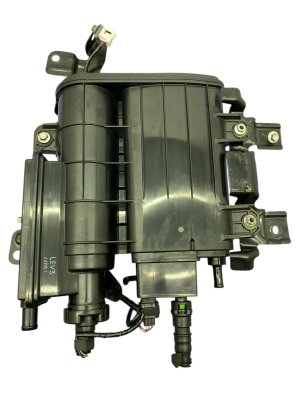
- Faulty EVAP Purge Solenoid Valve 🔴 High Probability → Shop Vapor Canister This is a common failure part on many modern vehicles due to constant use and heat exposure in the engine bay. The internal coil can fail or the valve can become mechanically stuck.
How to confirm: Disconnect the electrical connector and measure the resistance across the two pins on the valve with a multimeter. A reading outside the manufacturer's specification (often around 22-26 ohms for similar Mazda models) indicates a bad valve. You can also apply 12V power to the pins and listen for a distinct 'click'. No click means the solenoid is dead.
Typical fix: Replace the purge solenoid valve.
Est. part cost: $40-$100 - Damaged Wiring or Electrical Connector 🟡 Medium Probability Engine bay wiring can become brittle from heat cycles or damaged by chafing against other components, leading to an open or short circuit.
How to confirm: Visually inspect the wiring harness leading to the purge valve for any signs of cracking, melting, or breaks. Check the connector for corrosion, bent pins, or a loose fit. Use a multimeter to check for 12V power on one wire and a ground signal from the PCM on the other wire when the engine is running (the PCM pulses the ground to activate the valve).
Typical fix: Repair the damaged section of wire or clean/replace the connector.
Est. part cost: $5-$25 - Blown Fuse ⚪ Low Probability
How to confirm: Consult your owner's manual to locate the fuse for the emissions or EVAP system. Visually inspect the fuse to see if it is blown and test for continuity with a multimeter.
Typical fix: Replace the blown fuse. If the fuse blows again immediately, it indicates a short circuit in the system that needs to be diagnosed.
Est. part cost: $1-$5
Rare But Worth Checking
- Faulty Powertrain Control Module (PCM): → Shop Engine Control Module (ECM) This is extremely rare. The PCM's internal driver for the purge valve circuit can fail. This should only be considered after all other possibilities (valve, wiring, fuses) have been exhaustively tested and ruled out.
Diagnosis Steps
- Confirm the presence of the P0443 code using an OBD-II scanner. Note any other codes present.
- Clear the code and drive the vehicle to see if it returns immediately. If it does, a hard fault is present.
- Locate the EVAP purge solenoid valve in the engine bay. On the CX-5, it's typically mounted near the intake manifold.
- Visually inspect the valve, its electrical connector, and the associated wiring for any obvious damage, corrosion, or loose connections.
- Disconnect the connector. Check for 12V power at one of the pins with the ignition on.
- Test the purge valve itself. Measure the resistance between the two pins on the valve. Compare this to the manufacturer's specification. An open circuit (infinite resistance) or a short (zero resistance) indicates a failed valve.
- If resistance is good, you can test the solenoid's mechanical function by applying a 12V source and ground to the pins; you should hear it click.
- If the valve and power supply check out, the final step is to check the ground control wire from the valve back to the PCM for continuity. A break in this wire will also set the code.
Parts You'll Likely Need
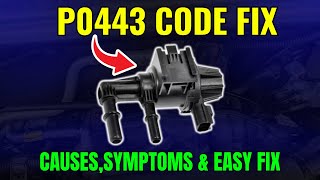
- Vapor Canister Purge Solenoid Valve
(OEM #PE01-18-751)— This is the most frequent cause of a P0443 code, as the internal solenoid coil fails electrically over time.
Trusted brands: Mazda (OEM), Bosch, Denso, Dorman
OEM price range: $80-$120
Aftermarket price range: $40-$75
Mechanic-Grade Diagnostic Values
- EVAP Purge Solenoid Coil Resistance — expected: 22-26 Ω (ohms). Failure: A reading of infinite resistance (open circuit) or near-zero resistance (short circuit) indicates a failed solenoid.
- Voltage at Purge Solenoid Connector (Power Pin) — expected: Battery Voltage (~12V) with key on, engine off.. Failure: No voltage indicates a problem upstream, such as a blown fuse or a break in the power wire from the main relay.
- Voltage at Purge Solenoid Connector (Control Pin) — expected: Near battery voltage when inactive; drops to near 0V when commanded ON by the PCM.. Failure: Voltage that does not drop to ~0V when activated via a scan tool suggests a break in the control wire to the PCM or a faulty PCM driver.
Scan Tool Commands That Help
- Autel, FORScan, or similar professional scanner: Active Test / Bidirectional Control for "Canister Purge Valve Duty Cycle" or "EVAP Purge Solenoid". — This is a critical diagnostic step. After confirming the valve has proper power, use this command to manually cycle the valve. You should hear an audible click from the valve and see the voltage on the control wire drop to near zero. If the command is sent but the valve doesn't click (and resistance was good), the valve is mechanically stuck. If the voltage doesn't drop, the wiring or PCM is the likely fault.
- FORScan: Key On Engine Off (KOEO) and Key On Engine Running (KOER) self-tests. — A KOEO test can immediately flag a hard electrical fault like P0443. If the KOEO test passes but the code appears during driving, a KOER test may reveal other related codes (like P0441, P0442) that only appear when the system is under operational demand, pointing to more complex diagnostic paths.
Wiring & Ground Locations
- Purge Solenoid Connector — On the purge solenoid valve itself, located in the engine bay near the intake manifold.. This 2-pin connector is the primary test point. One pin receives ~12V power (key on) from the main relay/fuse block. The other pin is the control circuit, which the PCM pulls to ground to activate the solenoid. Testing for power and ground signal at this connector is the fastest way to isolate the problem to the valve, wiring, or PCM.
Real Owner Repair Stories
- Reddit user on r/MechanicAdvice (Mazda3 (similar Skyactiv system)) — Check Engine Light with P0443 immediately upon Key On, Engine Off test.
❌ Tried (didn't work) Replaced an existing Dorman aftermarket purge valve with a new OEM Mazda valve., Verified the new valve clicks when power is applied., Checked wiring for shorts to ground and confirmed continuity from the connector to the PCM., Confirmed the power wire at the connector was receiving voltage., Swapped the PCM with a known-good unit from a junkyard.
✅ What actually fixed it The final fix was not posted, but the user's next diagnostic step was to replace the gas cap after a Key On, Engine Running (KOER) test produced additional EVAP codes (P0441, P0442, P0446). This story is valuable because it shows a scenario where the obvious fixes (valve, wiring, PCM) did not resolve a persistent P0443, and how a different test (KOER) provided new clues.
When the Usual Fixes Don't Work
- While replacing the purge solenoid valve is the most common fix, there are documented cases where this does not solve the problem. In one instance, a technician replaced the valve with a new OEM part, verified all wiring, and even swapped the PCM, but the P0443 code persisted on Key-On-Engine-Off tests. This indicates that while the valve is the likely culprit, a methodical diagnosis of the entire circuit, including running different types of scan tool tests (KOEO vs. KOER), is necessary if the first fix doesn't work.
OEM Part Supersession History
LF66-18-74X (Older models)→PE01-18-751— Standard part evolution and consolidation for Skyactiv engines.
Heads up: The PE01-18-751 is the correct part for the 2012-2017 CX-5. Owner reports suggest that some aftermarket versions (like Dorman or no-name brands from Amazon) can be faulty out of the box or cause additional codes like P0171 (System Too Lean), making OEM or a used OEM part a safer choice.
Diagnostic Flowchart
Used vs. New Parts: Buying Guide for This Vehicle
When a used part is the smart pick: A used OEM purge solenoid from a reputable salvage yard is a very smart choice for this repair. The failure mode is typically electrical wear, but it's not a high-stress mechanical part. A used OEM part is often more reliable than a new, non-OEM aftermarket part.
Donor-vehicle mileage cap: roughly under 80000 miles for the part to have meaningful remaining life.
What to inspect on the donor part:
- Look for a donor vehicle with a clear front-end, indicating it wasn't in a collision that could have damaged engine bay components.
- Inspect the plastic housing of the used valve for cracks or signs of extreme heat stress.
- Ensure the electrical connector pins are clean, straight, and free of corrosion.
- If possible, bring a 12V power source to the junkyard and test that the valve 'clicks' before purchasing.
Aftermarket brands forum-validated for this vehicle:
- Bosch
- Denso
Brands owners have reported issues with on this vehicle:
- Unbranded 'no-name' parts from online marketplaces like Amazon or eBay have been reported by owners to be dead-on-arrival or cause secondary trouble codes.
Real Owner Stories
Aggregated from forums and TSBs cited above. Mileages and costs reflect what owners reported in those sources.
2014 mazda cx-5
Symptoms: Check engine light with code P0443; difficulty locating the part as it did not match the appearance of valves shown in some repair videos.
What fixed it: The owner sought a replacement canister purge control valve from a Mazda dealership to ensure the correct part fitment.
Source hint: Reddit.com/r/mazda: '2014 mazda cx-5 code PO443 Replace canister purge control value Was I given the right part?'
2013 CX-5
Symptoms: I continuously got P0443 and and P0171 (EVAP malfunction and system too lean).
What fixed it: I stopped at a junkyard, pulled an air control valve off an early 2012 Skyactiv Mazda3 and got rid of those codes.
Source hint: Reddit.com/r/mazda: 'I fixed my P0421 code in my 2013 CX-5 without replacing the catalytic converter'
Mazda Owner Experience
Symptoms: An owner reported that their vehicle continuously showed EVAP DTCs including P0443 and P0446, along with fuel mixture codes for being either too rich or too lean (NHTSA ODI #11010363).
What fixed it: While the owner replaced both O2 sensors, the persistent nature of the P0443 and P0446 codes alongside fuel trim issues highlights the complexity of the EVAP circuit faults.
Source hint: NHTSA ODI #11010363
Related OBD-II Codes
Frequently Asked Questions
Where is the EVAP purge solenoid valve located on the 2012-2017 Mazda CX-5?
What is the correct resistance specification for testing the CX-5 purge valve?
Can I use a used part from a different Mazda model to fix P0443 on my CX-5?
Why does my CX-5 have a rough idle after I fill up the gas tank?
Are there specific aftermarket brands I should avoid for the CX-5 purge valve?
How can I confirm if the PCM is actually sending a signal to the purge valve?
Helpful Videos

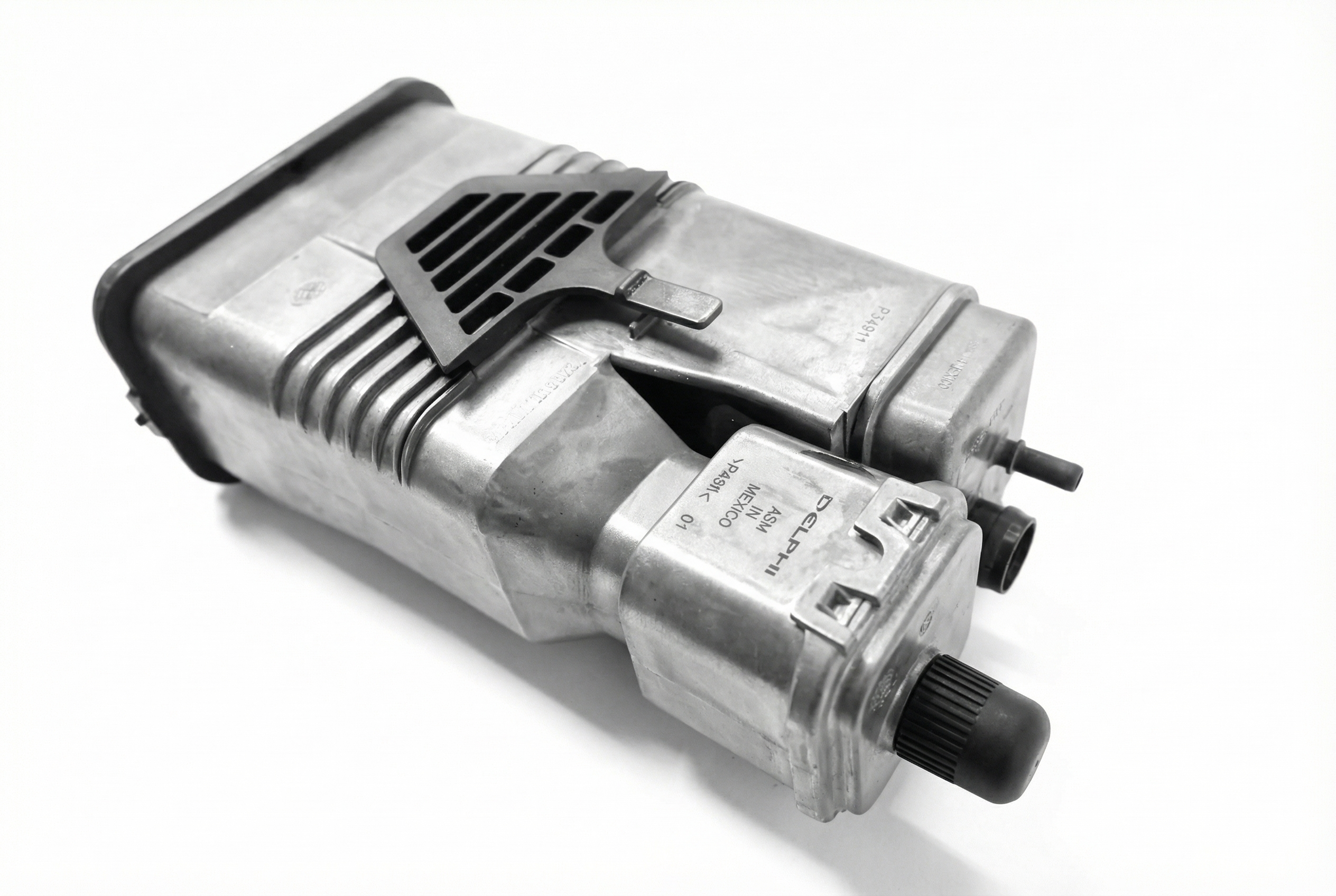
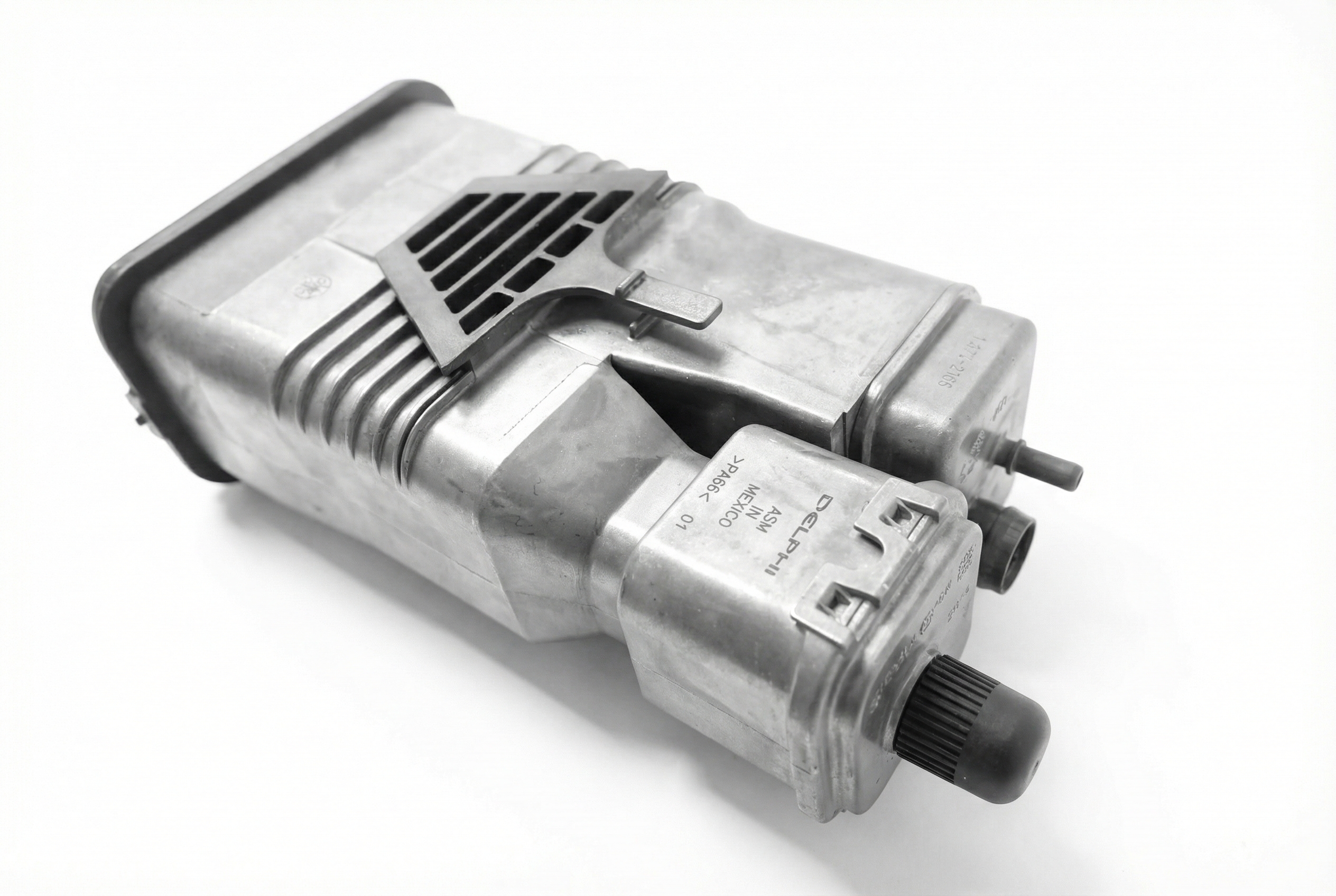
We Have This Part in Stock

The information in this article is provided for general reference and educational purposes only. Vehicle specifications, procedures, and part compatibility can vary by production date, trim level, and region. Always consult your vehicle's factory service manual and verify part numbers before purchasing or performing repairs. Safety-critical components such as airbags, seat belts, and braking systems should be installed by a qualified professional.
- Mazda CX-5:
- 🧭 Diagnostic Flowchart
- 🎬 Helpful Videos
- 🛍️ Shop This Part
- What's Unique About the 2012-2017 Mazda CX-5
- Symptoms You May Notice
- Most Likely Causes
- Rare But Worth Checking
- Diagnosis Steps
- Parts You'll Likely Need
- Mechanic-Grade Diagnostic Values
- Scan Tool Commands That Help
- Wiring & Ground Locations
- Real Owner Repair Stories
- When the Usual Fixes Don't Work
- OEM Part Supersession History
- Used vs. New Parts: Buying Guide for This Vehicle
- Real Owner Stories
- 2014 mazda cx-5
- 2013 CX-5
- Mazda Owner Experience
- Related OBD-II Codes
- Frequently Asked Questions
- 🎟️ Get 5% Off