

P0443 on 2007-2012 Mazda CX-7: Purge Valve Circuit Malfunction Causes and Fixes
For a 2007-2012 Mazda CX-7, code P0443 almost always points to a failed EVAP purge solenoid valve. It's an inexpensive part located right on top of the engine, making it an easy DIY fix for most owners. A simple multimeter test of the valve's resistance can confirm the failure. Expect to pay around $80-$110 for an OEM part.
- P0443 on a Mazda CX-7 points to an electrical fault in the purge valve circuit, not a system leak.
- The most likely cause is a failed purge solenoid valve, which is a common and relatively inexpensive part to replace.
- Diagnosis is straightforward and can be done with a basic multimeter by checking the valve's resistance.
- It's crucial to get the correct part number for your engine (2.3L Turbo vs. 2.5L NA).
What's Unique About the 2007-2012 Mazda CX-7
The Mazda CX-7, particularly the 2.3L turbo model, is known for having a very accessible purge valve located right on top of the engine, making diagnosis and replacement simpler than on many other vehicles. While the code is for a circuit malfunction, the valve itself is the most common point of failure. The 2007-2012 model years span two engine options (2.3L Turbo and 2.5L NA), which use different part numbers for the purge valve, so verifying the correct part for your specific engine is crucial.
Generation note: The 2007-2012 Mazda CX-7 is a single generation, but it received a facelift for the 2010 model year which introduced the naturally aspirated 2.5L four-cylinder engine alongside the original 2.3L turbo engine. The EVAP purge valve is different between these two engines.
Symptoms You May Notice
- Check Engine Light is on.
- Rough idle, especially when the engine is warm.
- Difficulty starting the engine right after filling the fuel tank.
- Slight decrease in fuel economy.
- A faint fuel odor is possible in some cases.
- Replacing the gas cap. A faulty gas cap typically causes a leak-related code like P0455 or P0457, not a circuit code like P0443. One user on a forum suggested it, but this is not typical for a circuit fault.
- Replacing the charcoal canister. The canister is a vapor storage device; its failure is not directly related to an electrical circuit malfunction code for the purge valve.
Most Likely Causes
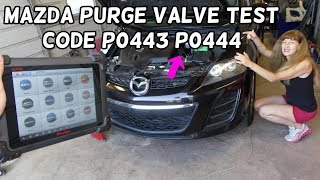
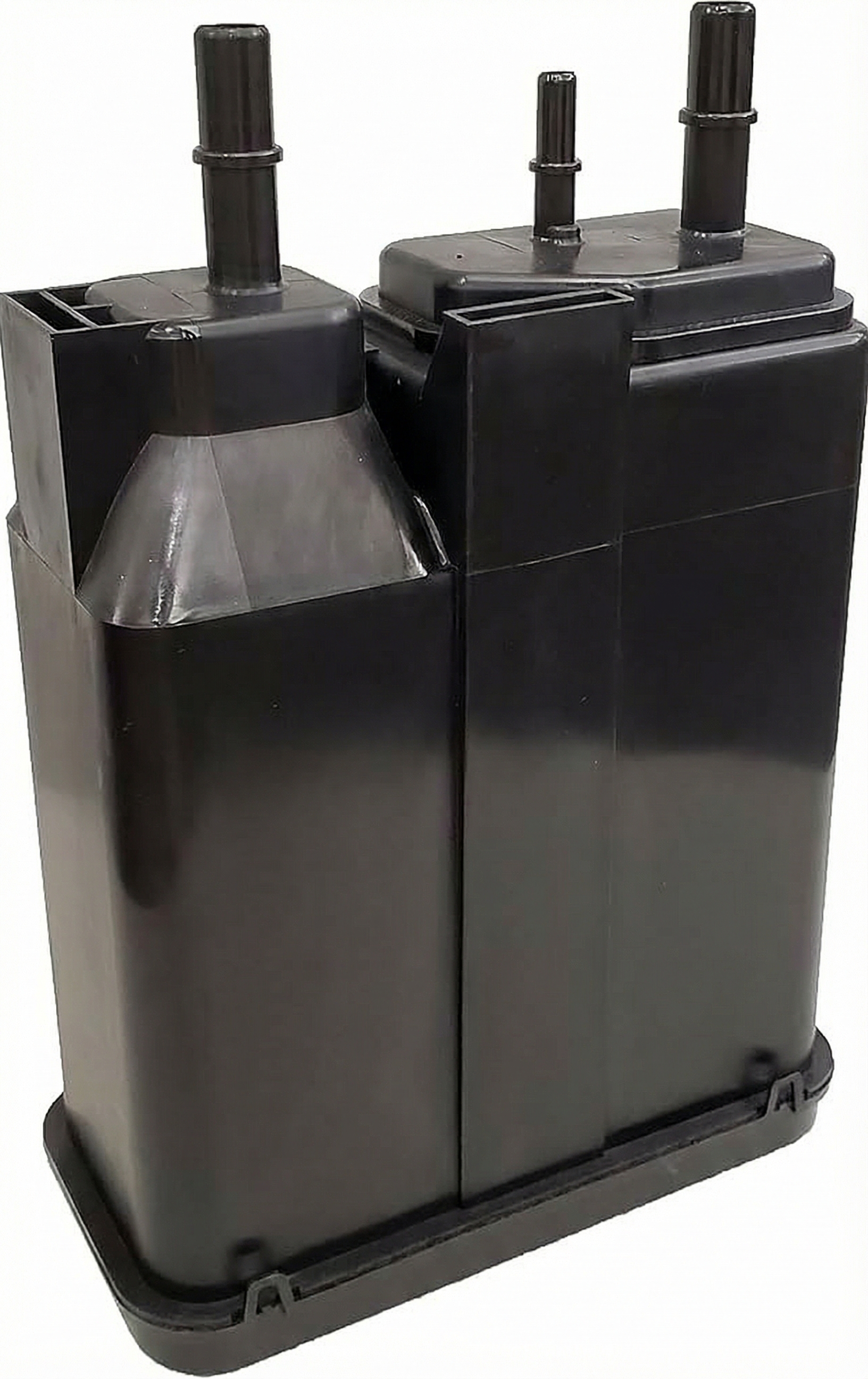
- Failed EVAP Purge Solenoid Valve 🔴 High Probability → Shop Vapor Canister The solenoid coil winding can develop an open or short circuit internally, leading to an electrical failure detected by the PCM. This is the most frequent cause for P0443 on this platform. 🎬 Watch: How to test and fix a Mazda CX-7 purge valve
How to confirm: Locate the valve on top of the engine. Disconnect the electrical connector and use a multimeter to check the resistance between the two pins on the valve. A good valve should have a resistance between 22-26 ohms. An open circuit (infinite resistance) or a short (near zero resistance) indicates a failed valve. A scan tool can also command the valve to open and close to test its function, and you should hear an audible clicking.
Typical fix: Replace the purge solenoid valve. This is a simple repair involving disconnecting the electrical connector and two hoses.
Est. part cost: $80-$110 - Damaged Wiring or Connector 🟡 Medium Probability Engine bay heat and vibrations can cause wires to become brittle or chafe over time. The connector's locking tab can become brittle and break, leading to a poor connection.
How to confirm: Visually inspect the wiring harness leading to the purge valve for any signs of cracking, melting, or chafing. Check the connector for corrosion, bent pins, or a loose fit. Use a multimeter to check for 12V power at one pin of the connector with the key on, engine off. The other wire is the ground-side control from the PCM.
Typical fix: Repair the damaged section of wiring. Clean or replace the electrical connector pigtail.
Est. part cost: $5-$25
Rare But Worth Checking
- Blown Fuse: The purge valve circuit is protected by a fuse. While it's uncommon for it to blow without another underlying issue (like a shorted valve), it's a quick and easy check. On the CX-7, a 10A fuse in the under-hood fuse box is related to the A/C and EVAP system.
- Faulty Powertrain Control Module (PCM): → Shop Engine Control Module (ECM) This is extremely rare. The PCM's internal driver for the purge valve circuit can fail, but all other possibilities should be exhaustively ruled out before considering PCM replacement.
Diagnosis Steps
- Verify the code with an OBD-II scanner. Confirm P0443 is the active code.
- Locate the EVAP purge solenoid valve. On both the 2.3L and 2.5L engines, it is easily accessible on top of the engine, near the intake manifold. 🎬 See: Mazda CX-7 emissions and EVAP component locations
- Inspect the wiring and connector. Look for any obvious damage, corrosion, or loose connections.
- Check for power. With the ignition on (engine off), disconnect the connector and use a multimeter to verify that one of the pins has 12 volts.
- Test the valve's resistance. Disconnect the valve and measure the resistance between its two electrical pins. A good valve should read between 22 and 26 ohms. An open circuit (infinite resistance) or a short (near zero resistance) confirms a failed valve.
- Test the valve's operation. Use a scan tool's active test feature to command the valve to cycle on and off. You should hear an audible clicking sound from the valve. Alternatively, you can apply 12V directly to the valve's pins with jumper wires to see if it clicks.
- If the valve and wiring test good, the issue may be with the PCM, but this is highly unlikely.
Parts You'll Likely Need
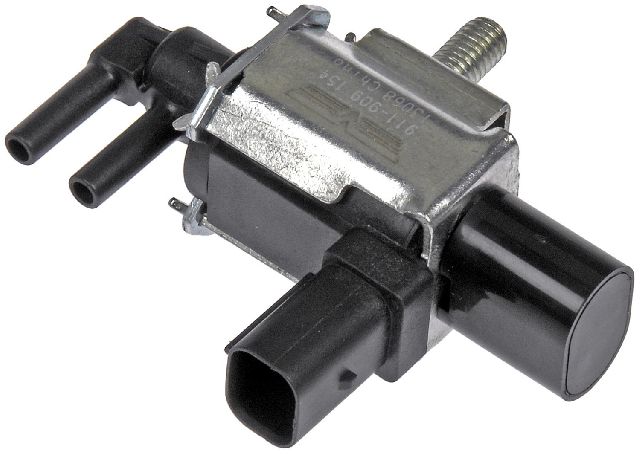
- Vapor Canister Purge Solenoid Valve (2.3L Turbo)
(OEM #L3K9-18-741)— This is the most common failure point for the P0443 code on the 2.3L turbo engine. It is a simple solenoid that wears out electrically over time.
Trusted brands: Mazda (Genuine), Bosch (OEM supplier), Dorman, Standard Motor Products
OEM price range: $85-$110
Aftermarket price range: $40-$70 - Vapor Canister Purge Solenoid Valve (2.5L NA)
(OEM #L508-18-741)— This is the most common failure point for the P0443 code on the 2.5L non-turbo engine, which was introduced in 2010.
Trusted brands: Mazda (Genuine), Standard Motor Products, ACDelco, Dorman
OEM price range: $90-$120
Aftermarket price range: $50-$80
Related Codes That Often Appear With This One
- P0444 — P0444 indicates 'EVAP Control System Purge Control Valve Circuit Open.' It's a more specific version of P0443 and often points directly to a failed solenoid coil or a broken wire.
- P0445 — P0445 indicates 'EVAP Purge Control Valve Circuit Shorted.' This is another specific electrical fault that can be logged alongside or instead of the more general P0443.
Technical Service Bulletins (TSBs) & Recalls
- SSP 87: Warranty Extension Program for Variable Valve Timing (VVT) and Timing Chain Noise on 2007-2010 CX-7 2.3L models. This is a critical issue for this engine, though not directly related to P0443.
- 01-012/12: A technical service bulletin that provides diagnostic and repair procedures for the VVT and timing chain noise on the 2.3L Turbo engine.
Platform-Specific Known Issues
- Emission Recall 7113L: Mazda issued Emission Recall 7113L for 2007-2012 CX-7 models with the 2.3L turbo engine due to incorrect PCM software parameters that could cause the vehicle to exceed evaporative emission standards. While not a direct fix for a failed part causing P0443, ensuring this recall has been performed by a dealer is important for overall EVAP system health. The recall involves reprogramming the PCM with updated software.
Mechanic-Grade Diagnostic Values
- EVAP Purge Solenoid Valve Coil Resistance — expected: 22 - 26 Ohms. Failure: A reading of infinite resistance (open) or near-zero resistance (short) indicates a failed valve.
- Voltage at Purge Valve Connector (Power Pin) — expected: Battery Voltage (~12V) with Key On, Engine Off. Failure: No voltage indicates a break in the power supply circuit, a blown fuse, or a faulty relay.
- Voltage at Purge Valve Connector (PCM Control Pin) — expected: Near 0V when commanded ON by scan tool, near battery voltage when OFF.. Failure: Voltage does not change when commanded, or is always at 0V or battery voltage, points to a wiring issue or a faulty PCM driver.
Scan Tool Commands That Help
- Autel MaxiSys or similar professional scanner: Active Test: Evaporative emission canister purge valve duty cycle — This bidirectional command allows you to manually open and close the purge valve while the engine is on. You can command it to open from 0% to 100% and should hear an audible clicking from the valve, confirming the valve is mechanically responding to electrical commands.
Wiring & Ground Locations
- G2 — Located at the left rear corner of the engine compartment.. This is a major ground point for multiple engine management components, including the PCM. A corroded or loose G2 ground could potentially cause erratic voltage and communication issues for various sensors and solenoids, including the purge valve circuit, leading to intermittent or persistent codes.
- Purge Solenoid Valve Connector — On top of the engine, connected to the purge solenoid valve.. This is the primary connection point to test for power, ground control, and valve resistance. The power wire (typically Orange on some models) should have battery voltage with key on. The other wire is the ground-side control from the PCM. Checking for voltage and signal here is the fastest way to isolate the problem to the valve, wiring, or PCM.
Real Owner Repair Stories
- Mazdas247 Forum (Mazda (model not specified, but context implies similar EVAP system)) — Check Engine Light with code P0443.
✅ What actually fixed it The user diagnosed a bad purge solenoid valve by measuring its resistance. The reading was outside the 22-26 ohm specification, indicating failure. Replacing the valve with a new one resolved the issue. - NHTSA ODI #11010363 (Mazda3 - Cross-model reference) — An owner reported that their car continually showed EVAP DTCs including P0443 and P0446, along with fuel mixture (too rich or too lean) and O2 sensor codes.
OEM Part Supersession History
L508-18-741→L518-18-741— Standard part revision and consolidation by the manufacturer.
Heads up: L518-18-741 is the correct replacement for the 2.5L NA engine.
Diagnostic Flowchart
Other Known Issues on This Vehicle
Issues unrelated to this code that are worth knowing about as an owner of this generation:
- VVT Actuator Failure & Stretched Timing Chain (2.3L Turbo) 🔴 High — Extremely common, especially on 2007-2010 models. Often presents as a loud ticking/rattling noise on cold starts or a diesel-like clatter below 2,000 RPM when warm. Failure can lead to catastrophic engine damage. (Ref: Mazda issued a warranty extension (SSP 87) covering this issue for 7 years/70,000 miles. TSB 01-012/12 also details the diagnosis and repair.)
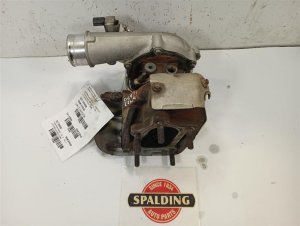
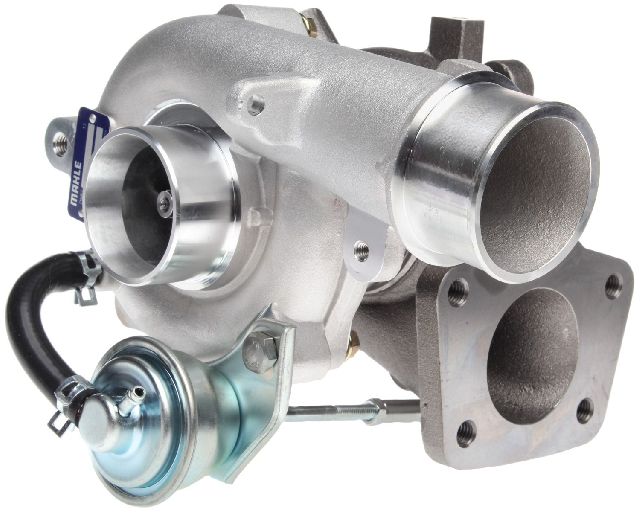
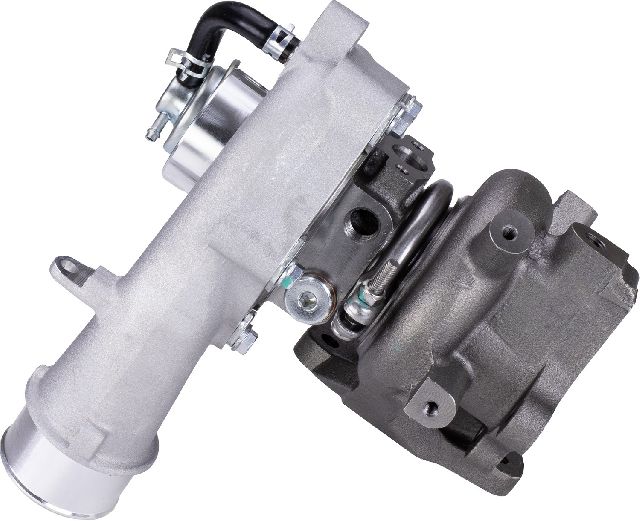
- Turbocharger Failure (2.3L Turbo) 🔴 High → Shop Turbocharger — Very common, particularly on earlier 2007-2009 models. Often caused by oil starvation from a clogged oil feed line or oil coking due to heat. Symptoms include a loss of power, whistling noises, and excessive white/blue smoke from the exhaust.
- A/C Compressor Seizure (2.3L Turbo) 🔴 High — Widespread failure on 2007-2008 models. The compressor can seize abruptly, shredding the serpentine belt and causing an immediate loss of power steering and alternator function, potentially stranding the driver. A noisy compressor should be addressed immediately. (Ref: No recall was issued, but the problem is widely documented in owner forums and complaints.)
- Excessive Oil Consumption (2.3L Turbo) 🟠 Medium — Commonly reported issue, often linked to failing turbo seals or piston ring wear. Owners should monitor oil levels closely between changes.
- Front Suspension Ball Joint Corrosion 🔴 High — Affects all 2007-2012 models, especially in regions that use road salt. Water can enter the ball joint, causing corrosion and potential separation from the lower control arm, resulting in a loss of steering control. (Ref: NHTSA Recall 16V593000)
Used vs. New Parts: Buying Guide for This Vehicle
When a used part is the smart pick: A used OEM purge valve from a reputable salvage yard can be a cost-effective option, as it is a simple and robust electro-mechanical part. This is a good candidate for a used part if the donor vehicle is from a low-mileage, rear-end collision.
Donor-vehicle mileage cap: roughly under 80000 miles for the part to have meaningful remaining life.
What to inspect on the donor part:
- Check for cracks or damage to the plastic housing and hose nipples.
- Inspect the electrical connector pins for corrosion or damage.
- If possible, test the resistance with a multimeter before purchase; it should be within the 22-26 ohm range.
- Ask for the donor vehicle's VIN and mileage to verify history.
Aftermarket brands forum-validated for this vehicle:
- Standard Motor Products (SMP)
- Dorman
- Bosch
- ACDelco
Brands owners have reported issues with on this vehicle:
- Unbranded, no-name parts from online marketplaces with no warranty or seller history.
Real Owner Stories
Aggregated from forums and TSBs cited above. Mileages and costs reflect what owners reported in those sources.
Mazda CX-7 2.3L Turbo
Symptoms: The owner had the P0443 code and attempted to fix it by replacing the purge valve with a used one, but the issue persisted.
What fixed it: The discussion confirmed that because the used part also failed, a new part was required to resolve the electrical circuit fault.
Source hint: MazdaSpeeds.org - 'P0443'
2007-2012 Mazda CX-7 2.3L Turbo
Symptoms: Vehicle potentially exceeding evaporative emission standards due to incorrect PCM software parameters.
What fixed it: Reprogramming the PCM with updated software by a dealer.
Source hint: Emission Recall 7113L
Mazda Owner Report
Symptoms: An owner reported that their vehicle was showing multiple EVAP codes including P0443 and P0446, alongside fuel mixture issues and O2 sensor codes.
What fixed it: Diagnostic investigation into the EVAP system and O2 sensors was required to address the multiple circuit and mixture faults.
Source hint: NHTSA ODI #11010363
Related OBD-II Codes
Frequently Asked Questions
Is there a recall for the EVAP system on my 2007-2012 Mazda CX-7 with the 2.3L turbo engine?
How can I test if the purge solenoid valve on my CX-7 is actually bad using a multimeter?
I have a 2.3L Turbo CX-7; is the P0443 code related to the common VVT or timing chain noise issues?
Where is the purge valve located on the 2.5L CX-7 engine?
Can I use a used part to fix the P0443 code on my Mazda?
Why does my CX-7 struggle to start only after I fill up the gas tank?
Helpful Videos

Used OEM Parts in Stock
New Aftermarket Parts Available

The information in this article is provided for general reference and educational purposes only. Vehicle specifications, procedures, and part compatibility can vary by production date, trim level, and region. Always consult your vehicle's factory service manual and verify part numbers before purchasing or performing repairs. Safety-critical components such as airbags, seat belts, and braking systems should be installed by a qualified professional.
- Mazda CX-7:
- 🧭 Diagnostic Flowchart
- 🎬 Helpful Videos
- 🛍️ Shop This Part
- What's Unique About the 2007-2012 Mazda CX-7
- Symptoms You May Notice
- Most Likely Causes
- Rare But Worth Checking
- Diagnosis Steps
- Parts You'll Likely Need
- Related Codes That Often Appear With This One
- Technical Service Bulletins (TSBs) & Recalls
- Platform-Specific Known Issues
- Mechanic-Grade Diagnostic Values
- Scan Tool Commands That Help
- Wiring & Ground Locations
- Real Owner Repair Stories
- OEM Part Supersession History
- Other Known Issues on This Vehicle
- Used vs. New Parts: Buying Guide for This Vehicle
- Real Owner Stories
- Mazda CX-7 2.3L Turbo
- 2007-2012 Mazda CX-7 2.3L Turbo
- Mazda Owner Report
- Related OBD-II Codes
- Frequently Asked Questions
- 🎟️ Get 5% Off