

P0443 on 1999-2003 Mazda Protege: EVAP Purge Valve Circuit Malfunction Causes and Fixes
For a 1999-2003 Mazda Protege, code P0443 is almost always caused by a failed EVAP purge solenoid valve. It's an electrical circuit fault, not a system leak. The valve is typically located on or near the intake manifold. Replacing the valve is a simple DIY job, with aftermarket parts costing around $30-$60. Verify the part number, as Protege and Protege5 models often use different valves.
- P0443 points to an electrical problem with the EVAP purge valve circuit, not a gas cap leak.
- The most common cause is a failed purge solenoid valve, which is a simple and inexpensive part to replace for a DIYer.
- Always check the wiring and connector for damage before replacing the valve.
- Be aware that the Protege sedan and Protege5 hatchback may use different part numbers for the purge valve; verify the correct part before buying.
What's Unique About the 1999-2003 Mazda Protege
The 1999-2003 Mazda Protege belongs to the third generation (BJ chassis). For this code, the key platform-specific detail is that different models may use different purge valves, primarily due to the different engines offered. The Protege sedan and coupe models (often with the 1.6L ZM-DE or 1.8L FP-DE engines) typically use a different part number than the Protege5 hatchback model, which came with the 2.0L FS-DE engine. Always verify the correct part for your specific vehicle and engine before purchasing.
Symptoms You May Notice
- Check Engine Light is on
- Failed emissions test
- Slightly rough idle or engine stumbling, particularly if the valve is stuck open
- Difficulty starting the engine right after refueling
- A faint fuel odor near the vehicle
- A clicking or buzzing noise from the solenoid area if it's attempting to operate but is failing.
- Replacing the gas cap. A loose or faulty gas cap will cause an EVAP leak code (like P0455 or P0457), not a P0443 circuit code.
- Replacing other EVAP components like the charcoal canister or vent valve. While these can fail and cause other EVAP codes, P0443 specifically points to an electrical fault in the purge valve's control circuit.
Most Likely Causes
- Failed EVAP Purge Solenoid Valve 🔴 High Probability → Shop Vapor Canister The solenoid is an electromechanical part that operates frequently and is subject to wear and heat from the engine bay. The internal coil windings can fail, causing an open or short circuit, or the internal mechanism can get stuck.
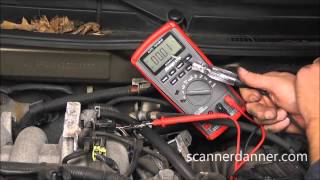
How to confirm: Disconnect the valve and test the resistance between its two electrical pins with a multimeter. A healthy valve should have a resistance between 15-30 ohms; a forum user reported a spec of 22-26 ohms for their Mazda. Infinite resistance (open) or zero resistance (short) indicates a failed valve. You can also apply 12V power directly to the pins; a good valve will make an audible 'click'. With the valve removed, you should not be able to blow through it with lung pressure when no power is applied.
Typical fix: Replace the EVAP purge solenoid valve.
Est. part cost: $30-$80 - Wiring or Connector Damage 🟡 Medium Probability The wiring harness in the engine bay is exposed to heat and vibration, which can lead to chafed insulation, broken wires, or corrosion in the connector pins over time.
How to confirm: Visually inspect the wiring harness leading to the purge valve for any signs of cracking, melting, or breaks. Unplug the connector and check for corroded, bent, or pushed-out pins. With the key on, use a multimeter to confirm 12V power is present at one pin of the connector. The other pin is the ground side, which is controlled by the PCM.
Typical fix: Repair the damaged section of wire or clean/replace the electrical connector.
Est. part cost: $5-$25 - Blown Fuse ⚪ Low Probability
How to confirm: Locate the fuse box (typically under the hood) and identify the fuse that protects the EVAP system circuit. On many Mazdas, this may be labeled as 'ENGINE' or be part of a multi-system fuse. Pull the fuse and visually inspect if the internal wire is broken or test for continuity with a multimeter.
Typical fix: Replace the blown fuse. If the new fuse blows immediately, it indicates a short circuit in the system that must be found and repaired.
Est. part cost: $1-$5
Rare But Worth Checking
- Faulty Powertrain Control Module (PCM): → Shop Engine Control Module (ECM) This is a very uncommon cause. The PCM's internal driver for the purge valve circuit can fail. This should only be considered after the valve, wiring, and fuses have all been confirmed to be good. A professional diagnosis with advanced scan tools is usually required to confirm a faulty PCM.
Diagnosis Steps
- Scan the vehicle's computer to confirm P0443 is the active code.
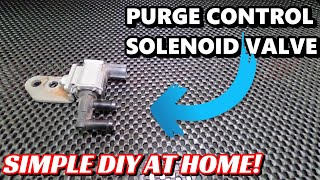
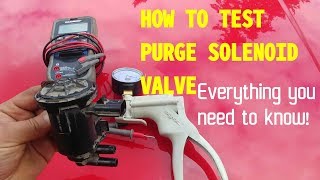
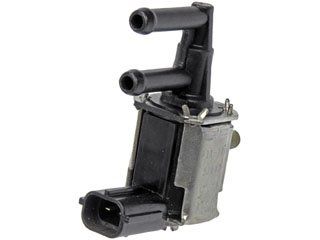
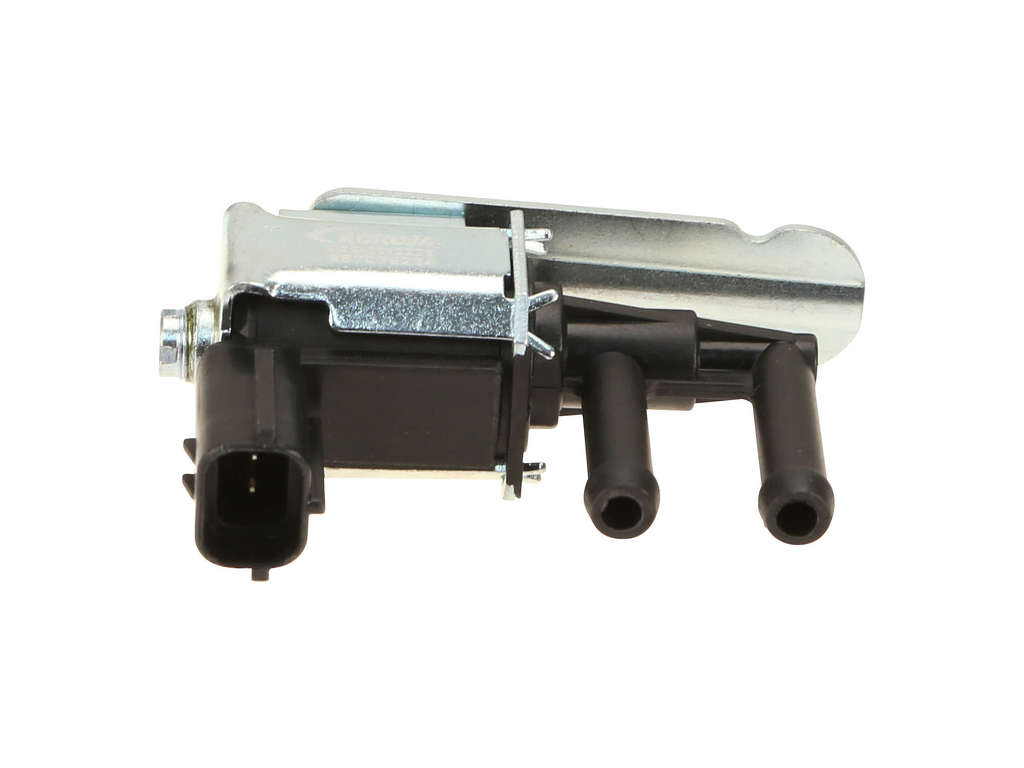
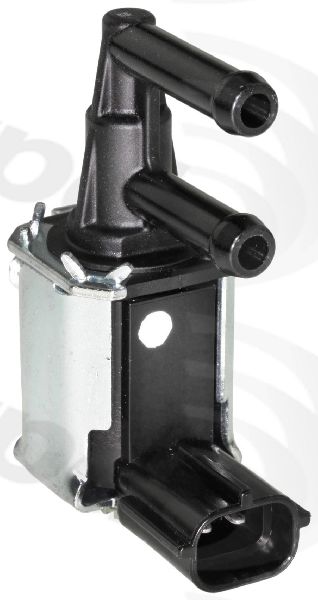
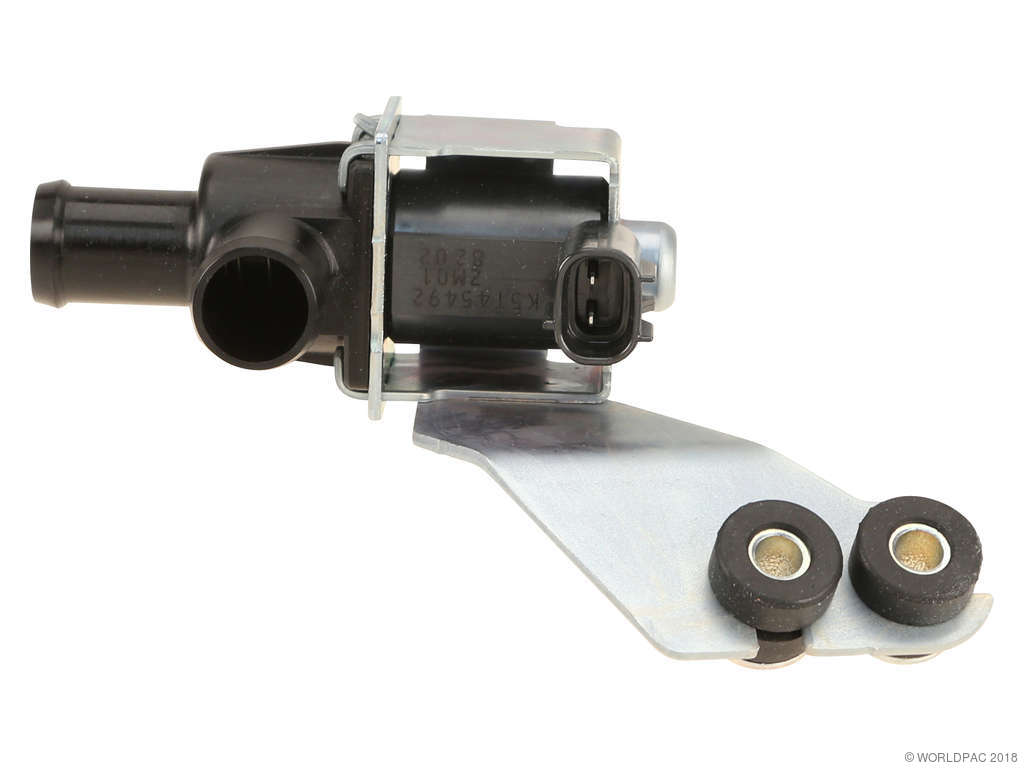
- Locate the EVAP purge solenoid valve. On the Protege, it is typically a small black cylinder mounted on a bracket on the intake manifold, with 🎬 Watch: How to test and replace the valve at home two hoses and a two-wire electrical connector.
- Visually inspect the valve, its connector, and the attached wiring for any obvious signs of damage, corrosion, or loose connections.
- Check the fuse for the EVAP system in the vehicle's fuse box.
- Disconnect the electrical connector from the purge valve. With the ignition on (engine off), use a multimeter to check for 12-volt power at one of the pins in the connector.
- Test the purge valve's internal resistance by placing multimeter probes on its two pins. A reading between 15-30 ohms is typical; a Mazdas247 forum member noted a spec of 22-26 ohms. An open circuit (infinite resistance) or short circuit (near zero resistance) indicates a bad valve.
- If resistance is good, you can perform an actuation test. Apply a 12V source (a 9V battery can also work) directly to the valve's pins. You should hear a distinct click as it opens. You can also remove the valve and try to blow through it; 🎬 See: How to test a purge valve with no tools it should be closed with no power and open when power is applied.
- If the valve and wiring test good, the issue may be with the PCM, but this is rare and requires professional diagnosis.
Parts You'll Likely Need
- Vapor Canister Purge Solenoid
(OEM #ZM01-18-741A)— This is the most common component to fail. This part number is commonly cited for the sedan/coupe models with 1.6L, 1.8L, and some 2.0L engines. It replaces the older part number ZM01-18-741.
Trusted brands: Mazda (OEM), Dorman (e.g., 911-702), Standard Motor Products (e.g., CP513)
OEM price range: $200-$280
Aftermarket price range: $30-$80 - Vapor Canister Purge Solenoid (Protege5)
(OEM #FS8L-18-741)— The Protege5 hatchback model (and some ES sedans) with the 2.0L FS-DE engine often uses this different purge solenoid. It is critical to verify the correct part for your vehicle's VIN and engine type.
Trusted brands: Mazda (OEM), Dorman, Standard Motor Products
OEM price range: $200-$285
Aftermarket price range: $40-$90
Related Codes That Often Appear With This One
- P0444 — P0444 indicates 'Purge Control Valve Circuit Open', which is a more specific version of the general P0443 circuit fault. They often point to the same root causes, like a broken wire or failed solenoid coil.
- P0445 — P0445 indicates 'Purge Control Valve Circuit Shorted'. Like P0444, this is a more specific version of the P0443 fault, pointing to a short circuit in the wiring or solenoid.
Platform-Specific Known Issues
- The Mazda Protege sedan/coupe and the Protege5 hatchback may use different part numbers for the purge solenoid valve. Part number ZM01-18-741A is commonly cited for the standard Protege with 1.6L/1.8L/2.0L engines, while FS8L-18-741 is often listed for the Protege5 with the 2.0L FS-DE engine. Always confirm fitment with your VIN as there can be overlap.
- A user on a Mazda forum suggested a novel fix for a binding valve: actuating it with a 9V battery while adding a few drops of air tool oil to lubricate the internal mechanism. This may resolve intermittent issues without requiring replacement.
Mechanic-Grade Diagnostic Values
- Purge Solenoid Coil Resistance — expected: 22-26 ohms. Failure: Infinite resistance (open) or near-zero resistance (short).
- Purge Solenoid Connector Power Pin Voltage (Key On, Engine Off) — expected: 12V (Battery Voltage). Failure: 0V indicates a blown fuse or a break in the power supply wire.
- Purge Solenoid Connector Control Pin Voltage (Key On, Engine Off, Connector Unplugged) — expected: Should be near battery voltage (around 12V) due to the PCM's monitoring circuit.. Failure: A reading of 0V with the connector unplugged points strongly to an open circuit inside the solenoid's coil.
- Purge Solenoid Control Pin Voltage (Engine Idling, Back-probed) — expected: A fluctuating voltage as the PCM duty-cycles the ground. On a lab scope, this appears as a square wave switching between battery voltage and near 0V.. Failure: Voltage stays high (no ground signal from PCM) or stays at 0V (shorted to ground).
- Scan Tool PID for EVAP Purge Command (EVAPCP) — expected: 0% at idle and with the engine cold. Will increase as the engine warms up and meets criteria for purging.. Failure: Command percentage increases but no physical change in valve operation (clicking/vacuum) suggests a failed valve or wiring, despite a good PCM command.
Scan Tool Commands That Help
- Professional Scan Tool (e.g., Autel MaxiSys): Active Test -> Canister Purge Valve Duty Cycle / Purge Solenoid Command — This allows a technician to manually command the purge valve to open at varying percentages (e.g., 0%, 25%, 50%) while the engine is running. You can listen for the solenoid to click and feel for vacuum at the port, confirming if the valve responds to the PCM's command. This isolates the valve and its wiring from the PCM's automatic logic.
Wiring & Ground Locations
- PCM Pin 67 (1.8L Engine) — At the Powertrain Control Module (PCM), which is located behind the right side of the dashboard.. This is the specific pin on the PCM that controls the ground side of the purge solenoid valve for the 1.8L engine. A continuity test from this pin to the connector at the valve can confirm if the control wire is intact. The wire color is typically Brown/Red (BR/R).
- Purge Solenoid Valve Connector — On the right side of the engine, often mounted to the intake manifold.. This is the primary point of failure for wiring issues. One pin should have battery voltage with the key on, and the other is the control wire going to PCM Pin 67. Checking for voltage and ground signal here is the first step in diagnosing the circuit.
- G14 / G17 — Located on the left rear of the engine.. These are primary engine ground points. While the purge valve is ground-side switched by the PCM, the PCM itself and other related sensors rely on clean engine grounds. A poor ground at G14 or G17 can cause erratic behavior in the entire engine management system, although it's not a direct cause for P0443.
Real Owner Repair Stories
- 2CarPros Forum (1995 Mazda Protege) — P0443 code, car lugs and hesitates on acceleration.
❌ Tried (didn't work) Confirmed power and ground at the solenoid., Tested wiring for resistance and shorts (all good)., Confirmed the solenoid clicks when 12V is applied directly., Swapped the ECM with used units.
✅ What actually fixed it The final fix was not posted in the thread, but the expert advice pointed to a definitive test: manually grounding the control wire at the PCM connector. If the solenoid clicks, the wiring is good, and the PCM driver is definitively bad, requiring a new (properly matched) PCM. If it doesn't click, it confirms an open in the control wire between the PCM and the solenoid that was missed in the initial test.
Documented NHTSA Reports
- NHTSA ODI #11010363: In a cross-manufacturer reference involving a Mazda vehicle, an owner reported that the car continuously showed EVAP DTCs including P0443 and P0446, as well as fuel mixture issues (too rich or too lean) and O2 sensor codes.
OEM Part Supersession History
ZM01-18-741→ZM01-18-741A— Standard part revision, likely for improved durability or minor design change.
Heads up: ZM01-18-741A is the correct and current replacement for the original part on applicable models (mostly non-Protege5).B66S-18-740→Unknown, but cited in older forum posts.— This part number was mentioned in a 2009 forum post for a 2001 Protege LX 2.0. It may be an older number or a typo.
Heads up: Cross-referencing this number is difficult. Owners should stick to the more widely confirmed ZM01-18-741A or FS8L-18-741 based on their specific model.
Model Year Variations Within This Range
- 2001-2003: The 2001 model year marked a facelift for the Protege. While many engine components remained the same, there were wiring and component location changes. For example, some wiring diagrams differentiate between pre- and post-facelift models, though the fundamental operation of the EVAP purge circuit remained the same. Body panels and headlights are not interchangeable without significant work, but this does not directly affect the P0443 diagnosis.
- 2003-2003.5: The 2003.5 model year for the Protege5 and Mazdaspeed Protege introduced minor changes, such as factory tweeters and an optional subwoofer. These changes are unrelated to the EVAP system but highlight that mid-year revisions did occur. Always verify part numbers with the vehicle's VIN.
Diagnostic Flowchart
Other Known Issues on This Vehicle
Issues unrelated to this code that are worth knowing about as an owner of this generation:
- Premature Rust 🔴 High — Extremely common, especially in regions that use road salt. Typically starts in the rear wheel wells, rocker panels, and rear subframe. Can become a structural safety issue if the subframe is compromised.
- Automatic Transmission Failure 🔴 High — Commonly reported, particularly on the 2002-2003 models. Symptoms include harsh shifting, slipping, failure to shift, or getting stuck in gear, often occurring just after the warranty period expired. Can be caused by failed solenoids, valve body issues, or complete mechanical failure.
- Variable Tumble Control System (VTCS) Issues 🟠 Medium — Common on the 2.0L FS-DE engine. The butterfly valves in the intake manifold can rattle on cold starts, and in some cases, the screws holding them can back out and fall into the engine, causing catastrophic damage. Many owners perform a 'VTCS delete' to prevent this. (Ref: A TSB was reportedly issued for loose VICS (Variable Inertia Charging System) screws, a related system in the same intake manifold.)
- Ignition Coil Failure 🟡 Low — The coil-on-plug units, particularly on the FS-DE engine, are known to fail due to heat exposure from their location on the valve cover, leading to misfires.
- Oil Consumption (FS-DE Engine) 🟠 Medium — The 2.0L FS-DE engine is known to burn oil, often due to issues with piston rings or valve stem seals. Owners frequently report needing to add a quart of oil between changes.
- Deteriorated Engine Mounts 🟠 Medium — The hydraulic engine mounts, especially the driver-side one, are prone to leaking and collapsing, causing excessive engine vibration at idle and a 'thunk' when shifting.
Used vs. New Parts: Buying Guide for This Vehicle
When a used part is the smart pick: A used OEM purge solenoid from a junkyard is a reasonable choice for this repair, as it is a simple, external, and easily testable component. Given the high cost of a new OEM valve, a used part offers significant savings.
Donor-vehicle mileage cap: roughly under 80000 miles for the part to have meaningful remaining life.
What to inspect on the donor part:
- Bring a 9V battery and two small wires to the junkyard. Connect the battery to the two pins on the solenoid; you should hear a distinct 'click'. If it doesn't click, it's bad.
- Visually inspect the plastic housing for cracks or heat damage.
- Check that the electrical connector pins are straight and free of corrosion.
- If possible, try to blow through the valve (with it disconnected from power). No air should pass through. If it does, the valve is stuck open and is faulty.
OEM-only on this vehicle (don't cheap out):
- Powertrain Control Module (PCM) - While a used PCM can work, it MUST be from an identical donor vehicle (year, engine, transmission, and emissions) and may require immobilizer reprogramming. This is best left to specialists.
Aftermarket brands forum-validated for this vehicle:
- Dorman (911-702 / 911-706): Widely available and generally considered a reliable direct replacement.
- Standard Motor Products (CP513): Another major aftermarket brand with a long history of producing reliable emissions components.
Brands owners have reported issues with on this vehicle:
- No-name, unbranded parts from online marketplaces should be treated with caution. While they may be cheap, reviews are often mixed, and fitment or longevity can be a gamble.
Real Owner Stories
Aggregated from forums and TSBs cited above. Mileages and costs reflect what owners reported in those sources.
Mazda Protege 2.0L FS-DE
Symptoms: The purge valve was sticking, causing the P0443 code.
What fixed it: Lubricated the internal mechanism with a few drops of air tool oil while cycling the valve with a 9V battery.
Source hint: MazdaSpeeds.com: A user shared a unique repair story of lubricating a sticking purge valve with air tool oil while cycling it with a 9V battery, which permanently fixed their code.
Mazda Protege
Symptoms: P0443 code active; needed to verify if the solenoid was within electrical specifications.
What fixed it: Tested the purge solenoid resistance and found it should be within a specific range of 22-26 ohms.
Source hint: Mazdas247.com: A user provided a specific resistance range of 22-26 ohms for testing the purge solenoid, a helpful detail for diagnosis.
Related OBD-II Codes
Frequently Asked Questions
Where is the EVAP purge solenoid valve located on my Mazda Protege?
What is the correct resistance specification for testing the purge valve on a Protege?
Are the purge solenoid valves the same for the Protege sedan and the Protege5 hatchback?
Can I fix a sticking purge valve without buying a new part?
Why does my Protege struggle to start specifically after I fill up the gas tank?
Which fuse should I check for the EVAP system circuit on a Mazda?
Helpful Videos
We Have This Part in Stock


The information in this article is provided for general reference and educational purposes only. Vehicle specifications, procedures, and part compatibility can vary by production date, trim level, and region. Always consult your vehicle's factory service manual and verify part numbers before purchasing or performing repairs. Safety-critical components such as airbags, seat belts, and braking systems should be installed by a qualified professional.
- Mazda Protege:
- 🧭 Diagnostic Flowchart
- 🎬 Helpful Videos
- 🛍️ Shop This Part
- What's Unique About the 1999-2003 Mazda Protege
- Symptoms You May Notice
- Most Likely Causes
- Rare But Worth Checking
- Diagnosis Steps
- Parts You'll Likely Need
- Related Codes That Often Appear With This One
- Platform-Specific Known Issues
- Mechanic-Grade Diagnostic Values
- Scan Tool Commands That Help
- Wiring & Ground Locations
- Real Owner Repair Stories
- Documented NHTSA Reports
- OEM Part Supersession History
- Model Year Variations Within This Range
- Other Known Issues on This Vehicle
- Used vs. New Parts: Buying Guide for This Vehicle
- Real Owner Stories
- Mazda Protege 2.0L FS-DE
- Mazda Protege
- Related OBD-II Codes
- Frequently Asked Questions
- 🎟️ Get 5% Off