

P0443 on 2009-2013 Subaru Forester: EVAP Purge Valve Circuit Causes and Fixes
For a 2009-2013 Subaru Forester, code P0443 almost always means the EVAP Purge Control Solenoid Valve has failed due to an internal electrical fault. It's an electrical circuit fault, not a system leak. The valve is located on the intake manifold in the engine bay, making it a simple and quick DIY replacement. The part typically costs between $45 and $120.
- P0443 on a 2009-2013 Forester is an electrical circuit problem, not a system leak.
- The most common cause by far is a failed EVAP Purge Control Solenoid Valve located on the
What's Unique About the 2009-2013 Subaru Forester
On the third-generation Forester (SH), this code is a very common and straightforward issue. The primary cause is almost always the purge solenoid valve itself, which is conveniently located on the intake manifold in the engine bay for both turbo and non-turbo models. Unlike some EVAP codes that require extensive leak testing with smoke machines, P0443 on this platform is typically a simple electrical diagnosis that can be confirmed with a basic multimeter, making it a very common DIY repair.
Symptoms You May Notice
- Check Engine Light is on.
- Slightly rough idle or engine stumbling, especially if the valve is stuck open.
- Reduced fuel efficiency.
- A faint fuel odor near the vehicle if the valve is stuck open.
- Difficulty starting the engine, particularly after refueling (less common).
- Vehicle may fail an emissions test.
- Replacing the gas cap. A loose or faulty gas cap will cause EVAP leak codes (like P0455 or P0457), not a circuit code like P0443.
- Replacing the vapor canister vent valve. The P0443 code refers to the purge valve in the engine bay, not the vent valve/solenoid located near the charcoal canister at the rear of the vehicle. Confusing these two parts is a common mistake. 🎬 See: Understanding the P0443 circuit malfunction
Most Likely Causes
- Faulty EVAP Purge Control Solenoid Valve 🔴 High Probability → Shop Vapor Canister The solenoid coil inside the valve is prone to developing an open circuit or high resistance from heat cycles and age. This is the most common failure point for this code on this specific vehicle.
How to confirm: Locate the valve on the intake manifold. Disconnect the electrical connector and measure the resistance between the two pins on the valve using a multimeter. A healthy valve should read between 20-30 ohms. An 'OL' (Open Line) or infinite reading confirms the coil is broken. You can also briefly apply 12V power to the pins; a good valve will make an audible 'click'. No click means the solenoid is dead. 🎬 Watch: How to test and replace the purge valve
Typical fix: Replace the purge control solenoid valve.
Est. part cost: $45-$120 - Damaged Wiring or Connector 🟡 Medium Probability The valve's location in the engine bay exposes its wiring to heat, vibration, and potential rodent damage. The plastic connector can also become brittle and crack over time.
How to confirm: Visually inspect the wiring harness leading to the purge valve for any signs of cracks, chafing, or breaks. Check the electrical connector for corrosion, bent pins, or a loose fit. With the key on, engine off, use a multimeter to check for 12V power at one of the pins in the connector harness.
Typical fix: Repair the damaged section of wiring or clean/replace the connector pigtail.
Est. part cost: $5-$30 - Blown Fuse ⚪ Low Probability
How to confirm: Check your owner's manual or the fuse box diagram for the fuse related to the emissions or EVAP system. Visually inspect the fuse and test for continuity. A short in the circuit could cause the fuse to blow.
Typical fix: Replace the blown fuse. If it blows again immediately, a short circuit exists in the wiring or the purge valve itself that must be found and repaired.
Est. part cost: $1-$5
Rare But Worth Checking
- Faulty Engine Control Module (ECM): → Shop Engine Control Module (ECM) This is extremely rare and should only be considered after all other possibilities, including the valve, wiring, and fuses, have been thoroughly tested and ruled out.
Diagnosis Steps
- Scan the vehicle with an OBD-II scanner to confirm P0443 is the primary code. Note any other codes present.
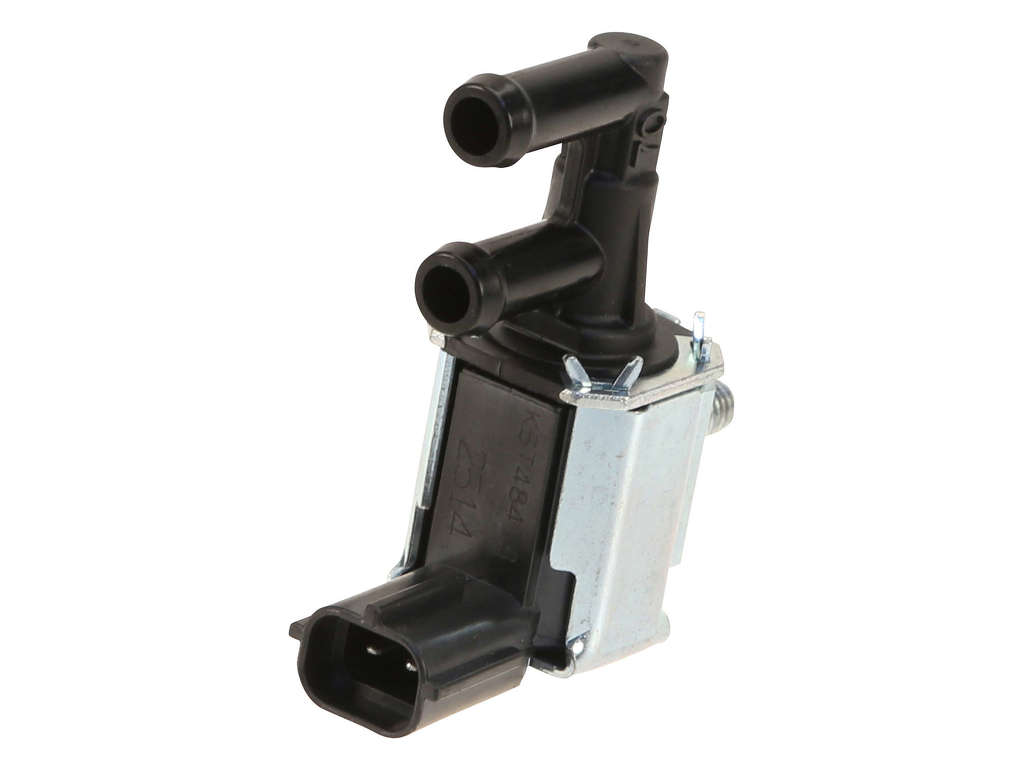
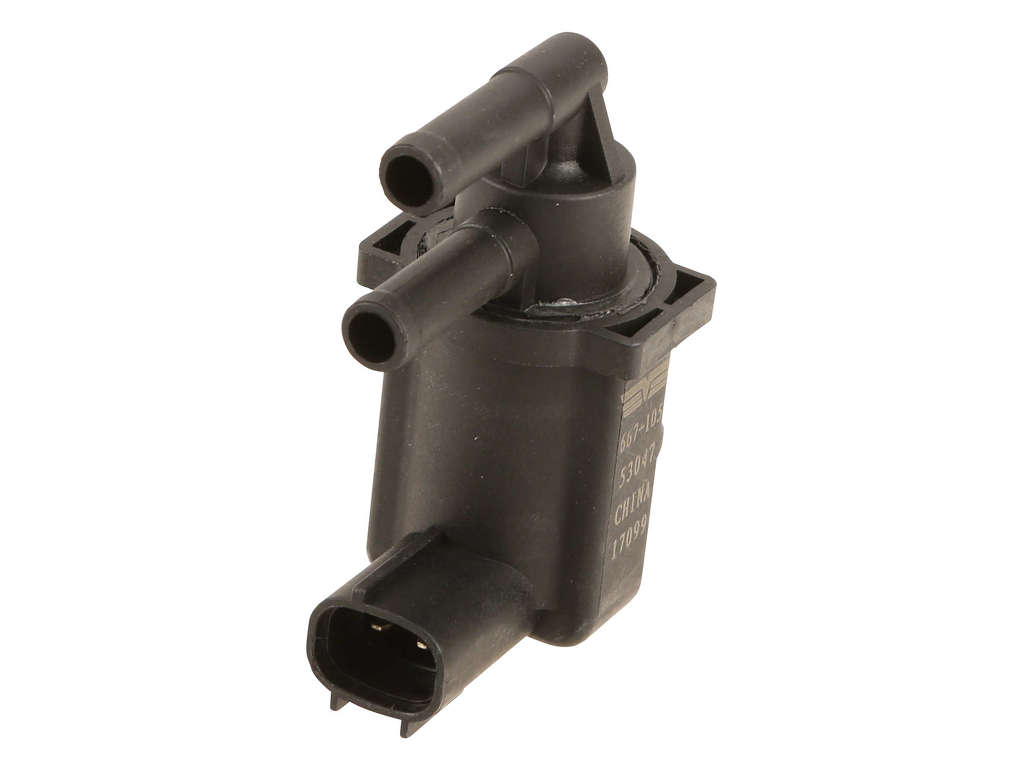
- Locate the EVAP purge control solenoid valve. On the 2009-2013 Forester, it is mounted on the intake manifold in the engine bay, easily accessible. It will have two hoses and one electrical connector.
- Visually inspect the valve, its electrical connector, and the surrounding wiring for any obvious damage, corrosion, or loose connections.
- Disconnect the electrical connector. Test the valve's internal resistance with a multimeter. A reading between 20-30 ohms is expected. An infinite reading ('OL') means the valve's coil is broken and the valve must be replaced.
- With the ignition on (engine off), use a multimeter to check for battery voltage (around 12V) at one of the pins on the wiring harness connector.
- If voltage is present and the valve's resistance is bad, replace the purge valve. This is the most common outcome. 🎬 Watch: Quick DIY methods to fix P0443
- If voltage is not present, check the related emissions system fuse. If the fuse is good, there is a break in the power wire between the fuse box and the valve.
- If the valve and power supply are good, the issue may be in the ground-side wire leading back to the ECM. Check this wire for continuity.
- After replacing the part, clear the code with the scanner and drive the vehicle through a full drive cycle to ensure the Check Engine Light does not return.
Parts You'll Likely Need
- Vapor Canister Purge Valve / Solenoid
(OEM #16102AA380 (For Non-Turbo EJ253), 42084FG060 (For Turbo EJ255))— This is the component that fails in over 90% of P0443 cases on this vehicle due to internal coil failure. Note: Part numbers can vary, always verify with VIN. The Turbo (XT) part is significantly more expensive.
Trusted brands: Subaru (Genuine), Denso, Dorman (911-393), Standard Motor Products (CP607)
OEM price range: $50-$250
Aftermarket price range: $35-$100
Related Codes That Often Appear With This One
- P0444 — This code for 'EVAP System Purge Control Valve Circuit Open' is a more specific version of P0443 and often appears alongside it, pointing directly to a broken wire or failed solenoid coil.
- P0445 — This code for 'EVAP System Purge Control Valve Circuit Shorted' indicates a short circuit, which can also trigger the general P0443 fault.
Platform-Specific Known Issues
- The purge valve for the Turbo (XT) models, part number 42084FG060, is significantly more expensive than the non-turbo version.
- While the purge valve is the common culprit for P0443, a similar code, P1443, can refer to the vent valve/solenoid near the rear charcoal canister, which can cause confusion. P0443 specifically refers to the circuit for the valve in the engine bay.
Mechanic-Grade Diagnostic Values
- Purge Control Solenoid Coil Resistance — expected: 20-40 ohms. A more specific range of 20-30 ohms is commonly cited.. Failure: Infinite resistance (OL) indicates an open coil. Near-zero resistance indicates a shorted coil.
- Voltage at Purge Solenoid Connector (Power Supply Pin) — expected: Battery voltage (~12V) with Key On, Engine Off.. Failure: 0V or significantly low voltage points to a blown fuse or a break in the power supply wire.
- Voltage at Purge Solenoid Connector (Control Pin) — expected: This is a Pulse-Width Modulated (PWM) ground signal from the ECM. When the valve is commanded ON with a scan tool, the voltage should drop to near 0V.. Failure: Voltage does not change when the valve is commanded ON, indicating a break in the control wire or a faulty ECM driver.
Scan Tool Commands That Help
- Subaru Select Monitor (SSM) or equivalent professional scan tool: Active Test: 'Activate the VSV for Evap Control' or similar 'EVAP Purge Test' — This command allows a technician to manually cycle the purge solenoid on and off. It is used to verify if the solenoid makes an audible 'click' and to check for the correct voltage changes on the control wire, which confirms the ECM driver and wiring are functioning correctly.
Wiring & Ground Locations
- GE-1 and GE-2 — Bolted to the top center rear of the engine block.. These are primary engine grounds. While not directly for the purge solenoid itself, a poor connection at these main grounds can cause a host of floating voltages and intermittent electrical issues across various engine sensors and actuators, potentially leading to false codes.
- GB-1 / GB-2 — GB-1 is at the right front of the engine compartment; GB-2 is at the left front wheelwell.. These are chassis grounds. The purge solenoid circuit relies on a clean ground path back to the ECM, which is in turn grounded to the chassis. Corrosion or looseness at these points can cause intermittent circuit faults.
- Purge Solenoid Connector — On the purge solenoid valve, mounted to the intake manifold.. This is the primary connection point. One pin is for 12V power (Key On), and the other is the control wire that the ECM pulses to ground to activate the solenoid. All electrical tests for the valve and its immediate circuit are performed here.
Real Owner Repair Stories
- YouTube video comment (Subaru (model/year not specified, but relevant to EVAP system)) — Multiple warning lights flashing including cruise control, AWD, traction control, and BRAKE, with those functions disabled.
❌ Tried (didn't work) Not specified, but the user implies the dashboard lights were misleading.
✅ What actually fixed it The user found a single broken wire in the EVAP system wiring. After repairing the one wire, all the seemingly unrelated warning lights cleared and system functions were restored.
OEM Part Supersession History
Not specified→16102AA380— This part number is widely listed for non-turbo models from 2006-2013, suggesting it superseded earlier numbers for the EJ253 engine. It is also confusingly cross-listed as a 'Boost Control Solenoid' for turbo WRX/STI models.
Heads up: This part is often confused with a boost control solenoid on turbo models because it can be used for different functions. For a P0443 code on a non-turbo Forester, this is the purge valve.Not specified→42084FG060— This is the specified purge valve for the 2.5L Turbo (XT) Forester models from 2009-2012.
Heads up: This part is physically different and significantly more expensive than the non-turbo version. It is not interchangeable.
Model Year Variations Within This Range
- 2009-2010 (Non-Turbo): These models use the EJ253 engine. The purge valve is typically part number 16102AA380.
- 2011-2013 (Non-Turbo): These models use the newer FB25B engine. While the P0443 fault is still common and the cause is typically the same (failed purge valve), the specific part number and its exact mounting location on the intake manifold may differ slightly from the earlier EJ253 models. Always verify part number by VIN for these years.
- 2009-2013 (Turbo XT): These models use the EJ255 turbo engine and require a different, more expensive purge valve, part number 42084FG060.
Diagnostic Flowchart
Other Known Issues on This Vehicle
Issues unrelated to this code that are worth knowing about as an owner of this generation:
- Excessive Oil Consumption (FB25 Engine) 🔴 High — Common on 2011-2013 non-turbo models with the FB25 engine. Can start as early as 30,000-50,000 miles. Consumption of 1 quart per 1,200 miles was considered excessive by Subaru. (Ref: TSB 02-157-14R. Subaru addressed this with a warranty extension and, for verified cases, a replacement of the engine short block.)
- Head Gasket Failure (EJ25 Engine) 🔴 High — A notorious issue primarily affecting the 2009-2010 non-turbo models with the EJ253 engine. Failures typically occur between 100,000 and 150,000 miles and often present as external oil or coolant leaks. (Ref: No specific recall, but it is a widely documented failure. Later model years of the EJ25 used improved multi-layer steel (MLS) gaskets which were more reliable but not completely immune.)
- Failing Catalytic Converter 🟠 Medium — Some owners report premature failure of the catalytic converter, leading to a Check Engine Light (often code P0420). This can be an expensive repair.
- Timing Belt Replacement (EJ Engines) 🟠 Medium — This is a critical maintenance item, not a failure. The EJ253 (2009-2010 non-turbo) and EJ255 (all turbo XT models) use a timing belt that requires replacement at 105,000 miles. Failure to do so will result in catastrophic engine damage.
Used vs. New Parts: Buying Guide for This Vehicle
When a used part is the smart pick: For this specific repair, buying a used purge solenoid is generally not recommended. It is an electronic component with a finite lifespan that fails from heat cycles and internal wear, not physical damage. A used part from a junkyard has unknown history and may fail soon after installation.
Donor-vehicle mileage cap: roughly under 60000 miles for the part to have meaningful remaining life.
What to inspect on the donor part:
- Check for cracks in the plastic housing or electrical connector.
- Ensure the hose ports are not broken or cracked.
- If possible, test the resistance with a multimeter before purchase; it should be between 20-40 ohms.
Aftermarket brands forum-validated for this vehicle:
- Denso (often the Original Equipment Manufacturer for Subaru)
- Standard Motor Products (SMP)
- Dorman
Brands owners have reported issues with on this vehicle:
- No-name, unbranded parts from online marketplaces should be avoided, as quality control can be inconsistent and lead to premature failure.
Real Owner Stories
Aggregated from forums and TSBs cited above. Mileages and costs reflect what owners reported in those sources.
2006 Subaru Forester 2.5X (USA) — ~125000 miles
Symptoms: Owner encountered P1443 and P0420 codes and sought a way to test the valve's operation.
What fixed it: Used a service mode to listen for the valve clicking to verify operation.
Source hint: Forum-SIP.pl: 'Forester 2.5X 2006 z USA wolny ssak p1443 p0420'
Subaru Forester (General)
Symptoms: Confusion over the name of the part causing the error code and whether it was the purge valve or vent valve.
What fixed it: Confirmed the diagnostic steps of checking for suction at the valve and applying 12V to check for a click.
Source hint: Car Talk Community: 'Error P1443, but what the hell is the name of the part?'
Related OBD-II Codes
Frequently Asked Questions
Is the purge valve for my Forester XT (Turbo) the same as the one for the standard 2.5X model?
I have a P1443 code on my Subaru; is that the same as the P0443 code?
What should the resistance be when testing the purge control solenoid on a 2009-2013 Forester?
My 2012 Forester is consuming a lot of oil; is this related to the P0443 code?
Could a blown fuse cause the P0443 code on my Subaru?
Where is the purge control solenoid located on the 2009-2013 Forester?
Helpful Videos
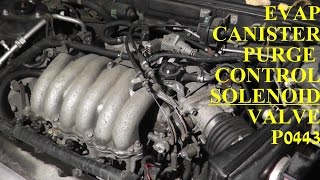
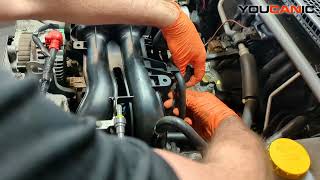

![How to Fix P0443 Engine Code in 3 Minutes [2 DIY Methods / Only $4.53]](https://img.youtube.com/vi/vuBVKjVg1JI/mqdefault.jpg)
We Have This Part in Stock

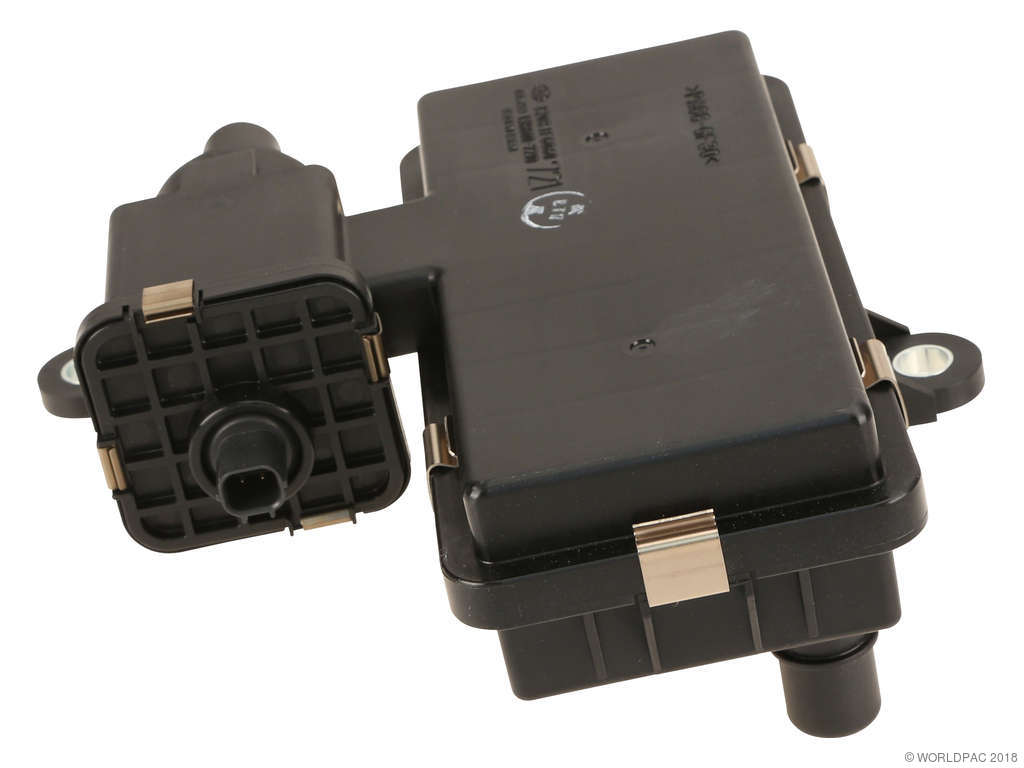
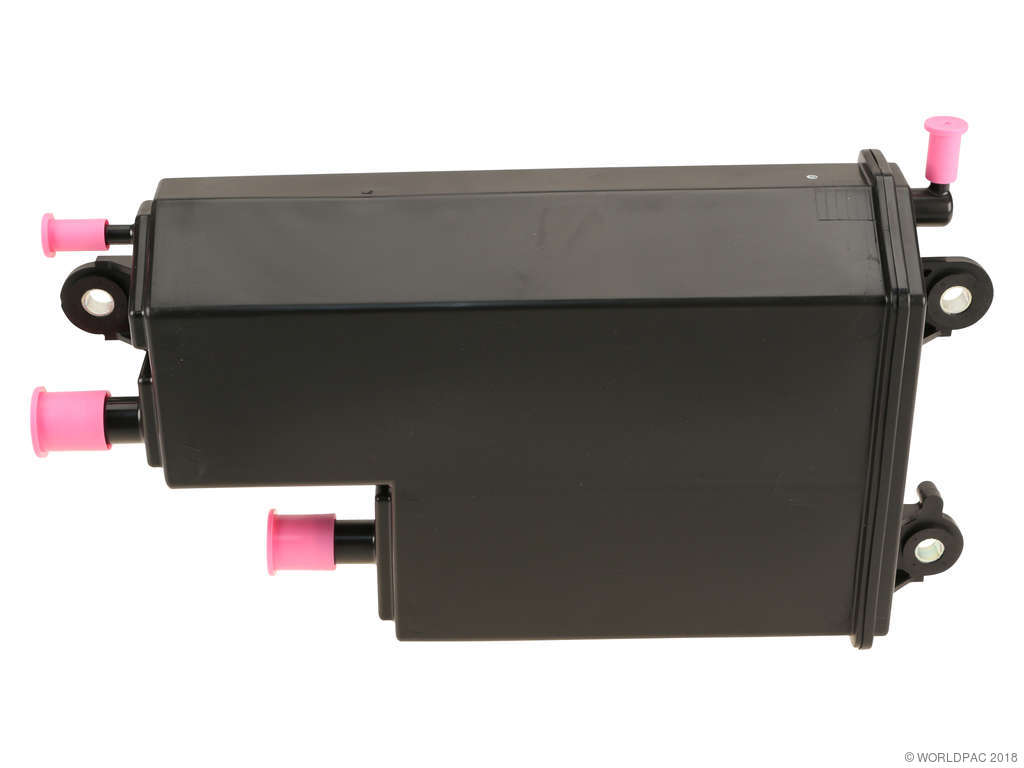

The information in this article is provided for general reference and educational purposes only. Vehicle specifications, procedures, and part compatibility can vary by production date, trim level, and region. Always consult your vehicle's factory service manual and verify part numbers before purchasing or performing repairs. Safety-critical components such as airbags, seat belts, and braking systems should be installed by a qualified professional.
- Subaru Forester:
- 🧭 Diagnostic Flowchart
- 🎬 Helpful Videos
- 🛍️ Shop This Part
- What's Unique About the 2009-2013 Subaru Forester
- Symptoms You May Notice
- Most Likely Causes
- Rare But Worth Checking
- Diagnosis Steps
- Parts You'll Likely Need
- Related Codes That Often Appear With This One
- Platform-Specific Known Issues
- Mechanic-Grade Diagnostic Values
- Scan Tool Commands That Help
- Wiring & Ground Locations
- Real Owner Repair Stories
- OEM Part Supersession History
- Model Year Variations Within This Range
- Other Known Issues on This Vehicle
- Used vs. New Parts: Buying Guide for This Vehicle
- Real Owner Stories
- 2006 Subaru Forester 2.5X (USA) — ~125000 miles
- Subaru Forester (General)
- Related OBD-II Codes
- Frequently Asked Questions
- 🎟️ Get 5% Off