

P0443 on 2005-2009 Subaru Legacy: EVAP Purge Valve Circuit Fixes
For a 2005-2009 Subaru Legacy, code P0443 almost always points to a faulty EVAP Purge Control Solenoid Valve. It's an electrical circuit code, meaning the computer has detected a problem with the valve's wiring or the valve itself. Expect to pay around $40-$60 for an aftermarket valve and $140+ for an OEM part. It's a DIY-friendly fix for many, though access on turbo (GT) models is more difficult.
- P0443 on a 2005-2009 Legacy is an electrical fault code, not a leak code. Don't replace the gas cap for this issue.
- The most likely culprit is a failed purge control solenoid valve located on the intake manifold.
- You can diagnose the valve yourself with a basic multimeter by checking its resistance (should be ~29-35 ohms).
- This is a relatively simple DIY repair on non-turbo models, but access is much more difficult on the turbocharged Legacy GT.
- Be sure to buy the correct part; the engine-bay purge solenoid is different from the canister-mounted vent solenoid.
What's Unique About the 2005-2009 Subaru Legacy
The 2005-2009 Subaru Legacy (fourth generation) is generally reliable, but like many vehicles of this era, its emissions components can fail with age. The P0443 code on this platform is straightforward and almost always related to the purge control solenoid itself or its immediate wiring. Unlike some vehicles where the purge valve is difficult to access, on the naturally aspirated (2.5i) Legacy, it is typically located in the engine bay on the passenger side of the intake manifold, making it relatively easy to diagnose and replace. However, on turbocharged Legacy GT models, the solenoid is in a tighter space, and access may require removing the turbocharger intercooler or even the turbo itself.
Symptoms You May Notice
- Check Engine Light is on
- Rough or unstable idle, especially after refueling or when coming to a stop
- Slight decrease in fuel economy
- Possible stalling when the engine returns to idle
- Strong fuel odor near the vehicle
- Replacing the gas cap. A loose or faulty gas cap typically causes a P0457 (large leak) or P0456 (small leak) code, not a P0443 circuit code.
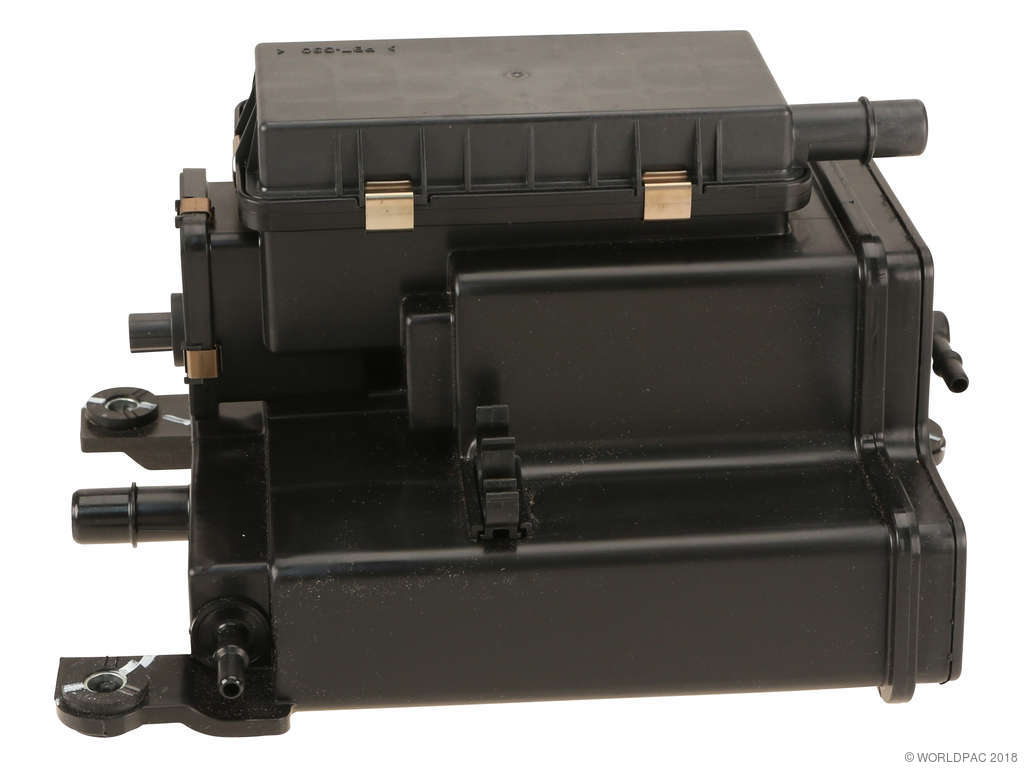
- Replacing the charcoal canister. The canister is a different part of the EVAP system and failures there would set different codes, usually related to leaks or vent valve issues.
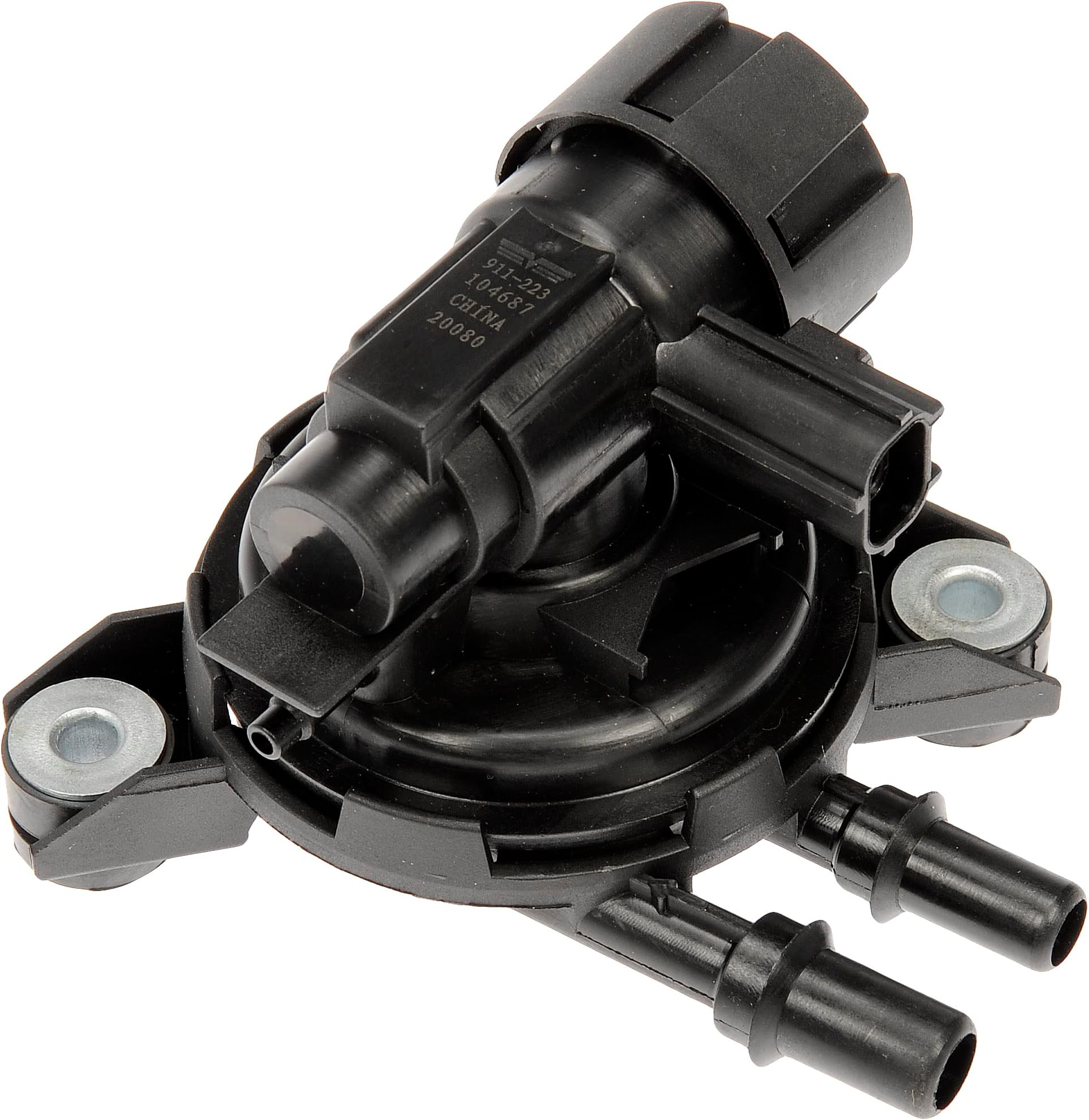
- Replacing the wrong solenoid. Do not confuse the engine bay-mounted Purge Control Solenoid with the canister-mounted Vent Control Solenoid (often Dorman part 911-650 for Subarus).
Most Likely Causes
- Faulty EVAP Purge Control Solenoid Valve 🔴 High Probability → Shop Vapor Canister The solenoid is an electromechanical part that cycles thousands of times. Over time, the internal coil can develop an open or short circuit, or the valve mechanism can stick. This is a very common failure point on Subarus of this era.
How to confirm: Unplug the electrical connector and measure the resistance across the two pins of the solenoid with a multimeter. A healthy solenoid for this generation Subaru should have a resistance between 29-35 ohms. An open circuit (infinite resistance) or a direct short (zero resistance) confirms a bad solenoid. A user on the Subaru Legacy International forum confirmed this exact diagnostic procedure fixed their issue when their multimeter read 'open'. You can also briefly apply 12V power to the pins; a good solenoid will make an audible click.
Typical fix: Replace the purge control solenoid valve.
Est. part cost: $40-$160 - Damaged Wiring or Connector 🟡 Medium Probability Engine bay heat and vibrations can make wiring and plastic connectors brittle over time. The harness connector to the solenoid is a common point of failure. Rodents are also known to chew on wires in this area.
How to confirm: Visually inspect the wiring harness leading to the purge solenoid for any signs of cracking, fraying, melting, or rodent damage. Check the connector for corrosion, moisture, or pushed-out pins. With the key on (engine off), use a multimeter to confirm that one wire at the connector has battery voltage (approx. 12V). The other wire is the ground-side control from the ECM.
Typical fix: Repair the damaged section of wiring or replace the connector pigtail.
Est. part cost: $5-$30 - Blown Fuse ⚪ Low Probability
How to confirm: Consult your owner's manual to locate the fuse for the emissions or EVAP system and visually inspect it to see if it's blown. This is less common as the fuse often protects other components that would also cease to function.
Typical fix: Replace the blown fuse. If it blows again, there is a short circuit in the wiring or the solenoid itself that needs to be diagnosed.
Est. part cost: $1-$5
Rare But Worth Checking
- Faulty Engine Control Module (ECM): → Shop Engine Control Module (ECM) This is extremely rare. The ECM's internal driver for the purge solenoid circuit can fail, but all other possibilities (solenoid, wiring, fuse) should be exhaustively tested before condemning the ECM.
Diagnosis Steps
- Scan the vehicle for codes to confirm P0443 is the only code present. If other codes are present, address them first.
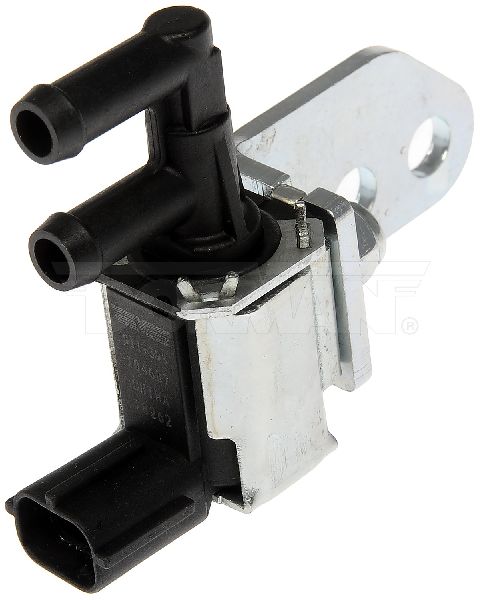
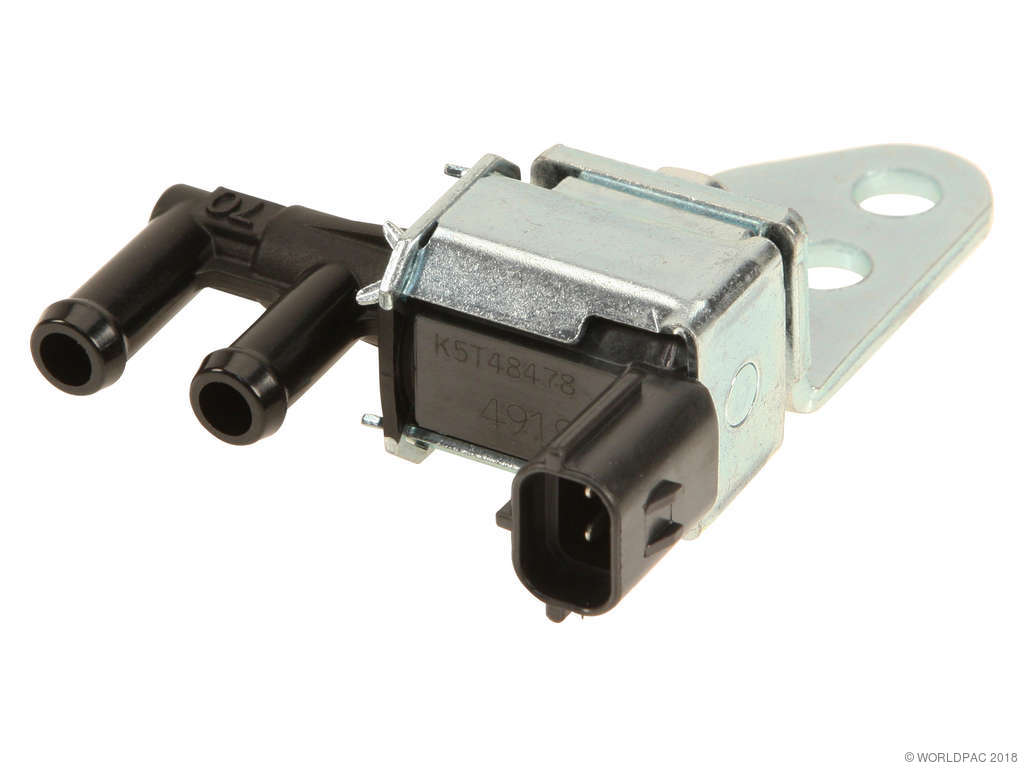
- Locate the EVAP purge control solenoid valve. On the 2005-2009 Legacy, it is typically mounted on the passenger side of the intake manifold. It's a small black or metal cylinder with an electrical connector and two vacuum hoses. Access on turbo (GT) models is more restricted.
- Inspect the electrical connector and wiring harness for any visible damage, corrosion, or loose connections.
- Disconnect the electrical connector. With the ignition on (engine off), use a multimeter to verify that one of the terminals in the connector has battery voltage (around 12V).
- With the connector still unplugged, measure the resistance across the two pins on the purge solenoid itself. Compare the reading to the specification (typically 29-35 ohms for this model). If it's out of spec (e.g., reads 'OL' for open or near zero for shorted), the solenoid is bad.
- If resistance is good, you can test for operation. Use jumper wires to briefly apply 12V and ground to the solenoid's pins. You should hear a distinct click. If it doesn't click, it's mechanically stuck or faulty.
- If the wiring has power and the solenoid clicks and has correct resistance, the issue may be in the ground-side control wire going back to the ECM or, rarely, the ECM itself.
Parts You'll Likely Need
- EVAP Purge Control Solenoid Valve
(OEM #16102AA380, possibly 16102AA480 for turbo models)— This is the most common failure point for a P0443 circuit code. The internal coil fails, creating an open or short that the ECM detects. There is some confusion in Subaru parts catalogs between part 16102AA380 and 16102AA480, as both are sometimes listed for purge or boost control functions. For a 2.5GT, 16102AA480 is often the correct part. Always verify with VIN if possible.
Trusted brands: Subaru (Genuine), Denso (often the OEM supplier), Standard Motor Products (SMP), Dorman
OEM price range: $140-$160
Aftermarket price range: $40-$70
Technical Service Bulletins (TSBs) & Recalls
- No specific Technical Service Bulletins (TSBs) for the P0443 code on the 2005-2009 Subaru Legacy were found during research. TSBs for EVAP systems on other models or years exist but do not directly apply here.
Platform-Specific Known Issues
- Location and Access Difficulty (Turbo vs. Non-Turbo): On naturally aspirated 2.5i models, the purge solenoid is relatively easy to access on the passenger side of the intake manifold. On turbocharged 2.5GT models, the solenoid is located in a much tighter space, and mechanics or owners may need to remove the top-mount intercooler or other components to gain access, significantly increasing repair time.
Mechanic-Grade Diagnostic Values
- Purge Control Solenoid Coil Resistance — expected: 29-35 Ohms. Failure: A reading of infinity (Open Loop) or near zero ohms (short circuit) indicates a failed solenoid.
- Voltage at Purge Solenoid Connector (Key On, Engine Off) — expected: One pin should have ~12V (battery voltage). The other pin is the ground-side control from the ECM.. Failure: No voltage suggests a problem with the power supply circuit, such as a blown fuse or a break in the wire.
- Continuity between ECM and Purge Solenoid Connector — expected: Less than 1.0 Ohm on the control wire between the solenoid connector and the corresponding ECM pin.. Failure: High resistance or an open circuit (OL) indicates a break in the wiring harness.
Scan Tool Commands That Help
- Subaru Select Monitor (SSM) or equivalent high-end scanner: Activate the VSV for Evap Control / EVAP Purge Test — This bidirectional command allows a technician to manually command the purge solenoid to open and close. It is used to verify that the solenoid clicks (operates mechanically) and that the wiring from the ECM is capable of controlling the valve. This test can confirm if the valve is stuck or if the control circuit is intact after the valve and its local wiring have been checked.
Wiring & Ground Locations
- E4, E64, E68, R68 — These are Subaru wiring diagram identifiers for the EVAP Purge Control Solenoid Valve connector plug.. Knowing these identifiers helps in locating the correct connector and its pinout on a factory wiring diagram for advanced circuit testing.
- Purge Control Solenoid Valve (on wiring diagram) — A 2009 Legacy GT wiring diagram shows the Purge Control Solenoid Valve located on the right side of the engine.. This confirms the physical location mentioned in Pass 2 and is essential for tracing the two wires (one for power, one for ECM control) back to their source for continuity and short-to-ground testing.
OEM Part Supersession History
16102AA380→Unclear, often confused with 16102AA480— Part catalogs frequently mislabel these two parts. 16102AA380 is often listed as a 'Valve Assembly Duty Solenoid' and is primarily used as the boost control solenoid on WRX and Forester XT models. However, some applications list it for EVAP purge functions.
Heads up: For turbocharged Legacy GT models, using the wrong solenoid can cause boost control problems, not just an EVAP code. Part 16102AA480 is more commonly the correct part for the EVAP purge solenoid on turbo models, while 16102AA380 is for boost control. A Reddit user with a WRX reported getting only 10psi of boost after a shop incorrectly installed 16102AA380 as a boost controller, when 16102AA480 was required. This highlights the critical difference in function despite similar appearances.
Diagnostic Flowchart
Used vs. New Parts: Buying Guide for This Vehicle
When a used part is the smart pick: A used OEM purge solenoid from a junkyard is a reasonable choice for this repair. The part is generally reliable, and a used unit is significantly cheaper than a new OEM part. Given its easy access on non-turbo models, the labor to replace it again if the used part fails is minimal, making the risk low.
Donor-vehicle mileage cap: roughly under 120000 miles for the part to have meaningful remaining life.
What to inspect on the donor part:
- Check for cracks or damage to the plastic housing and connector.
- Ensure the vacuum ports are clean and free of debris.
- If possible, bring a 9V battery or a multimeter to the junkyard. A good solenoid should click when power is applied and have a resistance of 29-35 ohms.
Aftermarket brands forum-validated for this vehicle:
- Denso (often the original equipment manufacturer for Subaru)
- Standard Motor Products (SMP)
- Dorman
Brands owners have reported issues with on this vehicle:
- No-name, unbranded parts from online marketplaces should be avoided as their quality and coil resistance specifications can be inconsistent, potentially causing the code to return.
Real Owner Stories
Aggregated from forums and TSBs cited above. Mileages and costs reflect what owners reported in those sources.
Subaru Legacy (turbocharged after motor swap)
Symptoms: Anytime I roll to a stop or push in the clutch the car will drop RPMs and either die or just barely catch itself at about 100 rpms... It will do this for about 15 to 30 seconds before it levels out and then it will idle just fine.
What fixed it: The owner tested the purge solenoid with a multimeter and found it had an open circuit. Replacing the solenoid resolved the issue.
Source hint: Subaru Legacy International (sl-i.net) - P0443 Help? Thread
Related OBD-II Codes
Frequently Asked Questions
Where is the EVAP purge solenoid located on my 2005-2009 Subaru Legacy, and is it hard to get to?
How can I test the purge solenoid on my Legacy to see if it's actually bad?
My Legacy is stalling and idling very roughly right after I get gas. Is this related to the P0443 code?
Are there any official recalls or Technical Service Bulletins (TSBs) for the P0443 code on the 2005-2009 Legacy?
What is the typical cost for a new EVAP purge solenoid valve for my Subaru?
Is it a good idea to use a used purge solenoid from a junkyard to save money?
I have a 2008 Subaru Outback XT. Is the diagnosis for P0443 the same as for the Legacy GT?
Used OEM Parts in Stock
New Aftermarket Parts Available


The information in this article is provided for general reference and educational purposes only. Vehicle specifications, procedures, and part compatibility can vary by production date, trim level, and region. Always consult your vehicle's factory service manual and verify part numbers before purchasing or performing repairs. Safety-critical components such as airbags, seat belts, and braking systems should be installed by a qualified professional.
- Subaru Legacy:
- 🧭 Diagnostic Flowchart
- 🛍️ Shop This Part
- What's Unique About the 2005-2009 Subaru Legacy
- Symptoms You May Notice
- Most Likely Causes
- Rare But Worth Checking
- Diagnosis Steps
- Parts You'll Likely Need
- Technical Service Bulletins (TSBs) & Recalls
- Platform-Specific Known Issues
- Mechanic-Grade Diagnostic Values
- Scan Tool Commands That Help
- Wiring & Ground Locations
- OEM Part Supersession History
- Used vs. New Parts: Buying Guide for This Vehicle
- Real Owner Stories
- Subaru Legacy (turbocharged after motor swap)
- Related OBD-II Codes
- Frequently Asked Questions
- 🎟️ Get 5% Off