

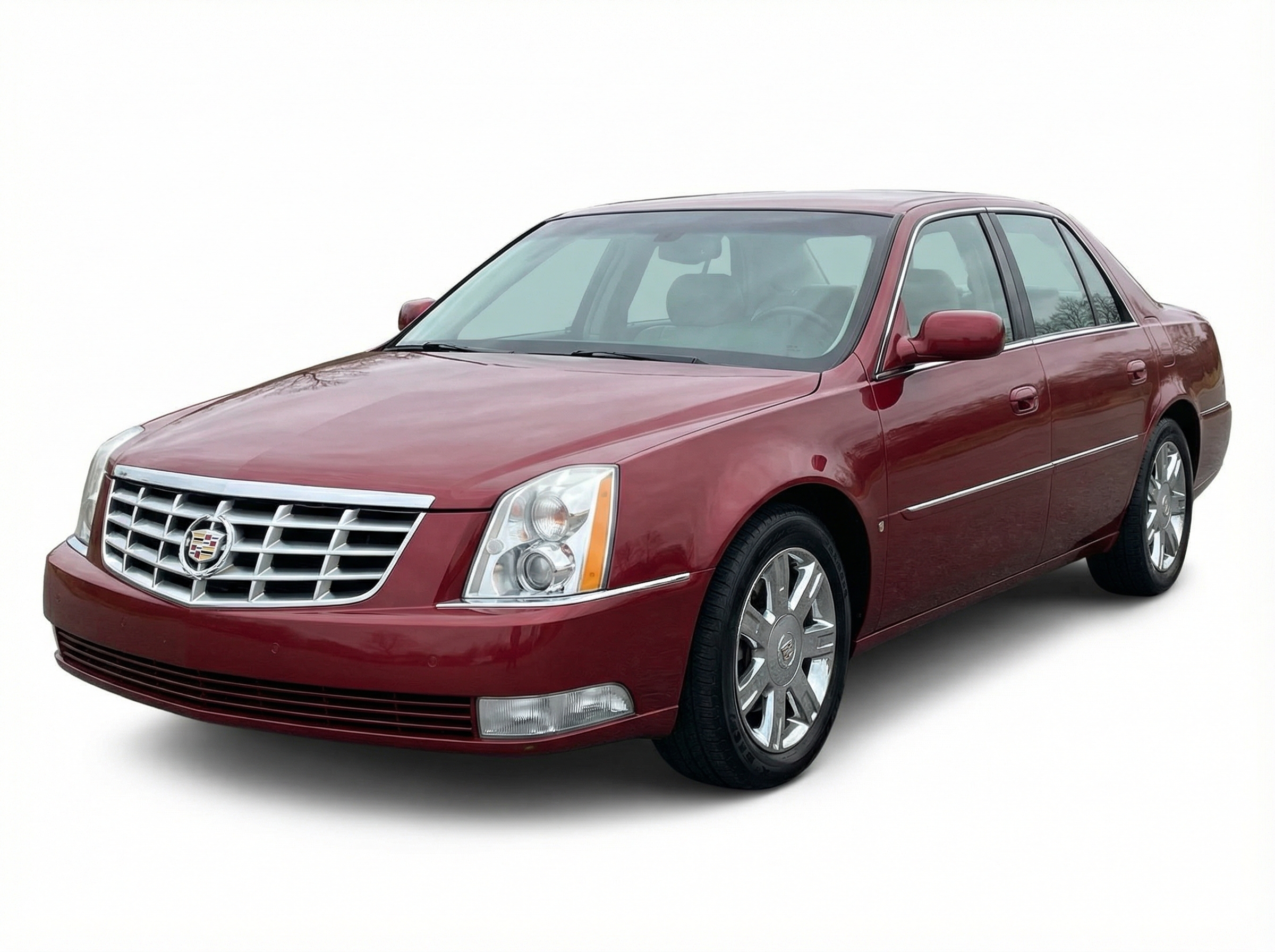
P0446 on 2006-2011 Cadillac DTS: EVAP Vent System Causes and Fixes
This code most often points to a faulty EVAP canister vent solenoid located near the fuel tank, under the rear of the car. This solenoid can get stuck or fail electrically. Replacing this solenoid is a common DIY fix, with an OEM ACDelco part (25932571) costing around $30-$50. In some cases, a faulty Fuel Tank Pressure (FTP) sensor can also trigger this code.
- P0446 on your DTS almost always points to a problem at the rear of the car, not in the engine bay.
- The most likely culprit is the EVAP Canister Vent Solenoid (ACDelco #214-2149), which is a relatively inexpensive and accessible part for DIY replacement.
- Before buying parts, use a scan tool to listen for the solenoid 'clicking' when commanded. If it clicks, your problem is likely a clog in a hose or the canister itself, not the solenoid.
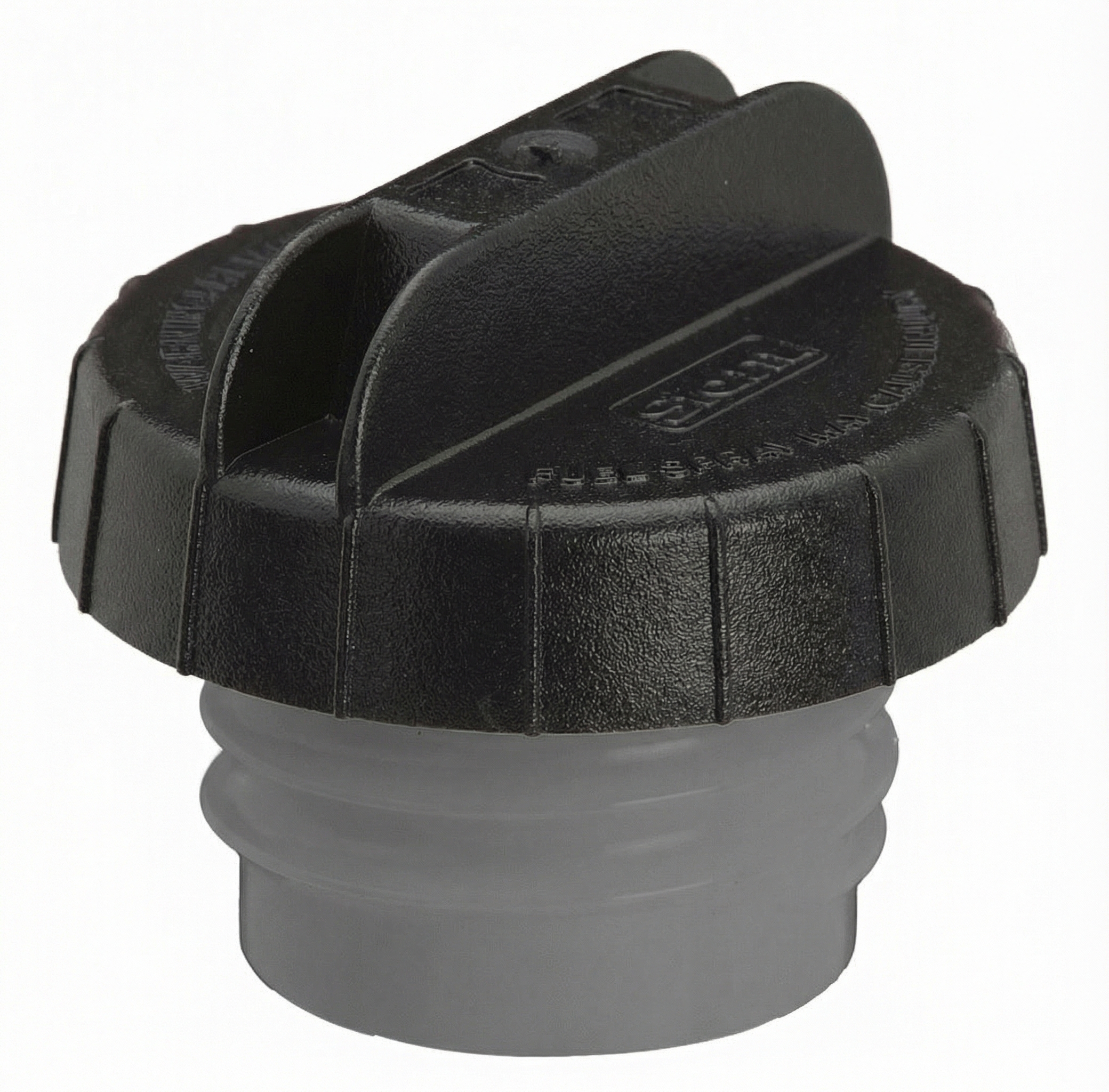
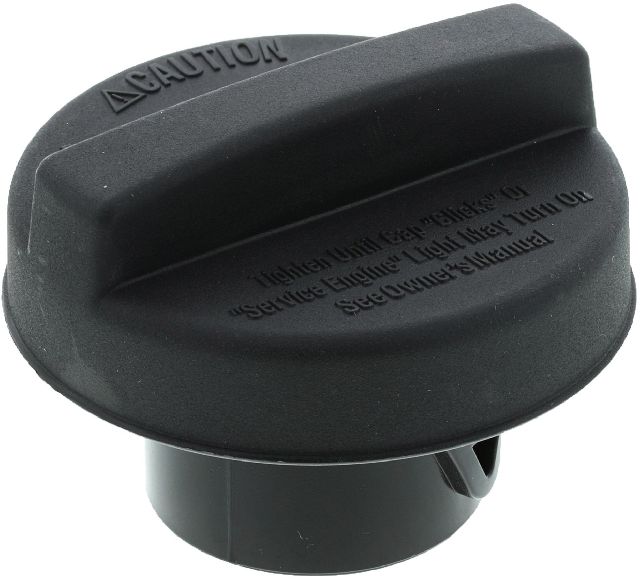
- Do not replace the gas cap for this code; it is not a leak code and will not solve the problem.
What's Unique About the 2006-2011 Cadillac DTS
On the Cadillac DTS, the EVAP system components, particularly the vent solenoid and charcoal canister, are located under the rear of the vehicle, making them susceptible to road debris and corrosion. While the code is generic, GM has a known issue on some vehicles where operation in dusty environments can clog the vent solenoid and canister, sometimes warranting a filter retrofit. Diagnosis is straightforward with 🎬 Watch: A complete diagnostic walkthrough for the DTS P0446 code. a capable scan tool that can command the vent solenoid on and off, a common feature used on GM vehicles. The platform mate, the Buick Lucerne with the 4.6L V8, shares the exact same EVAP components and common failures.
Symptoms You May Notice
- Check Engine Light is on.
- Difficulty refueling (gas pump nozzle clicks off frequently).
- A faint fuel odor near the rear of the vehicle (less common).
- Audible noise from the rear of the vehicle as the tank pressure changes.
- Replacing the gas cap. P0446 is a vent performance/blockage code, not a small leak code (like P0442 or P0456). A bad gas cap will not cause P0446 on this vehicle.
- Replacing the EVAP Purge Solenoid. The purge solenoid is located in the engine bay and controls vapor flow to the engine. P0446 specifically relates to the vent circuit at the rear of the vehicle. Confusing the two is a common mistake.
Most Likely Causes
- Faulty EVAP Canister Vent Solenoid/Valve 🔴 High Probability → Shop Vapor Canister The solenoid is a moving electrical part located under the vehicle, exposed to moisture and road debris, which can cause it to fail mechanically (get stuck) or electrically. It is the most common point of failure for this code.
How to confirm: Use a scan tool to command the vent solenoid to open and close; you should hear an audible click from the rear of the vehicle. If it doesn't click, test for 12V power and a ground signal at the connector. If power and ground signal are present but it doesn't actuate, the solenoid is bad. The solenoid is normally open, so if you remove it, you should be able to blow through it. Applying 12V should cause it to close, stopping airflow.
Typical fix: Replace the EVAP canister vent solenoid. It twists into the charcoal canister. A detailed video from 1A Auto shows the process on a DTS, requiring only a 10mm socket and screwdriver.
Est. part cost: $30-$60 - Faulty Fuel Tank Pressure (FTP) Sensor 🟡 Medium Probability → Shop Fuel Tank A failing FTP sensor can provide incorrect pressure readings to the ECM, causing it to misinterpret the state of the vent system. It may report a vacuum when there is none, leading the ECM to believe the vent is blocked when it's actually the sensor that's bad. This is a known issue on these GM platforms.
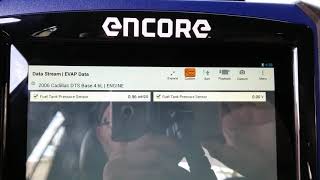
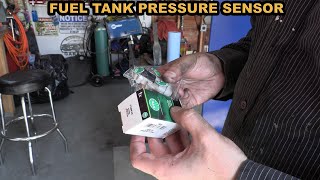
How to confirm: With a scan tool, monitor the FTP sensor reading (in inches of water or volts). With the gas cap off, the reading should be near zero or atmospheric pressure (around 1.5V for GM). If the reading is stuck high or low (e.g., stuck at 0.24V as shown in one 🎬 See how to test and replace a faulty FTP sensor. diagnostic video) and doesn't change when the cap is removed, the sensor is likely faulty. The sensor is on top of the fuel tank, accessed via a panel under the rear seat.
Typical fix: Replace the fuel tank pressure sensor, which is located on top of the fuel tank/fuel pump module. Access may require lowering the tank slightly.
Est. part cost: $40-$80 - Blocked or Clogged EVAP Vent Hose/Filter 🟡 Medium Probability The vent hose inlet, which is often routed to a spot high on the filler neck, can get clogged with dirt, debris, or even insect nests, preventing the system from drawing in fresh air. A GM TSB notes that vehicles in dusty environments are prone to this.
How to confirm: Visually inspect the vent hose running from the canister for any blockages, kinks, or cracks. Disconnect the hose and attempt to blow air through it.
Typical fix: Clean or replace the blocked vent hose. Sometimes a relocated filter kit is installed per GM TSBs.
Est. part cost: $10-$30 - Clogged EVAP Charcoal Canister ⚪ Low Probability → Shop Vapor Canister Over time, the activated carbon inside the canister can break down or become saturated with fuel, especially if the car is frequently overfilled. This creates a restriction that the vent solenoid cannot overcome. This is more likely if the refueling issue is severe.
How to confirm: If the vent solenoid and hoses are confirmed to be good, but the system still won't vent (and the FTP sensor is reading correctly), the canister is the likely point of restriction. It may feel heavy or you may see charcoal pellets in the vent lines.
Typical fix: Replace the entire charcoal canister assembly. The vent solenoid is often replaced with it.
Est. part cost: $150-$250 - Damaged Wiring or Corroded Connector ⚪ Low Probability
How to confirm: Visually inspect the wiring harness and connector going to the vent solenoid for any breaks, chafing, or green/white corrosion on the pins. Use a multimeter to check for continuity and 12V power with the key on.
Typical fix: Repair the damaged section of wire or clean/replace the connector.
Est. part cost: $5-$25
Rare But Worth Checking
- Faulty Powertrain Control Module (PCM): This is extremely rare. The PCM should only be considered after all other possibilities, including wiring, have been exhaustively tested and ruled out.
Diagnosis Steps
- Scan for Codes: Read the codes with an OBD-II scanner and confirm P0446 is present. Note any other codes, especially P0449 or FTP-related codes.
- Visual Inspection: Raise the rear of the vehicle and locate the charcoal canister near the fuel tank. Inspect the canister, vent solenoid, and all attached hoses for obvious cracks, damage, or blockages.
- Check FTP Sensor Live Data: Before testing parts, use a scan tool to view the Fuel Tank Pressure (FTP) sensor data. With the gas cap removed, the voltage should be around 1.5V. If it's stuck very low (e.g., < 0.5V) or high, suspect the FTP sensor first.
- Test the Vent Solenoid: Using a bidirectional scan tool, command the EVAP vent solenoid to close and open. Listen for a distinct 'click' from the solenoid each time it's commanded.
- No Click?: If the solenoid does not click, disconnect its electrical connector. Check for 12V power on one pin with the key on. Then, use the scan tool to command the solenoid on/off while checking for a ground signal from the PCM on the other pin. If power and ground signal are present, the solenoid is bad and needs replacement. If either is missing, trace the wiring for a break or short.
- Solenoid Clicks?: If the solenoid clicks and the FTP sensor seems to read correctly at atmosphere, the problem is likely a mechanical blockage. Proceed to the next step.
- Check for Blockages: Disconnect the vent hose from the canister. Try to blow through the hose to check for obstructions. Inspect the vent solenoid's port and the canister port for clogs from dirt or charcoal pellets.
- Smoke Test: If the cause is still not found, a smoke machine can be used. Command the vent valve closed and introduce smoke into the system. If smoke does not exit the vent hose when the valve is commanded open, it confirms a blockage in the valve or canister.
Parts You'll Likely Need
- EVAP Canister Vent Solenoid Valve
(OEM #25932571)— This is the most common failure point for P0446. It's a mechanical and electrical part that wears out or gets stuck over time.
Trusted brands: ACDelco (OEM), Dorman (911-140), Standard Motor Products (CVS38)
OEM price range: $30-$50
Aftermarket price range: $20-$40 - EVAP Charcoal Canister
(OEM #19259325)— If the canister becomes internally clogged with debris or saturated with fuel, it will restrict airflow and cause a P0446 code. This often happens after the vent solenoid fails or if the fuel tank is consistently overfilled.
Trusted brands: ACDelco (OEM)
OEM price range: $150-$250
Aftermarket price range: $100-$180 - Fuel Tank Pressure (FTP) Sensor — A common secondary cause, this sensor can fail and send incorrect data to the computer, mimicking a vent blockage.
Trusted brands: ACDelco, Bosch
OEM price range: $40-$80
Aftermarket price range: $30-$60
Related Codes That Often Appear With This One
- P0449 — P0449 (EVAP Vent Solenoid Control Circuit Malfunction) is an electrical fault code for the exact same component. P0446 is a performance/flow fault, while P0449 is an electrical circuit fault. They often appear together when the solenoid fails electrically or the wiring is compromised.
Technical Service Bulletins (TSBs) & Recalls
- TSB PIC5261D: Mentions that dust intrusion in the EVAP system can cause DTCs P0446 and suggests a filter kit may be needed.
- TSB 04-06-04-055A: An older TSB for similar GM trucks and SUVs with P0446, which recommends replacing the original vent solenoid with a more robust design that has an enhanced, cleanable filter to combat dirt intrusion. While not directly for the DTS, it highlights a known GM design weakness.
- Manufacturer TSB Bulletin #PIE0528: Notes that technicians may find P0446 set alongside P0442, P0455, and P0449, and requests information on warranty parts for complete evaporative emission canister performance issues.
Platform-Specific Known Issues
- A GM Technical Service Bulletin (TSB PIC5261D) addresses P0446 on vehicles operated in extremely dusty conditions, which can clog the EVAP canister and vent solenoid. The fix involves retrofitting an external filter to the vent hose inlet.
- A YouTube video by 'Just Diag' titled '(Cadillac DTS) Diagnosing a P0446 Evap Vent System Performance' provides a real-world example of this code being caused by a faulty Fuel Tank Pressure sensor, not the vent solenoid itself, which is a common scenario.
- A 1A Auto repair video titled 'How to Replace Vapor Canister Vent Valve 2006-2011 Cadillac DTS' gives a clear, step-by-step visual guide for replacing the most common failed part, showing its location and the tools needed (10mm socket, screwdriver).
Mechanic-Grade Diagnostic Values
- Fuel Tank Pressure (FTP) Sensor Voltage at Atmospheric Pressure — expected: 1.3V to 1.7V (typically ~1.5V) with the gas cap off, key on, engine off.. Failure: A voltage reading that is stuck low (e.g., 0.24V) or high (e.g., 4.8V) and does not change when the gas cap is removed.
- FTP Sensor 5-Volt Reference Circuit — expected: ~5.0 volts at the sensor connector (with sensor unplugged, key on) when measured between the 5V reference wire and a known good ground.. Failure: No voltage or significantly low voltage indicates an open or short in the wiring between the ECM and the sensor.
- EVAP Canister Vent Solenoid Coil Resistance — expected: Typically between 20 and 50 ohms when measured across the two pins of the solenoid.. Failure: A reading of infinite resistance (OL) indicates an open coil, while a reading near zero ohms indicates a shorted coil.
Scan Tool Commands That Help
- GM Tech2 / GDS2 or equivalent professional scan tool: EVAP Vent Solenoid Open/Close Test — This is the primary bidirectional command to functionally test the vent solenoid. The technician can command the solenoid to change state while listening for an audible click and monitoring FTP sensor voltage to confirm mechanical and electrical operation.
- GM Tech2 / GDS2 or equivalent professional scan tool: EVAP Purge/Seal — This command seals the EVAP system by closing the vent solenoid and then allows the technician to command the purge solenoid to create a vacuum. It is used to verify the system can hold a vacuum and to check for leaks or blockages.
- GM Tech2 / GDS2 or equivalent professional scan tool: EVAP Service Bay Test — This is a special function that runs the entire EVAP monitor test sequence on demand, which is useful for verifying a repair without having to perform a full drive cycle. The fuel level must be between 15% and 85% for the test to run.
Wiring & Ground Locations
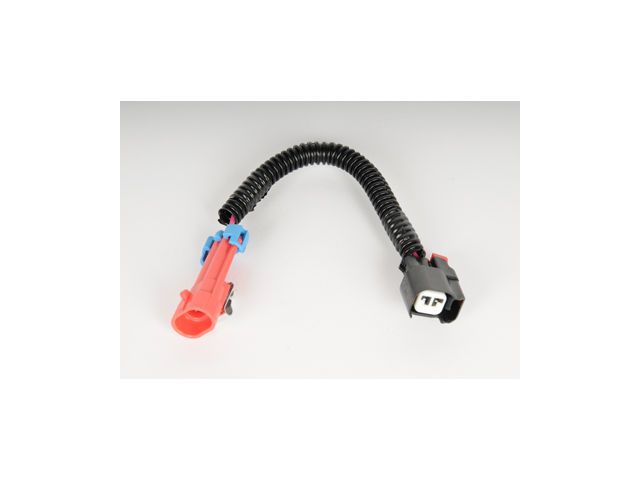
- EVAP Canister Vent Solenoid Connector — Under the left rear of the vehicle, on the EVAP charcoal canister.. This is the direct electrical connection for the component most associated with P0446. It is exposed to road spray and debris, making it a prime location for corrosion or wiring damage. One pin should have ~12V with key-on, and the other is the ground-side switched control from the ECM.
- G301 — Under the left side of the rear seat.. This is a major body ground point in the rear of the vehicle. Since the battery, rear fuse block, and EVAP components are all located in the rear, this ground is a likely candidate for the EVAP system's ground path. A corroded or loose G301 could cause intermittent electrical issues for multiple rear components. The battery itself is also located under the rear seat.
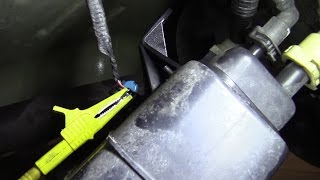
- FTP Sensor Connector — On top of the fuel tank, accessed through a panel under the rear seat cushion.. This 3-wire connector provides the 5V reference, ground, and signal path for the FTP sensor. A technician can test the entire sensor circuit from this point. A common test involves jumping the 5V reference pin to the signal pin and verifying the scan tool reads ~5V, which confirms the integrity of the wiring to and from the ECM.
Real Owner Repair Stories
- GM Forum user (2000 Pontiac Bonneville SSEI (shares similar GM EVAP design)) — P0446 Check Engine Light
❌ Tried (didn't work) Replaced gas cap, Replaced EVAP vent valve solenoid, Inspected charcoal canister (was not blocked), Checked hoses, Replaced EVAP purge valve
✅ What actually fixed it Replacing the Fuel Tank Pressure (FTP) sensor was the final repair that resolved the code. - TexAgs forum user with 2007 Silverado (2007 Chevrolet Silverado (shares similar GM EVAP design)) — P0446 Check Engine Light
❌ Tried (didn't work) Tested vent valve solenoid (functioned correctly), Tested purge valve solenoid (functioned correctly), Checked vent hose for blockage (was clear), Replaced vent valve solenoid as a precaution
✅ What actually fixed it The user bought a Bluetooth OBD adapter and used the Torque Pro app to read live data. The FTP sensor voltage was stuck at 4.8V (failure) when it should have been ~1.5V at atmospheric pressure. Replacing the faulty FTP sensor fixed the issue. - YouTube diagnostic video by 'Eli TheOBDTech' (2006 Cadillac DTS 4.6L) — P0446 Check Engine Light
❌ Tried (didn't work) The diagnosis immediately focused on live data rather than parts replacement.
✅ What actually fixed it Using a scan tool, the technician showed the FTP sensor was stuck at 0.24V, far below the expected 1.5V with the gas cap off. This incorrect reading led the ECM to set the P0446 code. Replacing the FTP sensor and verifying the voltage returned to a normal 1.55V confirmed the fix.
"I Checked Everything" — The Actual Cause
- A very common scenario for P0446 on this Cadillac DTS is that a smoke test will pass, showing no leaks in the system. Technicians may replace the vent solenoid assuming it's mechanically stuck, but the code returns. The actual root cause is often a faulty Fuel Tank Pressure (FTP) sensor. The sensor provides an incorrect voltage reading (e.g., stuck at 0.2V or 4.8V instead of the normal 1.5V), which the ECM interprets as a blocked vent path, even though the vent path is mechanically clear. The ECM's logic sees a pressure/vacuum reading that doesn't make sense when it commands the vent open, and it flags a vent performance fault (P0446) instead of a sensor circuit fault.
OEM Part Supersession History
25932571→ACDelco 214-2149— Standard part number evolution and packaging changes for the professional series.
Diagnostic Flowchart
Real Owner Stories
Aggregated from forums and TSBs cited above. Mileages and costs reflect what owners reported in those sources.
Cadillac DTS
Symptoms: Vehicle triggered a P0446 Evap Vent System Performance code.
What fixed it: Diagnosed and replaced a faulty Fuel Tank Pressure (FTP) sensor, proving the vent solenoid itself was not the issue.
Source hint: YouTube video by 'Just Diag' titled '(Cadillac DTS) Diagnosing a P0446 Evap Vent System Performance'
GM Vehicle
Symptoms: Persistent P0446 code that remained after replacing the gas cap, vent valve, and purge valve.
What fixed it: Replaced the Fuel Tank Pressure (FTP) sensor.
Source hint: GM Forum thread titled 'P0446 - Fixed It'
GM SUV
Symptoms: Frustrating P0446 code that did not clear after replacing the gas cap, vent solenoid, and purge solenoid.
What fixed it: Replaced the Fuel Tank Pressure Sensor located on top of the gas tank, which required lowering the tank for access.
Source hint: Tahoe Yukon Forum thread titled 'EVAP valve P0446'
Related OBD-II Codes
Frequently Asked Questions
Is there a specific Technical Service Bulletin (TSB) for the P0446 code on my Cadillac DTS?
I replaced the EVAP vent solenoid on my DTS, but the P0446 code came back. What else could it be?
How difficult is it to replace the EVAP canister vent solenoid on a 2006-2011 Cadillac DTS?
Why does the gas pump nozzle keep clicking off when I try to refuel my DTS?
How can I test if the Fuel Tank Pressure (FTP) sensor is causing my P0446 code?
Helpful Videos

Used OEM Parts in Stock
New Aftermarket Parts Available


The information in this article is provided for general reference and educational purposes only. Vehicle specifications, procedures, and part compatibility can vary by production date, trim level, and region. Always consult your vehicle's factory service manual and verify part numbers before purchasing or performing repairs. Safety-critical components such as airbags, seat belts, and braking systems should be installed by a qualified professional.
- Cadillac DTS:
- 🧭 Diagnostic Flowchart
- 🎬 Helpful Videos
- 🛍️ Shop This Part
- What's Unique About the 2006-2011 Cadillac DTS
- Symptoms You May Notice
- Most Likely Causes
- Rare But Worth Checking
- Diagnosis Steps
- Parts You'll Likely Need
- Related Codes That Often Appear With This One
- Technical Service Bulletins (TSBs) & Recalls
- Platform-Specific Known Issues
- Mechanic-Grade Diagnostic Values
- Scan Tool Commands That Help
- Wiring & Ground Locations
- Real Owner Repair Stories
- "I Checked Everything" — The Actual Cause
- OEM Part Supersession History
- Real Owner Stories
- Cadillac DTS
- GM Vehicle
- GM SUV
- Related OBD-II Codes
- Frequently Asked Questions
- 🎟️ Get 5% Off