

P0446 on 2005-2010 Chevrolet Cobalt: EVAP Vent System Causes and Fixes
For a 2005-2010 Cobalt, code P0446 is most often caused by a faulty EVAP vent solenoid located near the charcoal canister. However, a faulty Fuel Tank Pressure (FTP) sensor frequently causes a misdiagnosis, so it should be checked first. Other common causes include a clogged EVAP vent hose (often with spider webs) or corroded wiring. Replacing the vent solenoid is a common DIY fix costing around $25-$60 for the part.
- P0446 on a Cobalt points to a problem with the EVAP vent system's ability to control airflow, not usually a system leak.
- The most likely cause is a failed EVAP vent solenoid located at the rear of the car near the charcoal canister.
- Before replacing parts, check the Fuel Tank Pressure sensor data with a scan tool; a faulty sensor can trigger this code.
- Always inspect the vent hoses for blockages from dirt or debris, a common and often overlooked cause.
- This code will not leave you stranded, but it will cause you to fail an emissions inspection.
What's Unique About the 2005-2010 Chevrolet Cobalt
On this generation of GM vehicles, including the Cobalt, the P0446 code is very frequently tied to a mechanically stuck or failed EVAP vent solenoid. These solenoids are a known high-failure part. Another very common issue, particularly for vehicles in dusty environments or that sit for periods, is the vent hose or filter box becoming clogged with debris, spider webs, or even insect nests. A GM Preliminary Information document specifically notes this issue on Cobalts. Furthermore, the Fuel Tank Pressure (FTP) sensor is also a frequent failure point and can lead to a P0446 code being set incorrectly, making it a primary suspect for misdiagnosis.
Symptoms You May Notice
- Check Engine Light is on.
- Difficulty refueling (gas pump nozzle shuts off prematurely).
- A faint smell of fuel near the vehicle.
- A 'hiss' or 'whoosh' of air when opening the gas cap (indicates pressure or vacuum is trapped).
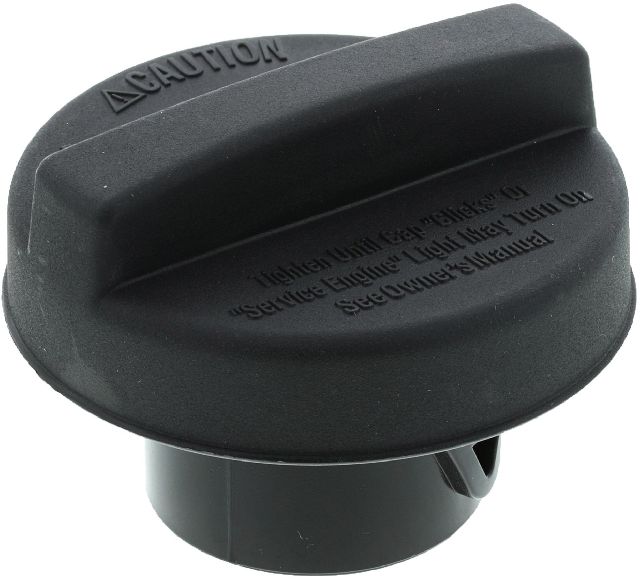
- Replacing the gas cap. While a bad gas cap can cause other EVAP codes (like P0455 for a large leak), it is not a primary cause for P0446, which points to a vent control circuit/performance issue, not a system leak.
- Replacing the EVAP Purge Solenoid. The purge solenoid is located in the engine bay and controls vapor flow to the engine. P0446 specifically relates to the vent circuit at the rear of the vehicle. A faulty purge solenoid would typically set a different code (e.g., P0443 or P0496).
Most Likely Causes
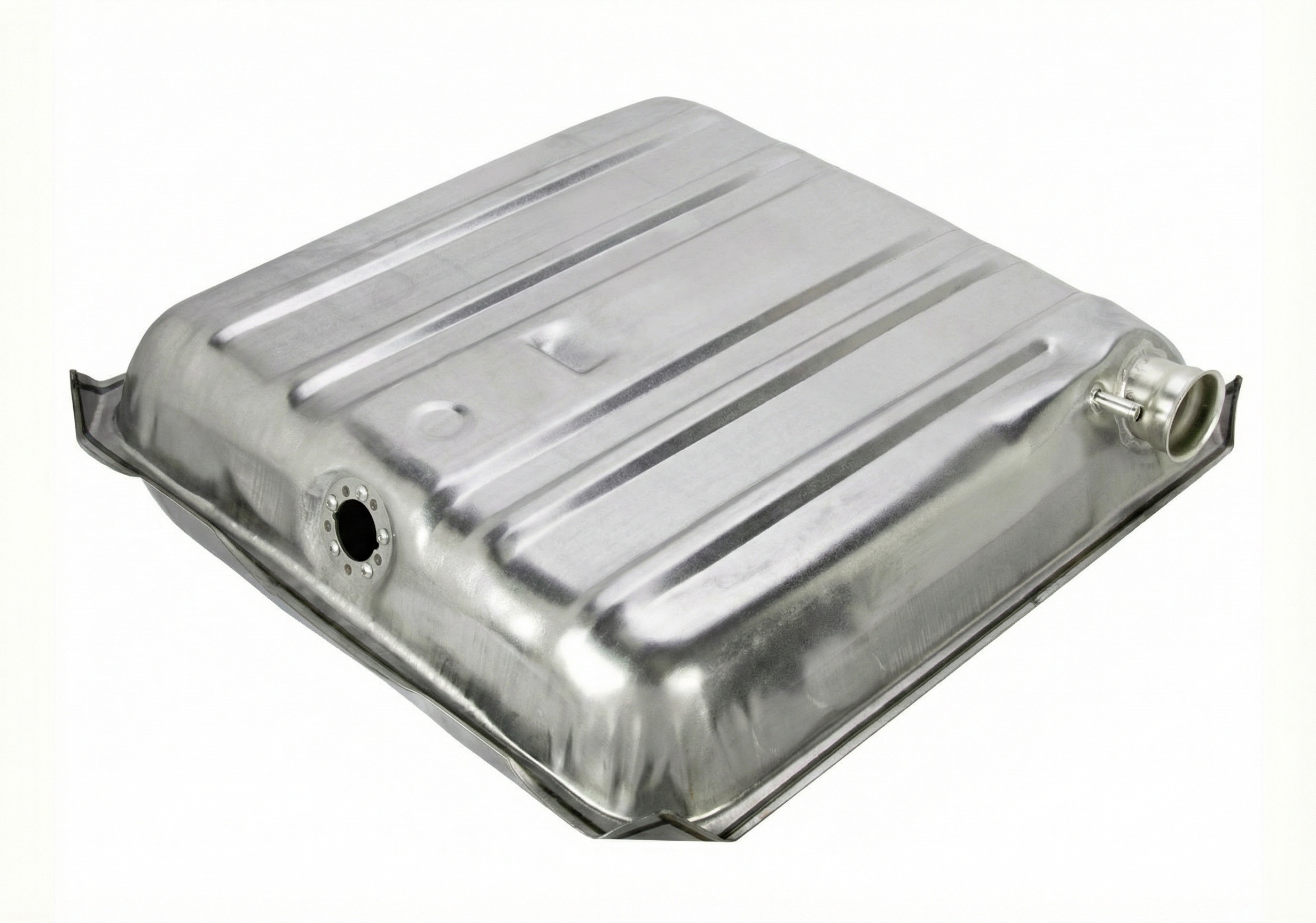
- Faulty Fuel Tank Pressure (FTP) Sensor 🔴 High Probability → Shop Fuel Tank The ECU relies on the FTP sensor to verify the operation of the vent valve. If the sensor provides incorrect readings (e.g., shows pressure when there is none), the ECU will mistakenly flag the vent solenoid's performance, setting code P0446. This is a very common point of misdiagnosis.
How to confirm: Using a scan tool, observe the FTP sensor reading (in both volts and inches of water) with the gas cap OFF. The reading should be near 0 inches of water and approximately 1.4-1.7V. If it shows significant positive or negative pressure, or is stuck at a very low or high voltage, the sensor is providing false data and is likely faulty. This is the most important diagnostic step to perform before replacing any parts.
Typical fix: Replace the Fuel Tank Pressure sensor, which is located on top of the fuel pump module inside the fuel tank.
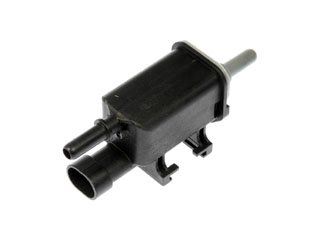
Est. part cost: $30-$70 - Faulty EVAP Vent Solenoid 🔴 High Probability → Shop Vapor Canister The vent solenoid on this GM platform is a very common failure item; it can get stuck open or closed mechanically due to age or debris. NHTSA ODI #10494422 notes that dealerships have identified a restricted or blocked EVAP vent path as a cause for P0446, requiring replacement of the EVAP vent valve solenoid.
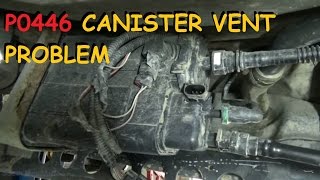
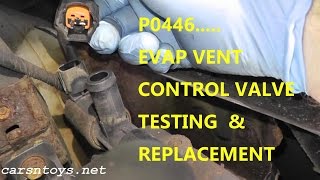
How to confirm: Locate the solenoid near the charcoal canister at the rear of the vehicle. With a capable scan tool, command the valve to open and close; you should hear an audible click. You can also remove it and apply 12V directly to its terminals to test for the click. If it doesn't actuate or is stuck, it has failed.
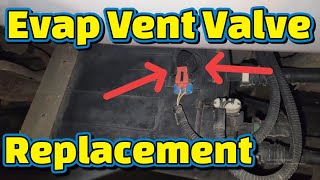
Typical fix: Replace the EVAP vent solenoid. It typically twists into the charcoal canister or is attached nearby with a short hose.
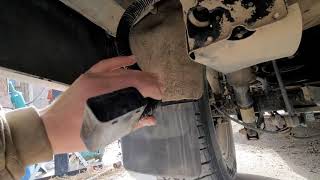
Est. part cost: $25-$60 - Clogged or Restricted EVAP Vent Hose/Filter 🟡 Medium Probability The vent hose inlet, often located near the fuel filler neck or under the car, can get clogged with dirt, road debris, or spider/insect nests, preventing the system from venting. A GM PI document specifically addresses this. 🎬 Watch: Quick tip on clearing debris from the vent hose GM has also issued TSBs like 02-06-04-037H for trucks regarding dust intrusion causing the same code.
How to confirm: Locate the EVAP vent hose running from the canister to its fresh air source. Disconnect the hose and inspect it for blockages. Use compressed air to blow through the hose (with a rag on the other end) to see if any debris comes out. If debris is present, this is the likely cause.
Typical fix: Clean or replace the restricted vent hose and/or the filter box at the end of the hose.
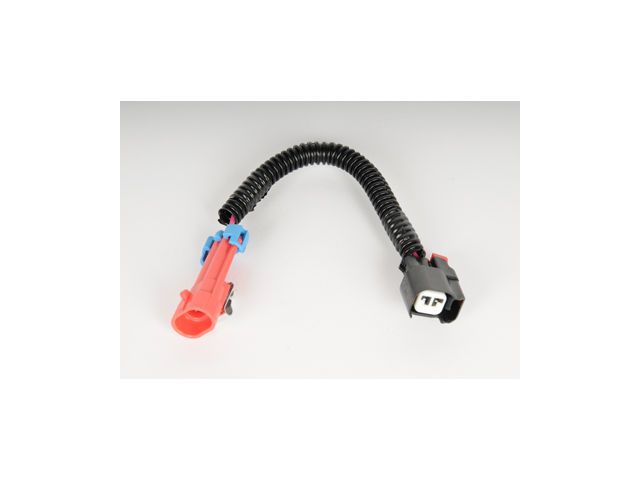
Est. part cost: $0-$30 - Damaged Wiring or Corroded Connector ⚪ Low Probability The vent solenoid and its connector are underneath the vehicle, exposed to moisture and road salt, which can lead to corrosion in the connector pins or breaks in the wires. One owner found a corroded white control wire was the root cause after replacing other parts.
How to confirm: Visually inspect the wiring harness and connector for the EVAP vent solenoid. Check for green corrosion, frayed wires, or rodent damage. Use a multimeter to check for 12V power at the connector with the key on. If power is missing, check the fuse and trace the wiring.
Typical fix: Repair the damaged section of wiring or clean/replace the corroded connector.
Est. part cost: $5-$25
Rare But Worth Checking
- Faulty EVAP Charcoal Canister: → Shop Vapor Canister The canister itself can become saturated with fuel or the internal passages can become blocked by loose charcoal pellets, causing a restriction that mimics a vent valve problem. This is less common than the solenoid failing but is a possibility, especially on high-mileage vehicles.
- Faulty Powertrain Control Module (PCM): In very rare cases, the driver circuit within the PCM that controls the vent solenoid can fail. This should only be considered after all other components and wiring have been thoroughly tested and proven to be good.
Diagnosis Steps
- Read the code with an OBD-II scanner to confirm P0446 is present. Note any other codes, especially P0452 or P0449.
- CRITICAL FIRST CHECK: Using a scan tool, monitor the Fuel Tank Pressure (FTP) sensor data (Volts and Pressure) with the engine off and the gas cap REMOVED. The reading should be stable and near zero (e.g., ~1.5V, 0.0 inH2O). If it shows significant pressure or vacuum, the FTP sensor is bad and is the likely cause of the P0446 code.
- Visually inspect the wiring harness and connector going to the EVAP vent solenoid at the rear of the vehicle. Look for corrosion, damage, or loose connections.
- Test the EVAP Vent Solenoid. Use a bidirectional scan tool to command the solenoid on and off while listening for a click. Alternatively, remove the solenoid, and apply 12V and ground to its terminals to verify it clicks. If it's silent or stuck, it has failed.
- Inspect the EVAP vent hose for blockages. Disconnect the hose running from the charcoal canister to the fresh air source. Blow compressed air through it with a rag at the other end to check for debris like dirt or spider webs.
- If the FTP sensor reads correctly at atmospheric pressure, use a scan tool to command the vent solenoid closed and the purge solenoid (in the engine bay) slightly open. You should see the system pull into a vacuum (negative pressure on the FTP sensor). If the pressure doesn't change, it confirms a blockage or a stuck-open vent valve.
- Check the gas cap to ensure it is tight and the seal is intact. While not a likely cause for P0446, it's a simple check.
- If all components and wiring test good, the charcoal canister itself may be internally blocked, though this is less common.
Parts You'll Likely Need
- EVAP Canister Vent Solenoid Valve
(OEM #25932571 (supersedes 10382105, 15750484, 22728634))— This is a very frequent failure point for code P0446 on the Cobalt. It gets stuck mechanically, preventing the EVAP system from sealing or venting correctly.
Trusted brands: ACDelco, Dorman (p/n 911-030)
OEM price range: $40-$60
Aftermarket price range: $25-$45 - Fuel Tank Pressure Sensor
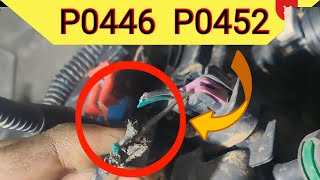
(OEM #13502903)— A faulty FTP sensor gives the ECU bad data, leading to a misdiagnosis of the vent system's performance. It's a common cause, especially if P0452 is also present 🎬 Watch: Diagnosing P0446 and P0452 codes on a Cobalt or if scan tool data is abnormal with the gas cap off.
Trusted brands: ACDelco, Bosch, Delphi
OEM price range: $45-$70
Aftermarket price range: $30-$50
Related Codes That Often Appear With This One
- P0452 — This code indicates 'Fuel Tank Pressure Sensor Circuit Low Voltage'. It often appears with P0446 because a faulty FTP sensor or its wiring is preventing the ECU from correctly judging the vent system's performance, leading it to flag both components.
- P0449 — This code is for 'EVAP Vent Solenoid Control Circuit'. While P0446 is for 'performance', P0449 is for an electrical fault (open or short). They often point to the same component (the vent solenoid) but indicate a different failure mode (mechanical vs. electrical).
Technical Service Bulletins (TSBs) & Recalls
- PIP3627 - Notes that intermittent fuel nozzle shutoff and/or P0446 can be caused by a partially restricted EVAP canister vent pipe, often from insect nests.
- 23-NA-073 - A TSB for other GM vehicles that describes dust intrusion into the EVAP system causing P0446, recommending a filter retrofit. While not specific to Cobalt, it highlights a known GM issue with vent system blockages.
- Bulletin #23-NA-073 - This manufacturer bulletin provides repair information to correct customer concerns regarding EVAP DTCs P0442, P0446, P0455, or P0449 caused by dust intrusion into the evaporative canister.
Platform-Specific Known Issues
- Insect Nests Clogging Vent Pipe: A GM Preliminary Information (PI) document noted that on 2005-2007 Cobalts, P0446 and difficulty refueling can be caused by a partial restriction in the EVAP canister vent pipe, typically from insect (spider) nests. The recommended diagnostic procedure is to disconnect the pipe and blow compressed air through it to clear any blockage.
Mechanic-Grade Diagnostic Values
- Fuel Tank Pressure (FTP) Sensor Voltage — expected: Approximately 1.3V - 1.7V with the gas cap off (at atmospheric pressure).. Failure: Voltage is stuck high (e.g., near 4.8V) or low (e.g., near 0.2V) and does not change when the gas cap is removed.
- EVAP Vent Solenoid Connector Voltage — expected: 12V+ on one pin with key on, engine off.. Failure: No voltage indicates a problem with the power supply fuse or wiring from the fuse block.
- FTP Sensor Circuit Integrity Test — expected: Jumping the 5V reference wire to the signal wire at the sensor connector should show ~5V on a scan tool.. Failure: Reading remains at 0V or another incorrect value, indicating a break or short in the signal or reference wire back to the PCM.
Hidden / Shadow Codes Worth Checking
- Mode 6, Test ID $86, Component ID $90: This is not a trouble code, but a diagnostic monitor within the PCM. After a repair, technicians can view Mode 6 data to see the results of the EVAP system's self-test. It will show the test value and the min/max acceptable limits, confirming if the system passed or failed the test that sets P0446, without waiting for the check engine light to come back on. (see via A professional scan tool with Mode 6 data viewing capability, such as a Snap-on Zeus or Autel scanner.)
Scan Tool Commands That Help
- Tech2 / GDS2 / Professional Bidirectional Scanner: EVAP Vent Solenoid ON/OFF — Used to directly command the vent solenoid to change state. The technician listens for an audible 'click' to confirm the solenoid is mechanically functioning. This quickly isolates a stuck solenoid from a wiring or blockage issue.
- Tech2 / GDS2 / Professional Bidirectional Scanner: EVAP Purge Solenoid Duty Cycle (%) — Used as part of a system seal test. With the vent solenoid commanded closed, the purge solenoid is commanded to a small percentage (e.g., 10-20%) to slowly draw a vacuum on the tank. The technician watches the FTP sensor data to see if a vacuum builds, confirming the vent is sealing and the FTP sensor is responding.
- Tech2 / GDS2: EVAP Service Bay Test — This is an automated routine that runs the vehicle's entire EVAP monitor test on demand, rather than waiting for the natural drive cycle conditions to be met. It's used to verify a repair has been successful.
Wiring & Ground Locations
- Transmission Case Ground — A ground stud located on the top or front-lower side of the transmission case, where multiple black ground wires connect to a single point.. This is a major ground point for the engine and powertrain controls. Corrosion or a broken wire at this location is a known issue on Cobalts and can cause erratic sensor readings and communication errors (including for the FTP sensor and PCM), leading to various codes and hard-to-diagnose electrical problems.
- G402 — Located in the rear of the vehicle, often described as being in the center of the rear shelf area.. This is a primary ground point for multiple components in the rear of the car. While not exclusively for the EVAP system, a poor connection at G402 could potentially affect the vent solenoid circuit, which is located nearby.
- FTP Sensor Connector — On top of the fuel pump module, accessible by lowering the fuel tank or through an access panel (if applicable).. The three pins are 5V Reference, Ground, and Signal. Knowing the pinout allows a technician to test the integrity of the wiring from the PCM to the sensor without having to replace the sensor first.
Real Owner Repair Stories
- Grand Prix Forums (2001 Pontiac Grand Prix GTP (Similar GM EVAP System)) — Persistent P0446 Check Engine Light.
❌ Tried (didn't work) Replacing the gas cap, Replacing the EVAP vent solenoid
✅ What actually fixed it Replacing the Fuel Tank Pressure (FTP) sensor. The old sensor was sending an incorrect voltage reading (stuck high), which the technician confirmed with a multimeter before and after replacement. The new sensor read a correct ~1.5V. - YouTube - RC Maintenance (2010 Chevrolet Cobalt 2.2L 5-Speed) — Check Engine Light with codes P0446 and P0452 (FTP Sensor Low Voltage).
❌ Tried (didn't work) Initial diagnosis pointed towards replacing parts.
✅ What actually fixed it Repairing chewed/corroded wiring in the harness leading to the EVAP vent solenoid. A visual inspection under the car revealed the damaged wires. After repairing the wires, scan tool data showed the FTP sensor reading correctly and the system could hold a vacuum when commanded. - YouTube Commenter on 'Causes and Fixes Chevy/GMC P0446' (Chevy/GMC Truck (similar principle)) — P0446 code and inability to refuel without the pump constantly shutting off.
❌ Tried (didn't work) Unspecified previous attempts.
✅ What actually fixed it The owner used a vacuum cleaner to clear a blockage from the EVAP vent hose. After cleaning, the check engine light went away and the refueling issue was resolved, confirming a physical restriction was the sole cause.
Documented NHTSA Reports
- An owner reported in NHTSA ODI #10457176 that their vehicle failed emissions testing with code P0446, indicating EVAP vent performance issues.
- NHTSA ODI #11363765 describes structural stressing causing leaks at the tank, fuel pump module connector, and fuel supply hose, resulting in DTC codes P0446 and P0451. The report noted secondary cracking of the plastic fuel support.
"I Checked Everything" — The Actual Cause
- P0446 is a vent *performance* or *circuit* code, not a leak code like P0442 (small leak) or P0455 (large leak). A smoke test is designed to find leaks. Therefore, if a smoke test is performed and finds no leaks, it is an expected and valuable diagnostic result. It strongly indicates the problem is not a leak and points the technician toward the three most likely causes of P0446: a faulty FTP sensor giving bad data, a clogged/restricted vent path (hose, filter, or canister), or an electrical issue in the vent solenoid circuit.
OEM Part Supersession History
13502510→13502903— Standard part revision and update by the manufacturer.
Heads up: The new part number (13502903) is the correct service replacement for the original. No known incompatibilities.
Model Year Variations Within This Range
- 2005-2010: While minor part number changes may exist for some components, the fundamental design of the EVAP system and the diagnostic approach for code P0446 are consistent across the entire 2005-2010 Chevrolet Cobalt generation. The primary culprits (vent solenoid, FTP sensor, clogged vent hose) remain the same regardless of model year.
Diagnostic Flowchart
Real Owner Stories
Aggregated from forums and TSBs cited above. Mileages and costs reflect what owners reported in those sources.
2008 Chevrolet Cobalt
Symptoms: Check Engine Light on with code P0446. The vehicle's computer was being tricked into setting a vent performance code.
What fixed it: Diagnosed and replaced a faulty Fuel Tank Pressure (FTP) sensor that was providing false data to the ECU.
Source hint: YouTube: South Main Auto Repair - EVAP Vent Solenoid Code P0446
Chevrolet Cobalt
Symptoms: Check Engine Light illuminated with codes P0446 and P0442. Live scan tool data showed a constant vacuum reading even with the gas cap completely removed.
What fixed it: Replaced the Fuel Tank Pressure (FTP) sensor after confirming it was stuck reading a vacuum.
Source hint: CobaltSS.net: Not another P0446 !
2005-2007 Chevrolet Cobalt
Symptoms: Code P0446 accompanied by difficulty refueling the vehicle due to the gas pump nozzle shutting off prematurely.
What fixed it: Disconnected the EVAP canister vent pipe and blew compressed air through it to clear out insect nests that were causing a partial restriction.
Source hint: Chevy Cobalt Forum: Error code P0446 Evap emission control
2006 Chevrolet Cobalt
Symptoms: Persistent P0446 code that did not go away even after replacing both the EVAP vent solenoid and the purge solenoid.
What fixed it: Found and repaired a corroded white control wire leading to the vent solenoid.
Source hint: Chevrolet Forum: P0446 code on a 2006 cobalt
Related OBD-II Codes
Frequently Asked Questions
Why does the gas pump keep shutting off when I try to refuel my Cobalt?
I have code P0446 on my Cobalt. Should I just replace the EVAP vent solenoid?
How do I test the Fuel Tank Pressure (FTP) sensor on my Cobalt?
Does TSB 23-NA-073 apply to my Chevrolet Cobalt?
I replaced the vent and purge solenoids on my Cobalt but P0446 came back. What else could it be?
Are there other vehicles that share this exact P0446 issue with the Cobalt?
Helpful Videos
Used OEM Parts in Stock
New Aftermarket Parts Available


The information in this article is provided for general reference and educational purposes only. Vehicle specifications, procedures, and part compatibility can vary by production date, trim level, and region. Always consult your vehicle's factory service manual and verify part numbers before purchasing or performing repairs. Safety-critical components such as airbags, seat belts, and braking systems should be installed by a qualified professional.
- Chevrolet Cobalt:
- 🧭 Diagnostic Flowchart
- 🎬 Helpful Videos
- 🛍️ Shop This Part
- What's Unique About the 2005-2010 Chevrolet Cobalt
- Symptoms You May Notice
- Most Likely Causes
- Rare But Worth Checking
- Diagnosis Steps
- Parts You'll Likely Need
- Related Codes That Often Appear With This One
- Technical Service Bulletins (TSBs) & Recalls
- Platform-Specific Known Issues
- Mechanic-Grade Diagnostic Values
- Hidden / Shadow Codes Worth Checking
- Scan Tool Commands That Help
- Wiring & Ground Locations
- Real Owner Repair Stories
- Documented NHTSA Reports
- "I Checked Everything" — The Actual Cause
- OEM Part Supersession History
- Model Year Variations Within This Range
- Real Owner Stories
- 2008 Chevrolet Cobalt
- Chevrolet Cobalt
- 2005-2007 Chevrolet Cobalt
- 2006 Chevrolet Cobalt
- Related OBD-II Codes
- Frequently Asked Questions
- 🎟️ Get 5% Off