

P0446 on 1997-2004 Chevrolet Corvette: EVAP Vent Circuit Causes and Fixes
For a C5 Corvette, code P0446 is most often caused by a faulty EVAP vent solenoid or a clogged charcoal canister located near the right rear wheel. A primary symptom is the gas pump clicking off repeatedly when fueling. Expect to pay $25-$50 for a new vent solenoid. A clogged vent hose filter box, often packed with dirt, is also a very common cause.
- P0446 on a C5 Corvette almost always points to a problem at the rear of the car, not in the engine bay.
- The most likely cause is a bad EVAP vent solenoid or a clogged charcoal canister/hose, located near the right rear wheel.
- A major clue for this code is the gas pump nozzle shutting off constantly during refueling.
- Do not confuse the vent solenoid (at the rear) with the purge solenoid (in the engine bay).
- A bidirectional scan tool is extremely helpful for diagnosis, but the vent solenoid can be tested manually with a 12V power source.
What's Unique About the 1997-2004 Chevrolet Corvette
On the C5 Corvette, the entire EVAP system, including the dual fuel tanks, charcoal canister, and vent solenoid, is located at the rear of the vehicle. This placement makes the vent components susceptible to road debris and moisture kicked up by the rear tires. The most telling symptom on this platform is extreme difficulty when refueling, where the gas pump nozzle shuts off constantly, indicating the fuel tank cannot vent properly. While the code definition is standard, the location of the parts and the common fueling issue are characteristic of the C5. Another common failure point is the vent hose's small filter box, which can become packed with road dust, creating a hard-to-find blockage.
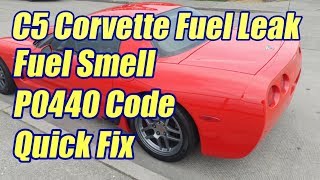
Generation note: This guide covers the entire C5 generation of the Chevrolet Corvette (1997-2004). However, some service information suggests that the P0446 diagnostic trouble code may not have been implemented until the 1999 model year. Furthermore, the fuel and EVAP system was significantly redesigned partway through the 2003 model year with the introduction of the FFS 🎬 See this detailed breakdown of the C5 fuel system design. (Fuel Forward-feed System), which affects component locations and service procedures.
Symptoms You May Notice
- Check Engine Light is on.
- Extreme difficulty filling the gas tank (fuel pump nozzle clicks off repeatedly).
- Fuel odor near the rear of the vehicle.
- Inability to fill the tank completely; a tank that previously took 17 gallons might only take 13 before the pump shuts off.
- Replacing the EVAP Purge Solenoid/Valve. The purge solenoid (often ACDelco 214-641 or 214-646) is located in the engine bay and controls vapor flow to the engine. P0446 specifically relates to the vent circuit at the rear of the car, so replacing the purge solenoid will not fix this code.
Most Likely Causes
- Faulty or Stuck EVAP Vent Solenoid 🔴 High Probability → Shop Vapor Canister Located near the right rear wheel, the solenoid is exposed to road grime and moisture, which can cause it to fail mechanically (stuck closed) or electrically.
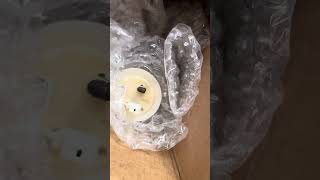
How to confirm: Listen for a 'click' from the solenoid (located on the right side frame rail by the rear tire) when commanding it on and off with a bidirectional scan tool. Alternatively, apply 12V power and ground 🎬 Watch: How to test the vent control circuit for malfunctions. directly to the solenoid's terminals to see if it actuates; it should click. Check for 12V at the red/white wire on the connector with the key on. A good solenoid should have a resistance between 14-30 ohms.
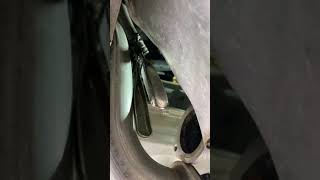
Typical fix: Replace the EVAP vent solenoid. 🎬 Watch: This video shows the vent valve location and replacement. This is a relatively simple DIY job.
Est. part cost: $25-$50 - Clogged Charcoal Canister or Vent Hoses/Filter 🟡 Medium Probability → Shop Vapor Canister Dust, dirt, and even spiders can build nests in the vent hoses, creating a blockage. A specific and common failure is the small breather filter box for the vent hose becoming packed solid with dirt, resembling hard-packed clay. Over-filling the fuel tank can also saturate the charcoal canister with raw fuel over time, causing it to become clogged. Manufacturer records for other GM models, such as TSB Bulletin #23-NA-073, confirm that P0446 is frequently caused by dust intrusion into the evaporative canister.
How to confirm: Disconnect the hoses from the canister and vent solenoid and attempt to blow low-pressure compressed air through them to check for restrictions. Specifically, locate the breather line that runs up toward the gas filler area and inspect its small filter box for blockages. A smoke machine can also be used to visually identify blockages. If you blow compressed air into the canister and nothing comes out, it is clogged internally.
Typical fix: Clear the blockage from the hoses or replace the clogged charcoal canister. One owner successfully cleared a canister blockage with 50 PSI of compressed air, though replacement is often necessary if it's saturated with fuel. Another owner fixed the code by cleaning out the packed dirt from the vent hose filter box and its two internal sponges.
Est. part cost: $150-$250 for a new canister - Faulty Fuel Tank Pressure (FTP) Sensor ⚪ Low Probability → Shop Fuel Tank The sensor provides the pressure readings that the PCM uses to test the system. If it sends incorrect data, the PCM may set a P0446 code even if the vent path is clear.
How to confirm: Using a scan tool, monitor the FTP sensor reading. With the gas cap removed, the voltage should be around 1.5V. If the reading is stuck high (e.g., near 4.8V) or doesn't change when the gas cap is removed, the sensor or its wiring is likely faulty.
Typical fix: Replace the Fuel Tank Pressure sensor. On pre-FFS (1999-early 2003) models, it is accessible through a panel in the right rear wheel well without dropping the fuel tanks. On FFS models (late 2003-2004), the sensor is on top of the left fuel tank, requiring the tank to be dropped.
Est. part cost: $30-$60
Rare But Worth Checking
- Damaged Wiring: Check the wiring harness leading to the EVAP vent solenoid for any visible damage, corrosion, or loose connections, as its location makes it vulnerable. A short or open in the circuit will prevent the PCM from controlling the valve. Pay close attention to the ground connection at G401/G402 on the rear frame rails.
- Structural Leaks: While rare on the Corvette, NHTSA ODI #11363765 notes that structural stressing on other GM platforms has caused leaks at the fuel tank and fuel pump module connector, which can be associated with P0446.
Diagnosis Steps
- Check for other codes. Address any other codes first, especially those related to the FTP sensor (P0452, P0453) or large leaks (P0455).
- Verify the symptom. Attempt to fill the fuel tank. If the pump clicks off repeatedly, it strongly suggests a physical blockage in the vent path.
- Visually inspect the EVAP system. Raise the rear of the vehicle and remove the right rear wheel. Inspect the vent solenoid, charcoal canister, and all associated hoses for cracks, kinks, or obvious blockages. Pay special attention to the vent hose's breather filter box located up near the fuel filler neck area.
- Test the Vent Solenoid. If you have a bidirectional scan tool, command the vent solenoid to open and close. You should hear an audible click. If not, check for 12V at the red/white wire on the connector with the key on.
- Manually test the Vent Solenoid. If you don't have a scan tool, remove the solenoid and apply 12V and ground to its pins. If it doesn't click, it has failed. Check the resistance across the pins; it should be 14-30 Ohms.
- Inspect Hoses and Canister. Disconnect the hoses and check for blockages using low-pressure compressed air. If the vent solenoid and hoses are clear, the charcoal canister itself is likely clogged. A user reported success clearing a clogged canister with 50 PSI of compressed air, but replacement is the guaranteed fix.
- Check the FTP Sensor. If no physical blockage is found, use a scan tool to monitor the FTP sensor voltage. With the gas cap off, it should read approximately 1.5V. If it's stuck high (e.g., 4.8V) or low and doesn't change, the sensor is the likely culprit.
Parts You'll Likely Need
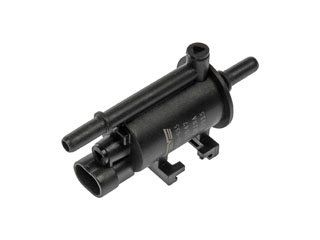
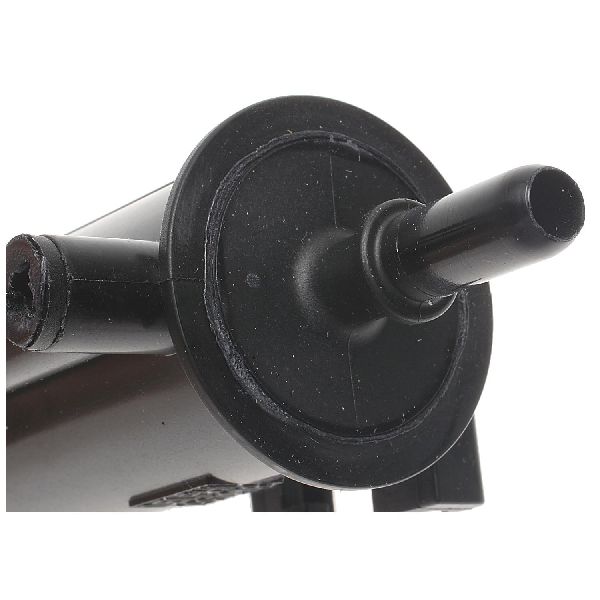
- EVAP Canister Vent Solenoid
(OEM #ACDelco 214-2149 (Supersedes older numbers))— This is the most common failure point for P0446, either getting stuck closed or failing electrically, causing a vent path restriction.
Trusted brands: ACDelco, Dorman
OEM price range: $35-$60
Aftermarket price range: $25-$45 - Fuel Tank Pressure Sensor
(OEM #16238399)— If the sensor provides incorrect readings to the computer, it can falsely trigger a P0446 code. This is the correct part for 1999-early 2003 models.
Trusted brands: ACDelco, Duralast
OEM price range: $40-$60
Aftermarket price range: $30-$50 - EVAP Charcoal Canister
(OEM #19207763 (Example for some C5/C6 models))— Can become clogged with debris or saturated with fuel from over-filling, blocking the vent path and causing fueling issues. A successful repair often involves replacing both the canister and the vent solenoid.
Trusted brands: ACDelco
OEM price range: $200-$300
Aftermarket price range: $150-$220
Technical Service Bulletins (TSBs) & Recalls
- 02-06-04-037H: Addresses P0446 on GM trucks caused by dirt/dust intrusion into the vent hose assembly. The fix involves replacing the vent valve assembly with an updated part (Service Kit P/N 19207762) that includes a remote filter box to be mounted higher, away from debris. While for trucks, it validates the root cause of dirt clogging the vent path.
- Bulletin #23-NA-073: Provides repair information for GM vehicles to correct customer concerns regarding P0446 caused by dust intrusion into the evaporative canister.
- 090604028A: This TSB number appears to be incorrect or not applicable to GM vehicles in search results. The issue of water intrusion causing corrosion is still valid based on owner reports, but this specific TSB is not verifiable.
Platform-Specific Known Issues
- A CorvetteForum user reported fixing their P0446 and severe fueling issue by replacing both the charcoal canister (~$180) and the vent solenoid (~$23). After the repair, the fuel tank's capacity was restored from ~13 gallons to a full 17 gallons, highlighting how severe the venting restriction can become.
- Another owner on a forum traced their P0446 to a vent hose breather filter box that was completely packed with dirt from driving on unpaved roads. Cleaning the two sponge filters inside the box and replacing the vent solenoid resolved the code.
Mechanic-Grade Diagnostic Values
- EVAP Vent Solenoid Coil Resistance — expected: 14 - 30 Ohms. Failure: A reading of 0 Ohms (short) or infinite/OL (open circuit) indicates a failed solenoid coil.
- Fuel Tank Pressure (FTP) Sensor Voltage, Gas Cap Off — expected: ~1.5 Volts. Failure: A reading stuck at 0V or near 5V indicates a sensor or wiring fault.
- Fuel Tank Pressure (FTP) Sensor Voltage, during EVAP test vacuum — expected: Voltage increases from ~1.5V towards ~3.0V as vacuum increases.. Failure: Voltage does not change, or is stuck high/low, indicating a faulty sensor.
Scan Tool Commands That Help
- Tech 2 / GDS2: EVAP Service Bay Test — To force the PCM to run a full, automated EVAP system self-test on demand, which includes commanding the vent and purge valves and monitoring the FTP sensor. This is used to verify a repair or to trigger a fault without having to perform a full drive cycle.
- Bidirectional Scan Tool (e.g., Tech 2, Autel): EVAP Vent Solenoid On/Off Command — To directly test the functionality of the vent solenoid. While monitoring the solenoid, a technician can command it to close and listen for an audible 'click' to confirm electrical and basic mechanical operation.
Wiring & Ground Locations
- G401 — On the outer side of the left-hand (driver's side) rear frame rail. Best accessed by removing the driver's side rear tire.. This is a primary ground point for several rear-mounted electrical components, including the fuel system and lighting. Corrosion or a loose connection here can cause intermittent or total failure of circuits grounded through it, potentially affecting the EVAP system.
- G402 — On the inner side of the right-hand (passenger's side) rear frame rail.. This ground serves components on the right side of the vehicle's rear. Given the EVAP canister and vent solenoid are on the right side, ensuring this ground is clean and tight is critical for diagnosing P0446.
- EVAP Vent Solenoid Connector — At the EVAP vent solenoid, near the charcoal canister by the right rear wheel.. The connector has two pins. One should have 12V with the key on (typically a Red/White wire). The other is the control wire (typically White) that the PCM grounds to close the valve. Testing for voltage and ground signal at this connector is a key diagnostic step.
Real Owner Repair Stories
- CorvetteForum user (C5 Corvette, year not specified) — P0446 code, severe difficulty fueling (pump clicks off).
❌ Tried (didn't work) Replaced EVAP vent solenoid, Replaced charcoal canister, Smoke tested the system (no leaks found)
✅ What actually fixed it The internal vent hose inside the main fuel filler neck assembly had collapsed on itself, creating a blockage. This was not visible externally and did not show up on a smoke test because the system was still sealed. Replacing the entire fuel filler neck assembly was the final fix. - NHTSA ODI #10494422 — An owner reported a check engine light for P0446 (restricted/blocked EVAP vent path) where the dealership found a bulletin recommending the replacement of the EVAP vent valve solenoid.
- NHTSA ODI #10457176 — An owner reported an emissions test failure due to code P0446, described as "EVAP Vent Performance."
"I Checked Everything" — The Actual Cause
- A collapsed internal hose within the fuel filler neck assembly can cause a P0446 and severe fueling issues. This will not be found with a smoke test because the system has no external leak, but the vent path is physically blocked internally.
- A vent solenoid that passes a 'click test' with 12V applied may still be faulty. The internal plunger can become stuck or restricted, preventing adequate airflow even if the coil actuates. The valve must be tested for flow, not just electrical function.
OEM Part Supersession History
Various older vent solenoids→19207762 (Service Kit)— The original vent solenoid location was prone to dirt and water intrusion. TSB 02-06-04-037H introduced a kit (19207762) for GM trucks that includes the vent valve plus a long hose and a filtered breather box. This allows the air intake for the vent to be relocated to a higher, cleaner location, preventing the clogs that cause P0446. This kit is often adapted for use on Corvettes for a more robust repair.
Heads up: The kit part number 19207762 has itself been superseded by 19352776.
Model Year Variations Within This Range
- 1997-1998: These early C5s used a different EVAP system design that may not use the same diagnostic logic for P0446. They used an "EVAP Purge Switch" instead of a Fuel Tank Pressure sensor, making diagnosis different. P0446 is not commonly seen on these years.
- 1999 - Early 2003: This is the 'baseline' system for this guide. It features an external fuel filter and a Fuel Tank Pressure (FTP) sensor located behind an access panel in the right rear wheel well, making it relatively easy to service.
- Late 2003 - 2004: These models use the 'FFS' (Fuel Forward-feed System), introduced partway through 2003 (VIN after 35114929). The fuel filter was moved inside the tank, and the FTP sensor was moved to the top of the left fuel tank. Accessing the FTP sensor or fuel pumps on these models requires dropping the fuel tanks, a much more labor-intensive job.
Diagnostic Flowchart
Other Known Issues on This Vehicle
Issues unrelated to this code that are worth knowing about as an owner of this generation:
- Steering Column Lock Failure 🔴 High — Very common across all C5 years, particularly pre-2001 automatics and all manual transmission cars. Can occur at any mileage and may be triggered by low battery voltage. (Ref: Multiple GM recalls were issued, but their effectiveness is debated. Many owners opt for an aftermarket Column Lock Bypass (CLB) kit to permanently solve the issue.)
- Electronic Brake Control Module (EBCM) Failure 🟠 Medium — Common, especially on 1997-2000 models, which are harder to repair/replace. The 2001-2004 modules are more serviceable. Failure illuminates ABS and Traction Control lights. (Ref: No recall, but a well-known issue. The common failure is a bad solder joint on the internal relay, which can be repaired by DIYers or specialized services for $150-$250.)
- Harmonic Balancer Wobble 🔴 High — A frequent problem where the rubber bonding the inner and outer rings of the crank pulley degrades, causing a visible wobble. It is a factor of time, not just mileage. (Ref: No recall. If left unaddressed, the balancer can separate and cause significant engine damage. Aftermarket balancers (e.g., from Summit Racing) are a common upgrade.)
- Leaky Battery Causing PCM Damage 🔴 High — Occurs when the factory (or other) side-post battery leaks acid, which drips directly onto the Powertrain Control Module (PCM) and wiring harness located underneath the battery tray.
- Failing Oil Pressure Sensor 🟡 Low — Extremely common failure. The sensor is located in a difficult-to-reach spot behind the intake manifold. It will cause the gauge to read zero or max out.
- Inaccurate Fuel Gauge Readings 🟡 Low — Commonly caused by sulfur buildup on the fuel level sending units in the dual tanks. Often presents as the gauge reading empty when the tank is not. (Ref: A potential fix is to consistently use Top Tier gasoline or run a bottle of Techron Fuel System Cleaner through the tank before resorting to sender replacement.)
Used vs. New Parts: Buying Guide for This Vehicle
When a used part is the smart pick: For the charcoal canister. This part is expensive new from OEM sources (often $200+), so a used part from a low-mileage, non-crashed donor car can be a cost-effective solution. Solenoids and sensors are inexpensive enough new that buying used is not recommended due to the risk of inheriting a worn-out part.
Donor-vehicle mileage cap: roughly under 75000 miles for the part to have meaningful remaining life.
What to inspect on the donor part:
- Ensure the donor vehicle was not in a rear-end collision, which could have cracked the canister housing.
- Visually inspect for any cracks, especially around the hose nipples.
- Try to source from a vehicle that was not sitting for years with old fuel, which can degrade the charcoal.
- If possible, confirm the donor vehicle did not have EVAP-related trouble codes.
OEM-only on this vehicle (don't cheap out):
- EVAP Charcoal Canister: While a used OEM part is viable, aftermarket canisters can have variable quality and may not have the same charcoal density, potentially leading to premature failure or different performance in the PCM's leak tests.
Aftermarket brands forum-validated for this vehicle:
- ACDelco (OEM)
- Dorman (For vent solenoid)
Brands owners have reported issues with on this vehicle:
- Unbranded, 'white box' parts from online marketplaces are a significant gamble and may fail quickly or not meet the precise specifications required by the EVAP self-test.
Real Owner Stories
Aggregated from forums and TSBs cited above. Mileages and costs reflect what owners reported in those sources.
2004 Chevrolet Corvette
Symptoms: Check engine light P0446 and severe difficulty filling the gas tank; the fuel pump nozzle clicked off repeatedly and the tank would only take 13 gallons instead of 17.
What fixed it: Replaced both the charcoal canister and the vent solenoid.
Cost: $200-$210
Source hint: CorvetteForum - 'Code p0446' (Feb 2024)
1997-2004 Chevrolet Corvette
Symptoms: P0446 code triggered after driving on unpaved roads.
What fixed it: Cleaned out packed dirt from the vent hose filter box and its two internal sponges, and replaced the vent solenoid.
Source hint: Vehicle Specific Issues - owner report
Related OBD-II Codes
Frequently Asked Questions
Why can I only pump 13 gallons into my Corvette's 17-gallon tank?
Where is the EVAP vent solenoid located on my 1997-2004 Corvette?
Does TSB 02-06-04-037H apply to my Corvette's P0446 issue?
Can I replace the Fuel Tank Pressure (FTP) sensor without dropping the fuel tanks?
How can I test if my vent solenoid is bad without a scan tool?
Is there a specific filter I should check for blockages?
Helpful Videos

We Have This Part in Stock


The information in this article is provided for general reference and educational purposes only. Vehicle specifications, procedures, and part compatibility can vary by production date, trim level, and region. Always consult your vehicle's factory service manual and verify part numbers before purchasing or performing repairs. Safety-critical components such as airbags, seat belts, and braking systems should be installed by a qualified professional.
- Chevrolet Corvette:
- 🧭 Diagnostic Flowchart
- 🎬 Helpful Videos
- 🛍️ Shop This Part
- What's Unique About the 1997-2004 Chevrolet Corvette
- Symptoms You May Notice
- Most Likely Causes
- Rare But Worth Checking
- Diagnosis Steps
- Parts You'll Likely Need
- Technical Service Bulletins (TSBs) & Recalls
- Platform-Specific Known Issues
- Mechanic-Grade Diagnostic Values
- Scan Tool Commands That Help
- Wiring & Ground Locations
- Real Owner Repair Stories
- "I Checked Everything" — The Actual Cause
- OEM Part Supersession History
- Model Year Variations Within This Range
- Other Known Issues on This Vehicle
- Used vs. New Parts: Buying Guide for This Vehicle
- Real Owner Stories
- 2004 Chevrolet Corvette
- 1997-2004 Chevrolet Corvette
- Related OBD-II Codes
- Frequently Asked Questions
- 🎟️ Get 5% Off