

P0446 on 1999-2007 Chevrolet Silverado: EVAP Vent Restriction Causes and Fixes
On a 1999-2007 Silverado, code P0446 is most often caused by a faulty EVAP vent solenoid clogged with dirt or a failed fuel tank pressure sensor. The most likely fix is replacing the vent solenoid, which is an inexpensive part and a relatively easy DIY job. For trucks in dusty areas, a vent hose relocation kit is a highly recommended long-term solution.
- P0446 on your Silverado almost always points to a problem under the truck, not under the hood.
- Before buying any parts, use a scan tool to check the Fuel Tank Pressure (FTP) sensor reading with the gas cap off. If it's not near zero, the sensor is likely bad.
- The most common fix is replacing the EVAP vent solenoid, which is located near the spare tire and often gets clogged with dirt.
- If you frequently drive on dirt or gravel roads, consider that the charcoal canister may also be clogged with dust.
- This is a very DIY-friendly repair, but replacing the FTP sensor is much more difficult as it requires accessing the top of the fuel tank.
What's Unique About the 1999-2007 Chevrolet Silverado
On this generation of Silverado (GMT800 and early GMT900), the EVAP vent solenoid and canister are mounted under the truck, making them highly susceptible to clogging from road dirt, dust, and debris. This is a well-documented issue, and GM released Technical Service Bulletin (TSB) #02-06-04-037 specifically for this problem, recommending the replacement of the original vent valve with an updated part that includes a remote filter box to be mounted in a cleaner location. Furthermore, a faulty Fuel Tank Pressure (FTP) sensor is a very common but often overlooked cause for this code on these specific trucks, frequently leading to misdiagnosis as it can provide a false reading that mimics a vent restriction.
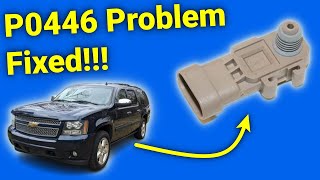
🎬 Watch: How to use scan data to diagnose the root cause.Generation note: This range covers the GMT800 (1999-2006 and 2007 'Classic') and the first year of the GMT900 (2007) platforms. The causes, symptoms, and fixes for P0446 are largely identical for both generations as the EVAP system design and its vulnerabilities are very similar. The issue is so common that it also affects all platform mates, including the GMC Sierra, Tahoe, Suburban, Yukon, and Cadillac Escalade.
Symptoms You May Notice
- Check Engine Light is on
- Difficulty filling the fuel tank (gas pump nozzle clicks off repeatedly).
- A faint smell of fuel
- A 'whoosh' sound of escaping pressure when removing the gas cap after driving.
- Replacing the EVAP vent solenoid without first checking the Fuel Tank Pressure (FTP) sensor reading. The code name points to the vent circuit, but a faulty FTP sensor giving a false reading is a very common root cause on these trucks.
- Replacing the EVAP Purge Solenoid/Valve on the engine intake manifold. This part is rarely the cause of a P0446 code, which specifically relates to the vent side of the system near the tank.
- Replacing the charcoal canister when only the vent solenoid is bad. TSB #02-06-04-037 advises against this unless the canister is proven to be clogged or leaking.
Most Likely Causes
- Faulty or Clogged EVAP Vent Valve/Solenoid 🔴 High Probability → Shop Vapor Canister The vent solenoid is located under the truck near the spare tire, where its filter is exposed to road grime, dust, and moisture. Spiders are also known to build nests in the vent hose opening, causing a blockage. This is especially common in trucks used in dusty environments like farms or on dirt roads.
How to confirm: Inspect the solenoid and its hoses for visible dirt, spider webs, or blockages. With a scan tool, command the vent valve to open and close; you should hear an audible click. If it doesn't respond, test the wiring for 12V power and ground before condemning the solenoid. You can also apply 12V directly to the solenoid's pins to listen for a click.
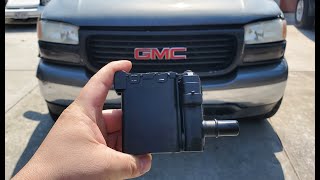
Typical fix: Replace the EVAP vent valve solenoid. 🎬 See this walkthrough on replacing the vent solenoid and filter. It is highly recommended to use the updated GM service kit (Part No. 19207762 for 1999-2003 models) which includes a new sealed valve and a remote filter box that you route to a cleaner location, often near the transmission bell housing.
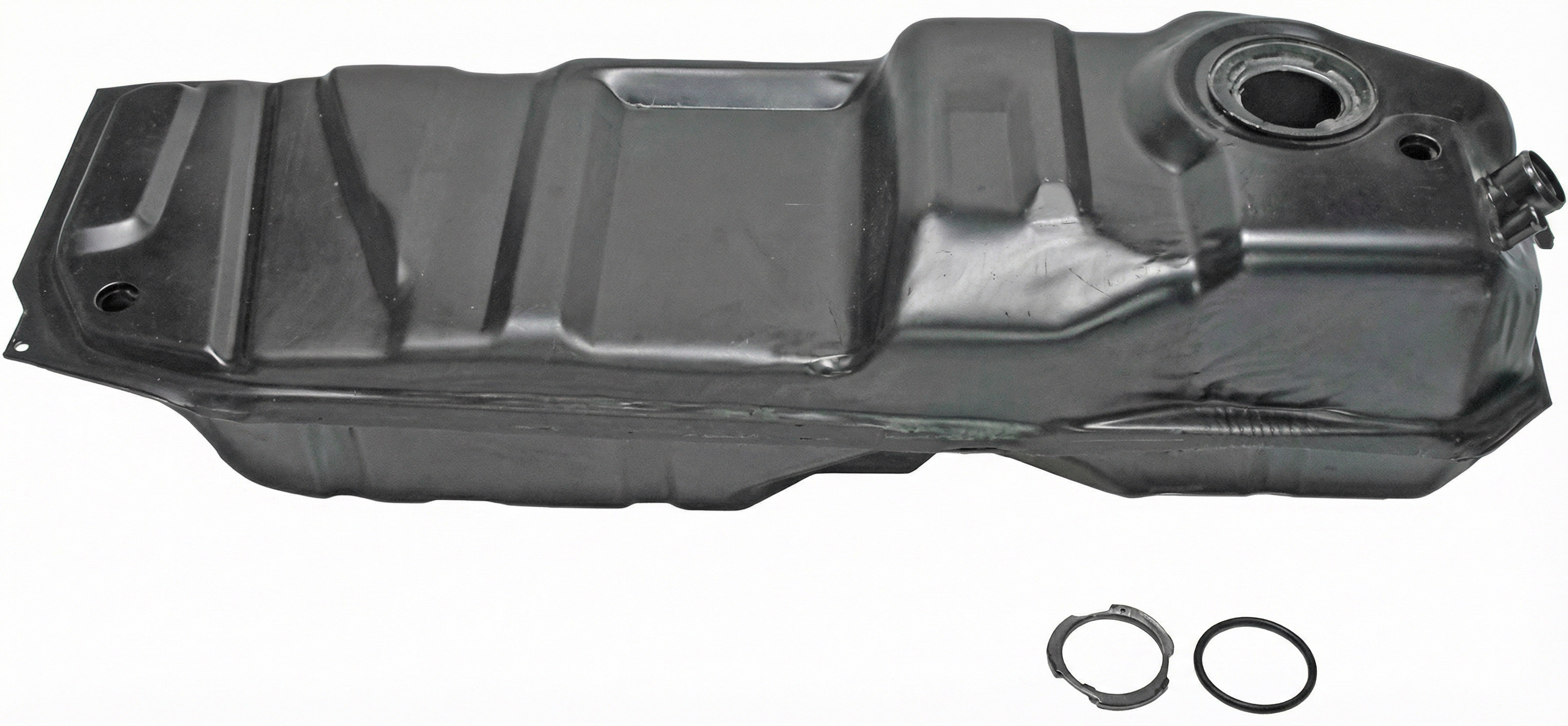
Est. part cost: $25-$85 - Faulty Fuel Tank Pressure (FTP) Sensor 🔴 High Probability → Shop Fuel Tank The sensor is known to fail on these trucks, getting stuck and providing a false pressure reading to the computer. This tricks the ECM into thinking the vent is blocked when it's actually not. NHTSA ODI #11363765 notes that structural stressing can cause leaks at the fuel pump module connector and top tank port, which may be associated with codes P0446 and P0451.
How to confirm: Use a scan tool to view live data for the FTP sensor. With the engine off and the gas cap removed, the FTP sensor reading should be near 0 inches of water (or ~1.5-2.5 volts). If the reading is stuck at a high positive or negative value (e.g., 4.8v or 7.2 inches H2O), the sensor is bad.
Typical fix: Replace the Fuel Tank Pressure sensor. This is a more involved job as it requires either lowering the fuel tank or lifting the truck bed for access to the top of the fuel pump module 🎬 Watch: How to access and replace the fuel tank pressure sensor. where the sensor is located.
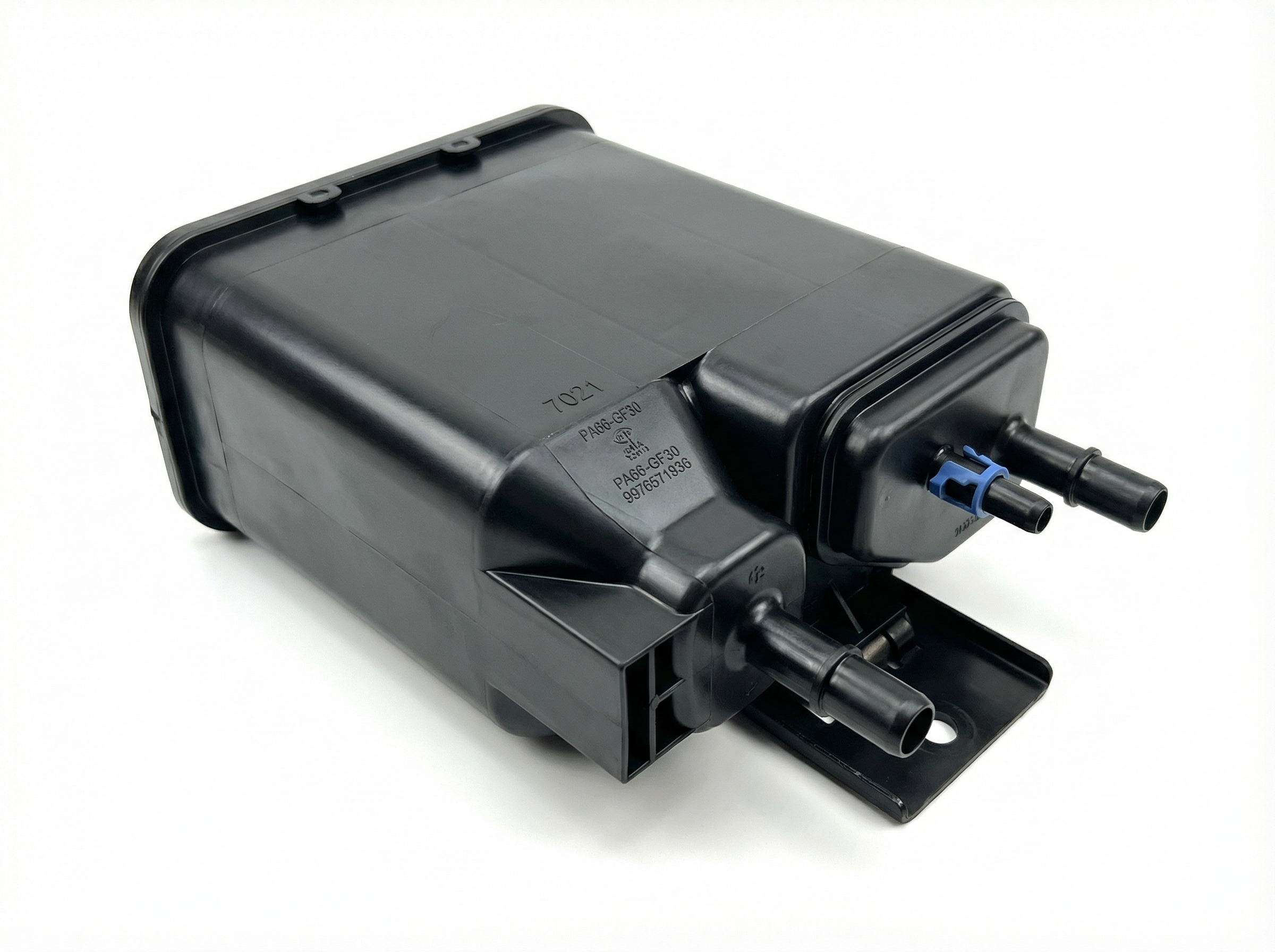
Est. part cost: $40-$100 - Clogged EVAP Charcoal Canister or Vent Hoses 🟡 Medium Probability → Shop Vapor Canister Similar to the vent solenoid, the entire system is vulnerable to dust intrusion. If the vent filter has been compromised for a long time, the charcoal pellets inside the canister can become saturated with dust, creating a significant blockage. Manufacturer TSB Bulletin #23-NA-073 confirms that dust intrusion into the evaporative canister is a known cause for DTC P0446.
How to confirm: Visually inspect all EVAP hoses for blockages, kinks, or collapses. If the vent solenoid has been replaced and the code returns (especially with refueling issues), the canister itself is likely clogged. You can try blowing compressed air through the lines to check for restrictions.
Typical fix: Replace the charcoal canister and clear all associated hoses. GM TSB #02-06-04-037 specifically advises NOT to replace the canister unless it fails a leak test, as the primary fault is usually the vent valve assembly.
Est. part cost: $100-$200 - Damaged Wiring or Electrical Connector ⚪ Low Probability Wiring under the truck is exposed to the elements, which can lead to corrosion on the connector pins or physical damage to the harness from road debris. A bad frame ground near the rear of the vehicle can also cause an intermittent circuit fault.
How to confirm: Visually inspect the wiring harness and connector going to the vent solenoid. Check for 12V power at the solenoid connector with the key on. If power is present, check the ground side for continuity back to the ECM. A corroded connector may need to be cleaned or replaced.
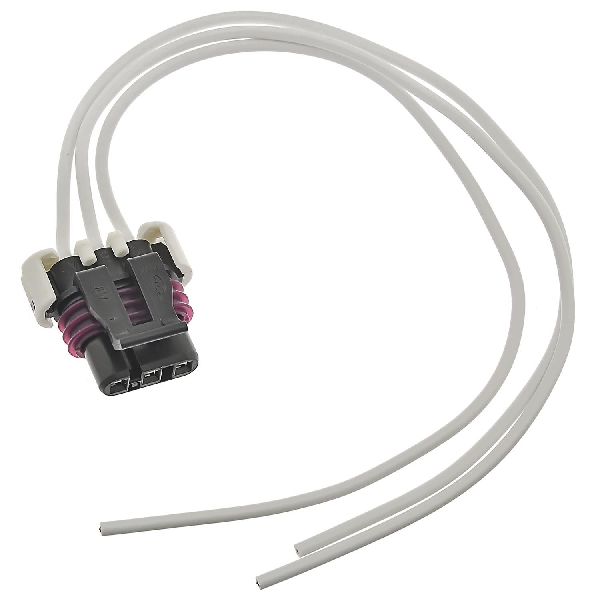
Typical fix: Repair the damaged wire or replace the connector pigtail. Ensure frame ground connections are clean and tight.
Est. part cost: $15-$40
Rare But Worth Checking
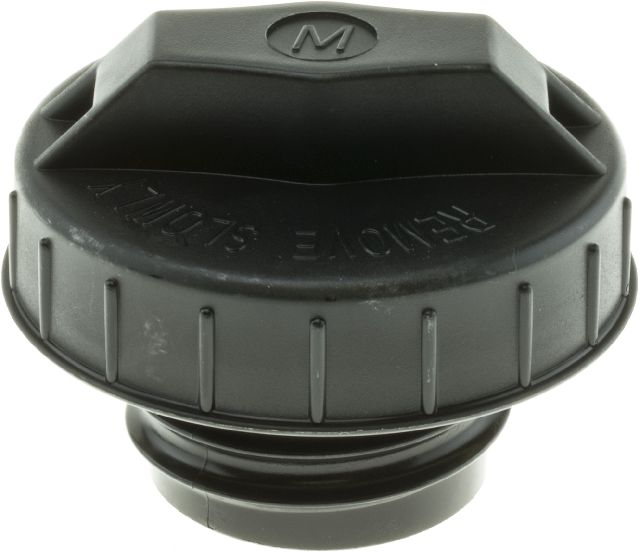
- Faulty Gas Cap: → Shop Fuel Tank Cap
Diagnosis Steps
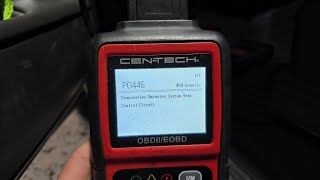
- Connect an OBD-II scanner and confirm P0446 is the active code. Check for other related codes like P0449 or P0451.
- Turn the engine off and remove the gas cap. This should equalize tank pressure to atmospheric pressure.
- Using the scanner's live data function, observe the Fuel Tank Pressure (FTP) sensor reading. It should be close to 0 inches of H2O or ~1.5-2.5 volts. If it is stuck high (e.g., 4.8v) or low, the FTP sensor is the most likely problem.
- If the FTP sensor reads correctly, locate the EVAP vent solenoid near the charcoal canister, typically mounted on a frame rail near the spare tire.
- Visually inspect the solenoid, its filter (if it has the old style), and all attached hoses for dirt, mud, spider webs, or other blockages.
- Use the scan tool's bidirectional controls to command the vent solenoid to cycle on and off. Listen for a distinct clicking sound.
- If no click is heard, unplug the solenoid and check for 12-volt power at the connector with the key in the 'On' position. If power is present, the solenoid has failed electrically. If no power is present, there is a wiring issue (fuse, relay, or broken wire).
- If the solenoid clicks but the code persists and you have refueling problems, the vent path is blocked. This could be the solenoid's internal filter, a clogged vent hose, or the charcoal canister itself.
- If you have the original-style vent solenoid, the best course of action is to replace it with the updated kit that relocates the filter to a cleaner area.
Parts You'll Likely Need
- EVAP Vapor Canister Vent Valve Solenoid
(OEM #ACDelco 214-2149 (Solenoid only) or GM 19207762 (Relocation Kit for '99-'03))— This is the most common failure point. It gets clogged with dirt and debris or fails electrically, causing the vent path restriction that triggers P0446. The relocation kit is the preferred long-term fix.
Trusted brands: ACDelco, Dorman (911-030)
OEM price range: $40-$85
Aftermarket price range: $25-$50 - Fuel Tank Pressure Sensor
(OEM #ACDelco 13502903 (Supersedes older numbers))— This sensor frequently fails and provides false readings, tricking the computer into setting a P0446 code. It's a common misdiagnosis to overlook this part.
Trusted brands: ACDelco, Standard Motor Products
OEM price range: $70-$100
Aftermarket price range: $40-$80 - EVAP Charcoal Canister
(OEM #ACDelco 22963841 (Example, varies by year/model))— If the vent solenoid filter has been compromised for an extended period, the canister can become saturated with dust, causing a blockage that a new solenoid alone won't fix.
Trusted brands: ACDelco, Spectra Premium
OEM price range: $150-$250
Aftermarket price range: $100-$200
Related Codes That Often Appear With This One
- P0449 — This code is nearly identical to P0446 and also points to a fault in the EVAP vent solenoid control circuit. Depending on the specific test that failed, either code may be set for the same root cause.
- P0451 — This code indicates a problem with the Fuel Tank Pressure (FTP) sensor's performance or range. If you see P0446 and P0451 together, it strongly suggests the FTP sensor is the root cause.
Technical Service Bulletins (TSBs) & Recalls
- TSB #02-06-04-037H: Details the cause of P0446 as dirt/dust intrusion into the EVAP canister vent hose assembly. It provides instructions for replacing the original vent valve with a new, sealed unit and a remote filter box to be mounted higher on the vehicle, near the transmission. It explicitly states not to replace the canister unless it fails a leak test.
- TSB Bulletin #23-NA-073: Provides repair information to correct customer concerns regarding Evaporative DTCs P0442, P0446, P0455, or P0449, specifically citing dust intrusion into the evaporative canister as the cause.
Platform-Specific Known Issues
- A GM Technical Service Bulletin (TSB #02-06-04-037) directly addresses P0446 on these trucks when operated in dusty environments. It instructs technicians to replace the original vent valve with a new assembly that includes a hose and a remote filter box. The filter is then routed up high near the transmission to prevent future dust intrusion.
- Many owners on forums report successfully cleaning the original vent filter with compressed air as a temporary fix, but the problem often returns until the filter is relocated.
Mechanic-Grade Diagnostic Values
- EVAP Vent Solenoid Coil Resistance — expected: 20 - 50 Ohms. Failure: A reading of infinity (OL) indicates an open coil, while a reading outside the expected range suggests a fault.
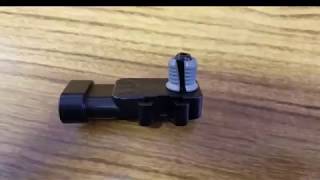
- Fuel Tank Pressure (FTP) Sensor Voltage (Key On, Engine Off, Gas Cap Removed) — expected: Approximately 1.3 - 1.7 Volts. Failure: A reading stuck high (e.g., 4.8V) or one that doesn't change when the gas cap is removed points to a faulty sensor.
- EVAP Vent Solenoid Connector Power (Key On) — expected: 12V (Battery Voltage) on one pin.. Failure: No voltage indicates a problem with the fuse or power supply wiring. The other pin is the ground-side control from the PCM.
- FTP Sensor 5V Reference Voltage — expected: 5 Volts on the reference wire from the PCM.. Failure: A lack of 5V indicates a wiring or PCM issue, preventing the sensor from functioning correctly.
Scan Tool Commands That Help
- Tech2 / GDS2 or equivalent bidirectional scanner: EVAP Vent Solenoid On/Off Command — Used to manually command the vent solenoid to open and close. The technician should listen for an audible click from the solenoid. If it clicks, the solenoid and its wiring are likely functional. If it does not, further electrical testing is needed.
- Tech2 / GDS2 or equivalent bidirectional scanner: EVAP System Purge/Seal Test — This function seals the EVAP system (by closing the vent solenoid) and opens the purge valve to draw a vacuum on the tank. It's used to verify the integrity of the entire system and watch the FTP sensor's response. A system that draws and holds a vacuum correctly but still sets a P0446 points towards a sensor or vent path restriction issue.
Wiring & Ground Locations
- EVAP Vent Solenoid Connector — At the vent solenoid, located near the charcoal canister by the spare tire.. This is the primary electrical test point. One pin should have 12V with the key on, and the other is the ground-side switched by the PCM. Corrosion or damage here is common.
- G401 — On the left (driver's side) frame rail, towards the rear of the truck.. This is a major chassis ground point for several rear components. A corroded or loose G401 ground can cause intermittent electrical faults for the EVAP system components, including the vent solenoid and fuel pump module where the FTP sensor is located.
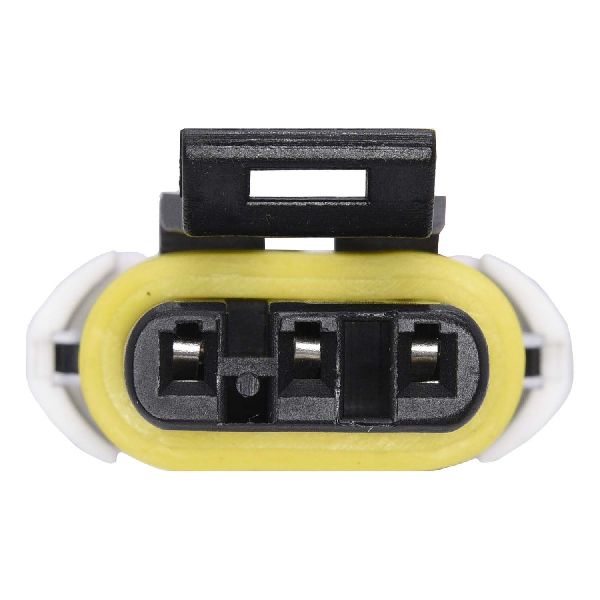
- FTP Sensor Connector — On top of the fuel pump module, which is on top of the fuel tank. Accessed by lowering the tank or lifting the bed.. This 3-wire connector provides the FTP sensor with a 5V reference, a low reference (ground), and sends the signal back to the PCM. Testing here can confirm if the sensor is receiving power and if its signal is accurate.
Real Owner Repair Stories
- GM-Trucks.com user 'gto0188' (2001 Sierra 1500 Ext Cab 4.8L 4WD, 135,000 miles) — P0446 code after clearing and retightening gas cap.
❌ Tried (didn't work) Replacing the EVAP vent solenoid, Replacing the EVAP purge valve, Checking gas cap
✅ What actually fixed it The problem was ultimately resolved by replacing the Fuel Tank Pressure (FTP) sensor. The user was able to replace it by moving the driveshaft aside to gain access to the top of the fuel tank without fully dropping it. - Facebook Group 'Chevy Colorado & Canyon Enthusiasts' user 'POE' (Chevy Truck (model year not specified, but behavior is identical to Silverado)) — P0446 code, vehicle driven on a lot of dirt roads.
❌ Tried (didn't work) Initially just replacing the vent solenoid might not have been enough.
✅ What actually fixed it The user found the breather line filter box, located up near the gas filler neck, was completely packed with hardened dirt. The fix was to scrape out the dirt, clean the two internal sponge filters, and replace the vent solenoid. This cleared the code. - NHTSA ODI #10494422 — An owner reported a Check Engine Light and discovered a dealership bulletin for DTC P0446 (restricted/blocked EVAP vent path), which required the replacement of the EVAP vent valve solenoid.
- NHTSA ODI #10457176 — An owner of a Chevrolet vehicle reported failing an emissions test due to code P0446, described as an EVAP vent performance issue.
"I Checked Everything" — The Actual Cause
- In a forum thread, an owner reported chasing a P0446 code for a long time. After replacing every component in the EVAP system, they performed a smoke test which revealed no leaks. The final fix was the Fuel Tank Pressure (FTP) sensor, which was providing incorrect data to the computer, mimicking a vent restriction despite the system being perfectly sealed.
OEM Part Supersession History
Varies by year (original vent solenoid)→GM 19207762 (Service Kit for 1999-2003 models)— The original design's filter was prone to clogging with dirt and debris. This kit replaces the solenoid and adds a remote filter box to be mounted in a cleaner location, per TSB #02-06-04-037.Varies by year (original vent solenoid)→GM 19207763 / 19152349 (Service Kit for 2004-2007 models)— Updated service kit for the refreshed GMT800 and early GMT900 models to address the same dust intrusion issue as the earlier TSB.
Heads up: The 1999-2003 and 2004-2007 kits are different and should be used for their respective model year ranges.
Model Year Variations Within This Range
- 1999-2003: The TSB-recommended EVAP vent solenoid relocation kit is Part No. 19207762.
- 2004-2007: The TSB-recommended EVAP vent solenoid relocation kit is Part No. 19207763 (later superseded by 19152349). The physical design and connections may differ slightly from the earlier trucks.
Diagnostic Flowchart
Real Owner Stories
Aggregated from forums and TSBs cited above. Mileages and costs reflect what owners reported in those sources.
2003 Chevrolet Silverado
Symptoms: P0446 code triggered.
What fixed it: Replaced the vent solenoid first, but the code returned, highlighting that further diagnosis of the vent path or FTP sensor was needed.
Source hint: ChevroletForum.com - '03 Silverado P0446'
Chevrolet Tahoe / GMC Yukon
Symptoms: P0446 code triggered.
What fixed it: Installed the GM updated part kit (19207763) that relocates the intake filter to a cleaner location.
Source hint: TahoeYukonForum.com - 'Fix for P0446?'
2004 Chevrolet Silverado 5.3L
Symptoms: P0446 code returning even after replacing the charcoal canister and vent filter.
What fixed it: Began testing the vent line for restrictions after parts replacement did not clear the code.
Source hint: Reddit r/GMT800 - 'P0446 2004 5.3'
Chevrolet Silverado
Symptoms: Check Engine Light on and the gas pump nozzle shutting off too early during refueling.
What fixed it: Replaced the vent solenoid, and suspected the charcoal canister was the next logical step after the solenoid didn't fix the refueling issue.
Source hint: Reddit r/MechanicAdvice - 'P0446 code with pump nozzle shutting off too early...'
Related OBD-II Codes
Frequently Asked Questions
Does GM have a TSB for the P0446 code on my 1999-2007 Silverado?
What is the updated GM part number to fix the EVAP vent solenoid on my Silverado?
Why does the gas pump keep clicking off when I try to fill my Silverado?
Can I just clean the EVAP vent filter instead of replacing it?
Should I replace the charcoal canister to fix P0446?
How can I test if the Fuel Tank Pressure (FTP) sensor is causing my P0446?
Helpful Videos
Used OEM Parts in Stock

New Aftermarket Parts Available


The information in this article is provided for general reference and educational purposes only. Vehicle specifications, procedures, and part compatibility can vary by production date, trim level, and region. Always consult your vehicle's factory service manual and verify part numbers before purchasing or performing repairs. Safety-critical components such as airbags, seat belts, and braking systems should be installed by a qualified professional.
- Chevrolet Silverado:
- 🧭 Diagnostic Flowchart
- 🎬 Helpful Videos
- 🛍️ Shop This Part
- What's Unique About the 1999-2007 Chevrolet Silverado
- Symptoms You May Notice
- Most Likely Causes
- Rare But Worth Checking
- Diagnosis Steps
- Parts You'll Likely Need
- Related Codes That Often Appear With This One
- Technical Service Bulletins (TSBs) & Recalls
- Platform-Specific Known Issues
- Mechanic-Grade Diagnostic Values
- Scan Tool Commands That Help
- Wiring & Ground Locations
- Real Owner Repair Stories
- "I Checked Everything" — The Actual Cause
- OEM Part Supersession History
- Model Year Variations Within This Range
- Real Owner Stories
- 2003 Chevrolet Silverado
- Chevrolet Tahoe / GMC Yukon
- 2004 Chevrolet Silverado 5.3L
- Chevrolet Silverado
- Related OBD-II Codes
- Frequently Asked Questions
- 🎟️ Get 5% Off