

P0446 on 2002-2008 Dodge Ram 1500: EVAP Vent Circuit Malfunction Causes and Fixes
On a 2002-2008 Dodge Ram 1500, code P0446 is most often caused by a faulty EVAP vent solenoid located near the fuel tank, or its wiring. A clogged vent filter hose is also a very common culprit due to the truck's exposure to dust and mud. Expect to pay between $30-$70 for a new solenoid, which is a common DIY fix.
- P0446 on your Ram 1500 points to the EVAP vent circuit, not the purge valve in the engine bay.
- The most likely causes are a bad vent solenoid or a vent hose clogged with dirt, both located under the truck near the gas tank.
- A major symptom, besides the Check Engine Light, is the gas pump nozzle repeatedly clicking off during refueling, which strongly points to a vent path blockage.
What's Unique About the 2002-2008 Dodge Ram 1500
On the 3rd Generation Dodge Ram, a common point of confusion is the difference between the EVAP purge solenoid (in the engine bay) and the vent solenoid (under the truck, near the fuel tank and spare tire). Code P0446 specifically relates to the vent solenoid and its circuit. Because these trucks are often used in worksite or off-road conditions, the vent valve and its associated filter hose are highly susceptible to becoming clogged with dirt, dust, and mud, which is a very common cause for this code, sometimes more so than outright electrical failure. Some owners report spiders and other insects building nests in the vent hose, causing a blockage. Many of these trucks use a Natural Vacuum Leak Detection (NVLD) assembly, where the 'vent solenoid' is integrated with a switch. The code can be set by a failure of either the solenoid coil or the internal switch.
🎬 Watch: Understanding P0446 causes and common fixes.Generation note: This guide covers the third-generation (DR/DH) Dodge Ram 1500. While there was a facelift in 2006, the fundamental design and common failure points of the EVAP system related to code P0446 remain consistent across this year range. The vent solenoid is typically mounted directly to the charcoal canister. However, a key variation is the use of either a Leak Detection Pump (LDP) or a Natural Vacuum Leak Detection (NVLD) system, with NVLD becoming common after 2002.
Symptoms You May Notice
- Check Engine Light is on.
- A faint fuel odor may be noticeable in rare cases if the vent is stuck open.
- Difficulty refueling, such as the gas pump nozzle clicking off repeatedly, can occur if the vent is stuck closed or the vent path is blocked, preventing air from escaping the tank as fuel enters.
- A 'whoosh' of air (pressure) releasing when opening the gas cap after driving can indicate the tank is not venting properly.
- Replacing the EVAP Purge Solenoid/Valve in the engine bay. P0446 refers to the VENT circuit, which is located under the truck near the fuel tank, not the PURGE circuit in the engine compartment. 🎬 Watch: How to replace the engine bay purge solenoid.
- Replacing the vent solenoid when the actual problem is a simple clog in the vent hose or filter box.
Most Likely Causes
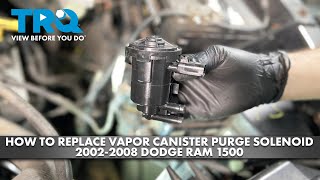
- Faulty EVAP Vent Solenoid 🔴 High Probability → Shop Vapor Canister The solenoid is located under the truck, exposing it to road salt, water, and debris, which can lead to internal corrosion and failure over time. It is often mounted directly to the charcoal canister near the spare tire.
How to confirm: With a scan tool, command the vent solenoid to open and close; listen for an audible click. Alternatively, apply 12V directly to the solenoid terminals to see if it actuates. You can also test the coil's resistance with a multimeter; a typical reading is 20-40 ohms, while an open circuit (infinite resistance) indicates failure.
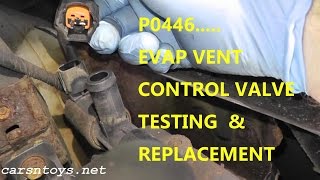
Typical fix: Replace the EVAP vent solenoid. 🎬 See this walkthrough on testing and replacing the vent valve. It is typically mounted on or very near the charcoal canister.
Est. part cost: $30-$70 - Clogged or Blocked Vent Hose/Filter 🔴 High Probability As a truck, the Ram 1500 is often driven in dusty or muddy conditions. The EVAP system's fresh air intake hose and filter can easily become packed with dirt, spider webs, or insect nests, blocking airflow and triggering a P0446. A GM TSB for a similar issue on their trucks specifically calls out dust and dirt intrusion as the cause.
How to confirm: Visually inspect the vent hose that runs from the vent solenoid. Disconnect it and attempt to blow compressed air through it to check for blockages. The filter is often a small box at the end of the hose, which can be opened and inspected for debris.
Typical fix: Clean the blockage from the hose or replace the hose and/or filter assembly if it's deteriorated or cannot be cleared. Some owners relocate the vent filter to a higher, more protected location.
Est. part cost: $10-$40 - Damaged Wiring or Corroded Connector 🟡 Medium Probability The wiring harness for the vent solenoid is routed under the truck and is susceptible to damage from road debris, moisture, and corrosion, leading to an open or shorted circuit. The connector itself is a common failure point.
How to confirm: Visually inspect the wiring going to the vent solenoid for any breaks, chafing, or corrosion on the connector pins. Use a multimeter to check for 12V power and ground at the connector with the key in the 'ON' position.
Typical fix: Repair the damaged section of wire or replace the connector pigtail. Apply dielectric grease to the new connector to prevent future corrosion.
Est. part cost: $15-$50 - Faulty or Loose Gas Cap ⚪ Low Probability → Shop Fuel Tank Cap While more likely to cause a leak code (P0455/P0456), a faulty gas cap can sometimes contribute to general EVAP system faults. However, P0446 is specifically a vent circuit/blockage code, making the cap a less likely direct cause.
How to confirm: Ensure the gas cap is tight and the seal is not cracked or brittle. Many auto parts stores can test gas caps for free. A new, clean cap is a cheap first step in troubleshooting.
Typical fix: Tighten or replace the gas cap.
Est. part cost: $10-$25
Rare But Worth Checking
- Failed Charcoal Canister: → Shop Vapor Canister A charcoal canister that is saturated with fuel (often from overfilling the gas tank) or has an internal blockage can prevent the system from venting properly, leading to a P0446 code. The internal charcoal pellets can break down and clog the vent solenoid or lines. This is usually a last resort after other components have been checked.
- Faulty Powertrain Control Module (PCM): In very rare cases, the driver circuit within the PCM that controls the vent solenoid can fail. This should only be considered after all other possibilities, including the entire wiring harness between the PCM and the solenoid, have been exhaustively tested.
Diagnosis Steps
- Check the gas cap to ensure it is tight and the seal is in good condition. Listen for pressure release when opening it, which suggests a venting problem.
- Visually inspect the EVAP charcoal canister, vent solenoid, and all associated hoses under the truck near the fuel tank. Look for obvious cracks, damage, or loose connections. The assembly is usually located near the spare tire.
- Locate the vent hose filter box. This is often a small black box at the end of a rubber hose connected to the vent solenoid. Open it and check for dirt, mud, spider webs, or other blockages.
- Disconnect the fresh air inlet hose from the vent solenoid and check it for blockages. Blow low-pressure compressed air through it if possible.
- Inspect the vent solenoid's electrical connector for corrosion or pushed-out pins. Check the wiring for any signs of chafing or breaks.
- Using a multimeter, verify that you have battery voltage at one pin of the vent solenoid connector with the ignition on.
- If you have a capable scan tool, command the vent solenoid to close. You should hear an audible click. If not, the solenoid is likely faulty.
- If the solenoid does not click, apply 12V and a ground directly to its terminals to confirm it has failed before replacing it.
- If the solenoid, wiring, and vent hose are all good, consider a smoke test to check for restrictions or non-obvious blockages within the charcoal canister itself.
Parts You'll Likely Need
- EVAP Vent Solenoid / Valve
(OEM #Mopar 52129223AA (verify by VIN))— This is the most common failure point for code P0446. The solenoid fails either electrically or mechanically due to its exposed location under the truck.
Trusted brands: Mopar, Dorman (e.g., 911-213), Standard Motor Products (SMP)
OEM price range: $50-$90
Aftermarket price range: $30-$70 - EVAP Canister Filter / Hose — The filter and hose assembly is prone to clogging with dirt and debris on a truck, restricting airflow and causing this code.
Trusted brands: Mopar, Dorman
OEM price range: $20-$50
Aftermarket price range: $15-$40
Related Codes That Often Appear With This One
- P0449 — This is a very similar code, also pointing to a fault in the EVAP vent solenoid or its circuit. Some manufacturers use P0446 for a blockage and P0449 for an electrical fault, or vice-versa. On many GM vehicles, they appear together.
- P0455 / P0456 — If the vent valve is stuck open, it will create a large or small leak in the EVAP system, which can trigger these codes in addition to P0446.
Technical Service Bulletins (TSBs) & Recalls
- While no specific Dodge TSB for this exact issue was found, GM issued TSB #02-06-04-037H for P0446 on their trucks, blaming dirt and dust intrusion in the vent hose on vehicles used in dusty environments and providing a relocation kit. The cause is directly analogous to the Dodge Ram issue.
Platform-Specific Known Issues
- Vent Hose Clogging: Due to the truck's nature and the low mounting point of the EVAP system, the vent hose's filter box is extremely prone to collecting dirt, dust, and water, leading to a blockage that sets P0446. This is often accompanied by difficulty filling the fuel tank.
Mechanic-Grade Diagnostic Values
- EVAP Vent Solenoid / NVLD Assembly Coil Resistance — expected: 20-40 Ohms is a commonly cited range. Some vehicle families may be higher, in the 48-65 Ohm range.. Failure: Infinite resistance (open circuit) or near-zero resistance (short circuit) indicates a failed solenoid coil.
- Voltage at NVLD Connector Power Pin — expected: ~12V (Battery Voltage) with Key On, Engine Off.. Failure: No voltage suggests a blown fuse or an open in the power supply wire.
- NVLD Switch Signal at PCM — expected: The PCM monitors for a switch closure (change in voltage) after the engine is turned off as the system cools and pulls a natural vacuum.. Failure: If the PCM does not see the switch close after a specified soak time, it can log a fault and contribute to setting P0446.
Hidden / Shadow Codes Worth Checking
- Mode $06, Test ID for NVLD: While not a 'shadow code,' the P0446 on NVLD-equipped Rams is often set based on the results of an engine-off monitor. The PCM stays partially active after key-off and waits for the fuel tank to cool, which should create a natural vacuum. It monitors a switch inside the NVLD assembly to see if it closes, proving the system is sealed. A failure of this passive, overnight test is a primary trigger for the code that a technician would not see in the service bay. (see via This is an internal PCM process. A technician can only see the end result (the P0446 code). Understanding this process is key to diagnosis, as it explains why the code may appear without an active, observable fault while the engine is running.)
Scan Tool Commands That Help
- Professional Scan Tool (e.g., WiTech, Autel, Snap-on): EVAP Vent Solenoid Actuation / On-Off Test — This is a primary bidirectional test to confirm if the vent solenoid is mechanically functional. The technician commands the valve to open and close while listening for an audible click from the solenoid under the truck.
- Professional Scan Tool (e.g., WiTech, Autel, Snap-on): EVAP System Test — This function initiates a forced leak test sequence. The scan tool will command the vent and purge solenoids to seal the system and will then monitor the fuel tank pressure (FTP) sensor to see if the system holds a vacuum. This can help verify a fix or determine if a leak is present.
Wiring & Ground Locations
- NVLD Assembly Connector — On the Natural Vacuum Leak Detection (NVLD) assembly, which is typically mounted on or near the charcoal canister by the fuel tank.. This 3-pin connector provides power, ground control, and the return signal for the internal vacuum switch. Pin 1: Solenoid control (ground signal from PCM). Pin 2: Fused ignition switch output (12V power). Pin 3: NVLD switch signal to PCM. A failure at any of these pins can cause P0446.
- Ground Circuit (General) — The ground for the vent solenoid circuit is controlled by a driver in the Powertrain Control Module (PCM).. The PCM closes the vent valve by providing a path to ground. A test light connected to battery positive should light up when probing the control wire while the scan tool commands the valve closed, confirming the PCM driver is working.
Real Owner Repair Stories
- GM Forum user on a 2000 Bonneville SSEI (2000 Pontiac Bonneville SSEI (similar EVAP principle)) — P0446 code
❌ Tried (didn't work) Replaced gas cap, Replaced EVAP vent valve solenoid, Inspected charcoal canister and hoses, Replaced EVAP purge valve
✅ What actually fixed it Replacing the Fuel Tank Pressure (FTP) sensor resolved the P0446 code. - 2CarPros user with a 2004 Cadillac Escalade (2004 Cadillac Escalade ESV) — P0446 code and severe difficulty refueling (gas pump clicks off constantly).
❌ Tried (didn't work) Replaced the vent solenoid, Replaced the canister purge solenoid
✅ What actually fixed it The issue was not resolved by replacing the common parts. A mechanic suggested the cause was likely a pinched, blocked, or collapsed vent line going to the filler neck, or a faulty vent valve inside the gas tank itself, which would require a smoke test to diagnose. - Colorado Fans forum user (Chevy Colorado (truck with similar exposure to dirt)) — P0446 code
❌ Tried (didn't work) Initial diagnosis
✅ What actually fixed it The breather line filter box, located high up behind the gas filler head, was packed solid with dirt road dust. The user scraped out the dirt, cleaned the internal sponge filters, and replaced the vent solenoid, which fixed the code.
"I Checked Everything" — The Actual Cause
- In one documented case on a similar vehicle, a persistent P0446 code was not resolved by replacing the vent solenoid, purge valve, or gas cap. The final repair was a new Fuel Tank Pressure (FTP) sensor. A smoke test would typically pass in this scenario because it only checks for physical leaks in hoses and components, not the electronic accuracy of a sensor that is providing incorrect data to the PCM.
When the Usual Fixes Don't Work
- While the vent solenoid and clogged hoses are the most common culprits, there are many owner-documented cases where replacing these parts does not fix the code. In one instance, after replacing the vent valve, purge valve, and gas cap, the final fix was a faulty Fuel Tank Pressure (FTP) sensor, which was causing the PCM to misinterpret the state of the EVAP system. In another case involving severe refueling issues, replacing both solenoids had no effect, and the likely cause was identified as a physical blockage in the main vent line between the canister and the fuel filler neck, a problem a smoke test would be needed to confirm.
Model Year Variations Within This Range
- 2002-2008: Within this generation, Chrysler transitioned from the older Leak Detection Pump (LDP) system to the Natural Vacuum Leak Detection (NVLD) system. While some early models in this range might have an LDP, most will have the NVLD system, which was introduced in 2002. The diagnostic approach for P0446 differs, as the NVLD system's primary test is a passive, engine-off vacuum check, whereas the LDP uses a pump to actively pressurize the system.
Diagnostic Flowchart
Real Owner Stories
Aggregated from forums and TSBs cited above. Mileages and costs reflect what owners reported in those sources.
2005 Dodge Ram 1500 5.7
Symptoms: Check Engine Light with P0446 code.
What fixed it: Replacing the Leak Detection Pump (LDP), also known as the Evaporative System Integrity Monitor (ESIM), which is a common failure point on these trucks.
Source hint: DodgeTalk
2002-2008 Dodge Ram 1500 (by association)
Symptoms: Check Engine Light with P0446 code.
What fixed it: Owner of a similar-era GM truck fixed the same code by removing the relevant 10A Engine 1 fuse, wiping the connection with their fingers, and pushing it back into place.
Cost: $0
Source hint: How To Test and Replace EVAP Canister Vent Control Valve P0446 (YouTube comment)
Related OBD-II Codes
Frequently Asked Questions
Why does the gas pump keep clicking off when I try to refuel my 2002-2008 Ram 1500 with a P0446 code?
Where is the EVAP vent solenoid located on my Dodge Ram 1500?
Is there a specific Dodge Technical Service Bulletin (TSB) for the P0446 code on the Ram 1500?
Can a loose gas cap cause the P0446 code on my Ram?
How can I test the EVAP vent solenoid on my Ram 1500 before replacing it?
Are other Dodge vehicles prone to this same P0446 issue?
Helpful Videos


Used OEM Parts in Stock
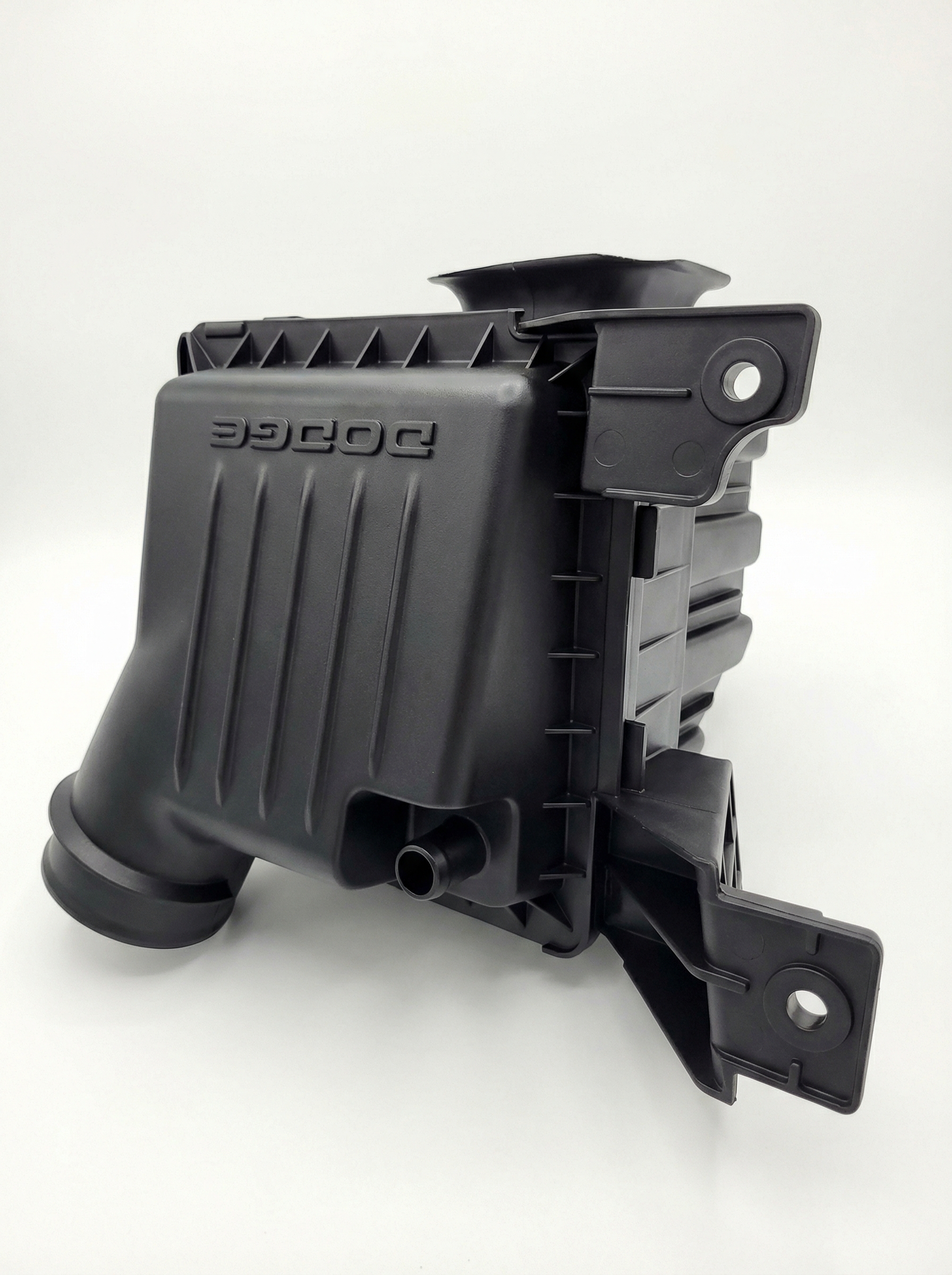
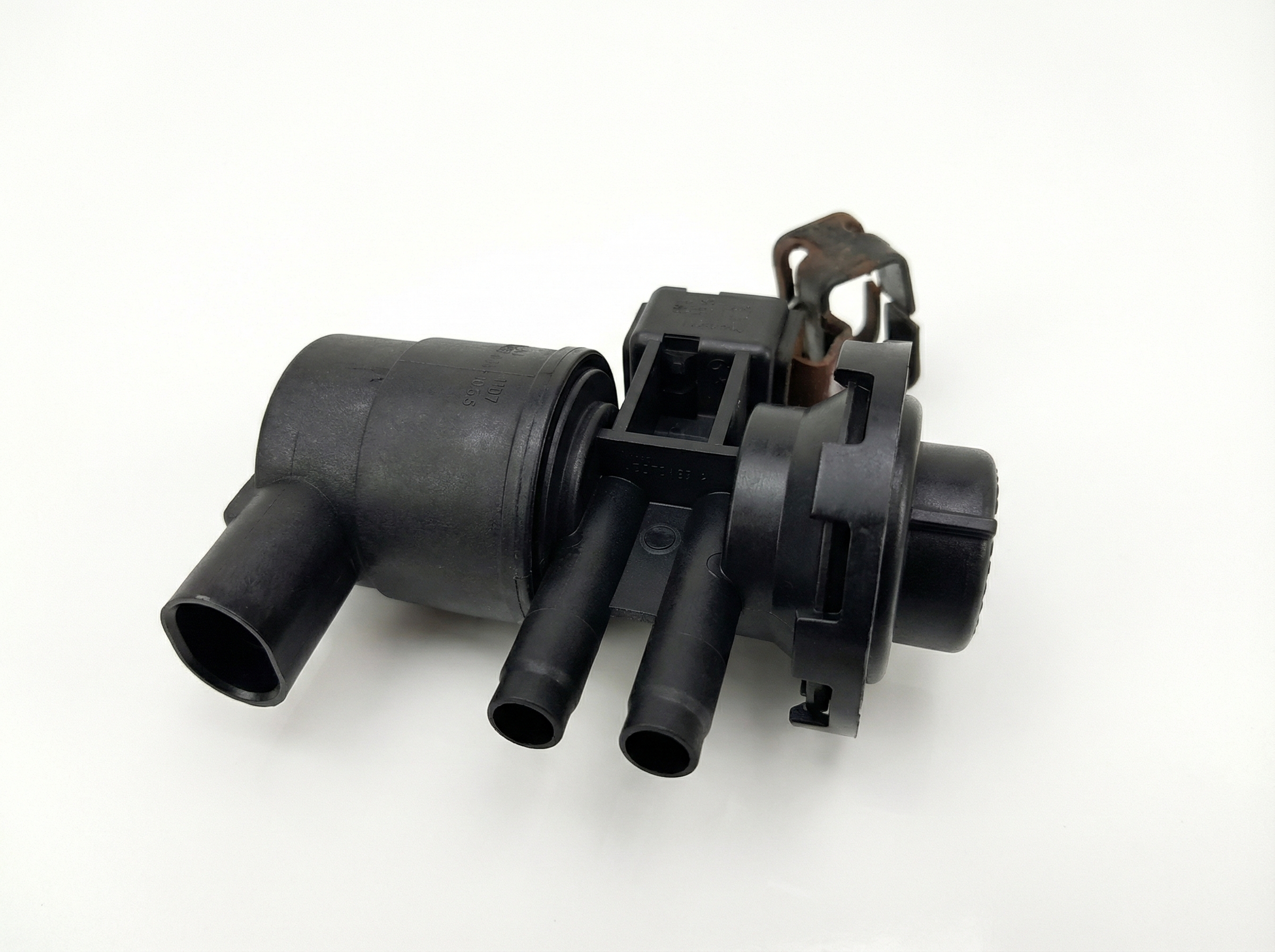
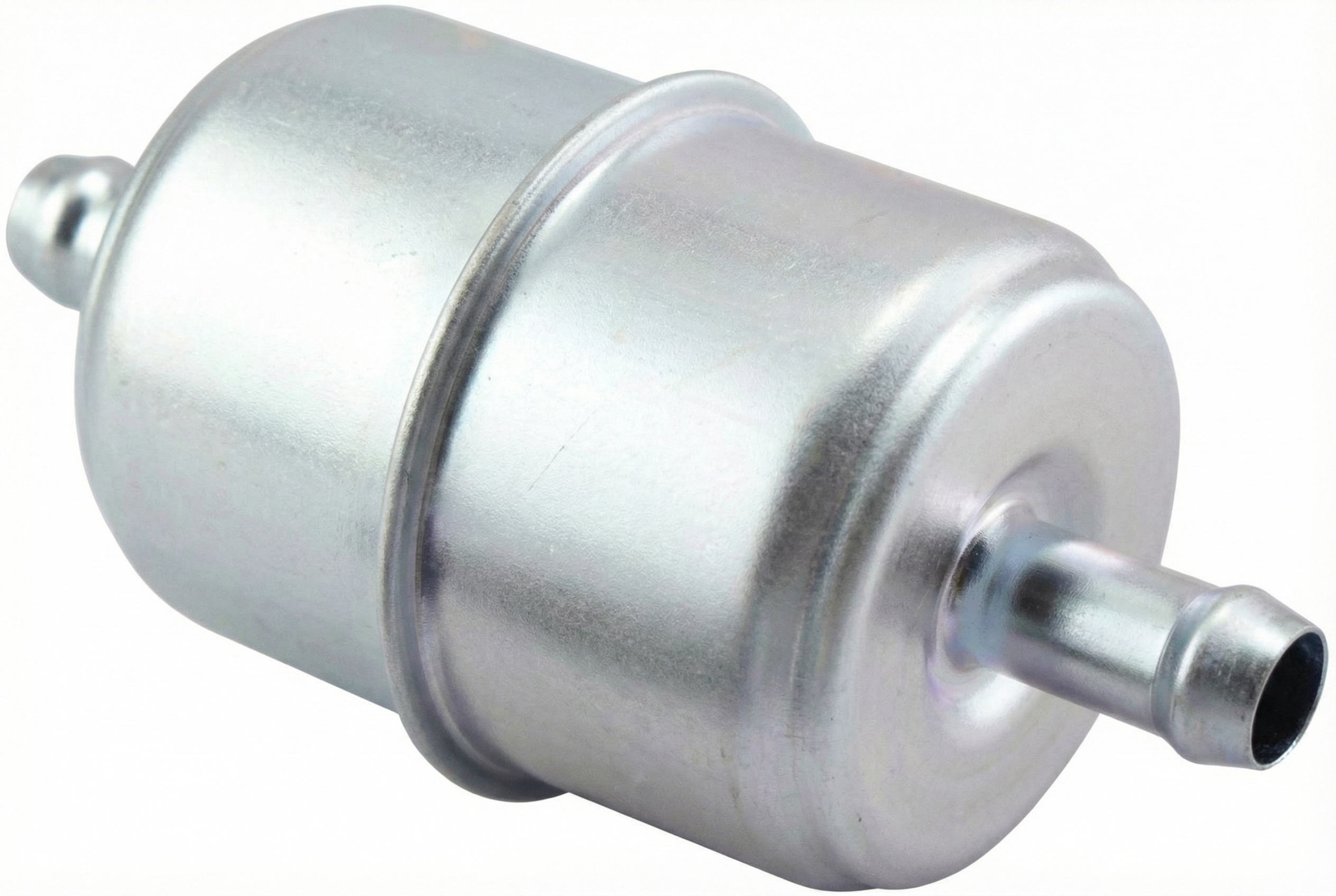

New Aftermarket Parts Available
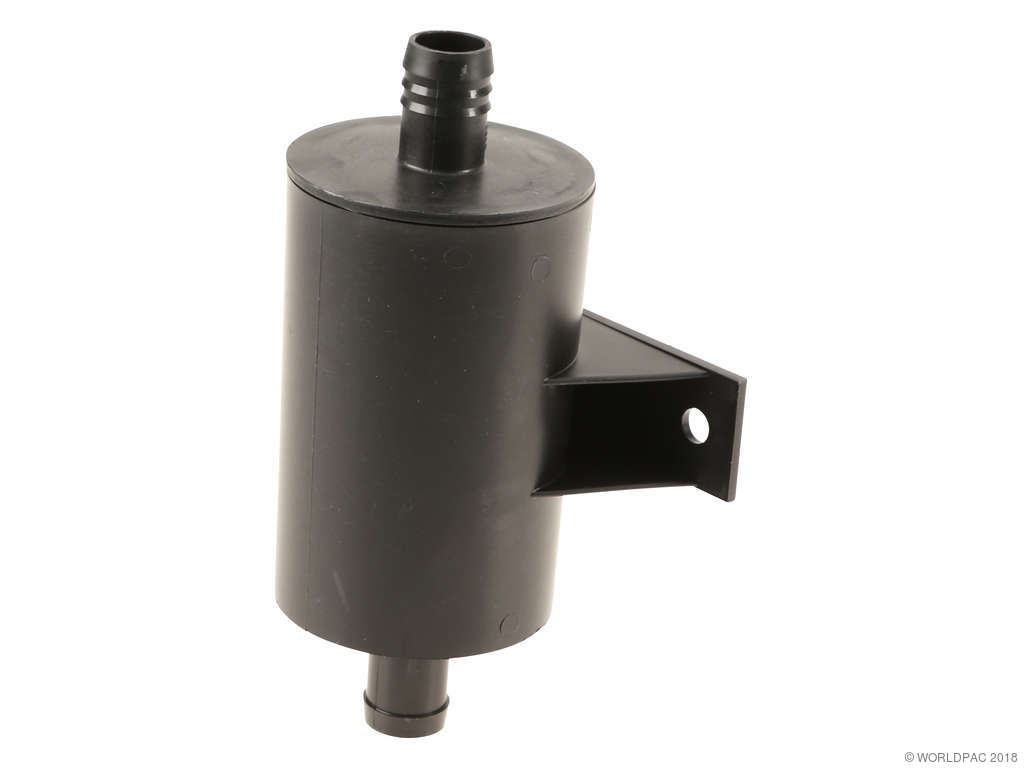

The information in this article is provided for general reference and educational purposes only. Vehicle specifications, procedures, and part compatibility can vary by production date, trim level, and region. Always consult your vehicle's factory service manual and verify part numbers before purchasing or performing repairs. Safety-critical components such as airbags, seat belts, and braking systems should be installed by a qualified professional.
- Dodge Ram 1500:
- 🧭 Diagnostic Flowchart
- 🎬 Helpful Videos
- 🛍️ Shop This Part
- What's Unique About the 2002-2008 Dodge Ram 1500
- Symptoms You May Notice
- Most Likely Causes
- Rare But Worth Checking
- Diagnosis Steps
- Parts You'll Likely Need
- Related Codes That Often Appear With This One
- Technical Service Bulletins (TSBs) & Recalls
- Platform-Specific Known Issues
- Mechanic-Grade Diagnostic Values
- Hidden / Shadow Codes Worth Checking
- Scan Tool Commands That Help
- Wiring & Ground Locations
- Real Owner Repair Stories
- "I Checked Everything" — The Actual Cause
- When the Usual Fixes Don't Work
- Model Year Variations Within This Range
- Real Owner Stories
- 2005 Dodge Ram 1500 5.7
- 2002-2008 Dodge Ram 1500 (by association)
- Related OBD-II Codes
- Frequently Asked Questions
- 🎟️ Get 5% Off