

P0446 on 2009-2014 Ford F-150: EVAP Vent Circuit Causes and Fixes
On a 2009-2014 F-150, code P0446 is almost always caused by a broken wire in the harness leading to the EVAP canister vent solenoid or a failed solenoid itself. The break is often found in the wiring loom along the driver's side frame rail, sometimes near the front wheel well. Inspect the green power wire and the violet/white control wire before replacing any parts.
- P0446 is an electrical circuit code, not an EVAP leak code.
- Before buying parts, thoroughly inspect the wiring harness (especially the green and violet/white wires) along the driver's side frame rail for breaks or corrosion. This is the most common fix.
What's Unique About the 2009-2014 Ford F-150

For this specific generation of F-150, the P0446 code is very frequently traced back to a physical break or corrosion in the wiring harness that runs along the driver's side frame rail. This harness is susceptible to damage from road debris, ice buildup, and rodent activity, making a wiring inspection the most critical first step, often more so than testing the component itself. Many owners mistakenly replace the purge valve in the engine bay, which is unrelated to this specific circuit code.
Symptoms You May Notice
- Check Engine Light is on.
- Difficulty filling the fuel tank (the pump nozzle shuts off prematurely).
- A 'Check Fuel Fill Inlet' message may appear on the dash in conjunction with the code.
- In rare cases, a rough idle on startup if the valve is stuck in a way that affects vapor flow.
- Replacing the EVAP Purge Valve/Solenoid (located in the engine bay). This is a different part on a different circuit (often part number 9C9Z-9C915-A) and will not fix a P0446 code.
- Replacing the fuel filler neck assembly. While a faulty flap can cause other EVAP leak codes, it will not cause a P0446 circuit code.
Most Likely Causes

- Damaged or Broken Wiring Harness 🔴 High Probability The wiring harness for the vent solenoid is routed along the driver's side frame rail, where it is exposed to road debris, moisture, and potential rodent damage, leading to corrosion or breaks, often inside the insulation.
How to confirm: Visually inspect the entire length of the wiring harness from the driver's side wheel well to the EVAP canister. A common break point is where the harness bends behind the front tire. 🎬 Watch: How to find and repair common wiring breaks. Gently tug on the wires near the connector and at various points along the loom; a broken wire inside the insulation may stretch or pull apart. The power wire is typically Green (or Yellow/Red on some models) and the control wire is Violet/White. Corrosion often appears as a green crusty substance on the copper wire.
Typical fix: Repair the broken or corroded section of wire using a weatherproof butt connector or by soldering and sealing with heat shrink tubing.
Est. part cost: $5-$20 - Failed Canister Vent Solenoid 🟡 Medium Probability → Shop Vapor Canister The solenoid is located under the truck near the spare tire and is exposed to the elements, which can lead to internal electrical failure or corrosion over time.
How to confirm: With the solenoid unplugged, check its resistance with a multimeter; a reading of roughly 48-85 ohms is expected (Pass 1 value of 40-50 is also commonly cited). An infinite reading (open) or zero reading (short) indicates failure. You can also apply 12V power and a ground directly to the solenoid's pins to listen for an audible 'click'.
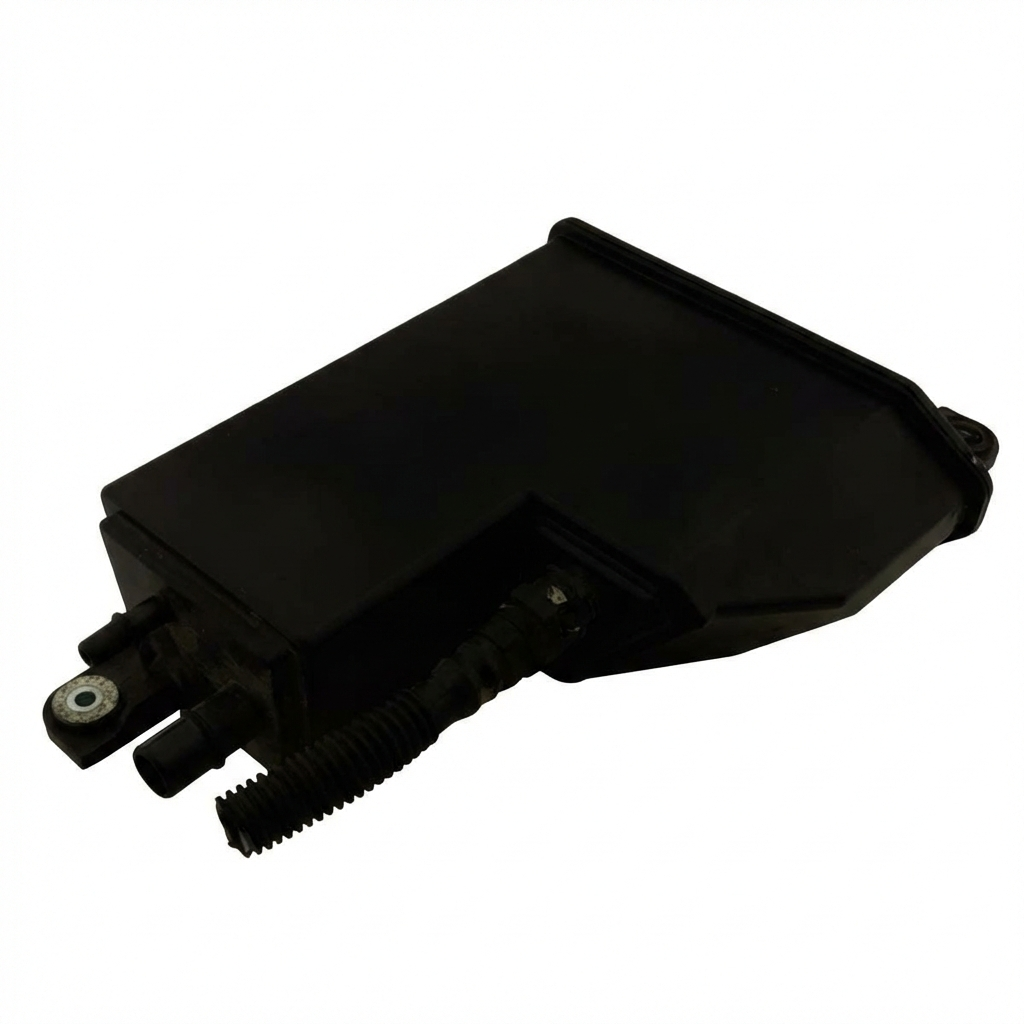
Typical fix: Replace the canister vent solenoid. It is typically mounted to the charcoal canister assembly.
Est. part cost: $50-$100 - Blown Fuse ⚪ Low Probability A short in the circuit can cause the corresponding fuse to blow, cutting power to the solenoid.
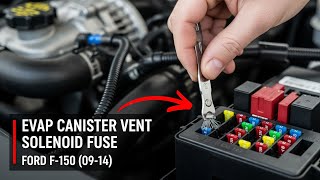
How to confirm: Check the fuse for the EVAP system. For a 2013 F-150, this is reportedly fuse F26 (10A) in the under-hood Battery Junction Box. For other years, a 7.5A fuse in position 5 has also been cited. Always verify the correct fuse number for your specific model year in the owner's manual.
Typical fix: Replace the blown fuse. If it blows again immediately, a short circuit exists that must be found and repaired.
Est. part cost: $1-$5
Rare But Worth Checking
- Damaged Electrical Connector: The connector at the solenoid can fill with dirt or water, causing corrosion on the pins. Always inspect the connector terminals for damage or corrosion when replacing the solenoid.
- Failed Powertrain Control Module (PCM): This is extremely rare. The PCM's internal driver for the vent solenoid circuit can fail, but this should only be considered after all wiring, fuse, and component tests have been completed.
Diagnosis Steps

- Read the code with an OBD-II scanner to confirm P0446 is present.
- Visually inspect the wiring harness running along the driver's side frame rail to the EVAP canister vent solenoid. Look for obvious breaks, chafing, or corrosion. Pay special attention to the area behind the driver's front wheel and near the solenoid connector.
- Perform a 'tug test' on the Green power wire and the Violet/White control wire; a corroded wire may break with moderate pulling.
- Check the fuse for the EVAP canister vent solenoid circuit (e.g., Fuse 26 in the under-hood fuse box for 2013 models, or Fuse 5 (7.5A) in the passenger compartment fuse box on some years).
- If the wiring and fuse are intact, locate the canister vent solenoid under the truck, near the spare tire.
- Unplug the solenoid and inspect the connector for corrosion or damage.
- With the key on, engine off, use a multimeter to verify that the Green (or Yellow/Red) wire in the connector has battery voltage (~12V).
- Measure the resistance across the two pins on the solenoid itself. A reading between 48-85 ohms is typical. If it's open (OL) or shorted (0 ohms), the solenoid is bad.
- If the solenoid has power and its resistance is good, the problem is likely a break in the ground-side control wire (Violet/White) going back to the PCM.
Parts You'll Likely Need
- EVAP Canister Vent Solenoid
(OEM #9L3Z-9C915-A / Motorcraft CX2123)— This solenoid is the component monitored by the P0446 circuit code. It can fail electrically, causing an open or short.
Trusted brands: Motorcraft, Dorman, Standard Motor Products
OEM price range: $70-$120
Aftermarket price range: $40-$80 - Weatherproof Butt Connectors / Heat Shrink Tubing — Required for repairing the commonly found broken or corroded wires in the harness leading to the vent solenoid.
Aftermarket price range: $5-$20
Platform-Specific Known Issues
- A recurring issue noted by many owners is a broken wire within the harness that runs along the driver's side frame rail. One common failure point is where the harness makes a bend behind the front driver's side wheel well.
- Another frequently cited location for the wire break is within a few inches of the electrical connector for the vent solenoid itself, sometimes due to rodent damage or simple corrosion.
- The prevalence of this circuit fault is reflected in broader manufacturer trends; for instance, NHTSA ODI #11670709 describes an owner using a scanner to retrieve DTC P0446 (EVAP vent control circuit malfunction) on a related Ford platform, confirming the diagnostic path for this specific code.
Mechanic-Grade Diagnostic Values
- EVAP Canister Vent Solenoid Coil Resistance — expected: 48 to 85 Ohms. Failure: Infinite resistance (Open) or near-zero resistance (Short).
- Voltage at Solenoid Connector Power Wire (Green or YE/RD) to Chassis Ground — expected: ~12 Volts (Battery Voltage) with Key On, Engine Off. Failure: 0 Volts or significantly lower voltage indicates an open or high resistance in the power feed wire or a blown fuse.
- Fuel Tank Pressure (FTP) Sensor Voltage (Static) — expected: 2.6 to 2.65 Volts with Key On, Engine Off and system vented.. Failure: A reading that is significantly different or drops without the purge valve being commanded may indicate other system issues.
- Continuity/Resistance of Control Wire (Violet/White) to Ground — expected: Above 10 kOhms (when disconnected from PCM). Failure: A low resistance reading could indicate a short to ground in the control wire.
Hidden / Shadow Codes Worth Checking
- PID 1167 (EVAPCV): A Ford-specific Mode 22 PID that shows the commanded duty cycle of the EVAP Canister Vent solenoid, in percent. 0% typically means the valve is commanded open (venting). (see via Advanced scan tool like FORScan or Ford IDS that can read Ford-specific Mode 22 PIDs.)
- PID 1630, Bit 3 (EVAPCVF): A Ford-specific Mode 22 PID that acts as a simple Yes/No flag for an 'Evaporative Emissions Canister Purge Vent Fault'. (see via Advanced scan tool like FORScan or Ford IDS that can read Ford-specific Mode 22 PIDs.)
Scan Tool Commands That Help
- Ford IDS, FORScan, or other advanced bidirectional scanner: EVAP Canister Vent Solenoid On/Off Command (or Duty Cycle Control) — This is used to directly test the solenoid and its circuit. Command the solenoid on and off while listening for an audible click from the component under the truck. It's also used to verify the PCM driver is working by checking for a ground signal on the control wire when the solenoid is commanded on.
- Ford IDS: EVAP System Test — This is an automated test that checks the entire EVAP system. For a P0446, if the test fails to run or immediately reports a vent circuit error, it further confirms the electrical nature of the fault. Note that this test has preconditions, such as fuel level being between 15% and 85%.
Wiring & Ground Locations
- C175B, Pin 61 — The middle connector on the Powertrain Control Module (PCM), which is located on the right rear of the engine compartment.. This is the specific pin on the PCM that provides the ground-side control for the EVAP canister vent solenoid via the Violet/White wire. Checking for continuity from this pin to the solenoid connector is a definitive test for the control wire.
- EVAP Canister Vent Solenoid Connector — Under the vehicle, mounted on or near the charcoal canister, which is typically on the driver's side frame rail near the transfer case or spare tire.. This is the endpoint of the circuit. All voltage, resistance, and command tests are performed at this connector or on the solenoid itself. It is highly susceptible to corrosion and rodent damage.
- G200 / G201 — G200 is in the left kick panel area. G201 is in the right kick panel area.. While the vent solenoid is controlled directly by the PCM, poor body or chassis grounds can cause a multitude of strange electrical issues. Verifying these main grounds are clean and tight is a good practice if bizarre voltage readings are found throughout the system.
Real Owner Repair Stories
- YouTube channel 'DanielJaegerFilms' (Ford F-150 (2007, similar issue)) — Check Engine Light with code P0446, difficulty refueling.
❌ Tried (didn't work) The solenoid itself was tested with 12V power and worked correctly.
✅ What actually fixed it The mechanic found fluctuating voltage on the power feed wire. By performing a 'tug test' on the harness, a corroded section of the green power wire broke apart inside the insulation. Repairing this section of wire resolved the code. - YouTube channel 'Positive Lead Diagnostics' (2007 Ford F-150 5.4L) — Check Engine Light with code P0446.
❌ Tried (didn't work) A new vent solenoid had already been installed by someone else, but the code remained.
✅ What actually fixed it The technician found only 2.5V at the power feed wire with the solenoid unplugged. Wiggling the harness caused the voltage to jump, indicating a wire issue. The final fix was repairing a section of the power feed wire that had high resistance due to corrosion. The PCM driver was confirmed good using a bidirectional scan tool and a test light. - YouTube channel 'KIT'S Auto and Truck Repair' (2014 Ford F-150) — Failed emissions test due to P0446.
❌ Tried (didn't work) Scan tool bidirectional tests could not be initiated due to the hard fault.
✅ What actually fixed it A simple visual inspection under the truck revealed that mice had chewed through the wires going directly to the vent solenoid connector. The fix was to repair the chewed wires and replace the connector pigtail.
"I Checked Everything" — The Actual Cause
- P0446 is an electrical circuit code, not a system leak code. A smoke test is used to find physical leaks (which set codes like P0455 or P0456) and is not the correct diagnostic procedure for a circuit malfunction. Technicians who perform a smoke test for P0446 will find no leaks but will not have identified the root cause, which is almost always an electrical open, short, or high resistance in the vent solenoid circuit.
Model Year Variations Within This Range
- 2009-2014: The fuse providing power to the vent solenoid circuit can be in different locations depending on the year. For example, a 2013 model may use Fuse F26 (10A) in the under-hood fuse box, while other years have been reported to use Fuse 5 (7.5A) in the passenger compartment fuse panel.
- 2009-2014: The color of the power supply wire to the vent solenoid can vary. It is most often reported as a Green wire, but some diagrams and owner reports cite a Yellow/Red wire. The control wire is consistently reported as Violet/White.
Diagnostic Flowchart
Other Known Issues on This Vehicle
Issues unrelated to this code that are worth knowing about as an owner of this generation:
- Fuel Pump Fuse 27 Overheating/Melting 🔴 High → Shop Fuel Pump — Very common across all engine types. Can cause a no-start or stalling condition without warning. (Ref: TSB 15-0137)
- Sudden Transmission Downshift (Molded Lead Frame Failure) 🔴 High — Common on trucks with the 6R80 6-speed automatic, typically appearing between 70,000 and 100,000 miles. Can cause the truck to unexpectedly downshift to 1st or 2nd gear at speed. (Ref: NHTSA Recall 19V075, Customer Satisfaction Program 19N01)
- 3.5L EcoBoost Intercooler Condensation 🟠 Medium — Common on 2011-2014 models with the 3.5L EcoBoost engine, especially in humid climates. Can cause stumbling, misfires, or loss of power during hard acceleration. (Ref: TSB 12-6-4, TSB 12-11-15)
- 5.4L 3V V8 Cam Phaser Noise / VCT Solenoid Failure 🟠 Medium — Common on 2009-2010 models with the 5.4L engine. Causes a ticking or diesel-like knocking sound from the engine, particularly at idle.
- Cracked Exhaust Manifold (4.6L & 5.4L V8) 🟡 Low — A notable number of owners report a ticking sound from the engine bay that changes with RPM, caused by a cracked exhaust manifold.
Used vs. New Parts: Buying Guide for This Vehicle
When a used part is the smart pick: A used OEM vent solenoid from a junkyard is a reasonable choice if it can be tested for resistance and operation. A used connector pigtail is an excellent repair part if the original connector or nearby wires are damaged.
Donor-vehicle mileage cap: roughly under 100000 miles for the part to have meaningful remaining life.
What to inspect on the donor part:
- For a solenoid, check for clean, corrosion-free electrical pins.
- Test resistance across the pins; it should be within the 48-85 Ohm range.
- For a pigtail, ensure the plastic isn't brittle and the wires have flexibility without cracking.
OEM-only on this vehicle (don't cheap out):
- No parts for this specific repair are considered 'OEM-only', but using a Motorcraft part provides the highest assurance of compatibility.
Aftermarket brands forum-validated for this vehicle:
- Standard Motor Products (SMP) is generally considered a reliable aftermarket option for sensors and solenoids.
Brands owners have reported issues with on this vehicle:
- Dorman has a mixed reputation among enthusiasts for electronic components; some users report premature failures and prefer to avoid them for critical sensors or solenoids.
Real Owner Stories
Aggregated from forums and TSBs cited above. Mileages and costs reflect what owners reported in those sources.
2012 F150
Symptoms: Check Engine Light with code P0446.
What fixed it: Found and repaired a broken wire in the harness on the driver's side, near the front tire, leading to the EVAP canister purge valve.
Source hint: Ford F150 Forum owner_reports
2012 F150
Symptoms: The code appeared specifically when it was wet and rainy outside.
What fixed it: Identified a wiring issue exposed to moisture; another user in the same thread noted a $500 loss due to a misdiagnosed canister replacement.
Cost: $500-$500
Source hint: f150forum.com: Thread 'Po446 evap code problem'
2012 F150
Symptoms: P0446 code present; owner advised to check the harness behind the front tire.
What fixed it: Found a broken wire about 6" away from the plug for the purge valve.
Source hint: f150forum.com: Thread 'p0446 ford f150 2012 f150'
2011-2014 F-150 3.5L EcoBoost — ~85000 miles
Symptoms: Stumbling, misfires, or loss of power during hard acceleration, especially in humid climates.
What fixed it: Addressed via TSB 12-6-4 or TSB 12-11-15 regarding intercooler condensation.
Source hint: known_issues: 3.5L EcoBoost Intercooler Condensation
Related OBD-II Codes
Frequently Asked Questions
Where is the most common place for the wiring to break on a 2009-2014 F-150 with code P0446?
Which fuse should I check for the EVAP system on my 2013 F-150?
What are the correct resistance values for the canister vent solenoid on this truck?
Does the P0446 code cause the 'Check Fuel Fill Inlet' message on the dash?
Is there a TSB for the fuel pump issues mentioned in the known issues section?
Are there any recalls for the transmission downshifting issue on the 2009-2014 F-150?
Helpful Videos

Used OEM Parts in Stock
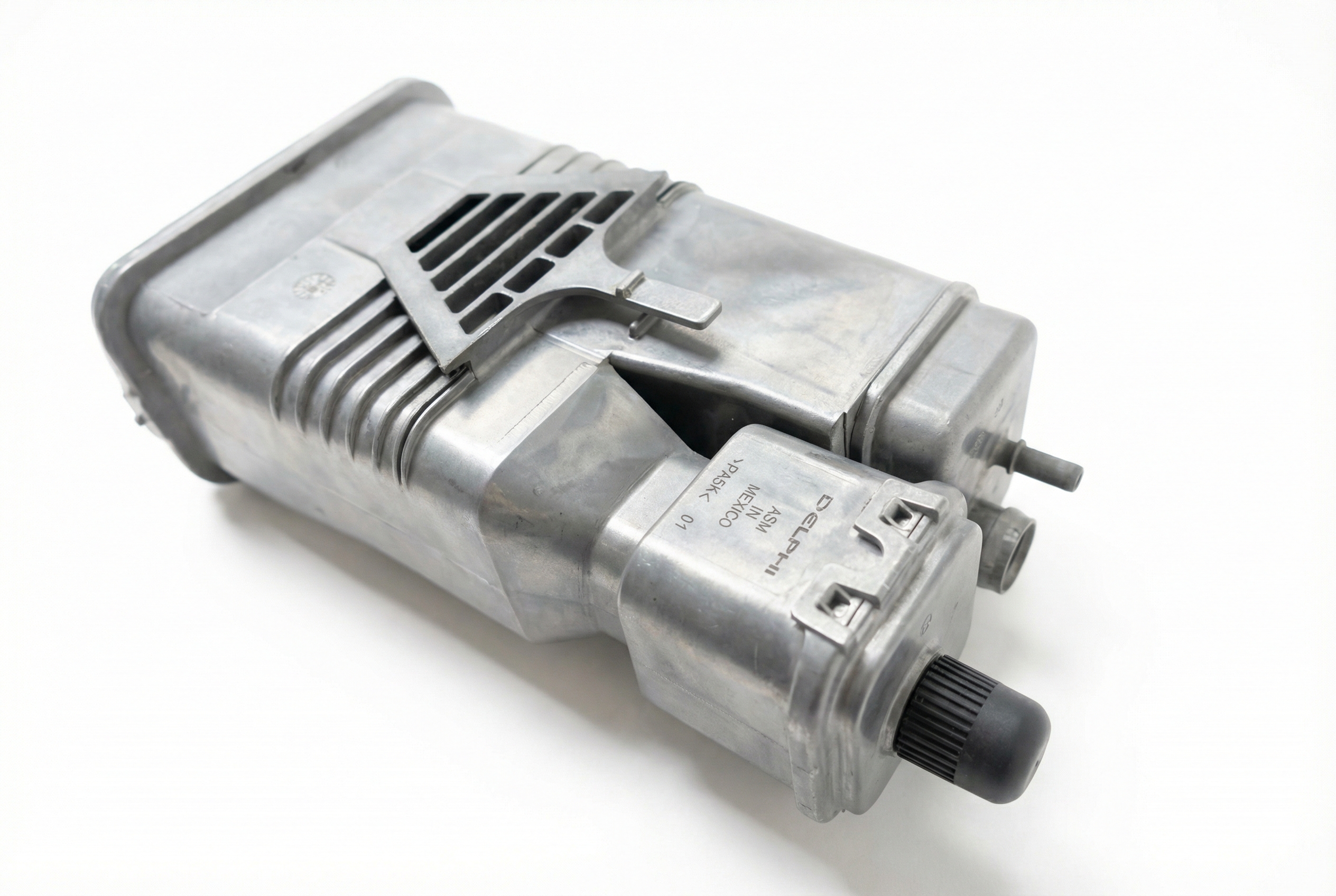
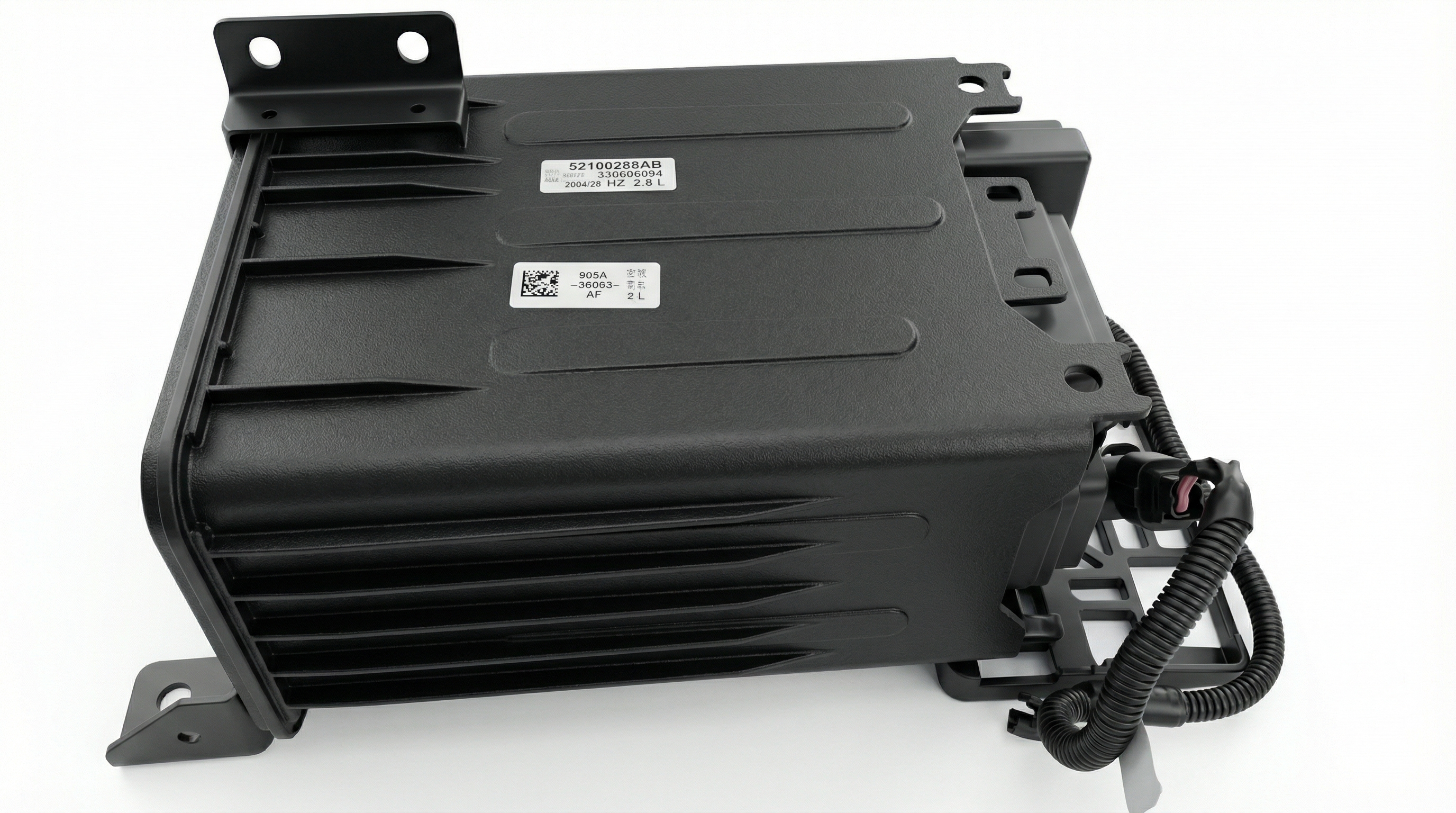
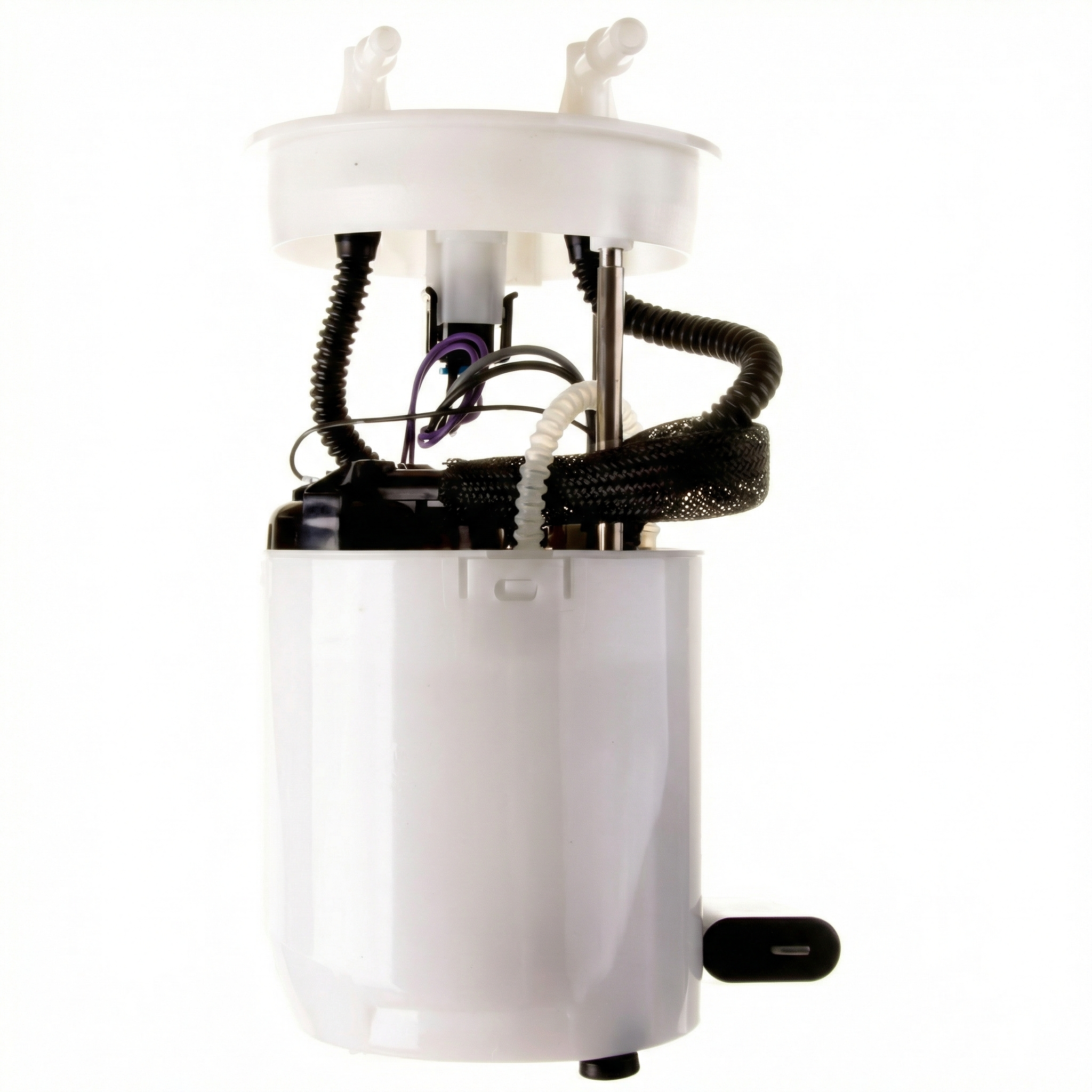
New Aftermarket Parts Available

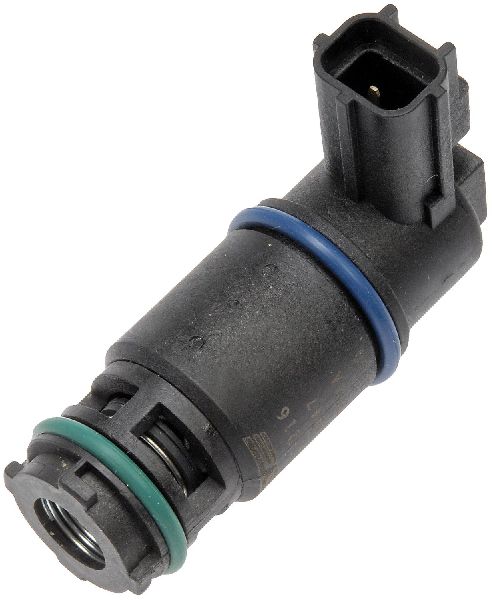

The information in this article is provided for general reference and educational purposes only. Vehicle specifications, procedures, and part compatibility can vary by production date, trim level, and region. Always consult your vehicle's factory service manual and verify part numbers before purchasing or performing repairs. Safety-critical components such as airbags, seat belts, and braking systems should be installed by a qualified professional.
- Ford F-150:
- 🧭 Diagnostic Flowchart
- 🎬 Helpful Videos
- 🛍️ Shop This Part
- What's Unique About the 2009-2014 Ford F-150
- Symptoms You May Notice
- Most Likely Causes
- Rare But Worth Checking
- Diagnosis Steps
- Parts You'll Likely Need
- Platform-Specific Known Issues
- Mechanic-Grade Diagnostic Values
- Hidden / Shadow Codes Worth Checking
- Scan Tool Commands That Help
- Wiring & Ground Locations
- Real Owner Repair Stories
- "I Checked Everything" — The Actual Cause
- Model Year Variations Within This Range
- Other Known Issues on This Vehicle
- Used vs. New Parts: Buying Guide for This Vehicle
- Real Owner Stories
- 2012 F150
- 2012 F150
- 2012 F150
- 2011-2014 F-150 3.5L EcoBoost — ~85000 miles
- Related OBD-II Codes
- Frequently Asked Questions
- 🎟️ Get 5% Off