

P0446 on 2005-2010 Ford Mustang: EVAP Vent Control Circuit Causes and Fixes
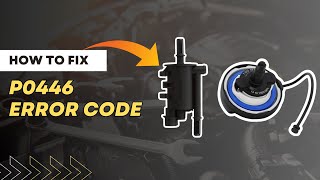
For a 2005-2010 Mustang, P0446 is almost always caused by a faulty EVAP canister vent solenoid located at the rear of the car by the fuel tank. A common symptom is the gas pump clicking off when refueling. This happens because the vent is blocked or stuck closed. Replacing the solenoid is a common DIY fix, with the part costing between $40 and $90. The code points specifically to a fault in the vent control circuit.
- P0446 on a 2005-2010 Mustang points to the EVAP canister vent solenoid at the REAR of the car, not the purge valve in the engine bay.
- The most common symptom, besides the Check Engine Light, is the gas pump nozzle shutting off repeatedly during refueling.
- The most likely fix is replacing the canister vent solenoid, a relatively simple and inexpensive DIY job.
What's Unique About the 2005-2010 Ford Mustang
On the S197 generation Mustang, the P0446 code almost exclusively points to the canister vent solenoid located at the rear of the vehicle, under the spare tire well, attached to the charcoal canister. A very common owner complaint associated with this code is difficulty refueling, where the gas pump nozzle shuts off repeatedly. This happens because the stuck-closed or blocked vent solenoid prevents air from escaping the fuel tank as fuel enters. Many owners mistakenly replace the purge valve in the engine bay, which is related to code P0443 and will not resolve a P0446.
Symptoms You May Notice
- Check Engine Light is on
- Difficulty filling the fuel tank (gas pump nozzle clicks off prematurely)
- Audible clicking noise from the rear of the vehicle (from a failing solenoid)
- Possible faint fuel odor (less common than with leak codes)
- Replacing the EVAP Purge Valve/Solenoid in the engine bay. The purge valve is related to code P0443 (Purge Control Circuit) and will not fix a P0446 code, which is for the vent circuit at the rear of the car.
- Replacing the gas cap. While a bad gas cap can cause other EVAP codes (like P0455 or P0457 for leaks), it is not a typical cause for a P0446 vent circuit malfunction code.
Most Likely Causes
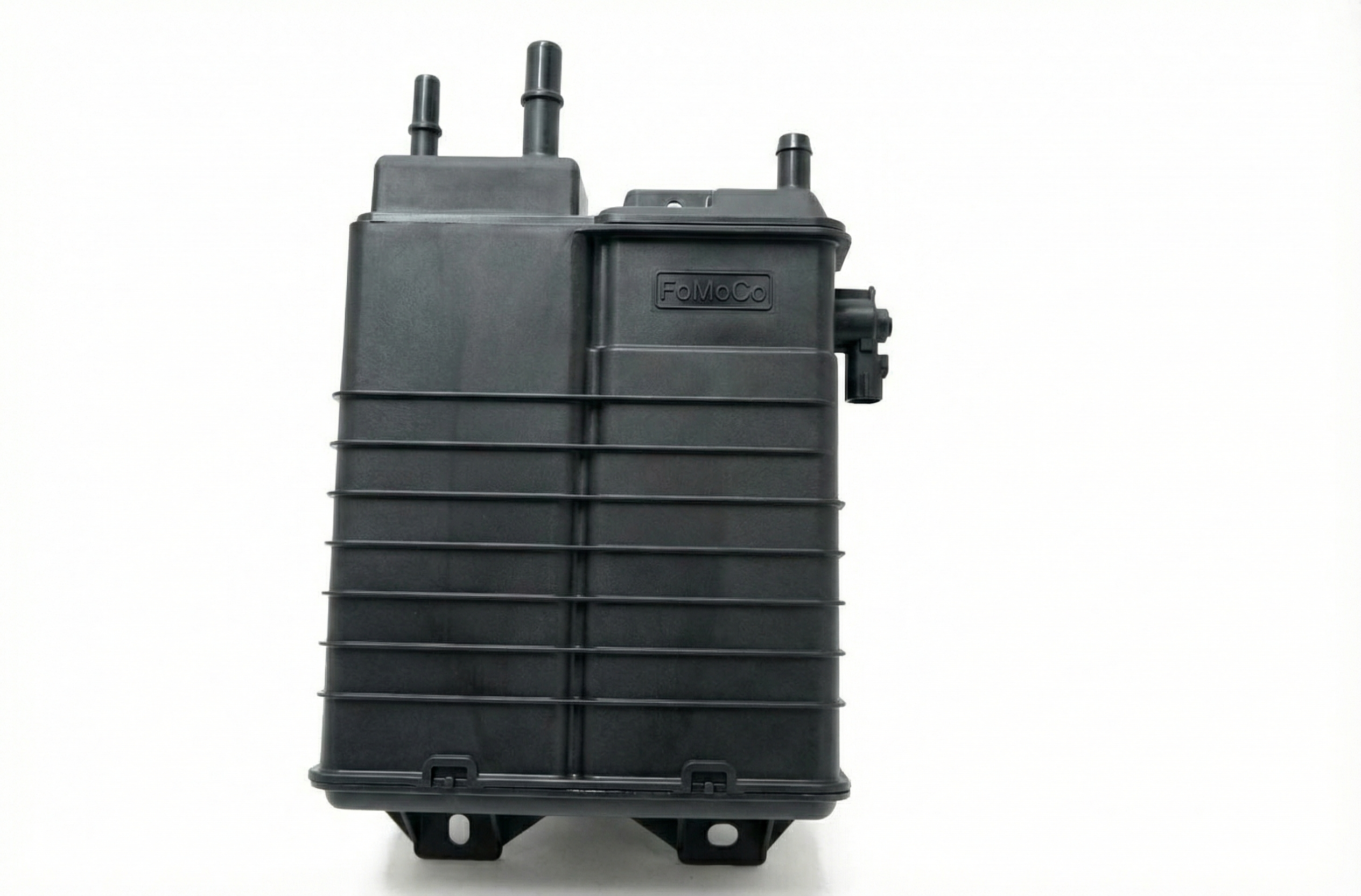
- Faulty EVAP Canister Vent Solenoid 🔴 High Probability → Shop Vapor Canister The solenoid is located under the rear of the car, exposing it to road debris, moisture, and corrosion which can cause it to fail mechanically (get stuck) or electrically.
How to confirm: With a capable scan tool, command the vent solenoid to close; you should hear a click. Alternatively, remove the solenoid and apply 12V power to its terminals; it should click closed. When unpowered, you should be able to blow air through it, as it is a normally-open valve. A good solenoid should have a resistance between 48 and 65 ohms.
Typical fix: Replace the canister vent solenoid. It is mounted on or near the charcoal canister assembly at the rear of the car, typically behind the driver's side rear wheel.
Est. part cost: $40-$90 - Clogged EVAP Vent Hose or Canister 🟡 Medium Probability Insects (especially spiders) and road debris can build nests or blockages in the vent hose that runs from the solenoid to fresh air, restricting flow. This is a common cause for this code across many Ford models.
How to confirm: Disconnect the vent hose from the solenoid and inspect it visually for blockages. Use compressed air to blow through the hose and ensure it's clear. Also inspect the charcoal canister for signs of saturation (fuel smell) or damage.
Typical fix: Clear the blockage from the hose or replace the hose if damaged. If the charcoal canister is clogged with charcoal pellets, it will need to be replaced.
Est. part cost: $10-$30 for a hose, $150-$250 for a canister - Damaged Wiring or Corroded Connector ⚪ Low Probability The wiring harness for the vent solenoid is exposed under the car and can be damaged by road debris or corrode over time, especially in regions that use road salt.
How to confirm: Visually inspect the wiring leading to the vent solenoid for breaks, chafing, or corrosion. Unplug the connector and check for green or white crusty residue on the pins. Use a multimeter to check for 12V power at the connector with the key on.
Typical fix: Repair the damaged section of wire or clean the connector terminals. If the connector is severely damaged, it may need to be replaced with a pigtail connector.
Est. part cost: $15-$30
Diagnosis Steps
- Verify the primary symptom: Check if you have difficulty refueling. If the gas pump clicks off repeatedly, it strongly points to a blocked vent path, likely the vent solenoid.
- Scan for other codes: Check if P0446 is the only code present. Other codes can help pinpoint the issue.
- Locate the Canister Vent Solenoid: Raise the rear of the vehicle safely. The solenoid is located under the car, near the spare tire well, typically on the driver's side, attached to the charcoal canister assembly.
- Inspect the Vent Hose: Disconnect the vent hose from the solenoid and inspect it for any blockages like dirt, debris, or spider webs. Some vehicles have a small filter box at the end of the vent hose near the filler neck that can get packed with dirt.
- Inspect the Electrical Connector: Unplug the solenoid's electrical connector. Look for any signs of corrosion, moisture, or damaged pins. Ensure the wiring leading to it is not frayed or broken.
- Test the Solenoid: If you have a bidirectional scan tool, command the vent solenoid closed and listen for a click. Alternatively, remove the solenoid, and using jumper wires, apply 12V and ground to the two pins. The solenoid should make an audible click as it actuates. If it doesn't click, it has failed.
- Test for Airflow: When the solenoid is unpowered (in its normal state), you should be able to easily blow air through it. If you cannot, it is stuck closed and must be replaced.
- Check for Power: If the solenoid tests good, use a multimeter to check for 12V at the connector with the ignition key in the 'On' position. One wire should have battery voltage, and the other is a PCM-controlled ground. If there is no power, you have a wiring issue to trace, which could include a blown fuse.
- Check Solenoid Resistance: With a multimeter, measure the resistance across the two pins of the solenoid. For a Ford vent solenoid, a good reading is typically between 48 and 65 ohms. An infinite reading means an open coil, and a near-zero reading means a shorted coil.
- Replace the Faulty Component: Based on your findings, replace the vent solenoid, repair the wiring, or clear the blocked hose/filter.
Parts You'll Likely Need
- EVAP Canister Vent Solenoid
(OEM #6R3Z-9F945-AA)— This is the most common failure point for code P0446. It gets stuck or fails electrically, causing a vent circuit malfunction. This part number is specific to 2005-2007 models.
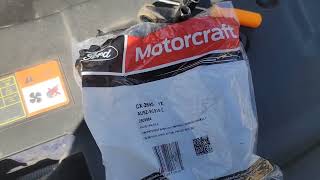
Trusted brands: Motorcraft, Dorman, Standard Motor Products
OEM price range: $60-$95
Aftermarket price range: $35-$60 - EVAP Canister Vent Solenoid (2008-2010)
(OEM #9U5Z-9F945-C)— For later models in this range, Ford appears to have used a different part. While parts catalogs can be confusing, this is the likely replacement for 2008-2010 models. Always verify fitment with your VIN.
Trusted brands: Motorcraft, Dorman, Wells
OEM price range: $50-$80
Aftermarket price range: $30-$55
Related Codes That Often Appear With This One
- P0455 — If the vent solenoid is stuck open, the system may fail a pressure test and register a large leak (P0455) in addition to the circuit fault.
- P0443 — In some cases, a shared power supply or ground issue in the EVAP system wiring could potentially cause both a P0446 (vent circuit) and a P0443 (purge circuit) code to appear simultaneously.
Technical Service Bulletins (TSBs) & Recalls
- TSB 05-15-12: Some 2005 Mustang vehicles built before 04/26/2005 may experience slow or difficult filling of the fuel tank, which can be related to the in-tank vapor venting system, presenting similar symptoms to a P0446 fault.
Mechanic-Grade Diagnostic Values
- EVAP Canister Vent Solenoid Coil Resistance — expected: 48 to 65 Ohms. Failure: A reading of infinite ohms (OL) indicates an open circuit. A reading near zero ohms indicates a shorted coil.
- Voltage at Vent Solenoid Connector (Power Wire) — expected: ~12 Volts (Battery Voltage) with Key On, Engine Off. Failure: Little to no voltage suggests a wiring issue, blown fuse, or problem with the power supply circuit.
Hidden / Shadow Codes Worth Checking
- PID: EVAPCV: This is a Ford-specific Parameter ID (PID) that shows the commanded duty cycle of the Evaporative Emissions Canister Vent Control solenoid, in percent. 0% typically means the valve is commanded to its normal state (open). (see via Advanced scan tools like FORScan can monitor this specific Ford PID to see if the PCM is attempting to control the valve.)
Scan Tool Commands That Help
- Ford IDS, FORScan, or other professional bidirectional scan tool: EVAP Canister Vent Solenoid On/Off Command (or similar name) — This command is used to manually actuate the vent solenoid. While monitoring the solenoid, a technician can command it closed and should hear an audible click. This directly tests the electrical circuit and the mechanical function of the solenoid without needing to remove it from the vehicle.
Wiring & Ground Locations
- Canister Vent Solenoid Connector — At the EVAP canister vent solenoid, located under the rear of the vehicle near the spare tire well.. This connector is the primary test point. One pin should have ~12V with the key on. The other pin is the control wire that the PCM grounds to activate the solenoid. Corrosion or damage here is a common cause of the P0446 circuit code.
- Main Chassis Ground — Near the battery, where the negative battery cable bolts to the chassis. Multiple circuits use this as a common ground point.. While the vent solenoid is ground-switched by the PCM, the PCM itself and its related circuits rely on a solid main chassis ground. A poor ground here can cause a wide range of difficult-to-diagnose electrical issues, including problems with PCM drivers.
Real Owner Repair Stories
- ColoradoFans Forum User (Vehicle driven on a lot of dirt roads (Note: Not a Mustang, but describes an identical failure mode applicable to any vehicle with this EVAP system design).) — Check Engine Light with code P0446.
❌ Tried (didn't work) Initial diagnosis focused only on the solenoid itself.
✅ What actually fixed it The problem was a small air filter box connected to the EVAP vent hose, located up near the gas filler neck. It was completely packed solid with dirt and dust, effectively blocking the vent path. Cleaning out the filter box and the associated lines resolved the code. - NHTSA ODI #11670709 (Ford Edge - cross-manufacturer reference) — An owner reported the engine warning light was illuminated and a vehicle scanner retrieved DTC: P0446 (Evaporative Emission Control System (EVAP) vent control circuit malfunction).
OEM Part Supersession History
5U5Z-9F945-AA→6R3Z-9F945-AA— Standard part revision/update by Ford.
Heads up: Applies to early models in the 2005-2007 range.7U5Z-9F945-D, 7U5Z-9F945-E→9U5Z-9F945-C— Standard part revision/update by Ford.
Heads up: Applies to later models in the 2008-2010 range.
Model Year Variations Within This Range
- 2005-2007 vs 2008-2010: The OEM part number for the EVAP canister vent solenoid changed around the 2008 model year. Early models typically use 6R3Z-9F945-AA, while later models use 9U5Z-9F945-C. While they may appear similar, the connectors or internal resistance could differ, so it is critical to verify the correct part for the vehicle's VIN.
Diagnostic Flowchart
Other Known Issues on This Vehicle
Issues unrelated to this code that are worth knowing about as an owner of this generation:
- Passenger-Side Water Leak 🔴 High — Very common, especially on 2005-2008 models. Caused by clogged cowl drain grommets, leading to water overflowing into the cabin and damaging the Smart Junction Box (SJB), causing major electrical problems. (Ref: TSB 07-14-6)
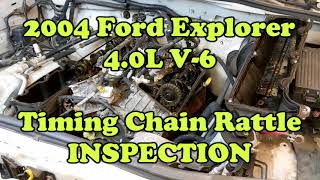
- 4.0L SOHC V6 Timing Chain Rattle 🔴 High — A notorious issue for the V6 engine. Plastic timing chain guides and tensioners wear out or break, causing a rattling noise, especially on startup. If ignored, it can lead to catastrophic engine failure. The issue was improved in later years but never fully eliminated. (Ref: TSB 04-15-4)
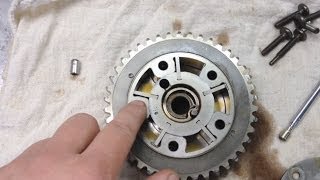
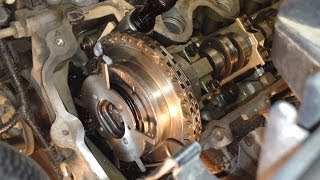
- 4.6L 3V V8 Cam Phaser Knock 🟠 Medium — Common on the GT's 3-valve V8. A ticking or knocking sound from the top of the engine at hot idle indicates failing cam phasers. While often just a noise issue, in extreme cases it can lead to engine performance problems or failure. (Ref: SSM 47331)
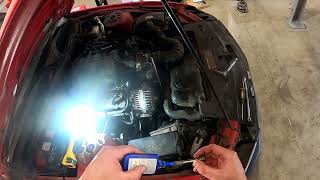
- Premature Alternator Failure 🟠 Medium — Particularly noted on 2005-2008 models. The factory alternator is prone to failure, sometimes repeatedly. Symptoms include a 'Check Charging System' warning, dimming lights, and battery issues. Many owners report multiple replacements.
Used vs. New Parts: Buying Guide for This Vehicle
When a used part is the smart pick: For this specific repair, buying a used part is generally not recommended. The part is exposed to the elements under the car and is a common failure item due to wear and corrosion. The cost of a new aftermarket part is low enough that the risk and labor of installing a used part with questionable remaining life is not a smart trade-off.
Donor-vehicle mileage cap: roughly under 60000 miles for the part to have meaningful remaining life.
What to inspect on the donor part:
- If considering a used part, inspect the plastic housing for cracks or brittleness.
- Check the electrical connector pins for any signs of corrosion (green or white powder).
- Ensure the hose ports are clear of debris and not broken.
- Ideally, test the part with a 12V source to ensure it clicks before purchasing.
OEM-only on this vehicle (don't cheap out):
- No parts for this specific P0446 repair are strictly OEM-only.
Aftermarket brands forum-validated for this vehicle:
- Motorcraft (OEM)
- Standard Motor Products (SMP)
- Wells
Brands owners have reported issues with on this vehicle:
- Some owners have reported premature failure with Dorman-branded solenoids for various applications, though they are widely available.
Real Owner Stories
Aggregated from forums and TSBs cited above. Mileages and costs reflect what owners reported in those sources.
2010 Ford Mustang
Symptoms: Check engine light on with code P0446.
What fixed it: Diagnosis confirmed the issue was the vent control valve located on the EVAP canister at the rear of the car.
Source hint: 2CarPros - 2010 Ford Mustang Code P0446
2008 Ford Mustang Shelby GT
Symptoms: Owner reported getting a 'strange DTC' P0446.
What fixed it: The code was identified as a circuit malfunction in the vent control system, a common issue across the S197 platform.
Source hint: TheMustangSource.com - Got a Strange DTC today-P0446
2005 Ford Mustang (built before 04/26/2005)
Symptoms: Slow or difficult filling of the fuel tank.
What fixed it: Repair of the in-tank vapor venting system as per technical service instructions.
Source hint: TSB 05-15-12
Related OBD-II Codes
Frequently Asked Questions
I have a 2005 Mustang built in early 2005 and it's hard to pump gas. Does TSB 05-15-12 apply to me?
Where is the EVAP canister vent solenoid located on my 2005-2010 Mustang?
What is the correct resistance for a replacement Ford vent solenoid?
Can a blown fuse cause both P0443 and P0446 on my Mustang?
Why is my Mustang's vent solenoid prone to failing and triggering P0446?
Helpful Videos

Used OEM Parts in Stock
New Aftermarket Parts Available


The information in this article is provided for general reference and educational purposes only. Vehicle specifications, procedures, and part compatibility can vary by production date, trim level, and region. Always consult your vehicle's factory service manual and verify part numbers before purchasing or performing repairs. Safety-critical components such as airbags, seat belts, and braking systems should be installed by a qualified professional.
- Ford Mustang:
- 🧭 Diagnostic Flowchart
- 🎬 Helpful Videos
- 🛍️ Shop This Part
- What's Unique About the 2005-2010 Ford Mustang
- Symptoms You May Notice
- Most Likely Causes
- Diagnosis Steps
- Parts You'll Likely Need
- Related Codes That Often Appear With This One
- Technical Service Bulletins (TSBs) & Recalls
- Mechanic-Grade Diagnostic Values
- Hidden / Shadow Codes Worth Checking
- Scan Tool Commands That Help
- Wiring & Ground Locations
- Real Owner Repair Stories
- OEM Part Supersession History
- Model Year Variations Within This Range
- Other Known Issues on This Vehicle
- Used vs. New Parts: Buying Guide for This Vehicle
- Real Owner Stories
- 2010 Ford Mustang
- 2008 Ford Mustang Shelby GT
- 2005 Ford Mustang (built before 04/26/2005)
- Related OBD-II Codes
- Frequently Asked Questions
- 🎟️ Get 5% Off