

P0446 on 2015-2026 Ford Transit: EVAP Vent Circuit Causes and Fixes
For a 2015-2026 Ford Transit, code P0446 most often indicates a problem with the EVAP canister vent solenoid's electrical circuit. This could be the solenoid itself, its wiring, or a corroded pin at the main computer (PCM). Do not confuse this with the easier-to-access purge valve on the engine.
- P0446 is an electrical circuit code for the EVAP *vent* valve, which is located under the vehicle near the fuel tank.
- Do NOT confuse the vent valve with the *purge* valve, which is located on the engine and relates to different codes.
- The most likely causes are a failed vent solenoid, a damaged wire/connector leading to it, or a blockage in the vent hose.
- A rare but confirmed cause on the Transit is a broken or corroded pin in the main PCM connector.
- Before replacing parts, test the circuit for power, ground, and continuity to avoid misdiagnosis.
What's Unique About the 2015-2026 Ford Transit
On the Ford Transit, P0446 is a circuit-specific code, making electrical faults a primary concern. A documented, though possibly rare, cause for this code on the Transit is a corroded or broken pin within the main PCM electrical connector, which can be difficult to diagnose. This specific failure has been filmed by technicians, showing a broken pin for the vent valve circuit right at the PCM. Additionally, there is widespread confusion among owners and even parts listings between the engine-mounted 'purge valve' (for codes like P0443 or P1450) and the canister-mounted 'vent valve' (for P0446). Replacing the wrong part is a very common misdiagnosis.
Symptoms You May Notice
- Check Engine Light is on
- Possible faint fuel odor
- Difficulty filling the fuel tank (gas pump nozzle clicks off repeatedly)
- Audible clicking from the vent solenoid may be absent when commanded by a scan tool
- Replacing the engine-mounted vapor canister purge valve. The purge valve is a different component with its own set of trouble codes (like P0443 or P1450). P0446 specifically refers to the vent valve circuit, which is located near the fuel tank.
Most Likely Causes
- Faulty EVAP Canister Vent Valve/Solenoid 🔴 High Probability → Shop Vapor Canister The solenoid is located under the vehicle near the rear axle, exposing it to road grime, salt, and moisture which can lead to internal corrosion and electrical failure or cause the valve to stick.
How to confirm: Using a capable scan tool, command the vent solenoid to close and listen for a click. You can also apply 12V power and a ground directly to the solenoid pins to test for operation. Check the resistance across the solenoid pins; a typical reading for a good solenoid is between 20 and 50 ohms. An open circuit (infinite resistance) or a dead short (zero resistance) indicates a failed solenoid.
Typical fix: Replace the canister vent solenoid. The solenoid is typically located on or next to the charcoal canister near the fuel tank.
Est. part cost: $45-$110 - Wiring or Connector Damage 🟡 Medium Probability As a circuit code, wiring is a prime suspect. The harness runs underneath the vehicle to the canister area, making it susceptible to damage from road debris, moisture, and corrosion. Wires can break inside the insulation with no visible damage, particularly in the harness section near the spare tire.
How to confirm: Visually inspect the wiring harness and connector leading to the vent solenoid for any breaks, chafing, or corrosion. With the key on, check for 12V power at one pin of the connector. Then, check the other wire (the control wire) for continuity back to the PCM connector. A common failure point is a corroded wire that breaks when gently pulled.
Typical fix: Repair the damaged section of wire or replace the corroded connector pigtail. This often requires splicing in a new section of wire and using heat-shrink tubing for protection.
Est. part cost: $10-$30 - Blocked Vent Hose or Canister ⚪ Low Probability The vent hose is open to the atmosphere (often through a filter box) and can be blocked by insect nests (mud daubers are common culprits) or packed with dirt, especially on work vans that see dusty environments. This can cause symptoms like slow fueling even if the electrical circuit is intact.
How to confirm: Disconnect the vent hose from the canister and attempt to blow through it. If it is blocked, air will not pass through. Inspect the charcoal canister for signs of physical damage or saturation with fuel.
Typical fix: Clear the blockage from the hose or replace the hose. If the canister is clogged or saturated, it must be replaced.
Est. part cost: $20-$150
Rare But Worth Checking
- Faulty Powertrain Control Module (PCM) or Connector: A specific case on a 2018 Transit showed a broken and corroded pin for the vent valve circuit inside the PCM's main electrical connector. The pin in question was identified as the second from the bottom on the far left of the connector. While the PCM itself may be fine, a damaged connector pin will cause a persistent P0446 code that won't be fixed by replacing other parts. In other cases, the driver circuit within the PCM can fail, requiring PCM replacement.
- Faulty Fuel Tank Pressure (FTP) Sensor: → Shop Fuel Tank While less common for a pure circuit code, a faulty FTP sensor can provide incorrect data to the PCM. The PCM uses the FTP sensor to verify the operation of the vent valve during self-tests. If the sensor is stuck reading pressure, the PCM might misinterpret this as a vent valve failure, although this would typically set other codes as well, like P0452.
Diagnosis Steps
- Scan for Codes: Confirm P0446 is the primary code. Note any other EVAP codes like P0455 or P0442, as they can be related.
- Visual Inspection: Safely raise the vehicle and locate the charcoal canister near the fuel tank. Visually inspect the canister, vent solenoid, and all associated hoses and electrical connectors for obvious damage, cracks, chafing, or corrosion. Pay close attention to the wiring harness routed near the spare tire and frame rails.
- Check for Blockages: Disconnect the main vent hose from the solenoid/canister assembly and try to blow through it to check for blockages from debris or insect nests.
- Test the Vent Solenoid Circuit: Disconnect the electrical connector at the vent solenoid. With the ignition on, use a multimeter to verify that one pin has 12V power. The other wire is the control wire that receives a ground signal from the PCM.
- Test the Control Wire: Check for continuity on the ground/control wire from the solenoid connector back to the corresponding pin at the PCM connector. A lack of continuity indicates a broken wire. Gently tug on the wire; if it's corroded internally, it may stretch or break, revealing the fault location.
- Inspect the PCM Connector: If wiring tests good, carefully disconnect the battery, then inspect the pins on both the harness connector and the PCM itself. Look for any signs of corrosion, moisture, or broken pins, as has been documented on a 2018 Transit (second pin from the bottom, far left).
- Test the Solenoid: If the wiring is confirmed to be good, test the solenoid itself. You can do this by checking its resistance with a multimeter or by applying 12V power and ground to its pins to see if it clicks. A good solenoid should have a resistance between 20-50 Ohms.
- Smoke Test: A smoke test is less useful for a pure circuit code but can be valuable if you also have leak codes (P0455/P0442). It can help find cracks in the canister or hoses that are not obvious visually.
Parts You'll Likely Need
- EVAP Canister Vent Solenoid
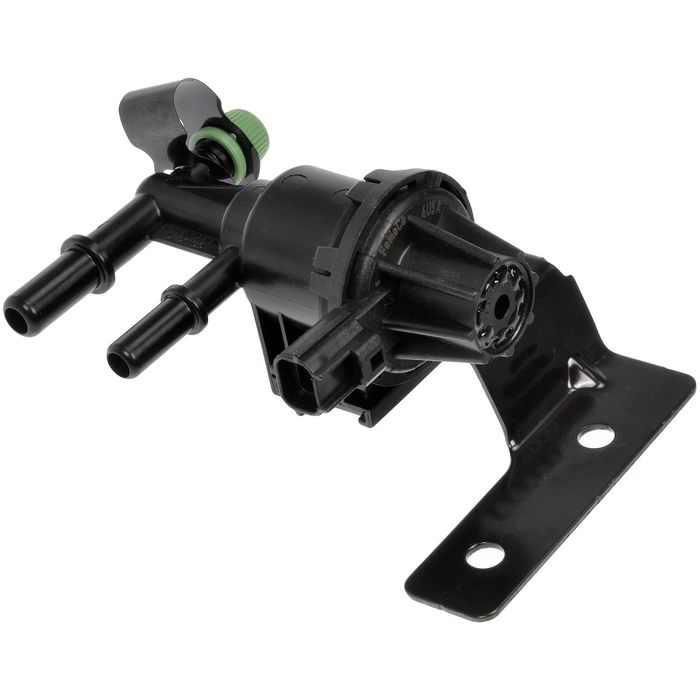
(OEM #9U5Z-9F945-C)— This solenoid is the most likely component to fail electrically or mechanically, triggering the P0446 circuit code. It is responsible for sealing the EVAP canister. This part number supersedes 7U5Z-9F945-D and 7U5Z-9F945-E.
Trusted brands: Motorcraft, Dorman, SKP
OEM price range: $45-$75
Aftermarket price range: $30-$60 - EVAP Charcoal Canister Assembly
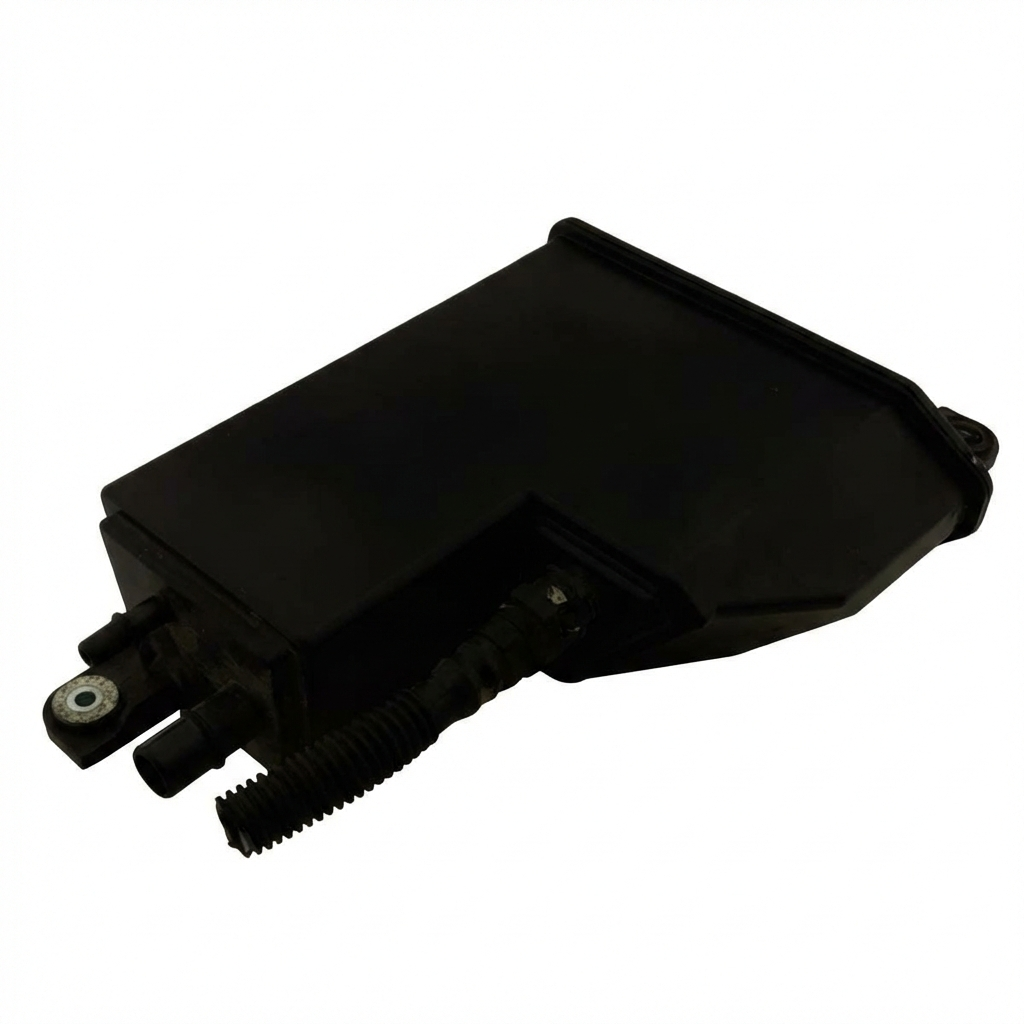
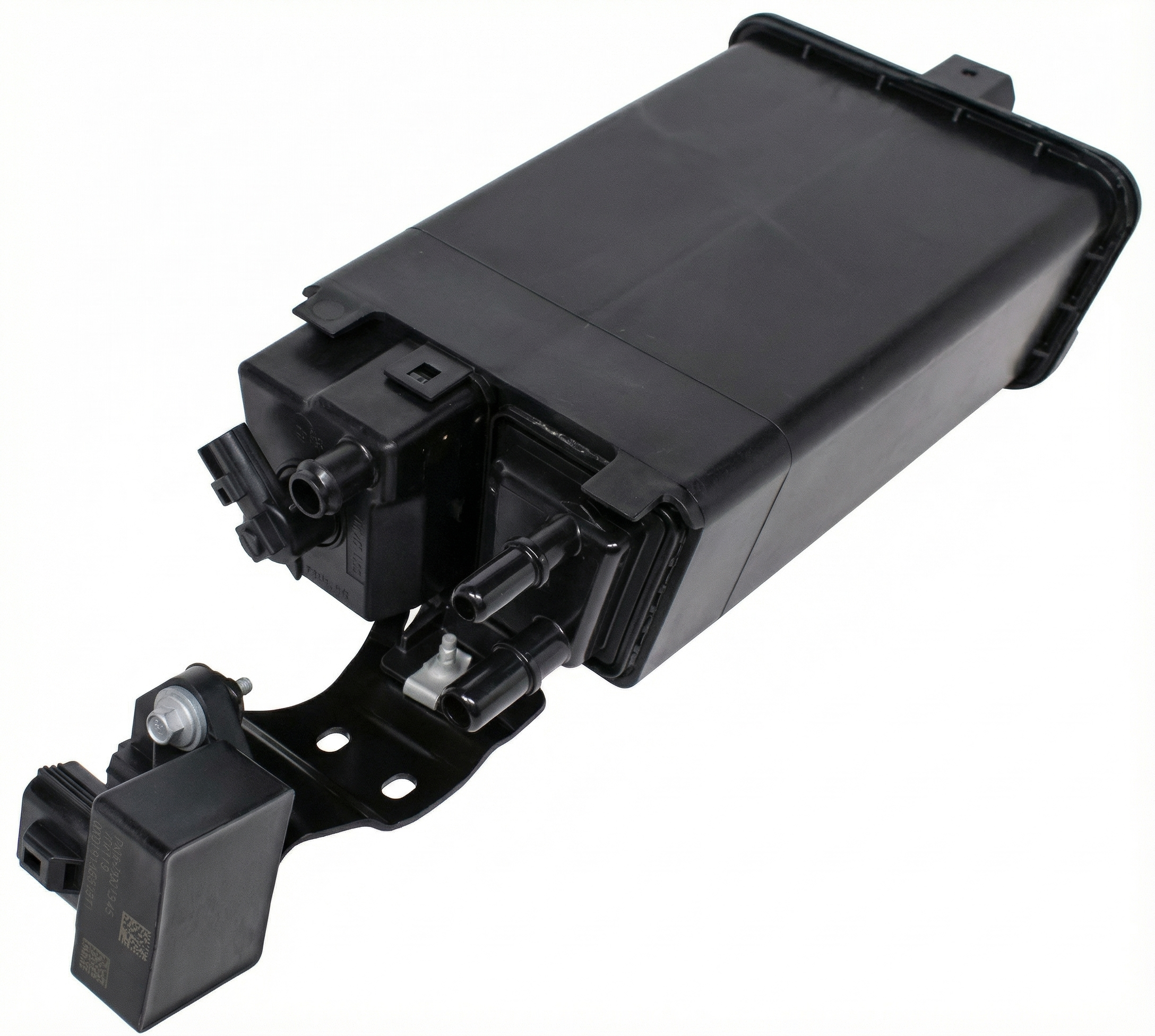
(OEM #FR3Z-9D653-J)— May need replacement if it becomes clogged with dirt, saturated with liquid fuel, or if the vent solenoid is integrated and not sold separately. A user on a forum replaced the entire canister after finding it full of dust and dirt, which is common in work vehicles.
Trusted brands: Motorcraft
OEM price range: $150-$250
Aftermarket price range: $100-$180
Related Codes That Often Appear With This One
- P0455 (EVAP System Leak Detected - Large Leak): Can occur if the P0446 fault prevents the vent valve from closing during a system leak test.
- P0442 (EVAP System Leak Detected - Small Leak): Similar to P0455, a malfunctioning vent valve can lead to a failed leak test.
Technical Service Bulletins (TSBs) & Recalls
- GM TSB #02-06-04-037H: While not a Ford TSB, this General Motors bulletin addresses the exact same P0446 problem on their trucks caused by dirt and dust intrusion into the vent hose. It outlines a fix that involves replacing the vent solenoid and relocating the air intake filter to a less exposed area, which is a relevant repair strategy for any vehicle used in dusty environments.
Platform-Specific Known Issues
- A known issue, though not necessarily common, is corrosion or a broken pin within the main PCM connector for the vent valve circuit. This can lead to a persistent P0446 code even after replacing the vent solenoid and checking the wiring harness. A YouTube video specifically shows this on a 2018 Transit, identifying the pin as the second from the bottom on the far left of the connector.
- Wiring harness damage near the spare tire is a common failure point on Ford trucks and vans, including the Transit. Wires can corrode internally and break without visible external damage.
Mechanic-Grade Diagnostic Values
- EVAP Canister Vent Solenoid Coil Resistance — expected: 20 - 50 Ohms. Failure: Reading of 0 Ohms (short) or infinite/OL (open circuit). A Ford Ranger owner reported a good valve at 56.4 Ohms, so slight variations may exist.
- Fuel Tank Pressure (FTP) Sensor Voltage, Key On Engine Off (KOEO) — expected: Approximately 2.6 - 2.65 Volts. Failure: A significantly different static voltage may indicate a sensor issue or a pre-existing pressure/vacuum in the tank.
- EVAP Canister Vent Solenoid Connector - Power Wire — expected: 12V+ (Battery Voltage) with key on. Failure: 0V indicates a break in the power supply wire or a blown fuse.
- EVAP Canister Vent Solenoid Connector - Control Wire — expected: 12V+ with key on, solenoid disconnected. Drops to near 0V when commanded closed by scan tool.. Failure: Reading 0V when disconnected suggests a short to ground. Reading 12V when commanded closed suggests a break in the wire to the PCM or a faulty PCM driver.
Hidden / Shadow Codes Worth Checking
- Mode $06, Test ID $39: This is the onboard diagnostic monitor for the EVAP system (.040" leak test). While not a shadow code, viewing Mode $06 data with a capable scanner can show if the EVAP monitor is failing its self-test, even before a code is set. It can also confirm the test has passed after a repair. (see via Advanced OBD-II scanner with Mode $06 functionality.)
Scan Tool Commands That Help
- Ford IDS (Integrated Diagnostic System) / ForScan: Output Control: EVAP Canister Vent Valve (or CV Solenoid) — This bidirectional command allows the technician to manually open and close the vent solenoid. It is essential for diagnosis to confirm if the solenoid clicks when commanded and to check the integrity of the control circuit wiring back to the PCM.
- Ford IDS (Integrated Diagnostic System): Powertrain -> EVAP System Test — This is an automated test that runs the entire EVAP monitor sequence. It will command the vent and purge valves, monitor the FTP sensor, and report if a leak or blockage is detected. It's useful to verify a repair is successful. The test requires fuel level to be between 15% and 85%.
Wiring & Ground Locations
- PCM Connector C175B — This is one of the main connectors at the Powertrain Control Module (PCM). On the Transit, the PCM is typically located in the engine bay, near the battery or firewall.. The control wire for the EVAP vent solenoid terminates at a specific pin in this connector. The documented case of a corroded/broken pin for P0446 occurred at this connector, making it a critical inspection point for hard-to-diagnose cases.
- EVAP Vent Solenoid Control Wire — Runs from the EVAP vent solenoid connector (near the charcoal canister) to the C175B connector at the PCM.. This wire carries the ground signal from the PCM to activate the solenoid. An open or short in this wire is a direct cause of a P0446 circuit code.
Real Owner Repair Stories
- Ford F150 Forum (similar Ford EVAP system) (Ford F-150, year/engine not specified) — Check Engine Light with code P0446.
❌ Tried (didn't work) Initial diagnosis pointed to the common causes.
✅ What actually fixed it The owner found the EVAP vent filter box, located up near the fuel filler neck, was completely packed solid with dirt and dust from driving on dirt roads. After cleaning out the packed dirt from the filter box and its two sponge filters, and replacing the vent solenoid as a precaution, the code was resolved. - NHTSA ODI #11670709 — An owner of a related Ford model reported that the engine warning light was illuminated and a vehicle scanner retrieved DTC P0446, specifically identifying an Evaporative Emission Control System (EVAP) vent control circuit malfunction.
"I Checked Everything" — The Actual Cause
- Since P0446 on modern Fords is a circuit malfunction code, a smoke test will almost always come back clean (no leaks). The fault is not a leak, but rather the PCM's inability to control the vent valve. Technicians find the root cause by testing the electrical circuit (power, ground, signal wire continuity, and solenoid resistance) rather than by looking for vapor leaks.
OEM Part Supersession History
7U5Z-9F945-D, 7U5Z-9F945-E→9U5Z-9F945-C— Standard part revision and consolidation by Ford.
Diagnostic Flowchart
Real Owner Stories
Aggregated from forums and TSBs cited above. Mileages and costs reflect what owners reported in those sources.
2018 Ford Transit
Symptoms: Check engine light on for canister vent valve circuit (P0446).
What fixed it: The problem was identified as a broken pin for the canister vent valve circuit within the PCM connector at the left front of the engine bay (specifically the second pin from the bottom, all the way on the left).
Source hint: YouTube comment
2014 Ford F-Series 6.2L
Symptoms: P0446 code immediately returned after replacing the gas cap, purge valve, and the entire canister assembly with a new vent solenoid.
What fixed it: The owner replaced the gas cap, purge valve, and canister assembly with a new vent solenoid, but the code immediately returned, highlighting that throwing parts at the EVAP system often fails if the underlying circuit or wiring harness is the actual culprit.
Source hint: Ford Truck Enthusiasts - 'P0446' (2020-07-15)
Related OBD-II Codes
Frequently Asked Questions
I replaced the vent solenoid on my 2018 Ford Transit but the P0446 code came back. What else could it be?
Where is the wiring harness most likely to fail for the EVAP vent solenoid on a Transit?
How can I test the EVAP canister vent solenoid on my Transit?
Why does the gas pump keep clicking off when I try to fill my Transit's fuel tank?
I use my Transit as a work van on dusty roads. Is there a specific fix for P0446 related to dust?
Does the Transit share the EVAP vent solenoid with other Ford vehicles?
"I Checked Everything" — The Actual Cause
- Since P0446 on modern Fords is a circuit malfunction code, a smoke test will almost always come back clean (no leaks). The fault is not a leak, but rather the PCM's inability to control the vent valve. Technicians find the root cause by testing the electrical circuit (power, ground, signal wire continuity, and solenoid resistance) rather than by looking for vapor leaks.
OEM Part Supersession History
7U5Z-9F945-D, 7U5Z-9F945-E→9U5Z-9F945-C— Standard part revision and consolidation by Ford.
Helpful Videos

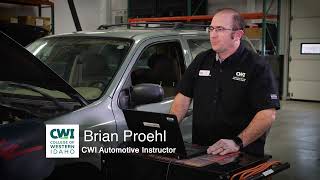
We Have This Part in Stock
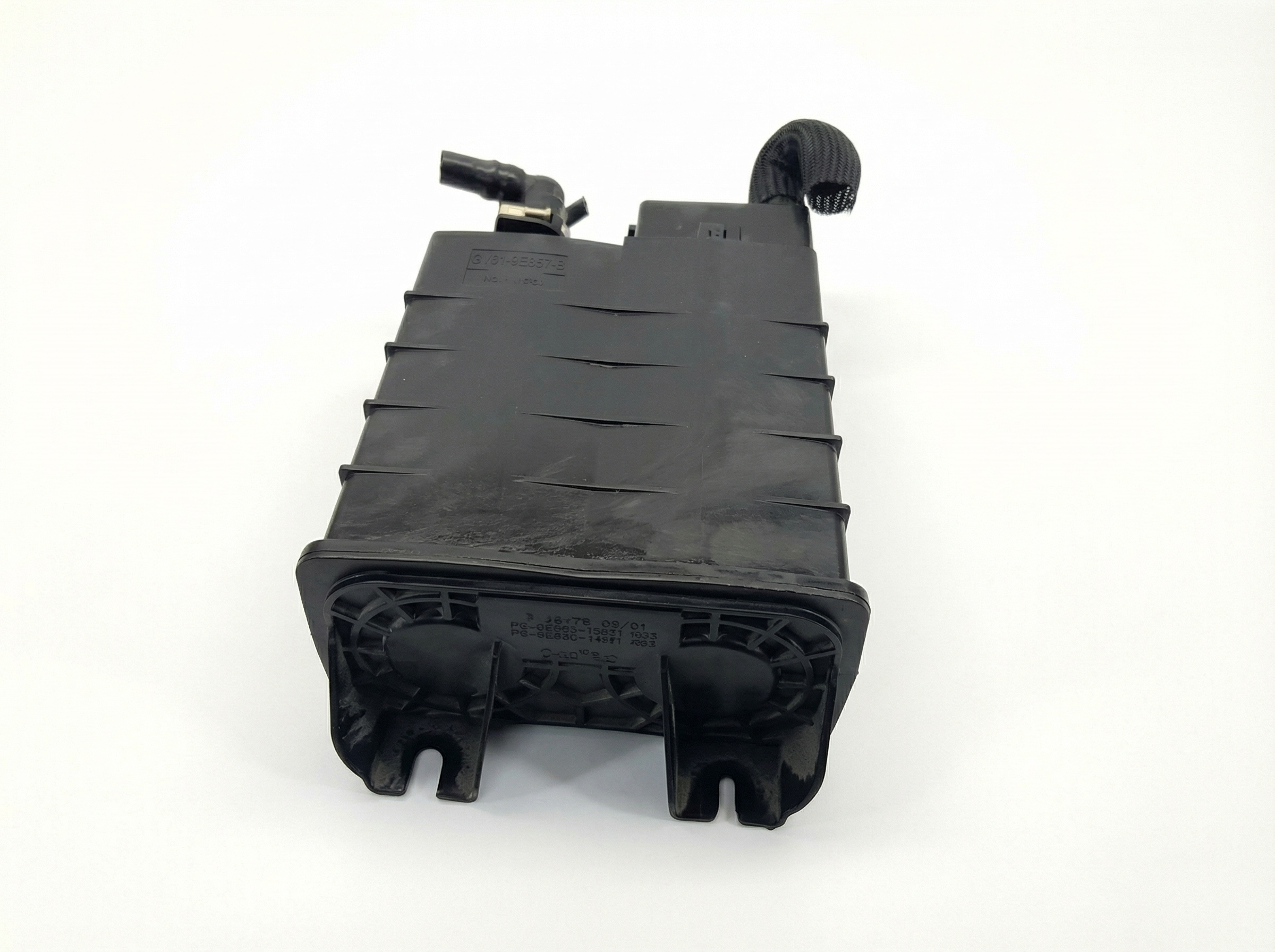
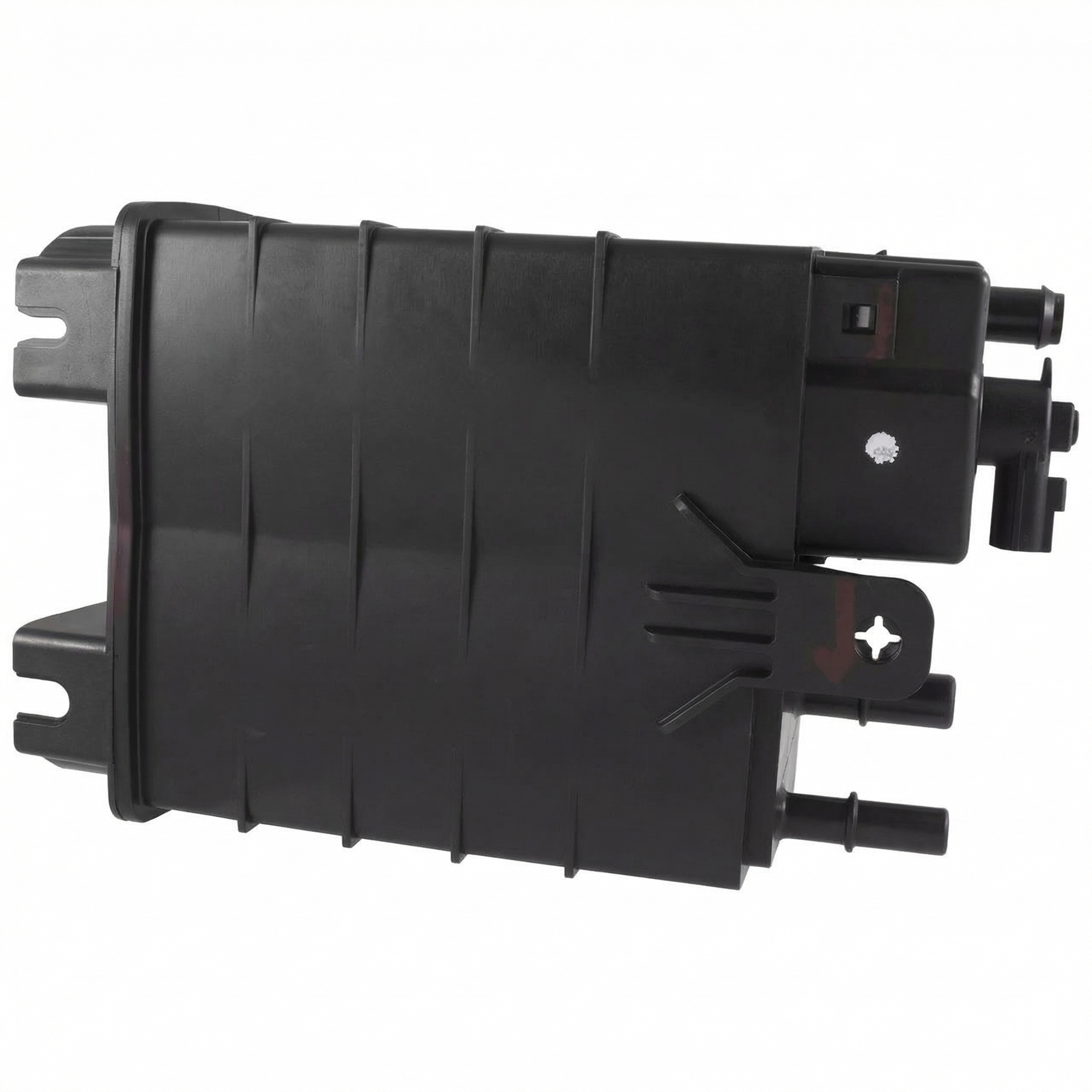

The information in this article is provided for general reference and educational purposes only. Vehicle specifications, procedures, and part compatibility can vary by production date, trim level, and region. Always consult your vehicle's factory service manual and verify part numbers before purchasing or performing repairs. Safety-critical components such as airbags, seat belts, and braking systems should be installed by a qualified professional.
- Ford Transit:
- 🧭 Diagnostic Flowchart
- 🎬 Helpful Videos
- 🛍️ Shop This Part
- What's Unique About the 2015-2026 Ford Transit
- Symptoms You May Notice
- Most Likely Causes
- Rare But Worth Checking
- Diagnosis Steps
- Parts You'll Likely Need
- Related Codes That Often Appear With This One
- Technical Service Bulletins (TSBs) & Recalls
- Platform-Specific Known Issues
- Mechanic-Grade Diagnostic Values
- Hidden / Shadow Codes Worth Checking
- Scan Tool Commands That Help
- Wiring & Ground Locations
- Real Owner Repair Stories
- "I Checked Everything" — The Actual Cause
- OEM Part Supersession History
- Real Owner Stories
- 2018 Ford Transit
- 2014 Ford F-Series 6.2L
- Related OBD-II Codes
- Frequently Asked Questions
- "I Checked Everything" — The Actual Cause
- OEM Part Supersession History
- 🎟️ Get 5% Off