

P0446 on 1999-2007 GMC Sierra: EVAP Vent System Causes and Fixes
On a 1999-2007 GMC Sierra, code P0446 is almost always caused by a clogged or failed EVAP vent solenoid, often due to dust and dirt. The most common fix is replacing the vent solenoid and installing a filter relocation kit (per a GM TSB) to prevent it from happening again. Expect to pay $40-$150 for parts.
- P0446 on your Sierra almost certainly means the EVAP vent system is clogged, not that you have a leak.
- The most common failure is the EVAP vent solenoid, located near the gas tank, which gets clogged with road dust.
- A major symptom, besides the Check Engine Light, is the gas pump shutting off constantly when you try to refuel.
- Don't waste money on a new gas cap; it will not fix this code.
- The best long-term fix is to install the GM-recommended filter relocation kit (TSB #02-06-04-037H), not just a new solenoid.
What's Unique About the 1999-2007 GMC Sierra
The GMT800 platform (1999-2007 Classic) is well-known for this specific code due to the original placement of the EVAP vent solenoid's air intake. It is located under the truck near the spare tire, where it is highly susceptible to sucking in road dust, dirt, and debris, especially on work trucks or vehicles used on unpaved, dusty roads like farms or mining sites. This design flaw was so common that General Motors issued a Technical Service Bulletin (TSB #02-06-04-037H) with an updated part that relocates the filter to a cleaner, more protected area above the transmission.
Generation note: This range covers two generations. The 1999-2006 models and the 2007 'Classic' are the GMT800 generation. The 2007 'New Body Style' is the first year of the GMT900 generation. The primary cause (dust clogging the vent solenoid) and the TSB-related fix apply mainly to the GMT800 trucks. While the GMT900 can experience the same code, the part design and location may differ slightly.
Symptoms You May Notice
- Check Engine Light is on.
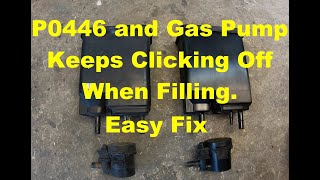
- Difficulty filling the fuel tank (gas pump nozzle clicks off repeatedly before the tank is full 🎬 See how to fix the gas pump clicking off issue).
- A slight fuel odor may be noticeable in rare cases.
- A whooshing sound when opening the gas cap, indicating pressure or vacuum buildup.
- Replacing the gas cap. A bad gas cap typically causes a leak code (like P0442 or P0455), not a vent restriction code like P0446.
- Replacing the EVAP Purge Solenoid/Valve. The purge solenoid is located in the engine bay and has its own set of codes (e.g., P0496). P0446 specifically points to the vent side of the system, which is located near the fuel tank.
Most Likely Causes
- Clogged or Failed EVAP Vent Solenoid/Valve 🔴 High Probability → Shop Vapor Canister The original vent solenoid's filter is located low on the chassis, making it prone to clogging from dust and road debris. This was addressed by a GM TSB #02-06-04-037H.
How to confirm: With a bidirectional scan tool, command the vent solenoid to close; you should hear an audible click. You can also apply 12V directly to the solenoid's terminals to test for operation. Visually inspect the solenoid's filter port for dirt or blockage. A resistance check across the solenoid's pins should read between 20 and 50 Ohms.
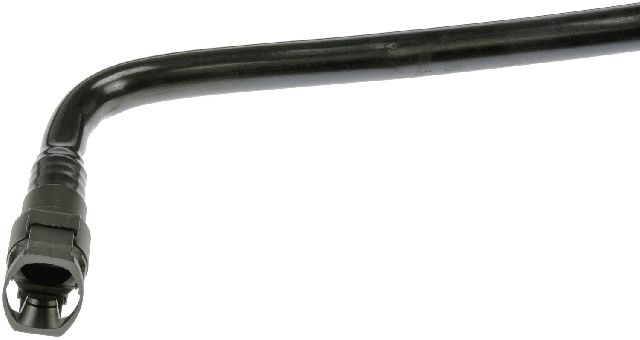
Typical fix: Replace the EVAP vent solenoid. It is highly recommended to use the updated service kit which includes a new solenoid and a hose to relocate the filter to a cleaner location, such as higher up in the frame rail or near the transmission bell housing.
Est. part cost: $30-$80 for the solenoid, $100-$150 for the full relocation kit. - Blocked EVAP Vent Hose or Filter 🟡 Medium Probability The same dust and debris that clogs the solenoid can also block the vent hoses. Spiders are also known to build nests in these hoses, creating a blockage.
How to confirm: Disconnect the hoses leading to and from the vent solenoid and charcoal canister. Attempt to blow low-pressure compressed air through them. If air does not pass freely, the hose is blocked.
Typical fix: Clear the blockage with compressed air or replace the blocked section of hose. Some owners have had success just cleaning the filter element inside the remote filter box.
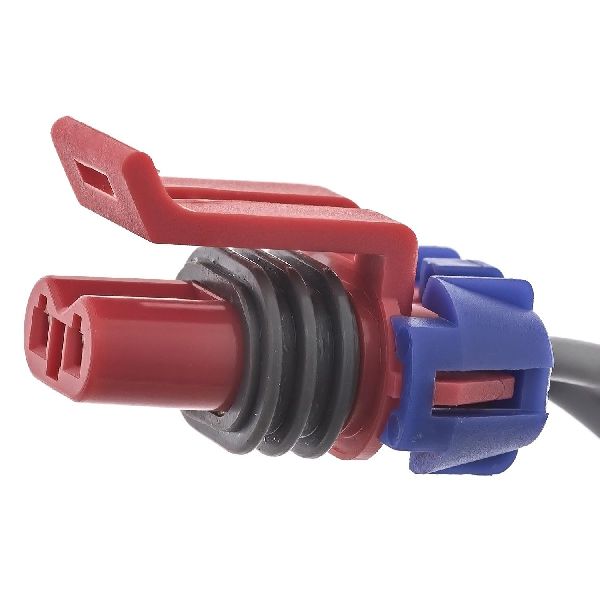
Est. part cost: $0-$20 - Damaged Wiring or Electrical Connector ⚪ Low Probability The wiring for the vent solenoid is routed under the vehicle and is exposed to the elements, which can lead to corrosion, breaks, or chafing over time. Wires can break inside the insulation near the connector, appearing visually intact but creating an open circuit. This can cause an open or short in the circuit.
How to confirm: Inspect the wiring harness and connector leading to the vent solenoid for any visible damage, corrosion, or breaks. Use a multimeter to check for ~12V power on the power feed wire (often pink) with the key on. Gently tug on the wires near the connector, as they can break internally.
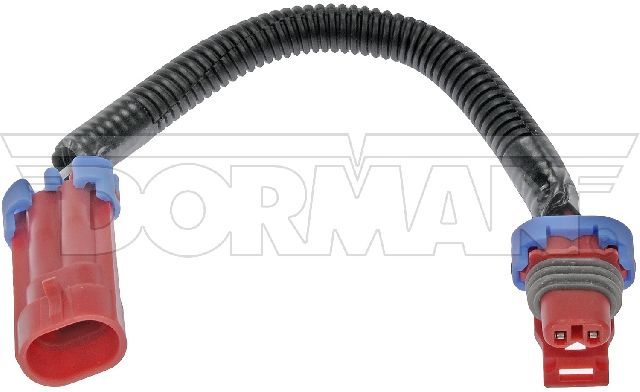
Typical fix: Repair the damaged section of wire or replace the connector pigtail.
Est. part cost: $5-$25
Rare But Worth Checking
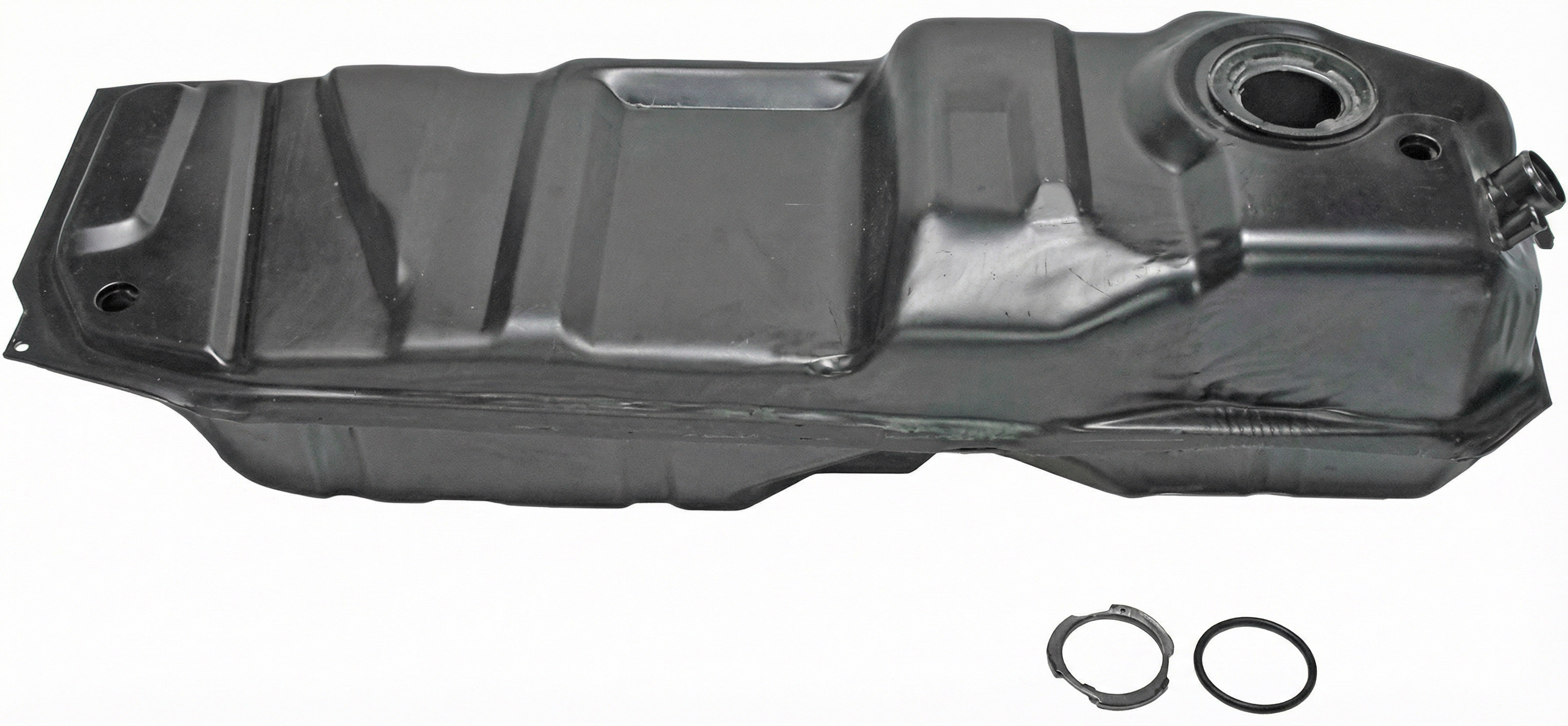
- Faulty Fuel Tank Pressure (FTP) Sensor: → Shop Fuel Tank This is an increasingly common failure point as these trucks age. If the FTP sensor is stuck at a certain reading (e.g., showing pressure when the tank should be at atmospheric), the computer will not see the pressure change when the vent solenoid operates, incorrectly setting a P0446. A diagnostic check with a scan tool showing unchanging pressure when the gas cap is removed is a strong indicator of a bad FTP sensor.
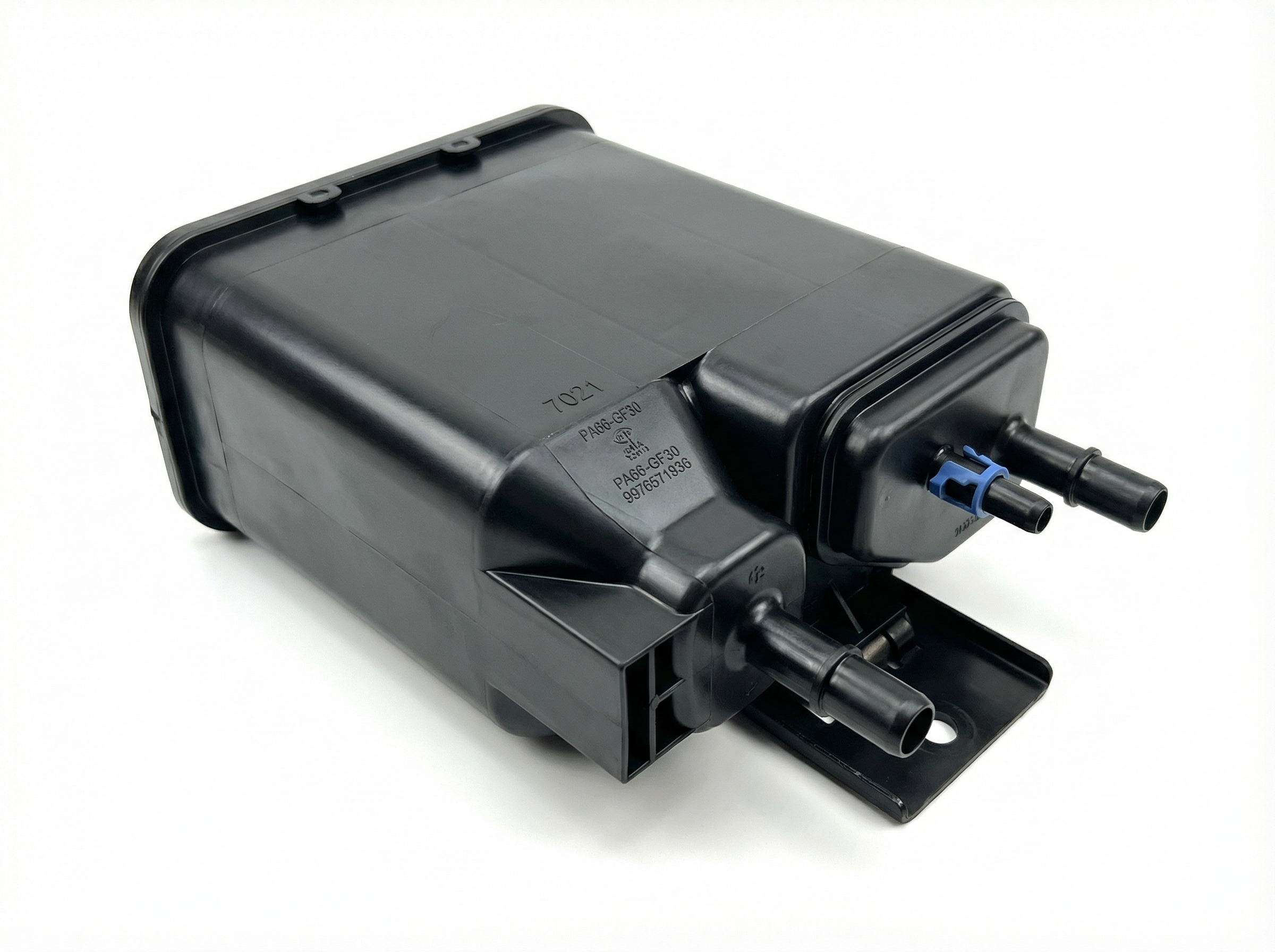
- Cracked or Saturated Charcoal Canister: → Shop Vapor Canister If the canister is physically damaged or saturated with fuel (often from repeatedly overfilling the gas tank), charcoal pellets can break loose and clog the vent solenoid and lines. The TSB advises against replacing the canister unless it fails a leak test.
Diagnosis Steps
- Visually inspect the EVAP vent solenoid, charcoal canister, and all associated hoses under the truck (usually on the driver's side near the fuel tank). Look for obvious blockages like mud, dirt, or spider webs, and check for cracked or disconnected hoses.
- Inspect the electrical connector at the vent solenoid for corrosion or damage. Ensure it is plugged in securely.
- Check FTP Sensor reading. With a scan tool, observe the Fuel Tank Pressure reading with the engine off. It should be near 1.5 Volts. Remove the gas cap. If the reading does not change, the FTP sensor is likely faulty and is the root cause.
- If you have a bidirectional scan tool, command the EVAP vent solenoid closed. Listen for a 'click' from the solenoid. If it clicks, the electrical circuit and solenoid coil are likely okay, and the problem is a physical blockage.
- If no scan tool is available, you can test the solenoid manually. Disconnect it and use jumper wires to apply 12V power and a ground to its terminals. It should click when power is applied. If it doesn't, the solenoid has failed.
- If the solenoid clicks but the code persists, the problem is a blockage. Disconnect the vent hoses and try to blow low-pressure compressed air through them to check for restrictions.
- If the solenoid itself is clogged with dirt, replacement is the best option. It is highly recommended to install the TSB-specified filter relocation kit to prevent a repeat failure.
Parts You'll Likely Need
- EVAP Vent Solenoid Valve Kit (with Filter Relocation)
(OEM #19207762 (for 1999-2003), 19152349 (for 2004-2007))— This is the official GM-recommended fix that not only replaces the failed solenoid but also moves the air filter to a cleaner location to prevent future clogging. Part number 19207762 is for 1999-2003 models; kit 19152349 is specified for 2004-2007 models per TSB revisions.
Trusted brands: ACDelco, Delphi
OEM price range: $120-$160
Aftermarket price range: $80-$120 - EVAP Vent Solenoid Valve
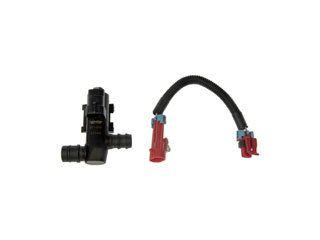
(OEM #ACDelco 214-2149 (Supersedes 25932571))— If you choose not to install the full relocation kit, you can replace just the solenoid. This is a cheaper but less robust long-term solution as the new solenoid is still susceptible to clogging. This part fits a wide range of GM vehicles from this era.
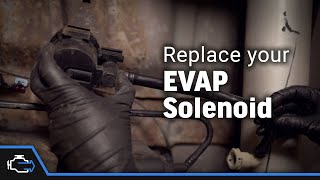
Trusted brands: ACDelco, Dorman, Standard Motor Products 🎬 Watch: Step-by-step EVAP vent solenoid replacement walkthrough
OEM price range: $40-$60
Aftermarket price range: $25-$45
Related Codes That Often Appear With This One
- P0449 — P0449 (EVAP Vent Solenoid Control Circuit) is very similar to P0446. On GM vehicles, P0446 often indicates a performance issue (blockage), while P0449 can point more toward an electrical circuit fault. They are often diagnosed together.
- P0452 — P0452 (Fuel Tank Pressure Sensor Circuit Low Input) can occur if the FTP sensor is failing. A faulty FTP sensor can be the root cause of a P0446 code, as the computer relies on its readings to test the vent system.
Technical Service Bulletins (TSBs) & Recalls
- 02-06-04-037H: DTC P0446 (Restricted/Blocked EVAP Vent Path) Set, Check Engine Light On (Replace Evaporative Emission (EVAP) Vent Valve Solenoid Assembly and Add/Relocate Filter Box Using Service Kit). This is the definitive TSB for this issue on GMT800 trucks.
- TSB Bulletin #23-NA-073: This manufacturer bulletin provides repair information to correct customer concerns regarding Evaporative DTCs including P0446, P0442, P0455, or P0449, specifically noting these are caused by dust intrusion into the evaporative canister.
Platform-Specific Known Issues
- GM Technical Service Bulletin 02-06-04-037H directly addresses P0446 on these trucks. It identifies the cause as dust intrusion into the EVAP system and provides a specific kit to replace the vent valve and relocate the filter to a less exposed area above the transmission.
Mechanic-Grade Diagnostic Values
- EVAP Vent Solenoid Coil Resistance — expected: 20-50 Ohms. Failure: A reading of infinite resistance (open circuit) or well outside this range indicates a failed solenoid coil.
- Fuel Tank Pressure (FTP) Sensor Voltage (Key On, Engine Off, Gas Cap Removed) — expected: Approximately 1.3V to 1.7V. Failure: A voltage that is stuck high (e.g., 4.8V) or low (e.g., 0.2V) and does not change when the gas cap is removed indicates a faulty sensor. A stuck reading of 0.22 volts was noted in one diagnostic video.
- EVAP Vent Solenoid Connector Voltage — expected: ~12 Volts (Battery Voltage) on the power feed wire (typically a pink wire) with the key in the 'On' position.. Failure: No voltage indicates a problem with the power supply circuit, such as a blown fuse or broken wire.
- FTP Sensor Connector Voltage (Harness Side) — expected: 5V on the reference wire, 0V on the ground wire, and a signal wire that reflects pressure.. Failure: Missing 5V reference or a bad ground points to a wiring or PCM issue, not a sensor failure. Jumping the 5V reference to the signal wire should result in a 5V reading on a scan tool, confirming wire integrity.
Scan Tool Commands That Help
- Tech 2 / GDS2: EVAP Purge/Seal Test — This is a guided functional test under 'Special Functions' that automatically commands the purge and vent solenoids to seal the system, draws a vacuum, and monitors the FTP sensor. It's used to verify the entire system's integrity and can quickly identify if a restriction (P0446) or a leak (P0442/P0455) is present.
- Tech 2 / GDS2 / High-End Bidirectional Scanner: EVAP Vent Solenoid ON/OFF Command — This command allows a technician to manually toggle the vent solenoid open and closed while listening for an audible 'click' from the solenoid itself. This directly tests the electrical circuit and the solenoid's mechanical function, helping to isolate a bad solenoid from a physical blockage in the lines.
Wiring & Ground Locations
- EVAP Vent Solenoid Connector — On the EVAP vent solenoid, located near the charcoal canister by the fuel tank/spare tire.. This connector and its wiring are exposed to the elements. Wires, particularly the ground control wire, are known to break inside the insulation right at the connector, causing an open circuit (often triggering P0449 but can relate to P0446). A visual inspection may not be enough; a 'tug test' on the wires is recommended.
- G401 — In the chassis harness, on the spare tire hoist assembly.. This is a major chassis ground point in the rear of the vehicle. While not directly for the EVAP solenoid, poor grounding in this area can cause a variety of strange electrical issues with rear-mounted components.
- G304 — In the body harness, under the passenger seat.. This is an interior ground point. While less likely to be the cause, tracing circuits from the rear of the vehicle may lead to interior grounds.
- FTP Sensor Connector — On top of the fuel tank, connected to the fuel pump module/sending unit.. If the FTP sensor is suspected, testing its 3-wire connector for 5V reference, ground, and signal is critical. The wires are typically Gray (5V reference), Dark Green (signal), and Tan. A failure here can mimic a P0446 fault.
Real Owner Repair Stories
- GM-Trucks.com forum user 'gto0188' (2001 GMC Sierra SLE 4x4) — P0446 code returned after clearing.
❌ Tried (didn't work) Replacing the EVAP purge solenoid (in the engine bay).
✅ What actually fixed it The Fuel Tank Pressure (FTP) sensor was the actual cause. The user was able to replace it by moving the driveshaft out of the way to access the top of the fuel tank, avoiding the need to remove the bed or drop the tank. - YouTube comment on an HVAC Mechanic video (Unspecified Chevy/GMC truck) — P0446 code, check engine light, and inability to refuel without the pump constantly shutting off.
❌ Tried (didn't work) Dealer replaced gas cap, canister, fuel pressure sensor, and vent valve, some multiple times, at a cost of over $1,000.
✅ What actually fixed it The owner disconnected all lines to the canister and vent valve and used a shop vac/compressor to blow air through all the lines, including the fuel filler neck. This cleared a hidden blockage (potentially a spider web) and resolved all symptoms. - YouTube channel 'South Main Auto LLC' (GMC/Chevy Truck with P0449 (closely related to P0446)) — Check Engine Light with EVAP circuit code.
❌ Tried (didn't work) The owner had already replaced the vent solenoid and connector pigtail before bringing it to the shop.
✅ What actually fixed it The control wire (white wire) for the vent solenoid was broken inside the insulation further up the harness. A simple visual inspection was not sufficient; pulling on the wire revealed the break. Repairing this section of the wire fixed the problem.
"I Checked Everything" — The Actual Cause
- P0446 is a restriction code, not a leak code, so a smoke test will often come back clean. The test is designed to find leaks (like from a bad gas cap or cracked hose, which cause codes like P0442/P0455). For P0446, the problem is a blockage preventing airflow. A common scenario is a perfectly sealed system that passes a smoke test, but the code persists because the vent solenoid, its filter, or a line is clogged with dust or debris, preventing the system from drawing in fresh air when commanded. Another cause can be a faulty Fuel Tank Pressure (FTP) sensor that is providing incorrect readings to the computer, making it think there is a restriction when there isn't one.
OEM Part Supersession History
Multiple older numbers→19152349 (often for 2004-2007) and 19207763 (often for 2004-2010)— These are the TSB-specified kits that include the solenoid and the filter relocation components to address the root cause of dust intrusion.
Heads up: GM changed the electrical connector style on the replacement vent solenoids from an 'oval' shape to a 'square' shape. Depending on the kit purchased (OEM vs aftermarket) and the year of the truck, a jumper/adapter harness may be required to connect the new solenoid to the old vehicle harness.19152349→19207763— Part numbers are frequently consolidated and updated by GM. 19207763 is a more recent kit number that replaces 19152349 and several others.
Model Year Variations Within This Range
- 1999-2003 vs. 2004-2007: The TSB specifies different part kits for these ranges (19207762 for early models, 19152349 for later GMT800s). This is due to differences in the original EVAP system layout and hose connections, requiring slightly different components in the relocation kit.
- 2001-2002 (approx.): Some very early models may have the vent solenoid located in a different position than later models, sometimes on top of the fuel tank, making access much more difficult and potentially requiring the bed to be lifted or the tank to be dropped for service.
Diagnostic Flowchart
Real Owner Stories
Aggregated from forums and TSBs cited above. Mileages and costs reflect what owners reported in those sources.
2001 GMC Sierra 1500 Ext Cab 4.8 4wd — 135000 miles
Symptoms: Check Engine Light with P0446 code.
What fixed it: It ended up being the fuel tank pressure sensor. I was barely able to replace it by moving the driveshaft out of the way to get my hands up there and work by feel.
Source hint: GM-Trucks.com forum
1999-2007 GMC Sierra (GMT800 Platform)
Symptoms: Slow-fill gas tank issue where the gas pump nozzle clicks off repeatedly before the tank is full.
What fixed it: Replacing a failed vent solenoid and addressing a saturated charcoal canister that was caused by overfilling the fuel tank.
Source hint: Reddit r/GMT800 - 'I fixed the stupid EVAP issue!!'
1999-2007 GMC Sierra (GMT800 Platform)
Symptoms: P0446 code with no other noticeable drivability symptoms.
What fixed it: Cleaning and replacing the vent valve filter, which had become clogged with dirt and gunk due to its exposed location under the truck.
Source hint: GMTNation Forum - 'P0446, with no symptoms'
Related OBD-II Codes
Frequently Asked Questions
Is there a GM Technical Service Bulletin (TSB) for the P0446 code on my 1999-2007 Sierra?
Why does the gas pump keep clicking off when I try to fill my Sierra's tank?
Where is the EVAP vent solenoid located on my truck?
Will replacing the gas cap fix the P0446 code?
How can I test the EVAP vent solenoid if I don't have a bidirectional scan tool?
What parts are included in the TSB fix for this code?
Helpful Videos
Used OEM Parts in Stock

New Aftermarket Parts Available


The information in this article is provided for general reference and educational purposes only. Vehicle specifications, procedures, and part compatibility can vary by production date, trim level, and region. Always consult your vehicle's factory service manual and verify part numbers before purchasing or performing repairs. Safety-critical components such as airbags, seat belts, and braking systems should be installed by a qualified professional.
- GMC Sierra:
- 🧭 Diagnostic Flowchart
- 🎬 Helpful Videos
- 🛍️ Shop This Part
- What's Unique About the 1999-2007 GMC Sierra
- Symptoms You May Notice
- Most Likely Causes
- Rare But Worth Checking
- Diagnosis Steps
- Parts You'll Likely Need
- Related Codes That Often Appear With This One
- Technical Service Bulletins (TSBs) & Recalls
- Platform-Specific Known Issues
- Mechanic-Grade Diagnostic Values
- Scan Tool Commands That Help
- Wiring & Ground Locations
- Real Owner Repair Stories
- "I Checked Everything" — The Actual Cause
- OEM Part Supersession History
- Model Year Variations Within This Range
- Real Owner Stories
- 2001 GMC Sierra 1500 Ext Cab 4.8 4wd — 135000 miles
- 1999-2007 GMC Sierra (GMT800 Platform)
- 1999-2007 GMC Sierra (GMT800 Platform)
- Related OBD-II Codes
- Frequently Asked Questions
- 🎟️ Get 5% Off