

P0446 on 2003-2009 Hummer H2: EVAP Vent System Causes and Fixes
On a 2003-2009 Hummer H2, code P0446 is almost always caused by a faulty or clogged EVAP Canister Vent Solenoid located on the driver's side frame rail. This component is highly exposed to road debris, leading to frequent failure. Expect to pay $40-$90 for an aftermarket part or $120-$180 for an OEM part; it's a straightforward DIY replacement. Many owners opt for a GM-issued relocation kit (P/N 19207762) to move the vent filter to a cleaner location and prevent repeat failures.
- P0446 on an H2 almost always points to a problem with the EVAP vent solenoid or its associated hoses/filter, located under the truck on the driver's side.
- The most common symptom, besides the Check Engine Light, is the fuel pump nozzle clicking off repeatedly when you try to refuel.
- Do not confuse the vent solenoid (under the truck) with the purge solenoid (on the engine). For P0446, the vent solenoid is the part to inspect first.
- Avoid topping off your fuel tank; this can saturate the charcoal canister and lead to this code.
- Before buying parts, perform a thorough visual inspection of the hoses and wiring for blockages or damage, as the fix can sometimes be free.
What's Unique About the 2003-2009 Hummer H2
The Hummer H2's off-road design places the EVAP vent solenoid and its filter in a location under the driver's side that is highly susceptible to contamination from mud, water, and road debris. This exposure is the primary reason the vent solenoid is the most common failure point for this code. The issue is so prevalent on GM trucks of this era (including the H2) that GM issued Technical Service Bulletin #02-06-04-037, which recommends replacing the original vent valve and installing a kit to relocate the filter to a cleaner, more protected area above the transmission.
Symptoms You May Notice
- Check Engine Light is on
- Difficulty refueling (gas pump nozzle shuts off repeatedly)
- Fuel odor near the vehicle, particularly around the gas cap area.
- Hissing sound when opening the gas cap
- Hard starting after refueling (in some cases, if the purge valve is also affected).
- Replacing the gas cap. While easy to check, a bad gas cap typically causes a leak code (like P0455 or P0442), not a vent restriction code like P0446.
- Replacing the EVAP Purge Solenoid. The purge solenoid is on the engine's intake manifold, while the vent solenoid (the common cause of P0446) is under the truck by the frame rail. Owners frequently confuse the two parts.
Most Likely Causes
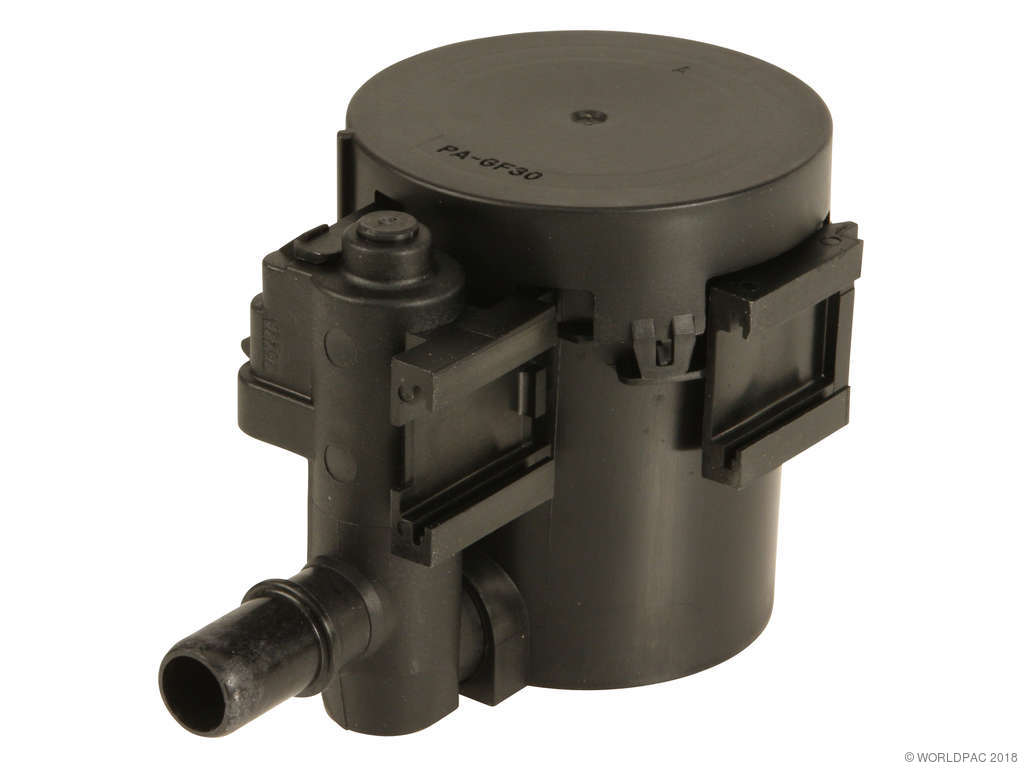
- Faulty or Clogged EVAP Canister Vent Solenoid 🔴 High Probability → Shop Vapor Canister The solenoid is mounted on the driver's side frame rail, where it is exposed to road debris, mud, and water, leading to clogs and corrosion. This is a well-documented failure point on GMT800/900 platform trucks.
How to confirm: Use a scan tool to command the solenoid open and closed; listen for a click. 🎬 Watch: Using scan data to diagnose P0446 on GM trucks. If it doesn't click, test for 12V power and ground at the connector with the key on. If power is present, the solenoid is bad. You can also remove it and try to blow through it; it is normally open, so air should pass freely. If air doesn't pass, it's stuck closed or clogged. The resistance across the solenoid's two pins should be between 48 and 65 Ohms.
Typical fix: Replace the EVAP canister vent solenoid. It is located under the truck on the driver's side, attached to or near the charcoal canister. For a long-term solution, install the GM filter relocation kit (P/N 19207762 for 1999-2003 models, check dealer for later years) per TSB #02-06-04-037 to move the air intake to a cleaner location. 🎬 Watch: How to replace the vent solenoid on this platform.
Est. part cost: $40-$180 - Blocked Vent Hose or Filter Box 🟡 Medium Probability Insects (like mud daubers or spiders), dirt, or ice can easily clog the vent filter box or the rubber hoses connected to the vent solenoid due to their exposed location.
How to confirm: Disconnect the hoses from the vent solenoid and charcoal canister. Visually inspect for blockages or use low-pressure compressed air to confirm they are clear. The filter box itself can be opened and inspected for nests or debris. 🎬 See this walkthrough on testing and replacing the vent valve.
Typical fix: Clear the blockage from the hose or filter box. If the hose is cracked or brittle, it should be replaced. This is often done when installing the vent solenoid relocation kit.
Est. part cost: $0-$30 - Damaged Wiring or Connector for Vent Solenoid 🟡 Medium Probability
How to confirm: Visually inspect the electrical connector and wiring going to the vent solenoid for corrosion, frayed wires, or loose pins. Use a multimeter to check for continuity and proper voltage (should have 12V with key on). A common failure is a broken wire inside the insulation right at the connector, which may not be visually apparent until you gently tug on the wires.
Typical fix: Repair the damaged section of wiring or replace the connector pigtail. Corrosion on the pins is common and can often be cleaned, but replacement ensures a solid connection.
Est. part cost: $15-$40 - Saturated or Failed Charcoal Canister ⚪ Low Probability → Shop Vapor Canister Repeatedly topping off the fuel tank after the pump clicks off can force liquid fuel into the canister, ruining the carbon pellets and causing a blockage.
How to confirm: Disconnect the hoses from the canister and check for signs of liquid fuel or black carbon pellets in the lines. The canister may also feel unusually heavy. GM TSBs specifically advise against replacing the canister unless it fails a leak test or is proven to be contaminated.
Typical fix: Replace the charcoal canister. This is a more expensive repair and should only be done after confirming the vent solenoid and hoses are clear.
Est. part cost: $150-$250
Rare But Worth Checking
- Faulty Fuel Tank Pressure (FTP) Sensor: → Shop Fuel Tank A bad FTP sensor can incorrectly report vacuum to the PCM, causing it to set P0446 even if the vent path is clear. This usually, but not always, sets its own code (P0452/P0453). On the H2, the sensor is on top of the fuel pump module and can be accessed by removing the driver's side rear wheel well liner, without dropping the tank.
- Rusted Fuel Pump Module Vent Nipple: → Shop Fuel Pump In rare cases, particularly in rust-prone areas, the vent nipple on the fuel pump module itself can rust through and break off, causing a persistent EVAP system fault. This requires dropping the fuel tank to inspect. One owner on HummerForums.com found this to be the root cause after replacing all other common EVAP parts.
Diagnosis Steps
- Check the gas cap to ensure it is tight and the seal is intact, though this is an unlikely cause for P0446.
- Perform a thorough visual inspection of the EVAP system components under the driver's side of the vehicle. Look for cracked hoses, loose connections, or obvious blockages from mud or debris around the vent solenoid and charcoal canister.
- Use a bidirectional scan tool to command the vent solenoid to open and close. Listen for an audible click from the solenoid, which is located on the driver's side frame rail.
- If no click is heard, access the solenoid's electrical connector. With the ignition on, use a multimeter to test for 12V power on one pin and a good ground on the other. If power and ground are present, the solenoid has failed and needs replacement.
- If the solenoid clicks, disconnect the hoses and check the solenoid itself and its attached filter box for physical blockages (spider webs, mud, etc.). The solenoid is normally open, so you should be able to blow through it with light air pressure.
- If the solenoid is clear, inspect the attached rubber hoses for blockages, kinks, or degradation.
- If the vent path is clear, monitor the Fuel Tank Pressure (FTP) sensor reading on your scan tool with the gas cap off. The reading should be stable and near zero pressure/vacuum, which corresponds to a voltage of roughly 1.3V to 1.7V on a GM vehicle. If it's stuck at a high voltage (e.g., 2.2V or higher) even with the cap off, the sensor is likely faulty.
- If all other components check out, the final step is to perform a smoke test on the EVAP system to look for restrictions or non-obvious leaks. This can also help confirm if the charcoal canister is blocked internally.
- As a last resort, if the code persists and you are in a rust-prone area, consider inspecting the top of the fuel tank for a rusted-off vent nipple on the fuel pump module, as documented in owner forums.
Parts You'll Likely Need
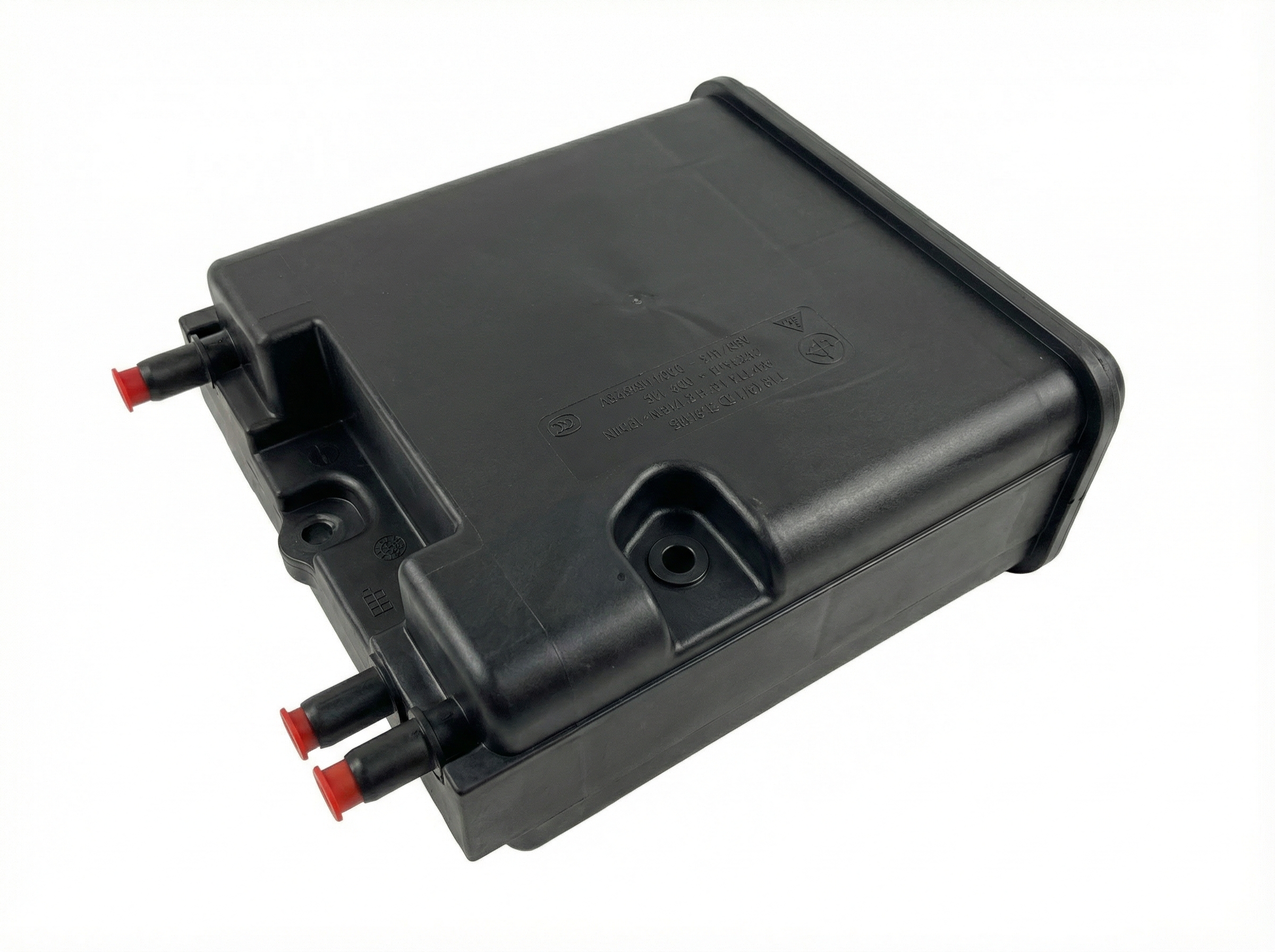
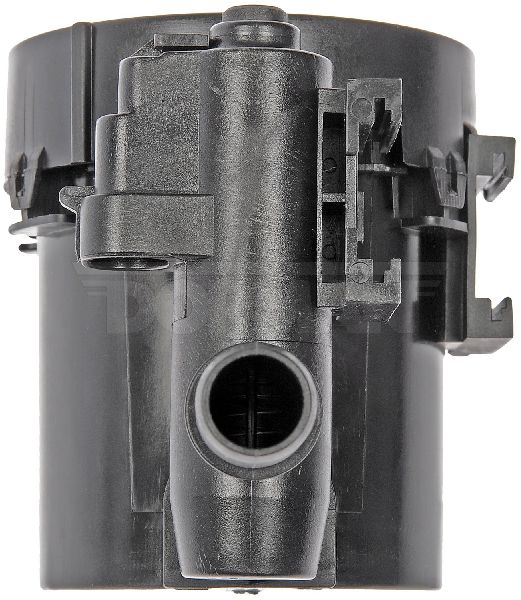
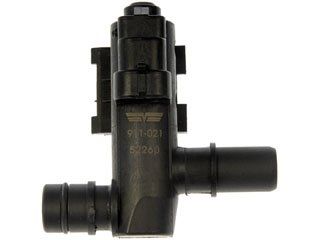
- EVAP Canister Vent Solenoid
(OEM #25932571 (superseded by ACDelco 214-2149))— This is the most common failure point for code P0446 on the H2 due to its exposed location, leading to internal clogging or electrical failure.
Trusted brands: ACDelco, Dorman (P/N: 911-032), Standard Motor Products
OEM price range: $50-$90
Aftermarket price range: $35-$60 - EVAP Vent Solenoid Relocation Kit
(OEM #19207762 (For earlier models, confirm application))— To prevent repeat failures, GM issued TSB #02-06-04-037 recommending this kit, which includes a new vent solenoid and hoses to move the filter to a cleaner location above the transmission.
Trusted brands: ACDelco, Dorman
OEM price range: $60-$100
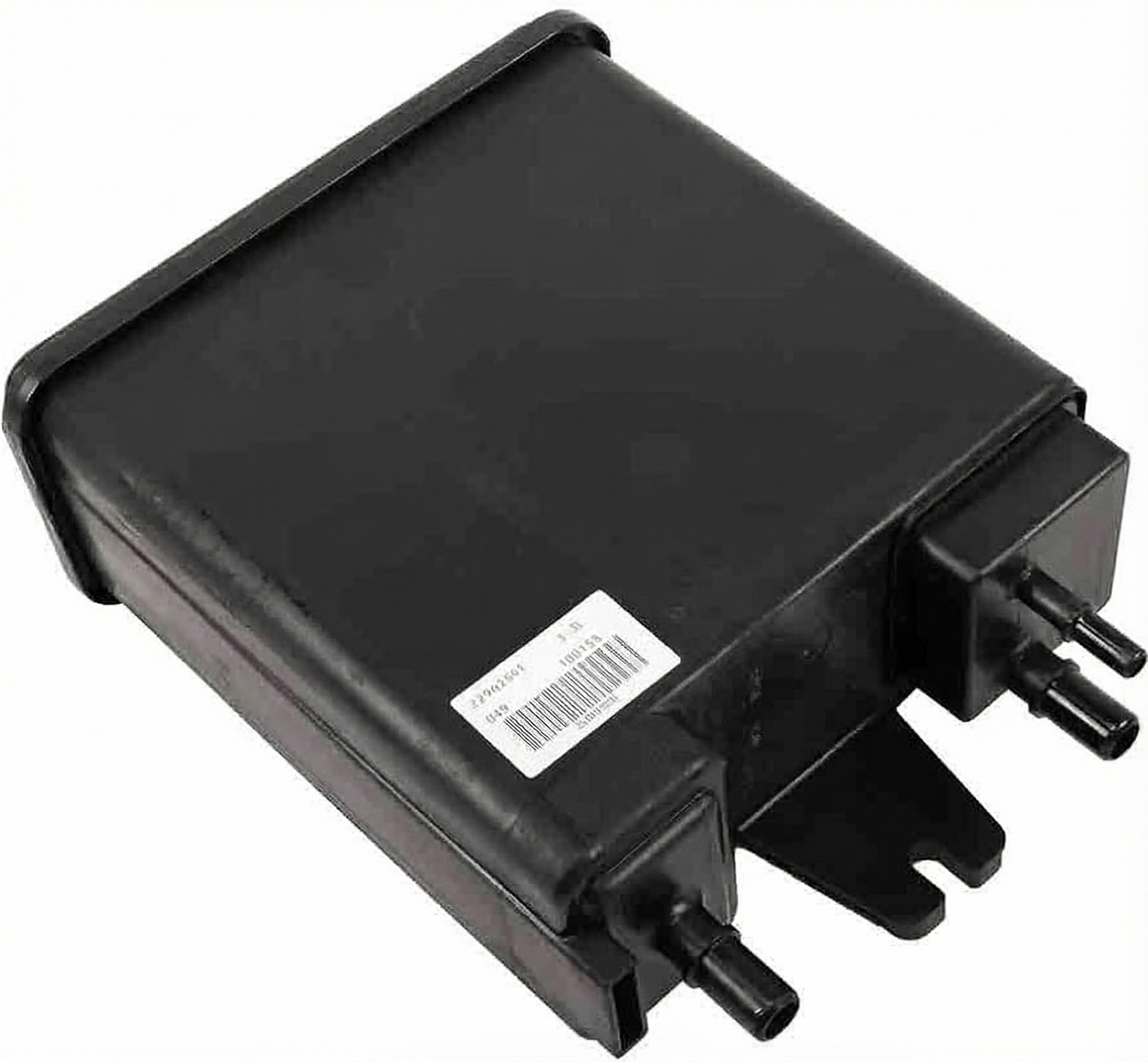
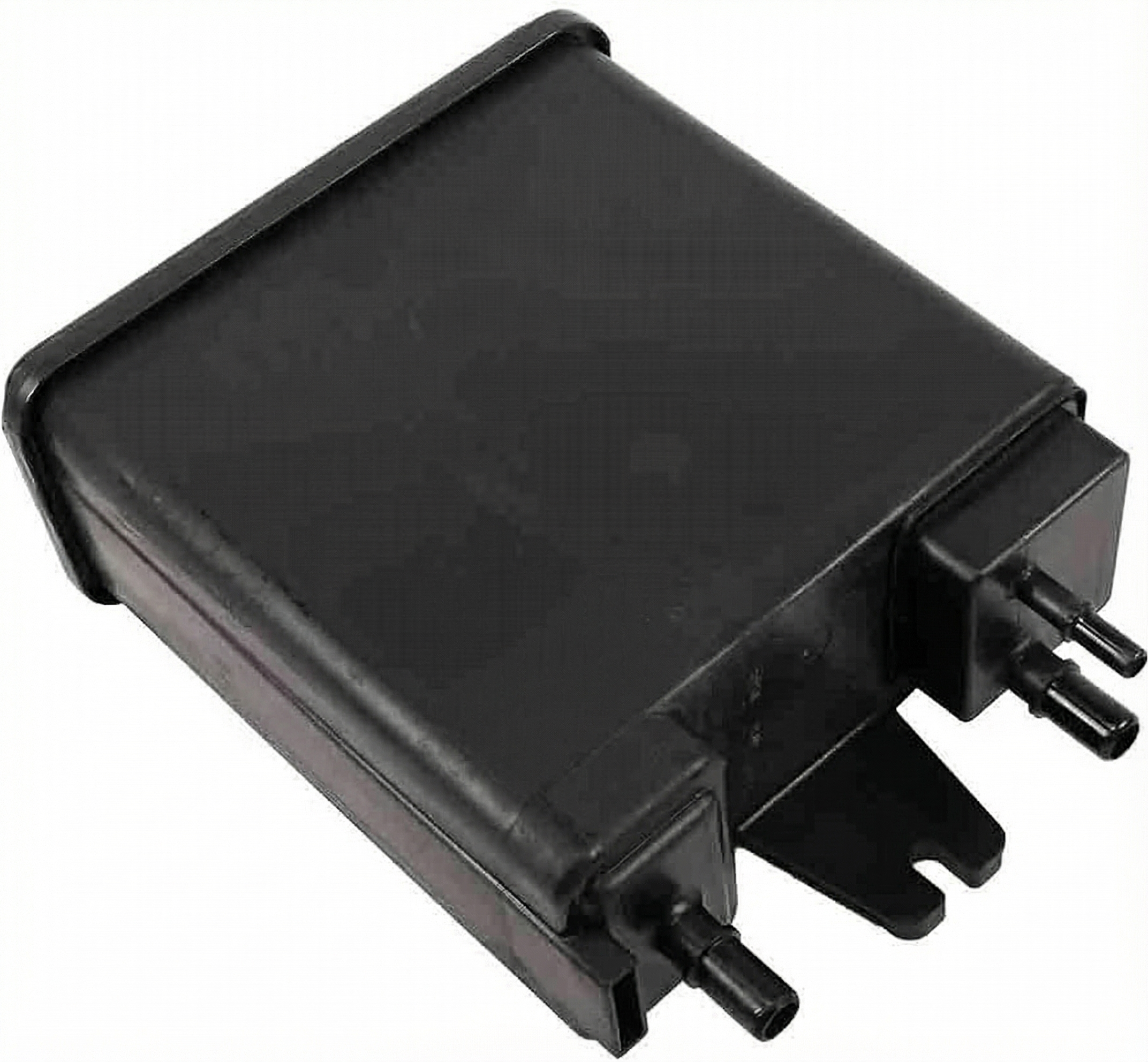
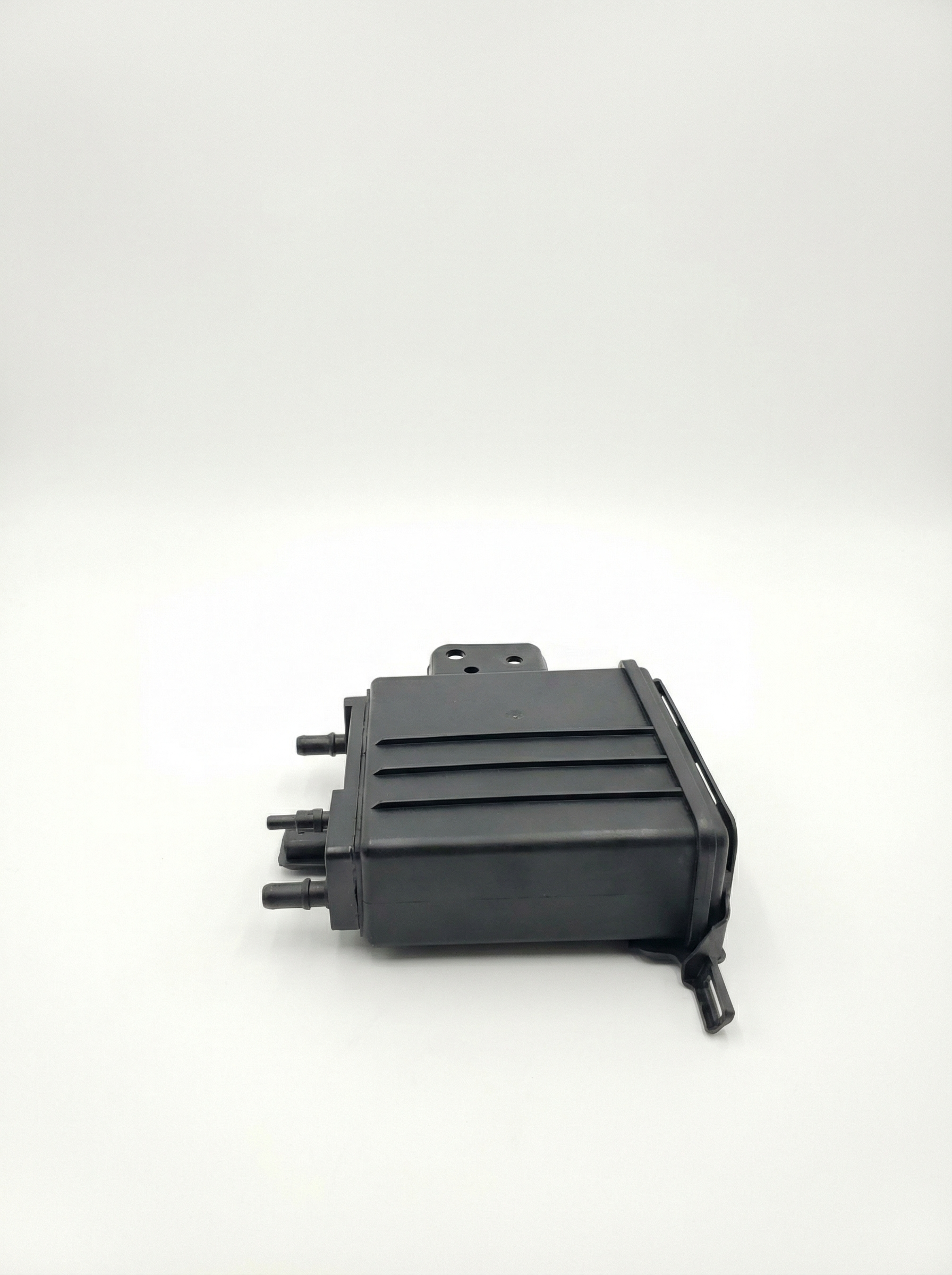
Aftermarket price range: $40-$70 - EVAP Charcoal Canister
(OEM #15062620 (2003), 22963841 (2004-2009))— This part fails if it becomes saturated with liquid fuel from consistently overfilling the gas tank, causing a blockage that triggers P0446. Only replace if contamination is confirmed.
Trusted brands: ACDelco, Dorman
OEM price range: $185-$220
Aftermarket price range: $130-$160
Related Codes That Often Appear With This One
- P0449 (EVAP Vent Solenoid Control Circuit Malfunction): This code is very similar and often points to the same component failure, but is more specific to an electrical fault in the vent solenoid circuit. TSB #02-06-04-037 addresses both P0446 and P0449.
Technical Service Bulletins (TSBs) & Recalls
- GM TSB #02-06-04-037 (and revisions F, G, H): Titled 'DTC P0446 (Restricted/Blocked EVAP Vent Path) Set, Check Engine Light On'. This is the primary document for this issue. It acknowledges that dirt and dust intrusion cause the failure and instructs technicians to replace the vent valve and install a remote filter box in a cleaner location (like above the transmission). It explicitly states NOT to replace the charcoal canister unless it's proven to be the cause.
- GM TSB #23-NA-073: A newer bulletin from 2023 that reiterates the problem of dust intrusion causing EVAP codes (P0442, P0446, P0455, P0449) on trucks used in dusty environments and describes the filter relocation retrofit.
Platform-Specific Known Issues
- RepairPal notes that failure of the EVAP canister vent valve or its wiring, causing code P0446 and trouble filling the fuel tank, is a known issue on 2004-2009 Hummer H2 models.
- GM issued Technical Service Bulletin #02-06-04-037 (with multiple revisions) specifically because vehicles like the H2, when used in dusty or off-road environments, are prone to clogging the vent solenoid, causing P0446. The fix involves a filter relocation kit.
- A forum member on HummerForums.com documented a persistent P0446 that was ultimately caused by a rusted-off vent nipple on the fuel pump assembly itself, a rare but sev
Mechanic-Grade Diagnostic Values
- EVAP Canister Vent Solenoid Resistance — expected: 48 - 65 Ohms. Failure: A resistance reading outside this range indicates a faulty internal coil in the solenoid.
- EVAP Canister Purge Valve Solenoid Resistance — expected: 30 - 38 Ohms. Failure: While not the primary cause for P0446, a reading outside this range indicates a bad purge solenoid coil.
- Fuel Tank Pressure (FTP) Sensor Voltage (Key On, Engine Off, Gas Cap Off) — expected: 1.3 - 1.7 Volts. Failure: A voltage stuck significantly higher (e.g., over 2.0V) or lower than this range at atmospheric pressure points to a faulty FTP sensor.
- EVAP Vent Solenoid Connector Voltage — expected: 12V+ on one pin, Ground on the other (when commanded by PCM). Failure: Absence of 12V with key on points to a fuse or wiring issue. If 12V is present but the solenoid doesn't activate when commanded, the ground control from the PCM or the solenoid itself is faulty.
Scan Tool Commands That Help
- Tech2 / GDS2: EVAP System Test / System Seal — This bidirectional command manually closes the normally-open vent solenoid, sealing the system. This is used to verify the solenoid's function and to prepare the system for a vacuum or smoke test.
- Tech2 / GDS2: Purge/Seal Test — Found under 'Special Functions', this automated test runs the EVAP monitor on command. It will command the purge and vent solenoids through a cycle to check for leaks and restrictions, which can confirm a P0446 fault or verify a repair.
Wiring & Ground Locations
- EVAP Canister Vent Solenoid Connector — Under the driver's side of the vehicle, on the frame rail, connected to the vent solenoid near the charcoal canister.. This connector and its wiring are highly exposed to road debris and moisture, making them a common point of failure due to corrosion or broken wires, which can cause P0446 or P0449.
- G402 / G405 — On the frame in the rear of the vehicle, near the fuel tank and rear junction block.. These are primary grounds for rear-mounted components, including the EVAP system. Corrosion at these points can cause intermittent or persistent EVAP codes due to a poor ground for the vent solenoid or FTP sensor.
- EVAP Canister Purge Solenoid Connector — On top of the engine's intake manifold.. While less likely to cause P0446, a bad connection here was noted in one repair case to be the root cause after the vent valve tested good.
Real Owner Repair Stories
- GM Forum user '2kg4u' (2000 Pontiac Bonneville SSEI (Similar GM EVAP system)) — Persistent P0446 code.
❌ Tried (didn't work) Replaced gas cap, Replaced EVAP Vent Solenoid, Inspected charcoal canister (was okay), Checked hoses (all seemed good), Replaced EVAP Purge Solenoid
✅ What actually fixed it Replacing the Fuel Tank Pressure (FTP) sensor finally resolved the P0446 code. - YouTube channel 'sevenfortyone' (2007 Chevy Suburban (Similar GMT900 platform)) — P0446 code, needed to pass emissions.
❌ Tried (didn't work) Replaced gas cap, Replaced EVAP Canister Vent Valve
✅ What actually fixed it Replacing the Fuel Tank Pressure (FTP) sensor solved the problem. The live data for the sensor was stuck at 0% before replacement and showed changing values afterward, allowing the readiness monitors to complete.
"I Checked Everything" — The Actual Cause
- P0446 is a restriction code, not a leak code, so a smoke test will often come back clean. The true cause is typically a blockage, not a leak. A common scenario is the vent solenoid passes electrical tests but is physically clogged with debris, or the Fuel Tank Pressure (FTP) sensor is electrically failed and sending a false reading. In one documented case on a similar GM truck, the FTP sensor was stuck reading a positive pressure value even with the gas cap off, leading to a P0446. Replacing the FTP sensor, not the vent valve, was the correct fix.
When the Usual Fixes Don't Work
- While the vent solenoid is the cause of P0446 over 80% of the time, a significant number of owners and technicians report chasing the code after replacing the solenoid. In many of these cases, the actual fault was a failed Fuel Tank Pressure (FTP) sensor. The sensor gets stuck reporting a pressure or vacuum value that doesn't change when the vent solenoid opens, leading the PCM to incorrectly flag a vent restriction. A key diagnostic step that is often skipped is to check the live FTP sensor voltage with the gas cap off; if it's not near 1.5V, the sensor is the primary suspect, not the vent valve.
OEM Part Supersession History
19207762→19352776— This is the part number for the popular vent solenoid relocation kit. It has been superseded by a newer kit number.
Heads up: The original kit 19207762 was specified in the TSB for early models. Later model H2s (post-2004) may use a different vent solenoid design (e.g., ACDelco 214-2324) which might have a different electrical connector shape (oval vs. square), sometimes requiring an adapter harness. Always verify fitment by VIN.25932571→ACDelco 214-2149— Standard part number update for the vent solenoid itself.
Heads up: ACDelco 214-2149 is a widely used replacement that fits many GM vehicles, including the 2003-2009 H2. However, some later models or different canister designs might use part 214-2324, which has a different connector. Visual confirmation is recommended.
Model Year Variations Within This Range
- 2003 vs 2008-2009: The Fuel Tank Pressure (FTP) sensor design may differ. One source indicates the common three-wire sensor was used from 2003-2007, with a different sensor potentially used in 2008-2009 models. This could affect diagnostic values and replacement parts.
- 2003 vs 2004-2009: The charcoal canister part number changes. 2003 models use P/N 15062620, while 2004-2009 models use P/N 22963841. This implies a design change in the canister and potentially the connected vent solenoid and hoses.
Diagnostic Flowchart
Real Owner Stories
Aggregated from forums and TSBs cited above. Mileages and costs reflect what owners reported in those sources.
Hummer H2
Symptoms: Persistent P0446 code that would not clear even after replacing the vent solenoid, purge solenoid, and charcoal canister with OEM parts.
What fixed it: Dropped the fuel tank and discovered a rusted-off vent nipple on the fuel pump module. Replacing the fuel pump assembly resolved the issue.
Source hint: HummerForums.com - 'The dreaded P0446' (URL: https://www.hummerforums.com/forum/hummer-h2-38/dreaded-p0446-44399/)
2003 Hummer H2
Symptoms: Check engine light on with emission codes setting.
What fixed it: Identified the vent valve as the common problem for P0446 on the H2, distinguishing it from a standard gas cap issue, and replaced it.
Source hint: HummerForums.com - '2003 H2 Emission Codes' (URL: https://www.elcova.com/h2/forums/showthread.php?t=20563)
GMT800 Truck (Platform Mate)
Symptoms: Slow-fueling issue at the gas pump and a P0446 code.
What fixed it: Replaced the charcoal canister and solenoids. The owner noted that over-filling the tank had saturated the canister, causing the failure.
Source hint: Reddit r/GMT800 - 'I fixed the stupid EVAP issue!!'
Related OBD-II Codes
Frequently Asked Questions
Is there a specific TSB for code P0446 on my Hummer H2?
Why does the gas pump keep shutting off when I try to refuel my H2?
Should I replace the charcoal canister to fix P0446 on my Hummer?
What is the part number for the GM filter relocation kit mentioned for this issue?
I replaced the vent solenoid and charcoal canister on my H2, but P0446 came back. What else could it be?
Can a loose gas cap cause the P0446 code on my 2003-2009 H2?
Helpful Videos
Used OEM Parts in Stock
New Aftermarket Parts Available


The information in this article is provided for general reference and educational purposes only. Vehicle specifications, procedures, and part compatibility can vary by production date, trim level, and region. Always consult your vehicle's factory service manual and verify part numbers before purchasing or performing repairs. Safety-critical components such as airbags, seat belts, and braking systems should be installed by a qualified professional.
- Hummer H2:
- 🧭 Diagnostic Flowchart
- 🎬 Helpful Videos
- 🛍️ Shop This Part
- What's Unique About the 2003-2009 Hummer H2
- Symptoms You May Notice
- Most Likely Causes
- Rare But Worth Checking
- Diagnosis Steps
- Parts You'll Likely Need
- Related Codes That Often Appear With This One
- Technical Service Bulletins (TSBs) & Recalls
- Platform-Specific Known Issues
- Mechanic-Grade Diagnostic Values
- Scan Tool Commands That Help
- Wiring & Ground Locations
- Real Owner Repair Stories
- "I Checked Everything" — The Actual Cause
- When the Usual Fixes Don't Work
- OEM Part Supersession History
- Model Year Variations Within This Range
- Real Owner Stories
- Hummer H2
- 2003 Hummer H2
- GMT800 Truck (Platform Mate)
- Related OBD-II Codes
- Frequently Asked Questions
- 🎟️ Get 5% Off