

P0446 on 2006-2011 Hyundai Accent: EVAP Vent Control Circuit Causes and Fixes
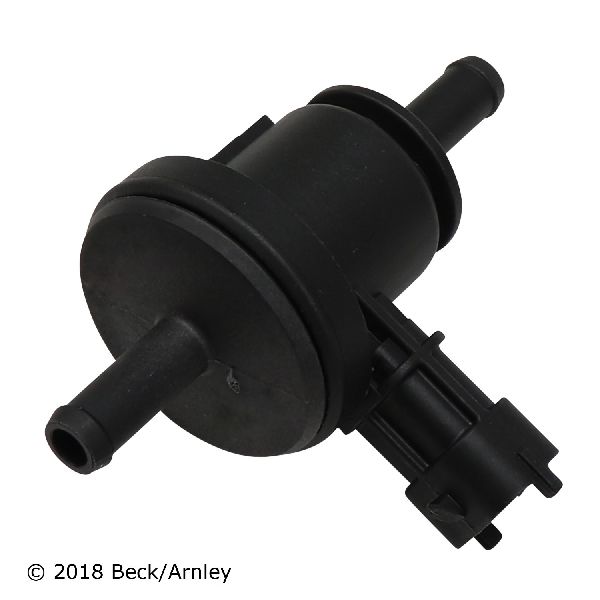
On a 2006-2011 Hyundai Accent, code P0446 is almost always caused by a faulty Canister Close Valve (CCV) located near the charcoal canister at the rear of the car. A key symptom is the engine stalling or struggling to start right after refueling. Replacing the CCV is the most common fix, with the part costing approximately $40-$80.
- P0446 on a 2006-2011 Accent almost always points to a problem at the rear of the car, not in the engine bay.
- The most likely cause is a failed Canister Close Valve (CCV), which leads to stalling after refueling.
- Do not misdiagnose the issue as a bad purge valve (in the engine bay) or a bad gas cap; these parts cause different codes.
- The fix is typically affordable and straightforward for a DIY mechanic, involving the replacement of the CCV and sometimes the charcoal canister if it's contaminated.
What's Unique About the 2006-2011 Hyundai Accent
On this generation of Hyundai Accent, the P0446 code is very frequently linked to two distinct and frustrating symptoms: the engine stalling immediately after filling the gas tank, and the fuel pump nozzle clicking off repeatedly during refueling. Owners often misdiagnose the issue as the Purge Control Solenoid Valve (PCSV) in the engine bay due to the stalling symptom. However, P0446 almost always points to a failure in the vent circuit at the rear of the vehicle, specifically the Canister Close Valve (CCV). 🎬 Watch: A breakdown of P0446 causes and common fixes. The stalling occurs because a stuck-closed vent valve causes the engine to draw raw fuel from the canister after refueling, effectively flooding it.
Symptoms You May Notice
- Check Engine Light is on
- Engine stalls, runs rough, or is difficult to start immediately after refueling.
- Fuel pump nozzle clicks off repeatedly before the tank is full.
- Slightly reduced fuel economy
- Audible fuel pump noise from the rear of the vehicle may change or become more noticeable.
- Replacing the Purge Control Solenoid Valve (PCSV). This valve is in the engine bay and typically causes different codes (like P0441 or P0496). While a faulty PCSV can also cause stalling after refueling, it is not the cause of a P0446 code.
- Replacing the gas cap. A faulty gas cap causes EVAP leak codes (like P0455/P0457), not a vent circuit malfunction code.
Most Likely Causes
- Faulty Canister Close Valve (CCV) 🔴 High Probability → Shop Vapor Canister This valve is located at the rear of the car, exposed to road debris and moisture, and the solenoid can fail over time. It is the most frequently reported failure part for this code on Hyundai vehicles.
How to confirm: Locate the CCV near the charcoal canister at the rear of the vehicle (usually behind the driver's side rear wheel well). With a scan tool, command the valve to open and close to check for an audible click. You can also apply 12V directly to the valve's pins to listen for the click. If it doesn't actuate, it has failed.
Typical fix: Replace the Canister Close Valve.
Est. part cost: $40-$80 - Clogged or Failed Charcoal Canister 🟡 Medium Probability → Shop Vapor Canister Over time, or in very dusty environments, the charcoal canister can become saturated with fuel or clogged with dust, restricting airflow and causing the vent valve to report a fault. The canister can also crack and leak charcoal pellets, clogging the vent valve and lines.
How to confirm: Disconnect the hoses from the canister and inspect them and the canister ports for black charcoal pellets. Try to gently blow air through the canister; if it is completely blocked, it needs replacement.
Typical fix: Replace the charcoal canister assembly.
Est. part cost: $150-$250 - Damaged CCV Wiring or Connector ⚪ Low Probability The wiring is located under the car and is susceptible to corrosion, road debris, or damage from improper jacking.
How to confirm: Visually inspect the wiring harness and connector leading to the Canister Close Valve for any breaks, corrosion, or loose pins. Use a multimeter to check for 12V power at the connector with the key on. Check for continuity to ground on the control wire when commanded by the scan tool.
Typical fix: Repair the damaged section of the wiring harness or replace the connector pigtail.
Est. part cost: $10-$30
Rare But Worth Checking
- Faulty Engine Control Module (ECM): This is extremely rare. The ECM is the last thing to suspect after all other components in the EVAP vent circuit have been thoroughly tested and confirmed to be working.
- Blocked Vent Hose or Filter: Insects (like mud daubers) or road debris can build nests or block the vent hose that runs from the CCV to the atmosphere, causing a restriction identical to a stuck-closed valve. Always check the hose for blockages before replacing parts.
Diagnosis Steps
- Read the code with an OBD-II scanner to confirm P0446 is the only code present.
- Check for the most common symptom: attempt to refuel the vehicle. If the pump clicks off repeatedly, it strongly suggests a blocked vent path.
- Locate the Canister Close Valve (CCV) and charcoal canister at the rear of the vehicle, likely behind the driver's side rear wheel well liner.
- Inspect the electrical connector and wiring going to the CCV for obvious damage, corrosion, or looseness.
- Use a scan tool's bidirectional controls to command the CCV to cycle on and off. Listen for a distinct clicking sound from the valve. No click indicates a failed valve or wiring issue.
- If you don't have a scan tool, disconnect the CCV and use jumper wires to apply 12V and ground directly to the valve's pins. It should click. If it does not, the valve is bad.
- If the valve clicks, the problem may be a blockage. Disconnect the hoses from the charcoal canister and CCV. Inspect for black charcoal pellets, dirt, or insect nests.
- If pellets are found, the charcoal canister has failed and both the canister and CCV should be replaced, and the lines blown out with compressed air.
- If no blockages are found and the valve tests good, the issue may be in the wiring between the ECM and the CCV, or in very rare cases, the ECM itself.
Parts You'll Likely Need
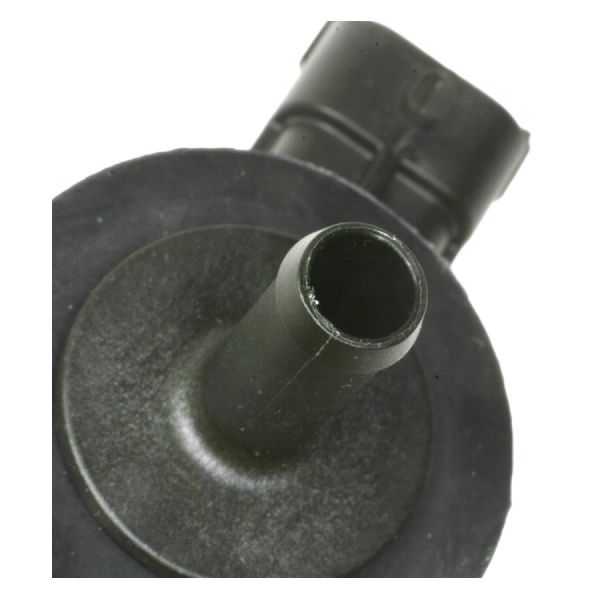
- Canister Close Valve (CCV) / EVAP Vent Valve
(OEM #31430-1G000 (Verify with VIN, but this is a commonly cited number for the generation))— This is the most common failure point for code P0446 on this vehicle. The internal solenoid fails or the valve gets stuck.
Trusted brands: Standard Motor Products (SMP), Dorman, Beck/Arnley, Genuine Hyundai
OEM price range: $60-$100
Aftermarket price range: $40-$80 - EVAP Charcoal Canister — Replaced if it is internally clogged or has ruptured and is leaking charcoal pellets into the EVAP lines, which then clog the new CCV.
Trusted brands: Genuine Hyundai, Spectra Premium
OEM price range: $200-$300
Aftermarket price range: $150-$250
Technical Service Bulletins (TSBs) & Recalls
- While not for this exact generation, Hyundai TSB 18-FL-002 for the 2012-2016 Accent (RB) addresses similar EVAP codes (P0449, P0451, P0455) by replacing the Canister Close Valve (CCV) and vent filter, indicating a known pattern of failure for this component on the Accent platform.
Platform-Specific Known Issues
- Owner Experience: Stalling After Refueling: A 2006 Accent owner on Reddit reported the classic symptom: after filling the tank, the car would start and then immediately shut off unless the gas pedal was feathered to keep the RPMs up. This is a direct result of the vent being blocked, causing the engine to be flooded with fuel vapor.
- Misdiagnosis with Purge Valve: → Shop Vapor Canister A YouTube video for a 2006 Accent with P0446 shows the owner initially replacing the Purge Control Valve in the engine bay due to the stalling symptom, which did not fix the issue. This highlights a common misstep in diagnosis. The problem was ultimately related to the vent circuit at the rear.
Mechanic-Grade Diagnostic Values
- Canister Close Valve (CCV) Solenoid Voltage — expected: ~12V (Battery Voltage) at the connector harness with key on, engine off.. Failure: Significantly less than 12V or 0V indicates a wiring or fuse issue upstream of the valve.
- Purge Control Solenoid Valve (PCSV) Resistance — expected: 16.0 Ohms at 20°C (68°F). Failure: A reading that is significantly higher, lower, or open (infinite) indicates a failed solenoid. While this part is not the primary cause of P0446, it is often misdiagnosed, making this test value useful for elimination.
Scan Tool Commands That Help
- Hyundai GDS (Global Diagnostic System): EVAP Leakage Test — This function forces the EVAP system self-test to run, allowing a technician to monitor system components, including the Canister Close Valve, in real-time to check for proper operation and diagnose leaks or blockages.
- Hyundai GDS (Global Diagnostic System): Actuation Tests — Allows for direct, on-demand commanding of the Canister Close Valve to open and close. This is used to listen for the valve's audible click and confirm the ECM's driver and wiring are functioning, isolating the fault to the valve itself if it fails to actuate.
- Hyundai GDS (Global Diagnostic System): DTC Analysis — After retrieving a DTC like P0446, this function provides specific repair procedures and checks freeze frame data associated with the code, offering context for when the fault occurred (e.g., during a specific drive cycle).
Wiring & Ground Locations
- Canister Close Valve (CCV) Connector — At the CCV, which is mounted on or near the charcoal canister, behind the driver's side rear wheel well.. This 2-pin connector is the primary test point for voltage and signal for the CCV. Corrosion or damage here is a common cause of an electrical circuit fault for P0446.
- G08 — Behind the right rear seat.. This is a major chassis ground point in the rear of the vehicle. A poor connection at this ground could potentially affect the operation of rear-mounted components like the EVAP system, although it is not the dedicated ground for the CCV.
- G09 — Behind the left rear seat.. Similar to G08, this is another key chassis ground in the rear. Verifying its integrity is good practice when diagnosing any electrical issue in the back half of the car.
- ECM (Engine Control Module) — Located in the left rear of the engine compartment.. The ECM provides the ground signal that actuates the CCV. A wiring fault between the ECM and the CCV connector, or a (very rare) failed driver in the ECM, would cause P0446.
Real Owner Repair Stories
- Car Talk Community Forum (1998 Hyundai Accent 1.5L (Note: Older generation, but same code and highly relevant diagnostic process)) — Check Engine Light with code P0446. Car would stumble and die as the charcoal canister was saturated with fuel. Previous owner noted difficulty filling the fuel tank.
❌ Tried (didn't work) Checked purge valve (PCSV) - OK, Checked canister close valve (CCV) with 12V - OK, Checked one-way valve - OK, Replaced gas cap, Blew out lines with compressed air
✅ What actually fixed it The user suspected a wiring issue or a faulty ECM, as all components tested good individually. They noted a previous bad repair on the CCV connector plug and planned to test for a voltage signal from the ECM while driving. The story highlights that even when the valve itself clicks with 12V, a wiring or control-side problem can still be the root cause. - 2CarPros Forum (2009 Hyundai Accent, 1.6L, 170,000 miles) — Code P0446 appeared after replacing the purge valve (PCSV) to fix a no-start-after-refueling issue.
❌ Tried (didn't work) Replacing the Purge Control Solenoid Valve (PCSV)
✅ What actually fixed it The user was advised that the new P0446 code pointed directly to the vent control circuit (Canister Close Valve), not the purge valve they had just replaced. The confirmed fix was to troubleshoot the CCV, its connector for debris/corrosion, and its wiring, indicating the initial repair addressed a symptom but not the root cause of the new code.
OEM Part Supersession History
28910-22040→28910-26900— Part evolution and consolidation across multiple Hyundai/Kia platforms.
Heads up: This supersession applies to the Purge Control Solenoid Valve (PCSV), not the Canister Close Valve (CCV). It is included here because the PCSV is the most common misdiagnosed part for P0446 symptoms. Using the wrong part number, like the Dorman 911-800 instead of the correct Dorman 911-808 for the PCSV, will lead to fitment issues.
Model Year Variations Within This Range
- 2009-2011: The Accent received a minor refresh for the 2009 model year, which included slight improvements to fuel economy via engine and transmission tweaks, and changes to option packages like adding cruise control. However, the core 1.6L engine and the EVAP system design remained fundamentally the same, so the causes and fixes for P0446 are consistent across the entire 2006-2011 range.
Diagnostic Flowchart
Other Known Issues on This Vehicle
Issues unrelated to this code that are worth knowing about as an owner of this generation:
- Automatic Transmission Problems 🟠 Medium — More common on 2007-2009 models. Owners report harsh shifting, delayed engagement ('thud' into gear), and sometimes premature failure. Often related to old fluid or internal solenoid issues. (Ref: A broad TSB (15-AT-005) was issued for later models but indicates Hyundai's awareness of transmission drivability issues.)
- Timing Belt Replacement Interval 🔴 High — This is a maintenance item, but critical. The 1.6L engine is an interference engine, meaning a failed timing belt will cause catastrophic engine damage. The recommended replacement interval is every 60,000 miles.
- Faulty Brake Light Switch 🟡 Low — Very common across this generation. A faulty switch can cause brake lights to not work, the ESC light to come on, and prevent the shifter from moving out of Park. (Ref: NHTSA Recalls: 11V158000, 09V122000, 07V105000)
- Premature Shock Absorber Wear 🟡 Low — Factory shock absorbers are known to have a short lifespan, often leaking or failing before 50,000 miles, leading to a bouncy or harsh ride.
- Ignition Coil Failure 🟠 Medium — Failure of the ignition coil pack is a common cause for engine misfires and rough idling on this platform.
Used vs. New Parts: Buying Guide for This Vehicle
When a used part is the smart pick: A used charcoal canister assembly from a low-mileage, non-corroded donor vehicle can be a cost-effective option, especially if the failure is due to cracks or internal rupture. For the Canister Close Valve (CCV) itself, a used part is a gamble; given the low cost of a new aftermarket part ($40-$80), new is strongly recommended as it is a common failure item.
Donor-vehicle mileage cap: roughly under 80000 miles for the part to have meaningful remaining life.
What to inspect on the donor part:
- Check the plastic housing of the canister for cracks or signs of physical impact.
- Inspect the electrical connector on the CCV for any signs of green or white corrosion.
- Ensure the donor vehicle is from a region with minimal road salt to reduce the risk of corrosion.
- Shake the canister gently; it should not rattle loudly, which could indicate broken internal charcoal media.
Aftermarket brands forum-validated for this vehicle:
- Standard Motor Products (SMP)
- Dorman
- Beck/Arnley
Brands owners have reported issues with on this vehicle:
- No specific brands are consistently reported as problematic for this part, but be wary of unbranded, deeply discounted parts from online marketplaces as their solenoid quality can be inconsistent.
Real Owner Stories
Aggregated from forums and TSBs cited above. Mileages and costs reflect what owners reported in those sources.
2006 Hyundai Accent 1.6L
Symptoms: Every time I fill up on gas, my car will start up then shut off. It will only stay on if I pedal the gas for a bit. This happens whether the tank was empty or half full.
What fixed it: Replacing the Canister Close Valve (CCV) at the rear of the vehicle.
Source hint: Reddit r/MechanicAdvice: A thread on a 2006 Accent with P0446 corroborated the symptom of the car shutting off after a fill-up.
2009 Hyundai Accent 1.6L
Symptoms: Check engine light on with code P0446.
What fixed it: Checking the Canister Close Valve and its connector for faults.
Source hint: 2CarPros.com: A forum post for a 2009 Hyundai Accent code P0446
2006 Hyundai Accent 1.6L
Symptoms: Car would start and then immediately shut off after refueling unless the gas pedal was feathered to keep the RPMs up.
What fixed it: Replacing the vent circuit components at the rear after a misdiagnosis of the Purge Control Valve.
Source hint: YouTube video for a 2006 Accent with P0446
Related OBD-II Codes
Frequently Asked Questions
Why does my 2006-2011 Hyundai Accent stall only after I fill up the gas tank?
I already replaced the Purge Control Valve in the engine bay, but P0446 is still there. Why?
Does TSB 18-FL-002 apply to my 2006-2011 Accent?
Where is the Canister Close Valve (CCV) located on my Accent?
Can a bad charcoal canister cause the gas pump to click off repeatedly?
Are there any recalls for the electrical issues on this generation of Accent?
Helpful Videos

Used OEM Parts in Stock
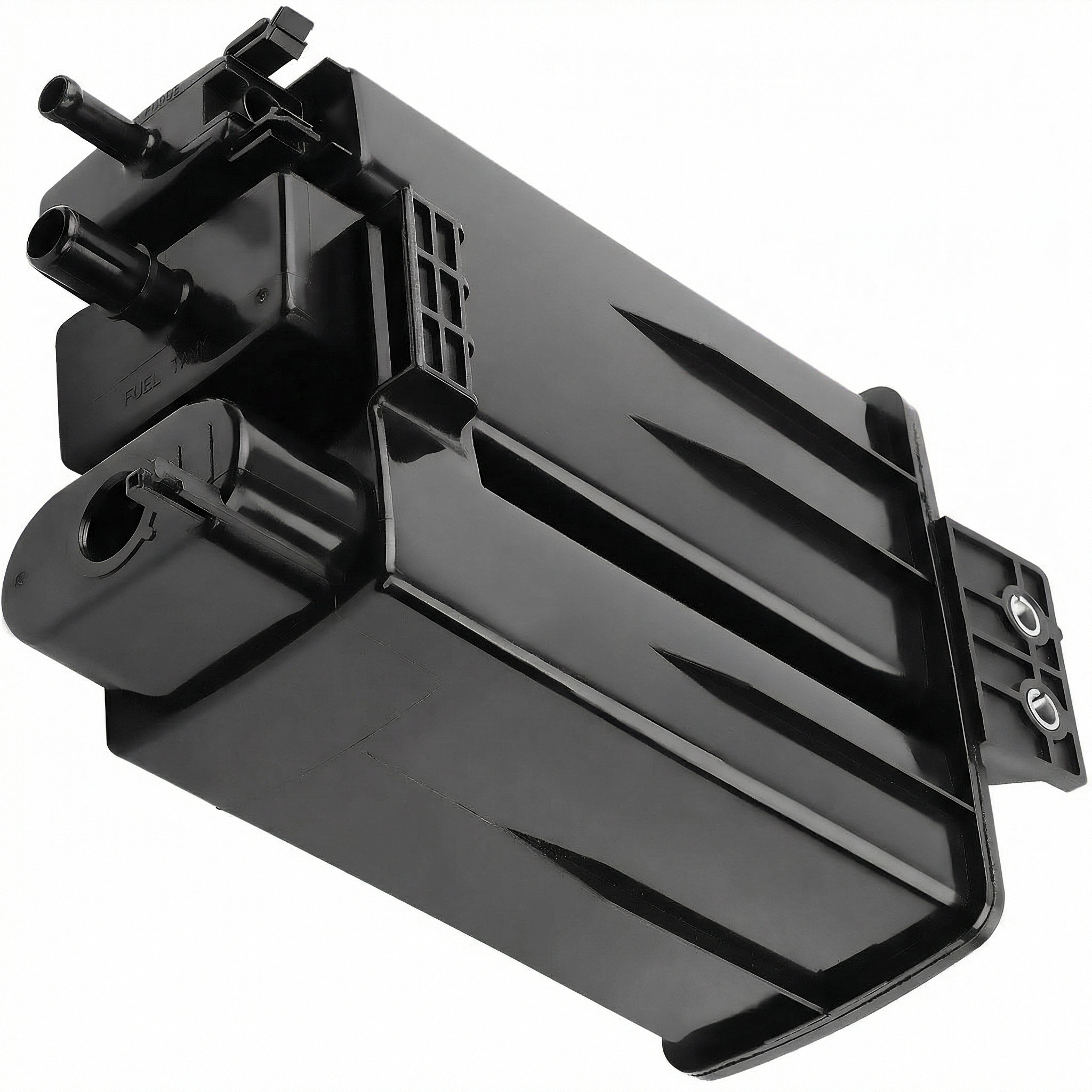
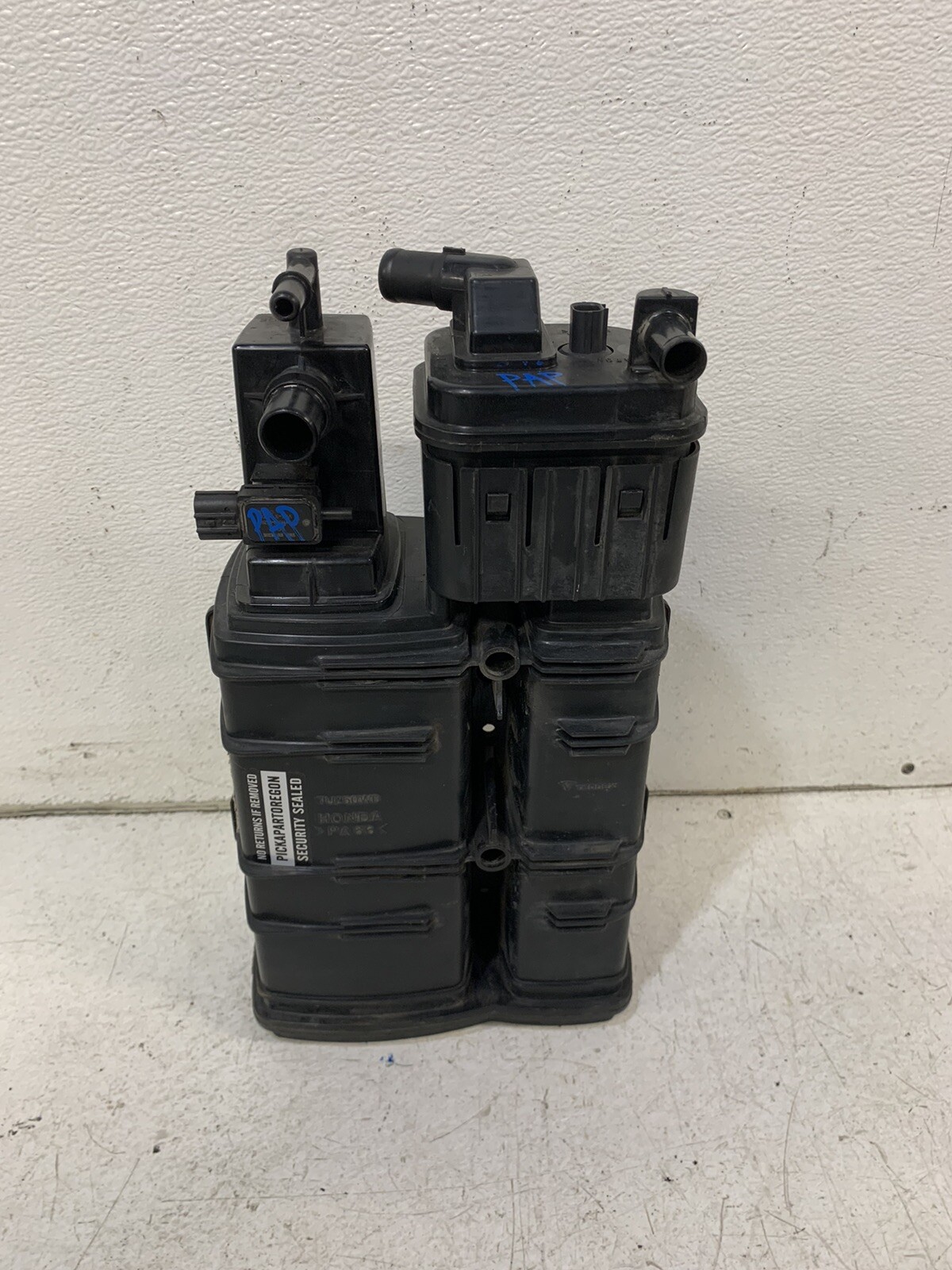
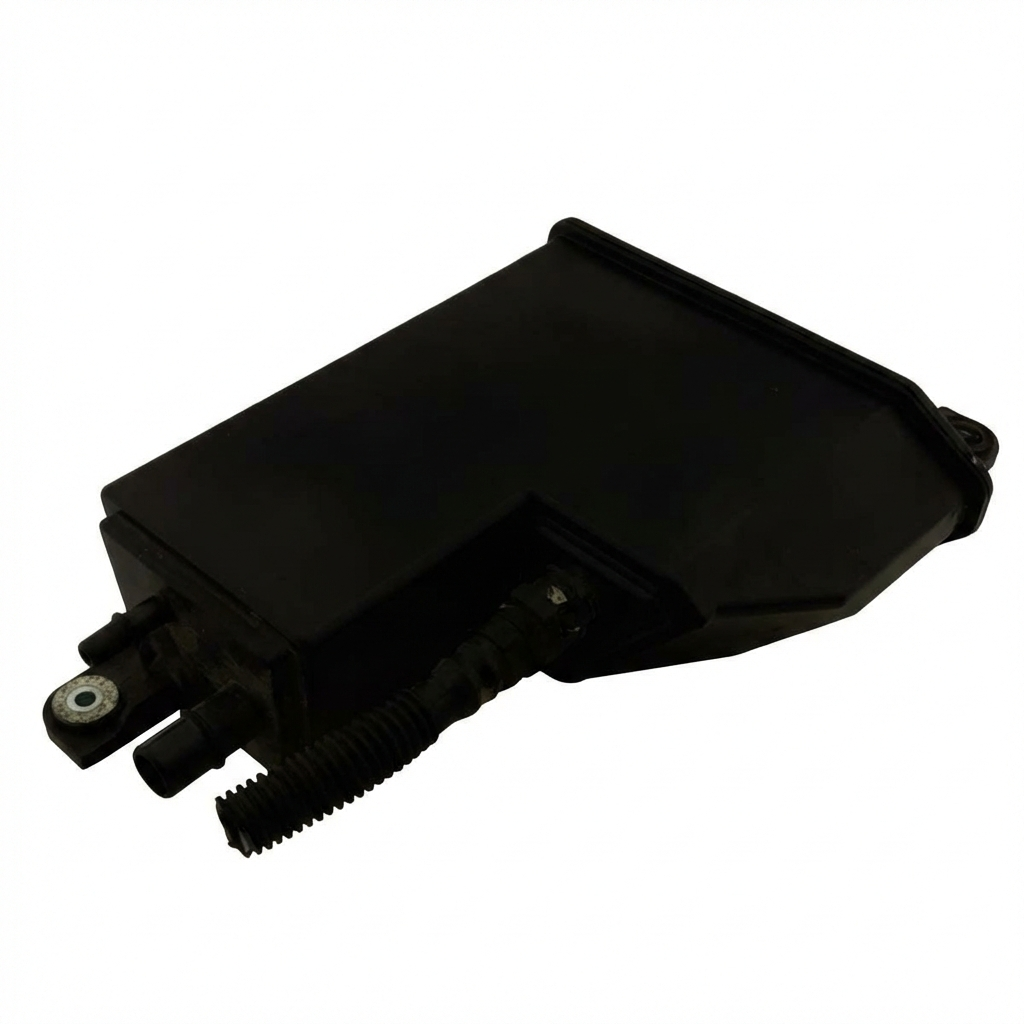
New Aftermarket Parts Available

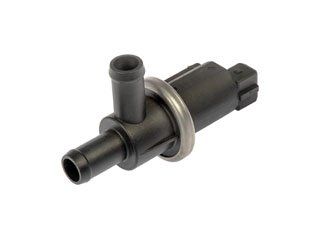

The information in this article is provided for general reference and educational purposes only. Vehicle specifications, procedures, and part compatibility can vary by production date, trim level, and region. Always consult your vehicle's factory service manual and verify part numbers before purchasing or performing repairs. Safety-critical components such as airbags, seat belts, and braking systems should be installed by a qualified professional.
- Hyundai Accent:
- 🧭 Diagnostic Flowchart
- 🎬 Helpful Videos
- 🛍️ Shop This Part
- What's Unique About the 2006-2011 Hyundai Accent
- Symptoms You May Notice
- Most Likely Causes
- Rare But Worth Checking
- Diagnosis Steps
- Parts You'll Likely Need
- Technical Service Bulletins (TSBs) & Recalls
- Platform-Specific Known Issues
- Mechanic-Grade Diagnostic Values
- Scan Tool Commands That Help
- Wiring & Ground Locations
- Real Owner Repair Stories
- OEM Part Supersession History
- Model Year Variations Within This Range
- Other Known Issues on This Vehicle
- Used vs. New Parts: Buying Guide for This Vehicle
- Real Owner Stories
- 2006 Hyundai Accent 1.6L
- 2009 Hyundai Accent 1.6L
- 2006 Hyundai Accent 1.6L
- Related OBD-II Codes
- Frequently Asked Questions
- 🎟️ Get 5% Off