

P0446 on 2010-2015 Hyundai Tucson: EVAP Vent Circuit Causes and Fixes
For a 2010-2015 Tucson, code P0446 is most often caused by a faulty Canister Close Valve (CCV) located near the charcoal canister at the rear of the vehicle. A key symptom is the gas pump clicking off repeatedly during refueling. Expect to pay $50-$100 for a new valve.
- P0446 on your Tucson almost always points to a problem with the EVAP system's vent components at the rear of the car.
- The most common symptom is the fuel pump nozzle clicking off constantly when you try to fill the tank.
- The most likely part to fail is the Canister Close Valve (CCV). Check its wiring and test the valve itself before replacing other parts.
- Do not replace the gas cap for this specific code; it is rarely the cause.
- The repair is straightforward for a DIYer with basic tools and involves working under the rear of the vehicle, though access can be tight.
What's Unique About the 2010-2015 Hyundai Tucson
On this generation of Hyundai Tucson, the P0446 code points very specifically to a problem at the rear of the vehicle, not in the engine bay. The components, particularly the Canister Close Valve (CCV), are mounted under the car near the driver's side rear wheel, making them susceptible to corrosion and debris from the road. While other EVAP codes can be caused by a loose gas cap, P0446 on this platform is almost never a gas cap issue. The most common symptom is difficulty refueling, which is a strong indicator of a blockage in the vent path.
Symptoms You May Notice
- Check Engine Light is on
- Difficulty refueling (gas pump nozzle shuts off repeatedly before the tank is full)
- Fuel odor near the rear of the vehicle
- A 'whoosh' sound when opening the gas cap, indicating pressure buildup (if valve is stuck closed)
- Replacing the gas cap. A bad gas cap typically causes large leak codes like P0455, not a vent circuit code like P0446.
- Replacing the Purge Control Solenoid Valve (PCSV). This valve is located in the engine bay and is responsible for a different function (purging vapors to the engine). A failure here usually triggers other codes like P0441.
Most Likely Causes
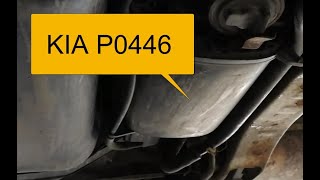
- Faulty Canister Close Valve (CCV) 🔴 High Probability → Shop Vapor Canister The valve is a solenoid that operates frequently and is located under the vehicle, exposed to moisture and road debris, leading to electrical failure or the valve mechanism getting stuck. It is the most common failure point for this code. 🎬 Watch: A breakdown of common causes and fixes for P0446.
How to confirm: Locate the valve near the charcoal canister at the rear of the car. With a capable scan tool, command the valve to close and listen for a click. Alternatively, remove the valve and apply 12V directly to its pins to test for operation; it should click audibly. Since the valve is normally open, you should be able to blow air through it when it's removed and unpowered.
Typical fix: Replace the Canister Close Valve. It is often attached directly to the charcoal canister.
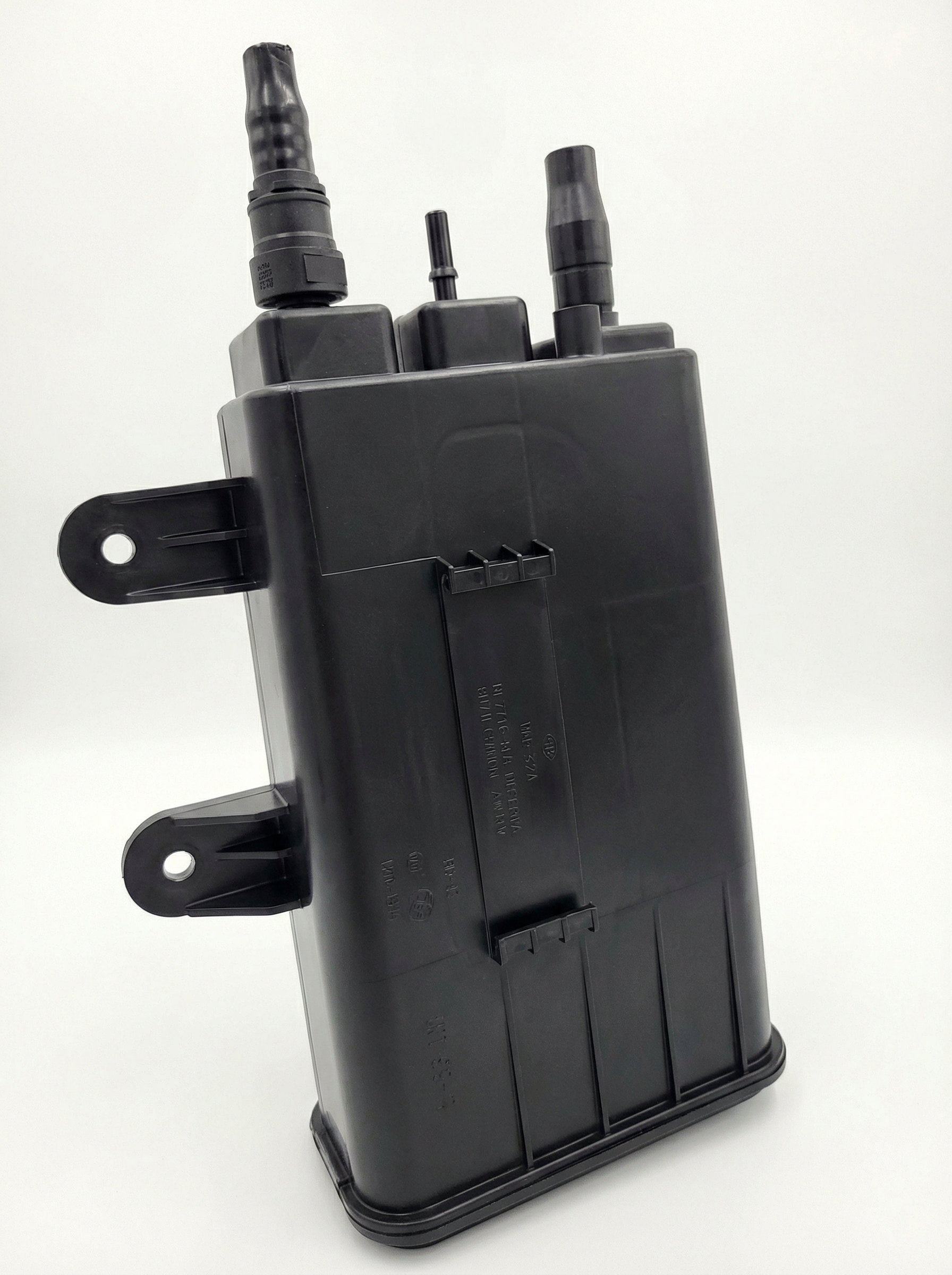
Est. part cost: $50-$100 - Clogged or Failed Charcoal Canister 🟡 Medium Probability → Shop Vapor Canister Over-filling the fuel tank can force liquid gasoline into the canister, which is only designed for vapor. This saturates the charcoal pellets, causing them to break down and clog the canister and vent lines. Dust and debris can also cause internal blockages.
How to confirm: Visually inspect the canister for cracks. Disconnect the hoses and check for loose charcoal pellets inside the lines, which is a definitive sign of canister failure. If the CCV tests good but refueling issues persist, the canister is the next likely culprit.
Typical fix: Replace the entire charcoal canister assembly. The Canister Close Valve is often replaced at the same time as a best practice.
Est. part cost: $150-$250 - Damaged Wiring or Corroded Connector 🟡 Medium Probability
How to confirm: Visually inspect the electrical connector and wiring going to the Canister Close Valve. Look for green corrosion on the pins, frayed wires, or physical damage from road debris. Use a multimeter to check for 12V power at the connector with the key on and check for continuity to ground on the other wire (controlled by the ECU).
Typical fix: Clean the connector terminals with a contact cleaner or repair/replace the damaged section of the wiring harness. A user on Car Talk Community noted a poor previous repair to this specific wire was the cause of their issue.
Est. part cost: $5-$50 - Blocked EVAP Vent Hose ⚪ Low Probability
How to confirm: Disconnect the vent hoses from the charcoal canister and Canister Close Valve. Attempt to blow air through them. If a hose is blocked, it may be clogged with dirt, debris, or even spider webs, which is a known issue on some Kia/Hyundai platforms. 🎬 See this walkthrough for fixing the vent circuit on this platform.
Typical fix: Clear the blockage from the hose with compressed air or replace the affected hose.
Est. part cost: $10-$30
Diagnosis Steps
- Confirm the primary symptom: Ask yourself if the gas pump clicks off when you try to refuel. If yes, this strongly points to a vent path restriction.
- Visually inspect the EVAP system at the rear of the vehicle. Locate the charcoal canister and the attached Canister Close Valve (CCV) near the driver's side rear wheel. On some Tucsons, access may require removing the rear driver's side wheel and fender liner.
- Check the wiring and connector for the CCV. Look for any obvious signs of corrosion, damage, or loose connections. A forum user reported a bad wiring repair was their root cause.
- Test the CCV. If you have a capable scan tool, use its bidirectional control to command the CCV to open and close. You should hear an audible click. Alternatively, remove the valve and apply 12V power and ground to its terminals to see if it actuates. The valve is normally open, so if you can't blow through it when unpowered, it's stuck closed.
- If the valve does not operate or is stuck, it is faulty and needs to be replaced. This is the most common repair.
- If the valve operates correctly, inspect the vent hoses for blockages. Disconnect them and blow compressed air through them to check for clogs from dirt, debris, or insect nests.
- If the valve and hoses are good, inspect the lines for charcoal pellets. If found, the charcoal canister has failed and requires replacement.
- If no other cause is found, the fuel tank pressure sensor could be faulty, but this is less common and would likely be accompanied by other codes.
Parts You'll Likely Need
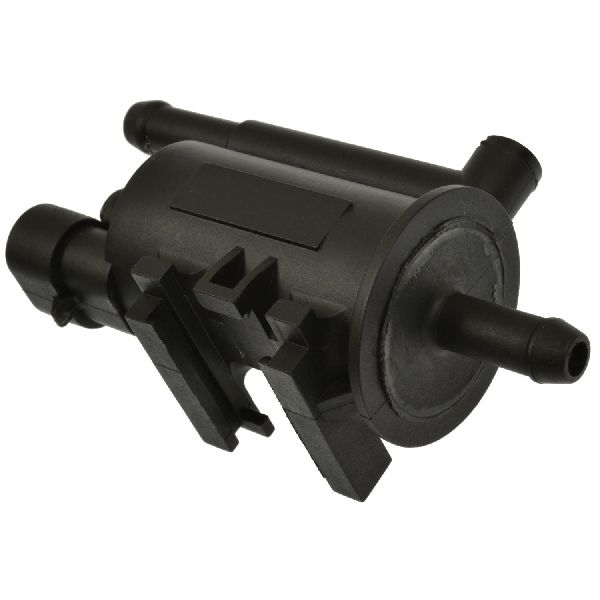
- Canister Close Valve (CCV)
(OEM #31453-2S500)— This solenoid valve is the most common failure point for code P0446. It gets stuck or fails electrically, causing a vent restriction. Note: Part number 31453-3Q500 is for other Hyundai models like the Sonata and may not fit. 31453-2S500 is more specific to the Tucson/Sportage platform. Always confirm with VIN.
Trusted brands: Hyundai (OEM), Dorman, Standard Motor Products
OEM price range: $80-$110
Aftermarket price range: $40-$75 - Charcoal Canister Assembly
(OEM #31420-2S500)— If the canister is internally clogged with dust or broken-down charcoal (often from over-filling the tank), it will restrict airflow and must be replaced. This is the next most likely cause if the CCV is functional.
Trusted brands: Hyundai (OEM)
OEM price range: $200-$300
Aftermarket price range: $150-$220
Technical Service Bulletins (TSBs) & Recalls
- While no TSB directly addresses P0446 for this specific model, Hyundai has issued TSBs for related EVAP issues on other models. For example, TSB 21-EM-003H addresses Onboard Refueling Vapor Recovery (ORVR) system issues on the Sonata Hybrid, indicating Hyundai is aware of refueling-related EVAP problems in this era. Always check for the latest TSBs with a dealer by VIN.
Platform-Specific Known Issues
- Difficult Access to Canister/Valve: A user on a Hyundai-Forums thread for a 2015 Tucson noted that accessing the canister close valve was very difficult without a lift, as it appeared to be on top of the fuel tank. They mentioned removing the rear driver's wheel and fender well was necessary just to get a hand on it, and that dropping the tank might be required for full removal.
- Refueling Issue is Intermittent at First: The same forum user also mentioned that the primary symptom of the gas pump shutting off was intermittent at first, working okay one day and failing the next, before becoming more persistent. This can be characteristic of a sticking solenoid before it fails completely.
Mechanic-Grade Diagnostic Values
- Canister Close Valve (CCV) Solenoid Resistance — expected: 15 - 30 Ohms. Failure: A reading of infinity (open circuit) or near zero (short circuit) indicates a failed solenoid.
- CCV Connector Voltage (Key On, Engine Off) — expected: One pin should show ~12V (battery voltage), the other should show 0V.. Failure: No voltage on the power pin indicates a wiring or fuse issue. Voltage on the ground pin indicates a short or an ECM issue.
- Fuel Tank Pressure (FTP) Sensor Voltage (at idle, normal operation) — expected: Approximately 1.4V - 1.5V.. Failure: A very high voltage (e.g., 4.8V) indicates excessive vacuum is being pulled on the tank, which is the condition that sets the P0446 code.
Scan Tool Commands That Help
- Hyundai GDS (or capable aftermarket scanner): EVAP Vent Valve Actuation / On-Off Test — This is the primary bidirectional command to test the Canister Close Valve. It allows a technician to manually command the valve to open and close, listening for an audible 'click' to confirm the solenoid is functioning electrically without removing it from the vehicle.
- Hyundai GDS (or capable aftermarket scanner): EVAP System Leak Test — While P0446 is not a leak code, running the automated leak test can help confirm the vent valve is sealing correctly. If the test initiates but fails to build pressure/vacuum, it can further point to a vent path restriction.
Wiring & Ground Locations
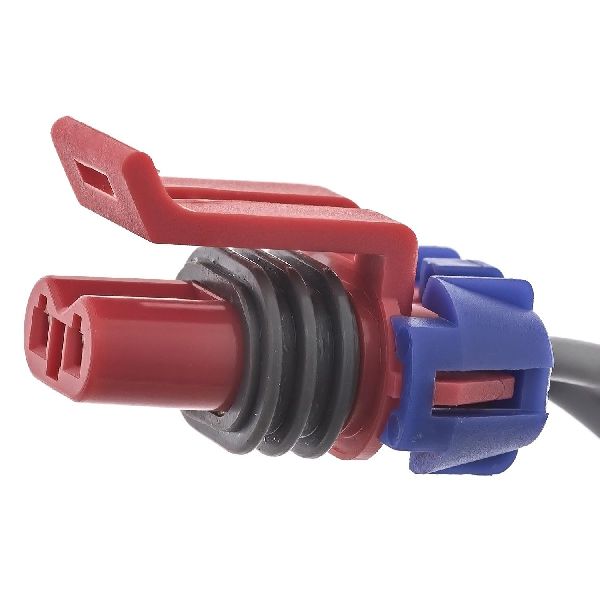
- Canister Close Valve (CCV) Connector — Attached to the Canister Close Valve, near the charcoal canister at the rear of the vehicle, behind the driver's side rear wheel.. This 2-pin connector is a common point of failure due to corrosion from road salt and moisture. One pin receives 12V power with the key on, and the other is the ground signal wire controlled by the ECM.
- CCV Power Wire — One of the two wires in the CCV connector, often Green. It receives power from a fuse in the engine room fuse/relay box (e.g., 'ECU 1' or 'SENSOR 1' fuse).. A break in this wire or a blown fuse will prevent the valve from getting power, causing a P0446 circuit code.
- CCV Ground Control Wire — The second wire in the CCV connector, often Brown or with an orange stripe, running directly to a pin on the Engine Control Module (ECM).. The ECM provides a ground path to energize the solenoid and close the valve. A break or short in this wire will prevent the valve from operating as commanded, triggering the code.
Real Owner Repair Stories
- Car Talk Community Forum (1998 Hyundai (similar EVAP logic)) — P0446 code, difficulty refueling.
❌ Tried (didn't work) Replaced gas cap, Tested purge valve (PCSV), Tested canister close valve (CCV) with 12V - it clicked, Blew air through lines
✅ What actually fixed it The user discovered a previous, poor-quality repair on the wiring harness going to the canister close valve connector. Properly repairing the damaged wire resolved the code.
"I Checked Everything" — The Actual Cause
- For code P0446, a passed smoke test (i.e., no leaks found) is an expected and helpful diagnostic result. This code indicates a vent circuit malfunction or a restriction, not a system leak like P0455 (gross leak). If the smoke test is clean, it confirms the system is sealed and points the diagnosis strongly toward a Canister Close Valve that is stuck closed, a clogged charcoal canister, or a blocked vent hose/filter, as these components are preventing the system from venting when commanded.
Model Year Variations Within This Range
- 2014-2015: The 2014 model year received a facelift which included the introduction of Gasoline Direct Injection (GDI) engines alongside the existing MPI engines. While the EVAP system's function and the P0446 diagnosis remain the same, the location of the purge valve (PCSV) in the engine bay may differ slightly between the GDI and MPI engines. The rear components (CCV, canister) are largely unaffected.
Diagnostic Flowchart
Other Known Issues on This Vehicle
Issues unrelated to this code that are worth knowing about as an owner of this generation:
- Theta II Engine Failure (Connecting Rod Bearing) 🔴 High — Widespread across multiple Hyundai/Kia models from this era, particularly 2.4L MPI/GDI engines. Can occur at various mileages, often before 100,000 miles. (Ref: Subject of multiple recalls (e.g., NHTSA 19V063000) and class-action lawsuits. Hyundai extended the warranty and implemented a Knock Sensor Detection System (KSDS) software update (Campaign 966/982) to mitigate the issue.)
- ABS Module Fire Risk 🔴 High — Affects a very large range of Hyundai vehicles, including the 2010-2013 Tucson. The module can short circuit internally, posing a fire risk even when the vehicle is parked. (Ref: Recall NHTSA 23V651000. The remedy involves replacing the ABS fuse. Owners are advised to park outdoors and away from structures until the repair is completed.)
- Excessive Oil Consumption 🟠 Medium — Commonly reported on the 2.0L and 2.4L engines. Often attributed to worn piston rings or cylinder walls, leading to owners needing to add oil between changes. (Ref: Related to general engine wear issues covered by the broader Theta II engine problems and warranty extensions.)
- Oil Pan Leaks 🟡 Low — Sufficiently common on 2011-2013 models to warrant a recall. Loss of oil could lead to engine damage if not addressed. (Ref: Recall for potential oil pan leaks on 2011-2013 models.)
- Malfunctioning Stop Lamp Switch 🟠 Medium — A widespread issue leading to a large recall. The switch failure could cause brake lights to not illuminate or prevent deactivation of cruise control. (Ref: A recall was issued for the stop lamp switch, affecting a large number of Hyundai vehicles including the Tucson.)
Used vs. New Parts: Buying Guide for This Vehicle
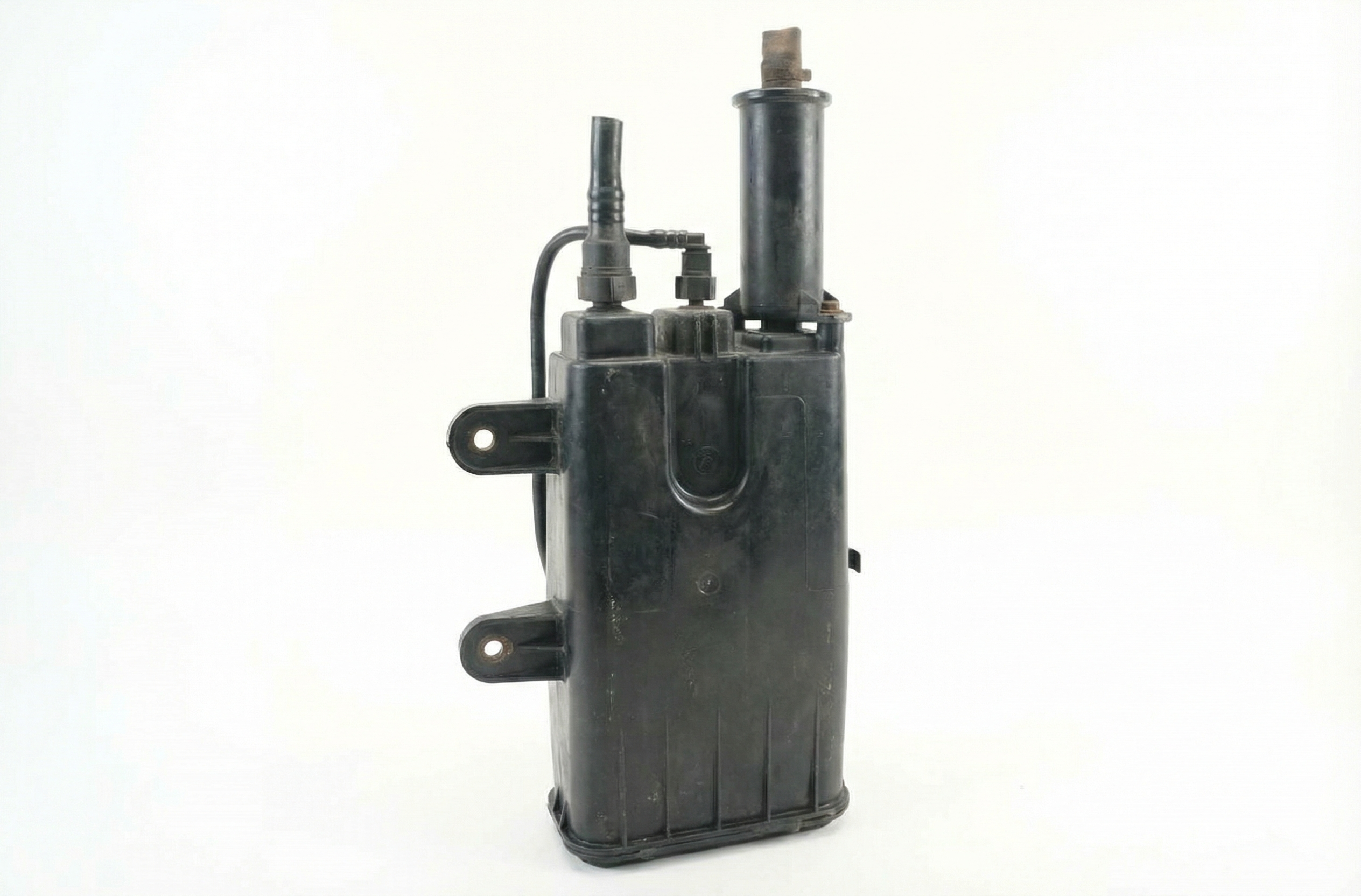
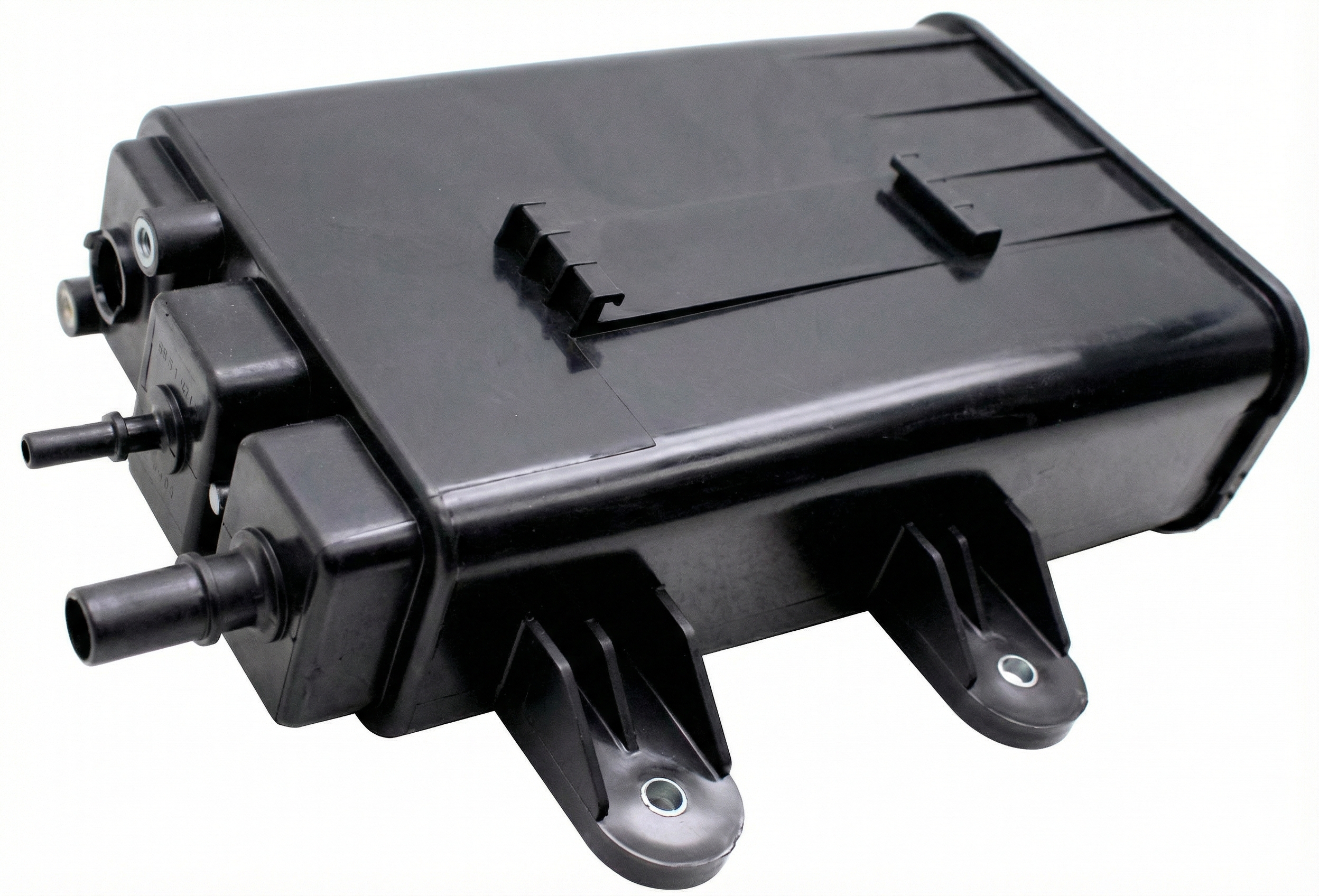
When a used part is the smart pick: A used charcoal canister assembly from a low-mileage, non-accident donor vehicle can be a good value, as this part is not a typical wear item unless it has been contaminated by liquid fuel.
Donor-vehicle mileage cap: roughly under 80000 miles for the part to have meaningful remaining life.
What to inspect on the donor part:
- Visually inspect the plastic housing for any cracks or damage.
- Gently shake the canister; if you hear rattling, the internal charcoal pellets have broken down and the canister is bad.
- Ensure all hose connection nipples are intact and not broken or brittle.
Aftermarket brands forum-validated for this vehicle:
- Dorman
- Standard Motor Products (SMP)
Brands owners have reported issues with on this vehicle:
- Unbranded, ultra-low-cost parts from online marketplaces are a gamble due to inconsistent quality control for both the solenoid coil and valve sealing.
Real Owner Stories
Aggregated from forums and TSBs cited above. Mileages and costs reflect what owners reported in those sources.
2015 Hyundai Tucson
Symptoms: Check engine light was on and the gas pump would shut off intermittently while refueling, sometimes working fine and other times failing repeatedly.
What fixed it: The owner identified the Canister Close Valve as the likely culprit, noting it was difficult to access without removing the rear driver's wheel and fender well.
Source hint: Hyundai-Forums.com - 'Replacing Canister Close Valve' (2021)
1998 Hyundai 1.5L (General Diagnostic Case)
Symptoms: P0446 code present with vent path issues.
What fixed it: Repairing a poor previous wiring repair to the CCV circuit.
Source hint: Car Talk Community - '98 Hyundai 1.5l code P0446' (2010)
Related OBD-II Codes
Frequently Asked Questions
Why does the gas pump nozzle keep clicking off when I try to fill up my 2010-2015 Tucson?
Is there a TSB for refueling issues on the 2010-2015 Hyundai Tucson?
Where is the Canister Close Valve located on my Tucson, and is it easy to replace?
Can overfilling my gas tank cause the P0446 code?
I heard about a recall for fires; is that related to my P0446 EVAP code?
Could a 'whoosh' sound when I open my gas cap be related to P0446?
Helpful Videos

Used OEM Parts in Stock
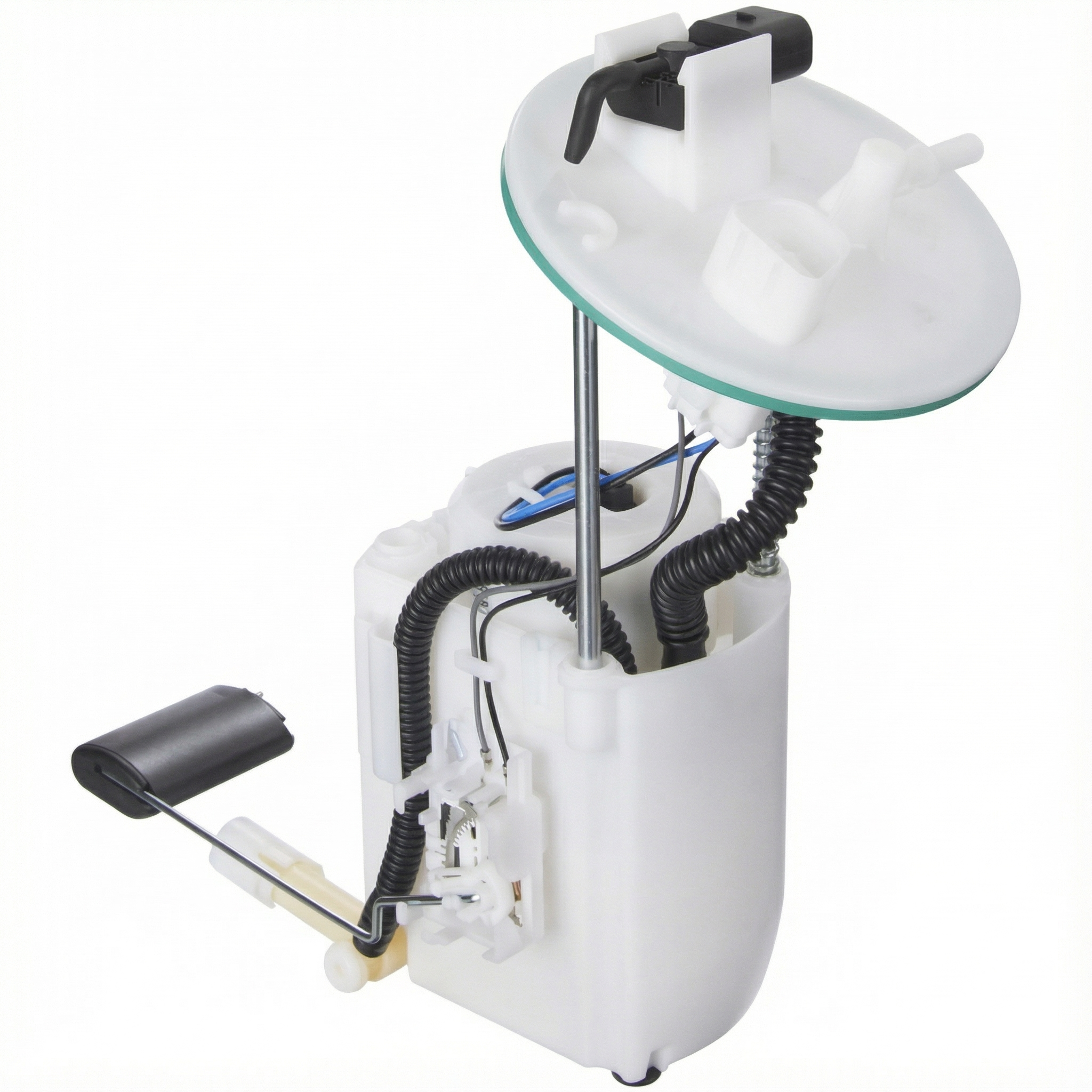
New Aftermarket Parts Available


The information in this article is provided for general reference and educational purposes only. Vehicle specifications, procedures, and part compatibility can vary by production date, trim level, and region. Always consult your vehicle's factory service manual and verify part numbers before purchasing or performing repairs. Safety-critical components such as airbags, seat belts, and braking systems should be installed by a qualified professional.
- Hyundai Tucson:
- 🧭 Diagnostic Flowchart
- 🎬 Helpful Videos
- 🛍️ Shop This Part
- What's Unique About the 2010-2015 Hyundai Tucson
- Symptoms You May Notice
- Most Likely Causes
- Diagnosis Steps
- Parts You'll Likely Need
- Technical Service Bulletins (TSBs) & Recalls
- Platform-Specific Known Issues
- Mechanic-Grade Diagnostic Values
- Scan Tool Commands That Help
- Wiring & Ground Locations
- Real Owner Repair Stories
- "I Checked Everything" — The Actual Cause
- Model Year Variations Within This Range
- Other Known Issues on This Vehicle
- Used vs. New Parts: Buying Guide for This Vehicle
- Real Owner Stories
- 2015 Hyundai Tucson
- 1998 Hyundai 1.5L (General Diagnostic Case)
- Related OBD-II Codes
- Frequently Asked Questions
- 🎟️ Get 5% Off