

P0446 on 2011-2015 Kia Optima: EVAP Vent Control Circuit Fault Causes and Fixes
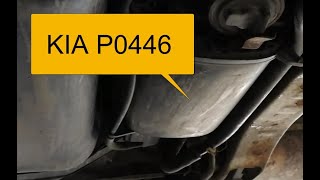
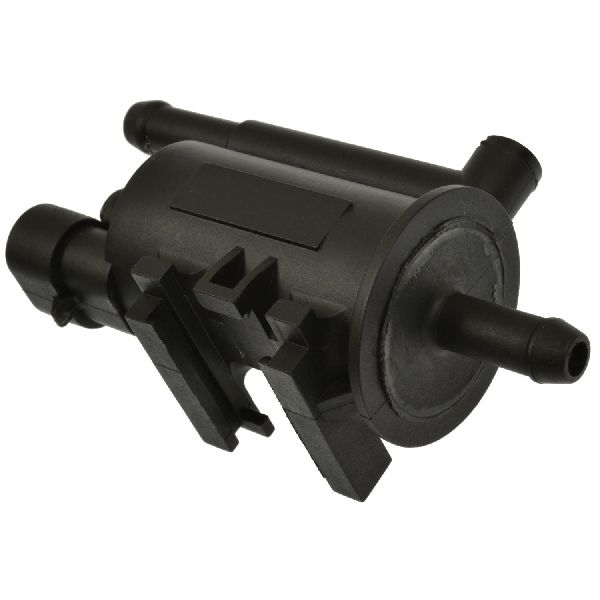
For a 2011-2015 Kia Optima, code P0446 almost always points to a failed Canister Close Valve (also called the vent valve or vent solenoid). This is a common failure item that is relatively inexpensive and easy to replace. The valve is located under the rear of the car near the charcoal canister.
- P0446 on a 2011-2015 Optima points directly to an issue with the Canister Close Valve (CCV) circuit, with the valve itself being the most common failure point.
What's Unique About the 2011-2015 Kia Optima
The 2011-2015 Kia Optima (TF generation) and its platform-mate, the 2011-2014 Hyundai Sonata (YF), commonly experience this code due to a failure-prone Canister Close Valve (CCV). On these models, the valve itself is the most frequent point of failure, more so than wiring or other components. While some vehicles integrate this valve into the charcoal canister, on the Optima it is a separate, replaceable part located near the canister under the rear of the car, behind the driver's side rear wheel. There was a service campaign (SC135) for potential cracking of the charcoal canister in salt-belt states, but this typically triggers large leak codes like P0442/P0455, not the P0446 circuit code.
Symptoms You May Notice
- Check Engine Light is on.
- Difficulty refueling (gas pump nozzle clicks off repeatedly).
- A faint fuel smell near the rear of the vehicle (less common).
- In rare cases, rough idle or stalling if the EVAP system malfunction affects the fuel mixture.
- Replacing the gas cap. A bad gas cap will typically cause a large leak code like P0455 or P0457, not a circuit code like P0446.
- Replacing the Purge Valve. The purge valve (or Purge Control Solenoid Valve) is located in the engine bay and has its own specific trouble codes (e.g., P0443, P0496). While part of the EVAP system, it is not related to the P0446 vent circuit fault.
Most Likely Causes
- Failed Canister Close Valve (Vent Valve) 🔴 High Probability → Shop Vapor Canister The solenoid within the valve is a common failure point due to age, heat cycles, and exposure to the elements under the vehicle. It can fail electrically (open/shorted coil) or mechanically (stuck open or closed).
How to confirm: Locate the valve near the charcoal canister, behind the driver's side rear wheel. With the key on (engine off), check for 12V power at the connector with a multimeter. Use a capable scan tool to command the valve to close and listen for an audible click. If it doesn't click, or if applying 12V and ground directly to the valve's pins does not make it actuate, the valve has failed. The valve is normally open, so if you remove it, you should be able to blow through it; applying power should close it and stop airflow.
Typical fix: Replace the Canister Close Valve. This is a simple repair involving disconnecting the electrical connector, two hoses, and removing it from its bracket.
Est. part cost: $40-$80 - Damaged Wiring or Connector 🟡 Medium Probability The valve and its wiring are located under the car, making them susceptible to corrosion from road salt, moisture, and physical damage from road debris.
How to confirm: Visually inspect the wiring harness and connector leading to the Canister Close Valve for any breaks, corrosion, or loose pins. Perform a continuity test with a multimeter from the valve connector back to the PCM if a wiring diagram is available. Check for 12V power at the connector with the key on.
Typical fix: Repair the damaged section of wire or replace the connector pigtail.
Est. part cost: $5-$25 - Blown Fuse ⚪ Low Probability
How to confirm: Check the fuse box in the engine compartment for any blown fuses related to the emissions system (e.g., 'EMISS' or 'SENSOR'). A short in the vent valve or its circuit can cause the fuse to blow. On some Kia models, this circuit is powered by the 'SENSOR 2' 10A fuse.
Typical fix: Replace the blown fuse. If it blows again, there is a short circuit that must be diagnosed and repaired.
Est. part cost: $1-$5
Rare But Worth Checking
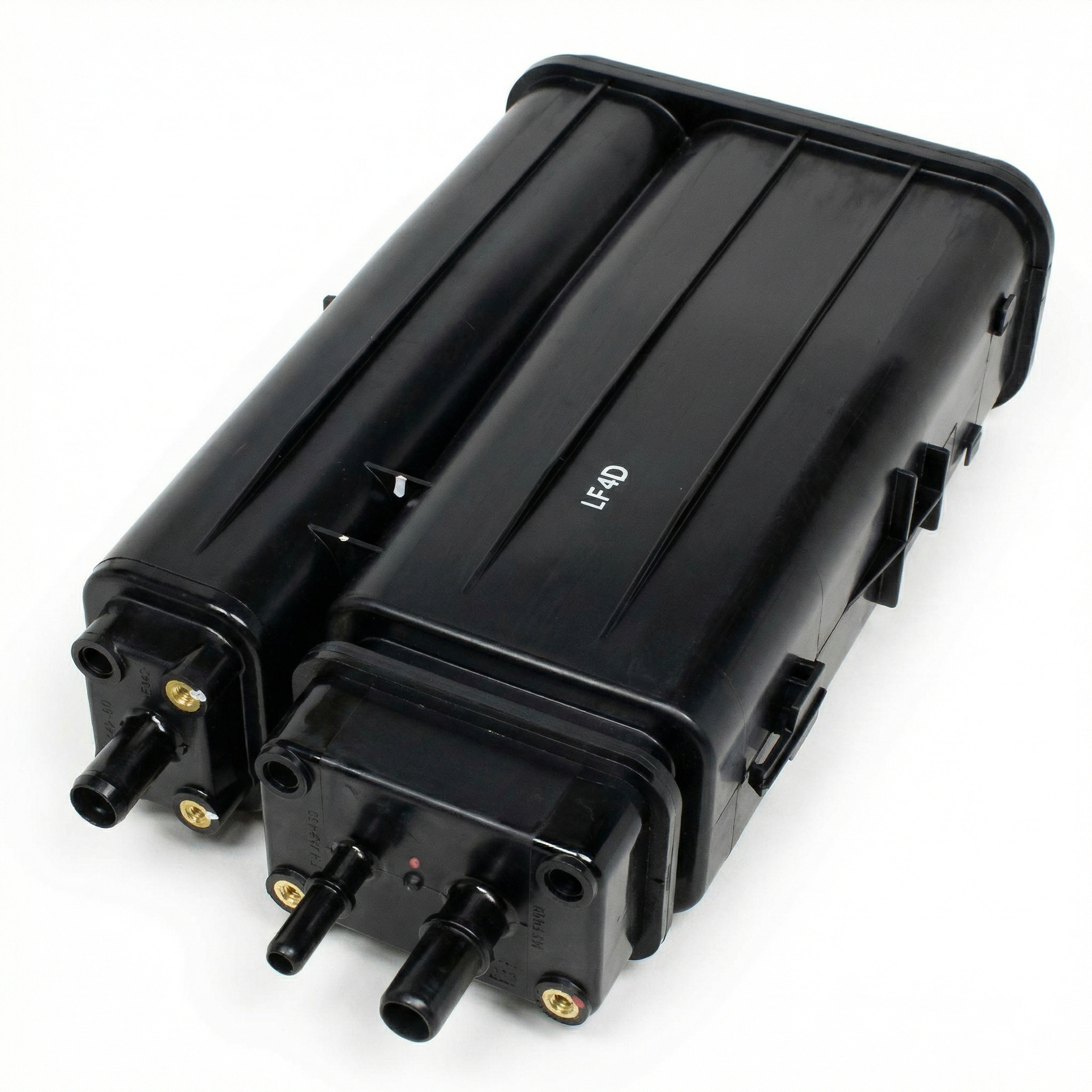
- Clogged Charcoal Canister or Vent Hose: → Shop Vapor Canister While a clogged canister or hose is possible, it more commonly causes a restriction fault or a leak code (like P0442/P0455) rather than the P0446 circuit code. However, a severe blockage from road debris, insects, or disintegrated charcoal could prevent the valve from operating correctly, leading the ECU to interpret it as a circuit fault.
- Faulty Powertrain Control Module (PCM): This is extremely rare and should be considered a last resort. The PCM should only be suspected after all other possibilities, including the valve, wiring, fuses, and canister, have been exhaustively tested and ruled out.
Diagnosis Steps
- Read the code with an OBD-II scanner to confirm P0446 is the only code present. If other EVAP codes are present, they may need to be diagnosed first.
- Locate the Canister Close Valve (CCV) and the charcoal canister. They are found under the vehicle, behind the driver's side rear wheel well.
- Visually inspect the CCV, its electrical connector, and the wiring harness for any signs of physical damage, corrosion, or loose connections.
- With the ignition in the 'On' position (engine off), use a multimeter to verify that one of the pins on the connector has 12-volt power.
- If power is present, use a capable scan tool to command the EVAP vent valve to close (active test). Listen for an audible click from the valve. No click suggests a faulty valve.
- (Alternate Test) If you do not have a scan tool, remove the valve. It is normally open. Try to blow air through it. Then, apply 12 volts and a ground directly to its pins using jumper wires. It should click closed and stop the airflow. If it does not, the valve is bad.
- If the valve clicks but the code returns, inspect the vent hose attached to the valve and the vent filter box for blockages from dirt, debris, or insects.
- If the valve and wiring test good, the issue may be an internally clogged charcoal canister, though this is less common for this specific code.
Parts You'll Likely Need
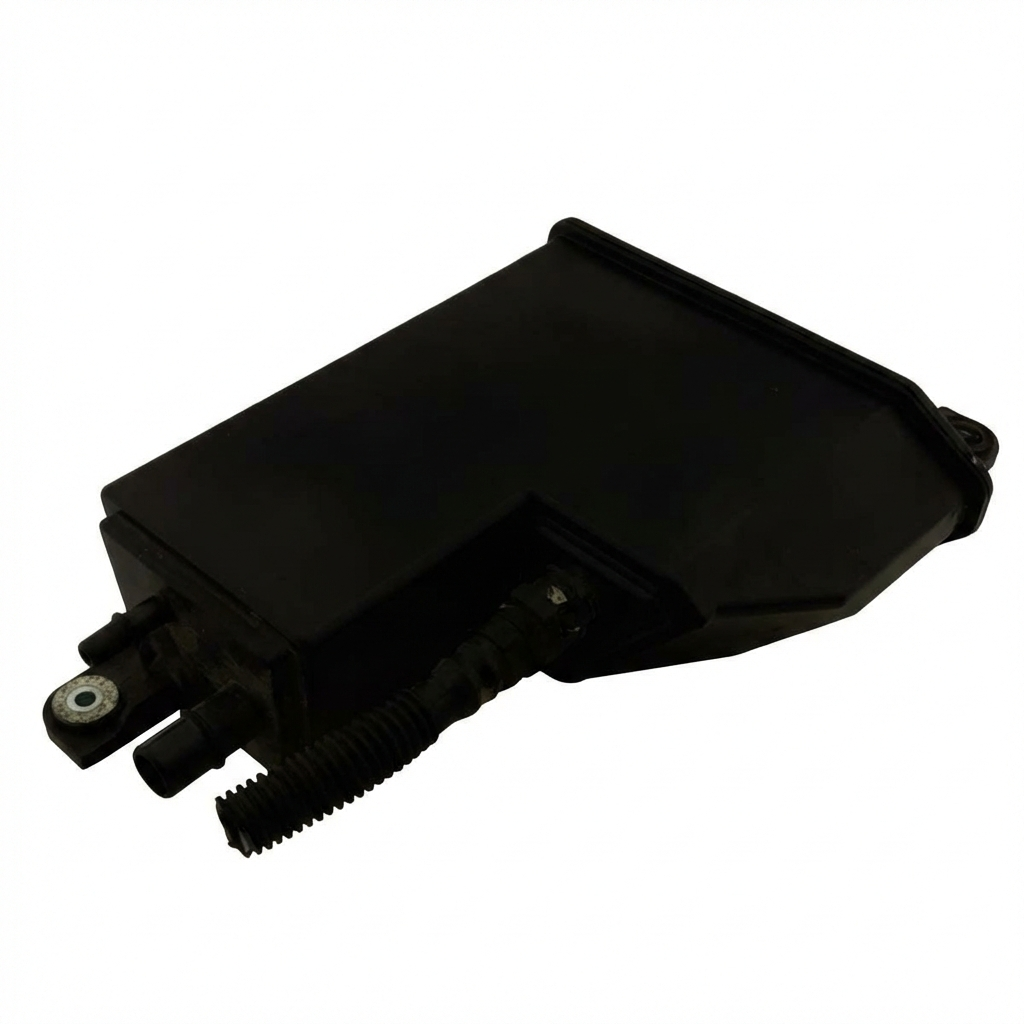
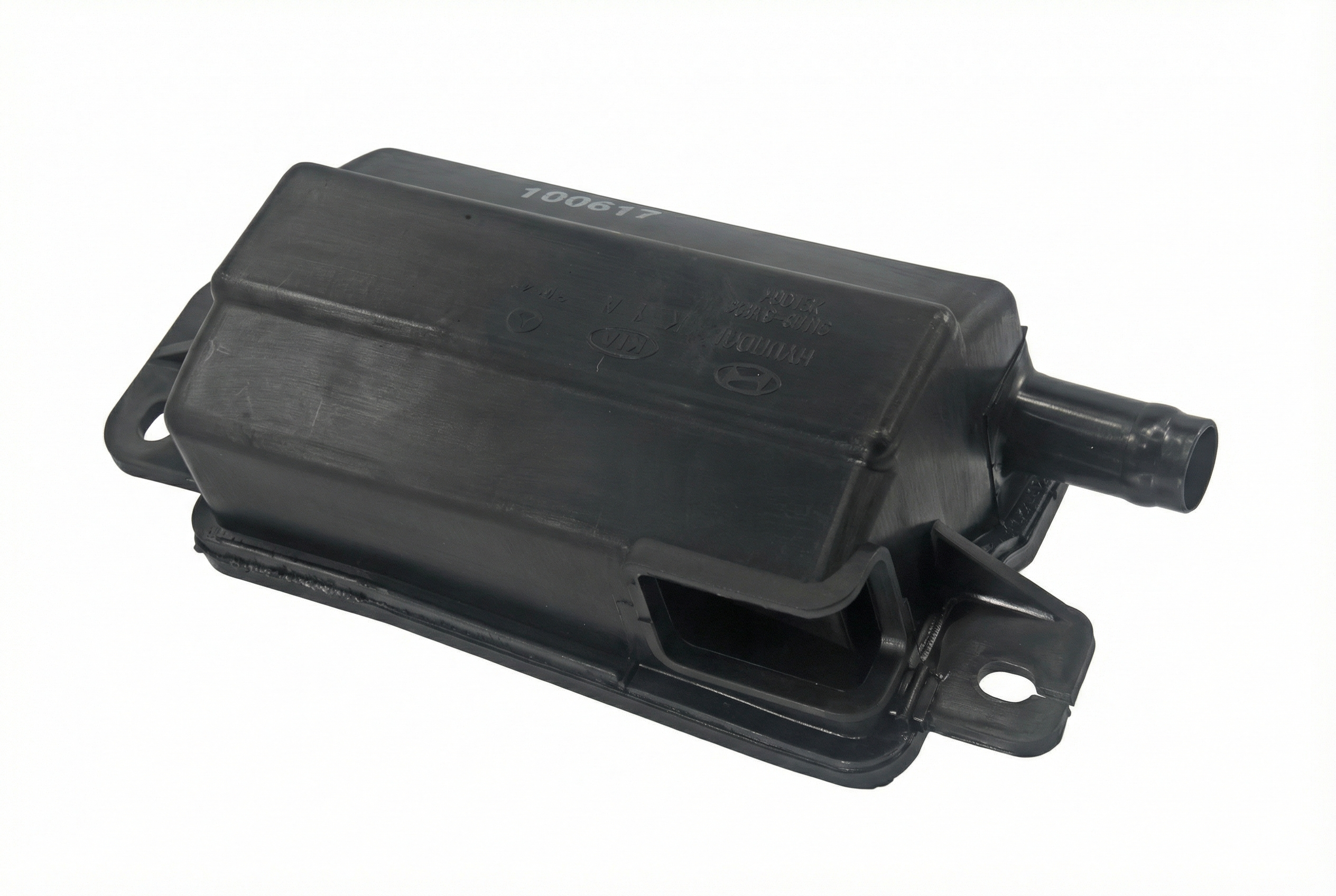
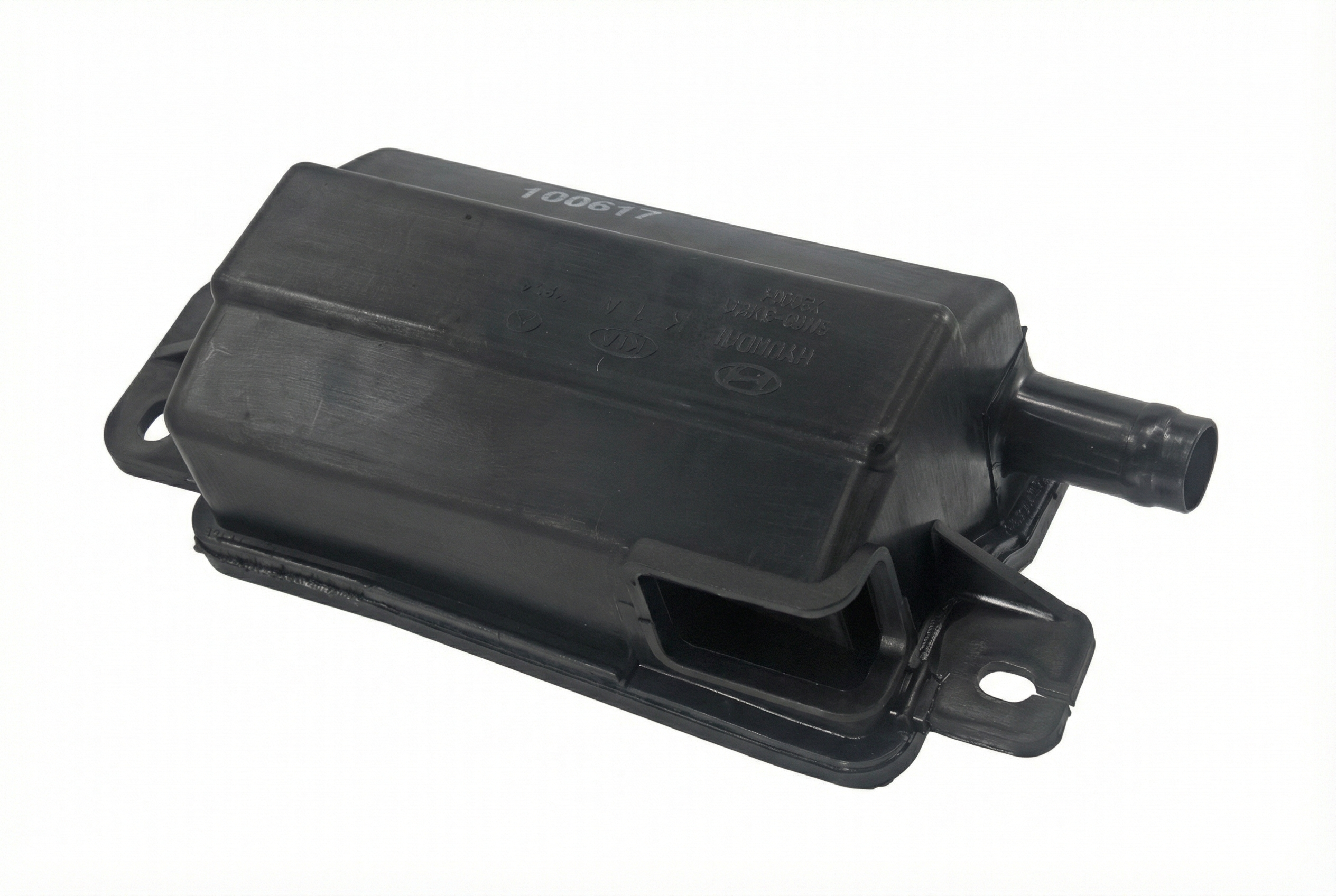
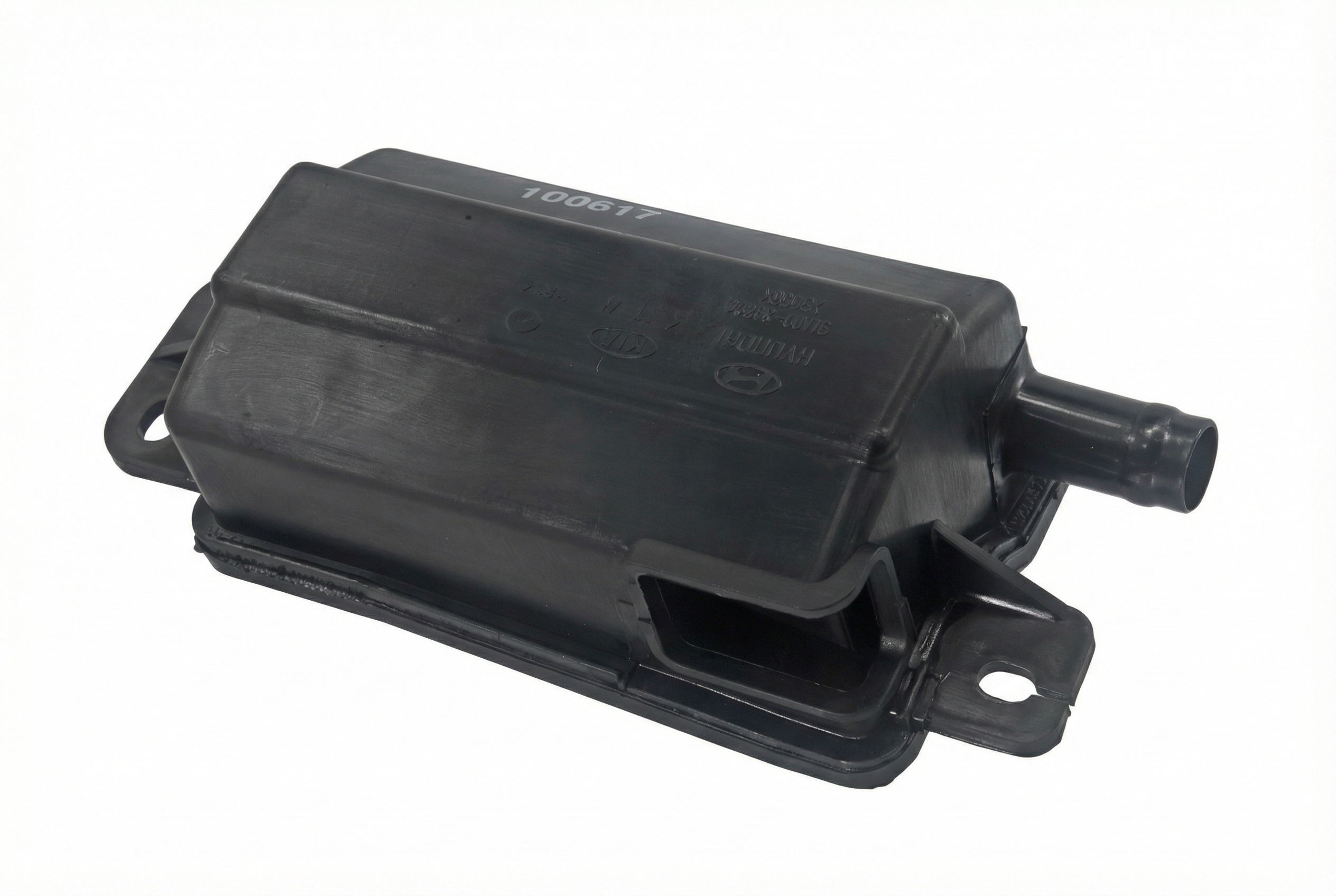
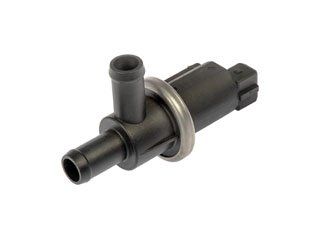
- Canister Close Valve (Vent Valve)
(OEM #31453-3K600)— This is the most common failure item for code P0446 on this vehicle. The internal solenoid fails, causing an electrical circuit fault.
Trusted brands: Genuine Kia/Hyundai, Dorman, Standard Motor Products (SMP)
OEM price range: $60-$90
Aftermarket price range: $40-$70
Technical Service Bulletins (TSBs) & Recalls
- SC135 / WTY009: Voluntary Emission Service Campaign to inspect and/or replace the evaporative canister assembly on some 2011-2015 Optima vehicles due to potential cracks from road salt exposure, which typically cause P0442 or P0455 codes. The campaign also extended the warranty on the part.
Platform-Specific Known Issues
- Kia issued a service campaign (SC135) for 2011-2014 Optimas in salt-belt states for charcoal canisters that could crack, leading to EVAP leak codes P0442 or P0455. While not directly causing P0446, it's a known issue with the EVAP system on these cars and Kia extended the warranty on the canister.
Mechanic-Grade Diagnostic Values
- Canister Close Valve (CCV) Solenoid Coil Resistance — expected: 15 - 30 Ohms. Failure: A reading of infinite Ohms indicates an open circuit (bad coil). A reading near zero Ohms indicates a short circuit (bad coil).
- CCV Connector Power Supply — expected: ~12 Volts (Battery Voltage). Failure: 0 Volts indicates a wiring issue or blown fuse.
Scan Tool Commands That Help
- Kia GDS (or equivalent professional scanner): Actuation Test for EVAP Canister Close Valve — This bidirectional command is used to manually cycle the CCV solenoid. A technician can listen for an audible 'click' to confirm the solenoid is mechanically responding to the ECU's command, which helps isolate a bad valve from a wiring problem.
Wiring & Ground Locations
- Canister Close Valve Connector — Plugged directly into the Canister Close Valve, which is located under the rear of the vehicle, just forward of the rear axle and near the charcoal canister.. This connector is the primary point for electrical testing (checking for power and ground signal). Its exposed location makes it highly susceptible to corrosion and wire damage from road debris and moisture, which can directly cause a P0446 circuit code.
- 'SENSOR 2' Fuse — Located in the main fuse box in the engine compartment.. On many Kia models of this era, this 10A fuse provides the 12V power to the Canister Close Valve. If this fuse is blown due to a short in the circuit, the valve will have no power, immediately triggering code P0446.
"I Checked Everything" — The Actual Cause
- Because P0446 is a circuit/performance code and not a leak code, a smoke test is not the primary diagnostic path. However, a scenario that can fool the system is a physical blockage in the vent path. Technicians have found spider webs and insect nests inside the vent hose or the valve's fresh air filter box. The ECU commands the valve to open (its normal resting state) to vent the system, but if the path is blocked, the expected change in tank pressure doesn't occur. The system may interpret this lack of flow as a valve that is not functioning correctly, logging a P0446, even though the valve and its electrical circuit are perfectly fine.
OEM Part Supersession History
31453-3K600→31453-3K600FFF— Standard part revision by the manufacturer.
Heads up: None. The new part number is a direct replacement for the original.
Model Year Variations Within This Range
- 2014-2015: The Kia Optima received a mid-cycle refresh for the 2014 model year, which included updated front and rear fascias, new wheel designs, and a revised interior dashboard and steering wheel. However, these changes did not affect the EVAP system components or their locations related to code P0446. The same Canister Close Valve and diagnostic procedure apply to the entire 2011-2015 generation.
Diagnostic Flowchart
Other Known Issues on This Vehicle
Issues unrelated to this code that are worth knowing about as an owner of this generation:
- Theta II GDI Engine Failure 🔴 High — Very common on 2011-2015 models with the 2.4L GDI and 2.0L Turbo GDI engines. Failure is due to premature connecting rod bearing wear, often happening under 100,000 miles. (Ref: Multiple recalls (e.g., SC147) and a class-action lawsuit settlement led to engine inspections, replacements, and a lifetime warranty for the engine short block for qualifying failures.)
- Worn Steering Coupler 🟠 Medium — Extremely common. The flexible rubber coupler in the electronic power steering column disintegrates over time, causing a clicking or ticking noise when turning the wheel and excessive play in the steering. (Ref: Kia issued a Customer Satisfaction Program (CS1604) and extended the warranty on the part to 10 years/unlimited mileage, allowing for free replacement.)
- Engine Knocking, Stalling, and Poor Performance 🔴 High — These are all symptoms related to the underlying Theta II engine defects, often preceding catastrophic failure. (Ref: Related to the main engine recalls and the Knock Sensor Detection System (KSDS) software update, which puts the car in limp mode if it detects vibrations indicative of bearing failure.)
- Weak Alternator / Charging System Issues 🟡 Low — Some owners report recurring issues with alternators failing, leading to batteries not charging properly and starting problems.
Used vs. New Parts: Buying Guide for This Vehicle
When a used part is the smart pick: A used Canister Close Valve (CCV) can be a cost-effective option if it is sourced from a low-mileage vehicle that was not operated in a salt-belt region. The part is a simple solenoid, but its external condition is critical due to its exposed location.
Donor-vehicle mileage cap: roughly under 75000 miles for the part to have meaningful remaining life.
What to inspect on the donor part:
- Inspect the plastic housing for any cracks or signs of heat stress.
- Examine the electrical connector pins; they should be clean and free of any green or white corrosion.
- Check that the hose ports are clear and unobstructed by debris.
OEM-only on this vehicle (don't cheap out):
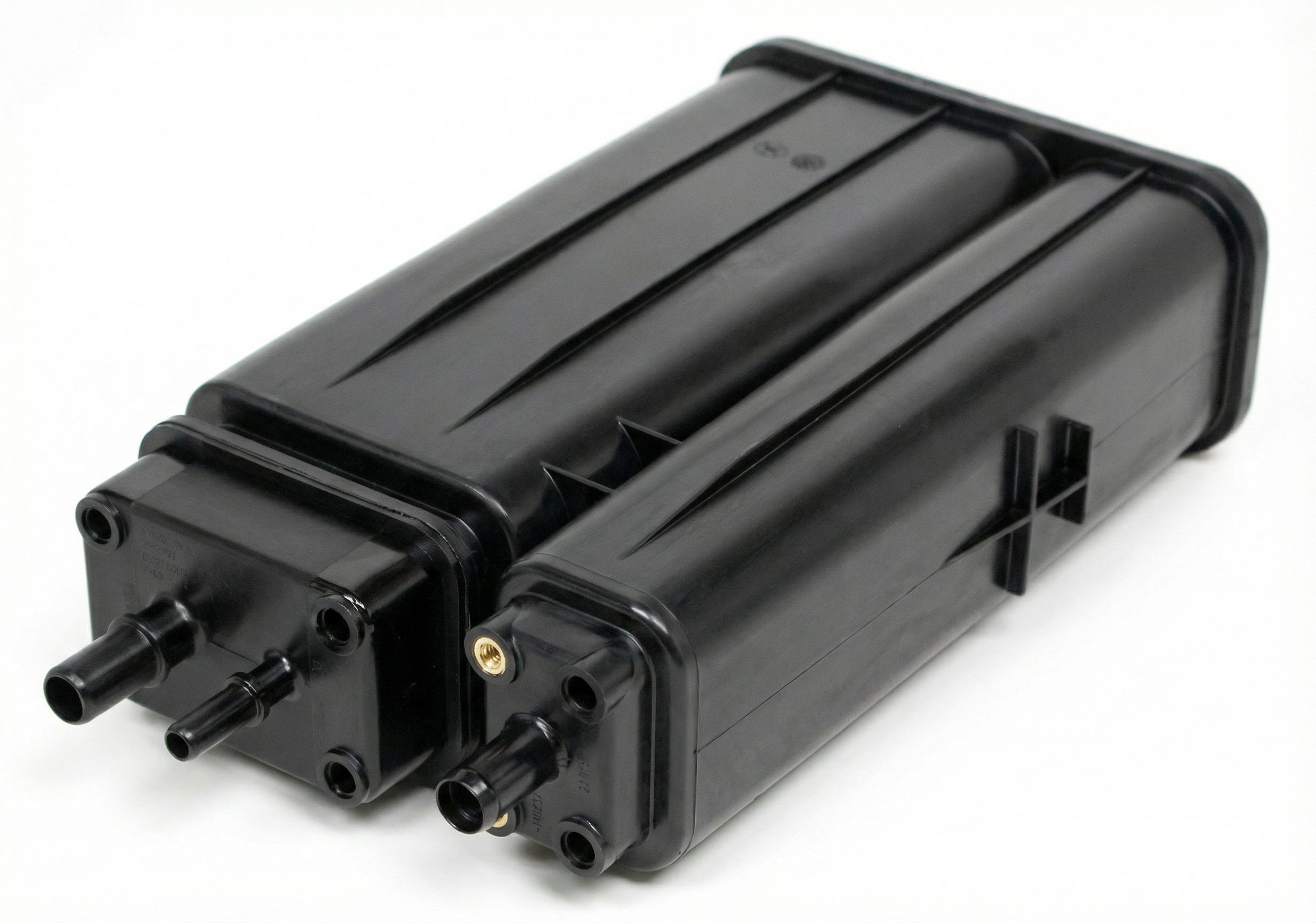
- Charcoal Canister: Aftermarket canisters may not match the specific flow characteristics of the original, leading to persistent EVAP codes. It is especially critical to match the OEM part to the vehicle's emissions certification (PZEV vs. ULEV), as they are not interchangeable.
Aftermarket brands forum-validated for this vehicle:
- Dorman (Part numbers like 911-803 or 911-799 are often listed for this application).
- Standard Motor Products (SMP)
Real Owner Stories
Aggregated from forums and TSBs cited above. Mileages and costs reflect what owners reported in those sources.
2011-2014 Kia Optima
Symptoms: The Canister Close Valve is the most frequent cause for P0446; owners confirmed the location is behind the driver's rear wheel.
What fixed it: DIY replacement of the Canister Close Valve.
Source hint: kia-forums.com
2004 Kia Optima
Symptoms: Experienced shaking and misfires along with the P0446 code.
What fixed it: Replacing the vent valve/solenoid (though the user was advised to check for other codes due to the unusual symptoms).
Source hint: Reddit (r/AskMechanics)
Cross-Model Reference: Kia Sorento
Symptoms: An owner reported an intermittent check engine light displaying error code P0446 that would come on and off as it pleased (NHTSA ODI #10664478).
What fixed it: The owner noted the existence of a manufacturer TSB for this particular problem, though specific details were not provided in the complaint.
Source hint: NHTSA ODI #10664478
Related OBD-II Codes
Frequently Asked Questions
Where is the Canister Close Valve located on my 2011-2015 Kia Optima?
Is there a recall or warranty extension for EVAP issues on the 2011-2015 Optima?
Why does the gas pump nozzle keep clicking off when I try to fill my Optima?
Which fuse should I check for the EVAP vent valve circuit?
Can I use a charcoal canister from a Hyundai Sonata to fix my Optima?
Should I replace the purge valve first to fix P0446?
Helpful Videos

Used OEM Parts in Stock
New Aftermarket Parts Available


The information in this article is provided for general reference and educational purposes only. Vehicle specifications, procedures, and part compatibility can vary by production date, trim level, and region. Always consult your vehicle's factory service manual and verify part numbers before purchasing or performing repairs. Safety-critical components such as airbags, seat belts, and braking systems should be installed by a qualified professional.
- Kia Optima:
- 🧭 Diagnostic Flowchart
- 🎬 Helpful Videos
- 🛍️ Shop This Part
- What's Unique About the 2011-2015 Kia Optima
- Symptoms You May Notice
- Most Likely Causes
- Rare But Worth Checking
- Diagnosis Steps
- Parts You'll Likely Need
- Technical Service Bulletins (TSBs) & Recalls
- Platform-Specific Known Issues
- Mechanic-Grade Diagnostic Values
- Scan Tool Commands That Help
- Wiring & Ground Locations
- "I Checked Everything" — The Actual Cause
- OEM Part Supersession History
- Model Year Variations Within This Range
- Other Known Issues on This Vehicle
- Used vs. New Parts: Buying Guide for This Vehicle
- Real Owner Stories
- 2011-2014 Kia Optima
- 2004 Kia Optima
- Cross-Model Reference: Kia Sorento
- Related OBD-II Codes
- Frequently Asked Questions
- 🎟️ Get 5% Off