

P0446 on 2011-2015 Kia Sorento: EVAP Vent Valve Causes and Fixes
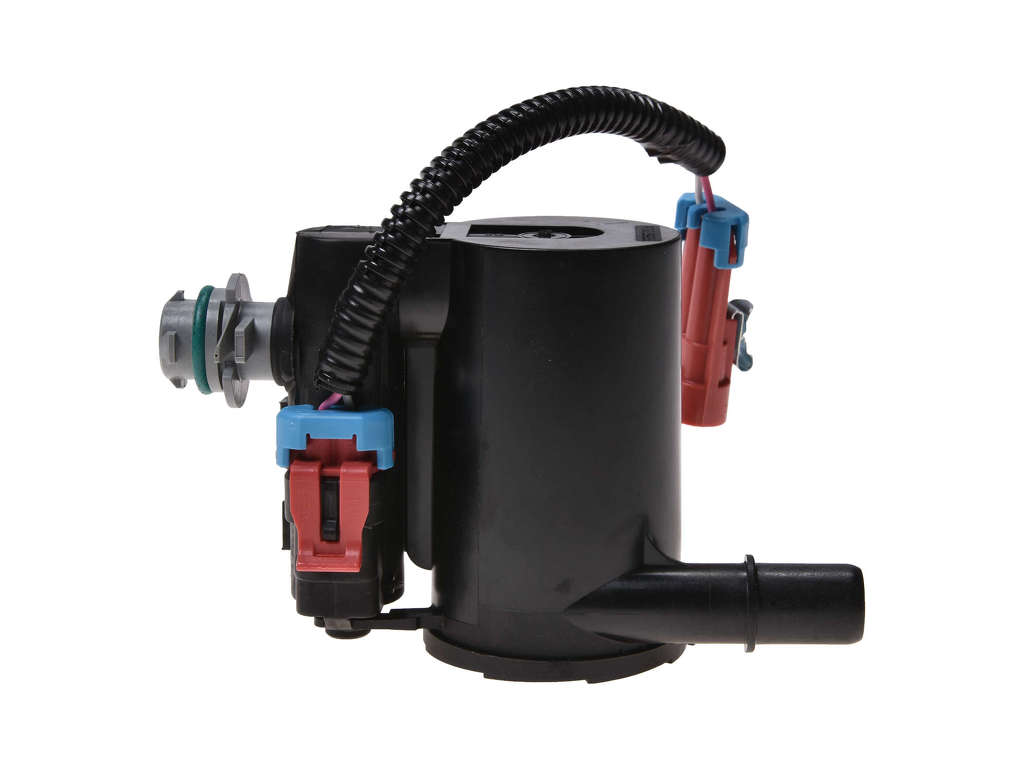
P0446 on a 2011-2015 Kia Sorento almost always points to a failed Canister Close Valve (CCV), Kia part number 31430-0W000, located near the fuel tank. Replacing this valve is the most common fix, with the part costing between $60 and $195. A primary symptom, besides the check engine light, is the gas pump repeatedly clicking off during refueling.
- P0446 on your Sorento is an emissions code that won't leave you stranded.
- The most likely cause by far is a bad Canister Close Valve (CCV), Kia Part Number 31430-0W000, located at the back of the car near the spare tire.
- A key symptom, besides the Check Engine Light, is the gas pump shutting off before the tank is full.
- Before buying parts, check the wiring and connector for corrosion or damage, as this is a simple fix, especially in rust-prone areas.
- Do not confuse the Canister Close Valve (at the rear) with the Purge Valve (in the engine bay).
What's Unique About the 2011-2015 Kia Sorento
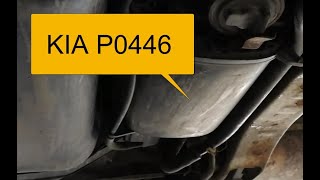
For the second-generation (XM) Kia Sorento, the P0446 code is a straightforward and very common issue. The primary culprit is almost always the Canister Close Valve (CCV) assembly itself, which is located at the rear of the vehicle near the charcoal canister. Unlike some vehicles where EVAP codes can be difficult to trace, the diagnostic path for this code on the Sorento is typically direct, leading mechanics and owners straight to this valve. There are no major recalls or technical service bulletins specifically for P0446 on this platform, indicating it's a standard wear-and-tear component failure 🎬 Watch: A complete guide to fixing the P0446 code on your Kia. rather than a widespread design defect. The issue is also common on its platform-mate, the Hyundai Santa Fe.
Symptoms You May Notice
- Check Engine Light is on.
- Difficulty refueling (gas pump nozzle clicks off repeatedly before the tank is full).
- A faint fuel odor near the rear of the vehicle, especially after refueling.
- A whooshing sound from the fuel tank area when removing the gas cap.
- Replacing the gas cap. While a bad gas cap can cause other EVAP codes (like P0455 or P0457), it is not a cause for P0446, which specifically relates to the vent control circuit and its ability to seal.
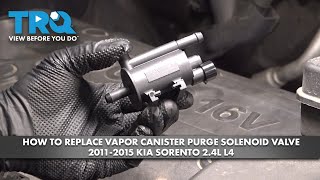
- Replacing the Purge Control Solenoid Valve. This valve is located in the engine bay and is a different part of the EVAP system. 🎬 Watch: How to replace the purge solenoid if you have code P0441. It has its own set of diagnostic codes (like P0441).
Most Likely Causes
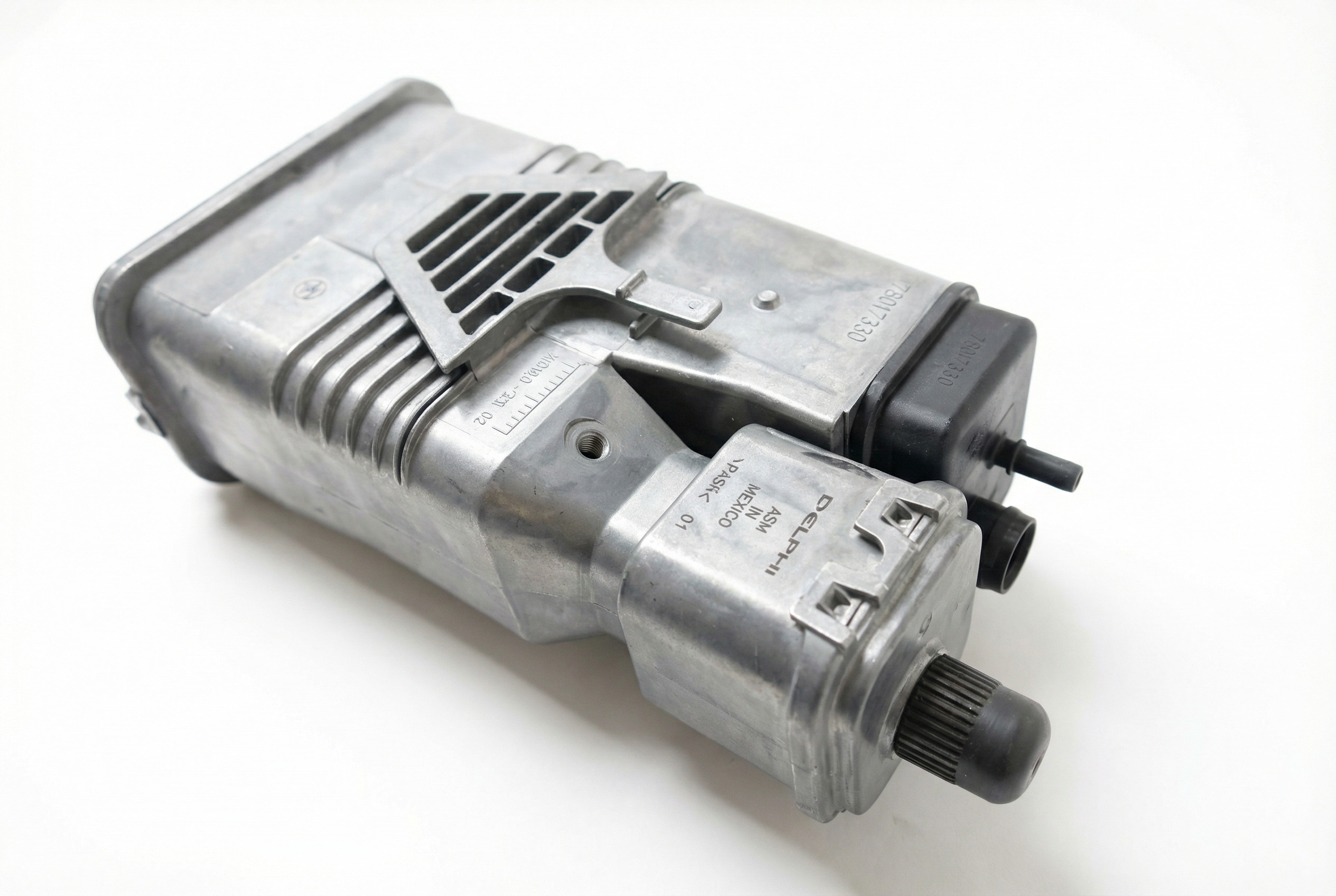
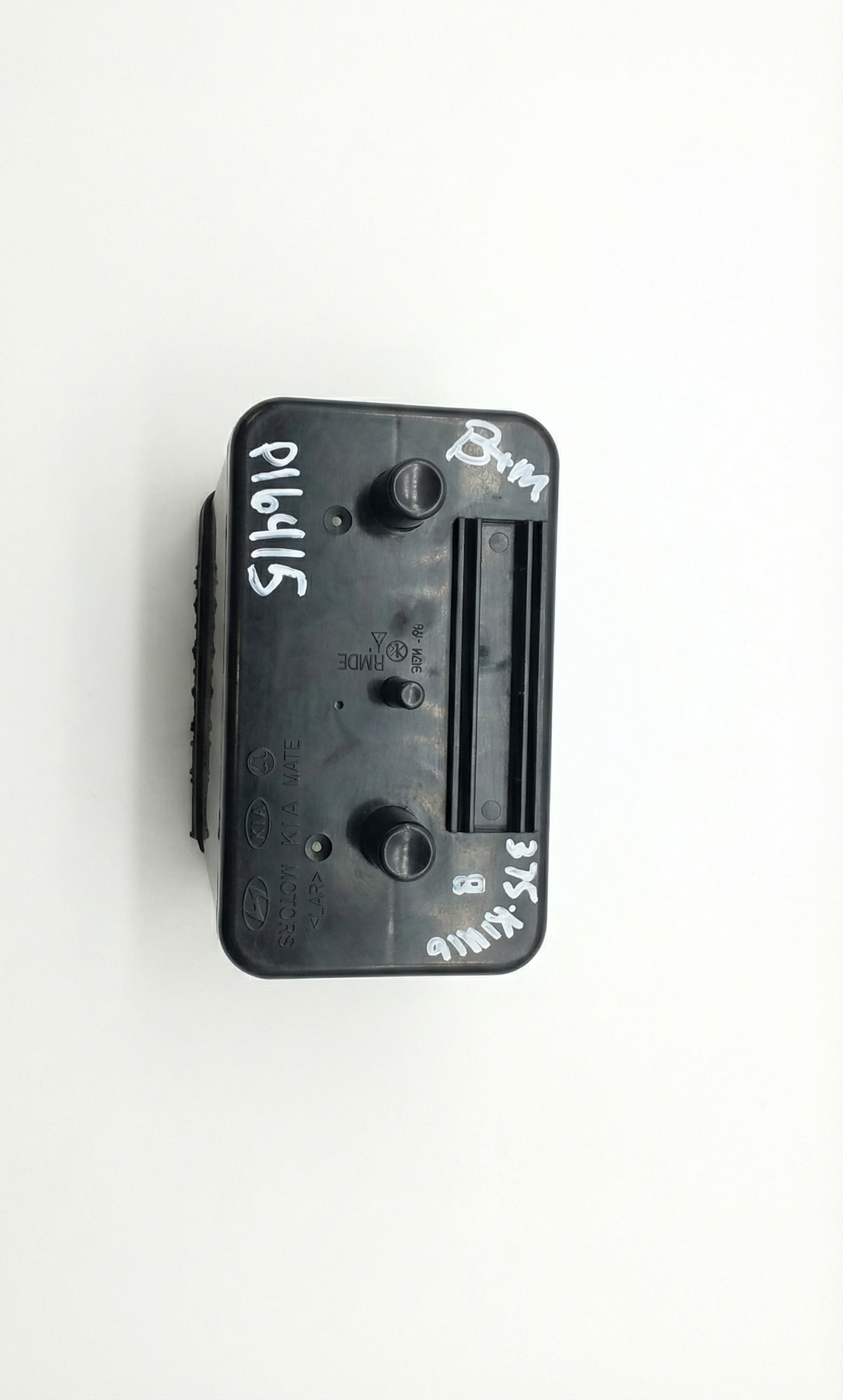
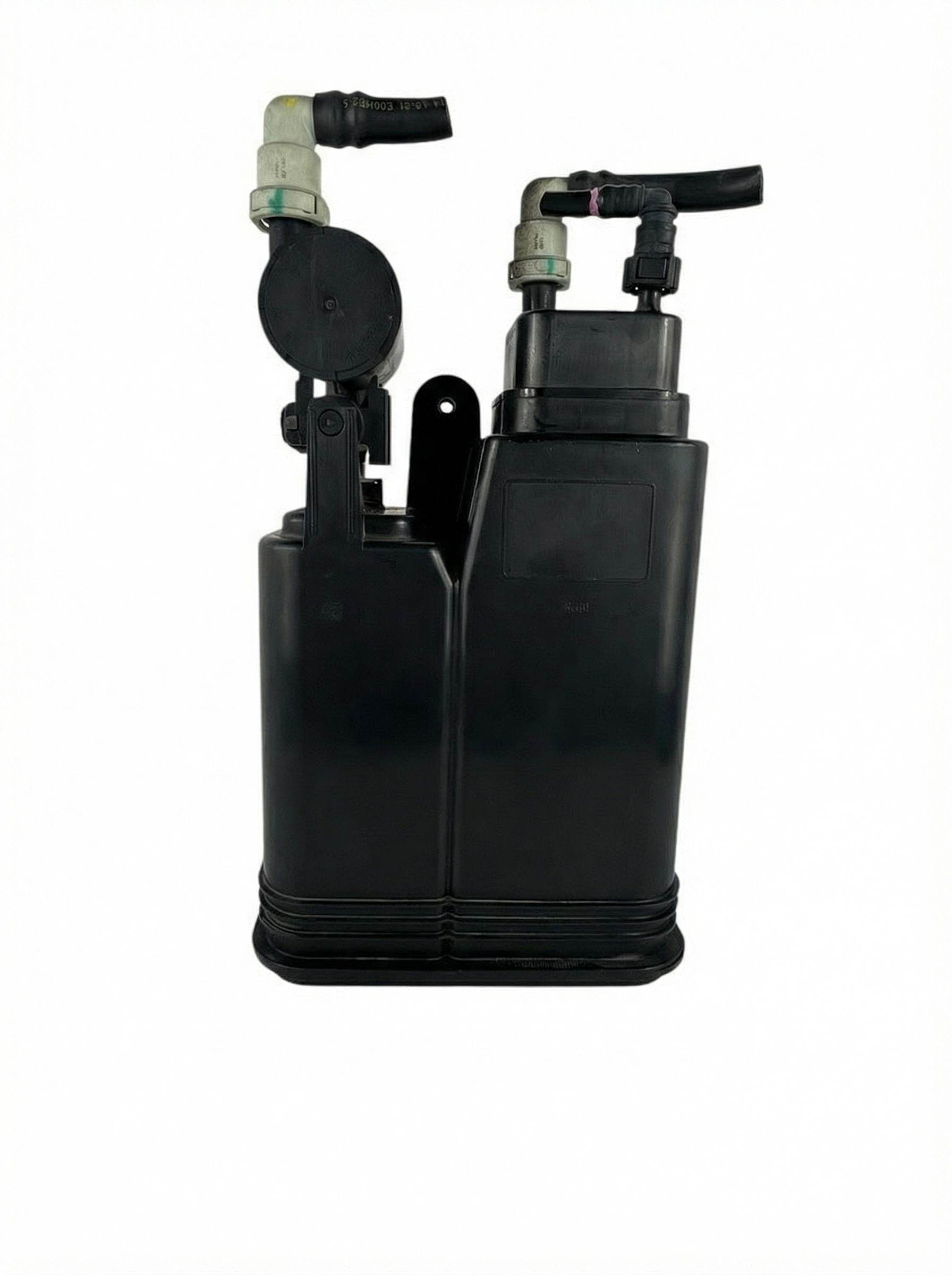
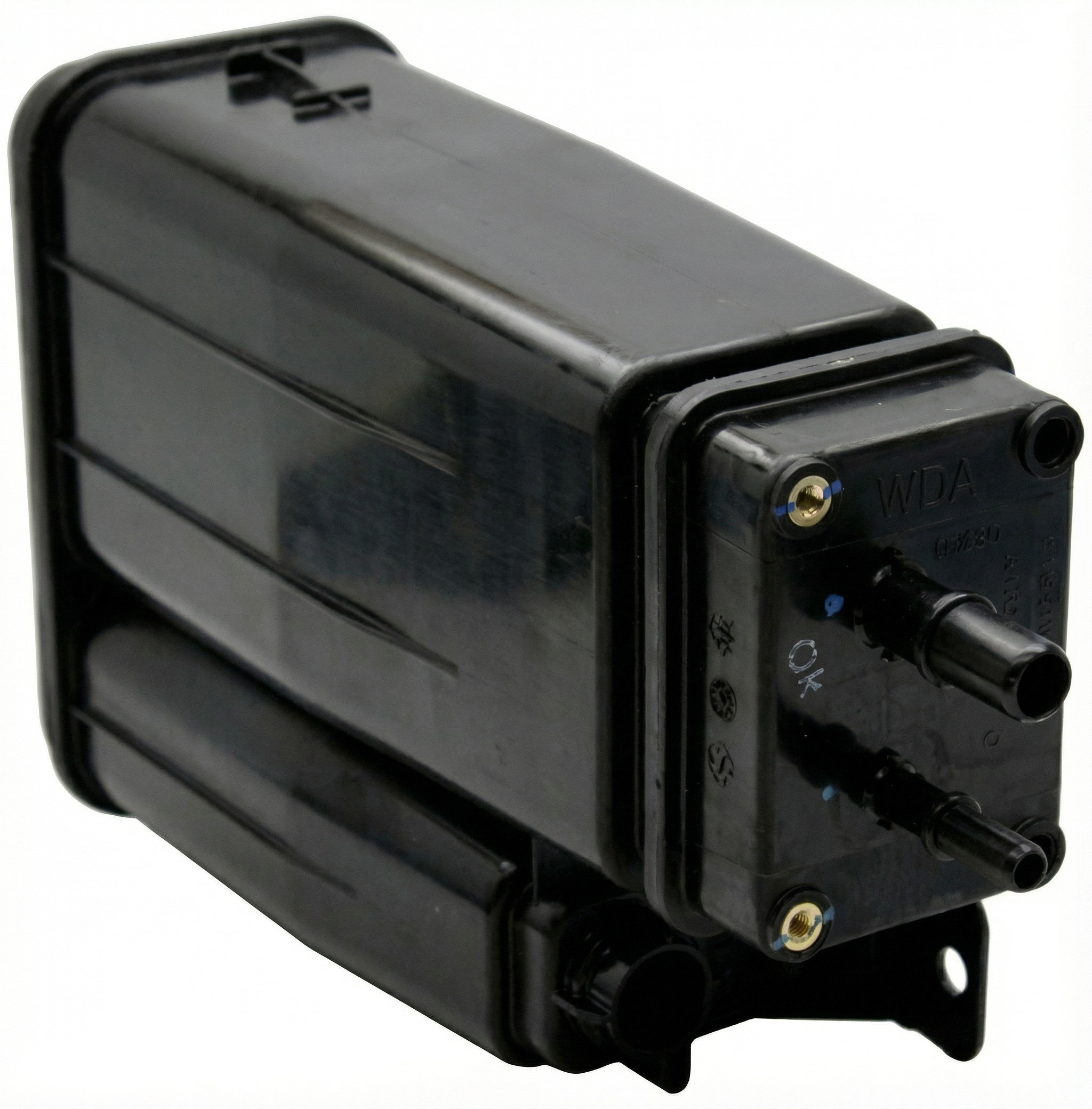
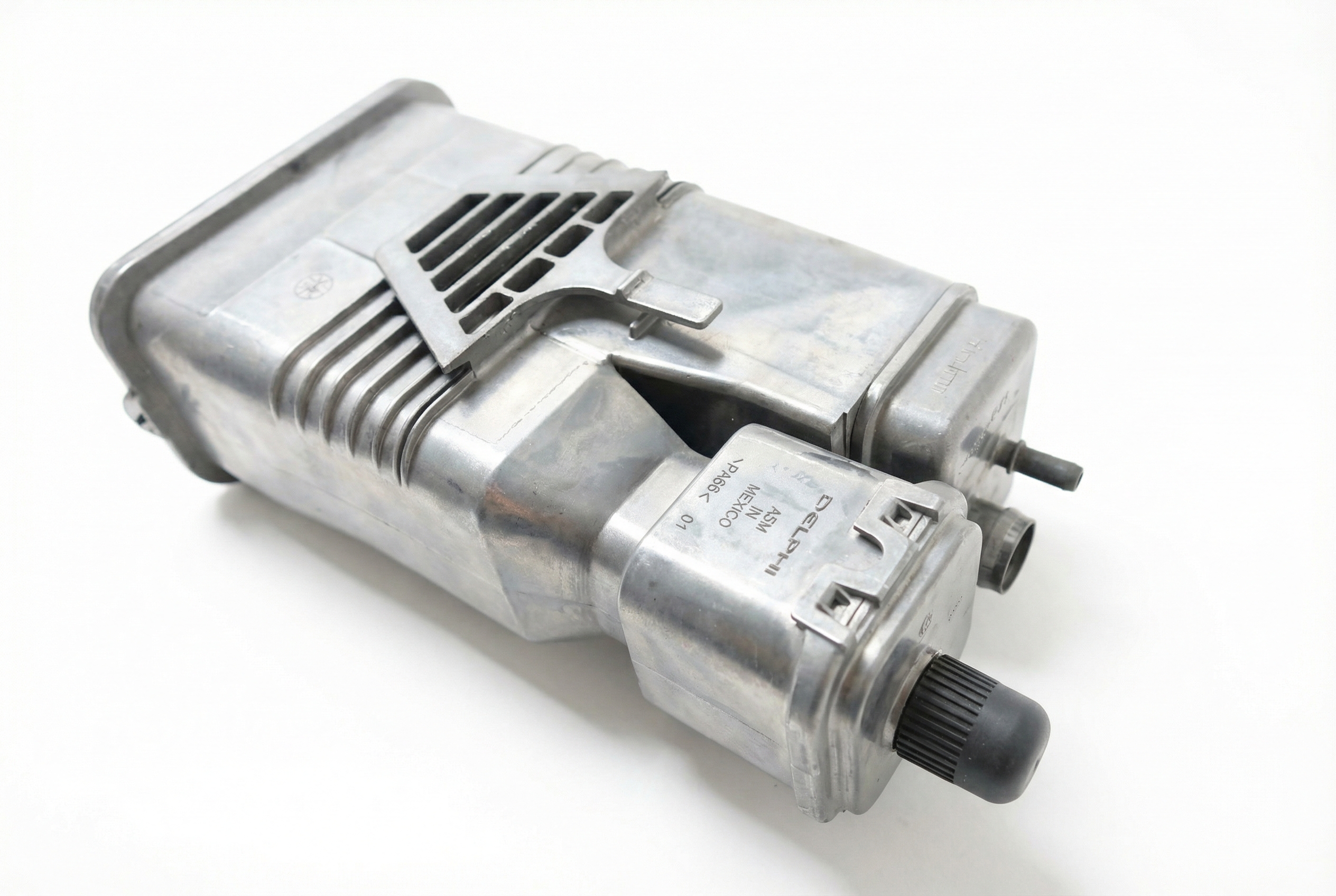
- Faulty Canister Close Valve (CCV) 🔴 High Probability → Shop Vapor Canister The valve is exposed to the elements under the vehicle and contains both mechanical (plunger) and electrical (solenoid) components that can fail over time from moisture, dirt, and age. The solenoid can burn out or the internal plunger can stick.
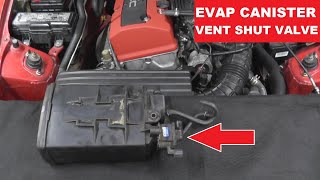
How to confirm: Locate the valve near the charcoal canister at the rear of the vehicle. Check for 12V power at the connector with the key on. A scan tool can be used to command the valve to close; a 'click' may be heard. The most definitive test is to remove the valve (typically held by two 10mm bolts 🎬 See this walkthrough on how to test and replace the valve.) and attempt to apply 12V directly to its pins to see if it actuates. You can also check for blockages by trying to blow through it (it should be open by default).
Typical fix: Replace the Canister Close Valve assembly.
Est. part cost: $60-$195 - Damaged Wiring or Corroded Connector 🟡 Medium Probability The valve and its connector are located underneath the vehicle, making them susceptible to road salt, water, and physical damage, which can lead to corrosion or breaks in the circuit. This is especially common in regions that use road salt during winter.
How to confirm: Visually inspect the wiring harness and connector leading to the Canister Close Valve for any signs of cracks, fraying, or green/white corrosion on the pins. Use a multimeter to check for continuity between the ECU and the valve connector and confirm power and ground signals.
Typical fix: Repair the broken wire(s) or clean/replace the connector.
Est. part cost: $5-$30 - Clogged EVAP Canister or Vent Hose ⚪ Low Probability → Shop Vapor Canister Insects (like spiders or mud daubers) can build nests in the vent hoses, or the charcoal canister itself can become saturated with fuel or break down internally, causing a blockage. This is more common on vehicles driven in dusty or rural environments.
How to confirm: Disconnect the hoses from the Canister Close Valve and charcoal canister and inspect for dirt, debris, or insect nests. If the canister is suspected, it may feel heavy or rattle with loose charcoal pellets. A smoke test can definitively identify a blockage.
Typical fix: Clean out the hoses with compressed air. If the charcoal canister is clogged or has failed internally, it must be replaced.
Est. part cost: $150-$250
Rare But Worth Checking
- Blown Fuse: The EVAP system components are on a fused circuit. While not a common point of failure, it's a quick and easy check that can save a lot of diagnostic time. On the Sorento, this is often the 'SENSOR 2' (10A) fuse in the engine bay fuse box.
- Faulty Powertrain Control Module (PCM): In very rare cases, the driver circuit within the PCM that controls the CCV can fail. This should only be considered after all other possibilities (valve, wiring, canister) have been exhaustively ruled out.
Diagnosis Steps
- Check for other codes. If other EVAP codes are present, they may provide additional clues.
- Inspect the gas cap to ensure it is tight, but do not replace it as a primary fix for this code.
- Locate the Canister Close Valve (CCV) at the rear of the vehicle, mounted to the charcoal canister near the spare tire.
- Visually inspect the CCV, its connector, and the attached wiring for any obvious damage, corrosion, or loose connections.
- Check the fuse for the EVAP system, typically labeled 'SENSOR 2' (10A), in the vehicle's engine compartment fuse box.
- With the ignition on (engine off), use a multimeter to confirm that 12-volt power is present at the CCV connector. One pin should have battery voltage, and the other is the control wire from the ECU.
- If power is present, the issue is likely the valve itself. If no power is present, the problem is in the wiring between the fuse box and the valve.
- Remove the valve for bench testing. It is typically held on by two 10mm or 12mm bolts. Apply 12V and ground to the pins; a healthy valve will make an audible click as it closes. Check the resistance across the valve's terminals; a typical reading should be between 20-50 ohms.
- Inspect the hoses connected to the valve and canister for any blockages or nests from insects.
- If all wiring and hoses are good, and the valve does not operate correctly when power is applied, replace the Canister Close Valve.
- If the valve and wiring test good, consider a smoke test to check for blockages in the charcoal canister itself.
Parts You'll Likely Need
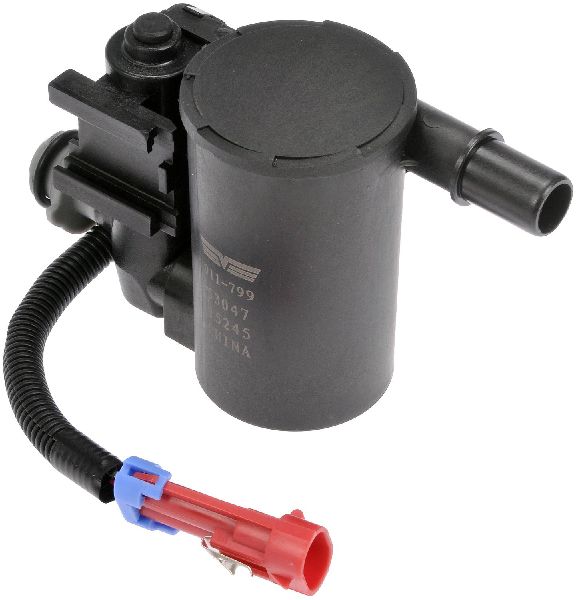
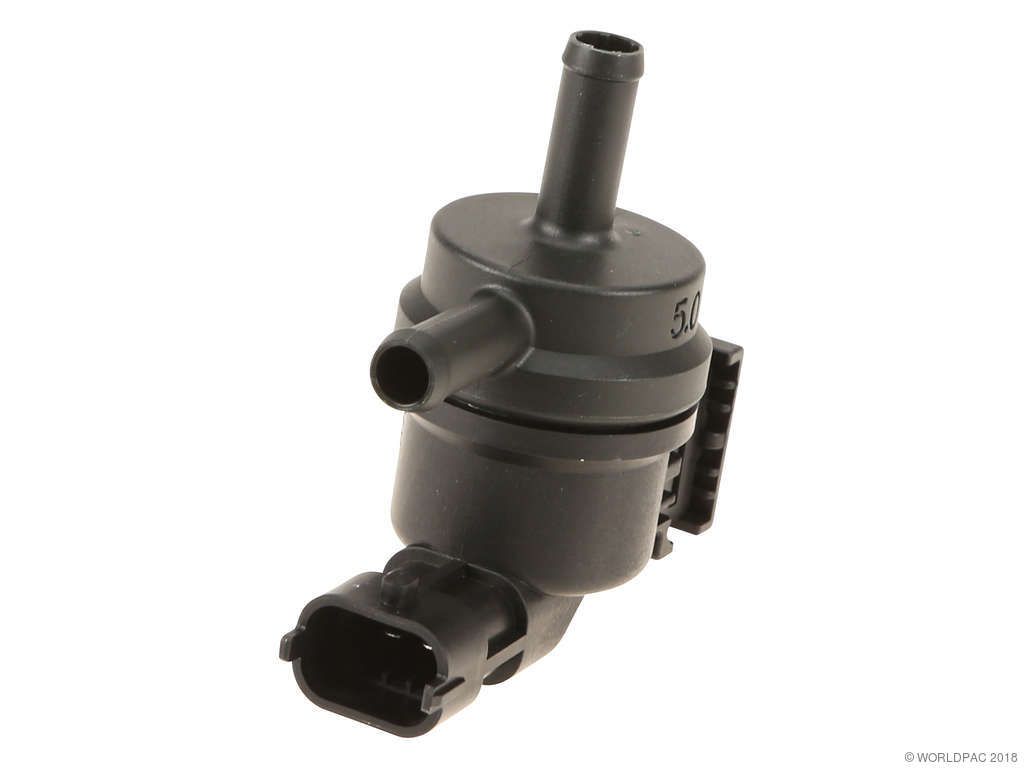
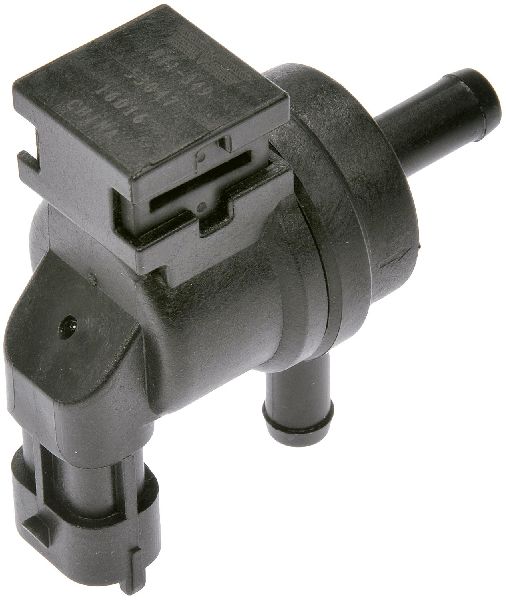
- Canister Close Valve
(OEM #31430-0W000)— This is the component the P0446 code directly monitors. It contains a solenoid that frequently fails, getting stuck or burning out. This part fits 2.4L, 3.3L, and 3.5L Sorento models.
Trusted brands: Kia (Genuine OEM), Dorman (e.g., 911-808), Standard Motor Products (SMP) (e.g., CVS88), Carquest
OEM price range: $185-$285
Aftermarket price range: $60-$100
Technical Service Bulletins (TSBs) & Recalls
- No Technical Service Bulletins (TSBs) directly addressing the P0446 code on the 2011-2015 Sorento have been issued by Kia. The issue is treated as a standard component failure.
Platform-Specific Known Issues
- Owners in the 'Salt Belt' (areas with heavy winter road salt usage) report a higher incidence of failure due to corrosion of the CCV electrical connector pins. It is critical to inspect the connector thoroughly before replacing the valve.
Mechanic-Grade Diagnostic Values
- Canister Close Valve (CCV) Solenoid Resistance — expected: 20 - 50 Ohms. Failure: A reading of infinite resistance (OL) indicates a burned-out, open coil. A reading of zero ohms indicates a short circuit.
- Canister Close Valve (CCV) Connector Voltage — expected: 12V (Battery Voltage) on one pin with Key On, Engine Off (KOEO). Failure: No voltage indicates a problem with the power supply, such as a blown fuse or broken wire.
Scan Tool Commands That Help
- Kia GDS (Global Diagnostic System): Actuation Test for EVAP Canister Vent Valve — This bidirectional command allows a technician to manually command the Canister Close Valve to open and close. It is used to verify if the valve is physically responding to the ECU's command. A technician can listen for an audible 'click' from the valve as it's commanded on and off, confirming the valve's solenoid is functional and the wiring from the ECU is intact.
- Advanced OBD-II Scanner (e.g., XTOOL): EVAP System Test / Active Test — Similar to the OEM tool, this function commands the vent valve closed to seal the system for a leak test. It can also be used to monitor the Fuel Tank Pressure (FTP) sensor's response to the valve's state change, which helps confirm proper operation without physically accessing the valve.
Wiring & Ground Locations
- SENSOR 2 Fuse (10A) — Located in the main fuse and relay box in the engine compartment.. This fuse provides the 12V power to the Canister Close Valve. If this fuse is blown, the valve will have no power and will trigger a P0446 circuit code.
- Canister Close Valve Connector — At the rear of the vehicle, plugged into the Canister Close Valve which is mounted on or near the charcoal canister.. This 2-pin connector is the direct electrical interface to the valve. One pin is for 12V power (from the SENSOR 2 fuse) and the other is the ground-side control wire from the PCM. All electrical tests (voltage, resistance) are performed here.
Real Owner Repair Stories
- Reddit user davisjustin91 on r/KiaSorento (2011 Kia Sorento) — EVAP leak codes and a gasoline smell after filling the tank.
❌ Tried (didn't work) The original poster had already replaced the gas cap, canister purge valve, and purge control solenoid valve without success.
✅ What actually fixed it The actual cause was a cracked plastic housing on the fuel pump assembly. This crack was allowing fuel vapors to escape, triggering the EVAP codes. Replacing the fuel pump (which included a new O-ring seal) resolved the leak and the codes.
Documented NHTSA Reports
- NHTSA ODI #10664478 — An owner reported an intermittent check engine light displaying error code P0446, noting that the light comes on and off as it pleases. While this report involves an earlier model year, it highlights the persistent nature of the circuit fault.
Model Year Variations Within This Range
- 2014-2015: The Kia Sorento received a major refresh for the 2014 model year, including a new chassis and a new 3.3L GDI V6 engine option. However, the EVAP system components, specifically the Canister Close Valve (part number 31430-0W000), appear to have remained the same across the entire 2011-2015 generation for all engine types.
Diagnostic Flowchart
Other Known Issues on This Vehicle
Issues unrelated to this code that are worth knowing about as an owner of this generation:
- Theta II Engine Failure 🔴 High — Widespread across 2011-2014 models with 2.4L GDI engines. Manufacturing debris could block oil passages, leading to connecting rod bearing failure and catastrophic engine seizure, often without warning. (Ref: Kia Safety Recall SC147 was issued to inspect and, if necessary, replace the engine block. A class-action lawsuit resulted in a lifetime warranty for the short block for affected vehicles that received a software update.)
- Failing Exterior Door Lock Actuators/Latches 🟠 Medium — Very common for doors to fail to open from the outside handle. The driver's door is often the first to fail. The cause is a small broken spring inside the latch assembly. (Ref: Kia issued TSB CS1603 and extended the warranty on the rear door latches for some 2011 models.)
- Headlight Bulbs Burn Out Prematurely 🟡 Low — Common complaint that low-beam headlight bulbs have a short lifespan. Some owners report the connector can melt.
- Peeling Paint 🟡 Low — Numerous owner complaints, particularly for white-painted Sorentos, where the paint peels off in large sheets, often starting on the roof and hood.
- Failing A/C Compressor Clutch 🟠 Medium — The clutch on the A/C compressor is known to seize or fail, which stops the A/C from working even if refrigerant levels are correct.
Used vs. New Parts: Buying Guide for This Vehicle
When a used part is the smart pick: A used part is generally NOT recommended for the Canister Close Valve. The failure mode is often an internal solenoid burnout or a mechanical plunger sticking, both of which are age and use-related. A used part from a junkyard carries a high risk of having the same issue or failing soon after installation.
Donor-vehicle mileage cap: roughly under 50000 miles for the part to have meaningful remaining life.
What to inspect on the donor part:
- Check for a clean, corrosion-free electrical connector.
- Inspect the plastic housing for any cracks or signs of heat stress.
- If possible, bench-test the part by applying 12V to the pins to ensure it clicks before purchasing.
Aftermarket brands forum-validated for this vehicle:
- Dorman (specifically part 911-808) is a widely available and commonly used aftermarket replacement with generally positive reviews for fit and function.
- Standard Motor Products (SMP)
Brands owners have reported issues with on this vehicle:
- No-name, unbranded parts from online marketplaces should be avoided, as their internal solenoid quality and long-term reliability are questionable.
Real Owner Stories
Aggregated from forums and TSBs cited above. Mileages and costs reflect what owners reported in those sources.
2011 Kia Sorento
Symptoms: Having issues starting after I get gas.
What fixed it: Replacing the purge control solenoid.
Cost: $80
Source hint: Reddit r/MechanicAdvice thread titled '$80 for Purge Control Solenoid? : r/MechanicAdvice'
2011-2015 Kia Sorento
Symptoms: P0446 code present; confusion over whether the issue was the purge valve or the vent control valve.
What fixed it: Confirmed the P0446 is for the Vent Control Circuit/Valve located at the rear, not the engine bay purge valve.
Source hint: Reddit r/KiaSorento
Related OBD-II Codes
Frequently Asked Questions
Is there a Kia TSB for P0446 on my 2011-2015 Sorento?
Where is the Canister Close Valve (CCV) located on my Sorento?
Which fuse should I check for the EVAP system on a 2011-2015 Sorento?
I live in a snowy area; does that affect my EVAP system?
Can I just replace the gas cap to fix P0446?
Is the P0446 code related to the purge valve in the engine bay?
Helpful Videos

Used OEM Parts in Stock
New Aftermarket Parts Available


The information in this article is provided for general reference and educational purposes only. Vehicle specifications, procedures, and part compatibility can vary by production date, trim level, and region. Always consult your vehicle's factory service manual and verify part numbers before purchasing or performing repairs. Safety-critical components such as airbags, seat belts, and braking systems should be installed by a qualified professional.
- Kia Sorento:
- 🧭 Diagnostic Flowchart
- 🎬 Helpful Videos
- 🛍️ Shop This Part
- What's Unique About the 2011-2015 Kia Sorento
- Symptoms You May Notice
- Most Likely Causes
- Rare But Worth Checking
- Diagnosis Steps
- Parts You'll Likely Need
- Technical Service Bulletins (TSBs) & Recalls
- Platform-Specific Known Issues
- Mechanic-Grade Diagnostic Values
- Scan Tool Commands That Help
- Wiring & Ground Locations
- Real Owner Repair Stories
- Documented NHTSA Reports
- Model Year Variations Within This Range
- Other Known Issues on This Vehicle
- Used vs. New Parts: Buying Guide for This Vehicle
- Real Owner Stories
- 2011 Kia Sorento
- 2011-2015 Kia Sorento
- Related OBD-II Codes
- Frequently Asked Questions
- 🎟️ Get 5% Off