

P0446 on 2011-2016 Kia Sportage: EVAP Vent Control Circuit Fixes
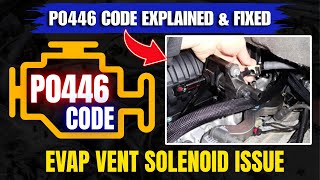
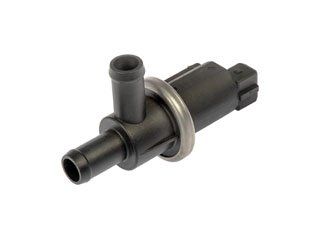
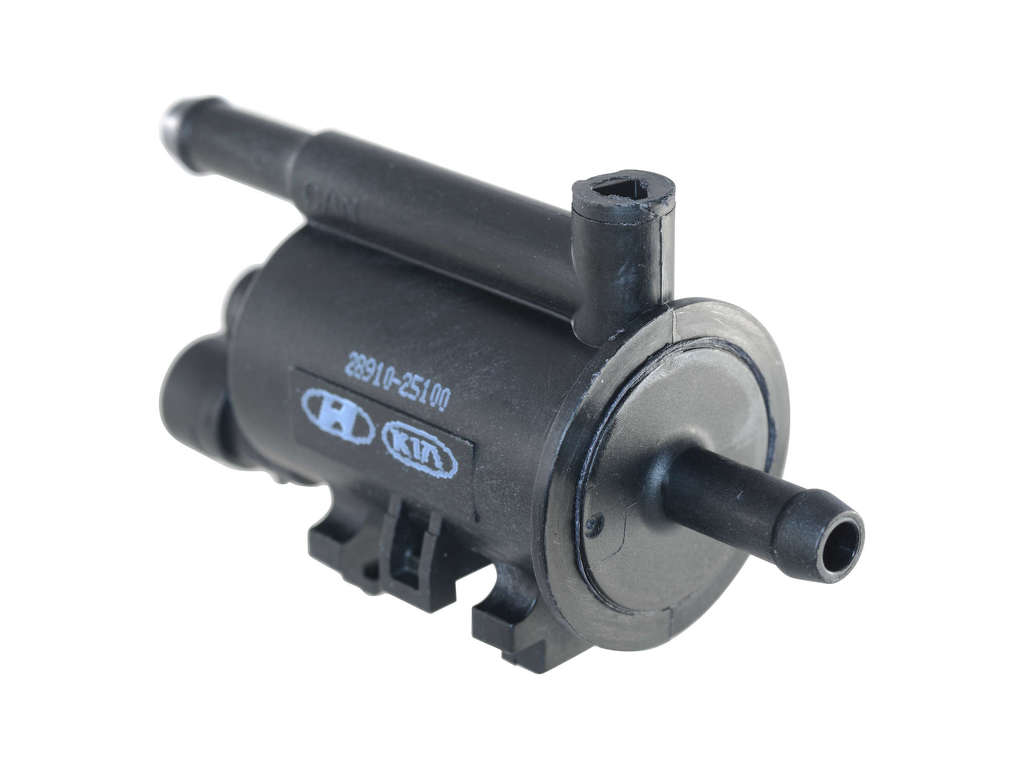
This code points to a problem with the EVAP system's vent control circuit. The most common fix is replacing the canister close valve (also called the vent solenoid), which is located near the charcoal canister at the rear of the vehicle. Expect to pay between $40 and $100 for the part. Before replacing, check for blocked vent hoses, a known issue on Kias.
- P0446 on your Sportage means there's an electrical problem with the EVAP system's vent valve, not necessarily a leak.
- The most likely culprit is a failed canister close valve (CCV), located near the charcoal canister at the back of the car.
- Before buying parts, inspect the valve's wiring and connector for corrosion or damage, and check the attached vent hoses for blockages from dirt or spider webs.
- This is a DIY-friendly repair for those comfortable working under their vehicle; the part is usually held by one or two bolts and has a single electrical connector.
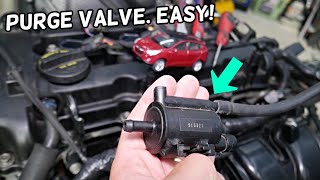
- Do not confuse the canister close valve (rear of car) with the purge valve (in the engine bay).
What's Unique About the 2011-2016 Kia Sportage
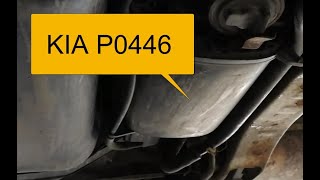
For the 2011-2016 Kia Sportage (SL generation), the P0446 code is a straightforward circuit malfunction code that almost always leads to the canister close valve (CCV) 🎬 Watch: How to diagnose and fix the P0446 code or its wiring. Unlike some vehicles where this code can be triggered by blockages or pressure sensor errors, on this specific Kia model, the diagnostic path is more direct. The CCV is typically mounted on or very near the charcoal canister at the rear of the vehicle, making it susceptible to road grime and moisture, which can lead to corrosion of the connector or failure of the valve itself. A notable issue for Kia vehicles is the potential for the EVAP vent hoses or the valve's air filter box to become clogged with debris or even spider webs, which can mimic a valve failure and should be inspected first.
Symptoms You May Notice
- Check Engine Light is on
- A slight smell of fuel near the rear of the vehicle (less common)
- Difficulty filling the fuel tank, with the pump shutting off prematurely (if the valve is stuck closed)
- Slight decrease in fuel efficiency (uncommon)
- Replacing the gas cap. While a bad gas cap can cause other EVAP codes (like P0455 or P0457 for large leaks), it does not cause a P0446 circuit code.
- Replacing the purge valve/solenoid. The purge valve is located in the engine bay and has its own set of codes (e.g., P0443). P0446 specifically points to the vent valve/circuit at the rear of the vehicle.
Most Likely Causes
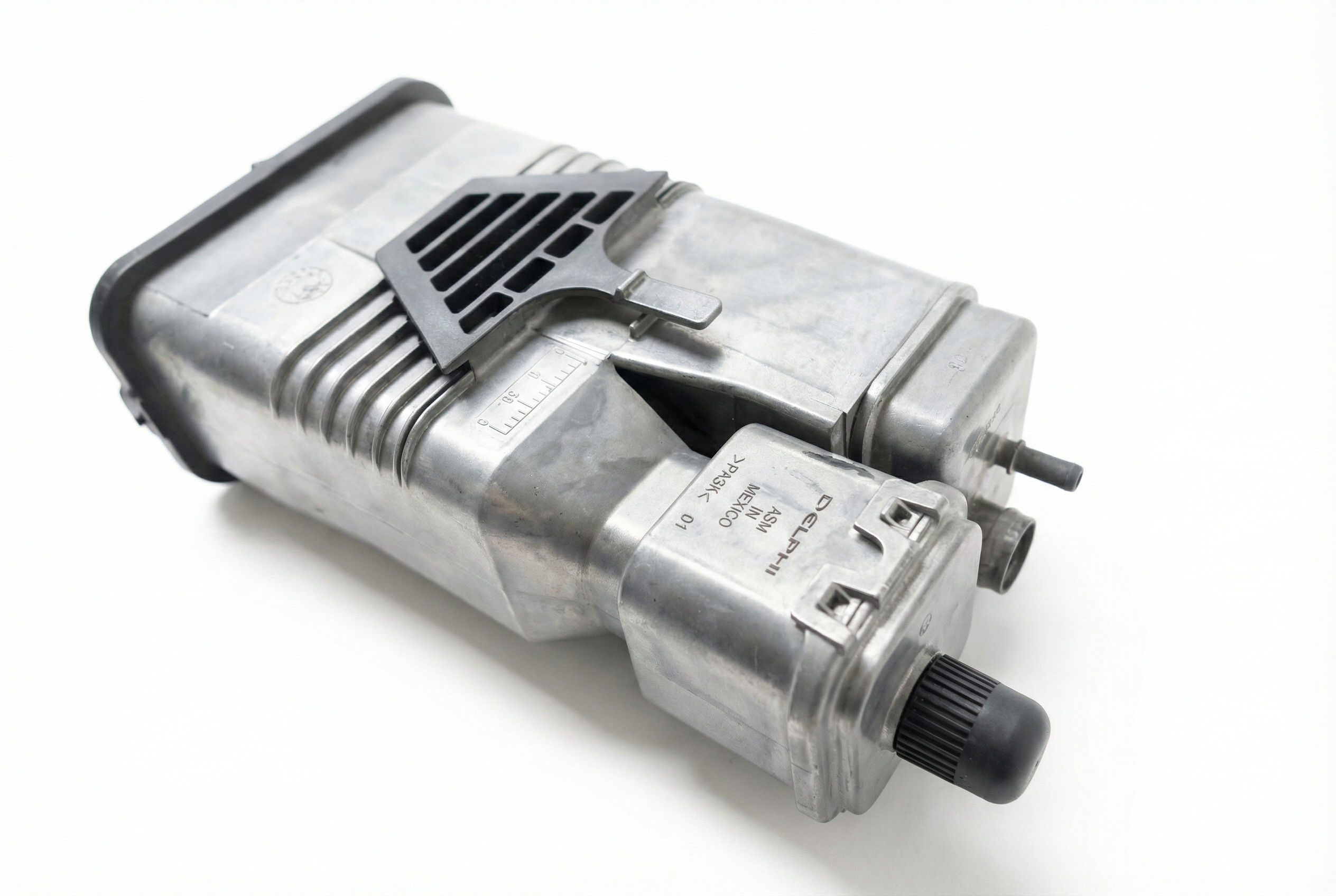
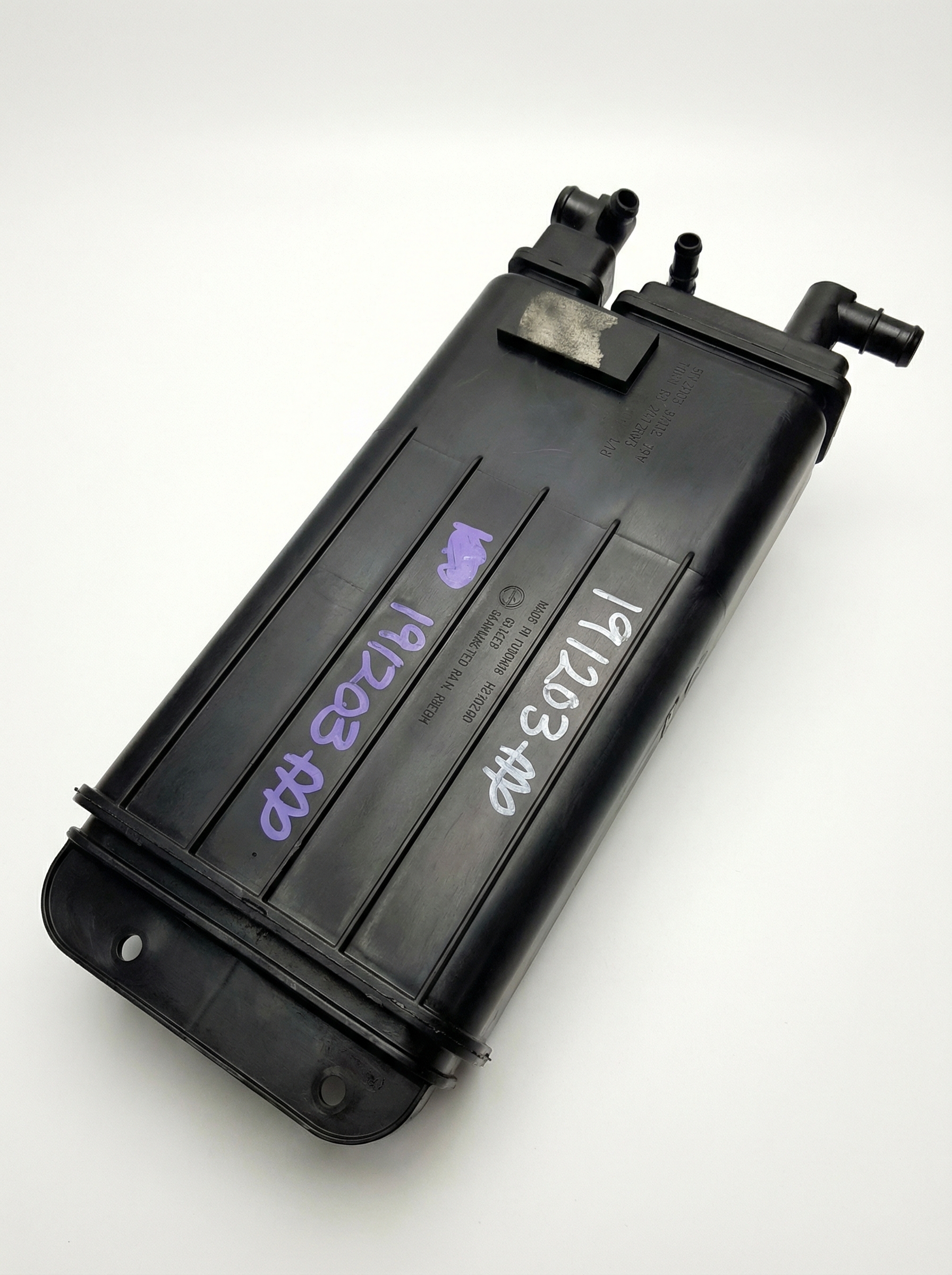
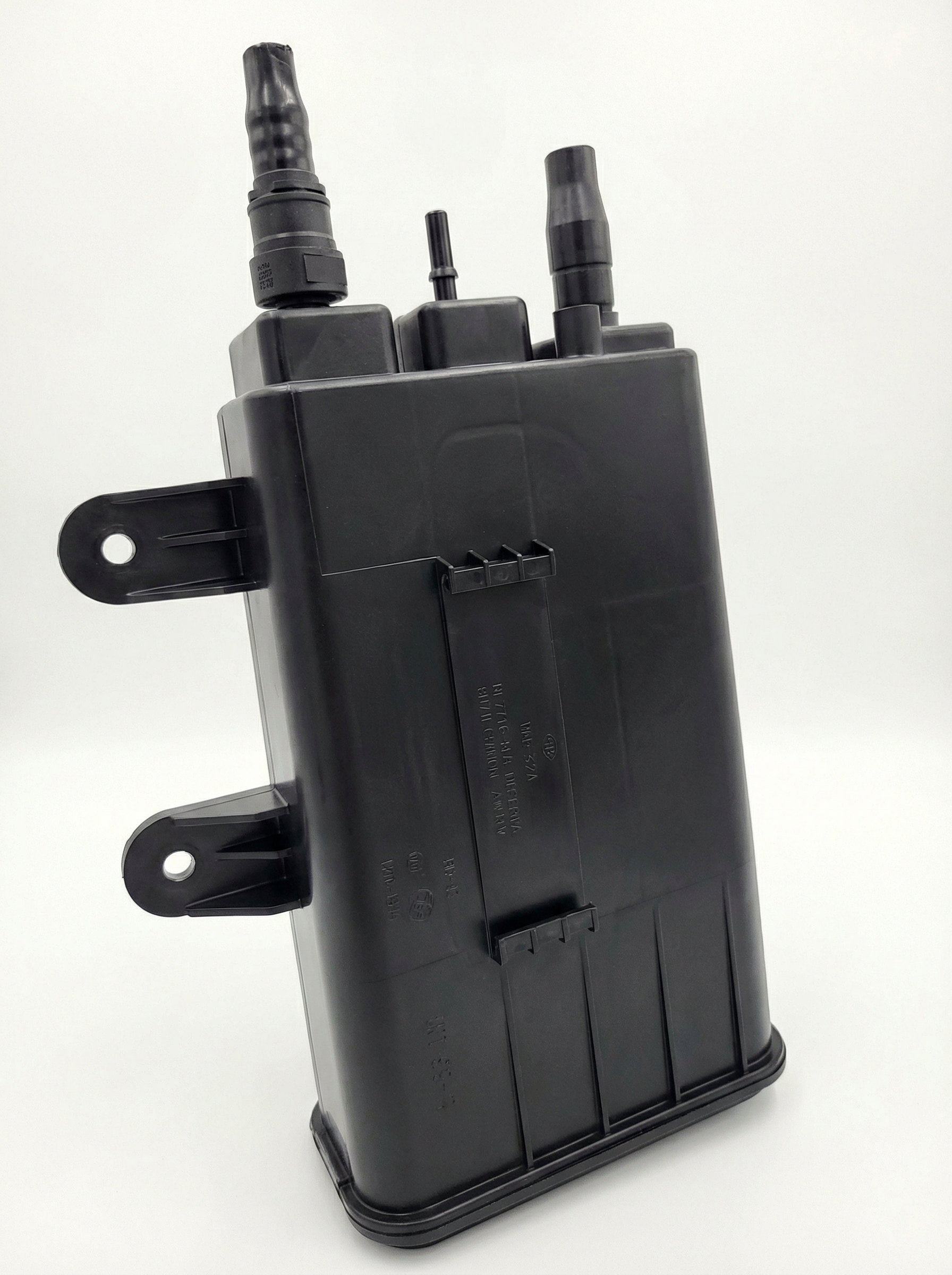
- Faulty Canister Close Valve (Vent Solenoid) 🔴 High Probability → Shop Vapor Canister The valve is located under the vehicle near the rear axle, exposing it to moisture, salt, and road debris, which can cause it to fail electrically or mechanically. It is a very common failure point for this code on Kia/Hyundai vehicles.
How to confirm: Use a bidirectional scan tool to command the valve to open and close; listen for an audible click. If there's no click, disconnect the connector and test for 12V power and ground. If power and ground are present but the valve doesn't operate when commanded (or when 12V is directly applied), it has failed.
Typical fix: Replace the canister close valve.
Est. part cost: $40-$100 - Damaged Wiring or Connector 🟡 Medium Probability The wiring harness leading to the canister close valve is routed under the car and can be damaged by road debris, corrosion, or improper repairs. Wires can break or corrode inside the insulation near the connector.
How to confirm: Visually inspect the wiring harness and connector for any signs of breaks, corrosion, or loose pins. Use a multimeter to check for continuity between the PCM and the valve connector. Check for 12V power on the power pin with the key on.
Typical fix: Repair the damaged section of the wiring harness or replace the connector pigtail.
Est. part cost: $10-$30 - Blocked EVAP Vent Hose or Filter 🟡 Medium Probability Kia has acknowledged that debris, dirt, and even spider webs can clog the fresh air intake hose or filter box for the EVAP system. This prevents air from entering when the vent valve opens, causing the system to fail its self-test and log a P0446 or related code.
How to confirm: Disconnect the vent hose from the canister close valve and inspect it and the attached filter box for any blockages. Attempt to blow air through the hose.
Typical fix: Clean out the hose and filter box. In some cases, a redesigned filter box kit may be available to prevent recurrence.
Est. part cost: $0-$25 - Blown Fuse ⚪ Low Probability A short circuit in the EVAP system can cause the corresponding fuse to blow.
How to confirm: Locate the fuse for the EVAP system in the vehicle's fuse box (check the owner's manual for location) and visually inspect it or test with a multimeter.
Typical fix: Replace the blown fuse. If the new fuse blows immediately, it indicates a persistent short circuit that must be diagnosed and repaired.
Est. part cost: $1-$5
Rare But Worth Checking
- Faulty Powertrain Control Module (PCM): This is extremely rare and should only be considered after all other possibilities (valve, wiring, fuses, blockages) have been exhaustively ruled out. A faulty PCM driver circuit can fail to provide power or ground to the valve.
- Clogged Charcoal Canister: → Shop Vapor Canister While a clogged canister can trigger P0446, it's less common than the valve itself failing. This can happen if the fuel tank is repeatedly overfilled, forcing raw fuel into the canister and saturating the charcoal pellets.
Diagnosis Steps
- Confirm the P0446 code is present using an OBD-II scanner.
- Locate the canister close valve (CCV) and the charcoal canister. On the Sportage, this is typically at the rear of the vehicle, near the spare tire well or rear axle, often behind the driver's side rear wheel.
- Visually inspect the CCV, its connector, and the wiring harness for any obvious signs of damage, corrosion, or loose connections.
- Inspect the vent hoses connected to the CCV and charcoal canister. Disconnect them and check for any blockages like dirt, debris, or spider webs, which is a known issue.
- Check the fuse for the EVAP system in the vehicle's fuse panel. Replace if blown.
- If you have a capable bidirectional scan tool, command the vent valve to cycle on and off. Listen for a distinct clicking sound from the valve. No sound suggests a problem with the valve or its circuit.
- If the valve does not click, disconnect the electrical connector. Use a multimeter to check for battery voltage (approx. 12V) on the power wire with the key on.
- If power is present, check the ground side. If the valve is not being commanded, you may need to trace the wiring back towards the PCM to find the break or short in the circuit.
- If power and ground are present at the connector but the valve does not operate, the canister close valve is faulty and needs to be replaced. You can confirm this by applying 12V directly to the valve's pins and listening for a click.
Parts You'll Likely Need
- Canister Close Valve
(OEM #31453-3K500)— This is the solenoid that the P0446 code directly monitors. It is the most common failure point for this specific code.
Trusted brands: Kia (Genuine), Hyundai (Genuine), Dorman (911-808), Standard Motor Products (CVS148)
OEM price range: $60-$90
Aftermarket price range: $40-$70
Related Codes That Often Appear With This One
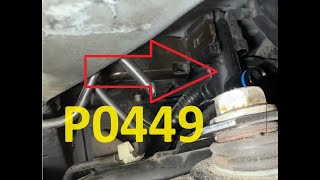
- P0449: EVAP Vent Valve/Solenoid Circuit Malfunction - This is a very similar code and often points to the same failure of the canister close valve. 🎬 Watch this walkthrough for fixing related vent valve circuit malfunctions
- P2422: EVAP System Vent Valve Stuck Closed - This code can be caused by a mechanically failed CCV or a complete blockage of the vent hose.
Technical Service Bulletins (TSBs) & Recalls
- NHTSA ID 10193902 (GM): While not a Kia TSB, this document for a similar P0446 issue on GM vehicles details how dirt and dust intrusion can cause the code, leading to a redesigned vent solenoid kit with a remote filter box. This corroborates the cause of environmental contamination.
- Kia TSB ENG162R1: This TSB for other Kia models (Soul, Rio, Forte) addresses P0449/P0451 caused by water contamination in the CCV, requiring replacement of the Air Drain Case. While not directly for the Sportage or P0446, it highlights the vulnerability of the vent system to environmental factors.
- Kia TSB PS532: For 2017-2018 Sportage models with a similar P0449 code, this bulletin advises technicians to inspect for flow restrictions, specifically spider nests, in the EVAP ventilation system from the filler neck to the canister if the valve and circuit test good.
Platform-Specific Known Issues
- Spider Web Blockage: A known issue across several Kia models is for spiders to build nests inside the EVAP canister's fresh air vent hose, causing a blockage that can trigger P0446 or P0449. Always inspect the hoses before replacing parts. A Kia TSB addresses a similar issue on other models.
- Owner Experience on Kia-Forums.com: A user with a 2012 Sportage reported resolving a P0446 code by replacing the canister close valve (part number 31453-3K500). They noted the valve was located behind the driver's side rear wheel and was a relatively simple replacement involving two bolts and one electrical connector.
Mechanic-Grade Diagnostic Values
- Canister Close Valve (Vent Solenoid) Coil Resistance — expected: 20–40 ohms. Failure: An infinite ohm reading indicates an open circuit, while a reading near zero ohms indicates a short circuit. Either requires valve replacement.
- Voltage at Canister Close Valve Connector (Power Pin) — expected: ~12V (Battery Voltage) with Key On, Engine Off. Failure: No voltage suggests a blown fuse or a break in the power supply wire from the relay or PCM.
Scan Tool Commands That Help
- Professional OBD-II Scan Tool (e.g., Kia GDS, Autel, XTOOL): EVAP Vent Valve On/Off Command (or similar functional test) — This bidirectional command is used to manually cycle the canister close valve. The technician should listen for an audible 'click' from the valve each time it is commanded on or off. A lack of a click, despite having power and ground, confirms a failed valve.
Wiring & Ground Locations
- Canister Close Valve (CCV) Connector — On the Canister Close Valve itself, which is located under the rear of the vehicle, typically mounted on or near the charcoal canister assembly behind the driver's side rear wheel.. This 2-pin connector is the primary point for all electrical diagnosis of the P0446 code. One pin is the ~12V power supply (with key on), and the other is the ground-side control wire switched by the PCM. All voltage and resistance tests are performed here.
OEM Part Supersession History
31453-3K700→31453-3K500— Part number consolidation and update by the manufacturer.
Heads up: Some parts catalogs show 31453-3K500 replaces 31453-3K700, while others show the reverse. Both part numbers appear to be widely used and compatible for this application, but it is critical to verify fitment with the vehicle's VIN before purchasing.
Diagnostic Flowchart
Other Known Issues on This Vehicle
Issues unrelated to this code that are worth knowing about as an owner of this generation:
- Theta II Engine Failure 🔴 High — Widespread across 2011-2019 models with 2.0L & 2.4L GDI engines. Failure can occur at various mileages, often before 100,000 miles. (Ref: Multiple recalls (e.g., NHTSA 17V-224) and a class-action lawsuit settlement led to a lifetime warranty extension for the engine short block for qualifying connecting rod bearing failures.)
- Airbag Control Unit (ACU) Malfunction 🔴 High — Common enough to trigger a major recall. The issue could prevent airbags and seatbelt pretensioners from deploying in a crash. (Ref: NHTSA Recall on 2011-2013 models for a potential electrical short in the ACU.)
- ABS Module Fire Risk 🔴 High — Affects 2010-2013 Sportage models. An internal leak in the ABS module can cause an electrical short, leading to a fire risk even when the car is parked. (Ref: NHTSA Recall 23V-652000. Owners are advised to park outside and away from structures until the recall repair is performed.)
- Panoramic Sunroof Failure or Noise 🟠 Medium — Common complaint. Issues range from creaking/rattling noises to the motor failing or the glass shattering spontaneously. (Ref: TSB BOD306 exists for later model years (2017-2022) addressing noise from dust/dirt intrusion, but the issue is widely reported on the SL generation as well.)
- Excessive Oil Consumption 🟠 Medium — Frequently reported on models with the 2.4L GDI engine, can be a precursor to catastrophic engine failure. (Ref: Often addressed as part of the broader Theta II engine class-action settlement and warranty extension.)
Used vs. New Parts: Buying Guide for This Vehicle
When a used part is the smart pick: For the Canister Close Valve (CCV), a used part from a low-mileage donor vehicle can be a cost-effective option, as it is a simple solenoid that either works or doesn't. It is not a high-wear item, but its failure is often due to environmental exposure (corrosion, dirt).
Donor-vehicle mileage cap: roughly under 80000 miles for the part to have meaningful remaining life.
What to inspect on the donor part:
- Inspect the electrical connector pins for any signs of green or white corrosion.
- Check the plastic housing for cracks or heat damage.
- Ensure the hose ports are clear of debris and not broken.
- If possible, test the part by applying 12V to the pins to confirm it clicks before purchasing.
OEM-only on this vehicle (don't cheap out):
- Powertrain Control Module (PCM) - Due to programming requirements, a used PCM is rarely a plug-and-play solution and should be avoided.
Aftermarket brands forum-validated for this vehicle:
- Dorman
- Standard Motor Products (SMP)
- Wells
Real Owner Stories
Aggregated from forums and TSBs cited above. Mileages and costs reflect what owners reported in those sources.
2012 Kia Sportage
Symptoms: Check Engine Light with code P0446.
What fixed it: Replaced the canister close valve (part number 31453-3K500). The owner noted it was a simple replacement involving two bolts and one electrical connector located behind the driver's side rear wheel.
Source hint: Kia-Forums.com thread titled 'P0446 code on 2012 sportage'
Kia Sorento (Cross-Model Reference)
Symptoms: Intermittent check engine light displaying error code P0446.
What fixed it: An owner reported in NHTSA ODI #10664478 that the light comes on and off as it pleases and noted the existence of a manufacturer service bulletin for this particular problem.
Related OBD-II Codes
Frequently Asked Questions
Where is the canister close valve located on my 2011-2016 Kia Sportage?
Is there a specific part number I should look for to fix the P0446 code?
Could a spider nest really be causing my Check Engine Light?
Does the engine failure recall (NHTSA 17V-224) cover my P0446 EVAP issue?
Why is my Sportage prone to this specific vent valve failure?
Is there a TSB for water contamination in the vent system?
Helpful Videos

Used OEM Parts in Stock
New Aftermarket Parts Available


The information in this article is provided for general reference and educational purposes only. Vehicle specifications, procedures, and part compatibility can vary by production date, trim level, and region. Always consult your vehicle's factory service manual and verify part numbers before purchasing or performing repairs. Safety-critical components such as airbags, seat belts, and braking systems should be installed by a qualified professional.
- Kia Sportage:
- 🧭 Diagnostic Flowchart
- 🎬 Helpful Videos
- 🛍️ Shop This Part
- What's Unique About the 2011-2016 Kia Sportage
- Symptoms You May Notice
- Most Likely Causes
- Rare But Worth Checking
- Diagnosis Steps
- Parts You'll Likely Need
- Related Codes That Often Appear With This One
- Technical Service Bulletins (TSBs) & Recalls
- Platform-Specific Known Issues
- Mechanic-Grade Diagnostic Values
- Scan Tool Commands That Help
- Wiring & Ground Locations
- OEM Part Supersession History
- Other Known Issues on This Vehicle
- Used vs. New Parts: Buying Guide for This Vehicle
- Real Owner Stories
- 2012 Kia Sportage
- Kia Sorento (Cross-Model Reference)
- Related OBD-II Codes
- Frequently Asked Questions
- 🎟️ Get 5% Off