

P0446 on 2009-2013 Mazda 3: EVAP Vent Control Circuit Causes and Fixes
For a 2009-2013 Mazda 3, code P0446 is most often caused by a faulty EVAP canister vent solenoid or damaged wiring to it. Expect to pay $40-$90 for a new solenoid, but check for broken wires first, as this is a known issue. The solenoid is located above the rear subframe and can be difficult to access.
- P0446 on your Mazda 3 is a circuit or blockage code for the EVAP vent valve, not a general EVAP leak.
- Before buying any parts, carefully inspect the wiring harness leading to the vent solenoid for breaks or corrosion, as this is a common point of failure.
- The most likely symptom, besides the Check Engine Light, is the fuel pump nozzle shutting off repeatedly when you try to fill your gas tank.
- The vent solenoid is located above the rear subframe and can be difficult to access, so plan for extra time if performing a DIY repair.
- Check for insect/spider nests in the vent hoses, as this is a known, though less frequent, cause of the code.
What's Unique About the 2009-2013 Mazda 3
On this generation of Mazda 3, while the vent solenoid itself can fail, the vehicle is known for having issues with the wiring harness leading to the solenoid. The harness is routed in an exposed location above the rear subframe, making it susceptible to damage from road debris, moisture, and corrosion, which can lead to an open or short in the ground control wire. 🎬 Watch: A detailed breakdown of the P0446 circuit and wiring. Additionally, the vent solenoid is located in a difficult-to-access spot above the rear subframe, which can complicate diagnosis and replacement significantly. Rodent damage to the wiring in this area has also been reported.
Symptoms You May Notice
- Check Engine Light is on.
- Difficulty refueling (the gas pump nozzle clicks off repeatedly before the tank is full).
- A noticeable fuel smell around the car (less common, more likely if the valve is stuck open).
- Rough idle or poor engine performance (rare).
- Replacing the gas cap. While a loose gas cap can cause other EVAP codes (like P0455 or P0457 for large leaks), it does not typically cause a P0446 circuit/blockage code.
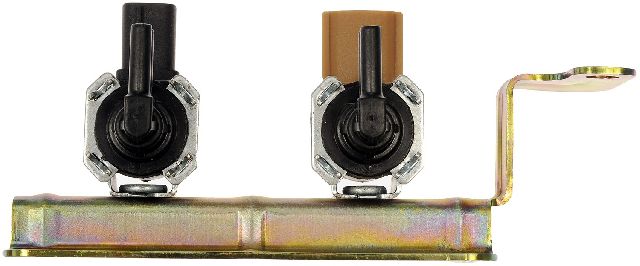
- Replacing the purge valve. The P0446 code is specific to the vent control circuit at the rear of the car by the canister, not the purge valve (e.g., part L518-18-741) located in the engine bay.
Most Likely Causes
- Damaged EVAP Vent Solenoid Wiring or Connector 🔴 High Probability → Shop Vapor Canister The wiring harness leading to the vent solenoid is routed above the rear subframe where it is susceptible to damage from road debris, moisture, or corrosion, causing an open or short in the circuit, particularly the ground wire controlled by the PCM.
How to confirm: Visually inspect the entire length of the wiring harness leading to the vent solenoid for breaks, corrosion, or even rodent chew marks. Use a multimeter to check for 12V power at the connector with the key on. Then, with a scan tool commanding the valve closed, check for a ground signal from the PCM on the other wire. A lack of ground points to a wiring issue or a bad PCM driver.
Typical fix: Repair the damaged section of the wire or replace the connector pigtail. In a Reddit thread, a user reported their mechanic resolved the code by running a new control wire.
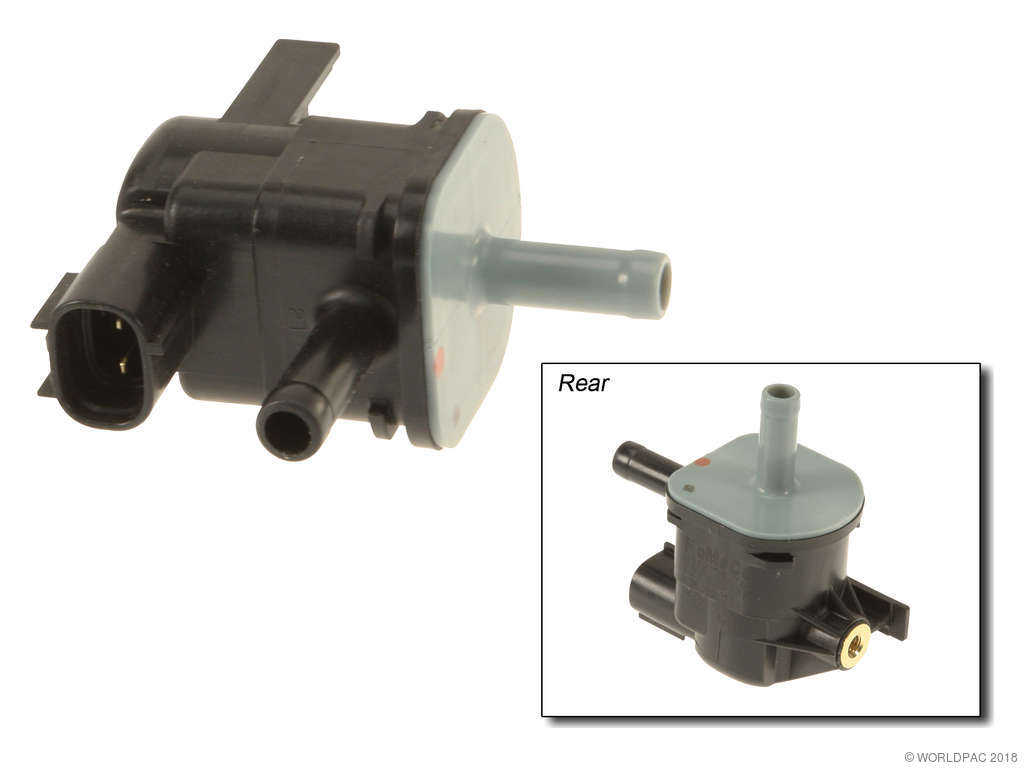
Est. part cost: $10-$30 - Faulty EVAP Canister Vent Solenoid 🔴 High Probability → Shop Vapor Canister The solenoid can fail electrically (internal short/open) or become mechanically stuck open or closed over time due to age or contamination.
How to confirm: With a scan tool, command the vent solenoid to open and close; listen for an audible click. If it doesn't respond, test the solenoid directly by applying 12V and ground to its pins. If it still doesn't actuate, it has failed. The valve should be open by default (air passes through) and closed when 12V is applied.
Typical fix: Replace the EVAP canister vent solenoid. OEM part numbers include GS3L-42-7X0B and LF3T-18-741. Aftermarket options like Dorman 911-717 are also available. 🎬 See this walkthrough on diagnosing and replacing the vent solenoid.
Est. part cost: $40-$135 - Blocked EVAP Vent Hose or Filter 🟡 Medium Probability Insects, particularly spiders, are known to build nests and egg sacs inside the vent hoses and filter boxes of EVAP systems, causing a restriction that triggers P0446. Road debris or mud can also cause a clog.
How to confirm: Disconnect the vent hose from the solenoid and canister and attempt to blow low-pressure compressed air through it. If air does not pass freely, it is blocked. Visually inspect the vent port/filter for spider webs or debris.
Typical fix: Clear the blockage from the hose or replace the hose if necessary.
Est. part cost: $0-$25
Rare But Worth Checking
- Failed Charcoal Canister: → Shop Vapor Canister This can happen if the canister becomes saturated with fuel (often from overfilling the gas tank) or if the internal charcoal pellets break down and clog the passages. This is usually accompanied by other EVAP codes and is a less likely cause for P0446 alone.
- Faulty Powertrain Control Module (PCM): This is extremely rare. The PCM driver that provides the ground signal to the vent solenoid circuit can fail. All other possibilities, especially wiring and the solenoid itself, must be exhaustively ruled out before considering the PCM.
Diagnosis Steps
- Read the code with an OBD-II scanner to confirm P0446 is the primary code.
- Locate the EVAP canister and vent solenoid, which are mounted above the rear subframe, to the driver's side of the fuel tank.
- Thoroughly inspect the wiring harness and connector for the vent solenoid. Look for any visible signs of breaks, chafing, corrosion, or loose pins. This is a very common failure point.
- With the ignition key in the 'ON' position, use a multimeter to verify that 12-volt power is present at one of the pins on the solenoid connector.
- Use a capable scan tool to command the vent solenoid to close (actuate). While commanded closed, check the other pin at the connector for a ground signal being sent from the PCM. If 12V is present but the ground signal is not, the problem is likely the wiring between the solenoid and the PCM, or the PCM itself. 🎬 Watch: How to troubleshoot and fix an EVAP circuit malfunction.
- If wiring seems okay, remove the solenoid. Try to blow through it; it should be open by default. Apply 12 volts and a ground to the solenoid's pins; it should click audibly and close, preventing air from passing through. If it fails this test, the solenoid is bad.
- While the solenoid and hoses are removed, inspect the vent hose and the port on the canister for any blockages from debris or insect nests.
- If the solenoid and wiring are confirmed to be good, the issue could be a blockage within the charcoal canister itself, though this is less common for a solitary P0446 code.
Parts You'll Likely Need
- Vapor Canister Vent Solenoid
(OEM #GS3L-42-7X0B, LF3T-18-741)— This is the most common part to fail, either electrically or mechanically (sticking), causing the P0446 code.
Trusted brands: Mazda (OEM), Dorman (911-717), Standard Motor Products (CVS160), Carquest Premium (CPA1446)
OEM price range: $95-$140
Aftermarket price range: $40-$90 - Vent Solenoid Connector Pigtail — If the connector itself is corroded or the wires are broken right at the connector, replacing the pigtail is the most reliable repair.
Trusted brands: Dorman, Carquest Premium (PTA3106)
OEM price range: $20-$40
Aftermarket price range: $15-$30
Platform-Specific Known Issues
- A known issue on this platform is damage to the wiring harness for the vent solenoid, which can mimic a failed solenoid. Always inspect the wiring thoroughly before replacing parts.
- A user on a Reddit forum for Mazda CX-5s with the same code reported the fix was a new 'control wire' that had to be run, corroborating the wiring harness failure pattern.
- Accessing the vent solenoid requires lowering the rear subframe or carefully working in a very tight space, which increases labor time and difficulty compared to other vehicles.
Scan Tool Commands That Help
- Mazda IDS (or equivalent like FORScan): Datalogger > Canister Vent Valve Command — This bidirectional control allows a technician to manually command the vent solenoid closed (ON) or open (OFF) to test its mechanical function (listening for a click) and to seal the system for further pressure or smoke testing.
- Mazda IDS (or equivalent like FORScan): Datalogger > Vapor Management Valve (Purge Valve) Command — Used in conjunction with the vent valve command to perform a full system function test. It can be commanded open to check for vapor flow or commanded closed to isolate parts of the system during a leak test.
- Advanced OBD-II Scanner: Monitor Fuel Tank Pressure (FTP) PID — After commanding the purge valve OFF and the vent valve ON (closed), monitor the FTP sensor reading. If the pressure/vacuum begins to drop, it indicates the purge valve in the engine bay is leaking, even though it's commanded closed. This helps differentiate a purge valve leak from a vent valve issue.
Wiring & Ground Locations
- EVAP Canister Vent Solenoid Connector — At the vent solenoid, located above the rear subframe near the charcoal canister.. The P0446 code is a circuit code. One pin on the connector should have 12V+ with the key on. The other pin is the control wire, which the PCM provides a ground to when it wants to close the valve. A break in this ground wire is a common cause of P0446 on this vehicle.
Real Owner Repair Stories
- YouTube video by Serhii Chernetskyi (2009-2013 Mazda 3) — Check Engine Light with code P0446.
❌ Tried (didn't work) A smoke test showed a leak from the vent solenoid, which could be misdiagnosed as a faulty solenoid., Commanding the solenoid with a scan tool produced no response.
✅ What actually fixed it Testing the connector revealed 12V power was present, but the ground signal from the PCM was not. A visual inspection of the harness above the subframe revealed damaged wiring. Repairing the broken ground wire in the harness resolved the code. - YouTube video by channel 'pwnsall' (2011 Mazda 3) — Check Engine Light (codes not specified, but repair is for the vent solenoid).
✅ What actually fixed it The owner replaced the EVAP canister vent solenoid (Dorman part 911-711 shown). The repair required removing six subframe bolts and two lower shock bolts to lower the rear subframe by about 3 inches for access. After installing the new solenoid, a smoke test was performed with the valve commanded closed by a scanner to confirm the system sealed properly. - NHTSA ODI #11010363 (Mazda 3) — An owner reported that their vehicle continually showed EVAP DTCs including P0443 and P0446, as well as fuel mixture issues (too rich or too lean) and O2 sensor codes, despite having replaced both O2 sensors.
"I Checked Everything" — The Actual Cause
- A common diagnostic trap for P0446 on this vehicle is misinterpreting smoke test results. Because the vent solenoid is normally open, if there is an electrical fault (like a broken ground wire) preventing the PCM from closing it, a smoke test will show smoke billowing out of the vent valve. A technician might incorrectly conclude the valve itself has failed mechanically and is stuck open. The actual cause is the electrical circuit's inability to command it closed, making a wiring check (verifying power and ground signal) essential before replacing the part.
OEM Part Supersession History
GS3L-42-250→GY3L-42-250B— Part has been updated multiple times by the manufacturer.
Heads up: This is for the fuel filler cap, which is a common misdiagnosis for P0446 but can cause other EVAP codes. The supersession trail is GS3L-42-250 -> GS3L-42-250A -> GS3L-42-250B -> TD11-42-250A -> TD11-42-250B.
Diagnostic Flowchart
Used vs. New Parts: Buying Guide for This Vehicle
When a used part is the smart pick: A used OEM vent solenoid from a reputable salvage yard can be a smart choice. The labor to access this part is significant, so using a genuine OEM part (even used) may offer more reliability than a new, unproven aftermarket brand. Given the high failure rate of the wiring, the solenoid itself is often not the problem.
Donor-vehicle mileage cap: roughly under 80000 miles for the part to have meaningful remaining life.
What to inspect on the donor part:
- Inspect the donor vehicle's location; prefer cars from dry, salt-free climates to minimize corrosion.
- Check the electrical connector pins on the used solenoid for any signs of corrosion or damage.
- If possible, test the used solenoid by applying 12V power and ground to its pins to ensure it clicks and actuates before purchase or installation.
OEM-only on this vehicle (don't cheap out):
- Powertrain Control Module (PCM) - In the extremely rare event of a failed driver circuit, a used PCM is not recommended due to programming and security system compatibility issues.
Aftermarket brands forum-validated for this vehicle:
- Dorman (specifically part 911-717)
- Standard Motor Products (SMP)
Real Owner Stories
Aggregated from forums and TSBs cited above. Mileages and costs reflect what owners reported in those sources.
2011 Mazda 3 — 120000 miles
Symptoms: Check Engine Light with P0446 code.
What fixed it: Replaced the entire gas tank and fuel filler neck.
Source hint: reddit.com - Purchasing a 2011 Mazda 3 w/P0446 code.
Mazda 3
Symptoms: P0446 code and hard starting issues when the engine is cold.
What fixed it: Replaced the purge valve solenoid with an OEM part.
Cost: $100
Source hint: jmarwitz.com blog - Mazda 3 - Purge Valve Solenoid Replacement
Mazda CX-5
Symptoms: Check Engine Light P0446.
What fixed it: A damaged 'control wire' that had to be spliced/rerun by a mechanic.
Source hint: Reddit r/CX5 - Thread 'Check Engine Light P0446'
GM vehicle
Symptoms: P0446 code.
What fixed it: Clearing a spider web and egg sac from the vent valve.
Source hint: iATN (International Automotive Technicians Network) - 'P0446 Evap Vent Performance & Spiders!'
Related OBD-II Codes
Frequently Asked Questions
Where is the EVAP vent solenoid located on my 2009-2013 Mazda 3?
My Mazda 3 has a P0446 code. Should I just replace the vent solenoid right away?
Why does the gas pump keep clicking off when I try to refuel my Mazda 3?
I found spider webs near the EVAP canister. Could this really cause the Check Engine Light?
What are the OEM part numbers for the EVAP vent solenoid for this Mazda 3?
Is it a difficult repair to access the vent solenoid on this car?
Helpful Videos

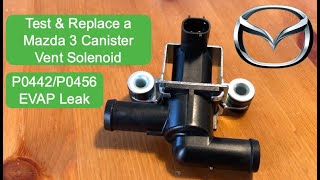

We Have This Part in Stock

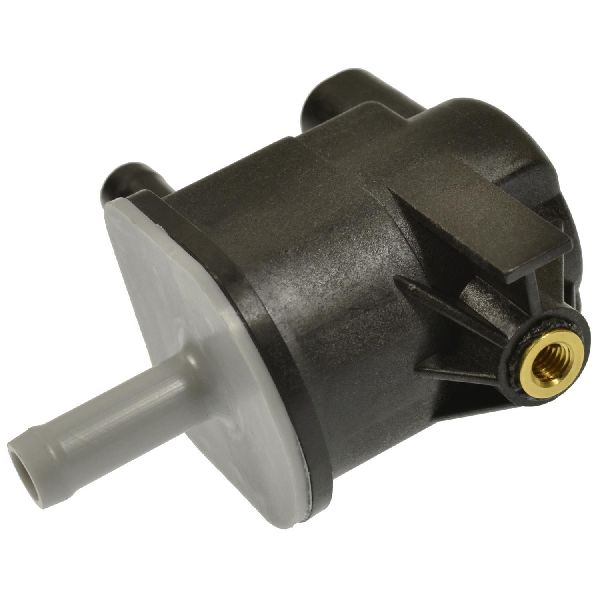
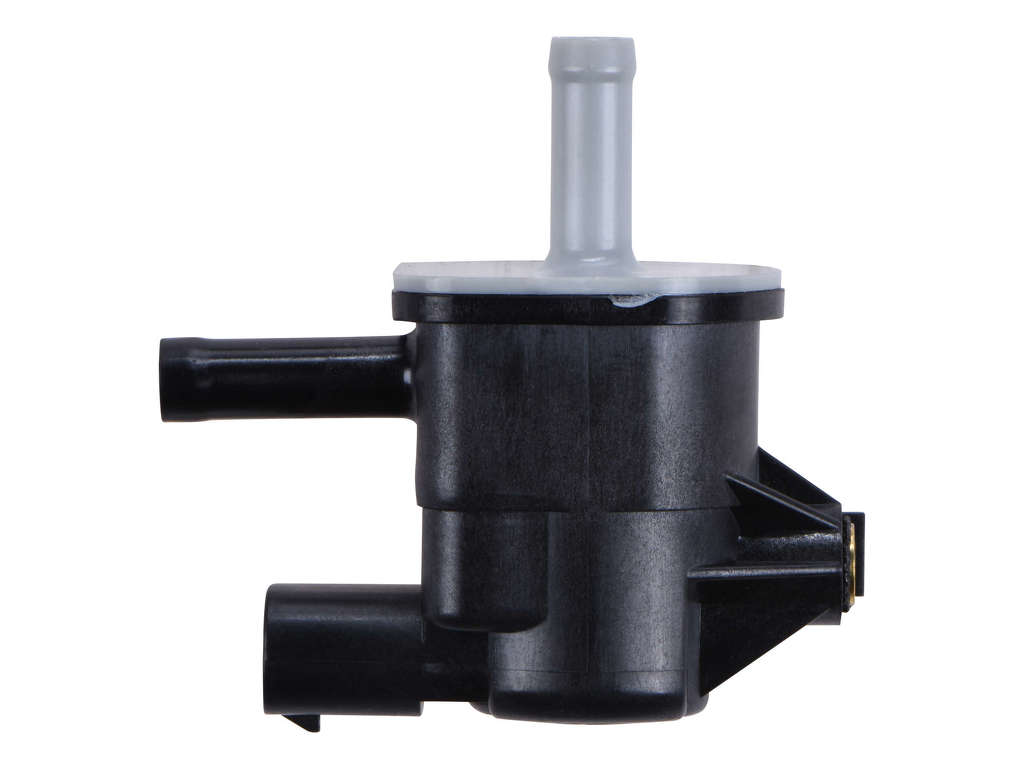

The information in this article is provided for general reference and educational purposes only. Vehicle specifications, procedures, and part compatibility can vary by production date, trim level, and region. Always consult your vehicle's factory service manual and verify part numbers before purchasing or performing repairs. Safety-critical components such as airbags, seat belts, and braking systems should be installed by a qualified professional.
- Mazda 3:
- 🧭 Diagnostic Flowchart
- 🎬 Helpful Videos
- 🛍️ Shop This Part
- What's Unique About the 2009-2013 Mazda 3
- Symptoms You May Notice
- Most Likely Causes
- Rare But Worth Checking
- Diagnosis Steps
- Parts You'll Likely Need
- Platform-Specific Known Issues
- Scan Tool Commands That Help
- Wiring & Ground Locations
- Real Owner Repair Stories
- "I Checked Everything" — The Actual Cause
- OEM Part Supersession History
- Used vs. New Parts: Buying Guide for This Vehicle
- Real Owner Stories
- 2011 Mazda 3 — 120000 miles
- Mazda 3
- Mazda CX-5
- GM vehicle
- Related OBD-II Codes
- Frequently Asked Questions
- 🎟️ Get 5% Off