

P0446 on 2013-2024 Mazda CX-5: EVAP Vent Circuit Malfunction Causes and Fixes
On a 2013-2024 Mazda CX-5, code P0446 is most often caused by a faulty EVAP canister vent solenoid or damaged wiring leading to it. Before replacing parts, inspect the wiring harness near the rear driver's side of the car for rodent damage, corrosion, or chafing. A Reddit user confirmed a chewed wire was the cause on their CX-5. Expect to pay $50-$150 for a new aftermarket vent solenoid (e.g., Standard Motor Products CVS160).
- P0446 on a Mazda CX-5 points to a problem with the vent valve circuit, not usually a gas cap or system leak.
- The most likely causes are damaged wiring to the vent valve or the vent valve itself has failed.
- Always inspect the wiring harness near the rear driver's side wheel for damage before buying any parts.
- You can safely drive the vehicle, but you will not pass an emissions test until it is repaired.
- A secondary, but possible, cause is a stuck-open purge valve located in the engine bay.
What's Unique About the 2013-2024 Mazda CX-5
For the Mazda CX-5 and its platform mates (Mazda3, Mazda6, CX-30), the P0446 code is frequently traced back to electrical issues, more so than just a failed part. Owner experiences specifically point to damaged control wires in the harness leading to the rear-mounted EVAP components. This area, located near the rear driver's side wheel, is susceptible to rodent damage, corrosion, and chafing where the harness can rub against the chassis. A thorough wiring inspection is a critical first step before assuming a component has failed.
Generation note: This guide covers the first generation (2013-2016) and second generation (2017-2024) of the Mazda CX-5. The EVAP system components and their locations are similar across both generations, and the common causes for P0446 apply to the entire year range. The wiring harness vulnerability is a consistent theme across the model years.
Symptoms You May Notice
- Check Engine Light is on.
- Difficulty filling the fuel tank (the pump nozzle clicks off before the tank is full).
- A faint smell of fuel near the vehicle.
- Replacing the gas cap without checking other components. While a bad cap can cause EVAP issues, P0446 is specifically a vent circuit code, making wiring or the vent valve itself a more likely culprit.
- Replacing the purge valve in the engine bay without first testing the vent valve circuit at the rear of the vehicle. A user on Reddit replaced the purge valve first, but the code returned, indicating the issue was elsewhere.
Most Likely Causes
- Damaged Wiring or Connector for Vent Solenoid 🔴 High Probability The wiring harness to the rear-mounted EVAP canister is exposed under the vehicle, making it susceptible to corrosion, chafing, or damage from rodents. This is a widely reported issue in owner forums.
How to confirm: Visually inspect the wiring harness leading to the charcoal canister and vent solenoid, located near the rear driver's side of the vehicle. Look for any chewed, frayed, or broken wires. A CX-5 owner on Reddit reported a mechanic resolved the code by running a new control wire. Another owner found rodent damage was the specific cause. On a related Mazda 3, chewed purple 🎬 Watch: Real-world example of finding and fixing damaged EVAP wiring. and blue wires at a junction connector were the cause. Pay close attention to purple, blue, and tan colored wires.
Typical fix: Repair the damaged section of the wiring harness. This may involve splicing in a new piece of wire and protecting it with loom. In cases of corrosion, cleaning the connector pins may be sufficient. If a ground point is compromised (see TSB 09-010/19), the paint must be sanded off to ensure a good connection.
Est. part cost: $5-$25 - Faulty Canister Vent (CV) Solenoid/Valve 🔴 High Probability → Shop Vapor Canister The solenoid is a mechanical part with an electronic coil that operates in a harsh environment under the car. It can fail by getting stuck open/closed, by the coil burning out, or becoming clogged with debris.
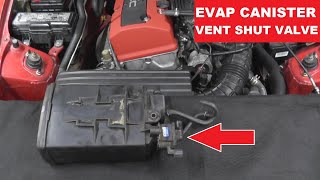
How to confirm: With the engine off, the valve should be open. You can try blowing through it. Use a bidirectional scan tool to command the valve closed; you should hear an audible click. If it doesn't click, test for 12V power at the connector with the key on. If power is present but it doesn't actuate, the solenoid has failed. The coil resistance should be between 15-40 Ohms. 🎬 See this walkthrough on how to test and replace the valve.
Typical fix: Replace the canister vent solenoid. It is typically mounted directly on the charcoal canister.
Est. part cost: $50-$150 - Stuck-Open Purge Solenoid/Valve 🟡 Medium Probability → Shop Vapor Canister This valve is located in the hot engine bay and is subject to constant heat cycles, which can lead to failure. While it has its own circuit codes, a stuck-open purge valve can sometimes trigger a P0446 on Mazda vehicles.
How to confirm: The purge valve is normally closed when the engine is off. Disconnect the valve in the engine bay and try to blow through it. If air passes through, the valve is stuck open and needs to be replaced.
Typical fix: Replace the purge solenoid valve (OEM Part PE01-18-751) located in the engine bay.
Est. part cost: $40-$110 - Clogged or Failed Charcoal Canister ⚪ Low Probability → Shop Vapor Canister Over-filling the fuel tank (continuing to pump after the nozzle clicks off) can saturate the charcoal canister with raw fuel, causing it to become clogged and fail. Age and environmental dust can also lead to blockages.
How to confirm: If the canister vent solenoid and wiring are good, but you have persistent refueling issues, the canister may be clogged. A smoke test can confirm a blockage or internal failure.
Typical fix: Replace the entire charcoal canister assembly.
Est. part cost: $200-$400
Rare But Worth Checking
- Loose or Faulty Gas Cap: → Shop Fuel Tank Cap While this typically causes leak codes (P0455/P0456), it's a very simple and free check. Ensure the cap is tight and the seal is not cracked or worn.
- Blocked Vent Hose: Insects (like spiders or mud daubers) or road debris can build nests inside the EVAP vent hose, causing a blockage that triggers the P0446 code. This can be checked by removing the hose and blowing compressed air through it.
- Poor Ground Connection after Body Work: Mazda TSB 09-010/19 notes that improper body repair, specifically painting over a ground point on the front fender stay, can cause various electrical issues. While not a direct cause of P0446, it highlights the sensitivity of the electrical system to poor grounds.
Diagnosis Steps
- Check the gas cap. Ensure it is tight and the O-ring seal is in good condition.
- Visually inspect the wiring harness leading to the charcoal canister and vent valve at the rear of the vehicle, behind the driver's side rear wheel. Look closely for any signs of breaks, corrosion, chafing, or rodent damage. Pay special attention to purple, blue, and tan wires.
- Use a bidirectional scan tool (like FORScan or Autel) to command the Canister Vent (CV) solenoid to close. Listen for a distinct 'click' from the rear of the vehicle near the fuel tank.
- If no click is heard, access the CV solenoid connector. With the key on, use a multimeter to check for 12-volt power on one pin and a ground signal from the PCM on the other. The control wire should show near 0V when the valve is commanded closed (grounded) and float higher when open.
- If power is present but the valve doesn't actuate when commanded, the vent solenoid is faulty and should be replaced. Confirm by checking the solenoid's coil resistance, which should be 15-40 Ohms.
- If power is not present, the problem lies in the wiring between the PCM and the solenoid. 🎬 Watch: Step-by-step guide to diagnosing an EVAP vent circuit malfunction. Trace the harness for an open or shorted wire.
- If the vent solenoid and its circuit test good, inspect the purge valve (Part No. PE01-18-751) in the engine bay to ensure it is not stuck open by attempting to blow through it while disconnected.
- If all components and wiring seem functional, inspect the vent hose for blockages from insects or debris. If refueling is difficult, suspect a clogged charcoal canister.
Parts You'll Likely Need
- Canister Vent Solenoid — This is the component directly monitored by the P0446 code. It can fail electrically or become mechanically stuck. It is often sold with the charcoal canister, but aftermarket solenoids are available.
Trusted brands: Standard Motor Products (CVS160), Carquest (CPA1446), Mazda OE (as part of canister assembly)
OEM price range: $250-$450 (Canister Assembly)
Aftermarket price range: $50-$120 (Solenoid only) - Vapor Canister Purge Valve
(OEM #PE01-18-751)— A stuck-open purge valve is a known, albeit secondary, cause for P0446 on Mazda vehicles.
Trusted brands: Genuine Mazda, Bosch, Dorman
OEM price range: $70-$110
Aftermarket price range: $40-$80
Related Codes That Often Appear With This One
- P0443 — This code indicates a fault in the purge valve circuit, which is the other main solenoid in the EVAP system. Seeing both may indicate a wider electrical issue, such as a compromised ground or rodent damage affecting multiple wires. On related platforms, NHTSA ODI #11010363 describes a vehicle continually showing EVAP DTCs including P0443 and P0446 alongside fuel mixture and O2 sensor issues.
- P0455 — This indicates a large EVAP leak. It can appear with P0446 if the vent valve is stuck open, which the computer interprets as both a circuit fault and a large leak.
- P0452 — This code indicates a fault with the Fuel Tank Pressure sensor. One CX-5 owner reported seeing P0446 and P0452 together, with the ultimate fix being a repair to a chewed wire in the EVAP harness.
Technical Service Bulletins (TSBs) & Recalls
- id_or_name: TSB 09-010/19 | relevance: Describes how multiple electrical malfunctions can occur after body repair if a front fender ground point is painted over. While not specific to P0446, it highlights the electrical system's sensitivity to poor grounds.
Platform-Specific Known Issues
- EVAP Harness Vulnerability: The wiring harness for the EVAP vent solenoid, located in the rear driver's side wheel well area, is a known weak point. It is frequently damaged by rodents or corrodes due to its exposed location, making it the primary suspect for a P0446 code.
Mechanic-Grade Diagnostic Values
- Canister Vent (CV) Solenoid Coil Resistance — expected: 15 - 40 Ohms. Failure: A reading of infinite Ohms (open circuit) or near zero Ohms (short circuit) indicates a failed solenoid coil.
- Voltage at CV Solenoid Connector (Power Wire) — expected: Approximately 12V (Battery Voltage) with Key On, Engine Off.. Failure: A reading of 0V indicates a break in the power supply wire or a blown fuse.
- Voltage at CV Solenoid Connector (Control Wire) — expected: Floats near battery voltage when inactive; drops to <1.0V when commanded closed by the scan tool.. Failure: Voltage does not drop when commanded, indicating a break in the control wire or a faulty PCM driver. Voltage is always near 0V, indicating a short to ground.
Scan Tool Commands That Help
- FORScan, Autel, Mazda IDS: EVAP System Test / Vent Solenoid ON/OFF Command — This is a primary diagnostic step to functionally test the canister vent solenoid. Commanding the valve 'ON' (closed) should produce an audible click from the rear of the vehicle. The absence of a click points directly to a failure in the solenoid itself or its electrical circuit (power or ground).
Wiring & Ground Locations
- Canister Vent Solenoid Connector — At the rear of the vehicle, plugged directly into the vent solenoid on the charcoal canister assembly, behind the driver's side rear wheel.. This is the most common point of failure. The connector and its wires (often purple, blue, tan) are exposed and highly susceptible to rodent damage, corrosion, and physical impact, causing an open or short in the P0446-monitored circuit.
- G21 — A chassis ground point located in the left side of the luggage/cargo compartment area.. This is a primary ground point for the rear body harness. While the vent solenoid is ground-side switched by the PCM, a corroded or loose G21 can introduce high resistance or intermittent faults into related circuits in the area, complicating diagnosis.
- J/C G22 — A junction connector also located in the left side of the luggage/cargo compartment area.. Harnesses often meet at junction connectors. A fault for the vent solenoid circuit could originate from corrosion or a pushed-out pin within this connector, not just at the solenoid itself.
Real Owner Repair Stories
- Reddit user Strong_Elderberry676 in /r/CX5 (Mazda CX-5 (year not specified, but post was in 2023)) — Check Engine Light with code P0446 appeared immediately after jump-starting another car. Code would return after being cleared.
❌ Tried (didn't work) Checking the gas cap, Clearing the code with a basic reader
✅ What actually fixed it A trusted mechanic diagnosed a bad 'control wire'. Instead of replacing the entire wiring harness, the mechanic ran a new, single wire from the engine compartment fuse box area to the component at the rear, bypassing the break in the original harness. This permanently resolved the code. - Reddit user Fine-Exit-1364 in /r/CX5 (2021 CX-5 Touring, 49k miles) — P0446 Check Engine Light appeared after the vehicle sat for a few weeks.
❌ Tried (didn't work) Replacing the gas cap, Replacing the EVAP purge valve solenoid (in the engine bay)
✅ What actually fixed it The user did not post a final resolution, but the story is a classic example of misdiagnosis. After replacing the more accessible purge valve in the engine bay didn't work, the next logical step pointed to the vent valve circuit at the rear of the car, which is the more likely culprit for P0446.
"I Checked Everything" — The Actual Cause
- A common diagnostic trap for P0446 is relying solely on a smoke test. This code indicates a *circuit* malfunction, not necessarily a leak. The canister vent valve is normally open. If the PCM cannot command it closed due to a broken wire or bad solenoid, a smoke test will simply show smoke exiting the fresh air vent hose, which is normal behavior for an open system. The technician may incorrectly conclude there are no EVAP problems, when in fact the electrical fault that prevents the system from sealing is the root cause. The real fix in these cases is almost always electrical, such as repairing a chewed wire that prevented the vent valve from getting its signal to close.
OEM Part Supersession History
py1j-13-96za→PY1J-13-96ZB— Standard part revision or change in manufacturer.
Model Year Variations Within This Range
- 2013-2016 (Gen 1) vs 2017-2024 (Gen 2): The 2017 model year marked a complete redesign with different interior and exterior styling. However, the 2.5L Skyactiv-G engine and the basic layout of the EVAP system, including the vulnerable rear-mounted canister and wiring, remain fundamentally similar. The common causes and diagnostic procedures for P0446 are consistent across both generations.
- 2018-2024: Beginning in the 2018 model year, Mazda introduced cylinder deactivation technology on some 2.5L engines. This is a significant powertrain difference but does not affect the diagnosis or common causes of the P0446 EVAP code.
Diagnostic Flowchart
Other Known Issues on This Vehicle
Issues unrelated to this code that are worth knowing about as an owner of this generation:
- LED Daytime Running Light (DRL) Failure 🟠 Medium — Very common on 2016 models, leading to a recall. The LED light strip flickers or fails completely. (Ref: Mazda Safety Recall 4320A)
- Infotainment System Malfunctions 🟡 Low — Common across many model years. Issues include screen freezing, random reboots, and 'ghost touch' where the system acts on its own. Often requires a software update or, in severe cases, replacement of the Connectivity Master Unit (CMU).
- Intake Valve Carbon Buildup 🟠 Medium — A potential issue for all Skyactiv-G direct injection engines, especially those used for frequent short trips. Can cause misfires and rough idle over 60,000 miles. (Ref: TSB 01-012/19 (for early Mazda3 Skyactiv, but procedure is relevant))
- Premature or Noisy Rear Brakes 🟡 Low — Some owners report premature wear of rear brake pads or grinding noises. (Ref: TSB 04-007-20-3713a (addresses grinding noise on 2019+ models))
- Thin Paint Susceptible to Chipping 🟡 Low — A widespread complaint among Mazda owners. The paint, particularly Soul Red Crystal, is reported to chip easily from road debris.
- 2.2L Skyactiv-D (Diesel) Engine Problems 🔴 High — Specific to diesel models. Issues include DPF regeneration failure leading to fuel contaminating engine oil, leaking injector seals, and intake soot buildup. Can lead to major engine damage if ignored.
Used vs. New Parts: Buying Guide for This Vehicle
When a used part is the smart pick: For this repair, sourcing a complete, used charcoal canister assembly from a reputable auto recycler can be a smart choice, especially if the issue is a failed vent solenoid. Since the wiring is the most common failure point, not the canister itself, a used assembly from a low-mileage, rear-end collision donor vehicle often provides a good OEM solenoid and canister for less than a new OEM part.
Donor-vehicle mileage cap: roughly under 80000 miles for the part to have meaningful remaining life.
What to inspect on the donor part:
- Check for an intact, undamaged wiring harness pigtail at the vent solenoid connector.
- Inspect the canister body for any cracks or signs of physical damage.
- Avoid parts from flood-damaged vehicles, as water can ruin the charcoal bed.
- Ask the recycler if the donor vehicle's fuel tank was overfilled, though this is often unknown.
OEM-only on this vehicle (don't cheap out):
- Gas Cap - While not a primary cause for P0446, if you do need one for other EVAP codes, owners consistently report that aftermarket gas caps fail to seal properly on Mazdas. Always use a genuine Mazda cap (Part No. KD35-42-250A or similar).
Aftermarket brands forum-validated for this vehicle:
- Standard Motor Products (SMP) - For the canister vent solenoid (CVS160) and purge valve.
- Dorman - Offers replacement solenoids and sometimes connector pigtails.
- Bosch - A reliable option for the engine-bay-mounted purge valve.
Brands owners have reported issues with on this vehicle:
- No-name, unbranded solenoids from online marketplaces often have high failure rates and incorrect coil resistance, causing the code to return.
Real Owner Stories
Aggregated from forums and TSBs cited above. Mileages and costs reflect what owners reported in those sources.
2020 Mazda CX-5
Symptoms: Check engine light on with codes P0446 and P0452.
What fixed it: The dealer found a chewed-through wire leading to the EVAP canister caused by rodents.
Cost: $300-$300
Source hint: Reddit r/CX5 - Rodent damage
2021 Mazda CX-5 — 49000 miles
Symptoms: P0446 code; owner attempted to fix by replacing the gas cap and the purge valve (evap Valve solenoid) in the engine bay but the code remained.
What fixed it: Diagnosis suggested checking the vent valve and wiring for rodent damage, as the purge valve replacement did not resolve the issue.
Source hint: Reddit r/CX5 - P0446 code
2013-2024 Mazda CX-5
Symptoms: Check engine light P0446.
What fixed it: A mechanic resolved the code by running a new control wire to the EVAP system.
Source hint: Reddit r/CX5 - Check Engine Light P0446
Mazda Owner Report
Symptoms: Vehicle continually shows EVAP DTCs including P0443 and P0446, along with rich/lean fuel mixture and O2 sensor codes.
What fixed it: NHTSA ODI #11010363 describes a persistent case where both O2 sensors were replaced but EVAP codes remained, highlighting the complexity of overlapping circuit faults.
Source hint: NHTSA ODI #11010363
Related OBD-II Codes
Frequently Asked Questions
Why does the gas pump nozzle keep clicking off when I try to fill my CX-5?
I have a P0446 code on my 2016 CX-5; could it be related to the LED daytime running light recall?
Does TSB 09-010/19 apply to my P0446 diagnosis?
What specific wires should I check for damage near the rear of my CX-5?
Can I just replace the purge valve in the engine bay to fix P0446?
What is the correct resistance for the CX-5 canister vent solenoid?
Helpful Videos


Used OEM Parts in Stock
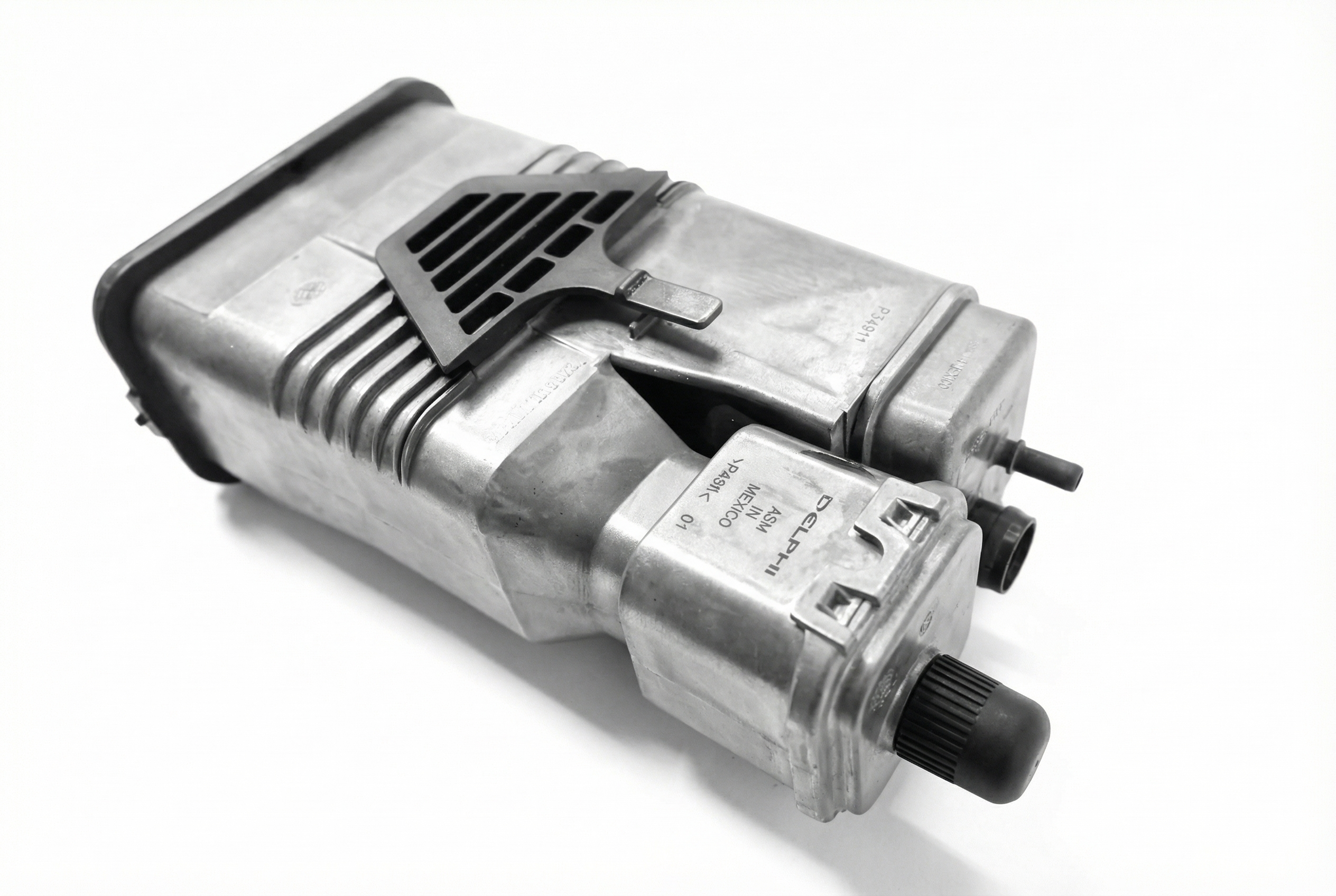
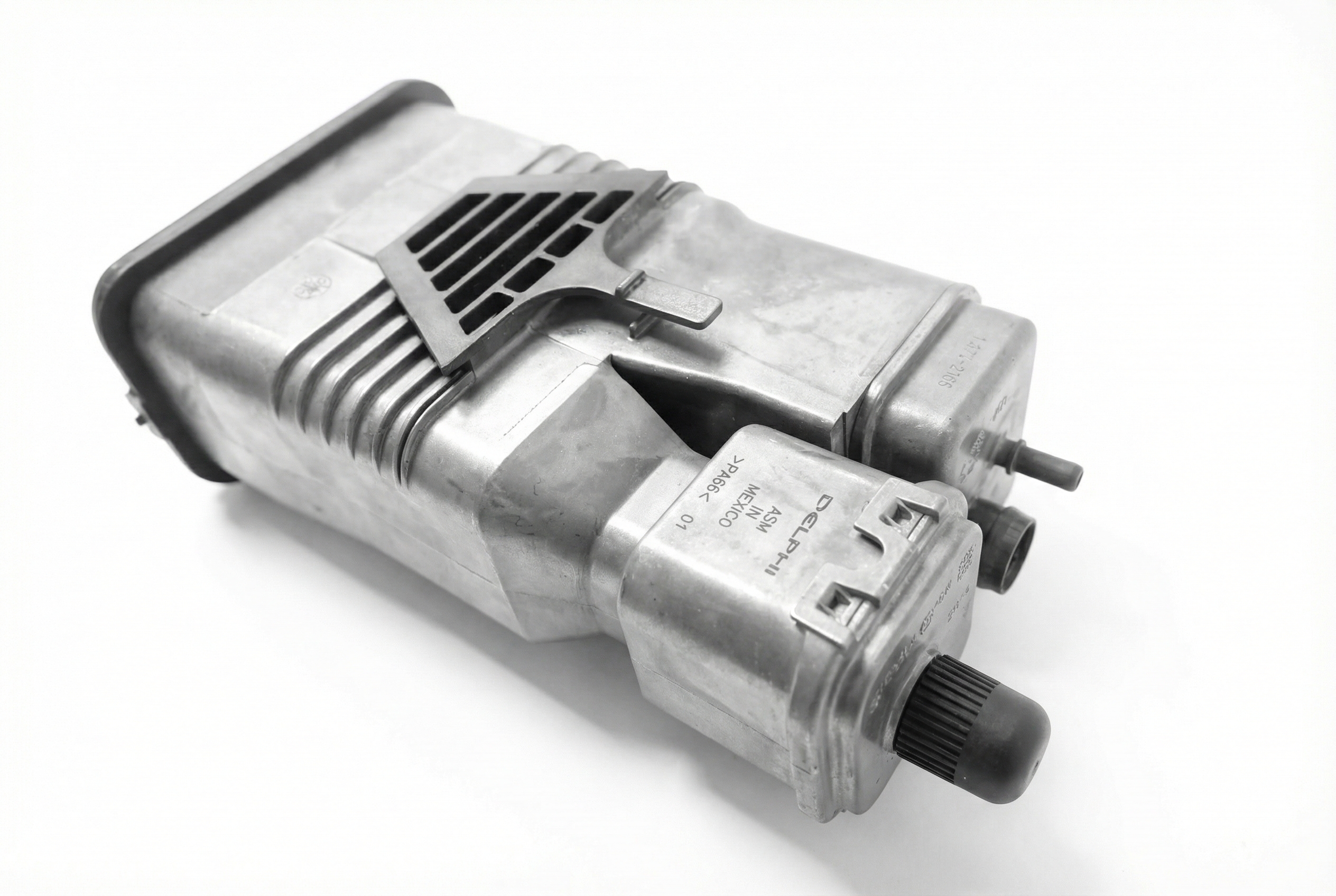
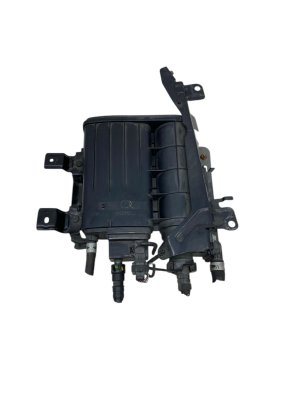
New Aftermarket Parts Available


The information in this article is provided for general reference and educational purposes only. Vehicle specifications, procedures, and part compatibility can vary by production date, trim level, and region. Always consult your vehicle's factory service manual and verify part numbers before purchasing or performing repairs. Safety-critical components such as airbags, seat belts, and braking systems should be installed by a qualified professional.
- Mazda CX-5:
- 🧭 Diagnostic Flowchart
- 🎬 Helpful Videos
- 🛍️ Shop This Part
- What's Unique About the 2013-2024 Mazda CX-5
- Symptoms You May Notice
- Most Likely Causes
- Rare But Worth Checking
- Diagnosis Steps
- Parts You'll Likely Need
- Related Codes That Often Appear With This One
- Technical Service Bulletins (TSBs) & Recalls
- Platform-Specific Known Issues
- Mechanic-Grade Diagnostic Values
- Scan Tool Commands That Help
- Wiring & Ground Locations
- Real Owner Repair Stories
- "I Checked Everything" — The Actual Cause
- OEM Part Supersession History
- Model Year Variations Within This Range
- Other Known Issues on This Vehicle
- Used vs. New Parts: Buying Guide for This Vehicle
- Real Owner Stories
- 2020 Mazda CX-5
- 2021 Mazda CX-5 — 49000 miles
- 2013-2024 Mazda CX-5
- Mazda Owner Report
- Related OBD-II Codes
- Frequently Asked Questions
- 🎟️ Get 5% Off