

P0446 on 2002-2006 Nissan Altima: EVAP Vent Control Circuit Causes and Fixes
On a 2002-2006 Altima, P0446 almost always points to a faulty EVAP vent control valve located at the rear of the car by the charcoal canister. This part commonly fails from corrosion or getting clogged with road debris or even spider webs. A primary symptom is the gas pump repeatedly clicking off during refueling. Expect to pay $50-$100 for a replacement valve (OEM Part #14935-AM60A or similar), which is a common DIY fix.
- P0446 on a 2002-2006 Altima is almost certainly an issue with the EVAP vent system at the rear of the car, not the gas cap or under-hood components.
- The most likely cause is a failed EVAP Vent Control Valve (OEM #14935-AM60A), which gets stuck or corrodes due to its location behind the rear wheel.
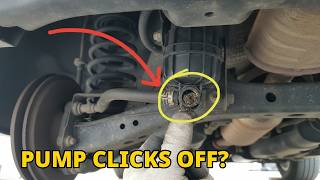
- A key symptom is the gas pump nozzle shutting off constantly when you try to refuel.
- Before replacing the vent valve, check the hoses for black charcoal pellets. If you find them, you must replace the charcoal canister as well to prevent a repeat failure.
- Check the vent hoses for blockages from mud or even spider webs, which is a known, documented cause.
What's Unique About the 2002-2006 Nissan Altima
The third-generation Nissan Altima (L31) is known for having issues with its EVAP vent control valve. The valve is mounted on the charcoal canister, located behind the driver's side rear wheel, where it is exposed to road grime, water, and salt, leading to corrosion and premature failure. This placement makes it a very common failure point, often causing the classic P0446 symptom of the gas pump repeatedly shutting off during refueling. The issue is so common that many owners have documented the repair in detail.
Symptoms You May Notice
- Check Engine Light is on.
- Difficulty refueling (gas pump nozzle clicks off repeatedly 🎬 See how a stuck vent valve causes refueling issues.).
- A faint fuel odor may be noticeable near the rear of the vehicle.
- Hissing noise from the fuel tank area when opening the gas cap.
- Slight decrease in fuel economy in some cases.
- Replacing the gas cap. A bad gas cap typically causes a large leak code like P0455, not a vent circuit/restriction code like P0446.
- Replacing the EVAP purge valve/solenoid under the hood. P0446 specifically relates to the vent valve circuit at the rear of the vehicle, not the purge valve in the engine bay, which would typically set a code like P0441 or P0443.
Most Likely Causes
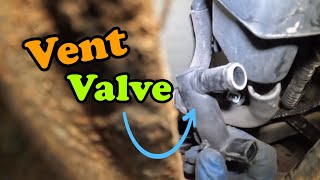
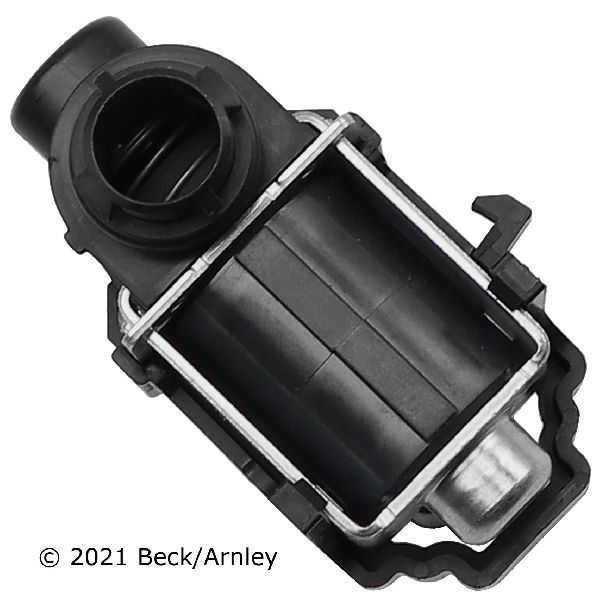
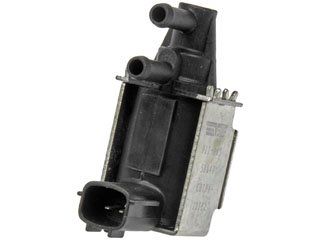
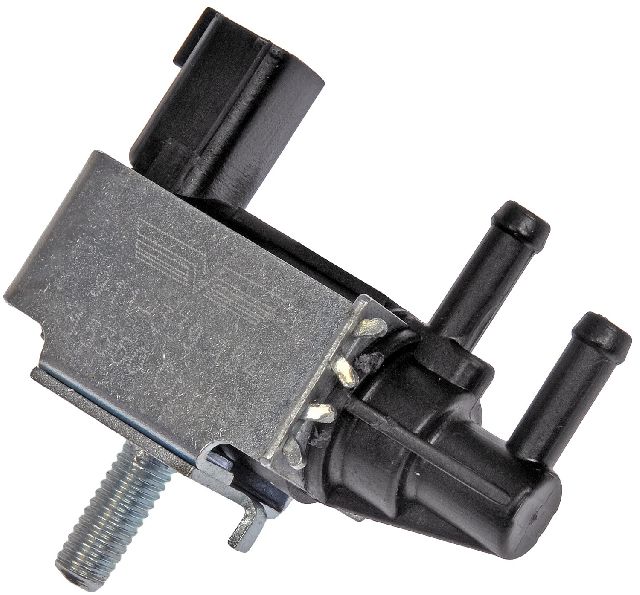
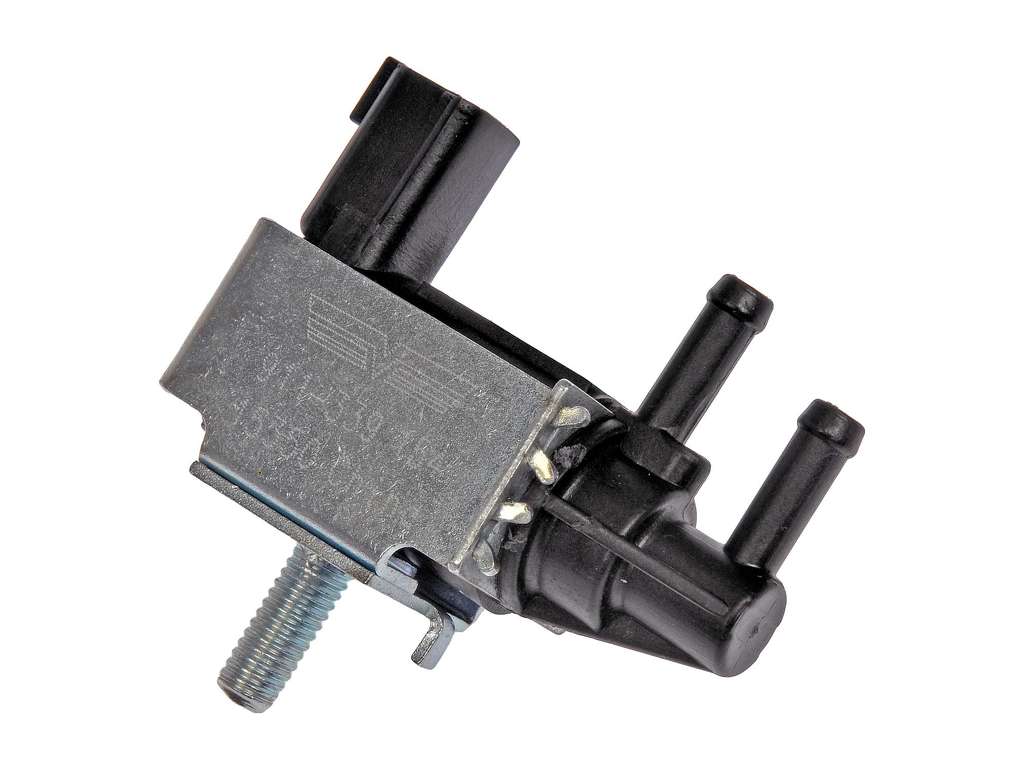
- Faulty EVAP Canister Vent Control Valve (Solenoid) 🔴 High Probability → Shop Vapor Canister Vent Valve The valve is located in an exposed area behind the rear wheel, making it highly susceptible to corrosion from road salt and moisture, and clogging from road debris, mud, or even spider webs.
How to confirm: Locate the valve on the charcoal canister behind the driver's side rear wheel. Inspect the valve and connector for corrosion or damage. You can test the solenoid by applying 12V power to its terminals; a working valve will make an audible click. If it clicks, try blowing through it; it should be open (allow air to pass) when unpowered and closed (block air) when 12V is applied.
Typical fix: Replace the vent control valve. 🎬 Watch: Step-by-step guide to replacing the vent valve solenoid. This part often twists and locks into the charcoal canister. The OEM part number is typically 14935-AM60A, which may be superseded by 14935-AM60B.
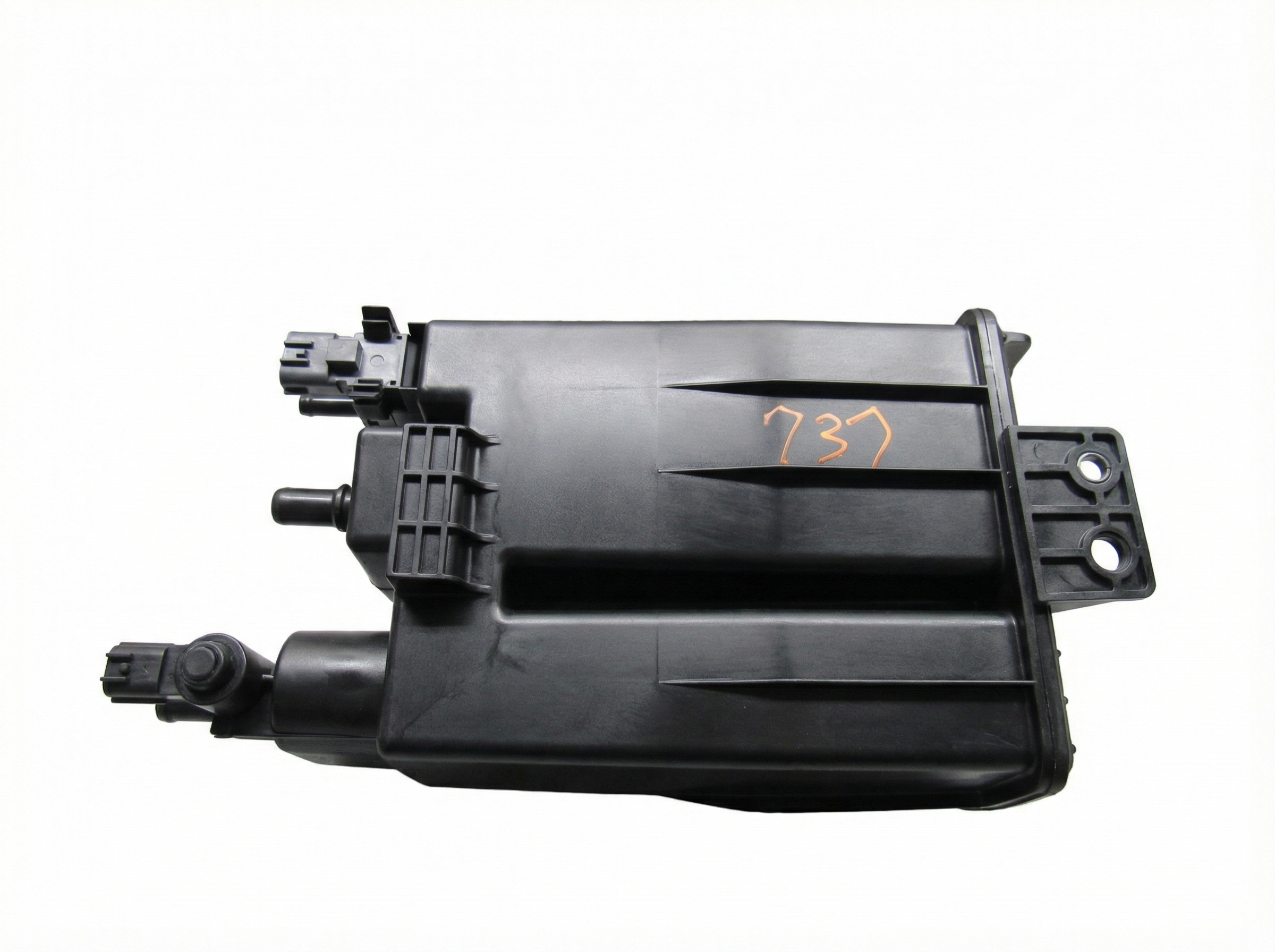
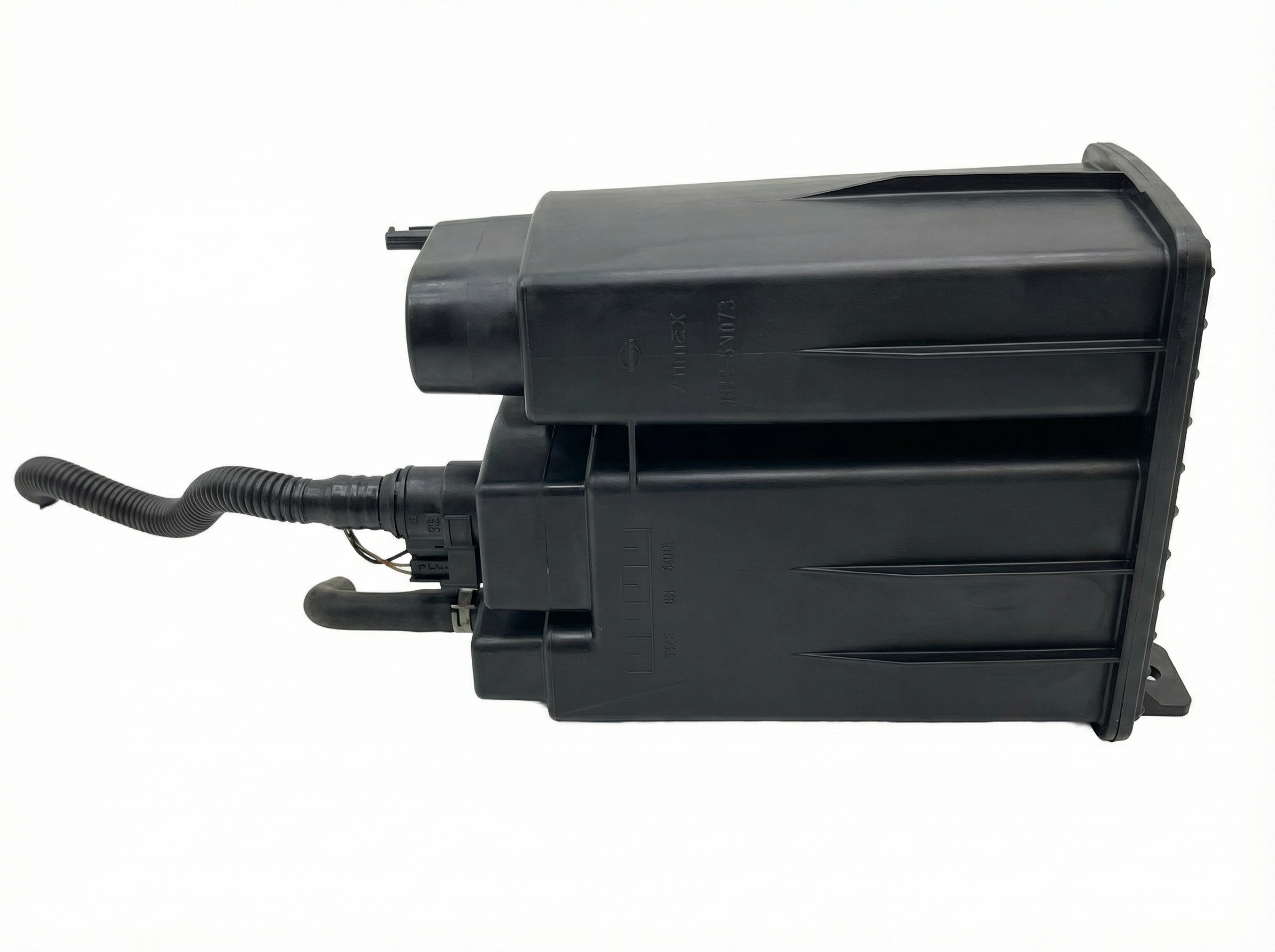
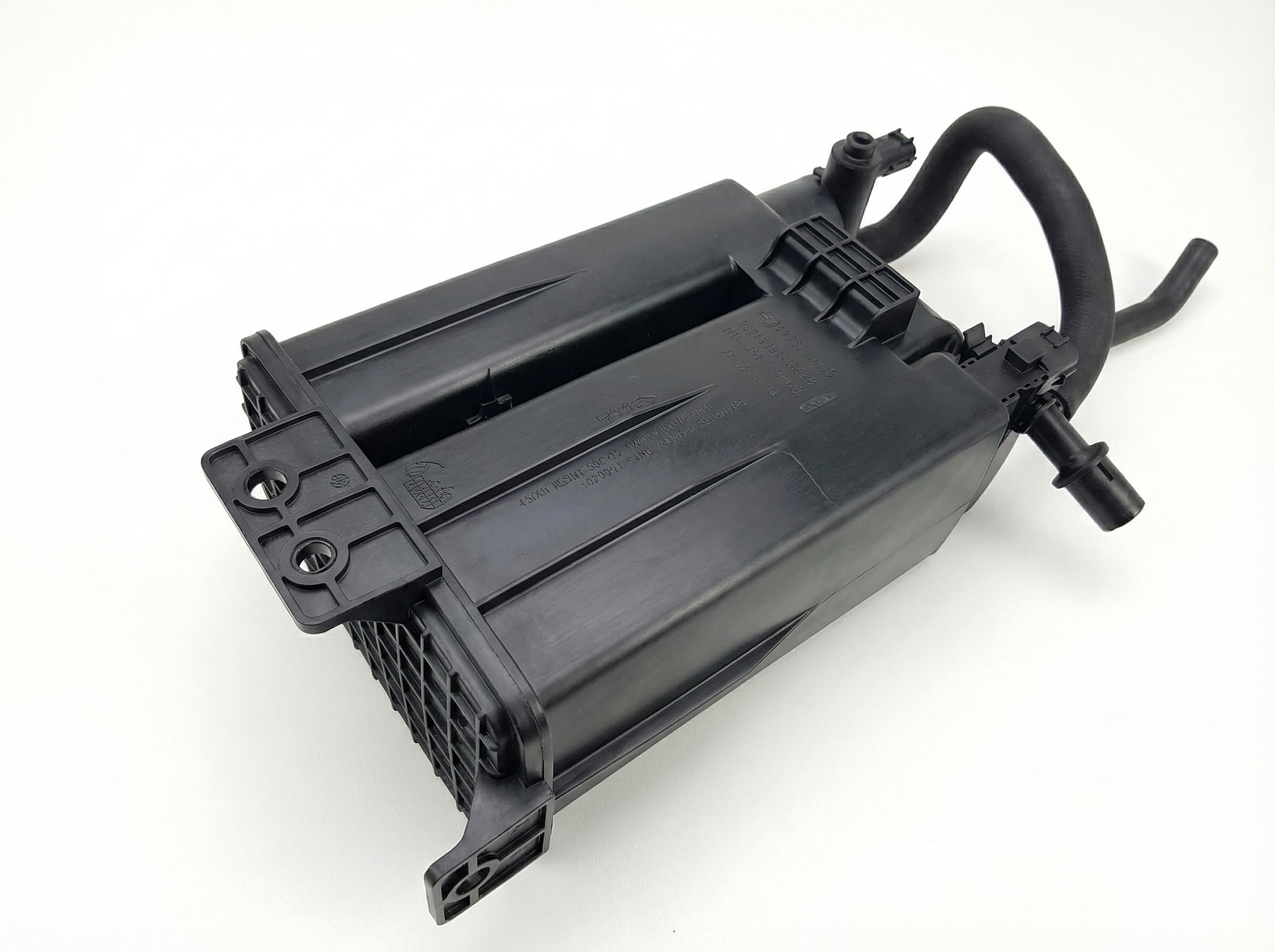
Est. part cost: $50 - $100 - Clogged or Failed Charcoal Canister 🟡 Medium Probability → Shop Vapor Canister Consistently over-filling the fuel tank (topping off) can saturate the canister with liquid fuel, causing it to fail. Internal baffles can also break down over time, releasing charcoal pellets that clog the entire EVAP system, including the new vent valve.
How to confirm: Disconnect the hoses from the canister. If black charcoal pellets fall out, the canister has failed and must be replaced. A smoke test can also reveal a clogged canister if smoke does not pass through it freely.
Typical fix: Replace the charcoal canister. If charcoal pellets are found, the vent valve and all connected EVAP lines must be thoroughly cleaned or replaced to prevent the new parts from being clogged.
Est. part cost: $150 - $250 - Blocked EVAP Hoses or Vent Filter ⚪ Low Probability Insects, particularly spiders, are known to build nests and lay egg sacs inside the vent hoses, causing a complete blockage that triggers P0446. Mud daubers and general road debris can also cause clogs.
How to confirm: Visually inspect all hoses connected to the vent valve and canister for kinks, cracks, or blockages. Use compressed air (at low pressure) to blow through the hoses and ensure they are clear.
Typical fix: Clear the blockage or replace the damaged hose section.
Est. part cost: $10 - $30
Rare But Worth Checking
- Damaged Wiring or Connector: The wiring harness leading to the vent control valve is in an exposed location and can be damaged by road debris or corrosion, causing an open or short circuit. Check for 12V power at the connector with the key on.
- Faulty Fuel Tank Pressure Sensor: → Shop Fuel Tank While uncommon for this specific code, a faulty pressure sensor can send incorrect readings to the ECM, leading to a false P0446 code. This usually sets other pressure-related codes as well (e.g., P0450-P0454).
Diagnosis Steps
- Verify the code with an OBD-II scanner. 🎬 Watch: Understanding the causes and fixes for code P0446.
- Check the gas cap to ensure it is tight, but do not replace it as a first step for this specific code.
- Raise and safely support the rear of the vehicle.
- Locate the EVAP canister and vent control valve behind the driver's side rear wheel.
- Inspect the vent valve, its electrical connector, and nearby wiring for any signs of corrosion, cracking, or physical damage.
- Disconnect the vent hose and check for any blockages like mud, debris, or insect nests. Spiders are a known cause.
- Disconnect the electrical connector from the vent valve. With the ignition key in the 'ON' position, use a multimeter to verify battery voltage (approx. 12V) at the power pin on the harness connector.
- Test the valve itself. Apply 12V power directly to the valve's pins. Listen for a distinct 'click'. If there is no click, the solenoid is bad and needs replacement.
- If the valve clicks, check if it's mechanically stuck. With no power, you should be able to blow through it (it is normally open). With 12V applied, it should be sealed and you should not be able to blow through it.
- Disconnect the hoses from the charcoal canister and gently shake it. If you hear rattling or see black charcoal pellets fall out, the canister has failed and must be replaced along with cleaning the lines.
- If the valve, wiring, and canister seem okay, a professional smoke test is the definitive next step to find any restrictions or hard-to-see leaks in the system.
Parts You'll Likely Need
- EVAP Canister Vent Control Valve / Solenoid
(OEM #14935-AM60A (may be superseded by 14935-AM60B))— This is the most common failure point for code P0446 on this vehicle due to its exposed location and susceptibility to corrosion and clogging.
Trusted brands: Nissan (OEM), Dorman (e.g., 911-503), Hitachi, Standard Motor Products
OEM price range: $80-$120
Aftermarket price range: $40-$80 - EVAP Charcoal Canister — This part is often replaced if it has become saturated with fuel or has broken down internally, releasing charcoal pellets that clog the system. This is often a consequence of habitually 'topping off' the fuel tank.
Trusted brands: Dorman, Carquest
OEM price range: $250-$350
Aftermarket price range: $150-$250
Technical Service Bulletins (TSBs) & Recalls
- NTB05-076a: While not directly for P0446, this TSB addresses reprogramming the ECM for other EVAP codes on similar Nissan platforms, indicating Nissan has made software adjustments for EVAP system sensitivity. No specific TSB for P0446 on this model was found, as the issue is almost always mechanical.
- NTB15-059: This TSB is related to floor pan rust repair, a separate common issue on this platform, but not directly related to P0446.
Mechanic-Grade Diagnostic Values
- EVAP Vent Control Valve Solenoid Coil Resistance — expected: 20 - 40 Ohms. Failure: A reading of infinite ohms indicates an open circuit, while a reading near zero ohms indicates a short. Either requires valve replacement.
- Voltage at EVAP Vent Control Valve Harness Connector — expected: Approximately 12V (Battery Voltage). Failure: No voltage (or significantly low voltage) with the key in the 'ON' position points to a wiring issue, blown fuse, or a problem with the IPDM (Intelligent Power Distribution Module).
Scan Tool Commands That Help
- Nissan CONSULT-II / CONSULT-III or equivalent professional scan tool: EVAP System Test / Vent Valve ON/OFF — This bidirectional command is used to manually close and open the vent valve. A technician can listen for the valve to click, confirming the ECM and wiring are capable of controlling it. It is also essential for sealing the system before performing a smoke test to check for leaks or restrictions.
Wiring & Ground Locations
- EVAP Canister Vent Control Valve — Mounted on the EVAP charcoal canister, which is located at the rear of the vehicle, behind the driver's side rear wheel.. This is the primary component and location for P0446. Its exposed position makes its wiring and connector highly susceptible to corrosion and damage from road debris and weather.
- EVAP Vent Control Valve Connector — A 2-pin electrical connector attached directly to the vent control valve.. This connector is a common point of failure. Technicians test for 12V power and a ground signal from the ECM at these pins. One pin should have ~12V with the key on, and the other is the ground switched by the ECM.
- Engine Control Module (ECM) — Located behind the glove box.. The ECM provides the switched ground signal that activates the vent valve solenoid. A wiring fault between the ECM and the valve, or a rare internal ECM driver failure, can cause P0446.
Real Owner Repair Stories
- YouTube video by 'Wally Tech' (2002-2006 Nissan Altima (2.5L or 3.5L)) — Check Engine Light with code P0455 (EVAP Large Leak), which is commonly associated with a stuck-open vent valve that also causes P0446.
❌ Tried (didn't work) The video focuses directly on the most likely cause rather than listing failed attempts.
✅ What actually fixed it The EVAP vent valve on the canister was stuck open. Using a smoke machine and a scan tool to command the valve on and off, the technician confirmed the valve was not closing. Replacing the vent valve (Dorman part # 911-502 was mentioned, though 911-503 is correct for Altima) resolved the leak.
OEM Part Supersession History
14935-AM600→14935-AM60A, then 14935-AM60B— Standard part revision and improvement by the manufacturer.
Heads up: The parts are interchangeable for the specified vehicle range. The Dorman 911-503 is a widely cited aftermarket cross-reference for all these OEM numbers.
Model Year Variations Within This Range
- 2005-2006: For the 2005 model year, V6 models received a 5-speed automatic transmission, replacing the previous 4-speed. While this doesn't directly affect the EVAP system components for P0446, there were also minor interior trim and option changes. The core EVAP system design and the common failure point for P0446 remained consistent throughout the 2002-2006 generation.
- 2004-2006: Some parts listings for the charcoal canister show a distinction for California vs. non-California emissions models starting around 2004. While the vent valve itself is generally the same, if replacing the entire canister assembly, it is crucial to verify the correct part for the vehicle's specific emissions configuration.
Diagnostic Flowchart
Other Known Issues on This Vehicle
Issues unrelated to this code that are worth knowing about as an owner of this generation:
- Pre-Catalyst Disintegration (2.5L QR25DE) 🔴 High — Very common on 2.5L models. The catalyst material breaks apart and can be ingested by the engine, causing catastrophic failure.
- Excessive Oil Consumption (Both QR25DE & VQ35DE) 🟠 Medium — Widespread issue. The QR25DE can fail from catalyst ingestion, while the VQ35DE had low-tension piston rings that allowed oil blow-by, especially as mileage increases. (Ref: Nissan issued service bulletins advising dealers to inform customers about frequent oil checks.)
- Front Floor Pan Corrosion/Rust 🔴 High — Common enough to trigger class-action lawsuits, particularly in salt-belt states. Moisture gets trapped and causes the floor to rust through from the inside out. (Ref: Voluntary Service Campaign (PC926) and TSB NTB15-059 were issued for inspection and repair in certain regions.)
- Crankshaft and Camshaft Position Sensor Failure 🟠 Medium — A very common failure point on many Nissan models of this era, including the Altima. Can cause stalling, no-start conditions, and rough running. (Ref: Recalls were issued for this problem on other Nissan models, but it remains a frequent repair on the Altima.)
Used vs. New Parts: Buying Guide for This Vehicle
When a used part is the smart pick: A used part is generally NOT recommended for the EVAP vent control valve. Due to its high failure rate from corrosion and clogging in an exposed location, a used part from a junkyard is likely to have significant wear and may fail soon after installation. A used charcoal canister can be a cost-effective option if it comes from a low-mileage, non-salt-belt donor vehicle and is confirmed to be free of fuel saturation or internal damage (no rattling).
Donor-vehicle mileage cap: roughly under 80000 miles for the part to have meaningful remaining life.
What to inspect on the donor part:
- For a charcoal canister, ensure there are no visible cracks in the housing.
- Gently shake the canister; there should be no rattling sound, which would indicate broken internal baffles and loose charcoal pellets.
- Inspect the vent valve port on the canister for excessive rust or debris that could compromise the new valve's seal.
- Check the donor vehicle's history if possible to see if it was from a 'salt belt' region, as this accelerates corrosion of all underbody components.
Aftermarket brands forum-validated for this vehicle:
- Dorman (specifically part 911-503 for the vent valve) is a widely used and cited aftermarket replacement.
- Standard Motor Products (SMP)
- Hitachi
Brands owners have reported issues with on this vehicle:
- No specific brands are consistently reported as problematic, but ultra-low-cost, unbranded parts from online marketplaces may have questionable quality control and longevity.
Real Owner Stories
Aggregated from forums and TSBs cited above. Mileages and costs reflect what owners reported in those sources.
2002-2006 Nissan Altima
Symptoms: The check engine light came on and the owner was told that for this specific car, the code is 90% of the time a specific part failure.
What fixed it: Replacing the vent control valve.
Source hint: Nissan Forum (nicoclub.com)
2002-2006 Nissan Altima
Symptoms: Difficulty getting fuel into the tank (gas pump clicks off slowly) and the check engine light is illuminated.
What fixed it: Attempted repair by replacing the vent solenoid.
Source hint: 2CarPros.com Forum Thread 'P0446 and Trouble Getting Fuel in Tank (slow)'
2002-2006 Nissan Altima
Symptoms: EVAP Vent Performance code triggered by a complete blockage in the vent system.
What fixed it: Removing a spider's web and egg sac that was blocking the vent valve.
Source hint: iATN (International Automotive Technicians Network) - 'P0446 Evap Vent Performance & Spiders!'
Related OBD-II Codes
Frequently Asked Questions
Does TSB NTB05-076a mean my 2002-2006 Altima needs a software update for P0446?
Why does the gas pump nozzle keep clicking off when I try to fill my Altima?
Where is the EVAP vent control valve located on my 2002-2006 Altima?
Can I just replace the gas cap to fix P0446 on my Altima?
What part number should I look for if I need to replace the vent control valve?
Is the floor pan rust on my Altima related to the P0446 code?
Helpful Videos

Used OEM Parts in Stock
New Aftermarket Parts Available


The information in this article is provided for general reference and educational purposes only. Vehicle specifications, procedures, and part compatibility can vary by production date, trim level, and region. Always consult your vehicle's factory service manual and verify part numbers before purchasing or performing repairs. Safety-critical components such as airbags, seat belts, and braking systems should be installed by a qualified professional.
- Nissan Altima:
- 🧭 Diagnostic Flowchart
- 🎬 Helpful Videos
- 🛍️ Shop This Part
- What's Unique About the 2002-2006 Nissan Altima
- Symptoms You May Notice
- Most Likely Causes
- Rare But Worth Checking
- Diagnosis Steps
- Parts You'll Likely Need
- Technical Service Bulletins (TSBs) & Recalls
- Mechanic-Grade Diagnostic Values
- Scan Tool Commands That Help
- Wiring & Ground Locations
- Real Owner Repair Stories
- OEM Part Supersession History
- Model Year Variations Within This Range
- Other Known Issues on This Vehicle
- Used vs. New Parts: Buying Guide for This Vehicle
- Real Owner Stories
- 2002-2006 Nissan Altima
- 2002-2006 Nissan Altima
- 2002-2006 Nissan Altima
- Related OBD-II Codes
- Frequently Asked Questions
- 🎟️ Get 5% Off