

P0446 on 2008-2015 Scion xB: EVAP Vent Control Circuit Causes and Fixes
On a 2008-2015 Scion xB, code P0446 is almost always caused by a failed charcoal canister assembly. The vent valve is integrated into this assembly and is not sold separately by Toyota. The failure of this valve prevents the fuel tank from venting properly, often causing the gas pump to click off repeatedly during refueling. Expect to pay $450-$720 for the OEM part, with a total shop repair cost of $750-$1,100.
- P0446 on this vehicle points to a problem with the EVAP vent circuit, not a gas cap leak.
- The most common symptom, besides the Check Engine Light, is the gas pump clicking off when you try to refuel.
- The vent valve is part of the expensive charcoal canister assembly (OEM part #77740-12720); it cannot be replaced separately from the dealer.
- Before buying the expensive canister, always check the wiring to the canister for damage and ensure the vent hoses are not clogged by insects or debris.
- Do not confuse the vent valve (at the rear, part of the canister) with the purge valve (in the engine bay).
What's Unique About the 2008-2015 Scion xB
The key issue for the second-generation Scion xB is that Toyota integrated the vent valve and its solenoid directly into the charcoal canister assembly (Part #77740-12720). Unlike many other vehicles where the vent valve is an inexpensive, separate part, on the xB you must replace the entire canister assembly to fix a failed valve. This significantly increases the cost of the repair, turning a potentially minor solenoid failure into a major parts replacement. Forum discussions on ScionLife.com confirm that dealers will only sell the complete assembly.
Symptoms You May Notice
- Check Engine Light is on
- Difficulty filling the fuel tank (nozzle clicks off frequently before the tank is full)
- A faint fuel odor near the rear of the vehicle
- Whooshing sound of pressure releasing when opening the gas cap after driving
- Replacing the gas cap. A bad gas cap typically causes a leak-related code (like P0455 or P0457), not a vent circuit code like P0446.
- Replacing the EVAP purge solenoid. The purge solenoid is located in the engine bay and is a separate component. While it is part of the EVAP system, its failure would typically set a different code, such as P0441 (Incorrect Purge Flow).
Most Likely Causes
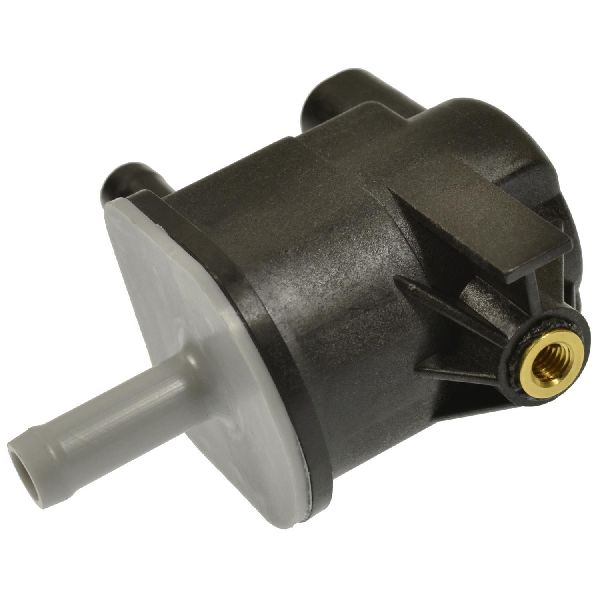
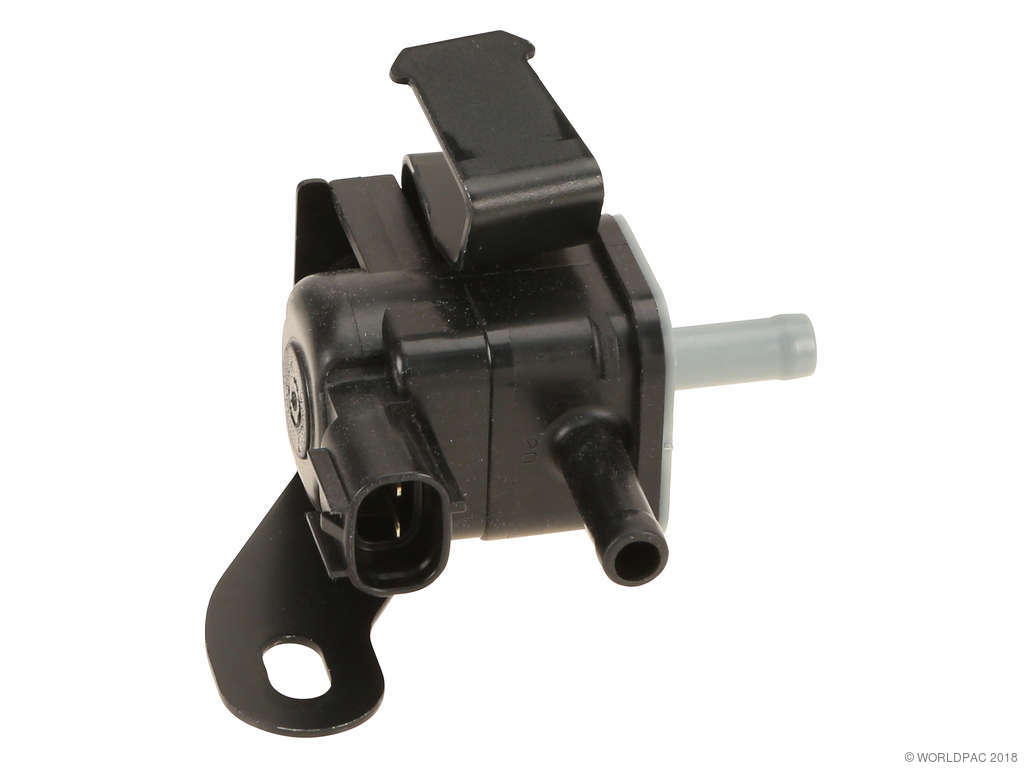
- Failed Charcoal Canister Assembly 🔴 High Probability → Shop Vapor Canister The vent valve/solenoid is integrated into the canister assembly and is the most common failure point for this code. The entire assembly must be replaced as the valve is not serviced separately by the OEM. Over time, the solenoid simply wears out and fails to actuate.
How to confirm: After confirming power and ground are present at the canister connector and the vent hoses are not blocked, the canister assembly is the point of failure. A technician can use a bi-directional scan tool to command the vent valve to close; if it fails to operate (often there is no audible click), the assembly is faulty. You can also test the solenoid by applying 12V directly to its pins; a working solenoid will make a distinct clicking sound. The internal resistance of the vent valve solenoid should be between 24-30 Ω.
Typical fix: Replace the entire charcoal canister assembly.
Est. part cost: $450-$720 - Damaged Wiring or Connector 🟡 Medium Probability The canister is located under the rear of the vehicle, exposing its wiring and connector to road debris, moisture, and corrosion. Wires can become chafed or broken, leading to an open or short in the circuit. While no specific TSB exists for the xB, other Toyota models have had issues with harness chafing causing various electrical faults.
How to confirm: Visually inspect the wiring harness leading to the charcoal canister for any breaks, chafing, or corrosion. Use a multimeter to test for 12V power and ground at the connector with the key in the 'on' position. A lack of voltage points to a wiring or fuse issue, not a failed canister.
Typical fix: Repair the damaged section of wiring or replace the connector pigtail.
Est. part cost: $10-$30 - Blocked EVAP Vent Hose ⚪ Low Probability Insects (like spiders) or mud daubers can build nests inside the vent hoses, causing a blockage that mimics a valve failure. The fresh air intake port for the EVAP system is an inviting place for them to build a nest, which can completely obstruct airflow.
How to confirm: Disconnect the vent hoses from the canister and attempt to blow low-pressure compressed air through them. If air does not pass freely, the hose is blocked. Visually inspect the end of the vent tube for any visible debris or nests.
Typical fix: Remove the blockage from the hose or replace the hose if it cannot be cleared.
Est. part cost: $5-$25
Rare But Worth Checking
- Failed Engine Control Module (ECM): This is extremely rare. The ECM is the last item to suspect after all other possibilities (canister, wiring, hoses) have been thoroughly tested and ruled out. The driver circuit within the ECM that controls the vent valve can fail, but this is highly unlikely.
Diagnosis Steps
- Read the code with an OBD-II scanner to confirm P0446 is present.
- Visually inspect the charcoal canister, hoses, and electrical connector under the rear of the vehicle (driver's side, near the gas tank) for any obvious damage, cracks, or loose connections.
- Inspect the wiring harness leading to the canister. Check for breaks, corrosion, or melted sections. Pay close attention to where the harness might rub against the frame or other components.
- With the ignition key in the 'ON' position (engine off), use a multimeter to verify that there is battery voltage (approx. 12V) at the electrical connector for the canister's vent solenoid.
- Check for a good ground connection at the same connector.
- If power and ground are good, disconnect the vent hoses from the canister and check them for any blockages from debris or insect nests. Blow compressed air through them to be sure.
- If wiring and hoses are confirmed to be good, the failure is almost certainly internal to the charcoal canister assembly. A resistance check across the vent valve pins on the canister should yield a reading between 24-30 Ohms; an open or shorted reading confirms failure.
- The most definitive test is to use a bi-directional scan tool like Toyota Techstream to run the 'Evaporative System Check' utility or command the 'VSV for CCV' (Canister Close Valve) to open and close. If it does not respond with an audible click, and the wiring is good, the canister assembly must be replaced.
Parts You'll Likely Need
- Charcoal Canister Assembly
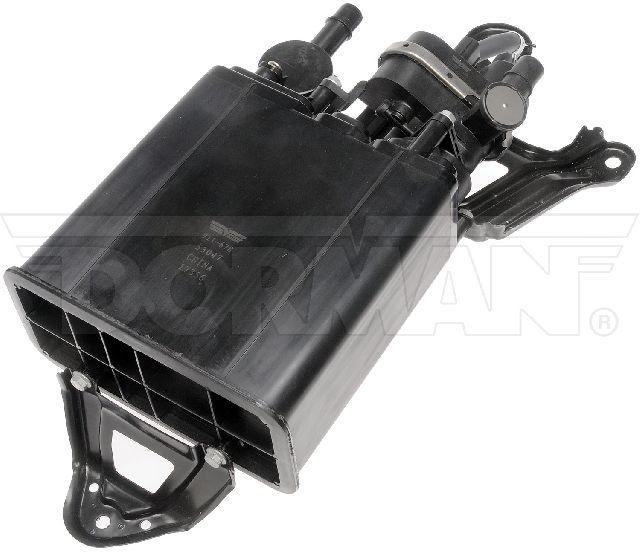
(OEM #77740-12720)— This is the primary fix because the vent valve solenoid, the component that typically fails and causes code P0446, is integrated into this assembly for the 2008-2015 Scion xB. It is not sold as a separate component by Toyota.
Trusted brands: Toyota (OEM), Dorman (911-678), Standard Motor Products (CP3597), Wells
OEM price range: $480-$720
Aftermarket price range: $180-$430
Related Codes That Often Appear With This One
- P0441 — A malfunctioning vent valve can disrupt the system's ability to correctly draw vapors from the canister, leading to an 'Incorrect Purge Flow' code.
- P0442 — If the vent valve fails in a way that creates a small leak, or if the diagnostic test is confused by the valve's incorrect operation, a small leak code may be triggered alongside the circuit code.
- P2401, P2402, P2419 — These codes are related to the EVAP leak detection pump and can sometimes appear with P0446, indicating a more complex system fault. A user on ScionLife reported this combination on a first-gen xB, pointing to a canister failure.
Technical Service Bulletins (TSBs) & Recalls
- While no specific TSB for the 2008-2015 xB and P0446 was found, a GM TSB (#02-06-04-037H) for the same code highlights a common cause across manufacturers: dirt and dust intrusion into the vent system, leading to a blocked vent valve. This corroborates checking for blockages as a key diagnostic step.
Platform-Specific Known Issues
- Owner Experience: Canister Replacement Fix: A user on ScionLife.com with a 2nd-gen xB described getting the P0446 code and having the dealer quote $903 for the repair. The user opted to buy the canister online and replace it themselves, confirming that the valve/solenoid is part of the canister assembly and not sold separately.
- DIY Replacement Difficulty: Owners on forums note that replacing the canister is straightforward. It is held by a few bolts and has several hose connections. The most difficult part can be releasing the quick-disconnect hose fittings, which can be stubborn after years of exposure to the elements.
Mechanic-Grade Diagnostic Values
- EVAP Canister Vent Valve (CCV) Solenoid Resistance — expected: 24 - 30 Ω at 20°C (68°F). Failure: A reading of infinity (open circuit) or near zero (short circuit) indicates a failed solenoid.
- Voltage at Canister Vent Valve Connector — expected: Approximately 12V (Battery Voltage) on one pin with ignition key 'ON', engine off.. Failure: No voltage suggests a problem with the power supply wire or a blown fuse (e.g., EFI fuse).
Scan Tool Commands That Help
- Toyota Techstream: Utility -> Evaporative System Check — This is a comprehensive, automated test that forces the EVAP system through its self-test routine, commanding all valves and monitoring pressure to verify the entire system's operation, which is useful for confirming a fix or diagnosing an intermittent issue.
- Toyota Techstream: Active Test -> 'Activate the VSV for CCV' or similar vent valve command — This bi-directional control allows a technician to manually command the vent valve solenoid on and off to listen for an audible click, directly confirming if the solenoid is mechanically functioning when it receives the command.
Wiring & Ground Locations
- Canister Connector — On the charcoal canister assembly, located under the vehicle just forward of the driver's side rear wheel.. This is the primary point for electrical testing. It's a 7-pin rectangular connector where you test for power, ground, and solenoid resistance. Its location makes it susceptible to corrosion and damage.
- Rear Body Grounds (e.g., L1, BI, BK) — Bolted to the chassis/floor pan in the rear of the vehicle, potentially in the C-pillar or near the rear lights.. A corroded or loose ground connection for the EVAP canister circuit would cause an open circuit and trigger P0446. While the exact ground point isn't specified, checking all accessible grounds in the rear area is a valid diagnostic step if no power is found at the connector.
OEM Part Supersession History
77740-12720→N/A— No supersession found. This part number appears to be consistent for the entire 2008-2015 model year range.
Diagnostic Flowchart
Used vs. New Parts: Buying Guide for This Vehicle
When a used part is the smart pick: Given the high cost of a new OEM canister assembly (often over $500), a used part from a reputable auto recycler is a very practical and cost-effective solution for this repair. The failure is typically the electronic solenoid, not the charcoal media.
Donor-vehicle mileage cap: roughly under 80000 miles for the part to have meaningful remaining life.
What to inspect on the donor part:
- Source from a vehicle in a dry, non-salt-belt climate to minimize corrosion risk.
- Visually inspect the plastic housing for any cracks or signs of impact.
- Check the electrical connector pins; they should be clean, straight, and free of any green or white corrosion.
- Ensure all plastic hose nipples are intact and not broken or brittle.
Aftermarket brands forum-validated for this vehicle:
- Dorman (p/n 911-678) is a widely available and generally accepted aftermarket replacement.
- Standard Motor Products (p/n CP3597) is also a known alternative.
Real Owner Stories
Aggregated from forums and TSBs cited above. Mileages and costs reflect what owners reported in those sources.
2010 Scion xB 2.4L
Symptoms: The Check Engine Light came on, triggering code P0446.
What fixed it: The owner diagnosed the issue as a failed charcoal canister. They purchased a new canister assembly online and replaced it themselves, which resolved the code.
Cost: $450-$720 (part cost)
Source hint: ScionLife.com forum thread titled 'Charcoal Vapor Canister'
Related OBD-II Codes
Frequently Asked Questions
Is the EVAP vent valve sold separately from the charcoal canister on my 2008-2015 Scion xB?
Where is the charcoal canister located on my Scion xB?
What resistance reading should I get when testing the vent valve solenoid on my xB?
My gas pump nozzle keeps clicking off when I try to fill my tank. Is this related to the P0446 code?
How difficult is it to replace the charcoal canister myself?
Are there any official Toyota or Scion TSBs for code P0446 on the 2008-2015 xB?
Can I use an EVAP canister from a Toyota Matrix or RAV4 on my Scion xB since they share an engine?
We Have This Part in Stock


The information in this article is provided for general reference and educational purposes only. Vehicle specifications, procedures, and part compatibility can vary by production date, trim level, and region. Always consult your vehicle's factory service manual and verify part numbers before purchasing or performing repairs. Safety-critical components such as airbags, seat belts, and braking systems should be installed by a qualified professional.
- Scion xB:
- 🧭 Diagnostic Flowchart
- 🛍️ Shop This Part
- What's Unique About the 2008-2015 Scion xB
- Symptoms You May Notice
- Most Likely Causes
- Rare But Worth Checking
- Diagnosis Steps
- Parts You'll Likely Need
- Related Codes That Often Appear With This One
- Technical Service Bulletins (TSBs) & Recalls
- Platform-Specific Known Issues
- Mechanic-Grade Diagnostic Values
- Scan Tool Commands That Help
- Wiring & Ground Locations
- OEM Part Supersession History
- Used vs. New Parts: Buying Guide for This Vehicle
- Real Owner Stories
- 2010 Scion xB 2.4L
- Related OBD-II Codes
- Frequently Asked Questions
- 🎟️ Get 5% Off