

P0446 on 2005-2009 Subaru Legacy: EVAP Vent Circuit Malfunction Causes and Fixes
On a 2005-2009 Subaru Legacy, P0446 almost always means the EVAP canister vent valve at the rear of the car has failed due to rust. This often makes it difficult to fill the gas tank. Replacing the valve is the most common fix, costing around $50-$100 for the part. Be prepared for the mounting bolts to be rusted solid and likely to break upon removal.
- P0446 on your Legacy is almost certainly a problem at the rear of the car, not under the hood.
- The most likely cause is a rusted-out EVAP vent valve, which is a common issue for this model and its platform-mate, the Outback.
- A key symptom is the gas pump shutting off constantly when you try to refuel. If you have this problem, the vent valve is the place to start.
- Before buying parts, get under the car and visually inspect the valve and its wiring for heavy rust and corrosion. Be prepared for the mounting bolts to break during removal.
- Replacing the gas cap will not fix this code.
What's Unique About the 2005-2009 Subaru Legacy
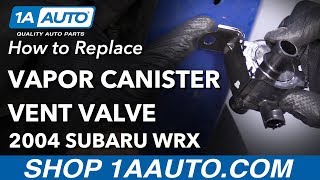
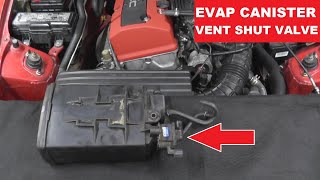
Like many Subarus of this era, the 2005-2009 Legacy places the EVAP vent valve in a vulnerable location near the rear wheels, attached to the charcoal canister. This area is constantly exposed to road spray, salt, and moisture, making the valve assembly highly susceptible to severe rust and corrosion. This is not just a theory; it's the most common real-world failure, leading to the valve either seizing mechanically or its electrical components failing, which directly triggers the P0446 circuit code. 🎬 Watch: Understanding the causes and fixes for the P0446 code. The issue is identical on its platform-mate, the Subaru Outback.
Symptoms You May Notice
- Check Engine Light is on
- Difficulty filling the fuel tank (gas pump nozzle clicks off repeatedly).
- Audible fuel vapor smell near the rear of the vehicle (less common)
- A 'whoosh' sound of escaping pressure when opening the gas cap after driving.
- Replacing the gas cap. A faulty gas cap typically causes leak codes like P0455 or P0457, not a circuit/venting code like P0446.
- Replacing the EVAP Purge Solenoid. The purge solenoid is located in the engine bay and controls vapor flow to the engine. P0446 specifically relates to the vent valve circuit at the rear of the car.
Most Likely Causes
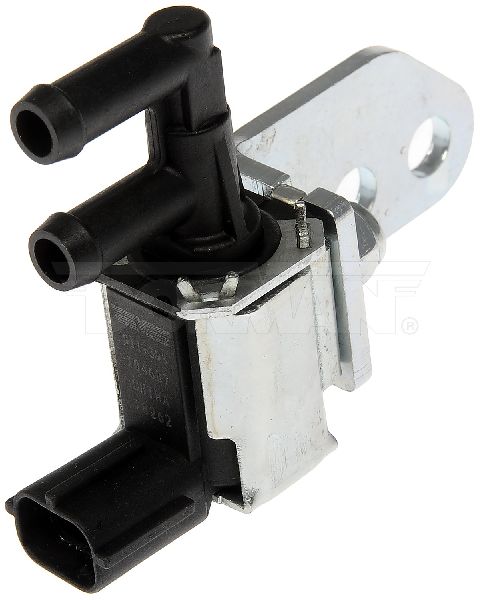
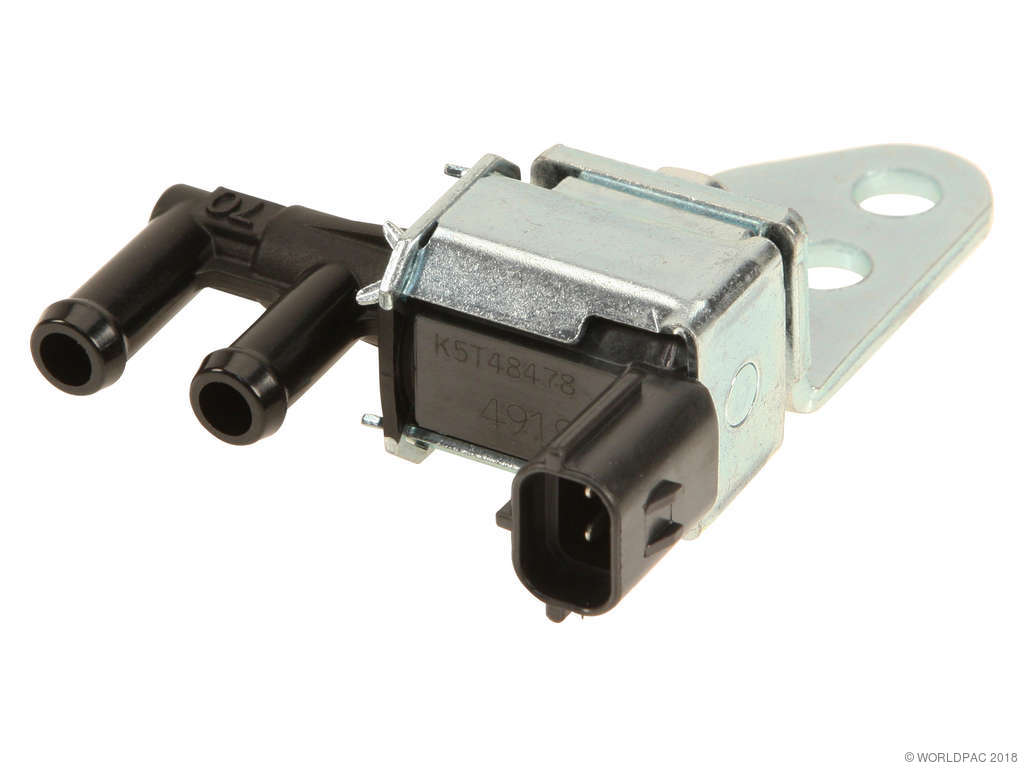
- Rusted or Failed EVAP Vent Control Valve (Canister Close Valve) 🔴 High Probability → Shop Vapor Canister Vent Valve The valve is located behind the right rear wheel well or above the subframe, an area with high exposure to road salt and moisture, leading to accelerated corrosion that seizes the solenoid plunger or destroys the coil.
How to confirm: Visually inspect the valve for heavy rust. Test the solenoid for function using a scan tool that can command it to open and close; you should hear a click. You can also apply 12V power and ground directly to the valve's pins to check for operation. If it doesn't click, it has failed. Since the valve is normally open, you should be able to blow through it when it's disconnected; if you can't, it's stuck closed.
Typical fix: Replace the EVAP vent control valve assembly. Be prepared for rusted bolts that may break during removal. Applying penetrating oil liberally beforehand is highly recommended.
Est. part cost: $50-$150 - Corroded Wiring or Electrical Connector 🟡 Medium Probability The same corrosion that kills the valve also attacks its electrical connector and nearby wiring. Forum users have noted a specific factory splice in the harness, about 8 inches from the valve connector, that is known to corrode and fail, causing an open circuit.
How to confirm: Unplug the connector and inspect the pins for green or white corrosion. With the key on (engine off), check for ~12V power at the Yellow/Green wire in the connector. Trace the wiring harness back from the connector, feeling for any swollen, hard, or brittle sections that indicate internal corrosion.
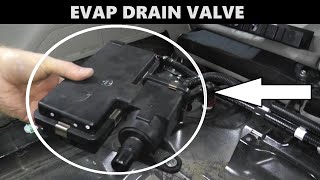
Typical fix: Clean the connector terminals if corrosion is minor. If the connector or wiring is damaged, it will need to be repaired with a new pigtail or by splicing in new wire. The corroded factory splice often needs to be cut out and replaced with a sealed butt connector. 🎬 Watch: A mechanic's guide to diagnosing Subaru EVAP drain valve issues.
Est. part cost: $15-$40 - Blocked EVAP Vent Hose ⚪ Low Probability The fresh air intake hose for the EVAP system can be an attractive place for spiders and insects to build nests, creating a blockage. Mud and debris can also clog the line.
How to confirm: Disconnect the vent hose from the vent valve and attempt to blow compressed air through it. If it is blocked, you've found the restriction.
Typical fix: Clear the blockage from the hose using compressed air or a flexible wire. In some cases, the hose may need to be replaced if it's brittle or damaged.
Est. part cost: $0-$30
Rare But Worth Checking
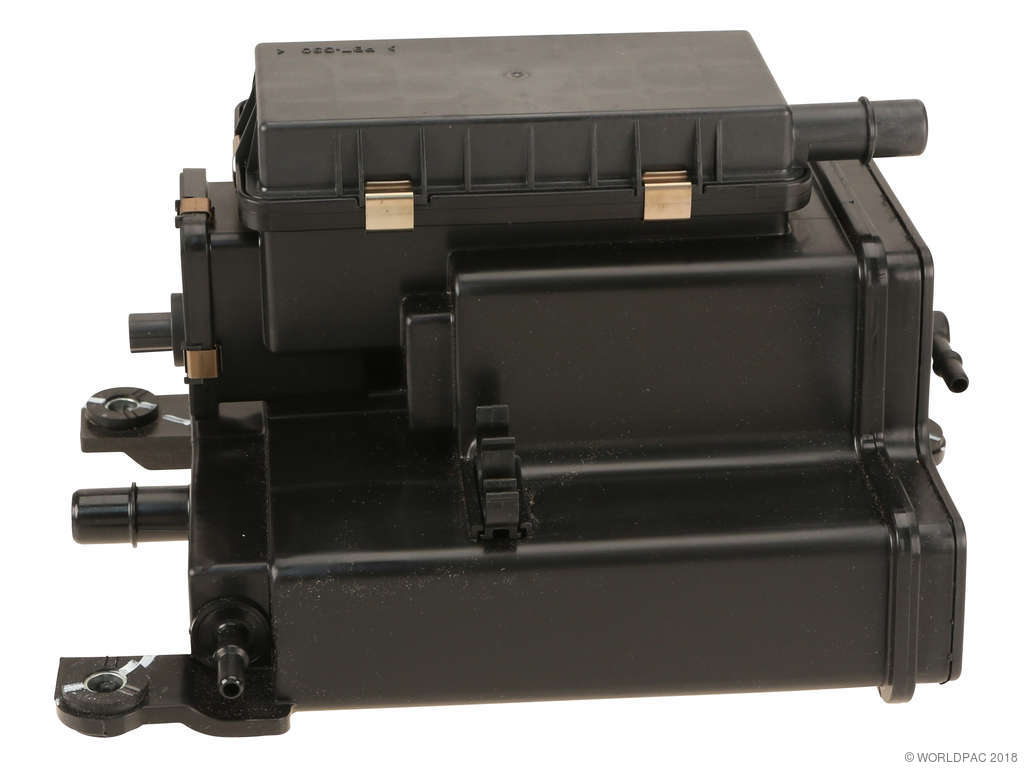
- Cracked or Saturated Charcoal Canister: → Shop Vapor Canister This is uncommon for a P0446 code alone, but if the canister is physically damaged or has been saturated with fuel from overfilling the tank, it can cause flow problems that may contribute to this code. It will often be accompanied by other EVAP codes like P0442 or P0455.
Diagnosis Steps
- Confirm the code with an OBD-II scanner.
- Note any other pending or active codes.
- Check for the primary symptom: difficulty filling the gas tank. If this is present, the vent valve is almost certainly stuck closed or the vent path is blocked.
- Raise and safely support the rear of the vehicle.
- Locate the EVAP vent valve assembly near the charcoal canister, typically behind the right rear wheel.
- Visually inspect the valve, its connector, and nearby wiring for obvious signs of heavy rust, corrosion, or physical damage.
- If possible, use a bidirectional scan tool to command the vent valve solenoid ON and OFF. Listen for an audible click. No click indicates a failed valve or a circuit problem.
- If you do not have a scan tool, disconnect the electrical connector. Turn the ignition to 'ON' (engine off). Test for ~12V at the Yellow/Green wire in the harness connector.
- If power is present, you can use jumper wires to apply 12V and ground directly to the valve's terminals to see if it clicks. If it does not, the valve is bad.
- If the valve clicks with direct power but not with the scan tool, the problem is in the wiring between the ECU and the valve, or the ECU driver itself (rare).
- Disconnect and inspect the vent hose for any blockages from debris or insect nests. Blow through it to ensure it's clear.
Parts You'll Likely Need
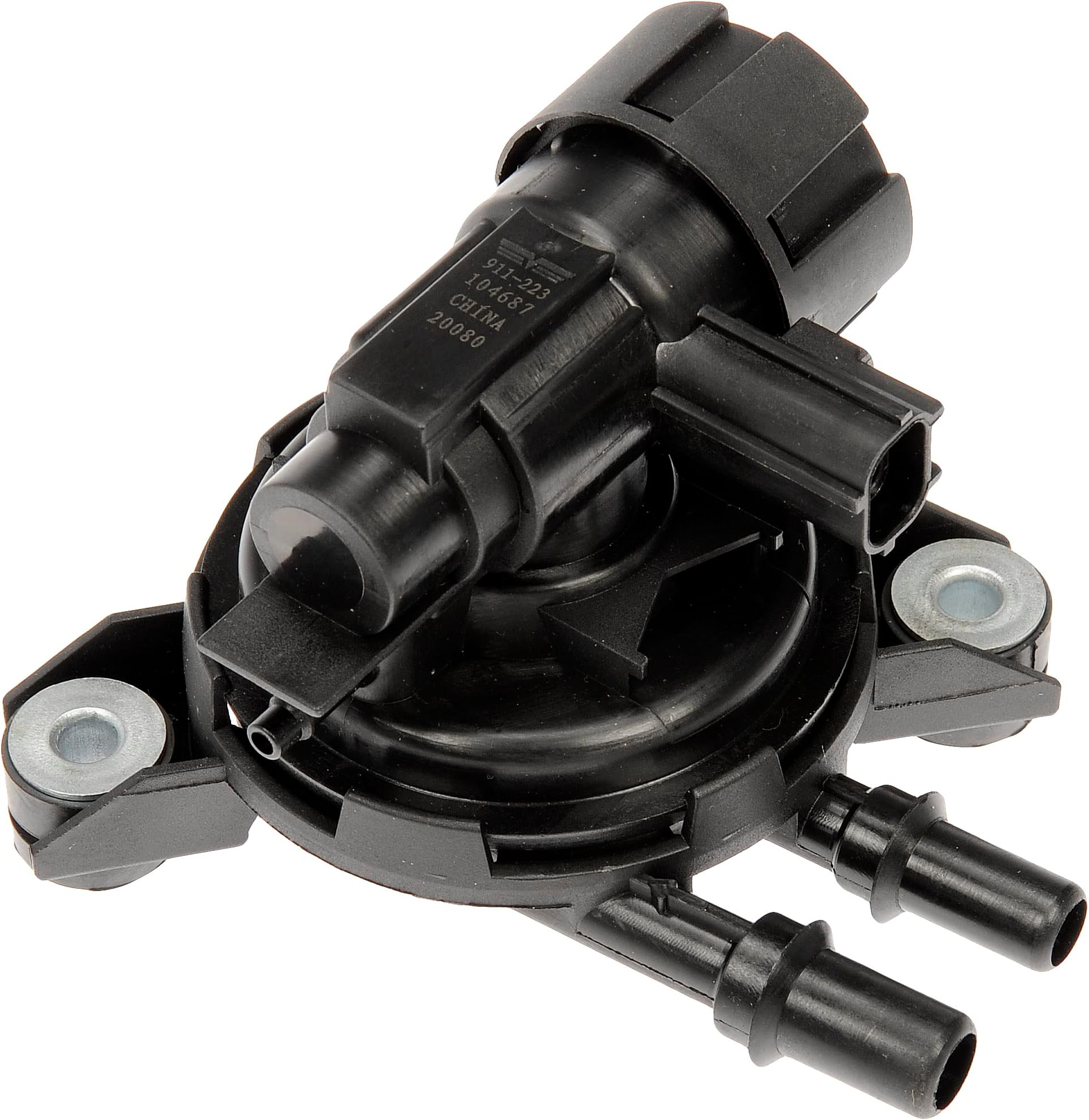
- EVAP Canister Vent Valve (or Drain Valve/Solenoid)
(OEM #42084SA020)— This is the component that fails most frequently due to rust and corrosion, directly causing the P0446 code. This part number fits the 2005-2008 Forester and 2005-2007 Impreza as well, but always verify with VIN.
Trusted brands: Subaru (Genuine), Dorman (911-650), Standard Motor Products (SMP)
OEM price range: $90-$130
Aftermarket price range: $50-$100
Technical Service Bulletins (TSBs) & Recalls
- No specific Subaru TSB for P0446 on this model was found in searches. However, GM TSB 09-06-04-028D describes an identical failure mode (water/dirt intrusion into the vent solenoid) causing code P0446 and refueling issues, corroborating the diagnosis and highlighting it as a common industry-wide problem with this system design.
Platform-Specific Known Issues
- Owner Experience: The Inevitable Broken Bolts: A very common story on forums like legacygt.com involves owners attempting to replace the vent valve, only to have the two small mounting bolts snap off due to rust. One owner on YouTube noted one of his had snapped years prior, and he sealed the valve to the canister with gasket maker as a temporary fix. It is highly advisable to soak the bolts in penetrating oil for hours or even days before attempting removal and have a bolt extractor kit on hand just in case.
- Real-World Diagnosis: Chasing a Wiring Fault: On a Reddit thread for a similar-era Subaru, a user with P0446 replaced multiple EVAP components with no success. The solution, suggested by another user, was to inspect the wiring harness about 8 inches back from the drain solenoid connector. They found a corroded factory splice for the power wire, which is a known failure point. Repairing this single splice resolved the code.
Mechanic-Grade Diagnostic Values
- EVAP Vent Valve (Solenoid) Coil Resistance — expected: 20 - 40 Ohms. Failure: Infinite resistance (open circuit) or near-zero resistance (short circuit) indicates a failed solenoid.
- Voltage at Vent Valve Connector (Key On, Engine Off) — expected: ~12V (Battery Voltage) on the Yellow/Green wire. Failure: No voltage indicates a problem with the power supply circuit, fuse, or the known-to-fail factory splice in the harness.
- Continuity on Ground Wire to ECU — expected: < 1.0 Ohm. Failure: High resistance or an open circuit (OL) indicates a break in the ground control wire between the vent valve connector and the ECU.
Scan Tool Commands That Help
- Subaru Select Monitor (SSM) or equivalent professional scan tool: Evaporative System Leak Test / On-Board System Test — This function allows the technician to command the EVAP system components, including the vent valve, to cycle on and off. Listening for an audible click from the valve while commanding it closed is a definitive test of the solenoid's mechanical and electrical function without having to apply direct voltage. The test can also monitor system pressure to confirm the valve is sealing.
- Subaru Select Monitor (SSM): Read Current/Past Faults — To check for any other stored EVAP codes (like P0442, P0455) that might point to a larger system issue beyond just the P0446 circuit fault. The SSM can differentiate between currently active faults and historical ones.
Wiring & Ground Locations
- Vent Valve Connector — On the EVAP canister vent valve, located at the rear of the vehicle, typically above the rear subframe near the charcoal canister.. This 2-pin connector is the primary point for electrical testing. Pin 1 (Yellow/Green wire) should have ~12V with key-on. Pin 2 is the ground signal wire controlled by the ECU. Corrosion inside this connector is a common cause of P0446.
- Corroded Factory Splice — Approximately 8 inches back from the vent valve connector, within the wiring harness.. A known failure point is a factory splice for the power supply (Yellow/Green wire) that corrodes internally, causing an open circuit and triggering P0446. This is often missed as the valve and connector may appear fine. The harness may feel stiff or swollen in this area.
- Chassis Grounds (GB-1, GB-2) — Main chassis grounds are located on the side of the frame rails in the engine bay and on the strut towers. The ECU itself is grounded to the top of the intake manifold.. While not the most likely cause, a poor main chassis ground can create a host of floating voltages and intermittent electrical issues, including problems with ECU-controlled circuits like the EVAP vent valve. Verifying clean, tight grounds is a good practice when diagnosing any electrical fault.
Real Owner Repair Stories
- Reddit user on /r/subaru (2005 Subaru Legacy 2.5i Sedan) — Check Engine Light with code P1443 (Subaru-specific equivalent for vent control issues).
❌ Tried (didn't work) Attempted to blow through the vent hose but found it completely blocked.
✅ What actually fixed it After tracing the blocked hose, the owner discovered a pair of vice grips had been left clamped on the tube by a previous mechanic, completely obstructing it. Removing the vice grips resolved the code. - Reddit user on /r/MechanicAdvice (1998 Subaru Legacy GT Limited (similar EVAP design)) — P0446 code preventing passing of emissions test.
❌ Tried (didn't work) Replaced EVAP lines, Swapped all sensors, Sealed gas tank pump and pressure sensor, Replaced gas cap, Reconditioned filler neck
✅ What actually fixed it A commenter pointed to a common problem: a corroded splice for the power supply (Yellow/Green wire) located about 8 inches back in the harness from the drain solenoid connector. The original poster confirmed they would try this fix, which is a well-documented issue.
"I Checked Everything" — The Actual Cause
- Because P0446 is a 'Circuit Malfunction' code, it specifically points to an electrical problem (open, short, or out-of-range resistance) or a complete blockage, not a system leak. A technician may run a smoke test by default for an EVAP code and find no leaks, which is expected. The actual cause is almost always the failed vent valve solenoid coil, corroded wiring/connector, or a physical blockage in the vent line (e.g., spider nest, debris, or a stuck-shut valve), none of which a smoke test for leaks would identify.
OEM Part Supersession History
42084FA120→42084SA020— Part update/revision by Subaru.
Heads up: While Dorman 911-650 is listed as a compatible aftermarket replacement for a wide range of years (1997-2008), always verify fitment for your specific year and emissions type (PZEV vs. Federal) before purchasing.
Model Year Variations Within This Range
- 2005-2009: Vehicles sold in California or other states following CARB standards may be designated as PZEV (Partial Zero-Emission Vehicle). These models can have different EVAP system components, including a different vapor canister, compared to the standard Federal (EPA) emissions vehicles. It is critical to check the Vehicle Emissions Control Information label under the hood to determine which system the car has before ordering parts.
- 2005-2009: The 2.5L Turbo (GT models) and 3.0L/3.6L 6-cylinder engines use different EVAP system components and part numbers compared to the naturally aspirated 2.5L engine. This guide's part numbers and specific locations apply to the non-turbo 2.5L engine.
Diagnostic Flowchart
Other Known Issues on This Vehicle
Issues unrelated to this code that are worth knowing about as an owner of this generation:
- Head Gasket Failure (2.5L Non-Turbo EJ25 Engine) 🔴 High — Commonly occurs between 100,000 and 150,000 miles. Affects non-turbo 2.5L engines from approximately 1999-2011. The issue is typically an external oil or coolant leak.
- Clogged Banjo Bolt Filters (Turbo Models - GT/XT) 🔴 High — A preventative maintenance item. Clogged mesh filters in the turbo oil feed line banjo bolts can starve the turbo of oil, leading to catastrophic failure. Many owners proactively remove them.
- Failing Wheel Bearings 🟠 Medium — A frequently reported problem for this generation, leading to a humming or grinding noise that changes with vehicle speed.
- Cracked Plastic Radiator End Tanks 🟠 Medium — The plastic end tanks crimped to the aluminum radiator core can become brittle with age and heat cycles, developing cracks and causing coolant leaks. Often fails after 100,000 miles.
- Faulty Center Infotainment/Radio Unit 🟡 Low — The display on the radio and climate control unit is known to fail intermittently or completely, making it difficult to see settings.
Used vs. New Parts: Buying Guide for This Vehicle
When a used part is the smart pick: A used vent valve is generally NOT recommended due to the high failure rate from rust, which is the primary cause of P0446. However, if sourcing a part from a guaranteed dry-climate, low-mileage donor vehicle (e.g., from Arizona or Southern California), it could be a viable low-cost option. A used charcoal canister assembly is a reasonable choice if the original is physically cracked, as long as the donor part is inspected for damage and comes from a car without fueling issues.
Donor-vehicle mileage cap: roughly under 80000 miles for the part to have meaningful remaining life.
What to inspect on the donor part:
- For a vent valve, look for zero rust on the metal plunger and housing.
- Check that the electrical connector pins are clean, straight, and free of any green or white corrosion.
- For a charcoal canister, ensure the plastic housing has no cracks, especially around the hose nipples and mounting tabs.
- Ask the dismantler if the donor car was from a 'salt belt' state; avoid parts from these regions.
OEM-only on this vehicle (don't cheap out):
- There are no strict OEM-only parts for this specific repair, as reputable aftermarket brands are available.
Aftermarket brands forum-validated for this vehicle:
- Dorman (specifically part 911-650) is a widely available and commonly used aftermarket replacement for the vent valve.
- Standard Motor Products (SMP) is another reputable aftermarket electronics supplier that offers a replacement.
Brands owners have reported issues with on this vehicle:
- Avoid unbranded, no-name parts from online marketplaces, as their quality control and material specifications for the solenoid coil and valve seals can be highly suspect.
Real Owner Stories
Aggregated from forums and TSBs cited above. Mileages and costs reflect what owners reported in those sources.
2005-2009 Subaru Legacy
Symptoms: The owner attempted to replace the vent valve but the two small mounting bolts snapped off due to rust.
What fixed it: One owner used gasket maker to seal the valve to the canister as a temporary fix after a bolt snapped.
Source hint: legacygt.com - Multiple threads discuss the high likelihood of the vent valve mounting bolts breaking
2005-2009 Subaru Legacy
Symptoms: P0446 code persisted even after replacing multiple EVAP components.
What fixed it: Inspecting the wiring harness 8 inches back from the drain solenoid connector and repairing a corroded factory power wire splice.
Source hint: reddit.com/r/MechanicAdvice - A user noted a common failure point being a corroded wire splice
2005-2009 Subaru Outback
Symptoms: P0446 code present on a vehicle sharing the same chassis and EVAP design as the Legacy.
What fixed it: Clearing spider nests out of the vent hose or replacing the failed valve.
Source hint: subaruoutback.org - Confirmed that the 2005-2009 Outback suffers from the identical P0446 issue
Related OBD-II Codes
Frequently Asked Questions
Why does the gas pump nozzle keep clicking off when I try to fill my 2005-2009 Legacy?
Where is the EVAP vent control valve located on my Subaru Legacy?
Is there a specific TSB for P0446 on the 2005-2009 Subaru Legacy?
What wire should I test for power at the vent valve connector?
What is the most common reason for the vent valve to fail on this generation of Legacy?
Are there any common installation issues I should watch out for when replacing the valve?
Helpful Videos

Used OEM Parts in Stock
New Aftermarket Parts Available


The information in this article is provided for general reference and educational purposes only. Vehicle specifications, procedures, and part compatibility can vary by production date, trim level, and region. Always consult your vehicle's factory service manual and verify part numbers before purchasing or performing repairs. Safety-critical components such as airbags, seat belts, and braking systems should be installed by a qualified professional.
- Subaru Legacy:
- 🧭 Diagnostic Flowchart
- 🎬 Helpful Videos
- 🛍️ Shop This Part
- What's Unique About the 2005-2009 Subaru Legacy
- Symptoms You May Notice
- Most Likely Causes
- Rare But Worth Checking
- Diagnosis Steps
- Parts You'll Likely Need
- Technical Service Bulletins (TSBs) & Recalls
- Platform-Specific Known Issues
- Mechanic-Grade Diagnostic Values
- Scan Tool Commands That Help
- Wiring & Ground Locations
- Real Owner Repair Stories
- "I Checked Everything" — The Actual Cause
- OEM Part Supersession History
- Model Year Variations Within This Range
- Other Known Issues on This Vehicle
- Used vs. New Parts: Buying Guide for This Vehicle
- Real Owner Stories
- 2005-2009 Subaru Legacy
- 2005-2009 Subaru Legacy
- 2005-2009 Subaru Outback
- Related OBD-II Codes
- Frequently Asked Questions
- 🎟️ Get 5% Off