

P0446 on 2005-2009 Subaru Outback: EVAP Vent Control Circuit Causes and Fixes
On a 2005-2009 Subaru Outback, code P0446 is almost always caused by a faulty EVAP vent valve located on the charcoal canister or a blockage in the vent hose, often from spider nests or mud. Expect to pay around $60-$90 for a replacement valve, which is a DIY-friendly fix located behind the rear driver's side wheel.
- P0446 on your Outback points to the vent valve or its circuit, located at the back of the car.
- The most common symptom, besides the Check Engine Light, is the gas pump shutting off before the tank is full.
- The most likely fix is replacing the vent valve solenoid, which is an accessible and affordable DIY job.
- Before buying parts, test the valve with a multimeter and check the hoses for blockages from debris or spider nests.
What's Unique About the 2005-2009 Subaru Outback
While P0446 is a generic code, on the third-generation Subaru Outback, the problem is almost always located at the rear of the vehicle by the driver's side wheel. The vent valve and charcoal canister are relatively exposed under the car, making them susceptible to corrosion, dirt, and debris. Unlike some vehicles where this code points to complex electrical issues, on the Outback it's typically a straightforward mechanical or electrical failure of the vent valve itself or a simple blockage in a hose. A very common cause on Subarus is spiders building nests in the vent hose, creating a blockage.
Symptoms You May Notice
- Check Engine Light is on.
- Difficulty filling the gas tank (the fuel pump nozzle clicks off repeatedly before the tank is full).
- A faint fuel smell near the rear of the vehicle (less common).
- Pressure release (a 'whoosh' sound) when opening the gas cap after driving (indicates the system is not venting properly).
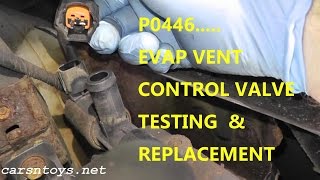
- Replacing the gas cap. While a bad gas cap can cause other EVAP codes (like P0455 or P0457), it does not cause a P0446 circuit/blockage code. 🎬 Watch: Understanding the common causes and fixes for P0446
- Replacing the EVAP Purge Control Solenoid. This is a different valve located in the engine bay. P0446 specifically refers to the vent valve and circuit at the rear of the vehicle by the charcoal canister.
Most Likely Causes
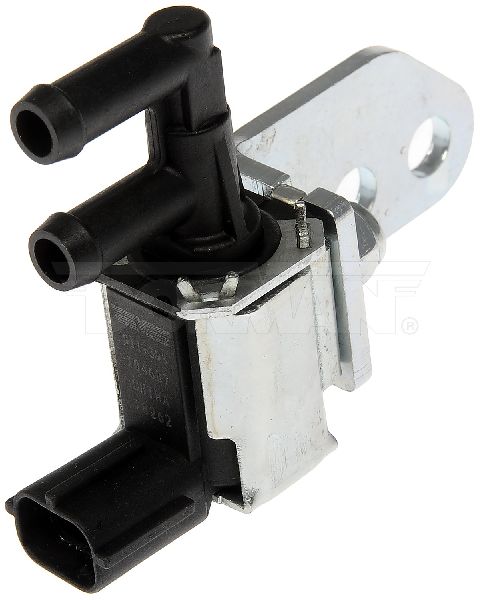
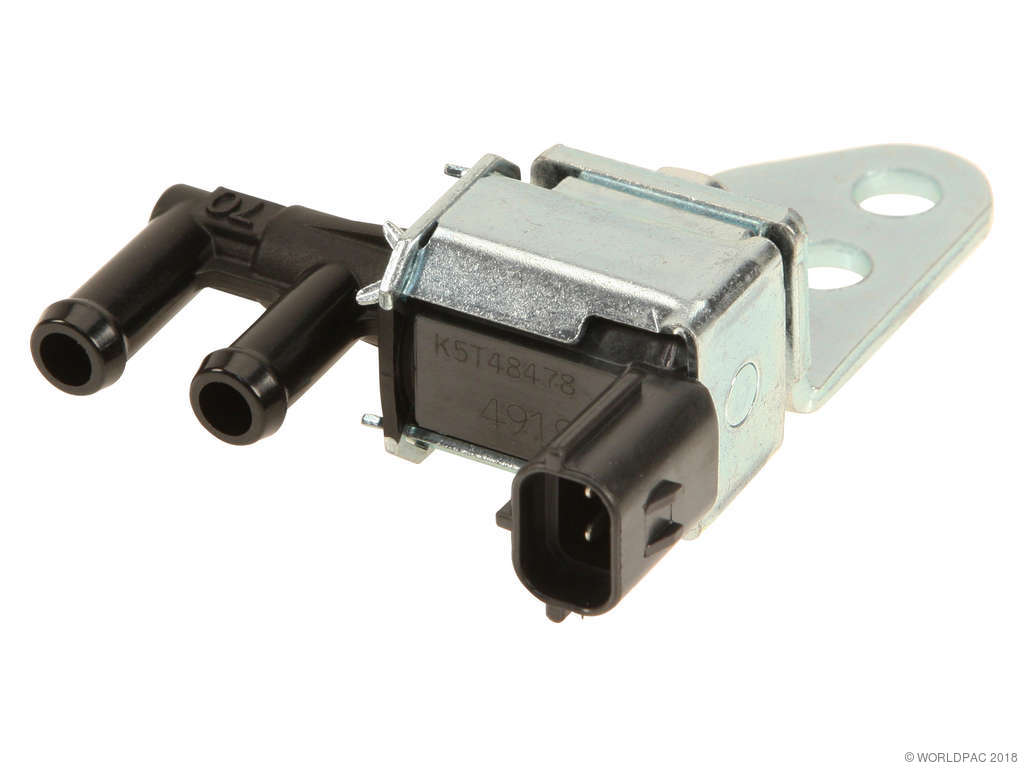
- Faulty EVAP Canister Vent Valve (Solenoid) 🔴 High Probability → Shop Vapor Canister The valve is located under the vehicle and is exposed to road salt, water, and dirt, which can lead to corrosion and failure over time. The solenoid can fail electrically (open or shorted coil) or become mechanically stuck.
How to confirm: Locate the valve on the charcoal canister behind the rear driver's-side wheel. Disconnect the electrical connector and check the valve's resistance with a multimeter. A good valve should read between 20-40 ohms (a forum user reported a good valve at 26.4 ohms). An open circuit (infinite resistance) or short (near 0 ohms) indicates a bad valve. You can also apply 12V directly to the valve's pins; you should hear a distinct click as it actuates. If it doesn't click or the resistance is out of spec, it has failed.
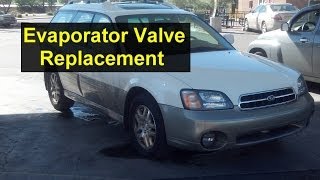
Typical fix: Replace the vent valve. It is typically held onto the canister with two bolts, though sometimes these bolts rust and break. 🎬 Watch: A walkthrough of the vent valve replacement process
Est. part cost: $60-$120 - Clogged or Blocked Vent Hose/Filter 🟡 Medium Probability The vent hose outlet is a known spot for spiders to build nests and lay egg sacs, which perfectly blocks the hose and prevents the EVAP system from drawing in fresh air. Mud and other road debris can also cause a clog.
How to confirm: Disconnect the rubber hose from the vent valve and inspect it for blockages. Try blowing compressed air through it to ensure it's clear from the valve to the vent point. A visual inspection for spider webs or mud dauber nests at the hose's end is often all that's needed.
Typical fix: Clear the blockage from the hose. If the hose is cracked or damaged, replace it.
Est. part cost: $0-$20 - Damaged Wiring or Connector ⚪ Low Probability
How to confirm: Visually inspect the wiring harness and connector going to the vent valve for any signs of corrosion, breaks, or chafing. With the key on (engine off), use a multimeter to confirm that one of the pins in the connector is receiving ~12V (battery voltage). Check the continuity of the ground wire back to the ECU; resistance should be less than 1.0 ohm.
Typical fix: Repair the damaged section of wire or replace the connector pigtail.
Est. part cost: $5-$25
Rare But Worth Checking
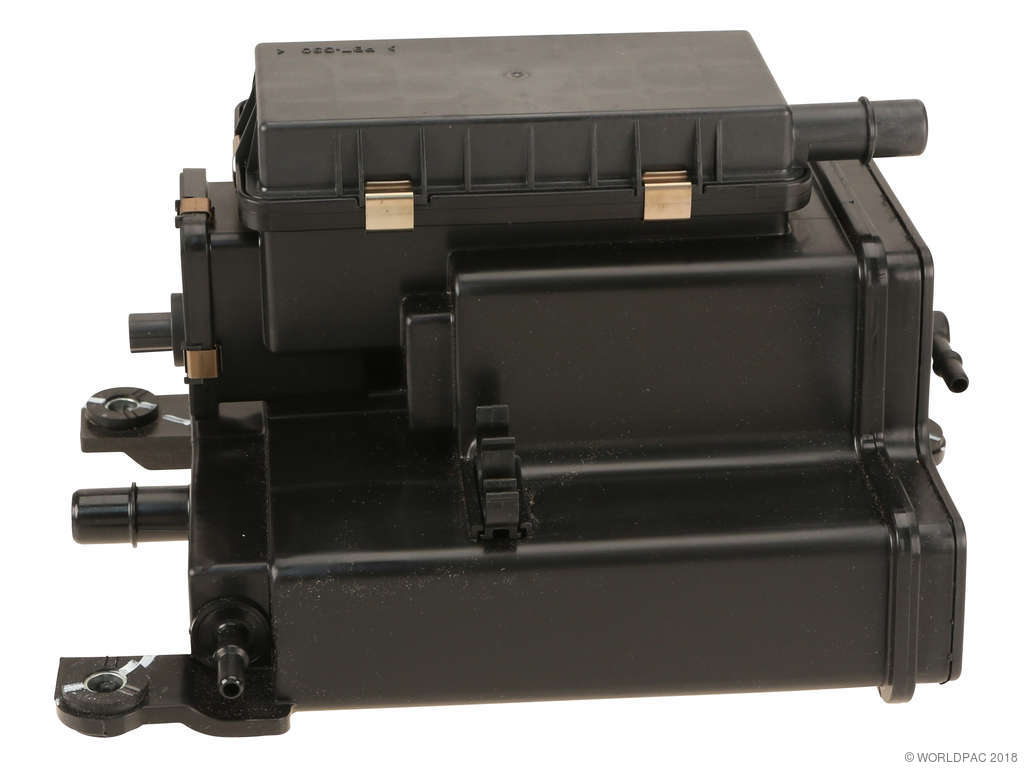
- Failed Charcoal Canister: → Shop Vapor Canister The canister itself can fail internally if it becomes saturated with fuel (often from overfilling the gas tank) or if the activated charcoal breaks down and clogs the passages. Since the vent valve is attached to it, they are sometimes replaced as an assembly. If you hear charcoal pellets rattling when you shake the canister, it may be internally damaged.
- Faulty Engine Control Unit (ECU): This is extremely rare. The driver circuit within the ECU that controls the vent valve can fail. This should only be considered after all other possibilities have been exhaustively ruled out and confirmed with wiring checks.
Diagnosis Steps
- Read the code with an OBD-II scanner to confirm P0446 is the only code present.
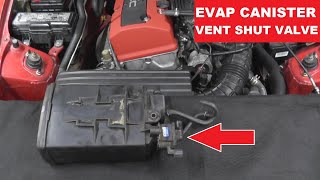
- Locate the EVAP canister and vent valve behind the rear driver's-side wheel.
- Visually inspect the vent valve connector and wiring for any obvious damage, corrosion, or loose connections.
- Disconnect and inspect the main rubber vent hose connected to the valve and canister. Check thoroughly for obstructions like mud or, most notably, spider nests.
- Disconnect the electrical connector from the vent valve. Turn the ignition to the 'ON' position (engine off). Use a multimeter to verify that one wire in the connector has battery voltage (~12V).
- With the valve disconnected, measure the resistance across the two pins on the valve itself. A reading between 20 and 40 ohms is typical for a good valve. An open circuit (infinite resistance) or short (zero resistance) indicates a bad valve.
- (Definitive Test) Use jumper wires to carefully apply 12V and ground directly to the valve's pins. A healthy valve will make an audible 'click'. No click means the solenoid is dead.
- If the valve and wiring test good, but the refueling issue persists, the charcoal canister itself may be clogged with fuel, charcoal granules, or road dust.
- If the valve is confirmed bad, replace it. If the valve, wiring, and hoses are all good, the issue may be a clogged charcoal canister.
Parts You'll Likely Need
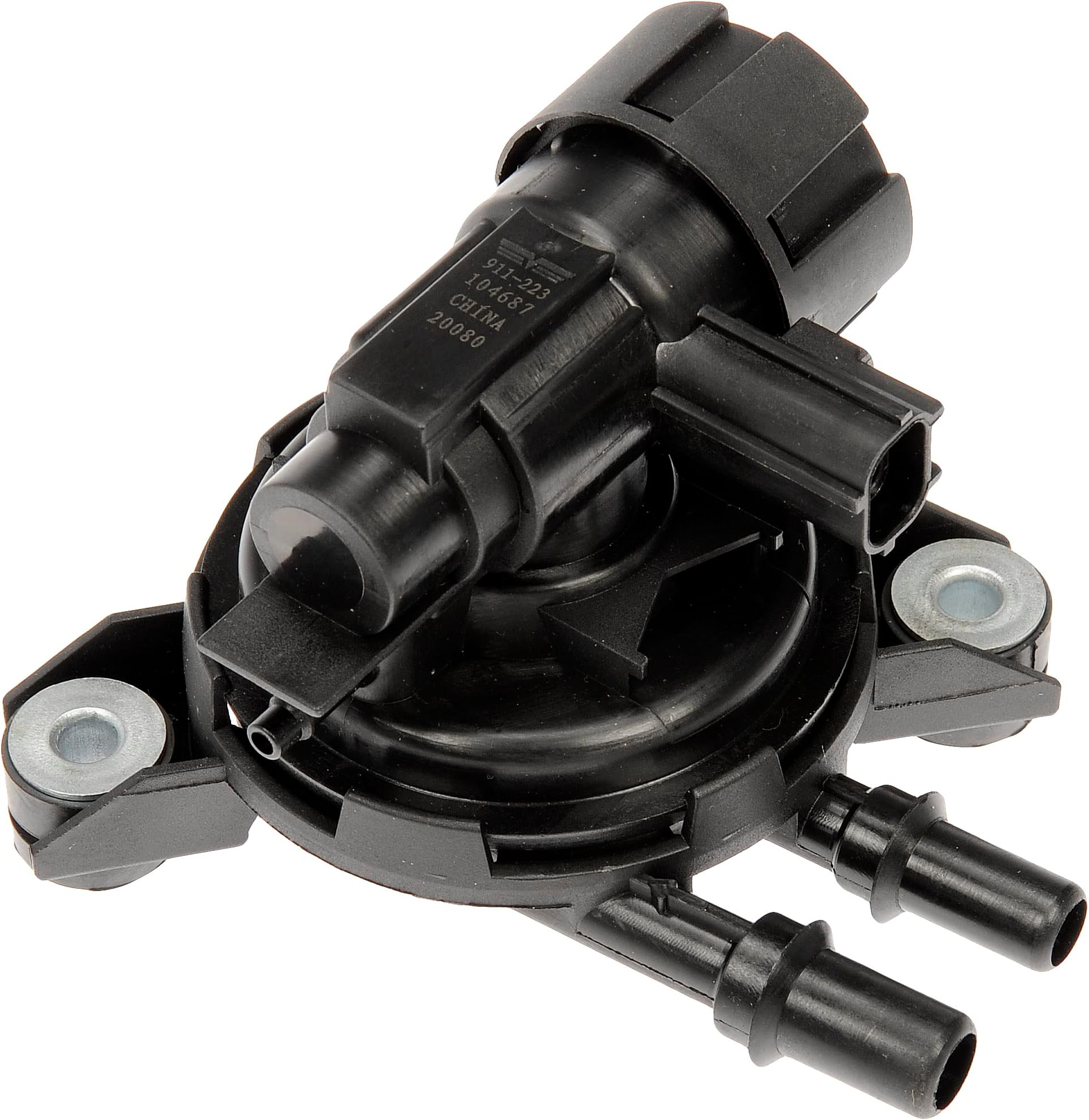
- EVAP Canister Vent Valve
(OEM #42084SA020)— This solenoid is the most common failure point for code P0446, either failing electrically (coil burns out) or getting stuck mechanically due to corrosion or debris.
Trusted brands: Subaru (Genuine), Standard Motor Products, Dorman
OEM price range: $90-$120
Aftermarket price range: $60-$90
Technical Service Bulletins (TSBs) & Recalls
- While no specific Subaru TSB for P0446 on this model was found, GM issued TSB 02-06-04-037E for a similar issue on their trucks. It notes that operating in dusty environments can clog the EVAP canister and vent solenoid, causing P0446, and recommends installing a filter kit. This highlights the role of environmental debris in causing this code.
Platform-Specific Known Issues
- The exposed location of the vent valve under the car makes the bolts notorious for rusting and snapping off during removal. It's wise to have replacement bolts on hand or be prepared to drill and tap if one breaks.
- Spider nests are a surprisingly common cause of vent hose blockages on Subarus. The warm, dry, and secluded hose is an attractive place for them to build a web and block airflow.
Mechanic-Grade Diagnostic Values
- EVAP Canister Vent Valve Coil Resistance — expected: 20-40 Ohms. A specific known-good valve was measured at 26.4 Ohms.. Failure: An open circuit (infinite resistance) or a shorted circuit (near 0 Ohms) indicates a failed valve coil.
- Vent Valve Control Wire Continuity — expected: Less than 1.0 Ohm.. Failure: Resistance higher than 1.0 Ohm indicates excessive resistance or a break in the wire between the valve connector and the ECU.
- Voltage at Vent Valve Connector — expected: Approximately 12V (battery voltage) on one pin with the key in the 'ON' position, engine off.. Failure: No voltage suggests a problem with the power supply fuse or wiring.
Scan Tool Commands That Help
- Subaru Select Monitor (SSM): Evaporative System Leak Test — This is a dealer-level forced test to command the EVAP system through its self-test procedure to verify function after a repair or to diagnose an intermittent fault that isn't immediately obvious.
- Physical Connector: Connect Green 'Test Mode' Connectors — Connecting the two green, single-pin connectors found under the driver's side dash puts the car into a diagnostic test mode. With the key on (engine off), the ECU will cycle all relays and solenoids, including the EVAP vent valve, every second. This allows a technician to physically touch or listen to the valve to confirm it is mechanically actuating (clicking) without a scan tool.
Wiring & Ground Locations
- Vent Valve Control Wire — In the harness connector for the EVAP vent valve, running to the Engine Control Module (ECU).. A forum user identified this as a White wire with a Blue stripe on a similar model year. This is the ground-side switched wire controlled by the ECU. Checking continuity on this specific wire back to the ECU is a critical step if the valve itself tests good.
- Vent Valve Connector Pins — The two-pin electrical connector on the EVAP vent valve solenoid.. One pin is the ~12V power supply (key on), and the other is the control wire that the ECU grounds to close the valve. Identifying which is which is necessary for testing the circuit. If both pins show 12V with the key on, it indicates an open circuit on the control (ground) side wiring back to the ECU or a faulty ECU driver.
Real Owner Repair Stories
- Ultimate Subaru Message Board (1997 Subaru Legacy 2.2L (similar EVAP system and diagnostic principles)) — Check Engine Light with code P0446.
❌ Tried (didn't work) Replacing the vent solenoid valve previously., Clearing the code (it returned within 5 minutes of idling).
✅ What actually fixed it The user performed a highly detailed diagnosis, confirming the vent valve worked when 12V was applied, had correct resistance (26.4 Ohms), the connector had power (13V), and the control wire had good continuity to the ECU (0.7 Ohms). The thread concluded with the strong possibility of a failed driver circuit within the ECU, as all external components and wiring tested perfectly. This serves as a masterclass in ruling everything else out before condemning the ECU.
Model Year Variations Within This Range
- 2005-2009: Vehicles sold in California and other states following its standards may be built as Partial Zero-Emission Vehicles (PZEV). PZEV models can have modifications to the EVAP system, potentially requiring a different vapor canister or other components compared to the standard Federal (EPA) emissions vehicles. The vehicle's emissions label under the hood should be checked to confirm which system it has before ordering parts.
Diagnostic Flowchart
Real Owner Stories
Aggregated from forums and TSBs cited above. Mileages and costs reflect what owners reported in those sources.
2005 Subaru Outback — 225427 miles
Symptoms: Engine misfiring on acceleration, Check Engine Light illuminated with codes P0175, P0172, and P0446.
What fixed it: The technician tested for good power and ground at the vent valve (which passed) and hooked up a smoke machine to check for leaks to continue diagnosing the system.
Source hint: thecardoctorshop.com - 2005 Subaru Outback Service
2006 Subaru Legacy
Symptoms: Persistent P0446 code despite testing components.
What fixed it: The owner meticulously diagnosed the system, confirming good voltage (13V), good valve resistance (26.4 ohms), and good wiring continuity to the ECU (0.7 ohms), demonstrating a complex diagnostic scenario where the code persisted despite passing standard electrical tests.
Source hint: Ultimate Subaru Message Board - P0446-Evap Emmis Control System
Subaru Outback/Legacy
Symptoms: An annoying P0446 code remained after replacing the head gasket and timing belt.
What fixed it: Diagnosed a dead factory wire that was supposed to supply 12V to the rear solenoids, indicating an open circuit in the wiring harness.
Source hint: Ultimate Subaru Message Board
Subaru (General)
Symptoms: Restricted airflow during the EVAP test causing a P0446 code.
What fixed it: Found spiders building webs and laying egg sacs in the vent valve and hose, requiring the blockage to be cleared.
Source hint: iATN - P0446 Evap Vent Performance & Spiders!
Related OBD-II Codes
Frequently Asked Questions
Where is the EVAP vent valve located on my 2005-2009 Subaru Outback?
Why does the gas pump keep clicking off when I try to fill my Outback's tank?
What is the correct resistance for a good EVAP vent valve on this vehicle?
I heard spiders can cause the P0446 code on Subarus. Is this true?
Can I use an EVAP vent valve from a Forester or Impreza to fix my Outback?
Does GM TSB 02-06-04-037E apply to my Subaru Outback?
Helpful Videos

Used OEM Parts in Stock
New Aftermarket Parts Available


The information in this article is provided for general reference and educational purposes only. Vehicle specifications, procedures, and part compatibility can vary by production date, trim level, and region. Always consult your vehicle's factory service manual and verify part numbers before purchasing or performing repairs. Safety-critical components such as airbags, seat belts, and braking systems should be installed by a qualified professional.
- Subaru Outback:
- 🧭 Diagnostic Flowchart
- 🎬 Helpful Videos
- 🛍️ Shop This Part
- What's Unique About the 2005-2009 Subaru Outback
- Symptoms You May Notice
- Most Likely Causes
- Rare But Worth Checking
- Diagnosis Steps
- Parts You'll Likely Need
- Technical Service Bulletins (TSBs) & Recalls
- Platform-Specific Known Issues
- Mechanic-Grade Diagnostic Values
- Scan Tool Commands That Help
- Wiring & Ground Locations
- Real Owner Repair Stories
- Model Year Variations Within This Range
- Real Owner Stories
- 2005 Subaru Outback — 225427 miles
- 2006 Subaru Legacy
- Subaru Outback/Legacy
- Subaru (General)
- Related OBD-II Codes
- Frequently Asked Questions
- 🎟️ Get 5% Off