

P0446 on 2007-2009 Suzuki XL7 3.6L: EVAP Vent System Causes and Fixes
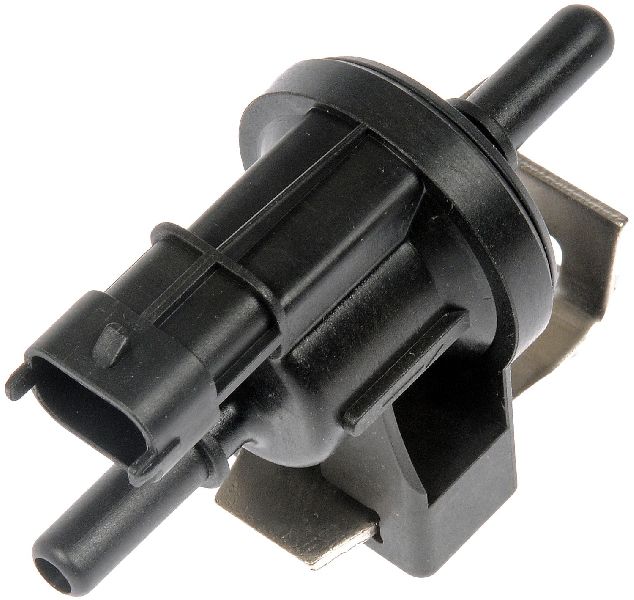
On the 2007-2009 Suzuki XL7, code P0446 almost always points to a faulty EVAP canister vent solenoid. This part, a common failure on the GM platform this vehicle is based on, gets stuck or clogged, preventing the system from sealing for its self-test. Replacing the vent solenoid, often located on the charcoal canister near the fuel tank, is the most common fix and is a DIY-friendly job.
- P0446 on your Suzuki XL7 means there's a problem with the EVAP system's vent control, which is located near the fuel tank.
- The most likely cause is a faulty or clogged EVAP canister vent solenoid, a common issue for the GM platform this vehicle is based on.
- Do not immediately suspect the gas cap for this specific code; it points to a vent restriction, not a general leak.
- The repair is straightforward for a DIYer, usually involving the replacement of the vent solenoid located on the charcoal canister.
What's Unique About the 2007-2009 Suzuki XL7
The 2007-2009 Suzuki XL7 is built on the General Motors (GM) Theta platform and uses a GM 3.6L V6 (LY7) engine. Its emissions system, including the EVAP components, are identical to those used in its platform mates: the Chevrolet Equinox, Pontiac Torrent, and Saturn Vue. This code is very common on these GM vehicles and typically points to a failure of the vent solenoid valve due to its design and placement under the vehicle, rather than a unique Suzuki-specific issue. Diagnosis, parts, and repair procedures will be the same across these models.
Symptoms You May Notice
- Check Engine Light is on.
- Slight fuel odor near the rear of the vehicle.
- Difficulty filling the fuel tank (gas pump nozzle clicks off repeatedly).
- Slight decrease in fuel economy (rare).
- Replacing the gas cap. While a loose gas cap can cause other EVAP codes (like P0455 or P0457), it is not a typical cause for P0446, which points specifically to a restriction on the vent side of the system.
- Replacing the EVAP Purge Solenoid. The purge solenoid (or purge valve) is located in the engine bay and controls vapor flow to the engine. P0446 specifically relates to the vent solenoid/circuit at the rear of the vehicle near the canister. A bad purge solenoid typically sets code P0496.
Most Likely Causes
- Faulty EVAP Canister Vent Valve/Solenoid 🔴 High Probability → Shop Vapor Canister This is a very common failure point on GM vehicles of this era. The solenoid is exposed to the elements under the vehicle and can fail electrically or, more commonly, become clogged with dirt, dust, and spider webs, causing it to stick open or closed.
How to confirm: Locate the vent solenoid on the EVAP canister near the fuel tank. With a bidirectional scan tool, command the vent valve to close; you should hear a click. You can also apply 12V directly to the solenoid's pins to test for a click. If it doesn't operate, or if it clicks but air cannot pass through when open (or is blocked when commanded closed), it needs replacement.
Typical fix: Replace the EVAP canister vent solenoid. On the XL7 and its GM platform mates, the solenoid is mounted directly to the charcoal canister and can be removed by twisting it counterclockwise. 🎬 See this solenoid replacement walkthrough on a platform mate
Est. part cost: $25-$60 - Clogged or Blocked EVAP Vent Hose 🟡 Medium Probability The vent hose inlet, which is often routed to a filter box, can become clogged with dirt, mud dauber nests, or other debris, especially in dusty or rural environments. This restricts airflow and triggers the code.
How to confirm: Visually inspect the entire vent hose running from the canister to its fresh air inlet. Disconnect the hose at both ends and attempt to blow through it to check for blockages.
Typical fix: Clear the blockage from the hose using compressed air or replace the hose if it is damaged, collapsed, or brittle.
Est. part cost: $10-$30 - Damaged or Corroded Wiring/Connector ⚪ Low Probability The wiring for the vent solenoid is located under the vehicle and is susceptible to moisture, corrosion, and physical damage from road debris over time.
How to confirm: Visually inspect the wiring harness and connector leading to the vent solenoid for any breaks, corrosion, or loose pins. Use a multimeter to check for 12V power and ground at the connector with the key on.
Typical fix: Repair the damaged section of wiring or replace the connector pigtail.
Est. part cost: $15-$40
Rare But Worth Checking
- Failed Charcoal Canister: → Shop Vapor Canister The canister itself can become saturated with fuel (often from habitually overfilling the gas tank) or the internal passages can become clogged with charcoal pellets. This can cause a restriction that triggers P0446. If the vent solenoid and hoses are confirmed to be good, the canister is the next likely culprit.
- Faulty Fuel Tank Pressure (FTP) Sensor: → Shop Fuel Tank A faulty FTP sensor can provide incorrect readings to the ECU, causing it to misinterpret the EVAP system's status during a test and set a P0446 code. However, this will usually be accompanied by other FTP-specific codes (like P0451, P0452, P0453).
Diagnosis Steps
- Verify the P0446 code is present using an OBD-II scanner.
- Inspect the gas cap to ensure it is tight and the seal is intact, although this is an unlikely cause.
- Raise and safely support the rear of the vehicle to access the EVAP system.
- Locate the EVAP charcoal canister and the attached vent solenoid. On the XL7, this is typically on the driver's side, just ahead of the rear wheel assembly.
- Inspect the vent solenoid's electrical connector and wiring for any visible damage, corrosion, or looseness.
- Trace and inspect the vent hoses for any cracks, kinks, or blockages. Ensure the vent filter/inlet is clear of debris, paying close attention to insect nests or mud.
- If you have a bidirectional scan tool, command the EVAP vent solenoid to close and listen for an audible click. The valve is normally open.
- If no scan tool is available, test the solenoid directly. Disconnect the electrical connector. Use a multimeter to check for battery voltage at the connector with the ignition on. Then, apply 12V and ground directly to the solenoid's pins. It should click closed. If it doesn't, the solenoid has failed.
- If the solenoid clicks but the code persists, the issue is likely a blockage. Remove the vent hose and check for obstructions. If the hose is clear, the vent port on the canister or the solenoid itself may be clogged with debris.
- If the solenoid and hoses are good, the final step is to check the charcoal canister for fuel saturation or internal blockage.
Parts You'll Likely Need
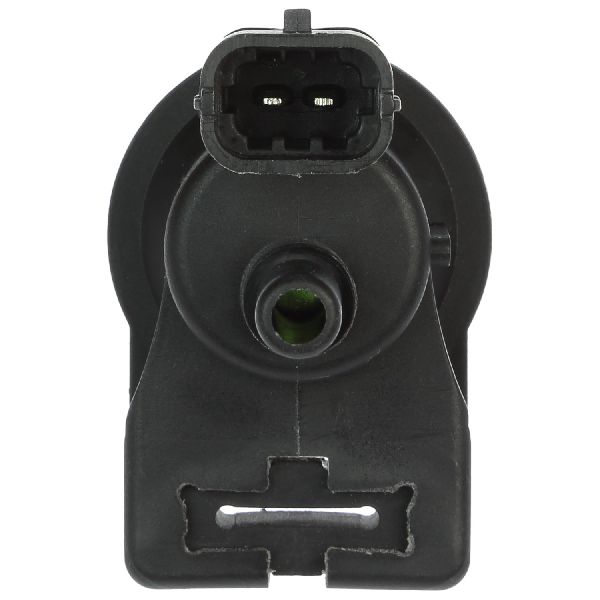
- EVAP Canister Vent Valve Solenoid
(OEM #25932571)— This is the most common failure point for code P0446 on this GM-based platform. The solenoid sticks or fails electrically, preventing the EVAP system from venting or sealing properly. It is often clogged with debris.
Trusted brands: ACDelco (GM Genuine: 25932571, Professional: 214-2149), Dorman (911-070), Standard Motor Products (CVS10)
OEM price range: $40-$60
Aftermarket price range: $25-$45
Technical Service Bulletins (TSBs) & Recalls
- GM TSB 05-06-04-042: While not directly for P0446, this TSB addresses hard-to-fill fuel tanks on other GM SUVs, a symptom often linked to P0446. The fix involves inspecting and clearing the EVAP vent path, corroborating the common causes.
- NHTSA ID #10010864 for the 2004 Cadillac CTS (which also uses the 3.6L LY7) links P0446 to a hard-to-fill fuel tank, confirming the symptom and cause are common across GM platforms with this engine.
Platform-Specific Known Issues
- A recall was issued for some 2007 XL-7 models for a cracking fuel pump module port that could cause a fuel leak, but this is unrelated to the P0446 code.
- The GM 3.6L LY7 engine in this vehicle is also known for timing chain issues, which would present with different codes (like P0017) and symptoms.
Mechanic-Grade Diagnostic Values
- EVAP Canister Vent Valve/Solenoid Resistance — expected: 15 to 30 Ohms. Failure: A reading significantly outside this range, infinite resistance (open circuit), or zero resistance (short circuit) indicates a failed solenoid coil.
- EVAP Canister Purge Valve/Solenoid Resistance — expected: 15 to 30 Ohms. Failure: Similar to the vent solenoid, a reading far outside this range indicates a bad coil. While not the primary cause for P0446, it's a useful related value.
- Voltage at EVAP Vent Solenoid Connector — expected: Battery Voltage (~12V) on one pin with Key On, Engine Off.. Failure: No voltage suggests a wiring issue, blown fuse (EMISO 2 DEV 2 Fuse 20), or a problem with the power distribution from the underhood fuse block.
Scan Tool Commands That Help
- GM Tech2 / GDS2 or equivalent professional scanner: EVAP System Test / Output Control > EVAP Vent Solenoid ON/OFF — This is the primary bidirectional command for P0446. It allows the technician to manually command the vent solenoid closed (energized) and open (de-energized) to listen for the physical click of the plunger and to seal the system for a smoke or pressure test.
- GM Tech2 / GDS2 or equivalent professional scanner: EVAP Purge/Seal — This function commands the purge valve and vent valve through a sequence to seal the system and draw a vacuum, allowing the technician to monitor the Fuel Tank Pressure (FTP) sensor data to check for leaks or restrictions without waiting for the ECU to run its own monitor.
Wiring & Ground Locations
- G401 — Under the left side of the luggage compartment/cargo area, on the frame rail behind the trim.. This is a primary rear body ground point on the GM Theta platform. A corroded or loose G401 can cause intermittent or total failure of rear-mounted components, including the EVAP vent solenoid and fuel pump module, leading to P0446 or other electrical faults.
- EVAP Vent Solenoid Connector — At the EVAP vent solenoid, mounted on or near the charcoal canister ahead of the rear driver's side wheel.. This is the direct connection point for testing. One pin should have ~12V (often a Pink wire on GM harnesses) with the key on, and the other is the control ground switched by the ECM (often a White wire). Checking for power here is a critical first electrical step.
- Underhood Fuse Block — Left side of the engine compartment.. This block contains the fuse that supplies power to the EVAP vent solenoid. Specifically, the 'EMISO 2 DEV 2' fuse (typically a 15A fuse at position 20) powers the vent solenoid. A blown fuse here will cause a P0446.
Real Owner Repair Stories
- Reddit user in r/Saturn_Cars (2002 Saturn SC2 (Similar GM EVAP system logic)) — Check Engine Light with code P0446.
❌ Tried (didn't work) Replaced the EVAP Purge Valve in the engine bay.
✅ What actually fixed it The user was correctly informed that P0446 points to the vent solenoid, not the purge solenoid. The fix was to replace the EVAP canister vent solenoid located in the rear wheel well area. - YouTube comment on HVAC Mechanic video (Chevy/GMC truck (platform unspecified)) — Persistent P0446 code and inability to fill the fuel tank without the pump clicking off.
❌ Tried (didn't work) Replaced gas cap, Replaced charcoal canister, Replaced fuel pressure sensor, Replaced vent valve (solenoid)
✅ What actually fixed it The owner disconnected all hoses to and from the charcoal canister and vent valve and blew them out with compressed air, including the fuel filler neck tube. This cleared a hidden obstruction (suspected spider web or debris) that was causing the restriction, finally resolving the code and the refueling issue.
"I Checked Everything" — The Actual Cause
- In cases where a smoke test shows no leaks, the P0446 code is almost always caused by a physical restriction, not a leak. The ECU sets this code when it commands the vent open but detects that vacuum still builds in the tank, indicating air cannot get *in* to relieve the vacuum. This is typically a clogged vent solenoid filter, a vent hose blocked by mud dauber nests or spider webs, or an internally collapsed/clogged charcoal canister. A smoke test will pass because the system is still sealed, but it fails the 'venting' portion of its self-test.
OEM Part Supersession History
25932571 (and others)→ACDelco 214-2149 (Professional Grade), GM Genuine 25932571— Standard replacement. Some updated GM designs for other vehicles include a separate or redesigned filter box to move the air inlet to a less exposed location to prevent debris clogging. While a direct relocation kit for the XL7 isn't specified, purchasing a new solenoid often comes with a new filter box, which should be used.
Diagnostic Flowchart
Used vs. New Parts: Buying Guide for This Vehicle
When a used part is the smart pick: A used charcoal canister can be a cost-effective option if the original has failed due to fuel saturation or internal blockage, as they are generally durable passive components. A used vent hose is also acceptable if it is pliable and free of cracks.
Donor-vehicle mileage cap: roughly under 80000 miles for the part to have meaningful remaining life.
What to inspect on the donor part:
- For a used canister, ensure there are no visible cracks in the housing.
- Shake the canister; if you hear loose charcoal pellets rattling inside, it may be internally damaged and should be avoided.
- Check that all hose ports are intact and not broken or clogged.
- Avoid parts from vehicles in the rust belt, as the metal components of attached valves may be heavily corroded.
Aftermarket brands forum-validated for this vehicle:
- ACDelco (GM Genuine or Professional series) for the vent solenoid is the most recommended.
- Dorman is a widely available alternative, though quality can sometimes be inconsistent depending on the specific part.
- Standard Motor Products (SMP) is generally considered a reliable aftermarket brand for emissions components.
Brands owners have reported issues with on this vehicle:
- Avoid unbranded, 'white-box' solenoids from online marketplaces, as their internal coil windings and valve seals may not meet OEM specifications for durability and can fail prematurely.
Real Owner Stories
Aggregated from forums and TSBs cited above. Mileages and costs reflect what owners reported in those sources.
2008 Suzuki XL7
Symptoms: A persistent EVAP leak code that mechanics could not solve.
What fixed it: The issue was not resolved. After replacing all EVAP valves and the ECM, two different mechanics suspected a programming fault with the ECM but could not confirm a fix.
Source hint: Reddit: Suzuki Xl7 2008 EVAP Head Scratcher
2004 Cadillac Escalade
Symptoms: Check Engine Light with code P0446 and the gas pump nozzle constantly clicking off when trying to refuel.
What fixed it: The issue was not resolved by replacing the vent solenoid and purge solenoid, which highlights that the root cause can also be a blocked vent line or a different valve issue within the tank.
Source hint: 2CarPros.com - 'P0446 and Trouble Getting Fuel in Tank (slow)'
Related OBD-II Codes
Frequently Asked Questions
My 2008 Suzuki XL7 is hard to fill with gas and has the P0446 code. Is there a TSB for this?
What brand of EVAP vent solenoid should I buy for my XL7?
Is the fuel leak recall for the 2007 XL7 related to my P0446 code?
Are other GM vehicles built on the same platform as the XL7 known for this P0446 issue?
Where is the EVAP vent solenoid located on my 2007-2009 Suzuki XL7?
My mechanic replaced all the EVAP valves and the ECM, but the code persists. What could be the problem?
Helpful Videos
We Have This Part in Stock


The information in this article is provided for general reference and educational purposes only. Vehicle specifications, procedures, and part compatibility can vary by production date, trim level, and region. Always consult your vehicle's factory service manual and verify part numbers before purchasing or performing repairs. Safety-critical components such as airbags, seat belts, and braking systems should be installed by a qualified professional.
- Suzuki XL7:
- 🧭 Diagnostic Flowchart
- 🎬 Helpful Videos
- 🛍️ Shop This Part
- What's Unique About the 2007-2009 Suzuki XL7
- Symptoms You May Notice
- Most Likely Causes
- Rare But Worth Checking
- Diagnosis Steps
- Parts You'll Likely Need
- Technical Service Bulletins (TSBs) & Recalls
- Platform-Specific Known Issues
- Mechanic-Grade Diagnostic Values
- Scan Tool Commands That Help
- Wiring & Ground Locations
- Real Owner Repair Stories
- "I Checked Everything" — The Actual Cause
- OEM Part Supersession History
- Used vs. New Parts: Buying Guide for This Vehicle
- Real Owner Stories
- 2008 Suzuki XL7
- 2004 Cadillac Escalade
- Related OBD-II Codes
- Frequently Asked Questions
- 🎟️ Get 5% Off