

P0448 on 2013-2016 Audi A4: EVAP Vent Control Circuit Shorted Causes and Fixes
This code points to an electrical short in the EVAP vent valve circuit. The most common fix is replacing the EVAP vent valve solenoid, which is often sold as part of the charcoal canister assembly. Expect to spend $150-$300 for the part.
- P0448 specifically indicates an electrical short in the EVAP vent valve circuit, not a system leak.
- The most likely cause is a failed vent valve solenoid, which is integrated into the charcoal canister assembly (Part No. 8K0-201-801-C) on the 2013-2016 A4.
- Before buying parts, inspect the wiring and connector in the right rear wheel well for damage, as this can also cause the code.
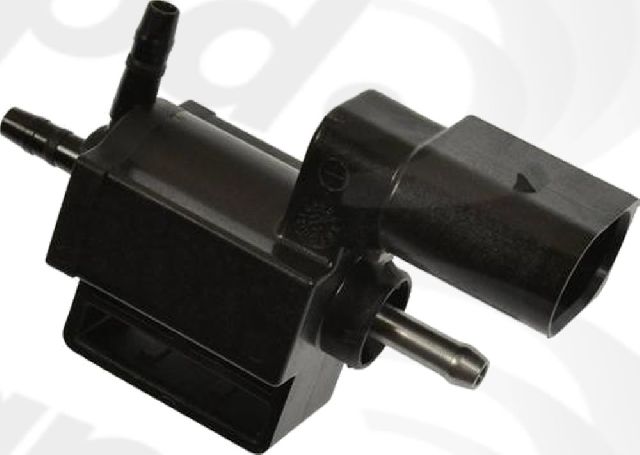
- Do not confuse the vent valve (near the fuel tank) with the N80 purge valve (in the engine bay).
- The vehicle is safe to drive, but the issue must be fixed to pass an emissions inspection.
What's Unique About the 2013-2016 Audi A4
For the B8.5 generation Audi A4, like many modern Volkswagen and Audi vehicles, the EVAP system components can be sensitive. While P0448 is a generic code, experience shows it appears frequently on these European models, often pointing directly to a failure of the vent valve solenoid itself. Unlike some other vehicles where wiring damage from road debris is the primary cause, on the A4, the solenoid's internal coil is a common point of failure.
Symptoms You May Notice
- Check Engine Light is on.
- Faint fuel odor, especially near the rear of the car by the fuel tank.
- Difficulty refueling (gas pump nozzle clicks off repeatedly), though this is more common for a stuck-closed valve than a circuit short.
- Failure to pass a state emissions inspection.
- Replacing the gas cap. While a faulty gas cap can cause other EVAP codes (like P0455 for a large leak), it will not cause a P0448 circuit short code.
- Replacing the N80 Purge Valve. The purge valve (part number often includes 06H906283B) is located in the engine bay and controls vapor flow to the engine. P0448 specifically points to the vent circuit near the fuel tank, not the purge circuit.
Most Likely Causes
- Failed EVAP Vent Valve / Solenoid 🔴 High Probability → Shop Vapor Canister The internal coil windings of the solenoid can short out over time due to heat cycles and age. On the B8.5 A4, this valve is integrated with the charcoal canister, making it a single replacement unit.
How to confirm: Locate the vent valve and charcoal canister assembly, typically in the right rear wheel well area. Use a multimeter to check the resistance across the solenoid's pins. A healthy solenoid should have a resistance between 20-30 ohms. A reading of 0 ohms indicates a direct short. You can also command the valve to activate with a capable scan tool (like VCDS) and listen for a click. 🎬 See how to quickly check the valve with a scanner
Typical fix: Replace the entire charcoal canister assembly, as the vent valve is integrated. The OEM part number is typically 8K0-201-801-C (or a superseding number).
Est. part cost: $150-$400 - Damaged Wiring or Connector 🟡 Medium Probability The wiring harness leading to the vent valve is located underneath the vehicle, routed near the wheel well, making it susceptible to damage from road debris, moisture, and corrosion from road salt.
How to confirm: Visually inspect the entire length of the wiring harness from the charcoal canister connector toward the main body harness. Look for any signs of chafing, melting, or breaks. Check the connector at the valve for corrosion, pushed-out pins, or water intrusion. Use a multimeter to check for 12V power at the connector with the key on.
Typical fix: Repair the damaged section of wire or replace the corroded connector pigtail.
Est. part cost: $10-$60
Rare But Worth Checking
- Faulty Powertrain Control Module (PCM): → Shop Engine Control Module (ECM) This is very rare. Before condemning the PCM, you must exhaustively rule out any issues with the wiring and the vent valve solenoid itself. A faulty driver circuit within the PCM can mimic the symptoms of a shorted wire.
Diagnosis Steps
- Confirm the P0448 code is present using an OBD-II scanner.
- Locate the charcoal canister and vent valve assembly. On the B8.5 A4, this is typically found by removing the right-rear wheel and the fender liner.
- Visually inspect the wiring harness and connector for the EVAP vent valve for any obvious damage, corrosion, or loose connections.
- Disconnect the vent valve and inspect the connector pins for corrosion or damage.
- Using a multimeter, check for a short to ground or a short to power on the control wire leading to the valve. With the key on, one wire should have 12V power, and the other is the control ground from the PCM.
- Measure the resistance of the vent valve solenoid itself. A healthy solenoid should have a specific resistance, typically between 20-30 ohms. A reading of 0 ohms indicates a direct short.
- If the wiring and valve test good, the final, though unlikely, possibility is a fault in the Powertrain Control Module (PCM). This step should be performed by a professional.
Parts You'll Likely Need
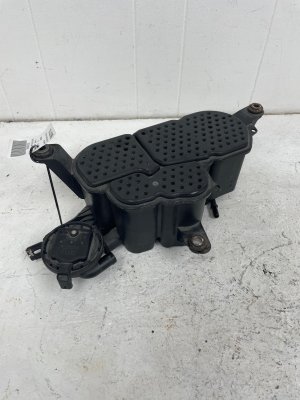
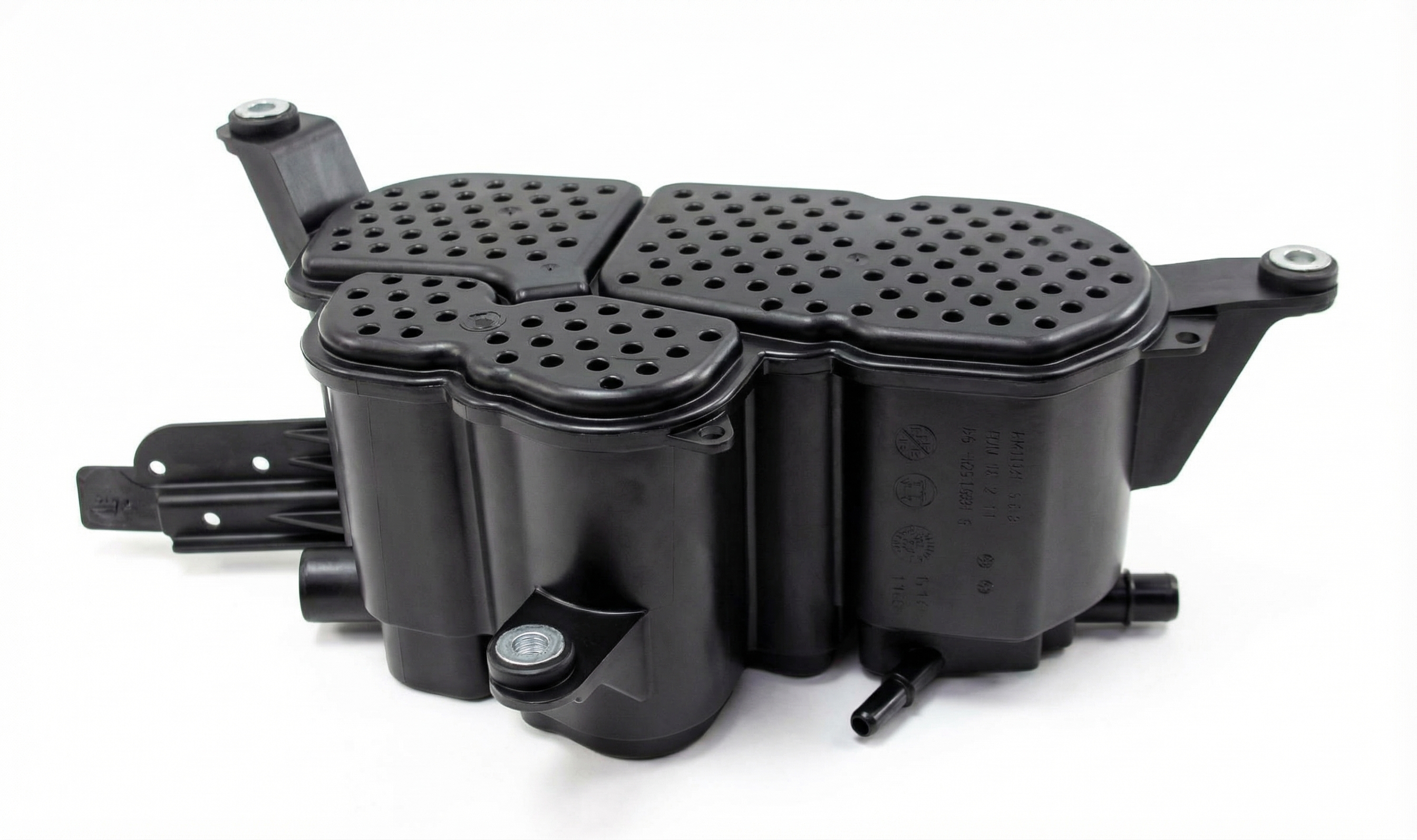
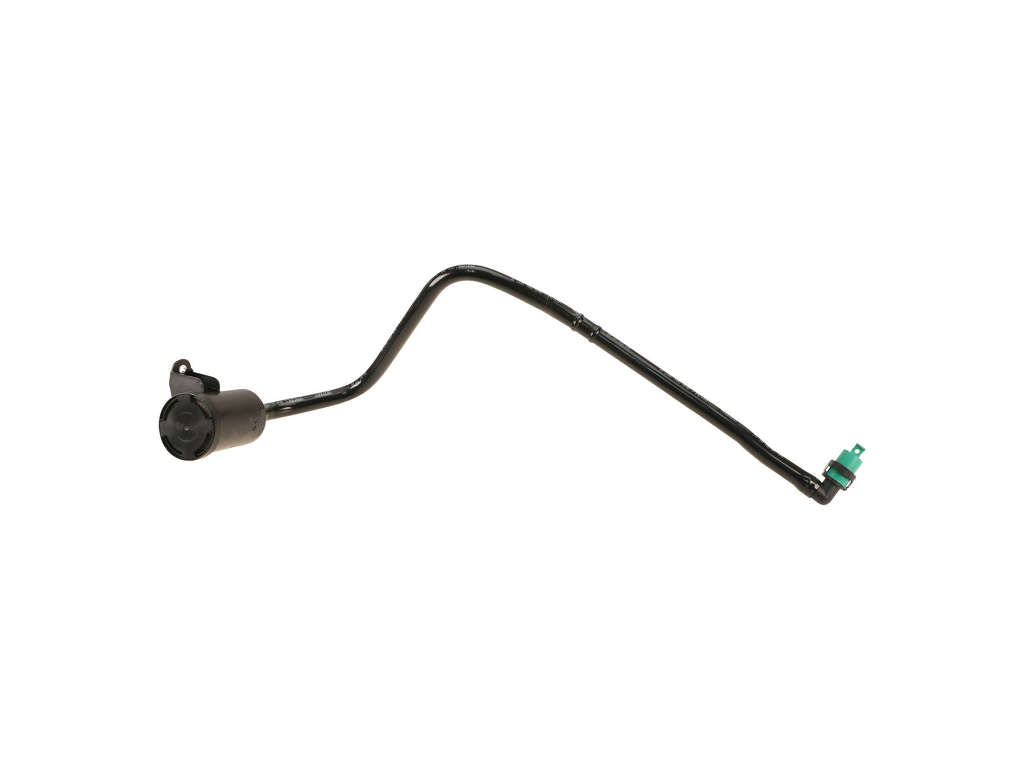
- EVAP Charcoal Canister with Vent Valve
(OEM #8K0-201-801-C)— This is the most common failure for a P0448 code on this platform. The vent valve solenoid, which is the electrical component that fails, is integrated into the canister assembly and not sold separately by Audi.
Trusted brands: Bosch, Genuine VW/Audi
OEM price range: $350-$450
Aftermarket price range: $150-$250
Related Codes That Often Appear With This One
- P0446 — P0446 (EVAP Vent Control Circuit Malfunction) is a closely related code that can sometimes appear with P0448, as both point to general electrical issues in the same circuit.
- P0447 — P0447 indicates an open circuit for the vent control, which could be triggered intermittently along with a short if a wire is broken and making intermittent contact with ground.
Platform-Specific Known Issues
- Location: The charcoal canister/vent valve assembly on the B8.5 A4 is located in the right rear wheel well. Access requires removing the wheel and the plastic fender liner, which can be brittle and prone to breaking clips, especially on older vehicles.
Mechanic-Grade Diagnostic Values
- EVAP Vent Valve Solenoid Resistance — expected: 20 - 30 Ohms. Failure: A reading near 0 Ohms indicates a short circuit. An infinite reading (OL) indicates an open circuit.
- Voltage at Vent Valve Connector (Power Wire) — expected: 12V (Battery Voltage) with key on, engine off. Failure: 0V indicates a wiring issue, blown fuse, or faulty relay upstream from the connector.
- Resistance of Vent Control Signal Wire to Ground — expected: >10 kOhms (when valve is commanded off/open). Failure: A reading near 0 Ohms indicates a short to ground in the wiring harness.
Scan Tool Commands That Help
- VCDS (VAG-COM) / ODIS: Output Diagnostic Test Mode (DTM) / Output Tests — This function allows the technician to directly command the EVAP vent valve (and other components) to cycle on and off. This is used to confirm if the valve clicks (is mechanically responding) and to test the wiring integrity while the circuit is active.
- Professional Scan Tools (e.g., iCarsoft, Autel): EVAP Leak Test / Special Functions — While primarily for leak codes, initiating the EVAP system self-test can sometimes help verify the function of the vent valve circuit as part of the overall system check after a repair is completed.
Wiring & Ground Locations
- EVAP Vent Valve Connector — On the charcoal canister assembly, located in the right rear wheel well, behind the fender liner.. This is the primary connection point to test for power, ground, and solenoid resistance. It is exposed to moisture and road debris, making it a common point for corrosion and damage.
- Chassis Grounds (General) — Potential ground points for this circuit may be located behind the left or right kick panels (e.g., G32, G43, G44 on a B8) or in the engine compartment plenum.. A corroded or loose chassis ground can cause intermittent or high resistance in the vent valve circuit, leading to various EVAP codes, including P0448. A thorough visual inspection of major ground points is a wise step if direct wiring tests are inconclusive.
"I Checked Everything" — The Actual Cause
- P0448 is an electrical circuit code ('Circuit Shorted'), not a leak code like P0455 ('Large Leak') or P0456 ('Small Leak'). Therefore, a smoke test is not the appropriate primary diagnostic step. The EVAP system can be perfectly sealed from leaks, but if the vent valve's electrical solenoid is internally shorted or the wiring to it is damaged, a P0448 will be set. Technicians should focus on electrical tests (resistance, voltage) first, rather than performing a smoke test which is expected to pass.
OEM Part Supersession History
8K0-201-801-A→8K0-201-801-C— Likely an internal revision to the integrated vent valve solenoid for improved durability or a change in supplier.
Heads up: The parts are interchangeable; 8K0-201-801-C is the correct current replacement for 8K0-201-801-A.
Diagnostic Flowchart
Other Known Issues on This Vehicle
Issues unrelated to this code that are worth knowing about as an owner of this generation:
- Excessive Oil Consumption 🔴 High — Very common on 2.0T engines (CAEB, CPMA) prior to a piston ring update. Onset can be as early as 30k miles, with many owners reporting consumption of 1 quart every 500-1000 miles. (Ref: While a class-action lawsuit addressed earlier B8 models, B8.5 (2013+) vehicles can still suffer, though reportedly less frequently. The fix often involves new pistons and rings.)
- Timing Chain Tensioner Failure 🔴 High — A critical issue on the 2.0T EA888 engine. While the tensioner was updated for the B8.5 generation, wear and stretch are still concerns, typically monitored between 80,000 and 150,000 km (approx. 50k-93k miles). A rattle on cold start is a key warning sign. (Ref: No recall, but a well-documented failure. The updated tensioner part is a common preventative replacement. Failure to address it can lead to catastrophic engine damage if the chain skips time.)
- Water Pump / Thermostat Housing Failure 🟠 Medium — The original water pump assembly uses a plastic housing that is prone to cracking and leaking coolant over time due to heat cycles. Failure can occur at various mileages, often noticed by a coolant leak or overheating at idle. (Ref: A recall (19M1) was issued for an electric auxiliary coolant pump on some 2.0T engines that could overheat, but the main engine water pump failure is a separate, common wear-and-tear issue. Many owners opt for aftermarket replacements with metal housings.)
- PCV Valve Failure 🟠 Medium — The Positive Crankcase Ventilation (PCV) valve, or oil separator, can fail, leading to increased oil consumption, rough idle, and other driveability issues. This is a common replacement item.
Used vs. New Parts: Buying Guide for This Vehicle
When a used part is the smart pick: A used charcoal canister assembly from a reputable auto dismantler can be a good value, as the most common failure is the integrated electrical solenoid. This is a viable option if on a tight budget, especially since the aftermarket alternatives are limited.
Donor-vehicle mileage cap: roughly under 80000 miles for the part to have meaningful remaining life.
What to inspect on the donor part:
- Verify the donor vehicle was not in a flood.
- Inspect the electrical connector pins for any green or white corrosion.
- Check the plastic housing of the canister for any cracks, especially around the mounting tabs and hose ports.
- Ask the dismantler about the donor vehicle's mileage and ensure it's from a non-collision total if possible.
OEM-only on this vehicle (don't cheap out):
- Powertrain Control Module (PCM) - Requires VIN-specific programming that makes used units difficult to implement.
Aftermarket brands forum-validated for this vehicle:
- Bosch - Bosch is an original equipment manufacturer for many VW/Audi parts, and their EVAP components are considered a reliable alternative to Genuine Audi parts.
Real Owner Stories
Aggregated from forums and TSBs cited above. Mileages and costs reflect what owners reported in those sources.
2015 Audi A4
Symptoms: Persistent P0448 code.
What fixed it: Replacing the faulty vent valve in the EVAP system resolved the problem.
Source hint: ziptuning.com P0448 – Evaporative Emission Control System Vent Control Circuit Shorted
Related OBD-II Codes
Frequently Asked Questions
Where is the EVAP vent valve located on my 2013-2016 Audi A4?
Do I have to replace the entire charcoal canister to fix a P0448 code?
How can I test the vent valve solenoid myself?
Could the P0448 code be caused by bad wiring instead of the valve itself?
Is this P0448 issue common on other Audi models?
What are the main symptoms of a P0448 code on this A4?
Helpful Videos
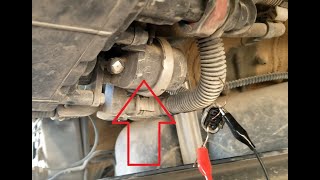

Used OEM Parts in Stock
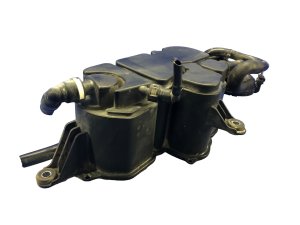

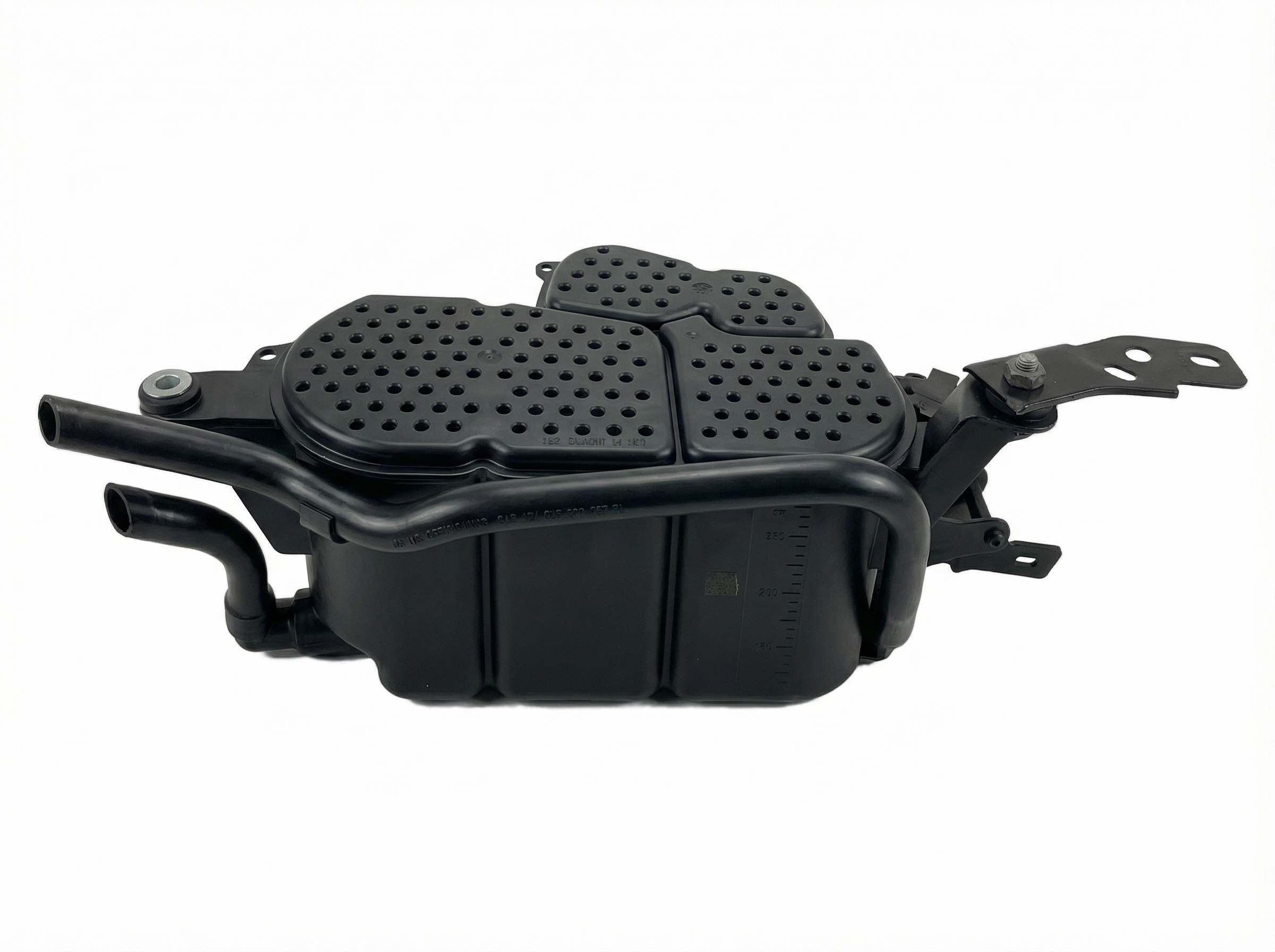

New Aftermarket Parts Available


The information in this article is provided for general reference and educational purposes only. Vehicle specifications, procedures, and part compatibility can vary by production date, trim level, and region. Always consult your vehicle's factory service manual and verify part numbers before purchasing or performing repairs. Safety-critical components such as airbags, seat belts, and braking systems should be installed by a qualified professional.
- Audi A4:
- 🧭 Diagnostic Flowchart
- 🎬 Helpful Videos
- 🛍️ Shop This Part
- What's Unique About the 2013-2016 Audi A4
- Symptoms You May Notice
- Most Likely Causes
- Rare But Worth Checking
- Diagnosis Steps
- Parts You'll Likely Need
- Related Codes That Often Appear With This One
- Platform-Specific Known Issues
- Mechanic-Grade Diagnostic Values
- Scan Tool Commands That Help
- Wiring & Ground Locations
- "I Checked Everything" — The Actual Cause
- OEM Part Supersession History
- Other Known Issues on This Vehicle
- Used vs. New Parts: Buying Guide for This Vehicle
- Real Owner Stories
- 2015 Audi A4
- Related OBD-II Codes
- Frequently Asked Questions
- 🎟️ Get 5% Off