

P0448 on 1995-2001 Ford Explorer: EVAP Vent Circuit Shorted Causes and Fixes
On a 1995-2001 Ford Explorer, code P0448 almost always points to a failed EVAP canister vent valve solenoid or its wiring. On this specific generation, the valve is located on top of the fuel tank, requiring the tank to be lowered for replacement. The most common replacement part is the Motorcraft CX1538 (or equivalent). Expect to pay $40-$90 for the part and several hours of labor if not doing it yourself.
- P0448 is an electrical short code, not a leak code. Do not waste time looking for vacuum leaks or replacing the gas cap.
- The most likely cause is a failed EVAP vent valve solenoid, which should have a resistance of 48-65 ohms.
- For the 1995-2001 Ford Explorer, this valve is on top of the fuel tank.
- Repair requires lowering the fuel tank, making it a more difficult and time-consuming job than on other vehicles.
- Check the wiring harness for chafing on the frame before condemning the valve itself.
What's Unique About the 1995-2001 Ford Explorer
Unlike many newer vehicles (including later-generation Explorers) where the EVAP vent solenoid is more accessible, on the second-generation (1995-2001) Explorer, the vent valve is typically located on top of the fuel tank. This makes replacement a much more involved job, as the fuel tank must be at least partially lowered to gain access. This significant difference in labor is the most critical platform-specific detail for this repair. The Ford Ranger and Mercury Mountaineer from the same era share this design.
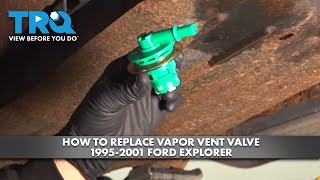
🎬 Watch: 2nd Gen Explorer EVAP canister and vent valve replacementSymptoms You May Notice
- Check Engine Light is on
- A noticeable smell of gasoline vapors, particularly around the rear of the vehicle.
- Difficulty starting the engine immediately after refueling
- Vehicle will fail an emissions inspection.
- Difficulty filling the fuel tank (gas pump nozzle shuts off repeatedly) if the valve is stuck closed. 🎬 See how to fix a gas pump that keeps shutting off
- Replacing the gas cap. A loose or faulty gas cap will cause an EVAP leak code (like P0455 or P0457), not a 'circuit shorted' code like P0448.
- Replacing the EVAP Purge Valve. The purge valve is located in the engine bay and has its own set of diagnostic codes (e.g., P0443). While it's part of the same system, it is not the cause of a P0448 vent circuit code.
Most Likely Causes
- Failed EVAP Canister Vent Valve Solenoid 🔴 High Probability → Shop Vapor Canister The valve is an electromechanical part that can fail over time due to age, heat cycles, and exposure to fuel vapors. The internal coil windings can short out, triggering the P0448 code. 🎬 Watch: How to diagnose and fix a P0448 shorted circuit code
How to confirm: After accessing the valve, test the resistance across its two electrical pins with a multimeter. A dead short (near-zero resistance) indicates a failed solenoid. A typical Ford vent solenoid should have a resistance between 48 and 65 ohms. You can also try applying 12V directly to the pins to see if it clicks; a lack of a click or an immediate blown fuse confirms failure.
Typical fix: Replace the vent valve solenoid. On this vehicle, this requires lowering the fuel tank for access.
Est. part cost: $40-$90 - Shorted Wiring or Damaged Connector 🟡 Medium Probability The wiring harness leading to the top of the fuel tank is exposed to road debris, moisture, and chassis movement, which can cause wires to chafe, break, or corrode over time, leading to a short circuit. Look for areas where the harness may rub against the frame or fuel tank straps.
How to confirm: Visually inspect the entire length of the wiring harness from the main vehicle harness to the vent valve connector. Look for any breaks, chafing, or melted sections. Use a multimeter to check for continuity to ground on the power wire with the connector unplugged; a reading indicates a short to ground.
Typical fix: Repair the damaged section of wire using solder and heat shrink, or replace the connector pigtail if the damage is at the connector itself.
Est. part cost: $5-$25 - Blown Fuse for the EVAP System ⚪ Low Probability
How to confirm: Check the vehicle's fuse box diagrams (in the owner's manual or on the fuse box cover) for any fuses related to the emissions or EVAP system. Visually inspect the fuse and test for continuity with a multimeter.
Typical fix: Replace the blown fuse. However, a blown fuse is almost always a symptom of a shorted component (like the vent valve) or wiring, so further diagnosis is required to find the root cause of the overcurrent condition.
Est. part cost: $1-$5
Rare But Worth Checking
- Faulty Powertrain Control Module (PCM): → Shop Engine Control Module (ECM) This is extremely rare. The PCM's internal driver for the vent valve circuit can short out. This should only be considered after all other possibilities, including wiring and the valve itself, have been exhaustively tested and ruled out. A professional diagnosis is recommended before condemning the PCM.
Diagnosis Steps
- Verify the code with an OBD-II scanner.
- Check the fuse for the EVAP system in the vehicle's fuse panel. If it's blown, suspect a short in the vent valve or wiring.
- Safely raise the vehicle and locate the fuel tank. The vent valve on the 1995-2001 Explorer is mounted on top of the tank.
- Before lowering the tank, inspect the visible portions of the wiring harness that lead to the tank for any obvious damage, chafing against the frame, or corrosion.
- To gain access, the fuel tank must be partially or fully lowered. It is highly recommended to do this when the tank is as empty as possible. Support the tank with a transmission jack.
- Disconnect the fuel filler neck, electrical connectors, and fuel lines from the tank before carefully lowering it enough to access the top.
- Once you have access, disconnect the electrical connector from the vent valve. Inspect it for corrosion, melted plastic, or damaged pins.
- Test the vent valve itself. Use a multimeter to measure the resistance between the two pins on the valve. A reading of near 0 ohms indicates a shorted coil. A correct reading for a Ford solenoid is typically between 48 and 65 ohms.
- Test the wiring. With the key on, engine off, check the power wire in the connector for voltage (typically 12V). Check the other wire (control wire) for a short to ground by measuring resistance between it and the chassis; it should be an open circuit. A low resistance reading indicates a short in the harness.
- Based on your findings, replace the faulty component (usually the vent valve), repair the wiring, and reassemble.
- After reassembly, clear the code with the OBD-II scanner and perform a complete drive cycle to allow the EVAP monitor to run and confirm the fix was successful.
Parts You'll Likely Need
- EVAP Canister Vent Valve Solenoid
(OEM #F57Z-9F945-AA (Motorcraft CX-1538))— This is the most common failure point for a P0448 code. The internal electronics short out, causing the circuit fault.
Trusted brands: Motorcraft, Dorman (911-218), Standard Motor Products (CVS15 or CVS25)
OEM price range: $70-$100
Aftermarket price range: $40-$75
Related Codes That Often Appear With This One
- P0446 — P0446 indicates a general 'Vent Control Circuit Malfunction'. P0448 is a more specific version of this, indicating a short. They point to the same components and are often used interchangeably by different manufacturers for the same fault.
- P1450 — On Fords, P1450 means 'Unable to Bleed Up Fuel Tank Vacuum'. A vent valve that is shorted and stuck closed can prevent the system from venting properly, causing this condition during the EVAP system self-test.
- P1451 — This is another Ford-specific code for 'EVAP Vent Solenoid Circuit Malfunction'. It is functionally identical to P0446 and very similar to P0448, pointing to the same wiring and solenoid components. The diagnostic process is the same.
Platform-Specific Known Issues
- The primary issue for the 1995-2001 Explorer is the location of the vent valve on top of the fuel tank, which makes a simple part swap a labor-intensive job requiring the fuel tank to be dropped.
- The wiring harness routed over the frame and to the top of the fuel tank is a common area for chafing and shorts to occur due to age and exposure.
Mechanic-Grade Diagnostic Values
- EVAP Canister Vent Valve Solenoid Resistance — expected: 48 to 65 ohms. Failure: Near 0 ohms (shorted) or infinite/very high ohms (open).
- Vent Valve Connector - Power Wire Voltage — expected: Approximately 12V (battery voltage) with key on, engine off.. Failure: No voltage indicates a break in the power supply wire or a blown fuse.
- Vent Valve Connector - Control Wire Voltage (Backprobed, Connected) — expected: Should read ~12V when inactive (key on, engine off). Should drop to near 0V when commanded ON by the PCM or a scan tool.. Failure: Constant 0V or a reading significantly less than battery voltage when inactive suggests a short to ground in the control wire or a faulty PCM driver.
Scan Tool Commands That Help
- Ford IDS (Integrated Diagnostic Software) or equivalent (FORScan, high-end bidirectional scanner): EVAP Canister Vent Solenoid Command (On/Off) — This command allows the technician to manually close (energize) the normally-open vent valve. It is used to verify the solenoid's functionality (listen for a click), and to check the integrity of the control circuit wiring and PCM driver. Commanding it 'On' should make the control wire voltage drop to near 0V.
- Ford IDS (Integrated Diagnostic Software): EVAP System Test (Manual) — This is a comprehensive, PCM-initiated test that sequences the purge and vent solenoids to check for leaks and proper function. Running this test after a repair is the fastest way to verify the fix and allow the EVAP monitor to run to completion, rather than waiting for a full drive cycle.
Wiring & Ground Locations
- Vent Solenoid Connector — On top of the fuel tank, connected directly to the EVAP canister vent valve solenoid. Requires lowering the tank to access.. This is the primary point of failure for corrosion or wiring damage due to its exposed location and the need to disconnect it for service.
- C309 / C405 / C435 — Large multi-pin harness connector located on the driver's side frame rail, often near the fuel filter.. This is a known secondary failure point. It carries the vent solenoid circuit from the main harness to the rear of the vehicle. The pins inside can corrode or break, causing an open or short in the vent valve circuit.
- Vent Valve Control Wire — One of the two wires in the vent solenoid connector. On these models, it is often a Violet/White or Green/Black wire. The power wire is typically Red or Red/Yellow.. This is the wire that the PCM grounds to energize the solenoid. A short in this wire to the chassis is a direct cause of P0448.
Real Owner Repair Stories
- Ford Truck Enthusiasts Forum (2010 Ford Escape (Similar Ford EVAP system design)) — Check Engine Light with EVAP code after replacing purge and vent valves.
❌ Tried (didn't work) Replacing the purge valve, Replacing the canister vent valve solenoid
✅ What actually fixed it The owner found and repaired a broken power wire leading to the canister vent valve. This highlights that even after replacing the correct component, the fault often lies in the wiring between the main harness and the valve.
OEM Part Supersession History
F57Z-9F945-AA→Motorcraft CX-1538— Standard part number update and branding.Motorcraft CX-1538→Dorman 911-218 (Aftermarket Cross-Reference)— Dorman provides an aftermarket equivalent. Fitment is listed for 1999-2001 Explorer models.
Heads up: While Dorman lists compatibility from 1999, the underlying Ford part is used across the 1995-2001 generation. Always verify fitment with the vendor for the specific vehicle year before purchasing.
Diagnostic Flowchart
Other Known Issues on This Vehicle
Issues unrelated to this code that are worth knowing about as an owner of this generation:
- 4.0L SOHC V6 Timing Chain Cassette Failure 🔴 High — Very common, especially on pre-2002 models. Often presents as a rattling or 'marbles in a can' noise at startup or specific RPMs (around 2500 RPM). Failure can lead to catastrophic engine damage. (Ref: TSB 04-15-4 was issued for a rattle noise, recommending a kit to replace tensioners and guides.)
- 5R55E Automatic Transmission Failures 🔴 High — Widespread. Symptoms include harsh shifting, flashing O/D light, loss of gears (especially reverse), or getting stuck in one gear. Problems often stem from a failed separator plate gasket in the valve body or servo bore wear.
- Cracked Plastic Intake Manifold (V8 Models) 🟠 Medium — Extremely common on the 5.0L (and later 4.6L) V8 engines. The plastic manifold cracks near the front coolant crossover passage, causing a major coolant leak and potential overheating. (Ref: Subject of a class-action lawsuit, but warranty extensions have long expired.)
- Cracked Thermostat Housing (V6 Models) 🟠 Medium — Very common on both the OHV and SOHC 4.0L V6 engines. The original plastic thermostat housing becomes brittle and cracks, leading to coolant leaks. Aftermarket replacements are often made of aluminum.
- Heater Blend Door Actuator Failure 🟡 Low — Common issue where the climate control defaults to a single temperature (usually full heat) or makes a clicking sound from the dashboard. Caused by a plastic gear breaking inside the actuator.
Used vs. New Parts: Buying Guide for This Vehicle
When a used part is the smart pick: For this repair, a used part is generally not recommended for the primary failure component, the vent valve solenoid. It is an electronic part prone to failure with age and heat cycles. However, sourcing a used wiring harness pigtail connector from a junkyard vehicle with a clean, corrosion-free connector can be a smart and cost-effective way to repair a damaged connector end.
Donor-vehicle mileage cap: roughly under 120000 miles for the part to have meaningful remaining life.
What to inspect on the donor part:
- When sourcing a connector pigtail, inspect the donor vehicle for signs of rust or water damage, especially on the frame.
- Check the connector itself for any green or white crust (corrosion) on the pins.
- Ensure the plastic locking tabs are intact and not brittle.
- Cut the pigtail with at least 6-8 inches of wire to give yourself plenty of room to work.
Aftermarket brands forum-validated for this vehicle:
- Motorcraft (OEM)
- Standard Motor Products (SMP)
- Dorman
Brands owners have reported issues with on this vehicle:
- No-name, unbranded parts from online marketplaces should be avoided, as quality control can be inconsistent.
Real Owner Stories
Aggregated from forums and TSBs cited above. Mileages and costs reflect what owners reported in those sources.
1999 Ford Explorer V-6 SOHC
Symptoms: The vehicle is stuttering and stalling during acceleration. A very slight acceleration works, but normal gas pedal pressure causes immediate stalling. The Check Engine light is on.
What fixed it: The owner identified code P1451 (EVAP System Canister Vent Solenoid Circuit) using a code reader.
Source hint: Ford Truck Enthusiasts Forums owner report
1995-2001 Ford Explorer
Symptoms: Difficulty filling the fuel tank where the gas pump nozzle shuts off repeatedly.
What fixed it: Replacing the vent valve solenoid, which required lowering the fuel tank for access.
Source hint: explorerforum.com threads discussing P0448/P0446
Related OBD-II Codes
Frequently Asked Questions
Where is the EVAP vent valve located on my 1995-2001 Ford Explorer?
Why does the gas pump nozzle keep shutting off when I try to fill my Explorer's tank?
Is there a TSB for the rattling noise my 4.0L SOHC V6 engine makes at 2500 RPM?
What should the resistance be for a healthy Ford vent solenoid?
Does the Mercury Mountaineer have the same P0448 issues as the Explorer?
Can a blown fuse cause the P0448 code on my Explorer?
Helpful Videos
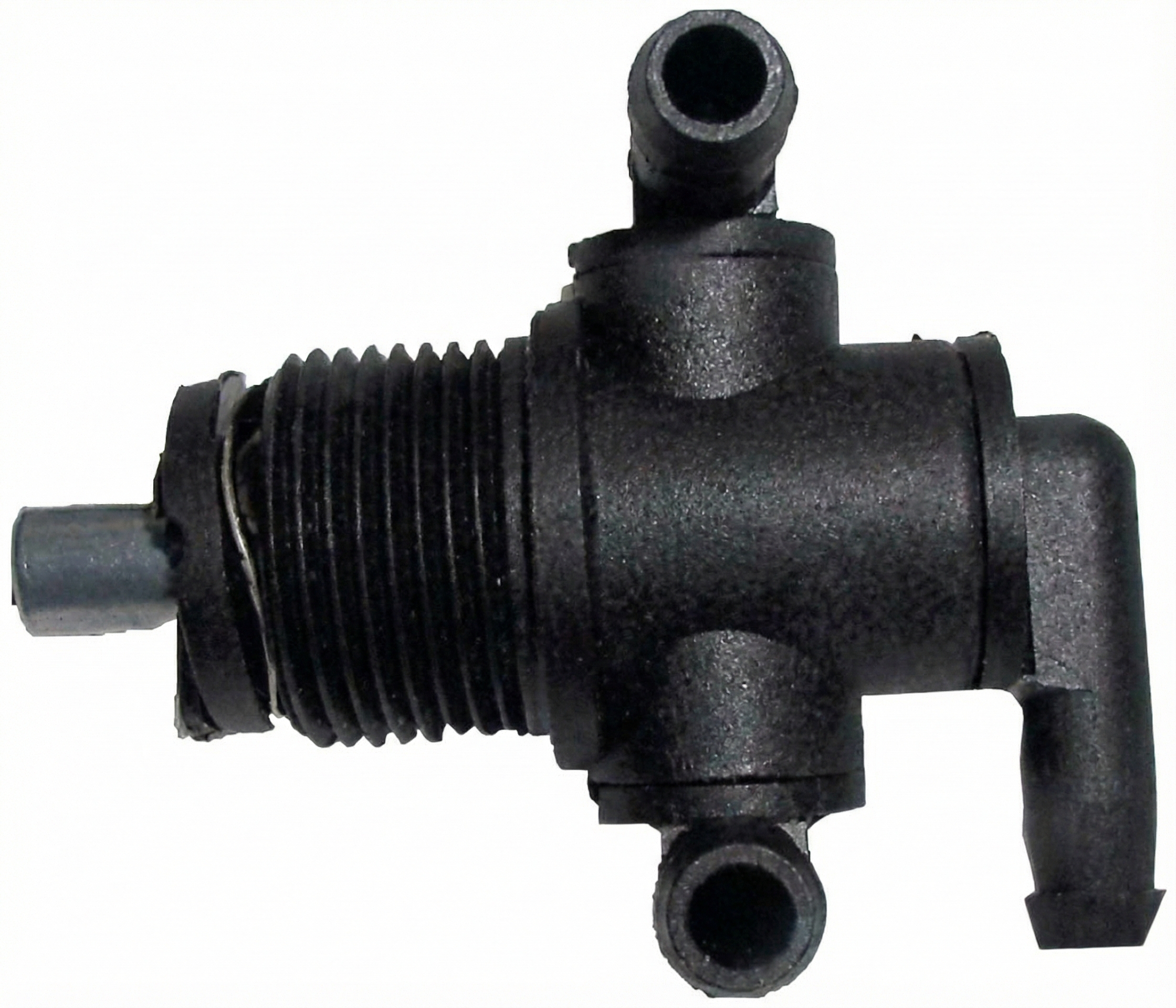
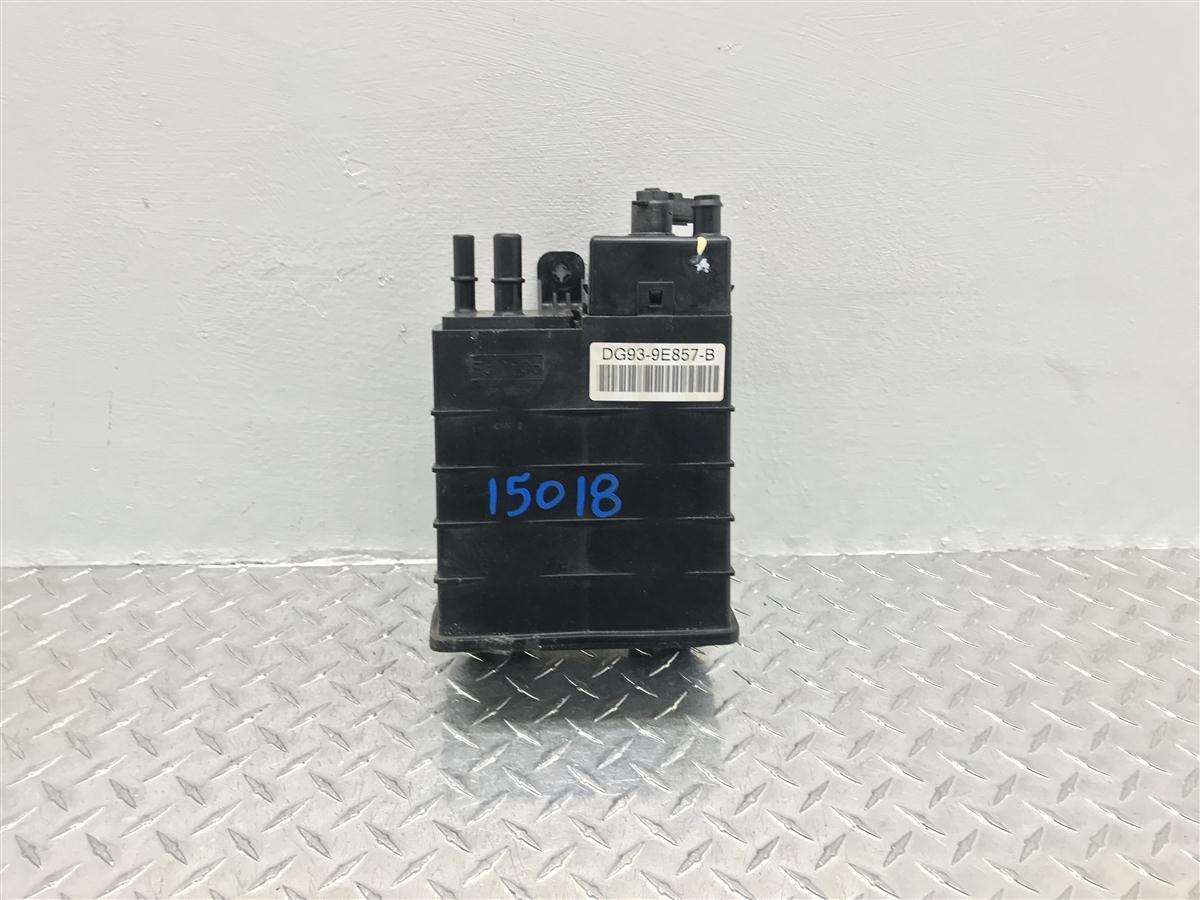
Used OEM Parts in Stock
New Aftermarket Parts Available

The information in this article is provided for general reference and educational purposes only. Vehicle specifications, procedures, and part compatibility can vary by production date, trim level, and region. Always consult your vehicle's factory service manual and verify part numbers before purchasing or performing repairs. Safety-critical components such as airbags, seat belts, and braking systems should be installed by a qualified professional.
- Ford Explorer:
- 🧭 Diagnostic Flowchart
- 🎬 Helpful Videos
- 🛍️ Shop This Part
- What's Unique About the 1995-2001 Ford Explorer
- Symptoms You May Notice
- Most Likely Causes
- Rare But Worth Checking
- Diagnosis Steps
- Parts You'll Likely Need
- Related Codes That Often Appear With This One
- Platform-Specific Known Issues
- Mechanic-Grade Diagnostic Values
- Scan Tool Commands That Help
- Wiring & Ground Locations
- Real Owner Repair Stories
- OEM Part Supersession History
- Other Known Issues on This Vehicle
- Used vs. New Parts: Buying Guide for This Vehicle
- Real Owner Stories
- 1999 Ford Explorer V-6 SOHC
- 1995-2001 Ford Explorer
- Related OBD-II Codes
- Frequently Asked Questions
- 🎟️ Get 5% Off