

P0448 on 2009-2014 Ford F-150: EVAP Vent Control Circuit Shorted Causes and Fixes
This code indicates a short circuit in the EVAP vent valve system. The most common causes are damaged wiring to the valve, a blown fuse, or a failed vent solenoid. On many 2009-2014 F-150s, the solenoid is part of the charcoal canister assembly, so fixing it may require replacing the entire canister, which can cost between $150 and $350 for the part. Always check fuses F26 and F76 first before inspecting the wiring and canister.
- P0448 is an electrical code, not a leak code. Focus diagnosis on finding a short circuit in the wiring, fuse, or vent solenoid.
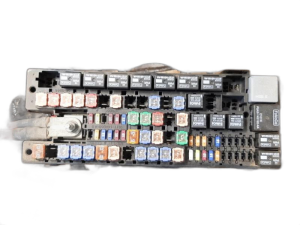
- Always check fuse F76 (15A) in the under-hood fuse box first; it's a quick, easy, and cheap check.
- The most likely repair for this code on a 2009-2014 F-150 is replacing the entire charcoal canister assembly (Motorcraft CX-2355 / Ford 9L3Z-9D653-C) because the vent solenoid is built into it.
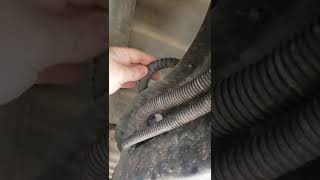
- Carefully inspect the wiring harness running along the driver's side frame to the canister, as it's exposed and prone to damage that can cause a short to ground.
What's Unique About the 2009-2014 Ford F-150
A critical issue for the 2009-2014 (12th generation) Ford F-150 is that the EVAP vent solenoid is integrated into the charcoal canister assembly. Unlike on many other vehicles where the solenoid is a small, separate, and inexpensive part, a failed solenoid on this F-150 often requires replacing the entire canister unit. This makes the repair more expensive and involved than owners of other vehicles might expect for a vent solenoid issue. The Motorcraft OEM part number for this assembly is commonly CX-2355 (which corresponds to Ford part number 9L3Z-9D653-C).
Symptoms You May Notice
- Check Engine Light is on
- A faint smell of gasoline, especially around the rear of the truck near the fuel tank.
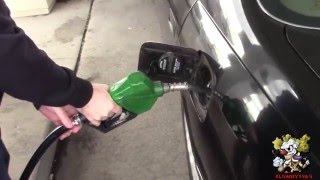
- Difficulty refueling (gas pump nozzle clicks off repeatedly because the vent is stuck closed). 🎬 Watch: How to troubleshoot a clicking gas pump nozzle
- Vehicle will fail an emissions inspection.
- Replacing the gas cap. A loose or faulty gas cap typically causes a leak-related code (like P0455 or P0457), not a circuit short code like P0448.
- Replacing the EVAP purge valve/solenoid. 🎬 See: Why the gas pump keeps shutting off The purge valve is located in the engine bay and has its own set of diagnostic codes (e.g., P0443). P0448 specifically refers to the vent valve circuit, which is located near the fuel tank.
Most Likely Causes
- Damaged or Shorted Wiring Harness 🔴 High Probability The wiring harness runs along the driver's side frame rail to the canister, exposing it to road debris, moisture, and corrosion. This exposure can cause wires to chafe against the frame or other components, leading to a short circuit.
How to confirm: Visually inspect the entire wiring harness leading from the PCM to the EVAP canister vent solenoid for any signs of chafing, breaks, melting, or corrosion, paying close attention to where it runs along the frame. Use a multimeter to check for continuity to ground on the control wire; a reading near 0 ohms indicates a direct short.
Typical fix: Repair the damaged section of the wire and protect it with new conduit or high-quality electrical tape. Clean any corrosion from connectors and apply dielectric grease to prevent future moisture intrusion.
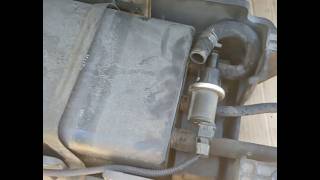
Est. part cost: $5-$25 - Failed EVAP Canister Vent Solenoid 🔴 High Probability → Shop Vapor Canister The solenoid is an electro-mechanical part that can fail with an internal short circuit. On this truck, it's integrated into the canister assembly, which is exposed to the elements under the vehicle.
How to confirm: If the wiring and fuse are good, the solenoid is the primary suspect. A professional scan tool can attempt to command the valve to open/close. If it doesn't respond or the short circuit code immediately returns, the solenoid has failed internally.
Typical fix: Replace the entire EVAP canister assembly. The most common OEM part is Motorcraft CX-2355 (Ford P/N 9L3Z-9D653-C). Aftermarket options are available from brands like Dorman and Standard Motor Products.
Est. part cost: $150-$350 - Blown Fuse 🟡 Medium Probability A direct short circuit in the vent valve solenoid or its wiring harness will cause the corresponding fuse to blow as a protective measure.
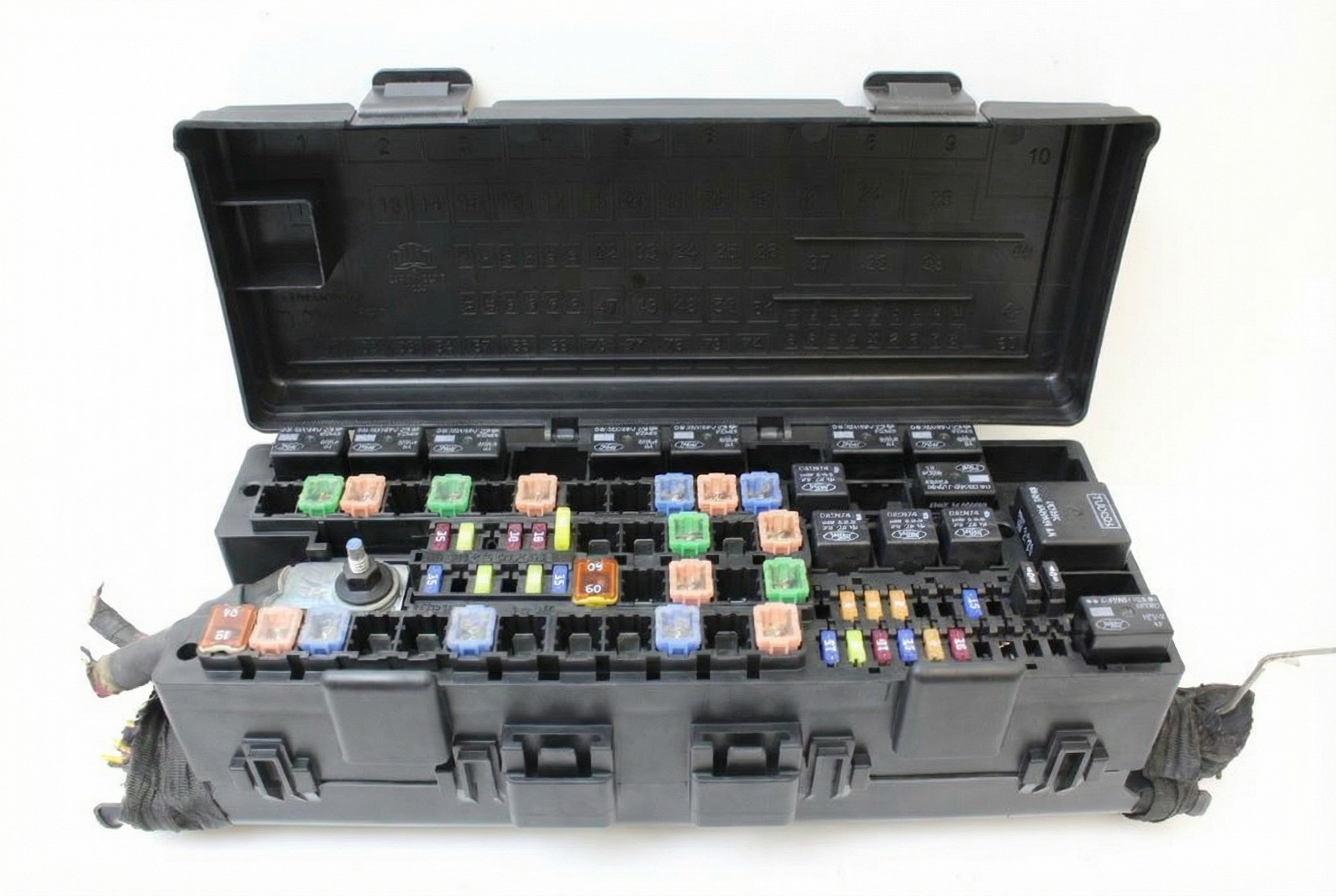
How to confirm: Check the fuses for the EVAP system in the under-hood fuse box (Power Distribution Box). For the 2009-2014 F-150, owners and mechanics specifically point to checking fuse F76 (15A) and sometimes F26, which power the Canister Vent Solenoid.
Typical fix: Replace the blown fuse. If the new fuse blows immediately upon turning the key to the 'on' position, it confirms a persistent and direct short circuit in the wiring or the solenoid itself that must be located and fixed.
Est. part cost: $1-$5
Rare But Worth Checking
- Faulty Powertrain Control Module (PCM): → Shop Engine Control Module (ECM) This is very rare. The internal driver circuit within the PCM that controls the vent solenoid can fail and short out. This should only be considered after all other possibilities (wiring, fuses, solenoid) have been exhaustively ruled out with proper testing.
Diagnosis Steps
- Read the code with an OBD-II scanner and note any other related codes.
- Open the hood and locate the Power Distribution Box. Inspect fuse F76 (15A) and F26. Replace if blown. If the fuse blows again immediately, you have a hard short.
- Safely raise the vehicle and locate the EVAP charcoal canister. It's typically mounted on the driver's side frame rail, near the transfer case on 4x4 models.
- Thoroughly inspect the wiring harness going to the canister vent solenoid. Look for any signs of physical damage, chafing against the frame, heat shields, or corrosion on the connector pins.
- Disconnect the harness from the solenoid. Use a multimeter set to Ohms. Test the control wire in the harness for a short to ground. A reading near 0 ohms confirms a short in the wiring.
- If the harness wiring tests good, the short is likely internal to the vent solenoid itself.
- If the solenoid is the cause, the required repair is to replace the entire EVAP canister assembly. The OEM part is Motorcraft CX-2355 / Ford 9L3Z-9D653-C.
- After the repair, clear the codes with the scanner and perform a complete drive cycle to ensure the fix was successful and the check engine light does not return.
Parts You'll Likely Need
- EVAP Vapor Canister Assembly
(OEM #9L3Z-9D653-C (Motorcraft CX-2355))— On 2009-2014 F-150s, the vent solenoid that fails and causes P0448 is integrated into this assembly, requiring replacement of the entire unit.
Trusted brands: Motorcraft (OEM), Dorman, Standard Motor Products
OEM price range: $250-$400
Aftermarket price range: $150-$250 - Mini Fuse (15A) — A short in the circuit will often blow the fuse (F76) that protects it. This is an essential first check.
Trusted brands: Bussmann, Littlefuse
OEM price range: $1-$5
Aftermarket price range: $1-$5
Related Codes That Often Appear With This One
- P0446 — P0446 indicates a general vent control circuit malfunction, which can appear alongside or be triggered by the same root cause as the more specific 'shorted' condition of P0448.
Platform-Specific Known Issues
- Forum users on f150forum.com frequently report the wiring harness chafing on the frame rail near the canister as a primary cause for P0448, recommending a close inspection of this area before buying parts.
Mechanic-Grade Diagnostic Values
- Canister Vent Solenoid (CVS) Power Wire Voltage — expected: Battery voltage (~12V) with Key On, Engine Off. Failure: Voltage significantly below battery voltage (e.g., 2.6V as seen in one case) or 0V indicates an open or high resistance in the power feed wire.
- Canister Vent Solenoid (CVS) Resistance — expected: Typically between 20 and 30 ohms for a similar type of solenoid.. Failure: A reading near 0 ohms indicates an internal short circuit. An infinite reading (OL) indicates an open circuit.
- CVS Control Wire to Ground Resistance — expected: High resistance (OL). Failure: A reading near 0 ohms indicates the control wire is shorted to ground somewhere in the harness.
Scan Tool Commands That Help
- Ford IDS (Integrated Diagnostic System): Datalogger > Powertrain > EVAP PIDs (Canister Vent Valve Command) — This allows a technician to manually command the canister vent solenoid on (closed) and off (open) to test its functionality. When commanding the valve, you can monitor the fuel tank pressure (FTP) sensor PID to see if the system seals, or listen for an audible click from the solenoid. This is crucial for confirming if the solenoid is stuck or if the control circuit is working.
- Ford IDS (Integrated Diagnostic System): Powertrain > EVAP System Test — This is an automated test that commands the solenoids and monitors the FTP sensor to check the entire system for leaks and blockages. While P0448 is a circuit code, running this test after a repair can confirm the overall health of the EVAP system.
Wiring & Ground Locations
- Canister Vent Solenoid Connector — On the EVAP canister assembly, located on the driver's side frame rail, near the transfer case.. This is the connection point for testing. The power wire is typically Yellow/Red (YE-RD) and should have battery voltage with the key on. The other wire, often Green/Blue (GN-BU), is the control wire that the PCM grounds to close the valve.
- G401 — A frame ground located above the rear axle on the left frame rail, often near the spare tire.. This is a primary ground point for several rear-mounted components, including the EVAP system. Corrosion or a loose connection at G401 can cause intermittent and difficult-to-diagnose electrical faults for the vent solenoid circuit.
- C1581 — An inline connector located in the left rear of the engine compartment.. This connector is part of the power feed circuit (YE-RD wire) from fuse F26 to the canister vent solenoid. A problem here, such as corrosion or a loose pin, could cause a loss of power to the solenoid, though this would typically set an open circuit code (P0446) rather than a short (P0448).
Real Owner Repair Stories
- f150forum.com user 'ProjectSHO89' (2012 Ford F-150 5.0L) — P0446 code (closely related to P0448, indicating a vent circuit malfunction).
❌ Tried (didn't work) Initial focus was on the purge valve in the engine bay, which was incorrect for this code.
✅ What actually fixed it The user identified that the Yellow/Red (YE-RD) wire at the canister vent solenoid connector should have full battery voltage. The initial reading was only 2.6V. The diagnosis confirmed an electrical issue in the power supply wire leading to the solenoid, not the solenoid itself. The fix required tracing and repairing the damaged power wire.
OEM Part Supersession History
9L3Z-9D653-A→9L3Z-9D653-C (Motorcraft CX-2355)— Standard part revision and improvement by the manufacturer.
Heads up: The part numbers appear to be directly interchangeable for the specified vehicle range.
Model Year Variations Within This Range
- 2009-2014: While the canister part number (9L3Z-9D653-C) is generally consistent, Ford trucks of this era often have different EVAP system components based on fuel tank size (standard vs. extended range 36-gallon tank). It is critical to verify the vehicle's specific configuration before ordering, as a canister for a standard tank may not fit a truck with an extended range tank.
Diagnostic Flowchart
Other Known Issues on This Vehicle
Issues unrelated to this code that are worth knowing about as an owner of this generation:
- 5.4L 3V Cam Phaser/Timing System Failure 🔴 High — Very common, especially on engines over 100,000 miles. Often presents as a diesel-like ticking or rattling noise at idle or on cold starts. (Ref: Multiple TSBs exist, but no single recall. TSB 06-19-8 is one example.)
- 3.5L EcoBoost Intercooler Condensation 🟠 Medium — Common on 2011-2012 models, especially in humid climates. Can cause shuddering, stalling, or loss of power during hard acceleration. (Ref: Ford issued multiple TSBs and updated intercooler designs to address the issue.)
- 3.5L EcoBoost Timing Chain Stretch 🔴 High — Can occur on higher-mileage engines or those with extended oil change intervals. Presents as a rattle on cold starts and can trigger code P0016.
- 5.0L Coyote (Gen 1) Sunken Intake Valves 🔴 High — Affects 2011-2013 and some early 2014 models. Soft intake valves wear prematurely, causing loss of compression and a persistent misfire at idle. (Ref: No recall, but Ford released updated, hardened valves for repairs.)
- 6R80 Transmission Downshift/Lead Frame Failure 🟠 Medium — Can cause sudden, harsh downshifts into 1st gear at any speed, or loss of speedometer reading. Affects many 2011-2013 models. (Ref: NHTSA Recall 16V-248 and Ford's Customer Satisfaction Program 19N01 address the lead frame.)
- Fuse 27 (Fuel Pump) Relocation 🟠 Medium — The original micro-fuse in position 27 of the fuse box can overheat and melt, causing a no-start condition. Very common across all engines. (Ref: Ford released TSB 15-0137 with instructions and a kit to relocate the fuse to a more robust circuit.)
- Blend Door Actuator Failure 🟡 Low — Extremely common. Results in a loud clicking/popping sound from the dashboard when changing temperature or vent settings. The HVAC system may get stuck in one mode.
Used vs. New Parts: Buying Guide for This Vehicle
When a used part is the smart pick: A used EVAP canister assembly from a junkyard can be a cost-effective option, as the failure is typically the integrated electronic solenoid, not the charcoal canister itself. If the donor vehicle is from a dry climate and has lower mileage, the risk is reduced.
Donor-vehicle mileage cap: roughly under 80000 miles for the part to have meaningful remaining life.
What to inspect on the donor part:
- Check for cracks or physical damage to the plastic canister body.
- Inspect the electrical connector for corrosion, bent pins, or broken locking tabs.
- Look for signs of the donor vehicle being in a flood or having significant undercarriage rust, which could indicate moisture damage to the solenoid.
- If possible, ask for the VIN of the donor vehicle to verify it did not have open EVAP-related codes.
Aftermarket brands forum-validated for this vehicle:
- Dorman
- Standard Motor Products (SMP)
Brands owners have reported issues with on this vehicle:
- No-name or unbranded parts from online marketplaces have a higher reported failure rate.
Real Owner Stories
Aggregated from forums and TSBs cited above. Mileages and costs reflect what owners reported in those sources.
2012 Ford F-150
Symptoms: Check engine light on and the gas pump nozzle clicks off repeatedly because the vent is stuck closed.
What fixed it: Replacing the entire canister assembly (Part No. 9L3Z-9D653-C) after checking fuses and wiring.
Source hint: f150forum.com - Multiple threads discuss P0448
2010 Ford F-150
Symptoms: P0448 code triggered; visual inspection found the wiring harness chafing on the frame rail near the canister.
What fixed it: Repairing the damaged section of the wire and protecting it with new conduit.
Source hint: f150forum.com - Multiple threads discuss P0448
Related OBD-II Codes
Frequently Asked Questions
Why does the gas pump nozzle keep clicking off when I try to fill up my 2009-2014 F-150?
Is there a specific fuse I should check for the P0448 code on my Ford truck?
I heard the wiring on these trucks is prone to damage. Where should I look for my P0448 issue?
Can I just replace the vent solenoid, or do I need the whole canister assembly (9L3Z-9D653-C)?
Does the P0448 code affect other Ford vehicles similar to the F-150?
Should I buy a used EVAP canister from a junkyard to save money?
Helpful Videos
Used OEM Parts in Stock

New Aftermarket Parts Available


The information in this article is provided for general reference and educational purposes only. Vehicle specifications, procedures, and part compatibility can vary by production date, trim level, and region. Always consult your vehicle's factory service manual and verify part numbers before purchasing or performing repairs. Safety-critical components such as airbags, seat belts, and braking systems should be installed by a qualified professional.
- Ford F-150:
- 🧭 Diagnostic Flowchart
- 🎬 Helpful Videos
- 🛍️ Shop This Part
- What's Unique About the 2009-2014 Ford F-150
- Symptoms You May Notice
- Most Likely Causes
- Rare But Worth Checking
- Diagnosis Steps
- Parts You'll Likely Need
- Related Codes That Often Appear With This One
- Platform-Specific Known Issues
- Mechanic-Grade Diagnostic Values
- Scan Tool Commands That Help
- Wiring & Ground Locations
- Real Owner Repair Stories
- OEM Part Supersession History
- Model Year Variations Within This Range
- Other Known Issues on This Vehicle
- Used vs. New Parts: Buying Guide for This Vehicle
- Real Owner Stories
- 2012 Ford F-150
- 2010 Ford F-150
- Related OBD-II Codes
- Frequently Asked Questions
- 🎟️ Get 5% Off