

P0448 on 2012-2016 Nissan NV: Causes and Fixes for EVAP Vent Valve Short
On a 2012-2016 Nissan NV, code P0448 is most often caused by a faulty EVAP canister vent control valve or an outdated filler neck assembly, as identified in Nissan TSB NTB13102A. The fix typically involves replacing the valve (P/N: 14935-JF02C) or updating the filler neck assembly (P/N: 17221-1PA0C) and cleaning or replacing the debris-clogged charcoal canister.
- For a 2012-2016 Nissan NV, P0448 is not just a simple sensor code; always check for TSB NTB13102A first, as a faulty fuel filler neck is a likely cause.
- The most common symptom, besides the Check Engine Light, is the fuel pump nozzle clicking off repeatedly when you try to refuel.
- The problem is almost always located at the rear of the vehicle, involving the EVAP vent valve, the charcoal canister it's attached to, or the fuel filler neck.
- Dust and debris clogging the EVAP system is a very common failure pattern on Nissan trucks and vans, often requiring the replacement of the vent valve and/or the entire charcoal canister.
What's Unique About the 2012-2016 Nissan NV
What makes the Nissan NV unique regarding code P0448 is a specific Technical Service Bulletin issued by Nissan. TSB NTB13102A points to an outdated fuel filler neck assembly as a primary cause for this electrical code. This is unusual, as a circuit code typically points directly to a sensor or wiring, but on the NV, a mechanical part revision is a key part of the diagnosis. This issue is common across Nissan's truck and van platforms (Titan, Frontier), where the design allows dust and debris to be ingested into the EVAP system, clogging the charcoal canister and causing the vent valve to stick or burn out. TSBs for these platform-mates often involve adding an EPT foam seal to the new filler neck to prevent future contamination.
Diagnostic Flowchart
Tap your situation to follow the diagnostic path that matches what you're seeing on this vehicle.
Symptoms You May Notice
- Check Engine Light is on
- Difficulty filling the fuel tank (gas pump nozzle clicks off repeatedly)
- Possible fuel odor near the rear of the vehicle
- Audible "whoosh" of air when opening the gas cap
- Rough idling or stalling immediately after refueling.
- Replacing the gas cap. While a loose or faulty gas cap can cause other EVAP codes (like for leaks), it is not a cause for a P0448 circuit short code.
Most Likely Causes
- Outdated or Faulty Fuel Filler Neck Assembly 🔴 High Probability → Shop Fuel Filler Neck Nissan identified a design issue with the original part that allows dust and debris into the EVAP system. TSB NTB13102A was released to address this specific problem, which can lead to the P0448 code. This is a known issue on related Nissan trucks as well.
How to confirm: Visually inspect the fuel filler neck assembly and compare it to the images of the old and new style parts provided in TSB NTB13102A. The updated part for 2012+ models is OEM P/N 17221-1PA0C.
Typical fix: Replace the old style filler neck assembly with the updated part specified by Nissan. TSBs for platform-mates with the same issue also specify wrapping the new filler neck with an EPT foam seal to better prevent debris intrusion.
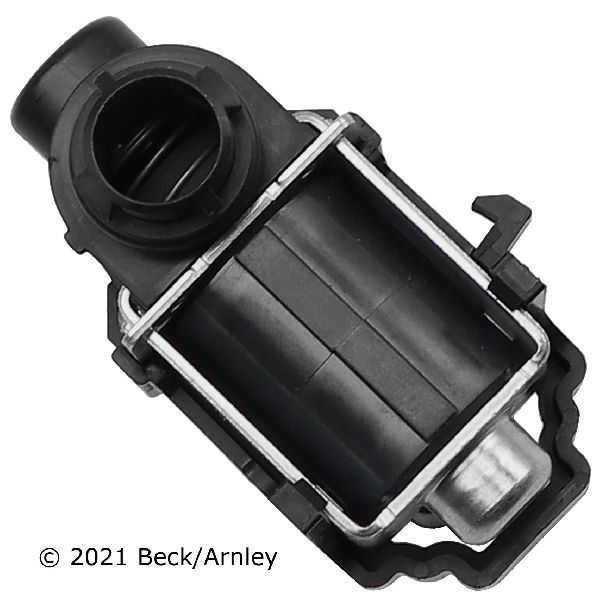
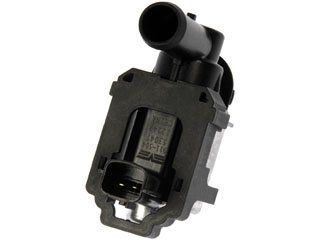
Est. part cost: $150-$250 - Failed EVAP Canister Vent Control Valve 🔴 High Probability → Shop Vapor Canister Vent Valve The valve can fail internally, causing an electrical short. It is also highly susceptible to becoming clogged with dust and debris from the known filler neck issue, which can cause it to stick closed or burn out the solenoid.
How to confirm: Test the valve's internal resistance with a multimeter; a reading between 20 and 50 ohms is expected. A reading near zero ohms indicates a short. Alternatively, apply 12V power directly to the valve's terminals and listen for an audible click. 🎬 Watch: A guide to diagnosing and fixing P0448 codes A lack of a click indicates failure.
Typical fix: Replace the EVAP canister vent control valve. The updated OEM part number is 14935-JF02C, which supersedes several previous versions. It is often recommended to replace the canister at the same time due to likely contamination.
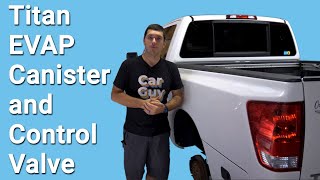
Est. part cost: $60-$120 - Clogged EVAP Charcoal Canister or Vent Filter 🟡 Medium Probability → Shop Vapor Canister Nissan trucks and vans are known for ingesting dust into the EVAP system, which clogs the charcoal canister and associated filters, leading to valve failure and codes like P0448. One mechanic noted a failed canister from a Titan weighed over 20 pounds, while a new one is only a few, illustrating the potential for extreme contamination. 🎬 See how to replace the canister and valve assembly
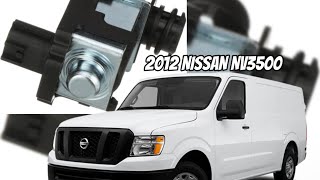
How to confirm: Remove the vent valve and inspect the port on the canister for dirt, dust, or charcoal pellets. Hoses may also be filled with debris. A YouTube video on a 2016 NV3500 shows this exact failure mode.
Typical fix: In minor cases, blowing out the canister with compressed air may provide a temporary fix, as documented by some owners. However, the proper repair is often to replace the entire charcoal canister assembly, which usually includes a new vent valve.
Est. part cost: $200-$400 - Damaged Wiring or Connector ⚪ Low Probability The wiring for the vent valve is located under the vehicle, exposing it to road debris, moisture, and corrosion which can cause a short circuit.
How to confirm: Visually inspect the wiring harness and connector leading to the vent control valve for any signs of chafing, melting, corrosion, or breaks. Check for ~12V on the power wire at the connector with the ignition on.
Typical fix: Repair the damaged section of wire or replace the connector pigtail. The 2-pin connector is available as an aftermarket part.
Est. part cost: $10-$50
Rare But Worth Checking
- Faulty Engine Control Module (ECM): → Shop Engine Control Module (ECM) This is extremely rare. The ECM should only be considered after all other possibilities, including the valve, canister, filler neck, and all related wiring, have been thoroughly tested and ruled out.
Diagnosis Steps
- Scan for Codes: Confirm P0448 is the primary code present. Note any other codes.
- Check TSBs: Review Nissan TSB NTB13102A. Visually inspect the fuel filler neck to see if it is the old or updated design. If it is the old design, replacement with the updated part (P/N 17221-1PA0C) is the recommended first action.
- Inspect Wiring: Perform a close visual inspection of the wiring and connector for the EVAP vent control valve, located on the charcoal canister near the rear of the vehicle, in front of the driver's side rear tire. Look for any signs of damage or corrosion.
- Test the Vent Valve: Disconnect the valve and test its resistance with a multimeter. A reading between 20-50 ohms is expected. A reading of zero or near-zero ohms indicates a shorted valve that needs replacement.
- Command Valve Operation: If you have a bidirectional scan tool, command the vent valve solenoid ON and OFF. Listen for a distinct clicking sound. If it doesn't click, the valve is stuck or electrically failed. As an alternative, you can apply 12V and ground directly to the valve's pins to listen for the click.
- Inspect Canister and Hoses: Remove the vent valve and check the canister port and vent hoses for blockages from dust, dirt, or spider webs. A significant amount of debris points to a contaminated canister.
- Replace Parts: Based on your findings, replace the faulty component. Start with the action recommended by the TSB if applicable, followed by the vent valve or canister assembly. Due to the high likelihood of contamination, replacing the valve and canister together is often the most durable repair.
Parts You'll Likely Need
- EVAP Canister Vent Control Valve
(OEM #14935-JF02C)— This is the component identified by the code itself. It frequently fails due to internal shorts or from being clogged with debris. This part number supersedes previous versions like 14935-JF00A, 14935-JF00B, and 14935-JF00E.
Trusted brands: Nissan OE, Bosch, Dorman
OEM price range: $85-$120
Aftermarket price range: $50-$90 - Tube Assy-Filler (Fuel Filler Neck)
(OEM #17221-1PA0C)— Specifically identified by Nissan TSB NTB13102A as a root cause for P0448 on the NV platform. This is the updated part for models from August 2011 onward, replacing 17221-1PA0B.
Trusted brands: Nissan OE
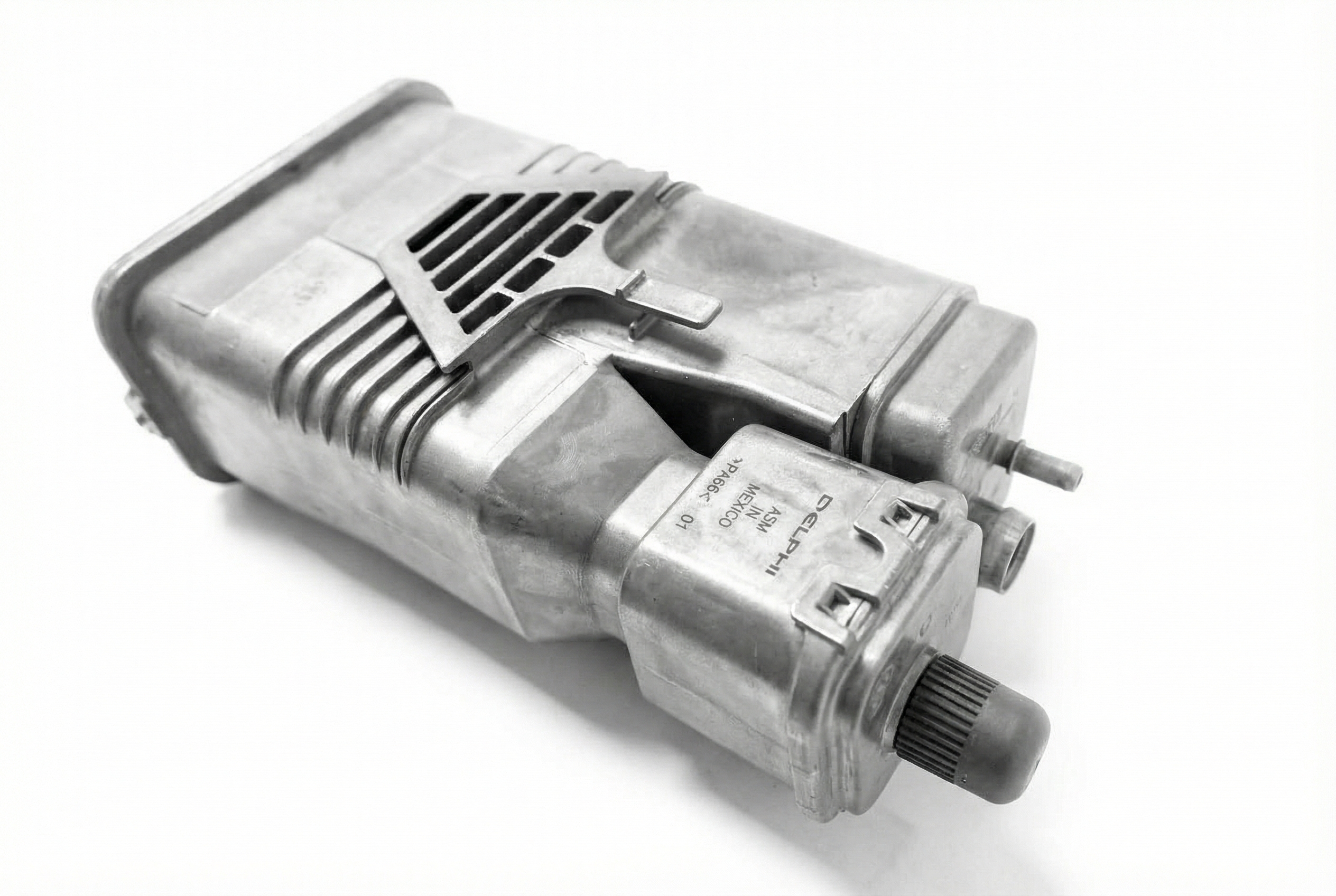
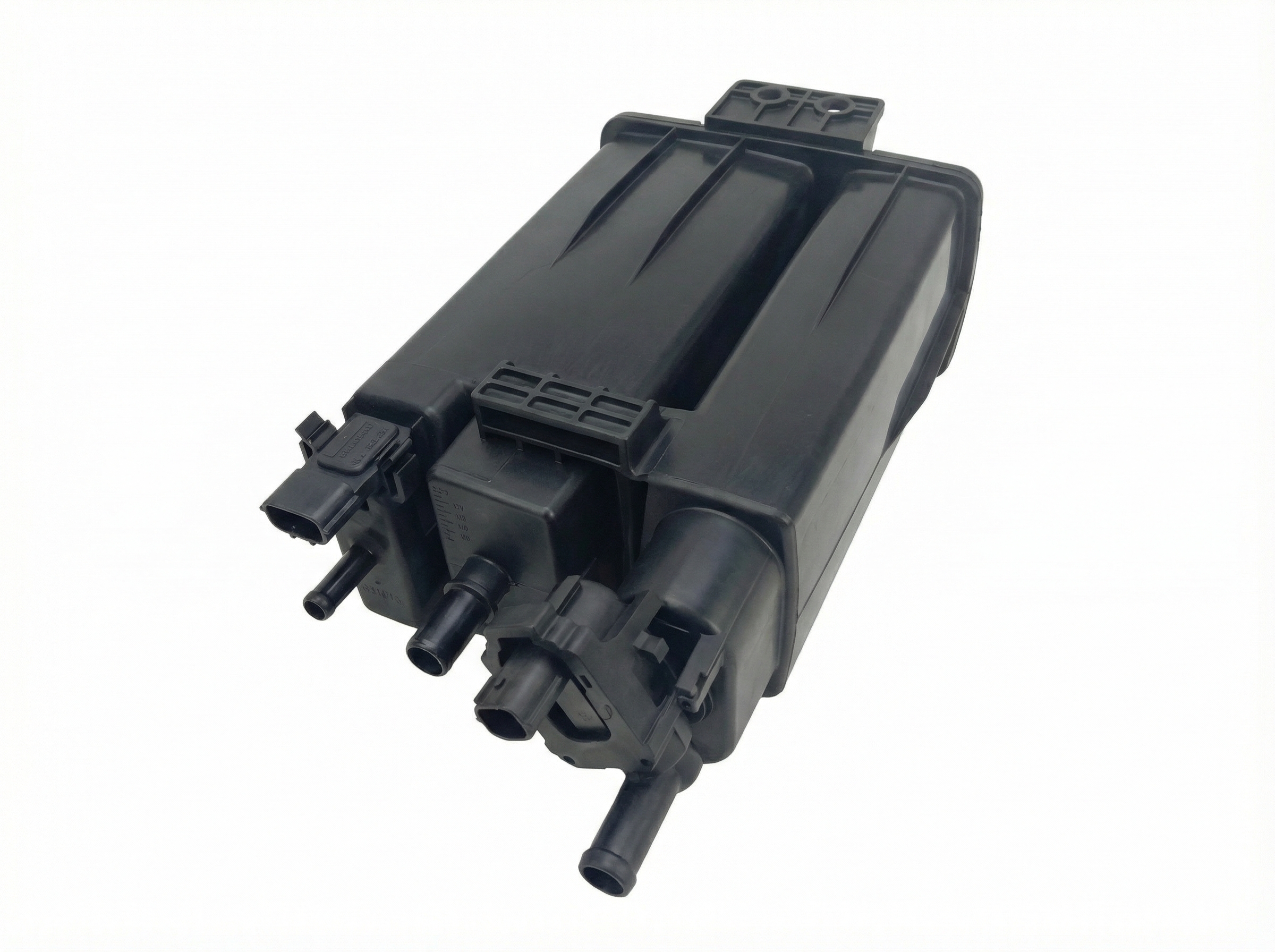
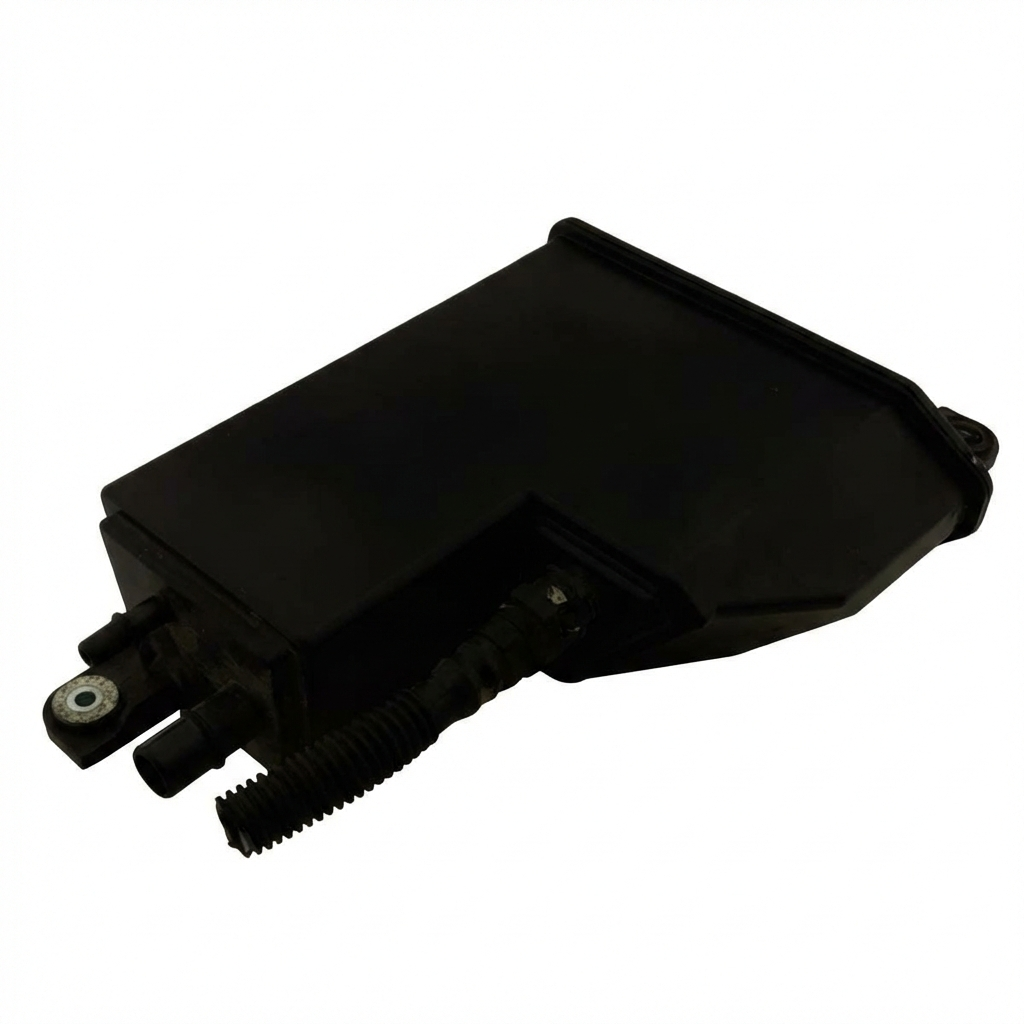
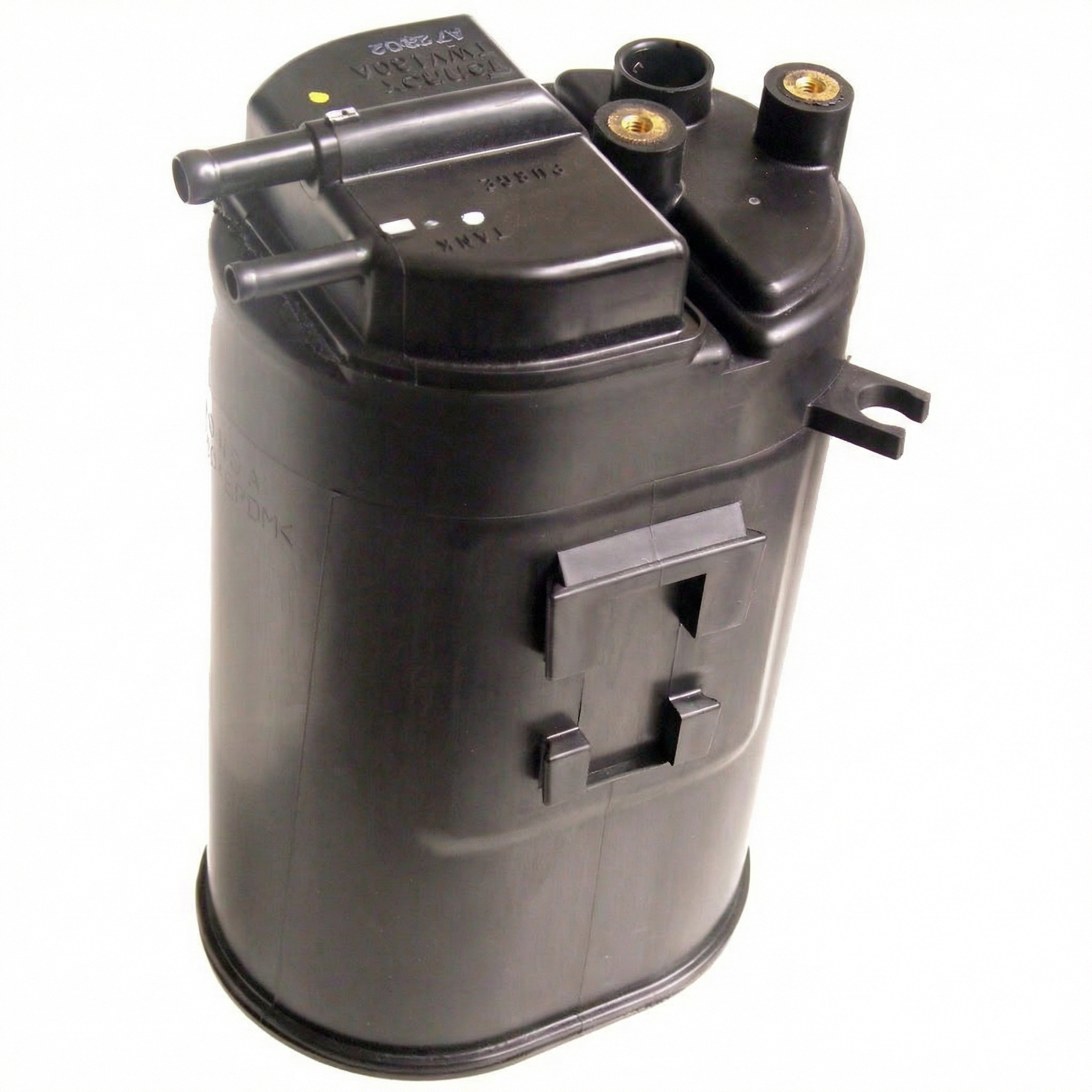
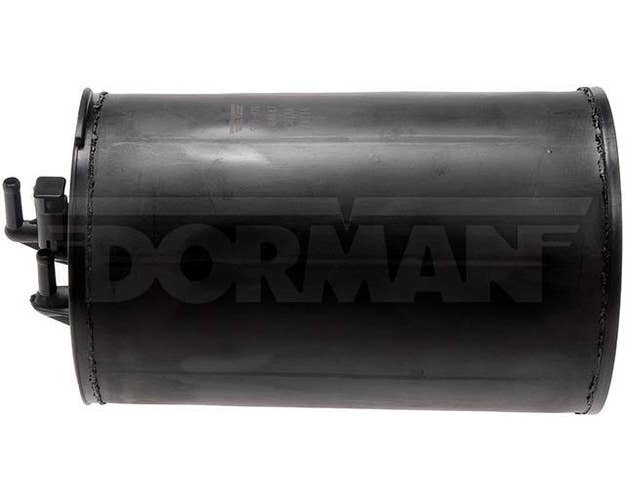
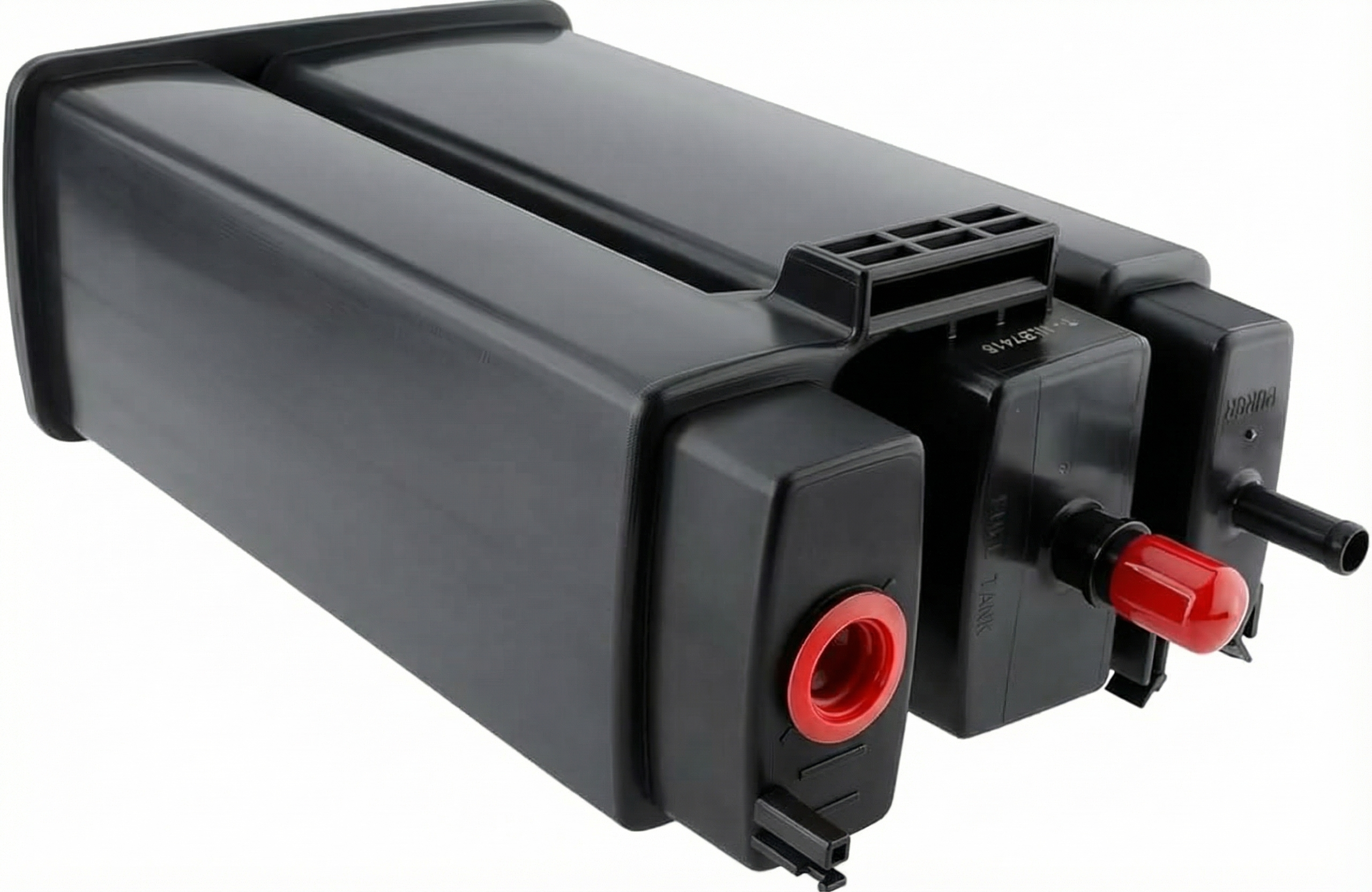
OEM price range: $150-$250 - EVAP Charcoal Canister — Often becomes saturated with fuel or clogged with dust, which leads to the failure of the vent valve. It is often replaced as an assembly with the valve for a complete repair.
Trusted brands: Nissan OE, Spectra Premium
OEM price range: $250-$400
Aftermarket price range: $180-$300
Related Codes That Often Appear With This One
- P0447 — This code indicates an 'open' circuit for the same vent control valve, whereas P0448 indicates a 'shorted' circuit. They point to the same component and can appear if the electrical failure is intermittent or complex.
- P0442 — This code for a 'small leak' can sometimes accompany P0448 if the vent valve is not sealing correctly or if the dust contamination has damaged other hoses in the system.
Technical Service Bulletins (TSBs) & Recalls
- NTB13102A: States that if DTC P0448 is present, the technician should confirm if the 'Tube Assy-Filler' is the updated version. If not, it should be replaced. This TSB is the most direct and authoritative guidance for this specific code on this vehicle.
Platform-Specific Known Issues
- Nissan Technical Service Bulletin NTB13102A directly links the P0448 code to an outdated fuel filler neck assembly on 2012-2013 models, recommending replacement with an updated part. The bulletin was later amended to cover a wider range. TSBs for platform-mates like the Frontier (NTB15-079e) further detail this repair, which includes adding an EPT foam seal to the new filler neck to prevent a recurrence of dust intrusion.
Mechanic-Grade Diagnostic Values
- EVAP Canister Vent Control Valve Solenoid Resistance — expected: 20 - 50 Ohms. Failure: A reading near 0 Ohms indicates a shorted coil; an infinite reading (OL) indicates an open coil.
- Voltage at Vent Control Valve Connector — expected: ~12V (Battery Voltage) on the power supply pin with Key On, Engine Off.. Failure: No voltage suggests a blown fuse or a break in the power supply wire.
- Resistance between Vent Control Signal Wire and Chassis Ground — expected: >10 kΩ (kilo-ohms). Failure: A reading near 0 Ω indicates a direct short to ground in the wiring harness.
Scan Tool Commands That Help
- Nissan CONSULT or professional bidirectional scan tool: EVAP System "Active Test" or "Actuation Test" for the Vent Control Valve. — Use this to command the normally-open vent valve to close. You should hear an audible click from the valve. A lack of a click, despite having proper power and ground, confirms a failed or stuck valve. This is a primary step to verify valve functionality without removing it.
Wiring & Ground Locations
- EVAP Canister Assembly — Located at the rear of the vehicle, on the driver's side, mounted to a crossmember in front of the rear tire and behind the fuel tank.. This is the physical location of the vent control valve and its connector, which are the primary subjects of the P0448 code. The location exposes the components and wiring to road debris and moisture.
- Vent Valve Connector (L31C2) — The 2-pin electrical connector that plugs directly into the EVAP canister vent control valve.. This connector is a common point of failure due to corrosion or damage. A short circuit can occur within the connector itself. It's where voltage and resistance tests are performed.
- Chassis Ground — A factory ground bolt or stud on the vehicle's frame or body, typically near the component being grounded. Specific EVAP circuit ground points are not detailed in public-facing guides, but any clean, unpainted metal bolt connected to the frame near the canister can be used for testing continuity.. A poor ground connection for the EVAP vent valve circuit can cause erratic behavior and may contribute to circuit codes. Verifying a clean, tight ground is a crucial step in electrical diagnosis.
Real Owner Repair Stories
- The Nissan Path forum user (Nissan Pathfinder (platform-mate)) — Intermittent, then continuous P0448 Check Engine Light.
❌ Tried (didn't work) Replacing the EVAP canister vent control valve.
✅ What actually fixed it The owner removed the charcoal canister, noted it was heavy with dirt, and blew the dust out using their own breath and shaking the canister. This free repair resolved the code permanently. - YouTube channel 'Mil-usos Miller' (2016 Nissan NV 3500) — Persistent P0448 code.
❌ Tried (didn't work) Testing the vent control valve (it tested good), checking for power at the connector (it was good).
✅ What actually fixed it The technician found a separate EVAP filter/chamber near the canister was completely clogged with dirt and debris. After cleaning out all the dirt, the code was cleared and did not return after more than 500 miles of driving. - Reddit user 'leprikan741' (2022 Nissan Sentra (different model, but identical failure pattern)) — P0448 code, vehicle lives on a dirt road.
❌ Tried (didn't work) Taking the EVAP canister off and cleaning it., Testing the vent control valve., Replacing the EVAP purge valve under the hood., Cleaning and checking the gas cap.
✅ What actually fixed it After all DIY attempts failed, a dealership diagnostic confirmed the EVAP canister itself was internally plugged from the dust and required full replacement. This highlights that cleaning is not always sufficient.
"I Checked Everything" — The Actual Cause
- A smoke test is the wrong primary tool for a P0448 'short circuit' code; it is designed to find physical leaks (like P0455 or P0442). If the vent valve is stuck closed due to the electrical short, the system will be sealed and a smoke test will correctly show 'No Leak Found'. This can mislead a technician into thinking the EVAP system is fine, when in reality the electrical fault that caused the valve to stick is the root cause. The proper diagnosis requires electrical testing (voltage, resistance) of the valve and its circuit.
When the Usual Fixes Don't Work
- In multiple documented cases, replacing the EVAP vent control valve—the part directly implicated by the P0448 code—did not fix the issue. The actual root cause was a system clog from excessive dust and debris drawn in through the fuel filler area. A successful repair was only achieved after the owner or technician physically removed and cleaned the charcoal canister and associated filters, or replaced the canister assembly entirely.
OEM Part Supersession History
14935-JF00A, 14935-JF00B, 14935-JF00C, 14935-JF00D, 14935-JF00E→14935-JF02C— The EVAP canister vent control valve is a high-failure part. The extensive list of superseded part numbers indicates repeated redesigns by Nissan to improve durability and sealing against dirt and moisture intrusion.17221-1PA0A / 17221-1PA0B→17221-1PA0C— The original fuel filler neck design was found to allow excessive dust and debris into the EVAP system, leading to clogged canisters and failed vent valves. The updated part has an improved design to prevent this, as noted in TSB NTB13102A.
Model Year Variations Within This Range
- 2012-2013 (and potentially later early-production models): Early models in this range may have been built with the older style fuel filler neck (P/N 17221-1PA0A/B) that is the subject of TSB NTB13102A. Later models were factory-equipped with the updated part (17221-1PA0C). The TSB is the primary diagnostic step for these early-year models when a P0448 is present.
Helpful Videos


Used OEM Parts in Stock
New Aftermarket Parts Available


The information in this article is provided for general reference and educational purposes only. Vehicle specifications, procedures, and part compatibility can vary by production date, trim level, and region. Always consult your vehicle's factory service manual and verify part numbers before purchasing or performing repairs. Safety-critical components such as airbags, seat belts, and braking systems should be installed by a qualified professional.
- Nissan NV:
- 🧭 Diagnostic Flowchart
- 🎬 Helpful Videos
- 🛍️ Shop This Part
- What's Unique About the 2012-2016 Nissan NV
- Symptoms You May Notice
- Most Likely Causes
- Rare But Worth Checking
- Diagnosis Steps
- Parts You'll Likely Need
- Related Codes That Often Appear With This One
- Technical Service Bulletins (TSBs) & Recalls
- Platform-Specific Known Issues
- Mechanic-Grade Diagnostic Values
- Scan Tool Commands That Help
- Wiring & Ground Locations
- Real Owner Repair Stories
- "I Checked Everything" — The Actual Cause
- When the Usual Fixes Don't Work
- OEM Part Supersession History
- Model Year Variations Within This Range
- 🎟️ Get 5% Off