

P0448 on 2018 Nissan Versa: EVAP Vent Control Circuit Shorted Causes and Fixes
On a 2018 Nissan Versa, code P0448 is often caused by a software glitch that requires a dealer ECM reprogram, as detailed in Nissan TSB #NTB19-045b. This bulletin states the ECM can improperly store a permanent version of this code. If software is ruled out, the next most likely cause is a failed or debris-clogged EVAP vent control valve located on the charcoal canister under the rear of the vehicle.
- **Check for TSBs First:** Before buying any parts for a P0448 on a 2018 Versa, check if your vehicle needs the ECM software update mentioned in TSB NTB19-045b.
- **The Part is at the Back:** The code refers to the EVAP Vent Control Valve, located on the charcoal canister near the rear of the car, not the purge valve in the engine bay.
- **It's an Emissions, Not a Drivability Issue:** You can safely drive the car, but you will not pass an emissions inspection until the code is resolved.
- **Check for Clogs:** A simple blockage from dust or debris in the canister or vent hose can sometimes trigger this code and can be a no-cost fix.
What's Unique About the 2018-2018 Nissan VERSA
For the 2018 Nissan Versa, the P0448 code has a very specific and well-documented cause that is not a hardware failure. Nissan issued multiple Technical Service Bulletins (TSBs), including NTB19-045b and P9328_P9343_P934, stating that the ECM can improperly store this code due to a calibration error. In many cases, the actual fix is not replacing a part, but having a Nissan dealer reprogram the ECM with updated software. The TSB clarifies that this reprogram doesn't fix the root cause of the DTC but rather updates how the permanent DTC is stored and allowed to be erased after a proper hardware repair is performed.
Diagnostic Flowchart
Tap your situation to follow the diagnostic path that matches what you're seeing on this vehicle.
Symptoms You May Notice
- Check Engine Light is on
- Difficulty refueling (gas pump nozzle clicks off frequently)
- Slight fuel odor near the rear of the vehicle
- Audible noise from the rear of the vehicle as the fuel tank contracts or expands due to pressure changes
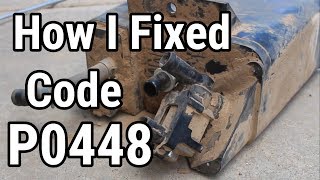
- Replacing the gas cap. A loose or faulty gas cap typically causes large or small leak codes (like P0455 or P0456), not a circuit short code like P0448. 🎬 Watch: A quick overview of P0448 causes and common fixes.
- Replacing the EVAP Purge Valve. The P0448 code refers specifically to the vent control valve circuit, which is located at the rear of the car by the charcoal canister, not the purge valve located in the engine bay.
Most Likely Causes
- ECM Software Calibration Error 🔴 High Probability Nissan issued TSBs #NTB19-045b and #P9328_P9343_P934 specifically identifying this as a known issue where the ECM improperly stores a permanent P0448 code. This applies to the 2018 Versa Sedan with the HR16DE engine.
How to confirm: A Nissan dealership can check your vehicle's VIN against the TSBs to see if the software update applies. This should be the first step in diagnosis. The TSB states that even if the reprogram is needed, the original fault must still be diagnosed and repaired first.
Typical fix: Reprogramming the Engine Control Module (ECM) with updated software. This must be done by a Nissan dealer or a qualified shop with the correct equipment. Out-of-warranty costs for reprogramming can range from $100 to $250.
Est. part cost: $0 - Failed EVAP Vent Control Valve/Solenoid 🔴 High Probability → Shop Vapor Canister This component is exposed to the elements under the vehicle and is a common failure point on many Nissan models. The internal solenoid can short out, the plunger can stick, or it can fail to hold a seal. It is located on the charcoal canister near the rear driver's side wheel.
How to confirm: After ruling out the TSB, locate the valve on the charcoal canister. Test the two pins on the valve's electrical connector with a multimeter; very low resistance indicates a short. A capable scan tool can also be used to command the valve open and closed while listening for a click. You can also apply 12V directly to the valve to listen for the plunger actuating.
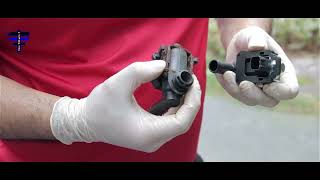
Typical fix: Replace the EVAP vent control valve. This involves twisting the valve (often counter-clockwise) to release it from the canister. 🎬 See this walkthrough on how to replace the vent valve.
Est. part cost: $40-$90 - Clogged EVAP Canister or Vent Hose 🟡 Medium Probability → Shop Vapor Canister The vent hose, which is open to the atmosphere, can ingest dust, sand, debris, or even spider webs, leading to a blockage. This prevents the system from venting properly and can trigger a P0448 code.
How to confirm: Visually inspect and remove the vent hose from the canister. Blow low-pressure compressed air through the hose and the canister's vent port to check for and clear obstructions. A significant amount of dust or debris coming out confirms a clog.
Typical fix: Clean the canister and hoses with compressed air. If the canister is saturated with fuel or hopelessly clogged, it must be replaced. Some owners relocate the vent hose to a cleaner, more protected area.
Est. part cost: $0-$200 - Damaged Wiring or Connector ⚪ Low Probability The wiring harness to the vent valve is located under the car and is susceptible to corrosion, road debris damage, or rodent chews. A short in the wiring will trigger this specific code.
How to confirm: Visually inspect the entire length of the wiring from the connector back. Check for continuity and shorts to ground/power using a multimeter. Check the connector for corroded or bent pins.
Typical fix: Repair the damaged section of wire or replace the connector pigtail.
Est. part cost: $5-$25
Rare But Worth Checking
- Faulty Engine Control Module (ECM): → Shop Engine Control Module (ECM) This is extremely rare. The ECM should only be considered after all other possibilities, including the software TSB, valve, wiring, and canister, have been thoroughly ruled out. A hardware failure in the ECM is different from the software glitch covered by the TSB.
Diagnosis Steps
- Check for TSBs: The first and most important step for this specific vehicle. Contact a Nissan dealer with your VIN to see if TSB #NTB19-045b or #P9328_P9343_P934 applies. If it does, an ECM reprogram is the recommended action after the root cause is fixed.
- Visual Inspection: Inspect the EVAP charcoal canister, vent control valve, and all associated hoses and wiring under the rear of the vehicle (typically near the driver's side rear wheel). Look for any obvious damage, cracks, corrosion, sand, or signs of rodent activity.
- Inspect Wiring & Connector: Unplug the connector from the vent control valve. Check for corrosion or damage on the pins. Trace the wiring harness as far as possible, looking for breaks or chafing. Use a multimeter to check for battery voltage on one wire and test the control wire for a short to ground.
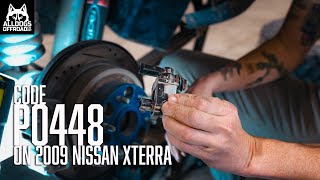
- Test the Vent Control Valve: Use a multimeter set to Ohms (Ω) to measure the resistance between the two pins on the valve itself. A reading of near zero ohms indicates a short circuit. Compare the reading to the manufacturer's specification if available. Alternatively, apply 12V power directly to the pins and listen for a solid, audible click. 🎬 Watch: How to test the vent valve circuit with a multimeter.
- Check for Blockages: Disconnect the hoses from the charcoal canister and vent valve. Use low-pressure compressed air to gently blow through them and the canister's vent port to ensure they are not clogged with dust or debris. Pay special attention to the fresh air inlet hose and filter box if equipped.
Parts You'll Likely Need
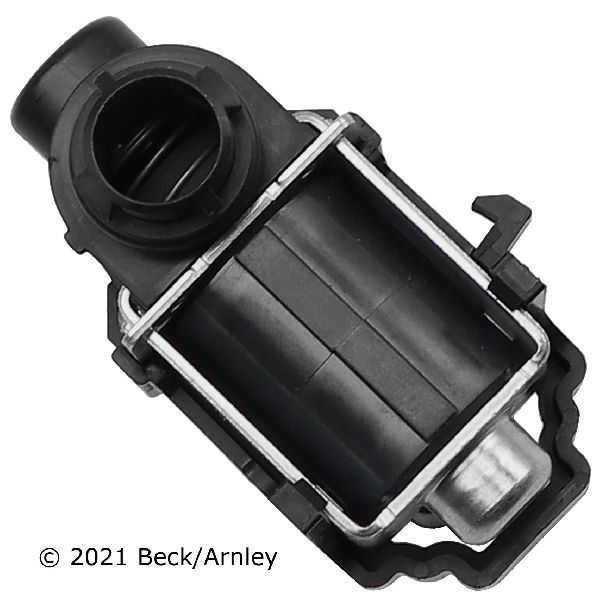
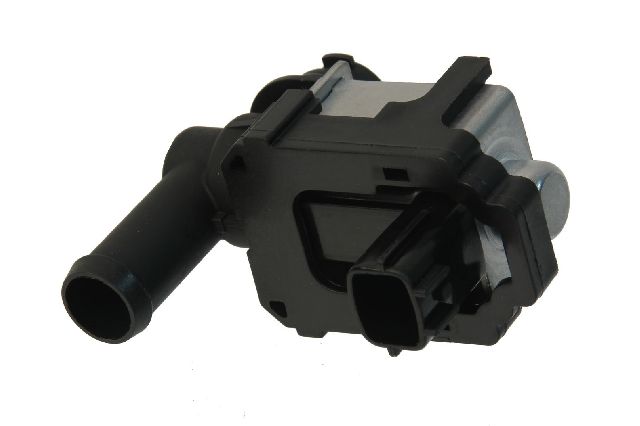
- EVAP Canister Vent Control Valve
(OEM #14935-JF00E)— This is the most common hardware component to fail for this code, either by an internal short circuit or by getting stuck. The TSB for an ECM reprogram should be ruled out first. Part number 14935-JF00B has been superseded by newer versions like 14935-JF00E and 14935-JF02C.
Trusted brands: Nissan OE, Hitachi, Dorman (p/n 911-504), Standard Motor Products
OEM price range: $70-$110
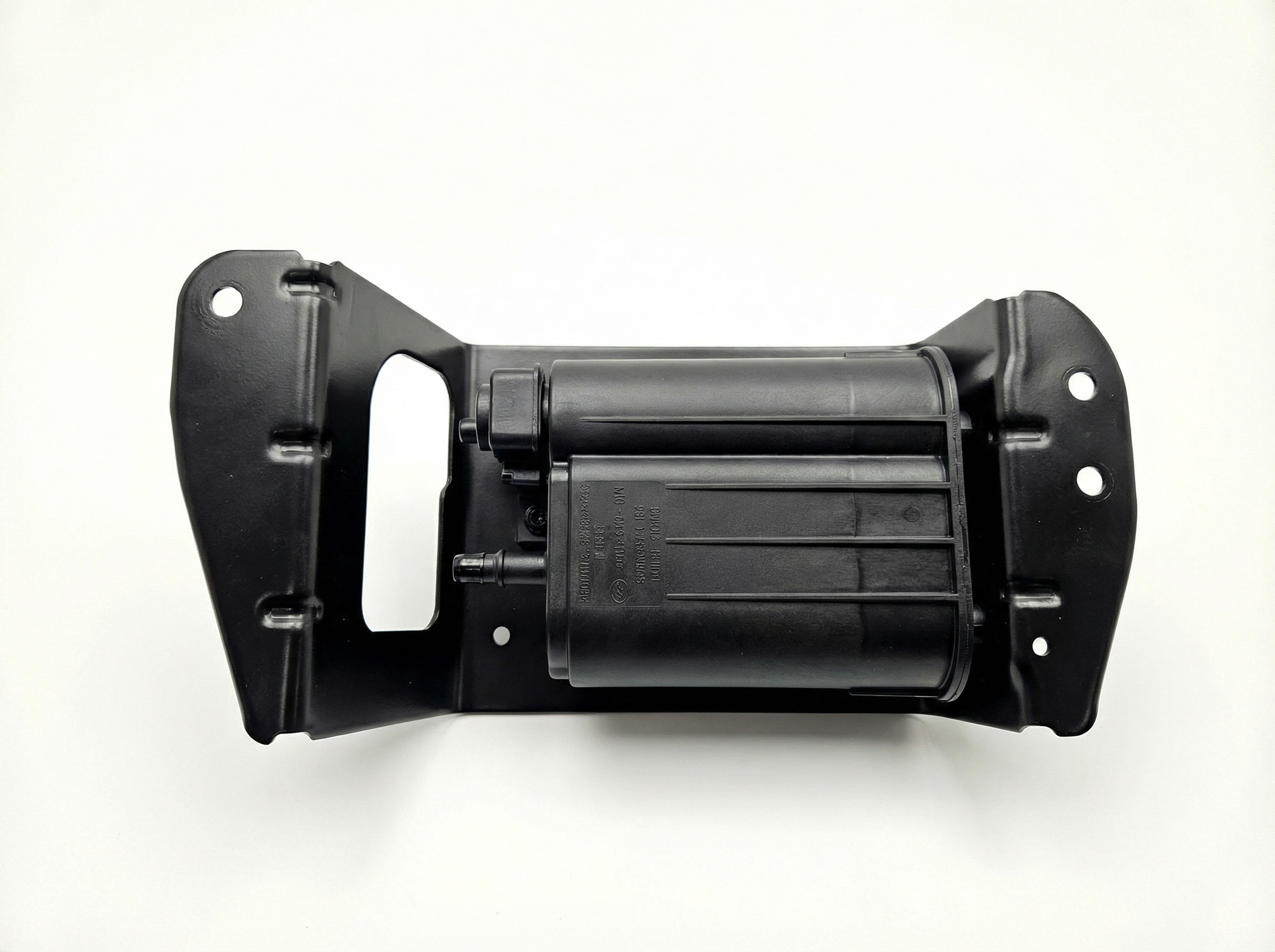
Aftermarket price range: $40-$90 - EVAP Charcoal Canister
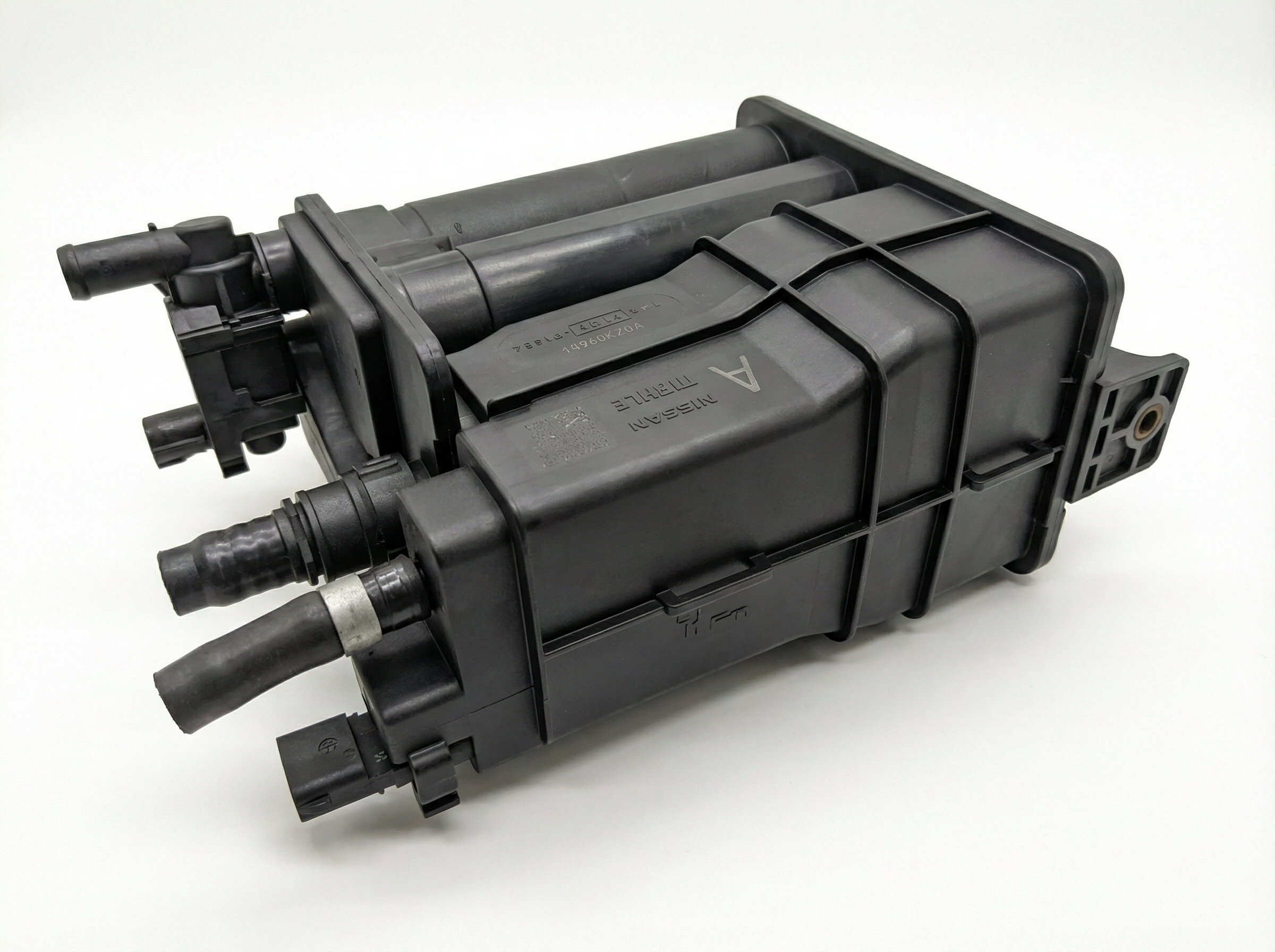
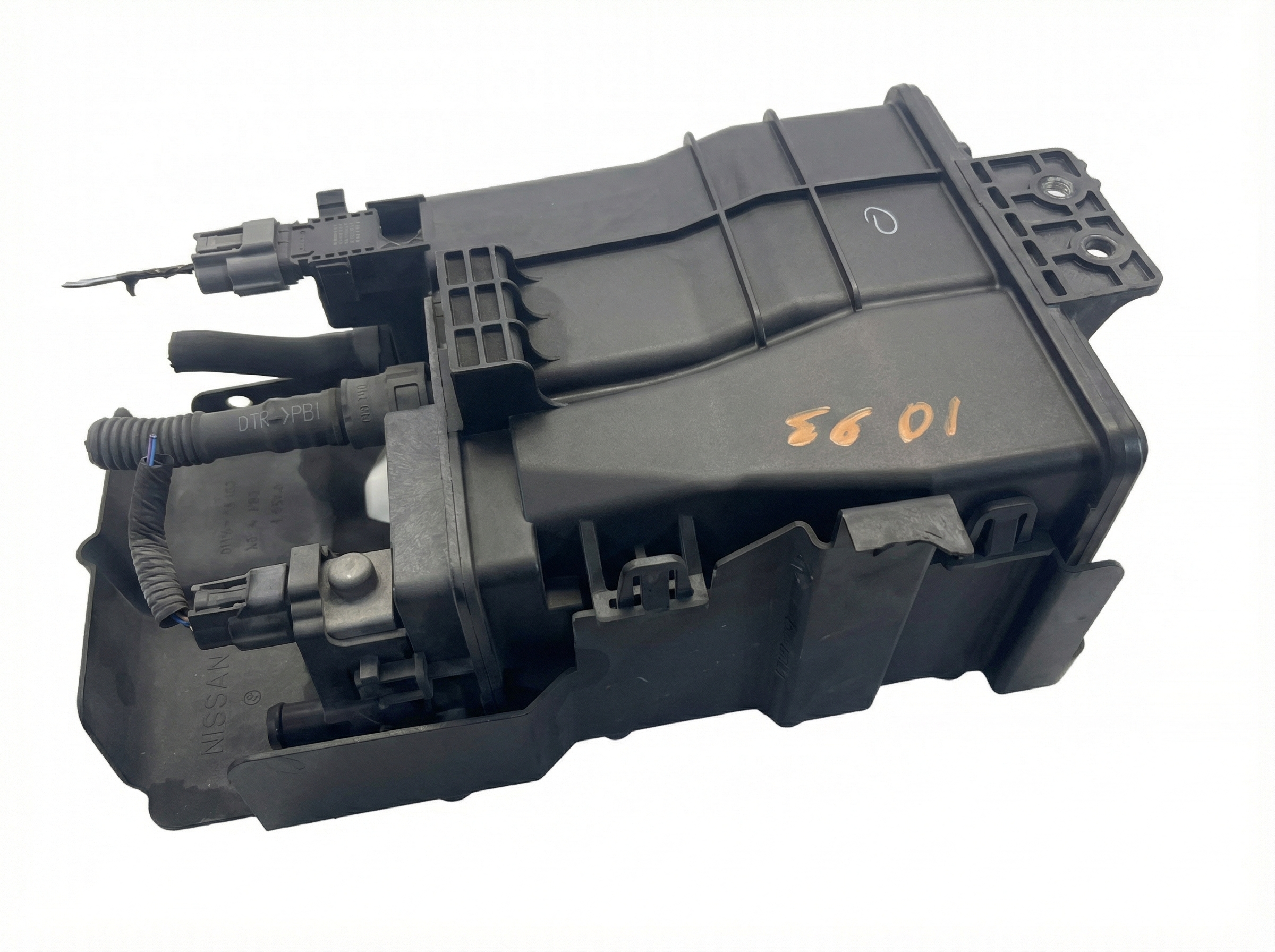
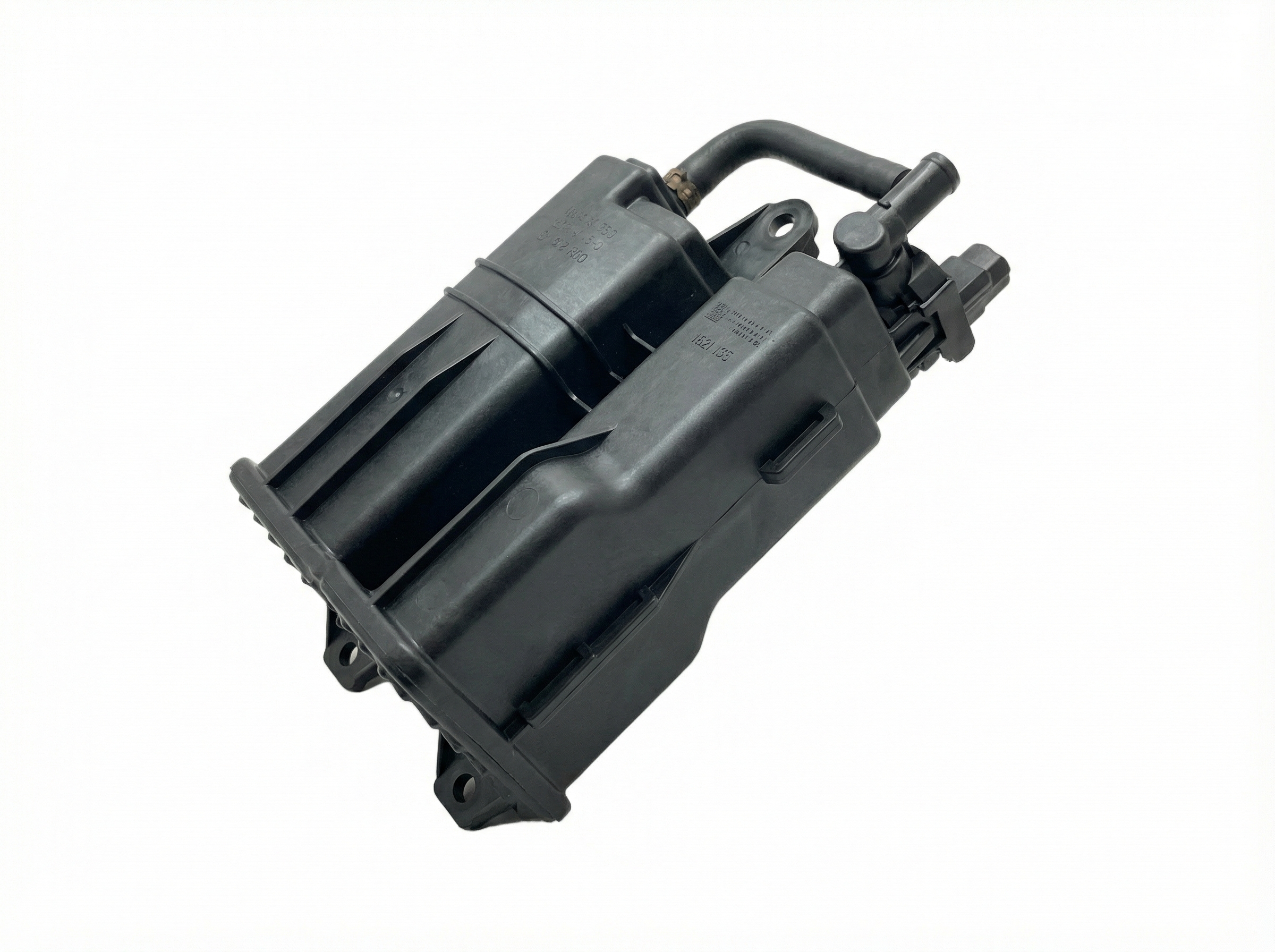
(OEM #14950-9KZ0A)— Only needed if the canister is physically cracked, saturated with liquid fuel, or so clogged with debris that it cannot be cleared with compressed air.
Trusted brands: Nissan OE, Dorman
OEM price range: $150-$250
Aftermarket price range: $100-$180
Related Codes That Often Appear With This One
- P0447: EVAP Emission Control System Vent Control Circuit Open. It is possible, though less common, to see this code alongside P0448 if the wiring issue is intermittent or complex.
Technical Service Bulletins (TSBs) & Recalls
- NTB19-045b: "MIL ON WITH DTC P0087, P0101, P0448, OR P2008..." Explicitly mentions P0448 for the 2018 Versa and states the ECM reprogram updates how a permanent DTC is stored, and should be performed after the root cause is diagnosed and repaired.
- P9328_P9343_P934: A California-specific action to reprogram the ECM if a permanent DTC for P0448 (among others) is stored, citing calibration errors.
- NTB19-045a / NTB19-045: Earlier versions of the bulletin addressing the same set of DTCs, including P0448 on the 2018 Versa Sedan and Note.
Platform-Specific Known Issues
- A primary issue for the 2018 Versa is an ECM software glitch that incorrectly triggers and stores a permanent P0448 code. Nissan addressed this in TSB #NTB19-045b and a California-specific campaign #P9328_P9343_P934, which calls for an ECM reprogram as the solution. It's critical to understand the TSB states the reprogram is to correct how the permanent code is stored and erased, and that the underlying hardware fault (like a bad valve) must be diagnosed and repaired first.
Mechanic-Grade Diagnostic Values
- EVAP Canister Vent Control Valve Solenoid Resistance — expected: Between 20 and 50 Ohms (Ω) across the two pins on the valve.. Failure: A reading near 0 Ω indicates a shorted coil. A reading of OL or infinite resistance indicates an open coil. Either requires valve replacement.
- Voltage at Vent Control Valve Connector (Key On, Engine Off) — expected: Approximately 12V (battery voltage) on one of the two pins.. Failure: No voltage suggests a problem with the power supply from the IPDM or a break in the power wire.
Scan Tool Commands That Help
- Nissan CONSULT or equivalent professional scan tool: EVAP System Test / Vent Valve Control / ACTIVE TEST — This bidirectional command allows the technician to manually cycle the vent valve solenoid on and off. It is used to listen for an audible 'click' from the valve, which confirms the solenoid is receiving the command and is mechanically attempting to actuate. This helps differentiate a faulty valve from a wiring or ECM issue.
Wiring & Ground Locations
- EVAP Vent Control Valve Connector — Plugged directly into the vent control valve, which is mounted on the charcoal canister under the rear of the vehicle.. This 2-pin connector is the primary subject of a P0448 'circuit shorted' fault. It should be inspected for corrosion, damage, or pushed-out pins. One pin receives ~12V power, and the other is the control (ground) wire from the ECM.
- ECM Ground Pins — On the main ECM connector (E16 on some diagrams), pins 159 and 162 are listed as ECM grounds.. A poor ground connection at the ECM can cause a variety of unpredictable electrical faults, including issues with sensor and actuator circuits like the EVAP vent valve.
- IPDM E/R (Intelligent Power Distribution Module Engine Room) — Located in the engine compartment, often near the battery.. The IPDM E/R controls power distribution to many vehicle systems via relays and fuses. The power feed for the EVAP vent valve circuit originates here, so a fault within the IPDM could cause a loss of power to the valve.
Real Owner Repair Stories
- TheNissanPath.com forum user 'Aerodan' (Nissan Pathfinder (R51), similar EVAP system design) — Intermittent P0448 code that eventually became continuous, returning a day or two after being reset.
❌ Tried (didn't work) Replacing the EVAP vent control valve ($40+ part)
✅ What actually fixed it Removing the charcoal canister from the vehicle, removing the vent valve from the canister, and using compressed air to blow a significant amount of accumulated dust and dirt out of the canister's ports. The code did not return after cleaning. - YouTube channel 'Altra Adventures' (2012 Nissan Pathfinder) — Check Engine Light with code P0448.
✅ What actually fixed it The owner removed the EVAP canister and vent solenoid, finding them both full of dust. He blew out the canister and solenoid with compressed air, tested the solenoid with a 12V source to confirm it clicked, and reinstalled the cleaned parts. The code did not return after 3,000+ miles. - Reddit user 'randomtyler' (2008 Nissan Xterra, 82,000 miles) — P0448 code would appear after hitting a large bump in the road. Later, it began appearing consistently during normal driving.
❌ Tried (didn't work) Blowing compressed air through the EVAP canister., Cleaning the associated filter., Testing the vent solenoid with 12V (it clicked, confirming it worked mechanically).
✅ What actually fixed it The final fix was not posted, but another user strongly suggested the cause was a shorted wiring harness or broken wire, based on the symptom of the light being triggered by bumps. The recommendation was to perform a 'jiggle test' on the wiring harness while monitoring with a voltmeter to find the intermittent short.
"I Checked Everything" — The Actual Cause
- P0448 is a circuit code, not a leak code. A smoke test is used to find physical leaks in the EVAP system (which trigger codes like P0455 or P0456) and will almost always come back clean for a P0448 fault. The actual cause is either an electrical short (in the valve, wiring, or ECM) or a severe physical blockage that the ECM's diagnostic logic interprets as a circuit fault. A common scenario is a charcoal canister so clogged with dust that air cannot pass through the vent valve port; even though the valve itself may be functional, the system fails its self-test, triggering the P0448 code.
When the Usual Fixes Don't Work
- While replacing the EVAP vent control valve is the most cited fix for a P0448 hardware fault, it is not always the final solution. Multiple owner-documented repairs show that replacing the valve did not resolve the code. The actual root cause was a charcoal canister heavily clogged with dust and debris. Only after removing the canister and thoroughly cleaning it with compressed air was the code permanently resolved. This indicates that a severe blockage can mimic a circuit fault, and cleaning the system should be considered a key diagnostic step before or alongside part replacement.
OEM Part Supersession History
14935-JF00A→14935-JF00B, 14935-JF00C, 14935-JF00D, 14935-JF00E, 14935-JF01B, 14935-JF01C, and finally 14935-JF02C.— Likely internal improvements to the solenoid's durability, sealing, and resistance to contamination or electrical failure over subsequent revisions.
Heads up: All listed part numbers are considered direct, backward-compatible replacements.
Helpful Videos

Used OEM Parts in Stock
New Aftermarket Parts Available


The information in this article is provided for general reference and educational purposes only. Vehicle specifications, procedures, and part compatibility can vary by production date, trim level, and region. Always consult your vehicle's factory service manual and verify part numbers before purchasing or performing repairs. Safety-critical components such as airbags, seat belts, and braking systems should be installed by a qualified professional.
- Nissan VERSA:
- 🧭 Diagnostic Flowchart
- 🎬 Helpful Videos
- 🛍️ Shop This Part
- What's Unique About the 2018-2018 Nissan VERSA
- Symptoms You May Notice
- Most Likely Causes
- Rare But Worth Checking
- Diagnosis Steps
- Parts You'll Likely Need
- Related Codes That Often Appear With This One
- Technical Service Bulletins (TSBs) & Recalls
- Platform-Specific Known Issues
- Mechanic-Grade Diagnostic Values
- Scan Tool Commands That Help
- Wiring & Ground Locations
- Real Owner Repair Stories
- "I Checked Everything" — The Actual Cause
- When the Usual Fixes Don't Work
- OEM Part Supersession History
- 🎟️ Get 5% Off