

P0449 on 2008-2012 Ford Escape: EVAP Vent Solenoid Circuit Fixes
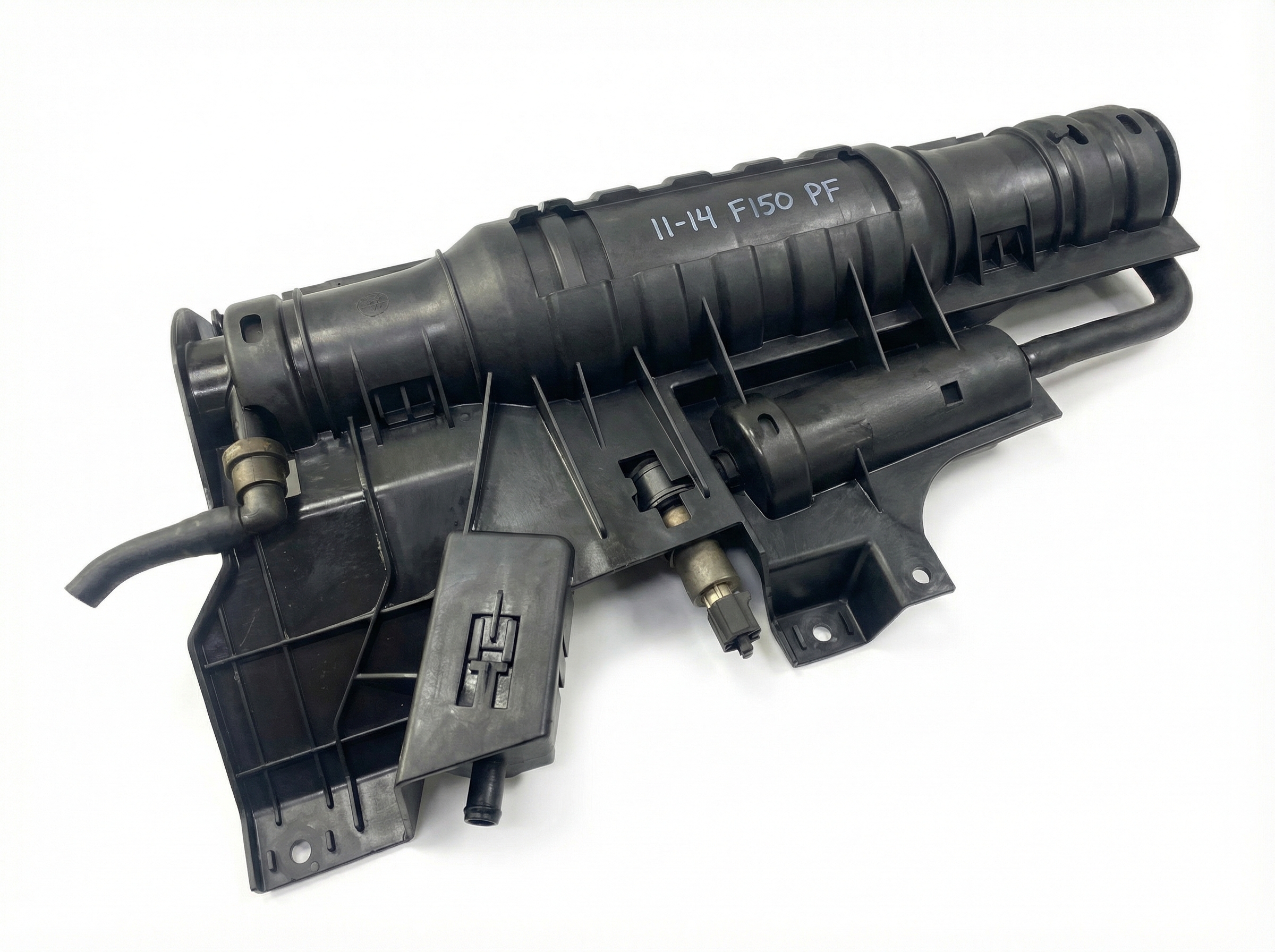
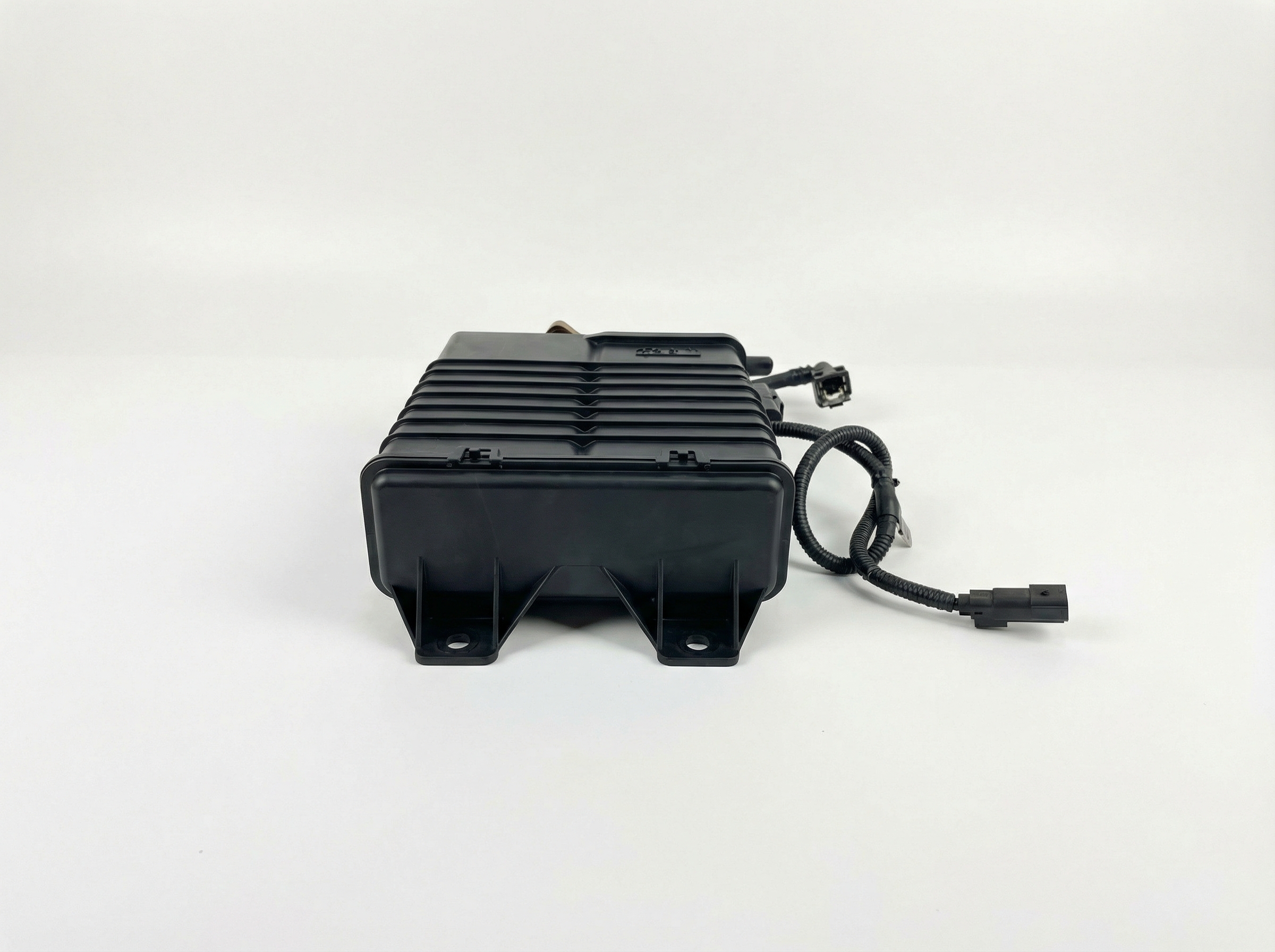
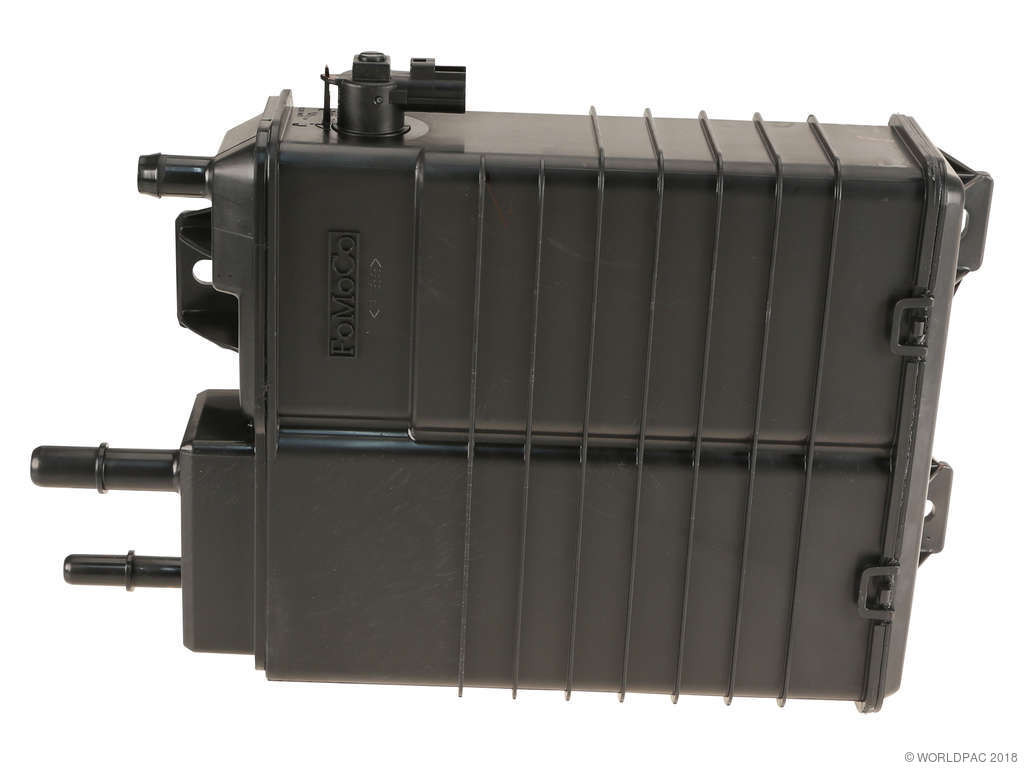
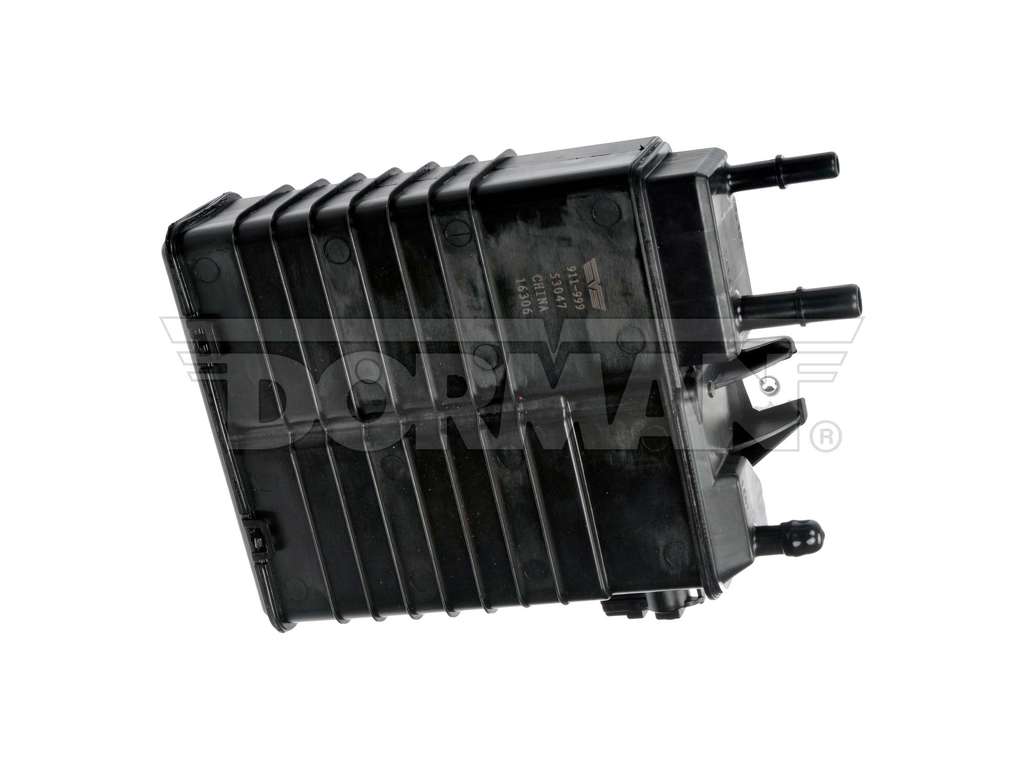
On a 2008-2012 Ford Escape, code P0449 is most often caused by a failed vapor canister vent solenoid (Motorcraft P/N: 9L8Z-9C915-A). This part is located under the vehicle on the charcoal canister, not in the engine bay. Expect to pay $50-$100 for an aftermarket part, with a DIY difficulty of 2/5. Corrosion can make removal difficult.
- P0449 on a 2008-2012 Escape almost always points to the vapor canister vent solenoid (Motorcraft 9L8Z-9C915-A) or its wiring.
- The correct part is located UNDERNEATH the vehicle on the charcoal canister, NOT in the engine bay.
- Before buying parts, test the solenoid with a multimeter (expect 40-80 ohms) or a 12V power source to confirm it has failed.
- Always inspect the wiring and connector for damage or corrosion, as this can mimic a failed solenoid.
- Be prepared for the old solenoid to be stuck; use caution during removal to avoid breaking the plastic tabs on the canister.
What's Unique About the 2008-2012 Ford Escape
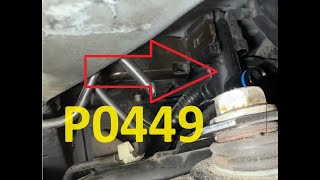
For the second-generation Ford Escape (2008-2012), the most critical thing to know about P0449 is the location of the part. The vent solenoid is mounted directly on the EVAP charcoal canister, located underneath the vehicle, roughly halfway back on the driver's side. Owners frequently confuse this part with the purge valve (or purge solenoid), which is easily accessible in the engine bay but controls a different function and typically sets different codes. Replacing the wrong part is a very common mistake. 🎬 Watch: How to replace the engine bay purge solenoid Due to its under-vehicle location, the plastic tabs holding the solenoid to the canister can become brittle and break upon removal, especially on vehicles from the salt belt.
Symptoms You May Notice
- Check Engine Light is on
- Difficulty filling the fuel tank (gas pump nozzle clicks off repeatedly)
- Faint fuel smell around the vehicle
- Slightly rough idle in some cases
- Replacing the Canister Purge Valve/Solenoid in the engine bay. This is the most common misdiagnosis. The purge valve is a different part that typically causes codes like P0455 or P0456. The P0449 code relates to the vent solenoid located under the vehicle on the charcoal canister.
Most Likely Causes
- Faulty Vapor Canister Vent Solenoid 🔴 High Probability → Shop Vapor Canister Vent Solenoid The solenoid's location under the vehicle exposes it to road grime, moisture, and corrosion, which can lead to electrical failure of the coil inside or cause the valve to stick. The plastic housing can also become brittle over time, leading to cracks or difficulty during replacement.
How to confirm: Using a multimeter, check for resistance across the solenoid's pins (a reading of 'OL' indicates an open circuit, while a healthy solenoid should be in the range of 40-80 ohms). You can also apply 12V power and ground to the solenoid; you should hear an audible click as it actuates. If it doesn't click, it has failed.
Typical fix: Replace the vapor canister vent solenoid. It typically twists a quarter-turn to unlock from the charcoal canister. Be gentle, as the plastic tabs on the canister can break. Some owners recommend buying a new canister seal/gasket along with the solenoid. 🎬 Watch: Under-vehicle vent valve solenoid replacement walkthrough
Est. part cost: $50 - $110 - Damaged Wiring or Connector 🟡 Medium Probability The wiring harness leading to the vent solenoid is routed under the car and can be damaged by road debris, heat from the exhaust, or corrosion, especially in regions that use road salt. The connector pins themselves can also corrode, causing a poor connection.
How to confirm: Visually inspect the wiring harness and connector for any breaks, chafing, or green/white corrosion on the pins. Use a multimeter to check for 12V power at the connector (typically a Violet/Orange wire) with the key on and for continuity on the ground wire (typically a White/Brown wire) back to the PCM.
Typical fix: Repair the damaged section of wire or replace the connector pigtail.
Est. part cost: $10 - $30 - Blown Fuse ⚪ Low Probability
How to confirm: Check the vehicle's fuse box for any blown fuses related to the emissions or EVAP system. Consult the owner's manual for the correct fuse location (often labeled 'EVAP Canister Vent Solenoid Fuse' in the engine bay fuse box).
Typical fix: Replace the blown fuse. If it blows again immediately, this indicates a short circuit in the system that needs to be found.
Est. part cost: $1 - $5
Rare But Worth Checking
- Faulty Powertrain Control Module (PCM): → Shop Engine Control Module (ECM) This is extremely rare and should only be considered after all other possibilities (solenoid, wiring, fuses) have been exhaustively tested and ruled out.
- Clogged EVAP Canister or Vent Hose: → Shop Vapor Canister It is possible for the charcoal canister itself or the vent hose to become clogged with dirt, debris, or spider webs, preventing proper airflow and potentially triggering a circuit code if the system cannot vent as expected during self-tests.
Diagnosis Steps
- Check for Other Codes: Use an OBD-II scanner to see if any other codes are present. Address those first if they are not EVAP-related.
- Inspect the Fuse: Check the fuse panel for a blown fuse related to the EVAP system. Replace if necessary.
- Locate the Vent Solenoid: Safely raise the vehicle. Locate the charcoal canister (a black plastic box) under the vehicle, on the driver's side, forward of the rear wheel. The vent solenoid is the electrical component mounted directly on it.
- Inspect Wiring and Connector: Carefully inspect the electrical connector and wiring going to the vent solenoid. Look for green corrosion, broken wires, or loose pins. Disconnect it and ensure the pins are clean and making good contact.
- Test the Circuit: With the key on, engine off, use a multimeter to verify that one pin on the connector has battery voltage (approx. 12V). This is typically the Violet/Orange wire.
- Test the Solenoid: Disconnect the solenoid. Measure the resistance between its two pins. A healthy solenoid will have a resistance between 40 and 80 ohms. An 'OL' (Over Limit) reading means the coil inside is broken and the solenoid is bad. Alternatively, use jumper wires to apply 12V directly to the solenoid; a good solenoid will make an audible click.
- Check for Blockages: With the solenoid removed, visually inspect the vent port on the canister and any attached hoses for obstructions like dirt, debris, or insect nests.
- Confirm the Fix: If the solenoid is bad, replace it. If the wiring is damaged, repair it. After the repair, clear the code with the scanner and drive the vehicle through a full drive cycle to see if the code returns.
Parts You'll Likely Need
- Vapor Canister Vent Solenoid
(OEM #9L8Z-9C915-A)— This is the most frequent point of failure for the P0449 code, due to either an internal electrical fault or mechanical sticking.
Trusted brands: Motorcraft, Dorman (P/N: 911-216), Standard Motor Products
OEM price range: $80-$120
Aftermarket price range: $50-$100
Related Codes That Often Appear With This One
- P0446 — P0446 (Evaporative Emission Control System Vent Control Circuit) is a very similar code that also points directly to a fault with the vent solenoid or its circuit. They often indicate the same root cause.
Platform-Specific Known Issues
- Solenoid Seizure and Breakage: Due to its location, the vent solenoid can become seized to the charcoal canister. The plastic can become brittle, and it's common for the retaining tabs on the canister to break when trying to twist the old solenoid off. Applying penetrating oil and using gentle, steady pressure is recommended. Some owners have had to use zip ties or epoxy to secure the new solenoid if the canister tabs break.
Diagnostic Flowchart
Other Known Issues on This Vehicle
Issues unrelated to this code that are worth knowing about as an owner of this generation:
- Electronic Power Steering (EPS) Failure 🔴 High — Very common across the generation, can occur at any mileage. A sudden loss of power assist makes the vehicle difficult to steer at low speeds. (Ref: Recall 14S05.)
- 6F35 Automatic Transmission Failure 🔴 High — Common, especially in 2009+ models. Symptoms include hard shifts, slipping, and eventual complete failure. Problems can start appearing before 100,000 miles. (Ref: Multiple TSBs exist, including TSB 16-0043 for fluid leaks.)
- Rear Shock Tower Rust 🔴 High — Extremely common in regions using road salt. The upper mount for the rear shock absorber rusts through the body, causing the shock to detach. Can become a major safety issue.
- Ignition Coil Failure 🟠 Medium — A frequent cause of engine misfires (P030x codes). Can occur at various mileages.
- Faulty EGR Valve 🟡 Low — The EGR valve can stick or fail, causing rough idling and a check engine light.
Real Owner Stories
Aggregated from forums and TSBs cited above. Mileages and costs reflect what owners reported in those sources.
2010 Ford Escape
Symptoms: Check engine light on with code P0449.
What fixed it: Replacement of the vent solenoid after confirming 12V at the connector but an open circuit ('OL' on the multimeter) across the solenoid pins.
Source hint: Ford-Trucks.com: A 2010 Escape owner with P0449 detailed their diagnostic process
2008-2012 Ford Escape
Symptoms: The hardest part was getting the old one off without breaking the tabs on the canister. Took a lot of wiggling.
What fixed it: Replacing the vapor canister vent solenoid.
Source hint: Escape-City.com: Multiple threads discuss P0449, with users confirming the vent solenoid as the fix.
Related OBD-II Codes
Frequently Asked Questions
Where is the vent solenoid located on my 2008-2012 Ford Escape?
I'm having trouble filling my gas tank and the pump keeps clicking off; is this related to P0449?
Can I just replace the solenoid, or do I need a whole new charcoal canister?
What electrical readings should I see when testing the solenoid on my Escape?
Are there any recalls for the EVAP system on this generation of Escape?
Does the Mercury Mariner or Mazda Tribute have this same P0449 issue?
Helpful Videos
Used OEM Parts in Stock

New Aftermarket Parts Available


The information in this article is provided for general reference and educational purposes only. Vehicle specifications, procedures, and part compatibility can vary by production date, trim level, and region. Always consult your vehicle's factory service manual and verify part numbers before purchasing or performing repairs. Safety-critical components such as airbags, seat belts, and braking systems should be installed by a qualified professional.
- Ford Escape:
- 🧭 Diagnostic Flowchart
- 🎬 Helpful Videos
- 🛍️ Shop This Part
- What's Unique About the 2008-2012 Ford Escape
- Symptoms You May Notice
- Most Likely Causes
- Rare But Worth Checking
- Diagnosis Steps
- Parts You'll Likely Need
- Related Codes That Often Appear With This One
- Platform-Specific Known Issues
- Other Known Issues on This Vehicle
- Real Owner Stories
- 2010 Ford Escape
- 2008-2012 Ford Escape
- Related OBD-II Codes
- Frequently Asked Questions
- 🎟️ Get 5% Off