

P0449 on 2011-2019 Ford Explorer: EVAP Vent Valve Circuit Malfunction Explained
On a 2011-2019 Ford Explorer, P0449 almost always means the EVAP canister vent solenoid has failed. It's located under the vehicle near the fuel tank and is a common failure item. Expect to pay $40-$100 for the part, with a DIY difficulty of 2/5.
- P0449 on a 2011-2019 Explorer points directly to a problem with the EVAP vent valve circuit, not a system leak.
- The most likely cause, by far, is a failed vent solenoid itself.
- A key symptom, besides the Check Engine Light, is the gas pump shutting off frequently during refueling.
- The repair is straightforward for a DIYer and involves replacing the solenoid located under the vehicle near the fuel tank.
- Do not confuse the vent solenoid (near the tank) with the purge valve (in the engine bay).
What's Unique About the 2011-2019 Ford Explorer
For the fifth-generation Ford Explorer, the P0449 code is a very common and straightforward issue. The EVAP vent solenoid is mounted under the vehicle near the fuel tank, often attached to the charcoal canister. This location exposes it to road grime, moisture, and physical damage, which often leads to the internal failure of the solenoid itself. Unlike some other vehicles where wiring is a frequent culprit, on the Explorer, the solenoid is the primary point of failure for this code.
Symptoms You May Notice
- Check Engine Light is on
- Difficulty refueling (gas pump clicks off frequently 🎬 Watch: Why your gas pump keeps clicking off)
- A faint fuel smell may be noticeable around the rear of the vehicle
- Slightly rough idle in some rare cases
- Replacing the gas cap. A bad gas cap typically causes EVAP leak codes (like P0442 or P0456), not a circuit malfunction code like P0449.
- Replacing the EVAP Purge Valve/Solenoid. The purge valve is located in the engine bay and has different functions and associated trouble codes (like P1450). 🎬 Watch: How to replace the engine bay purge valve P0449 specifically points to the vent valve circuit near the fuel tank.
Most Likely Causes
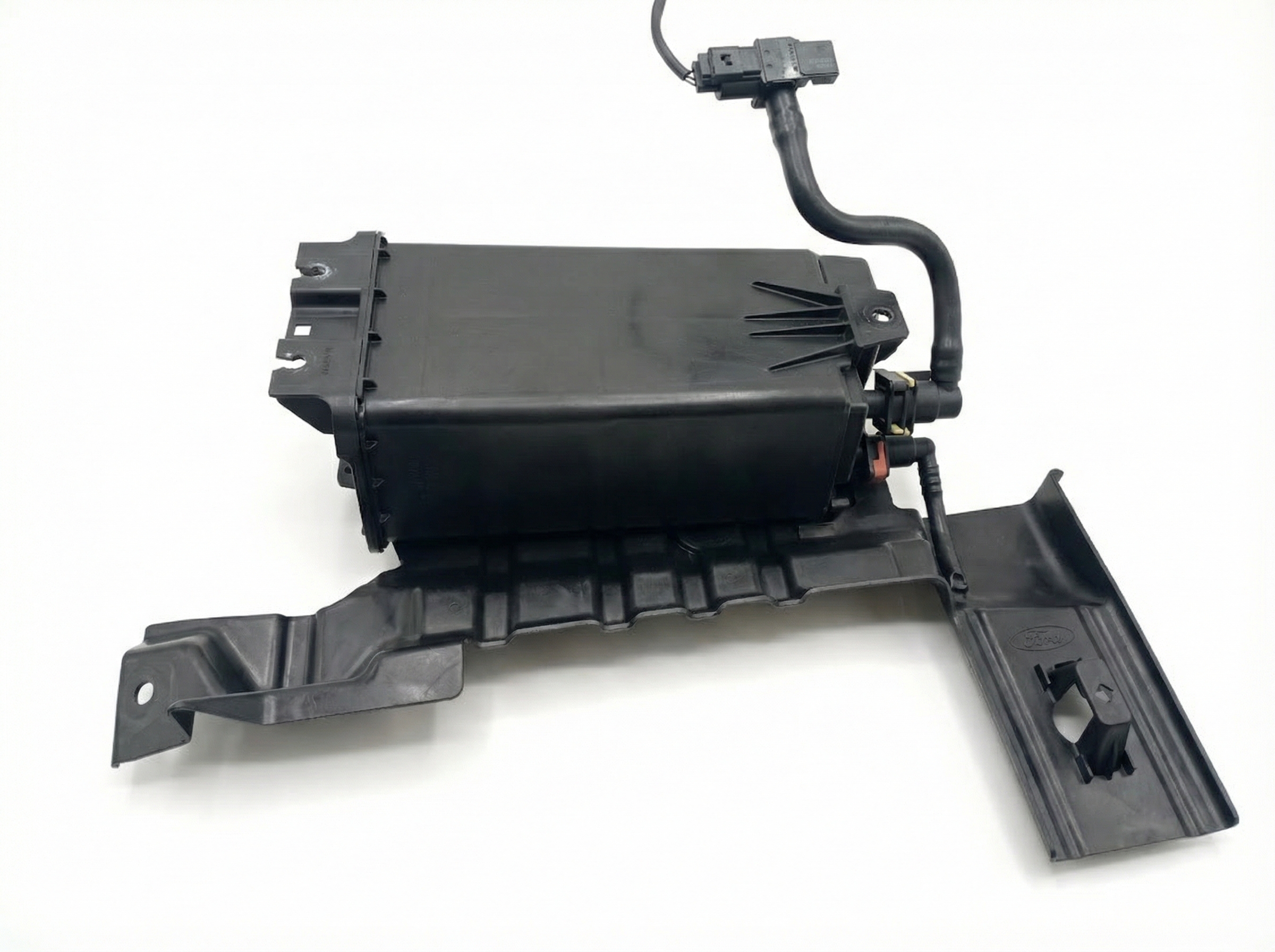
- Failed EVAP Canister Vent Valve/Solenoid 🔴 High Probability → Shop Vapor Canister The solenoid is mounted under the vehicle, exposing it to moisture, road salt, and debris, which leads to internal corrosion and electrical failure.
How to confirm: After checking for power at the connector, you can often confirm a bad solenoid by applying 12V directly to its pins; if it doesn't 'click', it has failed. A multimeter can also be used to check for an open circuit or incorrect resistance across the solenoid's pins.
Typical fix: Replace the EVAP canister vent valve/solenoid.
Est. part cost: $40-$100 - Damaged Wiring or Electrical Connector 🟡 Medium Probability The wiring harness leading to the vent solenoid is also routed under the vehicle and can be damaged by road debris, corrosion, or rubbing against the frame. The connector pins themselves can also corrode, causing a poor connection.
How to confirm: Visually inspect the wiring harness and connector for any breaks, corrosion, or loose pins. Use a multimeter to check for 12V power at the connector with the key on, and check for continuity on the ground wire. Wiggle the harness while testing to see if the connection is intermittent.
Typical fix: Repair the damaged section of the wiring harness or replace the connector pigtail.
Est. part cost: $10-$30 - Blown Fuse ⚪ Low Probability
How to confirm: Check the vehicle's fuse box diagram for the fuse related to the EVAP system or emissions components and visually inspect it.
Typical fix: Replace the blown fuse. If it blows again, a short circuit exists in the system that needs to be traced.
Est. part cost: $1-$5
Rare But Worth Checking
- Faulty Powertrain Control Module (PCM): → Shop Engine Control Module (ECM) This is extremely rare and should only be considered after all other possibilities (solenoid, wiring, fuses) have been definitively ruled out.
- Blocked EVAP Canister or Vent Hose: → Shop Vapor Canister Less common for a circuit code, but a physical blockage from debris or a collapsed hose can sometimes cause the PCM to flag a circuit fault. Inspect the hoses connected to the vent solenoid for kinks or blockages.
Diagnosis Steps
- Read the code with an OBD-II scanner to confirm P0449 is present.
- Check the fuse for the EVAP system in the vehicle's fuse panel.
- Locate the EVAP vent solenoid under the vehicle, near the charcoal canister and fuel tank, typically on the passenger side.
- Visually inspect the electrical connector and wiring going to the solenoid for any signs of corrosion, damage, or breaks.
- Disconnect the electrical connector. With the ignition key in the 'On' position, use a multimeter to verify that one of the pins in the connector has 12V power.
- If power is present, the issue is likely the solenoid itself. If no power is present, trace the wiring back to find the open circuit or check the fuse again.
- If you have a capable scan tool, command the vent solenoid to open and close to see if it responds. Alternatively, you can use jumper wires to apply 12V and ground directly to the solenoid pins to listen for an audible 'click'. No click indicates a failed solenoid.
- If the solenoid clicks but the code returns, check for a blockage in the vent hose or the charcoal canister itself. Also, re-inspect the wiring harness carefully for an intermittent open or short that may only appear when the vehicle is moving.
Parts You'll Likely Need
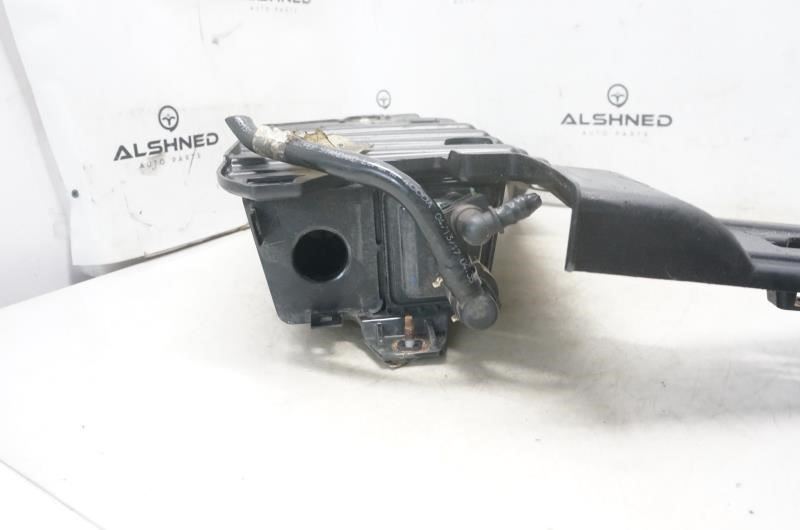
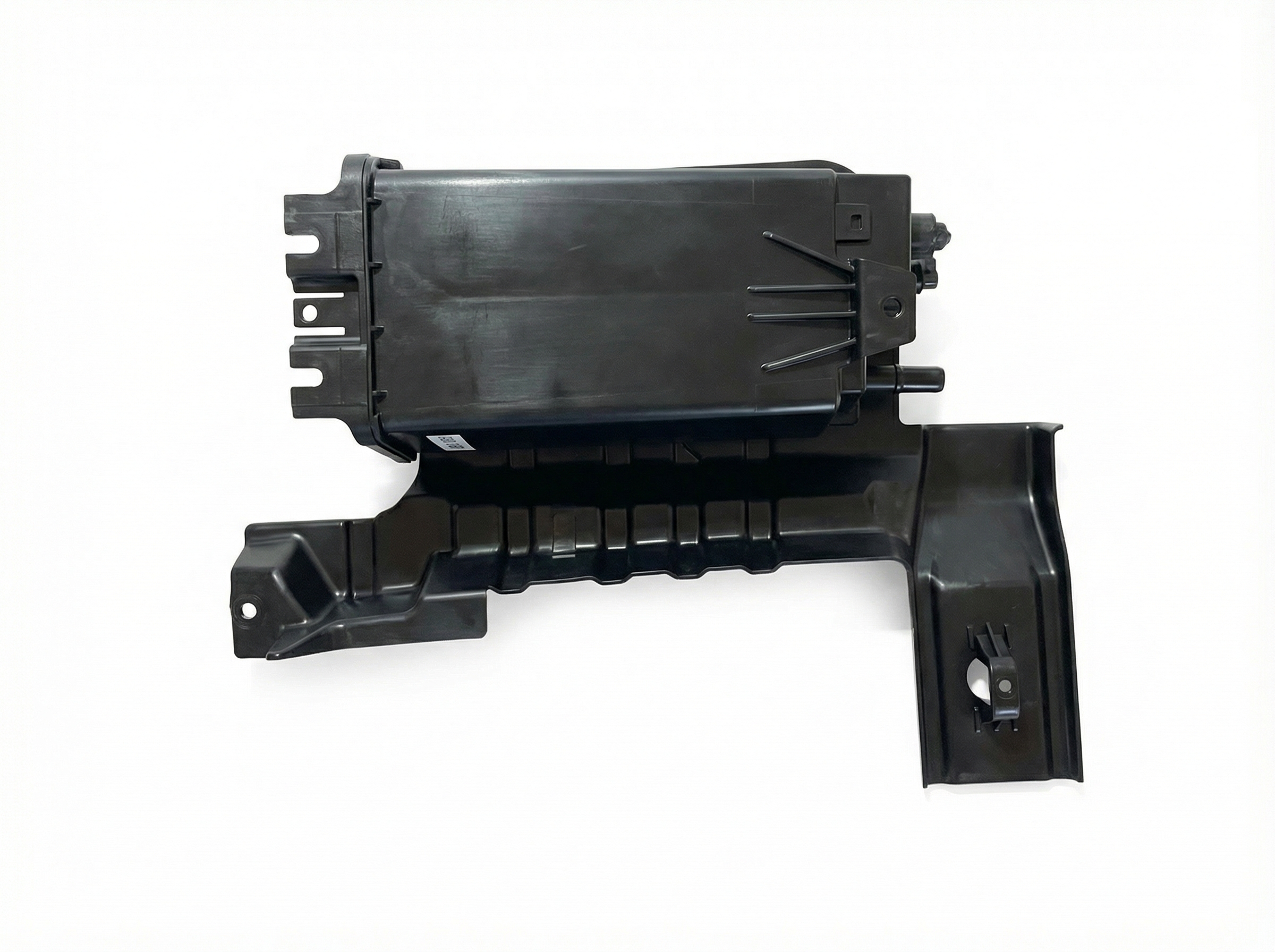
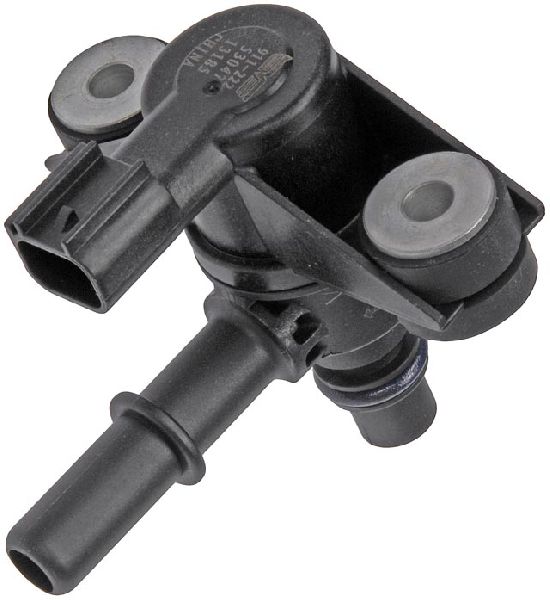
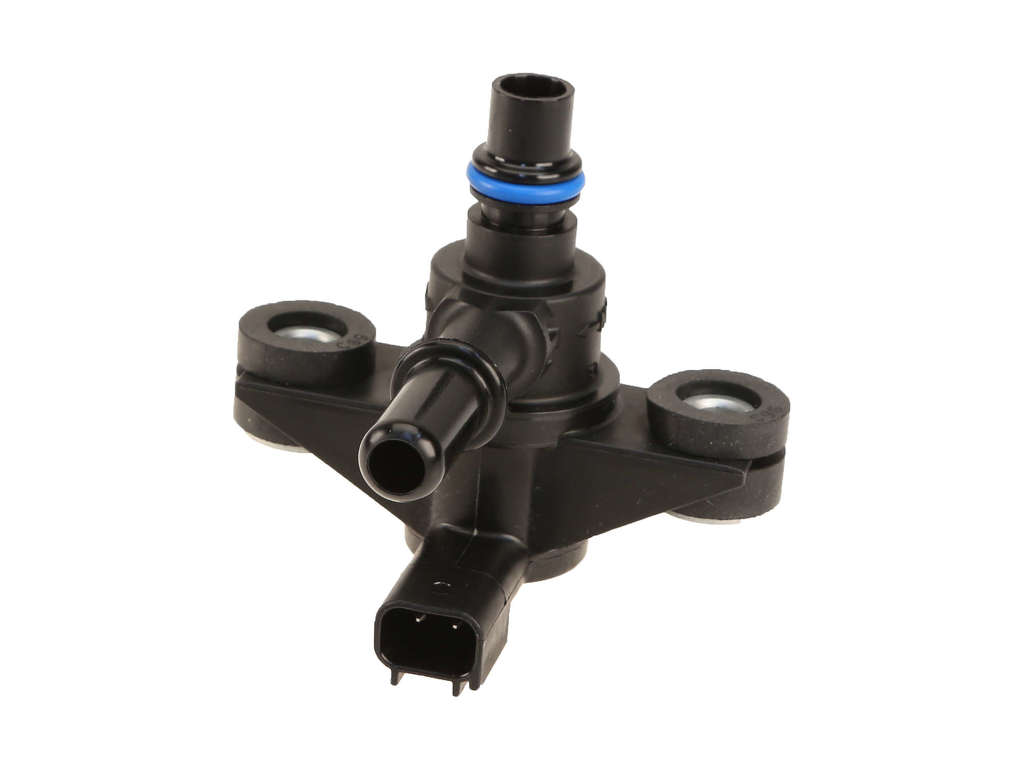
- Vapor Canister Vent Valve / Solenoid
(OEM #Motorcraft FVS-2 (check specific application))— This is the most common failure point for a P0449 code due to its exposed location under the vehicle, leading to internal electrical failure.
Trusted brands: Motorcraft, Dorman (P/N: 911-535), Standard Motor Products (P/N: CP806)
OEM price range: $65-$120
Aftermarket price range: $30-$80
Diagnostic Flowchart
Other Known Issues on This Vehicle
Issues unrelated to this code that are worth knowing about as an owner of this generation:
- Internal Water Pump Failure (3.5L & 3.7L V6) 🔴 High — Commonly occurs between 75,000 and 150,000 miles. The pump is driven by the timing chain, and failure can cause coolant to mix with engine oil, leading to catastrophic engine damage if not caught early. Repair is extremely labor-intensive, often costing $2,000-$3,000+.
- Power Transfer Unit (PTU) Overheating and Failure (AWD Models) 🔴 High — The PTU fluid is considered 'lifetime' by Ford but is often cooked by the adjacent exhaust, leading to breakdown and failure. Symptoms include a burning oil/propane smell, whining/grinding noises, and fluid leaks. Preventative fluid changes every 30,000 miles are recommended.
- Exhaust Fumes / Carbon Monoxide Entering Cabin 🟠 Medium — A widespread issue affecting 2011-2017 models, leading to thousands of complaints and an NHTSA investigation. Often occurs during heavy acceleration or with the A/C in recirculation mode. Ford issued service programs (not a full recall) to address potential sealing issues in the rear of the vehicle. (Ref: Ford Field Service Action 17B25)
- Timing Chain Stretch (3.5L EcoBoost V6) 🟠 Medium — The primary timing chain on early 3.5L EcoBoost engines can stretch prematurely, causing a rattle on cold starts and eventually leading to timing-related codes like P0016. If ignored, it can lead to significant engine damage. (Ref: Ford issued a TSB for P0016 on some model years indicating chain wear.)
- Steering Rack / Power Steering Failure 🔴 High — A significant number of NHTSA complaints relate to the steering system, including sudden loss of power steering or failure of the steering rack. Several recalls were issued, but problems can still occur outside of the recall scope. (Ref: Multiple steering-related recalls exist.)
Real Owner Stories
Aggregated from forums and TSBs cited above. Mileages and costs reflect what owners reported in those sources.
Ford Explorer
Symptoms: Check engine light is on and the gas pump clicks off frequently during refueling.
What fixed it: Replacing the EVAP canister vent valve solenoid.
Source hint: Reddit r/FordExplorer: User discussions confirm the vent solenoid as the primary culprit for P0449 and the associated symptom of the gas pump clicking off.
Ford Explorer
Symptoms: Trouble Code P0449, Check Engine Light is on.
What fixed it: The diagnosis process highlighted the potential for wiring harness issues or a failed vent solenoid, distinguishing it from the purge solenoid.
Source hint: GMTNation.com (for related platforms): A user thread titled 'Trouble Code P0449, Check Engine Light is on'
Ford Explorer
Symptoms: P0449 code present.
What fixed it: Replacing the EVAP canister vent valve solenoid is the standard fix for P0449 on this platform.
Source hint: ExplorerForum.com: Multiple threads corroborate that replacing the EVAP canister vent valve solenoid is the standard fix for P0449 on this platform.
Related OBD-II Codes
Frequently Asked Questions
Why does the gas pump keep clicking off when I try to fill up my 2011-2019 Ford Explorer?
Where is the EVAP vent solenoid located on my Explorer?
Is there a TSB for exhaust smells in the cabin of my 2011-2017 Explorer?
Could a blown fuse cause the P0449 code on my Ford Explorer?
Does the Ford Flex or Lincoln MKT have this same P0449 issue?
How can I tell if the solenoid itself is bad or if it's just a wiring problem?
Helpful Videos
Used OEM Parts in Stock

New Aftermarket Parts Available


The information in this article is provided for general reference and educational purposes only. Vehicle specifications, procedures, and part compatibility can vary by production date, trim level, and region. Always consult your vehicle's factory service manual and verify part numbers before purchasing or performing repairs. Safety-critical components such as airbags, seat belts, and braking systems should be installed by a qualified professional.
- Ford Explorer:
- 🧭 Diagnostic Flowchart
- 🎬 Helpful Videos
- 🛍️ Shop This Part
- What's Unique About the 2011-2019 Ford Explorer
- Symptoms You May Notice
- Most Likely Causes
- Rare But Worth Checking
- Diagnosis Steps
- Parts You'll Likely Need
- Other Known Issues on This Vehicle
- Real Owner Stories
- Ford Explorer
- Ford Explorer
- Ford Explorer
- Related OBD-II Codes
- Frequently Asked Questions
- 🎟️ Get 5% Off