

P0449 on 2011-2016 Hyundai Elantra: EVAP Vent Valve Circuit Malfunction Causes and Fixes
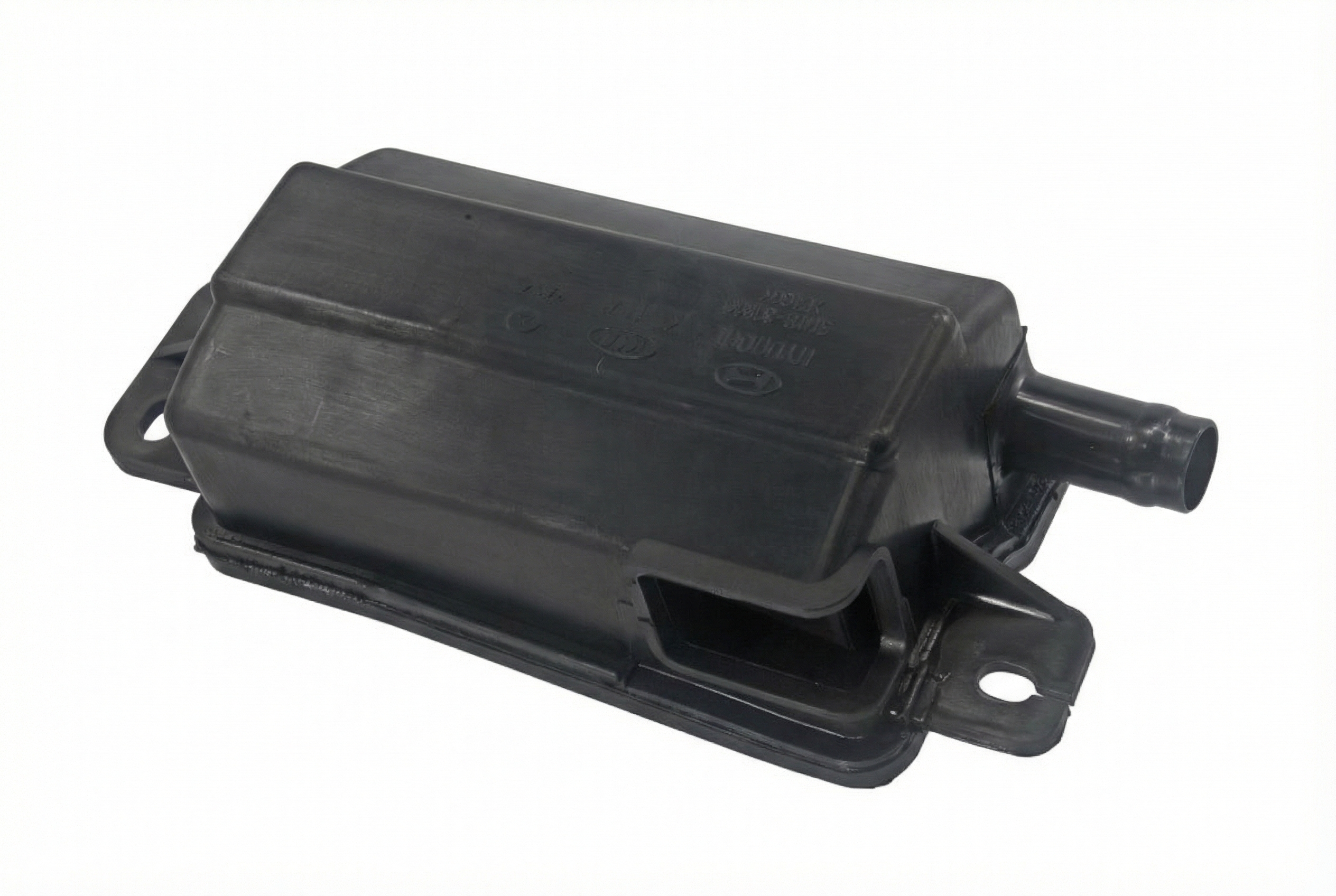
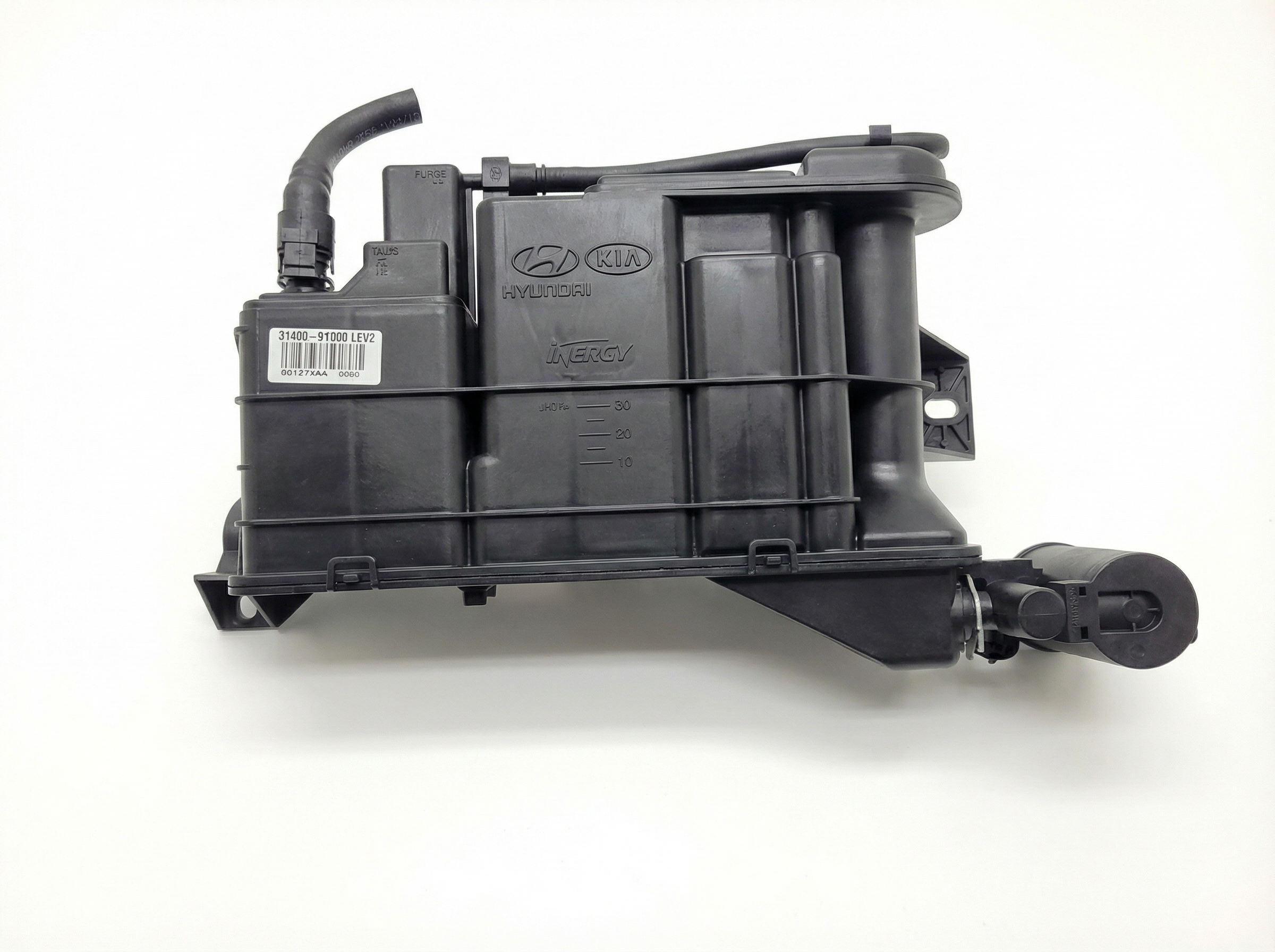
On a 2011-2016 Elantra, P0449 almost always means the EVAP Canister Close Valve (also called the vent valve) has failed. This is an electrical circuit code, not a leak code. Replacing the valve is the common fix, costing $35-$70 for an aftermarket part and is a straightforward DIY job. The valve is located at the rear of the car, attached to the charcoal canister, and its failure often makes it difficult to refuel the car.
- P0449 is an electrical circuit code for the EVAP vent valve, not a leak code. Do not start by replacing the gas cap.
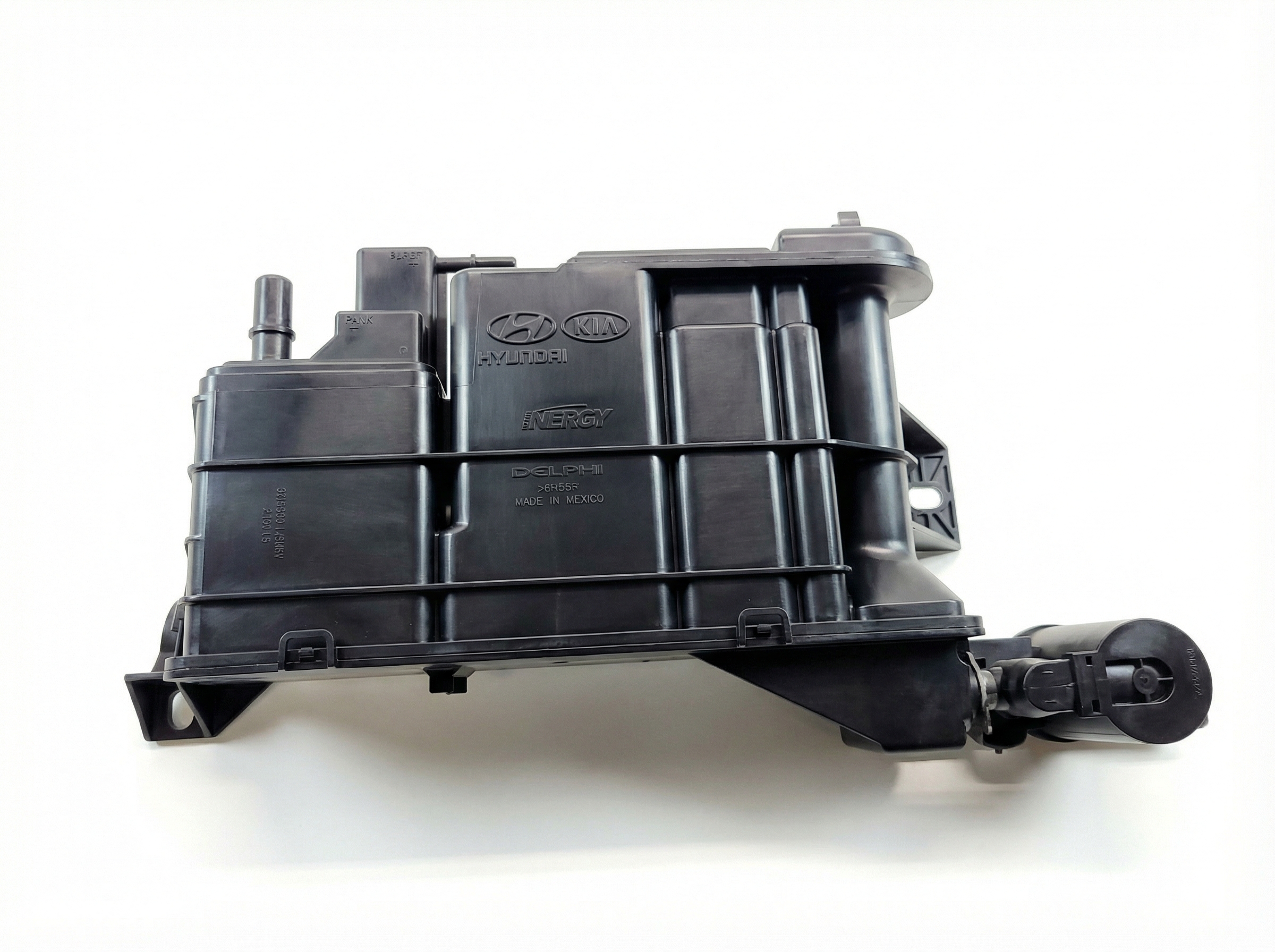
- The most common fix is replacing the Canister Close Valve (part #31430-1Y000), located near the charcoal canister at the rear of the car.
- A key symptom, along with the Check Engine Light, is the gas pump nozzle shutting off repeatedly during refueling.
- Before replacing the valve, perform a quick electrical test by applying 12V to its pins to see if it clicks, and check its resistance with a multimeter (should be 15.5-18.5 Ω).
What's Unique About the 2011-2016 Hyundai Elantra
For the fifth-generation Elantra (MD/UD), the P0449 code is a very common and straightforward issue. Unlike leak-related EVAP codes (like P0455 or P0456), this code specifically points to an electrical failure of the vent valve circuit. The valve is located underneath the vehicle near the spare tire well, making it highly susceptible to damage from road salt, moisture, and debris. Owners frequently experience difficulty filling the gas tank as a primary symptom, which occurs when the valve fails in a way that prevents air from escaping the tank during refueling.
Symptoms You May Notice
- Check Engine Light is on
- Difficulty filling the gas tank (fuel pump nozzle clicks off repeatedly)
- Possible faint fuel smell
- Intermittent nature of the Check Engine Light (may turn on and off for days at a time)
- Replacing the gas cap. A faulty gas cap typically causes EVAP leak codes like P0455 or P0457, not a circuit code like P0449.
- Replacing the Purge Control Solenoid Valve (PCSV). The purge valve is located in the engine bay and has its own specific trouble codes, such as P0441. P0449 points specifically to the vent valve circuit at the rear of the car.
Most Likely Causes
- Failed Canister Close Valve (CCV) / Vent Solenoid 🔴 High Probability → Shop Vapor Canister The solenoid's location at the rear of the vehicle exposes it to road salt, water, and debris, leading to corrosion and electrical failure of the internal coil. This is the most common cause for P0449.
How to confirm: Disconnect the valve's electrical connector and apply 12V and ground to its pins. A healthy valve will make an audible 'click'. No click indicates a failed solenoid. You can also measure the resistance across the pins with a multimeter; a healthy coil should have a resistance of 15.5 to 18.5 Ω at 68°F (20°C). An open circuit (infinite resistance) or a dead short (zero resistance) confirms failure.
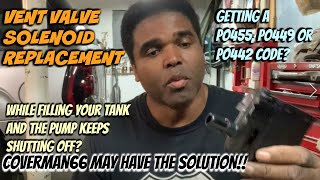
Typical fix: Replace the canister close valve assembly. The OEM part is 31430-1Y000. A popular aftermarket alternative is Dorman 911-091 (for 2011-2016 models). 🎬 See: How to replace the vent valve
Est. part cost: $35 - $120 - Damaged Wiring or Electrical Connector 🟡 Medium Probability The valve is located at the rear of the vehicle near the charcoal canister, exposing the wiring and connector to road debris, moisture, and corrosion which can cause an open or short in the circuit.
How to confirm: Visually inspect the wiring harness leading to the canister close valve for any breaks, chafing, or corrosion on the connector pins. Use a multimeter to check for 12V power on one wire (often pink) and a ground signal from the ECM on the other when the key is on. A wiring diagram for your specific model year is recommended.
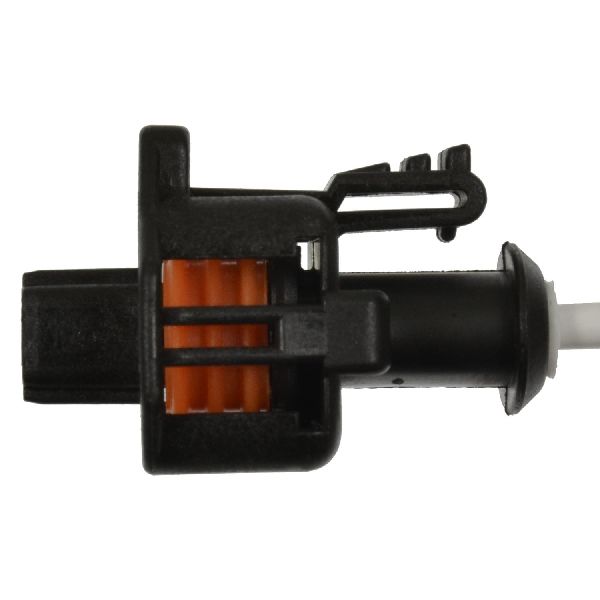
Typical fix: Repair the damaged section of wire or clean/replace the connector. In some cases, a pigtail connector replacement may be necessary.
Est. part cost: $5 - $25 - Blown Fuse ⚪ Low Probability
How to confirm: Check the fuse panel for any blown fuses related to the emissions or EVAP system. Consult your owner's manual for the specific fuse location.
Typical fix: Replace the blown fuse. If it blows again, a short circuit exists in the system that must be diagnosed.
Est. part cost: $1 - $5
Rare But Worth Checking
- Faulty Powertrain Control Module (PCM): → Shop Engine Control Module (ECM) This is extremely rare. The PCM should only be considered after all other possibilities, including the valve and its entire circuit, have been thoroughly tested and proven to be good.
Diagnosis Steps
- Read the code with an OBD-II scanner to confirm P0449 is the only code present.
- Locate the Canister Close Valve (CCV) attached to or near the charcoal canister at the rear of the vehicle, typically near the driver's side rear wheel, underneath the car.
- Inspect the electrical connector and wiring going to the CCV for any visible damage, corrosion, or loose connections.
- With the ignition on, use a multimeter to verify that one pin on the connector has battery voltage (around 12V). On some models, this is a pink wire.
- If power is present, test the valve itself. Disconnect it and apply 12V directly to its pins. A healthy valve will click. If it does not click, the valve has failed and needs to be replaced.
- As a more definitive test, measure the resistance across the valve's two pins using a multimeter. It should read between 15.5 and 18.5 ohms. If it reads 'OL' (open loop) or near zero, the valve is bad.
- If the valve tests good, the problem likely lies in the wiring between the valve and the PCM, or a faulty PCM (which is rare). Perform a continuity test on the power and ground wires.
- If you have a capable bidirectional scanner, you can command the vent valve (often called 'Canister Shut Off Valve' in the scan tool) to close and listen for the click, which confirms the entire circuit and valve are working.
Parts You'll Likely Need
- Canister Close Valve / EVAP Vent Solenoid
(OEM #31430-1Y000)— This is the most common failure for code P0449. The internal solenoid coil fails due to corrosion or heat cycles, causing an electrical circuit malfunction detected by the ECM.
Trusted brands: Hyundai (Genuine), Dorman (911-091), Standard Motor Products, Wells
OEM price range: $100-$120
Aftermarket price range: $35-$70
Platform-Specific Known Issues
- The Canister Close Valve is located underneath the car near the rear driver's side, attached to the charcoal canister. Its exposed position makes it prone to failure from road salt and moisture.
- A user on Reddit with a 2013 Elantra confirmed testing the valve by applying 12V power, which is a common and effective diagnostic step for this specific part.
Technical Service Bulletins (TSBs) & Recalls
- TSB Bulletin #5NP-Q7J2C-07: While issued for the Veloster, this manufacturer bulletin notes that DTC P0449 indicates a "Canister Closed Valve (CCV) - Restricted Vent Circuit," highlighting the electrical nature of this fault within the Hyundai EVAP system architecture.
Mechanic-Grade Diagnostic Values
- Canister Close Valve (CCV) Coil Resistance — expected: 15.5 to 18.5 Ω at 68°F (20°C). Failure: Reading of 'OL' (Open Loop/infinite resistance) or near 0 Ω (dead short). A reading of ~20 Ω was seen on a failed part in one case.
- CCV Connector Voltage (Key On) — expected: Approximately 12V (battery voltage) on the power supply pin (often pink).. Failure: Low or no voltage indicates a wiring or fuse issue upstream of the connector.
- CCV Circuit Integrity Test — expected: A test light connected across the two pins of the harness connector should illuminate when the valve is commanded on with a bidirectional scan tool.. Failure: If the light does not illuminate, it confirms a problem in the wiring or the PCM driver, not the valve itself.
Scan Tool Commands That Help
- Hyundai GDS (or equivalent bidirectional scanner): Canister Shut Off Valve Test — This active test is used to command the Canister Close Valve on and off to verify the electrical circuit and the mechanical function of the solenoid. A technician should listen for an audible click from the valve when activated.
Wiring & Ground Locations
- Canister Close Valve (CCV) Connector — At the rear of the vehicle, underneath, plugged into the CCV which is attached to the charcoal canister assembly.. This connector and its wiring are highly exposed to road salt and debris, making them a common point of failure due to corrosion or physical damage, which directly causes a P0449 circuit code.
- CCV Pin 1 (Control) — One of the two pins in the CCV connector.. This pin receives the ground signal from the PCM to energize the solenoid. A break in this wire will cause a P0449.
- CCV Pin 2 (Power) — The other of the two pins in the CCV connector, often a pink wire.. This pin receives 12V power with the ignition on. Loss of power due to a blown fuse or broken wire will cause a P0449.
Real Owner Repair Stories
- NHTSA ODI #11629373: An owner reported that while driving, the check engine light illuminated; a subsequent scan revealed code P0449 for the evaporative emissions (EVAP) vent control valve.
- NHTSA ODI #11629374: One owner experienced a P0449 code that manifested as a physical inability to pump gas into the car, illustrating how the electrical circuit failure prevents proper tank venting.
- NHTSA ODI #11467031: A report indicates that a defective part was successfully replaced based on the diagnostic code P0449 to resolve a persistent check engine light.
- Pine Hollow Auto Diagnostics (YouTube) 🎬 Watch: Pine Hollow's full diagnostic walkthrough (2010 Hyundai Sonata (similar EVAP system), 184,000 miles) — Check Engine Light with code P0449, impossible to fill the fuel tank.
❌ Tried (didn't work) Initial diagnosis focused only on the P0449 code for the vent solenoid.
✅ What actually fixed it The vehicle had two separate problems. The P0449 code was caused by a failed (mechanically stuck) vent solenoid that did not click when commanded. The inability to refuel was caused by a completely separate, clogged EVAP system air filter located in the vent line. Both the solenoid and the filter had to be replaced to fix all symptoms. - Reddit user r/CarHelp (2013 Hyundai Elantra) — P0449 code after the car was parked for a year.
❌ Tried (didn't work) The owner removed the valve and tested it with 12V power; it clicked and closed properly, confirming the valve itself was not the issue.
✅ What actually fixed it The discussion pointed towards checking the wiring harness for breaks or corrosion between the valve and the PCM, as the valve itself tested good. The final fix was not posted, but the story is valuable for showing that a 'good' valve test points definitively to a wiring problem.
OEM Part Supersession History
31430-1Y000→No supersession found. This part number remains current.— N/A
Heads up: This part number is used across a wide range of Hyundai and Kia vehicles from roughly 2012-2020, including the Elantra, Veloster, Forte, and Soul, indicating broad compatibility within this era.
Model Year Variations Within This Range
- 2011-2016: While the P0449 issue and the CCV part (31430-1Y000) are consistent across the 2011-2016 generation, there was a facelift for the 2014 model year. However, service information and part fitment data show no significant changes to the EVAP canister or CCV location/design for this specific problem. The subsequent generation (2017+) uses a different part.
Diagnostic Flowchart
Other Known Issues on This Vehicle
Issues unrelated to this code that are worth knowing about as an owner of this generation:
- Engine Ticking / Piston Slap (1.8L Nu Engine) 🔴 High — Widespread issue, particularly noticeble on cold starts. Led to a class-action lawsuit and extended warranties. (Ref: Class Action Lawsuit Settlement (Brown v. Hyundai), TSBs 22-EM-007H & 22-EM-009H.)
- MDPS Steering Coupler Failure 🟠 Medium — Extremely common. The flexible rubber coupler disintegrates over time, causing a clicking or clunking noise in the steering wheel when turning. (Ref: Warranty Extension TXX7 (10 years/100,000 miles), TSB 17-ST-002.)
- Premature Brake Wear 🟡 Low — Frequently reported by owners. Brake pads and rotors may wear out faster than expected, sometimes in under 30,000 miles.
- ABS Module Fire Risk 🔴 High — Part of a massive recall campaign. The ABS module can leak brake fluid internally, causing an electrical short and potential fire, even when the car is parked. (Ref: NHTSA Recall 20V061000.)
- Front Coil Spring Fracture 🟠 Medium — More common in 'Salt Belt' states. Road salt can cause corrosion and fracture of the front coil springs, which could puncture a tire. (Ref: NHTSA Recall 15V629000.)
Used vs. New Parts: Buying Guide for This Vehicle
When a used part is the smart pick: For the Canister Close Valve, a used part is generally not recommended. The failure is due to electrical coil breakdown from age and corrosion, and a used part from a junkyard carries a high risk of having the same issue or failing shortly after installation.
Donor-vehicle mileage cap: roughly under 100000 miles for the part to have meaningful remaining life.
What to inspect on the donor part:
- Visually inspect the plastic housing for cracks.
- Check the electrical connector pins for any signs of green or white corrosion.
- If possible, test the part with a 12V source to ensure it clicks before purchasing.
OEM-only on this vehicle (don't cheap out):
- No parts for this specific repair are strictly OEM-only.
Aftermarket brands forum-validated for this vehicle:
- Standard Motor Products (SMP)
- Wells
Brands owners have reported issues with on this vehicle:
- Dorman is often cited as having inconsistent quality; while their part (911-091) may work, some technicians prefer to avoid the brand if an alternative like SMP or Wells is available for a similar price.
Real Owner Stories
Aggregated from forums and TSBs cited above. Mileages and costs reflect what owners reported in those sources.
2013 Hyundai Elantra GT
Symptoms: Check engine light comes on for a few days then off for another few. Noted a non-clicking gas cap.
What fixed it: I just replaced the fuel cap and have had no issues since.
Cost: $20-$20
Source hint: reddit.com - Code p0449 related questions : r/HyundaiElantra
2013 Hyundai Elantra
Symptoms: The check engine light has been on with the 0449 code after the car was parked for about a year.
What fixed it: Replace the vent valve assembly. The solenoid may be failing when it heats up even if it bench tests okay.
Source hint: reddit.com - P0449 OBD2 code on 2013 Elantra : r/MechanicAdvice
2006 Hyundai Elantra
Symptoms: Check engine light with code P0449.
What fixed it: The dealer replaced the vent valve to resolve the code.
Source hint: hyundai-forums.com/threads/code-p0449-question.77380/
Related OBD-II Codes
Frequently Asked Questions
Where is the Canister Close Valve (CCV) located on my 2011-2016 Elantra?
What is the specific OEM part number for the replacement vent solenoid?
How can I test if the solenoid has actually failed before buying a new one?
Why does the gas pump nozzle keep clicking off when I try to fill my tank?
Is there a fuse I should check for the P0449 code on my Elantra?
I have a 2013 Elantra with a ticking engine; is that related to the P0449 code?
Helpful Videos

Used OEM Parts in Stock

New Aftermarket Parts Available


The information in this article is provided for general reference and educational purposes only. Vehicle specifications, procedures, and part compatibility can vary by production date, trim level, and region. Always consult your vehicle's factory service manual and verify part numbers before purchasing or performing repairs. Safety-critical components such as airbags, seat belts, and braking systems should be installed by a qualified professional.
- Hyundai Elantra:
- 🧭 Diagnostic Flowchart
- 🎬 Helpful Videos
- 🛍️ Shop This Part
- What's Unique About the 2011-2016 Hyundai Elantra
- Symptoms You May Notice
- Most Likely Causes
- Rare But Worth Checking
- Diagnosis Steps
- Parts You'll Likely Need
- Platform-Specific Known Issues
- Technical Service Bulletins (TSBs) & Recalls
- Mechanic-Grade Diagnostic Values
- Scan Tool Commands That Help
- Wiring & Ground Locations
- Real Owner Repair Stories
- OEM Part Supersession History
- Model Year Variations Within This Range
- Other Known Issues on This Vehicle
- Used vs. New Parts: Buying Guide for This Vehicle
- Real Owner Stories
- 2013 Hyundai Elantra GT
- 2013 Hyundai Elantra
- 2006 Hyundai Elantra
- Related OBD-II Codes
- Frequently Asked Questions
- 🎟️ Get 5% Off